What Feral Hogs Rooting Through A Texas Yard Are Actually After
Waking up to find your Texas yard rooted up overnight is one of those discoveries that makes the damage feel almost personal.
The torn soil, the destroyed lawn, the garden beds turned over as if something was searching for something specific. Because something was.
Feral hogs don’t root randomly. Every disturbance in your yard reflects a very deliberate search for food.
What they’re after tells you something specific about the conditions under the surface of your property that are making it worth returning to.
Understanding what feral hogs are actually looking for when they root through a yard changes how you approach the problem.
It shifts the response from reactive cleanup to addressing the source, which is the only approach that actually reduces how often they come back. Here’s what feral hogs are really after in your Texas yard.
1. Grubs And Other Insect Larvae
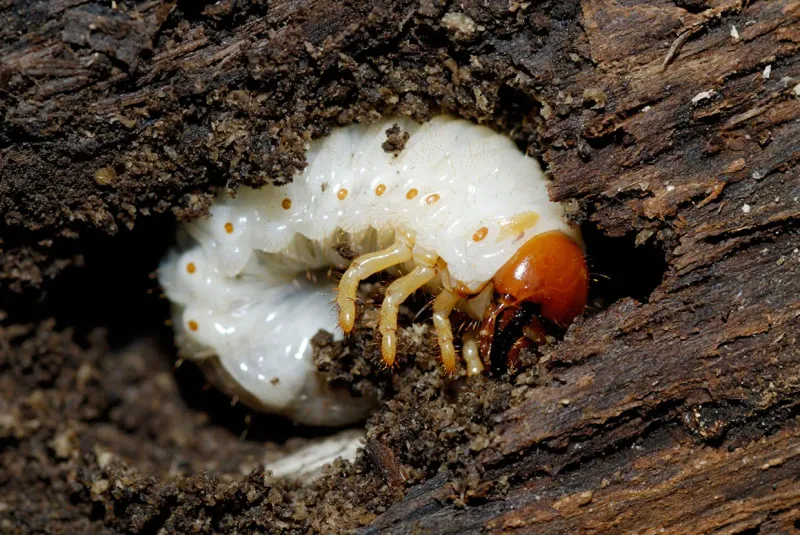
Picture waking up to find your lawn flipped over like a giant pancake. That messy scene is often the work of hungry hogs chasing white grubs.
Those fat, C-shaped larvae hide just under the grass roots, and hogs can smell them from far away.
A feral hog’s snout is a powerful tool. It has a tough, flat disk at the end, backed by strong muscles and a sharp sense of smell.
Hogs push that snout into the dirt and plow forward, tearing up turf to reach every wiggling bite.
Grubs are the babies of June bugs, masked chafers, and Japanese beetles. They are packed with protein and fat, which makes them a perfect snack for a big animal. In late summer and fall, Texas lawns can hold dozens of grubs in a single square foot.
So what can you do about it? Start by checking for grubs yourself. Cut a small square of sod, peel it back, and count what you see.
If you find more than five or six grubs per square foot, your yard is like a buffet sign for hogs.
Treating the lawn with a grub control product in early summer can shrink the food supply. Beneficial nematodes are a natural option that many gardeners like.
Watering less often can help too, since beetles like to lay eggs in soft, damp soil. A healthy lawn with deep roots also holds up better when critters come calling. Fewer grubs usually means fewer midnight visits from your bristly neighbors.
Did you know? One hog can root up an area the size of a small room in a single night while searching for insect larvae.
2. Earthworms And Other Soil Invertebrates
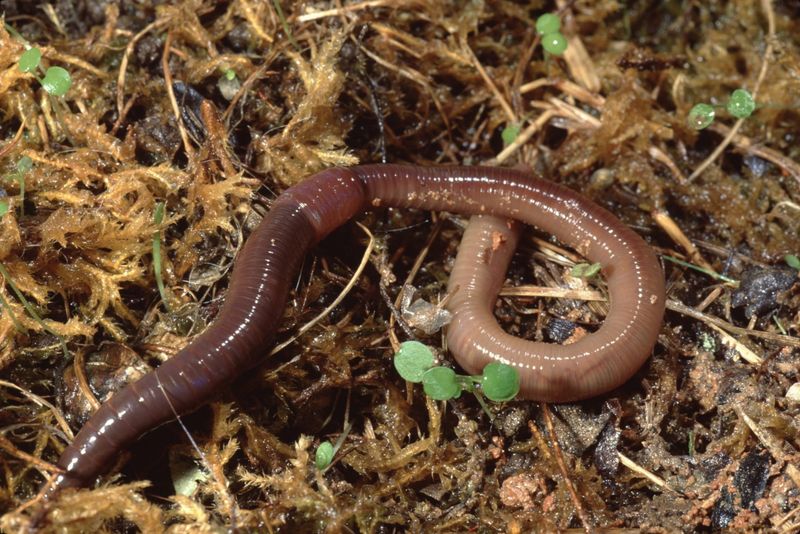
Earthworms might be a gardener’s best friend, but to a feral hog they are more like potato chips.
Soft, juicy, and easy to swallow, worms make a great snack for a hungry pig. After a good rain, they rise close to the surface, and hogs know it.
Wet soil is a big clue. Hogs often show up a day or two after a storm because the ground is softer and full of wriggling life. Digging is easier, and the rewards are bigger.
Your Texas Garden Changes Every Week. Your Plan Should Too.
Gardening in Texas changes quickly throughout the season. Every Friday you’ll receive a simple weekly plan showing exactly what to plant, prune, fertilize, harvest, and protect so you never miss the right timing.
Worms are not the only prize down there. Hogs also munch on beetles, crickets, centipedes, snails, and slugs.
Here is the tricky part. Rich, healthy soil full of worms is exactly what most homeowners want. You probably do not want to get rid of your worms just to stop the hogs.
Instead, think about protecting the areas worms love most. Flower beds, compost piles, and spots under mulch are hog magnets because they stay moist. Moving compost into a closed bin can make a real difference.
Irrigation matters as well. Sprinklers that run every night keep the soil soft and buggy, which invites digging.
Try watering deeply but less often, early in the morning, so the surface dries out during the day.
Some folks also lay heavy wire mesh just under the mulch in garden beds. Plants can still grow through it, but a hog’s snout hits metal instead of dirt. Pair that with a sturdy fence, and your worm-filled soil gets to stay where it belongs.
Fun fact: a pig’s snout has thousands of touch sensors, so it can feel a worm move before it even sees it.
3. Plant Roots And Tubers
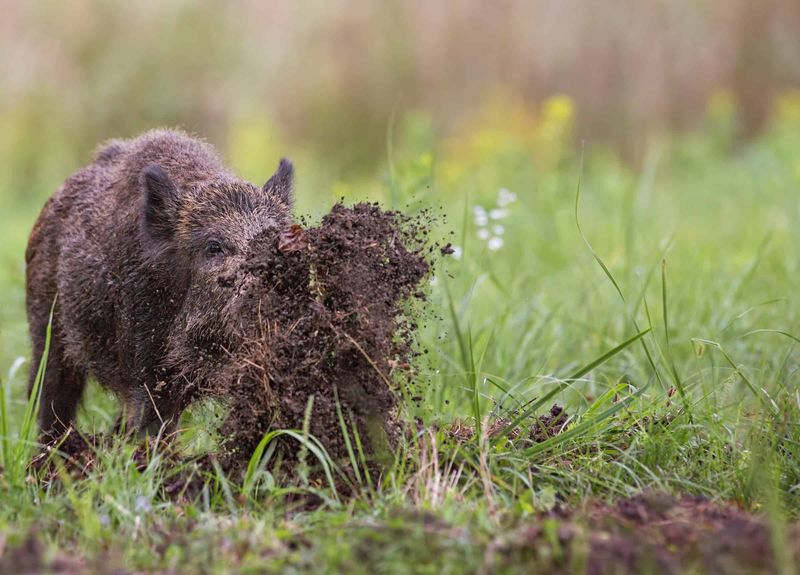
Ask any Texas rancher about hogs, and you will likely hear a story about a ruined pasture. Wild pigs love to dig for roots, and they are not picky about whose roots they take. Grass, shrubs, and even young trees can end up flipped on their sides by morning.
Roots store energy for plants. They hold sugars and starches that help plants survive winter or dry spells. For a hog, that stored energy is like finding a hidden candy stash.
Tubers are even better. Sweet potatoes, regular potatoes, and wild tubers like those from nut sedge are all on the menu. A backyard vegetable garden with root crops is almost impossible for a hog to ignore.
Ornamental plants are not safe either. Bulbs from tulips, lilies, and irises can get dug up and eaten. Some landscaping plants with fleshy roots, like cannas, draw hogs in as well.
Protecting roots takes a bit of planning. Raised garden beds with hardware cloth stapled across the bottom are a smart choice. The mesh keeps snouts out while letting water drain through.
Fencing is another strong option. Hog panels, which are heavy welded wire sheets, work well when buried a few inches into the ground.
Adding a low strand of electric wire about eight inches high gives an extra layer of defense.
You can also choose plants hogs tend to skip. Many native Texas plants with tough, woody roots hold up better than soft-rooted flowers. Talk with a local nursery about options that fit your area.
Keep in mind that damaged roots can weaken a plant for months, so quick replanting and watering help your yard bounce back.
4. Acorns And Other Fallen Nuts
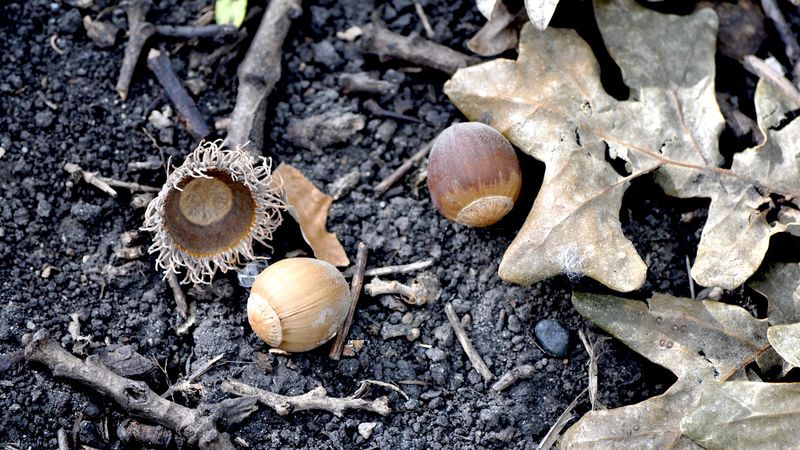
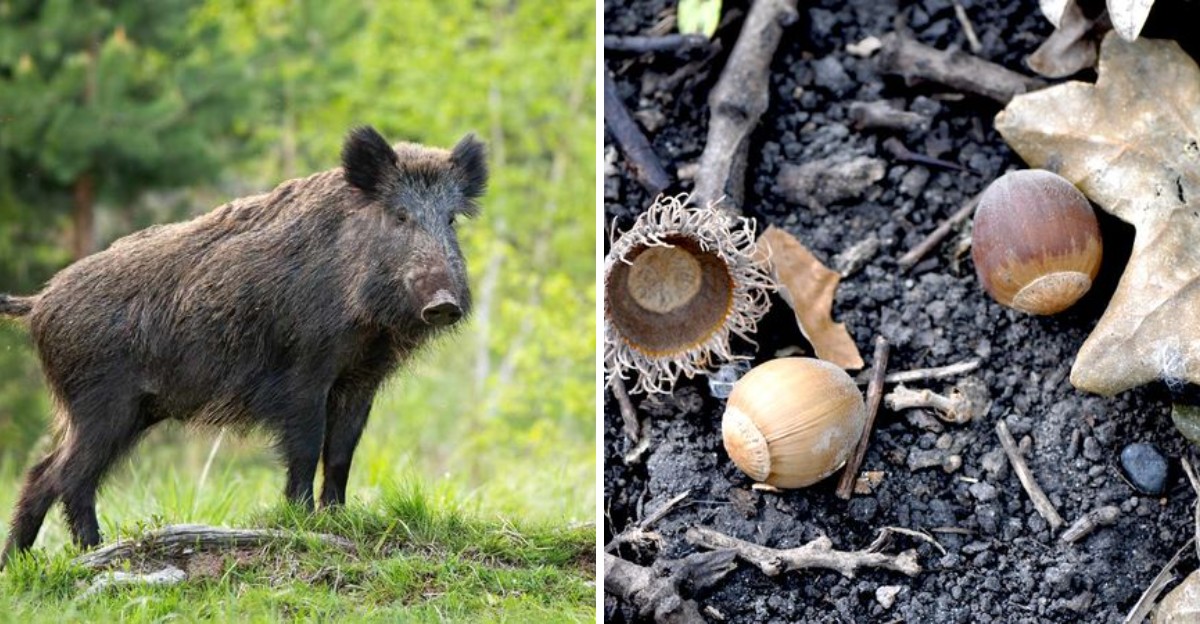
Every fall, oak trees across Texas rain down acorns like tiny brown marbles. To a feral hog, that looks like a feast. When the acorn crop is big, hogs can gain weight fast just by snacking under the trees.
Acorns are loaded with fat and carbohydrates. They help hogs build up energy for the cooler months. Live oaks, post oaks, and red oaks all drop nuts that pigs gladly gobble up.
Pecans are another Texas favorite. If you have a pecan tree in your yard, the fallen nuts may draw hogs right up to your house. Hickory nuts and walnuts can attract them too.
You might wonder why hogs dig when nuts are lying on top of the ground. The answer is simple. Acorns get buried under leaves and loose soil, and hogs root around to find every last one.
While they search, they often discover grubs and worms in the same spot. That turns one snack stop into a full meal. It also explains why the ground under oak trees can look torn apart after a busy night.
The best defense is regular cleanup. Rake or use a nut gatherer tool to pick up acorns and pecans every few days during the fall. Bagging them or hauling them away removes a major reason for hogs to visit.
Some homeowners even sell or share pecans with neighbors, which turns a chore into a treat. If you have lots of oaks, focus on the trees closest to your home first. Every handful you remove is one less invitation.
Did you know? Deer, squirrels, and turkeys also depend on acorns, so hogs compete with native wildlife for this food.
5. Fallen Fruit And Garden Produce
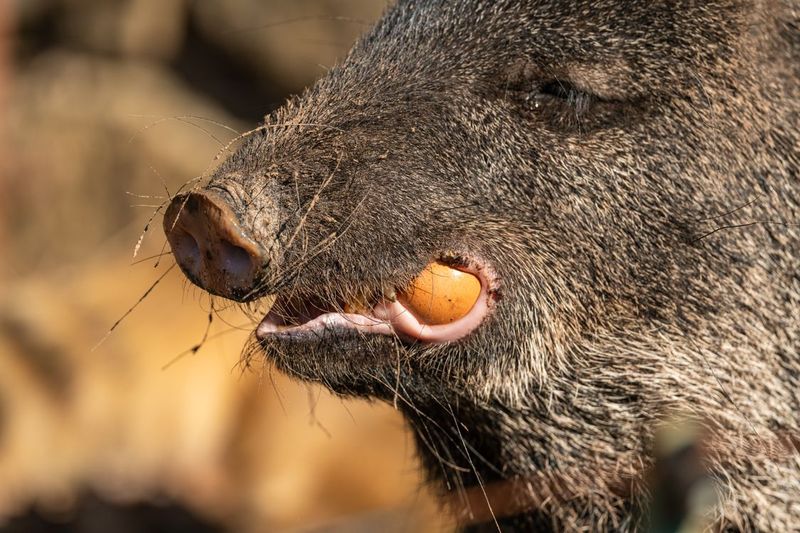
Imagine tending your tomato plants all summer, only to find them smashed flat one morning.
Sadly, that happens to plenty of gardeners. Feral hogs have a serious sweet tooth, and ripe produce is hard for them to resist.
Fallen fruit is the easiest prize of all. Peaches, plums, figs, pears, and citrus that drop to the ground give off a sweet smell as they soften. Hogs can pick up that scent from a long way off.
Garden crops are just as tempting. Watermelons, cantaloupes, corn, squash, and tomatoes all rank high on the hog menu. A single group can wipe out a whole garden in one visit.
Hogs travel in family groups called sounders. A sounder might include several adult females and their piglets, all hungry at once. That is why the damage often looks like a small bulldozer came through.
Luckily, a few habits can cut down the attraction. Pick fruit as soon as it ripens instead of waiting. Gather anything that falls to the ground each day, even if it looks bruised or half eaten.
Keep your compost in a sealed bin, especially if you toss fruit scraps into it. Open piles smell like a snack bar to a passing pig. Also, avoid leaving pet food outside overnight.
For gardens, strong fencing is the real game changer. Hog panels that are at least 34 inches tall work well, and electric wire adds extra protection. Some gardeners also use motion-activated lights or sprinklers to startle visitors after dark.
Hogs are smart, though, so change up scare tactics every few weeks. Otherwise, they will learn that the flashing light is harmless and come right back.
6. Seeds And Underground Plant Parts
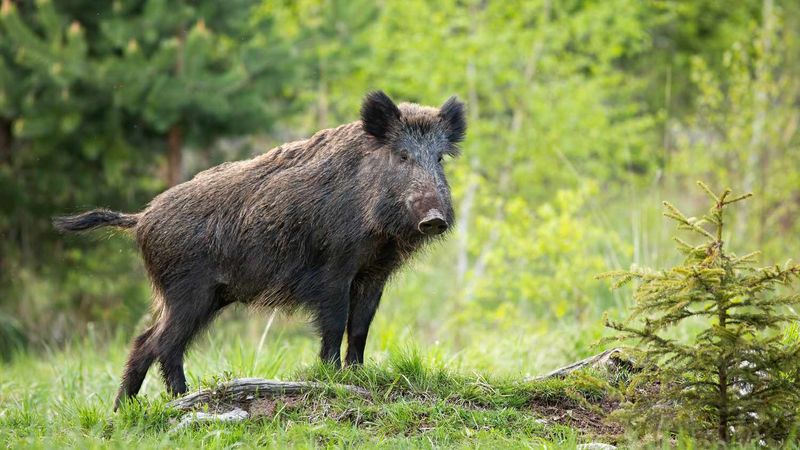
Have you ever planted a fresh bed of seeds, only to find the soil churned up the next day? Feral hogs may be the culprits. Seeds are small, but they pack a lot of nutrition, and hogs are happy to vacuum them up.
Newly planted corn, wheat, oats, and sorghum are favorite targets on Texas farms. In yards, hogs may go after grass seed, sunflower seeds, and freshly sown vegetable rows. Birdseed that spills from feeders also counts as an easy meal.
Underground plant parts go beyond roots and tubers. Hogs also dig up rhizomes, which are creeping stems that grow sideways under the soil. Plants like Bermuda grass, cattails, and some wild onions spread this way.
Bulbs and corms fall into this group, too. Wild onions and garlic grow from small bulbs that hogs sniff out with ease. In wet areas near creeks or ponds, they may tear up cattail stems and other marsh plants.
Protecting seeds starts with timing. Try to plant when hog activity in your area is lower, and cover new beds with row covers or wire mesh until seedlings are strong. Once plants are rooted, they tend to hold up a little better.
Bird feeders deserve special attention. Use trays underneath to catch spilled seed, or hang feeders higher and away from open ground. Cleaning up the mess below every few days removes a hidden snack.
Watch for clues that hogs are nearby. Muddy wallows, rubbed tree trunks, and hoof prints that look like small deer tracks with rounder tips are common signs. Spotting these early helps you act before a seed bed gets wrecked.
7. Small Animals And Other Available Food
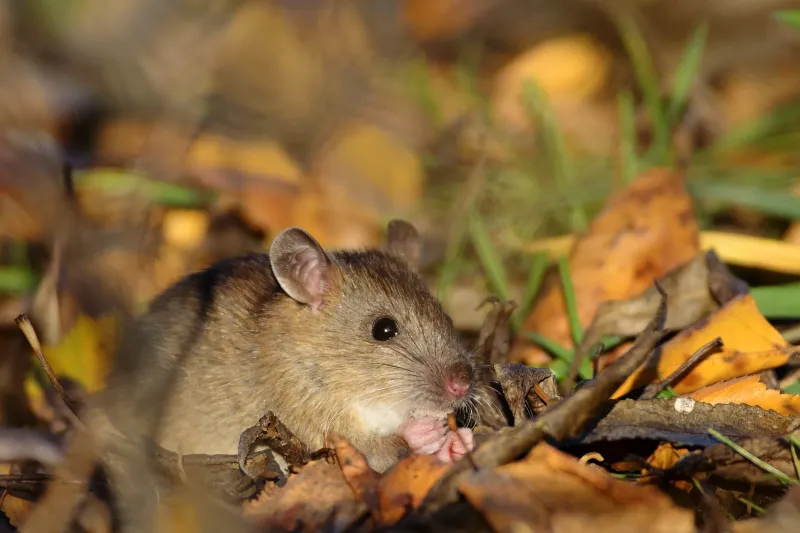
Most people think of pigs as plant eaters, but feral hogs will eat almost anything they can catch or find.
Scientists call them omnivores, which means they eat both plants and animals. In a Texas yard, that can include some surprising menu items.
Small creatures often end up on the list. Hogs will gobble frogs, lizards, snakes, mice, and bird eggs from ground nests. Ground-nesting birds like quail and turkeys can lose entire clutches to a passing sounder.
Carrion is also fair game. If an animal carcass is lying in a field or near a road, hogs will happily feed on it. Their strong noses guide them straight to it.
Around homes, hogs love easy food even more. Trash cans, pet bowls, spilled livestock feed, and deer corn are major attractions. Once hogs learn a spot has reliable food, they return again and again.
Cutting off these extras is one of the smartest moves you can make. Use trash cans with locking lids, and store them in a garage or shed. Feed pets indoors or bring bowls in before dark.
Deer feeders are a big one in Texas. Many landowners switch to feeders with pens or fences around them so only deer can reach the corn. Feed for chickens, goats, or horses should stay in sealed metal containers.
If hogs keep coming back, it may be time to call for help. Your local Texas A&M AgriLife Extension office or a licensed trapper can offer advice on control options.
Many counties have programs to help property owners deal with hog problems. Fun fact: Texas has an estimated 2.6 million feral hogs, more than any other state.