These Texas Plants Fill Every Gap Without Taking Over
Gap filling is one of those garden problems that sounds minor until you’re actually staring at it.
Bare soil between established plants looks unfinished, invites weeds to move in without any competition, and can make an otherwise well-planned garden bed look like it’s missing something important.
Most Texas gardeners end up either ignoring the gaps or reaching for whatever’s available at the nursery without thinking too hard about whether it’s actually the right choice. The ideal gap filler does a very specific job.
It spreads enough to cover bare ground and look intentional, but stops well short of becoming the kind of plant that takes over neighboring beds and creates a whole new problem.
In Texas, where growing conditions can push aggressive plants into overdrive, finding that balance matters more than it does in gentler climates.
These plants hit that sweet spot perfectly, filling in beautifully all season long without ever becoming something you have to fight back.
1. Gregg’s Mistflower
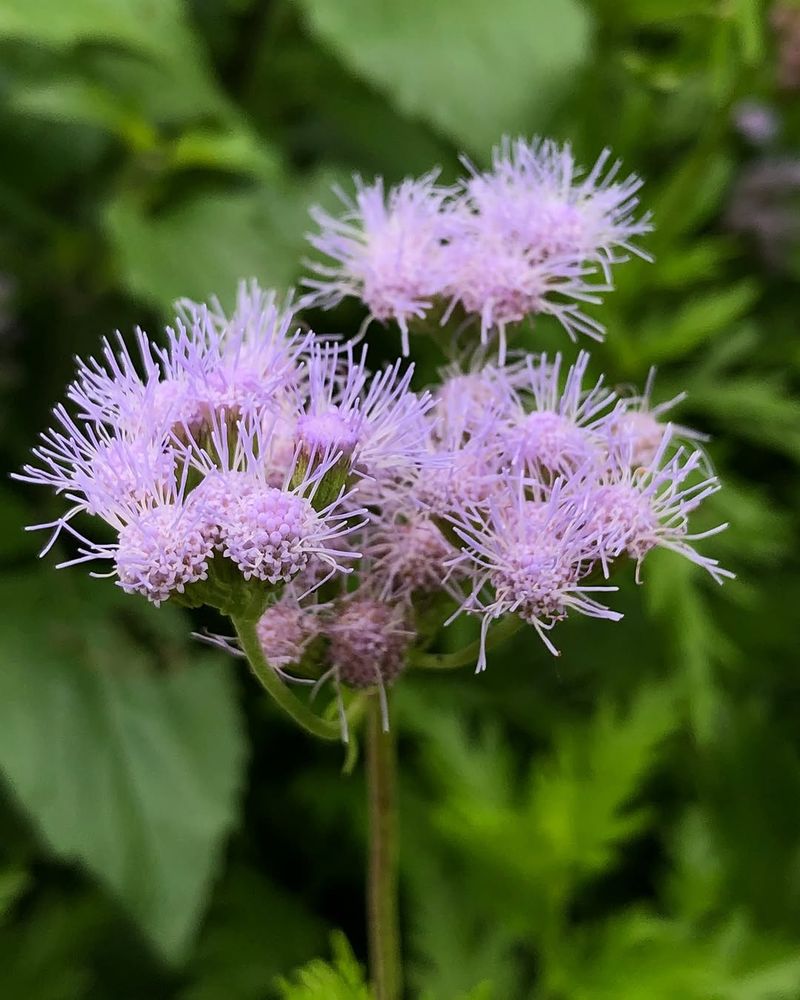
Walk through almost any Texas garden in fall, and you might spot a soft cloud of purple floating close to the ground. That’s Gregg’s Mistflower doing its thing.
This native perennial is one of those plants that just shows up, spreads gently, and makes everything around it look better.
Gregg’s Mistflower grows low and wide, filling bare spots with feathery clusters of lavender-purple blooms. It’s not pushy.
It spreads at a reasonable pace, which means you stay in control of your garden. Texas gardeners love it because it handles the heat without much fuss, and it comes back year after year without needing a lot of attention.
One of the coolest things about this plant is how butterflies go absolutely wild for it. Monarchs, Queens, and Skippers are regular visitors.
If you want to support pollinators in Texas, Gregg’s Mistflower is one of the easiest ways to do it.
It grows best in full sun to part shade, and it handles dry conditions like a champ. Once established, you barely need to water it.
It works beautifully along borders, under trees, or tucked into rocky spots where other plants refuse to grow.
Pruning it back in late winter helps keep it tidy and encourages fresh new growth in spring. Plant it once, give it a little time to settle in, and you’ll have a reliable, butterfly-friendly groundcover that fills every gap with color and life.
2. Winecup
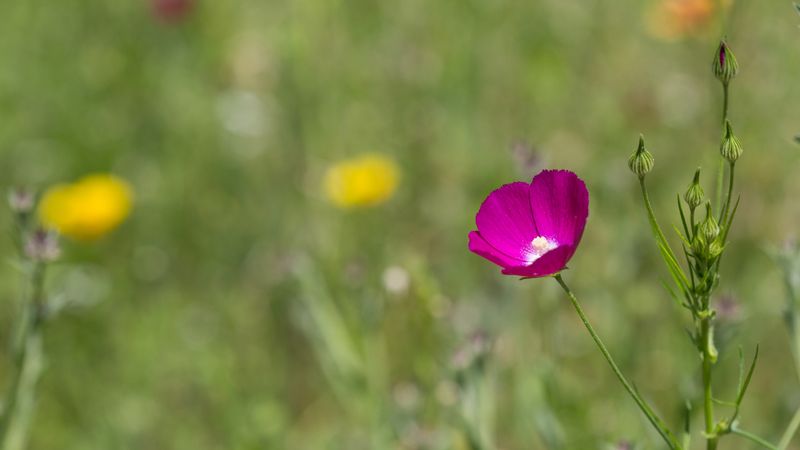
Some plants just have personality, and Winecup is one of them. Those deep magenta, cup-shaped flowers are impossible to miss.
They pop up from a sprawling, low-growing plant that threads itself through garden beds like it owns the place, but in the best possible way.
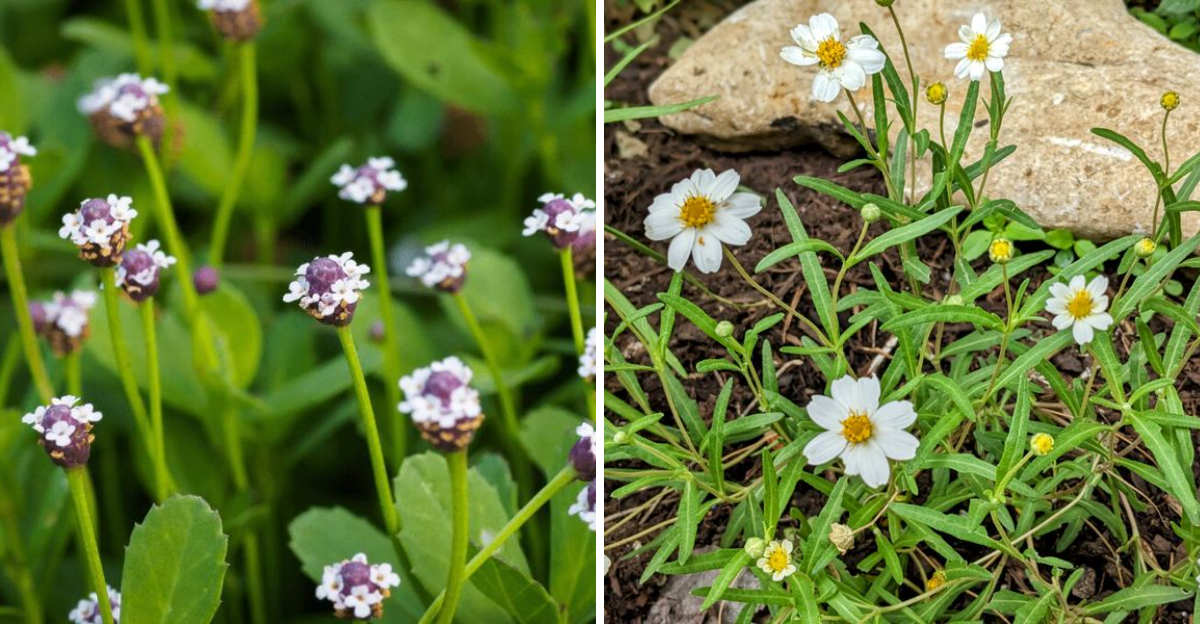
Winecup is a Texas native that spreads gently along the ground, filling gaps without piling up or smothering neighboring plants. It’s a perennial, meaning it comes back every year from its deep taproot.
Even during dry Texas summers, that taproot keeps the plant going strong when everything else is struggling.
Your Texas Garden Changes Every Week. Your Plan Should Too.
Gardening in Texas changes quickly throughout the season. Every Friday you’ll receive a simple weekly plan showing exactly what to plant, prune, fertilize, harvest, and protect so you never miss the right timing.
Gardeners across Texas use Winecup to cover areas that are tricky to fill. Slopes, rocky edges, and open sunny patches are all fair game.
It grows happily in poor soil and doesn’t need fertilizer or extra watering once it gets established. That kind of low-maintenance attitude is rare and worth celebrating.
The blooms appear in spring and sometimes again in fall, drawing in bees and other pollinators. The flowers close up at night, which gives the plant a charming, almost shy quality during the evening hours.
Plant Winecup in a sunny spot with well-drained soil, and give it some room to stretch. It won’t take over your whole yard, but it will slowly and gracefully fill in the empty spaces.
For Texas gardeners looking for color, toughness, and charm all in one plant, Winecup is a no-brainer choice worth adding to any landscape.
3. Frogfruit
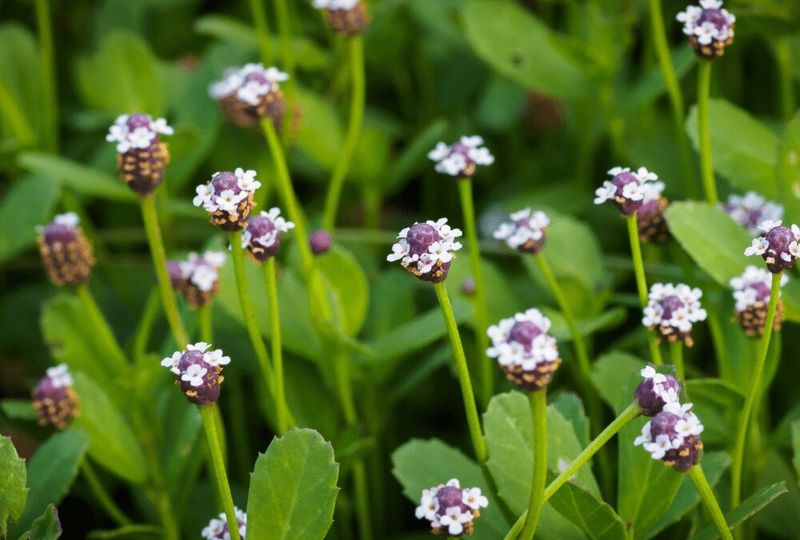
Don’t let the funny name fool you. Frogfruit is one of the hardest-working groundcovers in all of Texas.
This little plant handles things that would make other plants give up entirely, including blazing heat, poor soil, drought, and even foot traffic.
Frogfruit grows in a dense, flat mat close to the ground. It spreads by sending out runners that root as they go, filling in gaps steadily without ever getting out of hand.
You can mow it, walk on it, or ignore it for weeks, and it just keeps going. Texas gardeners have been using it as a lawn alternative and pathway filler for years, and it earns every bit of that trust.
The tiny white flowers might seem unimpressive at first glance, but butterflies absolutely love them. Phaon Crescents and White Peacocks use Frogfruit as a host plant, meaning they lay their eggs on it. So planting Frogfruit in your Texas yard is basically setting up a butterfly nursery.
It grows in sun or part shade, which makes it flexible for all kinds of spots around the yard. Wet areas, dry patches, compacted soil near driveways, it handles them all without complaint.
Frogfruit stays green through much of the year in warmer parts of Texas. It doesn’t need fertilizer, rarely needs watering once established, and never tries to take over your whole garden.
For a tough, wildlife-friendly, gap-filling plant that earns its keep without any drama, Frogfruit is hard to beat.
4. Blackfoot Daisy
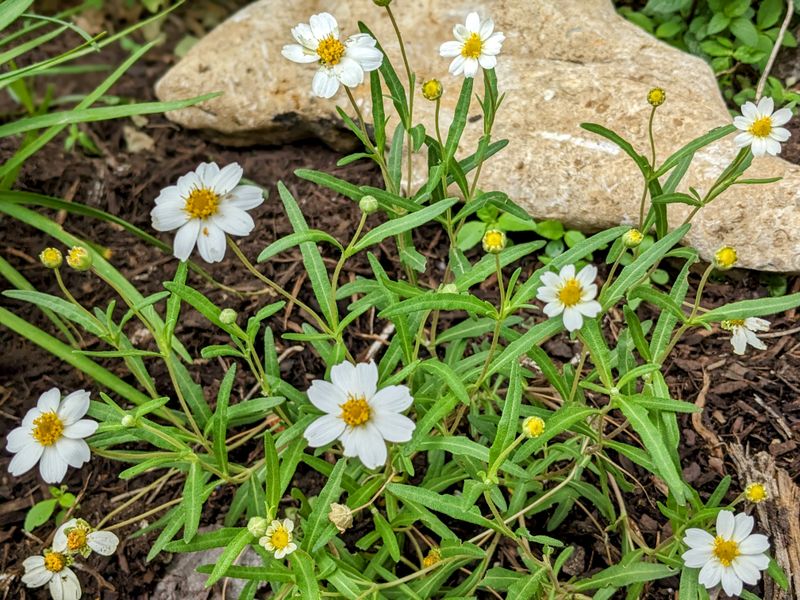
There’s something deeply satisfying about a plant that blooms cheerfully in conditions that would stress most garden favorites. Blackfoot Daisy does exactly that.
It sits in full sun, shrugs off Texas heat and drought, and keeps pushing out those bright white flowers with little yellow centers like it’s having the time of its life.
This compact native perennial is a perfect gap filler for sunny spots in Texas landscapes. It stays low and rounded, usually reaching about one foot tall and two feet wide.
That tidy size makes it easy to tuck into borders, rock gardens, raised beds, or any dry, sunny area that needs a splash of color without a lot of upkeep.
Blackfoot Daisy blooms from early spring all the way through fall, and sometimes even into winter during mild Texas years. That’s an impressively long season for such a small plant.
Bees and butterflies visit the flowers regularly, so you’re also supporting local pollinators every time you plant one.
It thrives in well-drained, even rocky or sandy soil. Actually, Blackfoot Daisy prefers lean soil over rich, amended garden beds.
Give it too much water or fertilizer and it tends to get floppy. The secret is basically to leave it alone and let it do its thing.
Cutting it back lightly after a big bloom cycle encourages fresh growth and more flowers. For Texas gardeners who want reliable color in tough spots without babysitting a plant, Blackfoot Daisy is a cheerful, easygoing solution that never disappoints.
5. Cedar Sage
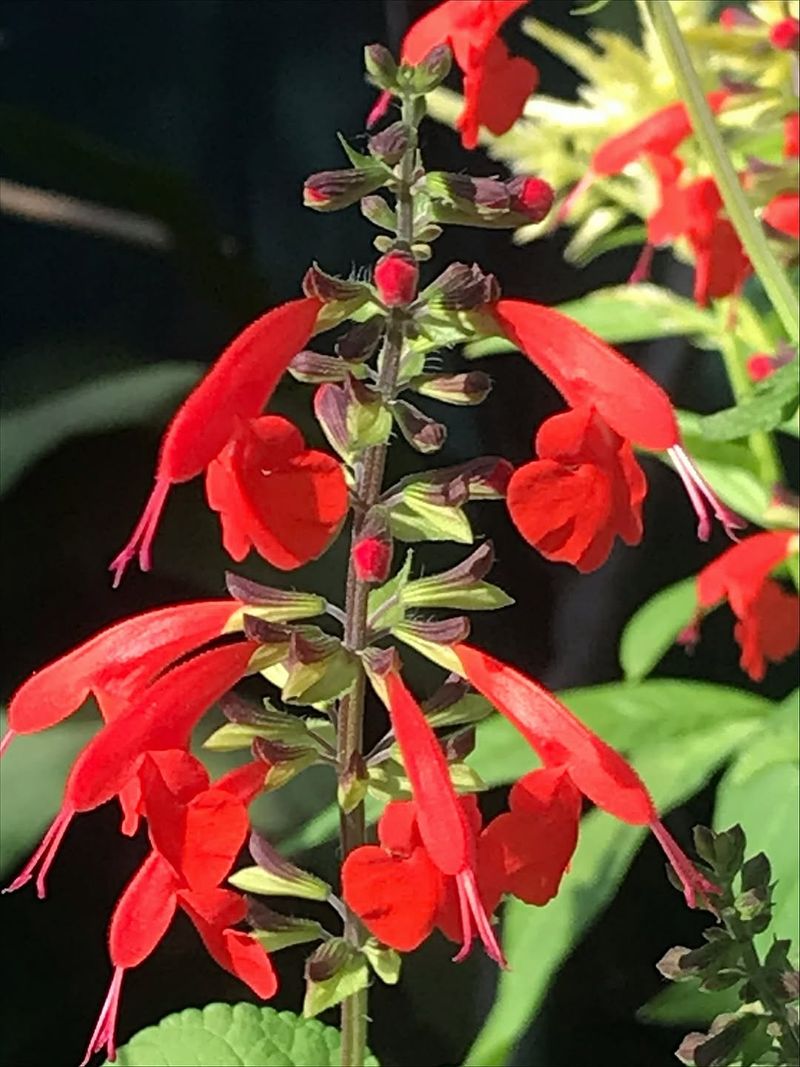
Shady gaps in a Texas garden can be the hardest spots to fill. Most colorful plants want full sun, and the shadier corners of the yard often end up bare or covered in mulch. Cedar Sage was practically made for those forgotten shady spots.
This native Texas sage grows happily under trees, along shaded fences, and in partly shaded garden beds where other flowering plants struggle. It sends up tall spikes of brilliant red tubular flowers that hummingbirds find absolutely irresistible.
If you’ve ever wanted hummingbirds visiting your yard regularly, planting Cedar Sage is one of the most reliable ways to make that happen in Texas.
Cedar Sage blooms mainly in late winter through spring, which is exactly when hummingbirds are passing through Texas on their migration routes. The timing could not be more perfect.
It sometimes blooms again in fall, giving migrating birds a second round of fuel for their journey.
The plant itself has soft, textured leaves with a slightly rough feel and an earthy scent. It stays fairly compact, reaching about two to three feet tall, and it spreads slowly from the base without running wild through the garden.
It prefers well-drained soil and grows best in shade to part shade. Once established, it handles dry conditions well, though it appreciates occasional watering during the hottest Texas summers.
Pair it with Inland Sea Oats or other shade-loving natives for a layered, lush look that brings life to the darkest corners of your landscape.
6. Damianita
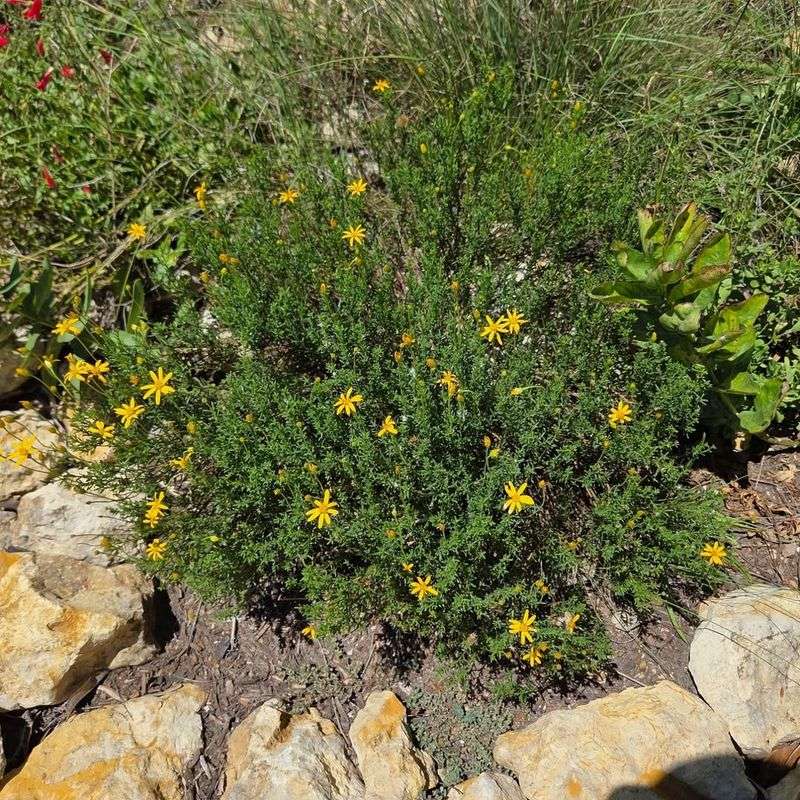
If your Texas garden has a hot, dry, sunny spot that seems impossible to fill, Damianita might just be the answer you’ve been looking for.
This small, aromatic native shrub is built for exactly those conditions, and it rewards your patience with a spectacular show of bright yellow flowers every spring.
Damianita forms a tidy, rounded mound of fine, needle-like leaves that smell wonderful when brushed or crushed. The fragrance is herby and fresh, almost like a mix of chamomile and pine.
In spring, the whole plant lights up with cheerful yellow blooms that cover it so completely you can barely see the foliage underneath.
It’s a slow grower, so it won’t crowd out nearby plants or spread beyond its boundaries. That makes it a trustworthy choice for xeriscapes, rock gardens, and dry borders across Texas.
It naturally stays compact, usually reaching about one to two feet tall and wide, so it fits neatly into gaps without taking over.
Damianita thrives in poor, rocky, well-drained soil. Rich soil and overwatering actually make it sulk.
Once established in the right spot, it’s remarkably self-sufficient and rarely needs supplemental water even during dry Texas summers.
Bees visit the flowers regularly, making Damianita a quiet but valuable pollinator plant. It also holds up beautifully as a border edging plant, giving structure and color to the front of a garden bed.
For anyone designing a low-water Texas landscape, Damianita brings aromatic charm and golden color to the toughest spots in the yard.
7. Inland Sea Oats
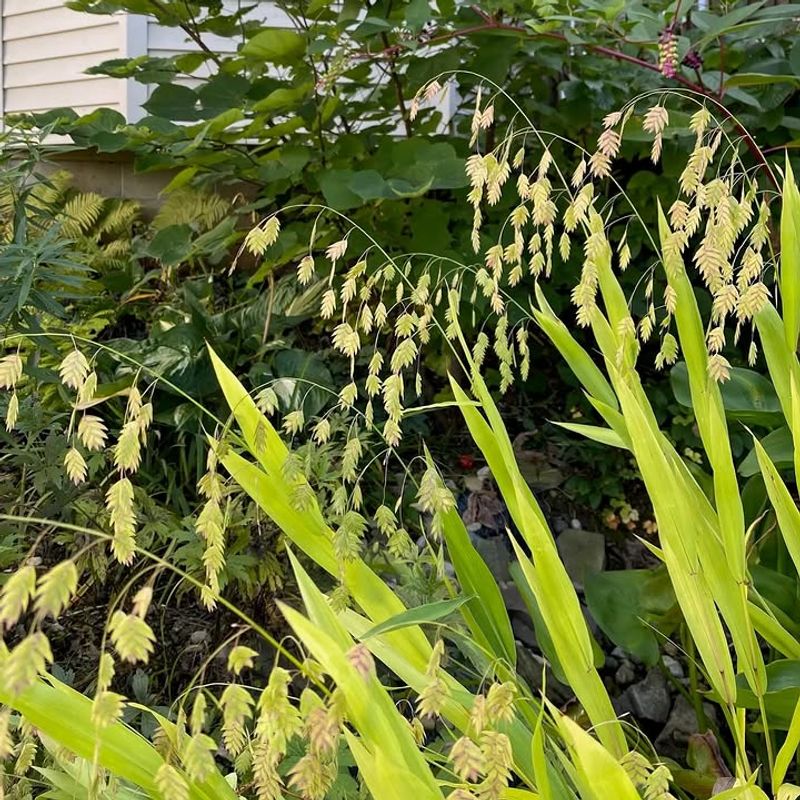
Most ornamental grasses want full sun, which leaves shady Texas gardens with very few options. Inland Sea Oats breaks that rule beautifully.
This graceful native grass thrives in shade, fills empty areas with elegant arching foliage, and adds movement to the garden every time a breeze passes through.
The plant gets its name from the flat, dangling seed heads that hang like little oats from the tips of its stems.
In late summer and fall, those seed heads turn a warm bronze color that catches the light in a gorgeous way. Birds love the seeds too, so you get natural wildlife activity as a bonus.
Inland Sea Oats spreads by both seeds and rhizomes, but it does so in a polite, manageable way. It fills in gaps gradually rather than aggressively, and it’s easy to pull out or divide if it starts moving somewhere you don’t want it.
Texas gardeners use it under live oaks, along shaded creek beds, and in woodland garden areas where other plants refuse to grow.
It tolerates poor soil, clay, and occasional flooding, which makes it incredibly flexible for different Texas landscapes. The foliage turns attractive shades of copper and gold in the fall before going dormant in winter and returning fresh in spring.
Pairing Inland Sea Oats with Cedar Sage or other shade-tolerant natives creates a layered, naturalistic look that feels right at home in a Texas woodland garden. For shady gaps that need beauty and structure, this grass is an effortless, elegant solution.