This Common Garden Weed Spreads Faster In Fall Than Any Other Time Of Year
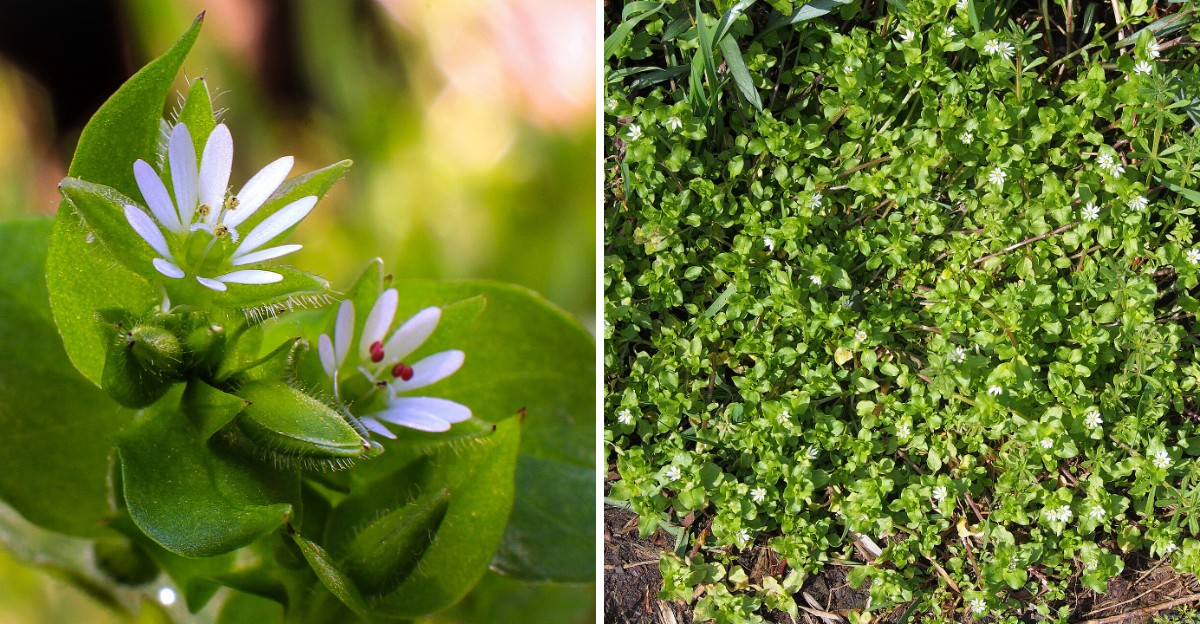
You pulled your last weed of the year, or so you believe. Think again. This cool-season annual sprouts as nights chill and autumn rains arrive. Its botanical name even hints at those tiny star-shaped white blooms.
Look closer and you will spot a thin line of fine hairs tracing the stem. Within weeks, a young plant can flower, set seed, and scatter offspring.
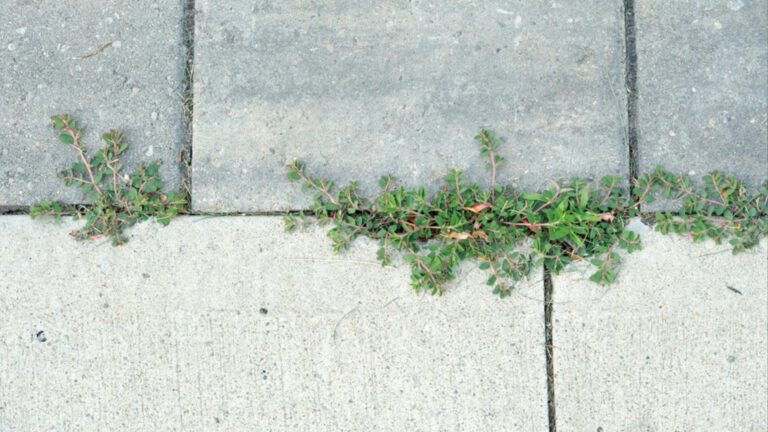
Stems creep sideways and root wherever a node touches damp ground. Seeds can linger quietly in soil for years, waiting for your next trowel. Even frosty nights leave it growing strong.
By spring, sprigs can compete with your tulip and daffodil shoots. Good news: you hold the advantage right now, while roots stay shallow.
Act this month, and your spring beds stay clear for planting. Your fall strategy starts with knowing exactly how this stranger operates.
Common Chickweed And Its Love For Cool Autumn Air
Picture a plant that thinks 50 degrees Fahrenheit (10°C) is perfect beach weather. Common chickweed is exactly that kind of oddball, and fall is its favorite season to grow.
Chickweed is a winter annual, which means its seeds sprout in autumn instead of spring. The plant grows through the cold months, then flowers and makes seeds before summer heat arrives.
Its seeds sprout best in cool soil, roughly 50 to 65 degrees Fahrenheit (10 to 18°C). September and October bring exactly those conditions to most gardens across the country.
Moisture matters too, and fall usually delivers plenty of it with dewy mornings and steady rain. Chickweed has shallow roots, so damp topsoil gives it everything it needs to spread.
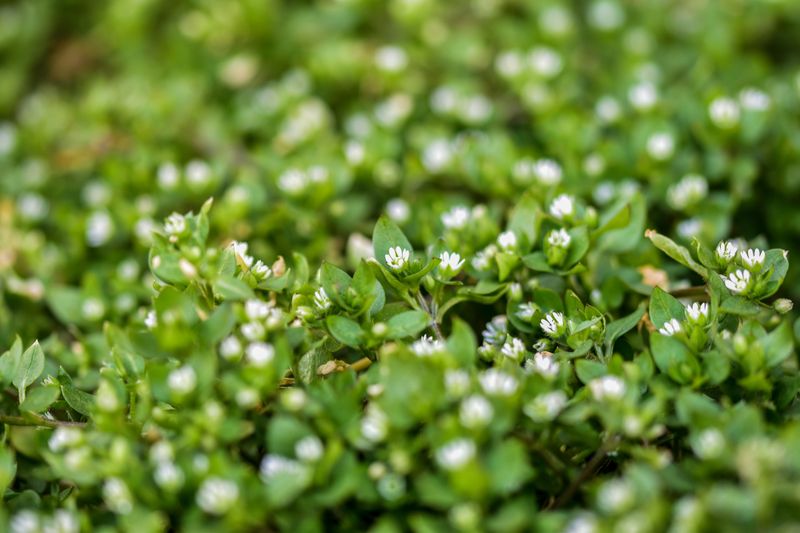
Here is the sneaky part about how it grows sideways. Its stems creep along the ground and can root wherever they touch moist soil, forming thick mats fast.
Fall also hands chickweed a gift in the form of empty garden space. Pulled tomato plants and cleared vegetable rows leave bare soil with no competition for light.
Meanwhile, many summer weeds and garden plants slow down as the days get shorter. Chickweed takes advantage of that quiet moment and grabs the space before anything else can.
Even a light frost will not stop it, since chickweed can keep growing on mild winter days. Think of it as the one guest who shows up right when everyone else is leaving the party.
Knowing this pattern gives you a real advantage. Once you understand its calendar, you can stay one step ahead of it.
The September Seed Window You Should Not Miss
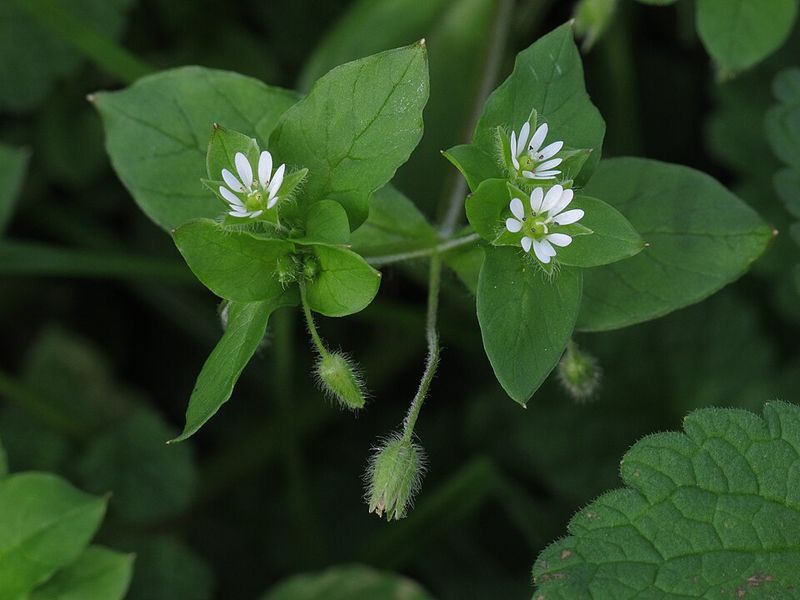
A single chickweed plant can produce around 800 seeds, and some sources say far more. That fact becomes a big problem when those seeds land in your garden this month.
September is when the fall wave of sprouting kicks off in many areas. Seeds that sat quietly in the soil all summer suddenly wake up as nights cool down.
Those seeds are tough little survivors. Research shows chickweed seeds can stay alive in the ground for many years, waiting for the right moment.
Watch for tiny seedlings with two small, pointed seed leaves and then pairs of oval leaves. They often pop up in thin lawns, vegetable beds, and the edges of mulched areas.
The best time to act is while the plants are still babies. Young seedlings have weak roots and slide out of the soil with barely a tug.
Wait a few weeks, and those same plants start knitting together into a leafy blanket. At that point, pulling one stem often breaks it off and leaves the roots behind.
Chickweed can also flower and set seed quickly, sometimes within five to six weeks of sprouting. That means a September seedling might drop its own seeds before Thanksgiving.
Take a slow walk around your garden each weekend. A few minutes of looking now can save you a lot of work next spring.
Keep a small notebook of where the first sprouts show up. Those spots will likely be trouble zones again next fall, so you will know where to look first.
The Mistake Of Waiting Until Spring
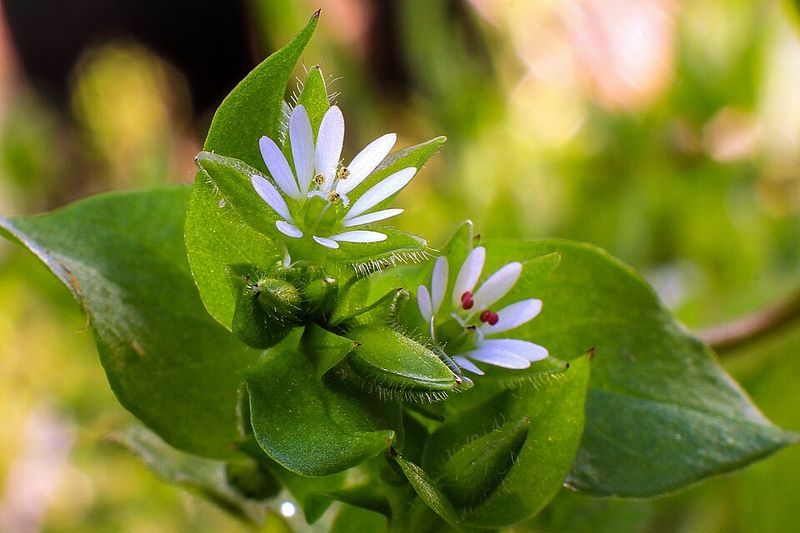
Imagine ignoring a few green sprigs in your flower bed in October. By April, you could be pulling up large chickweed mats that cover much of the bed.
This situation is common, and it comes from one simple mistake. Many gardeners think weeds take a break once the weather turns cold.
Chickweed does the opposite and quietly builds its empire while you rake leaves and carve pumpkins. By the time spring cleanup begins, the plants are mature and ready to seed.
Spring chickweed flowers heavily, and each flower turns into a tiny capsule packed with seeds. Pulling it at that stage can shake seeds loose right onto the soil you are trying to clean.
Thick mats also smother young plants underneath them. Early spring bulbs, perennials, and fresh lettuce seedlings can struggle for light, water, and nutrients.
Another issue is that chickweed mats hold moisture against the ground. Like other dense ground cover, that damp shelter may give slugs a place to hide near your plants.
Some folks also skip fall weeding because the garden looks messy anyway. Fallen leaves can hide chickweed so well that you will not notice it until it is huge.
The fix for this mistake is a simple change in mindset. Treat fall as the start of weed season, not the end of it.
Gardeners who check their beds each September often find spring cleanup much easier. A few short fall sessions can mean far less kneeling and pulling later.
Easy Fixes For A Fall Chickweed Patch
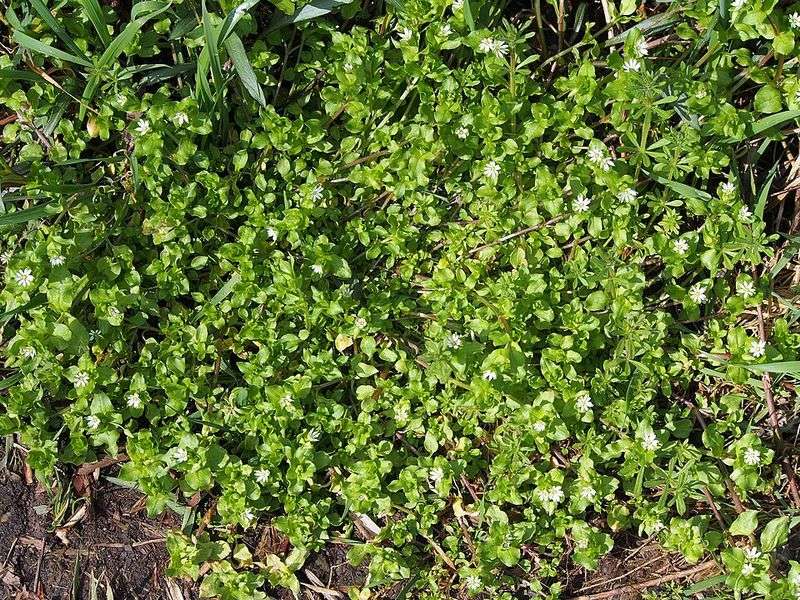
Good news first, because chickweed is one of the easiest weeds to pull by hand. Common chickweed’s roots are shallow and thin, so a gentle tug usually brings the whole plant up.
Try weeding the day after a good rain, when the soil is soft and crumbly. Grab the plant near its base, then lift slowly so the stems do not snap.
For larger mats, a sharp hoe or a hand cultivator works wonders. Slice just below the surface on a dry, sunny day so the uprooted bits shrivel quickly.
Some gardeners like to roll a mat up like a carpet. Start at one edge, loosen the roots with your fingers, and peel the whole thing back.
Be careful where you toss the pulled plants. Chickweed stems can reroot on moist ground, and any flowering pieces may already hold seeds.
Bag flowering plants for the trash instead of adding them to a cool compost pile. Young plants without flowers are fine to compost or leave on a sidewalk to dry out.
Here is a fun bonus that surprises many people. Young chickweed is edible, and some folks toss the tender tips into salads for a mild, grassy crunch.
Only eat it if you are sure of the plant and your yard is free of chemicals. Chickens also adore it, so backyard flock owners have a built-in cleanup crew.
For stubborn lawn patches, ask a local garden center about safe, labeled products for your grass type. Read every label carefully and keep pets and kids off treated areas.
A Cleaner Garden Bed Come Spring
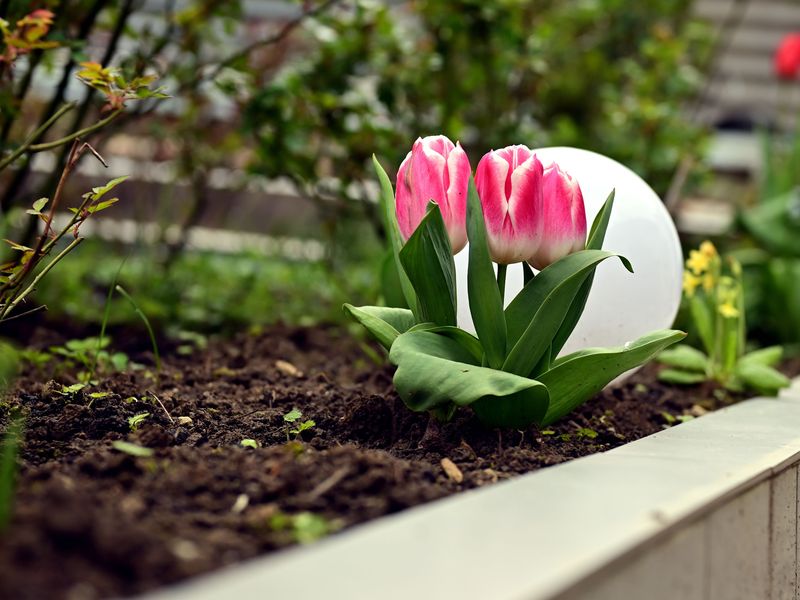
Imagine stepping outside on the first warm March morning with a mug of cocoa in your hand. Your beds are dark, tidy, and ready for seeds instead of covered in chickweed.
That peaceful scene is the real reward for a little fall effort. Every chickweed plant you pull in September is one less plant making seeds in April.
Over time, that adds up in a big way. Fewer new seeds reach the soil each year, so the hidden seed bank slowly shrinks.
Gardeners who keep up with fall weeding for two or three seasons often notice a clear difference. The chickweed still shows up, but in smaller, easier patches.
Your spring crops get a better start too. Peas, spinach, and radishes can soak up sunshine and nutrients without fighting a leafy neighbor for every drop.
Spring bulbs benefit as well, since tulips and daffodils push up through clear soil. Their bright colors stand out more when they are not surrounded by weeds.
There is also a nice time bonus hiding in all this. Spring is the busiest season for most gardeners, with planting, pruning, and lawn care all crowding the calendar.
Handling chickweed in fall frees up those precious spring weekends for the fun stuff. You get to plant flowers instead of spending hours hunched over a weedy mess.
Your future self will thank you for the extra work. A few fall afternoons now can mean a whole season of easier gardening later.
Mulch, Thick Grass, And Other Smart Defenses
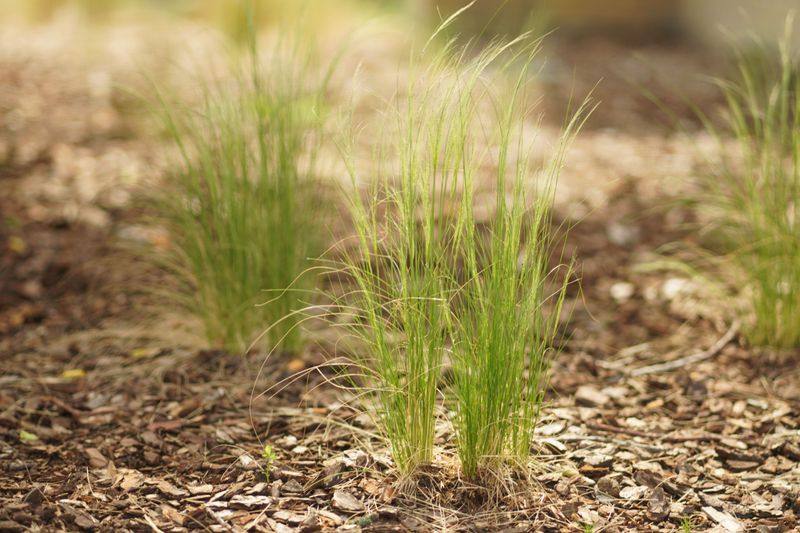
Old gardeners like to say that bare soil is an open invitation for weeds. Chickweed reads that invitation loud and clear, so the trick is to cover every empty spot.
Mulch is your first and simplest step after fall cleanup. Spread two to three inches of shredded leaves, straw, or wood chips over bare garden beds.
That layer blocks light from reaching the tiny seeds below. Many chickweed seeds sprout best with some light, so darkness keeps plenty of them sleeping.
Cover crops offer a living version of the same idea. Planting winter rye or crimson clover in empty vegetable beds crowds out chickweed and feeds the soil too.
In the lawn, thick grass is the best shield you can grow. September is prime time to overseed thin spots, especially for cool-season grasses like fescue and bluegrass.
Mow a little higher, around three inches, so grass blades shade the soil. Chickweed thrives in thin, patchy turf, but it struggles to squeeze into a dense, healthy lawn.
Watering habits matter more than you might think. Water deeply but less often, since constantly soggy soil rolls out a welcome mat for this moisture lover.
Some gardeners use a pre-emergent product in late summer, though research on corn gluten meal shows mixed results. Pre-emergents also stop grass seed from sprouting, so do not use them on areas you plan to overseed this fall.
Stack these habits together, and chickweed will find it much harder to settle into your garden. A little planning this September leads to a healthier yard over time.