Should California Native Shrubs Be Fed At All Once Summer Ends
A gardener stands in front of her manzanita this October, bag of fertilizer in hand, feeling a strange urge to reward eight years of quiet survival.
That instinct feels generous. It might also be the worst thing she does to this shrub all year.
Something about California natives works backward from everything we learned about feeding houseplants and roses.
Here’s the twist nobody warns you about at the nursery. The plant that looks like it needs help usually needs you to walk away entirely.
Eight truths separate a thriving native garden from one quietly struggling under too much kindness. One wrong bag of fertilizer, applied at the wrong moment, can undo years of a shrub’s hard-won toughness.
Which habit is secretly working against your own yard right now? The answer starts with dirt poorer than you’d ever guess.
1. Most Natives Evolved In Poor Soil
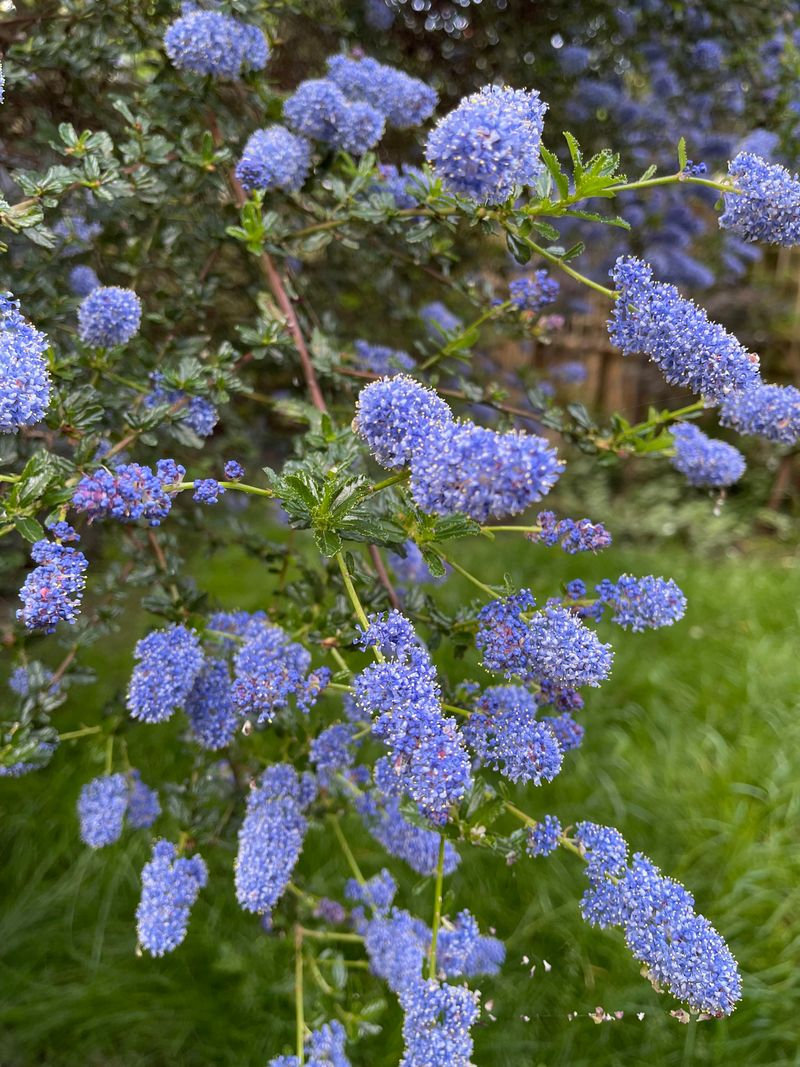
Walk a chaparral slope in Marin or Riverside County, and you’ll notice something striking right away. The soil is thin, gritty, and often pale. Yet ceanothus, manzanita, toyon, and sages grow thick and healthy in it anyway.
Those plants spent thousands of years adapting to exactly that kind of ground. Many California soils run naturally low in nitrogen and phosphorus, and some regions sit on serpentine rock, famously hostile to ordinary garden plants.
Native shrubs solved the problem in clever ways over time. Certain ceanothus species partner with bacteria that pull nitrogen straight from the air.
Many natives also form friendly relationships with soil fungi called mycorrhizae, which stretch far beyond the roots and gather scarce nutrients in exchange for a little sugar.
Because those systems already work, the plant does not sit around waiting for a scoop of fertilizer. Plants matched to local soils need far fewer inputs than typical ornamentals, and that gap is bigger than most gardeners expect.
Thinking about it from the shrub’s point of view helps a lot here. A plant built for scarcity treats sudden abundance as an odd signal, not a gift worth celebrating.
Here’s a fun bit of history worth knowing. Botanists noticed decades ago that serpentine soils in California host unusually high numbers of unique plant species, precisely because tough conditions kept aggressive competitors out.
Poverty in the ground created richness in the flora, and your garden shrubs carry that inheritance every single day.
2. Fertilizer Often Does More Harm Than Good
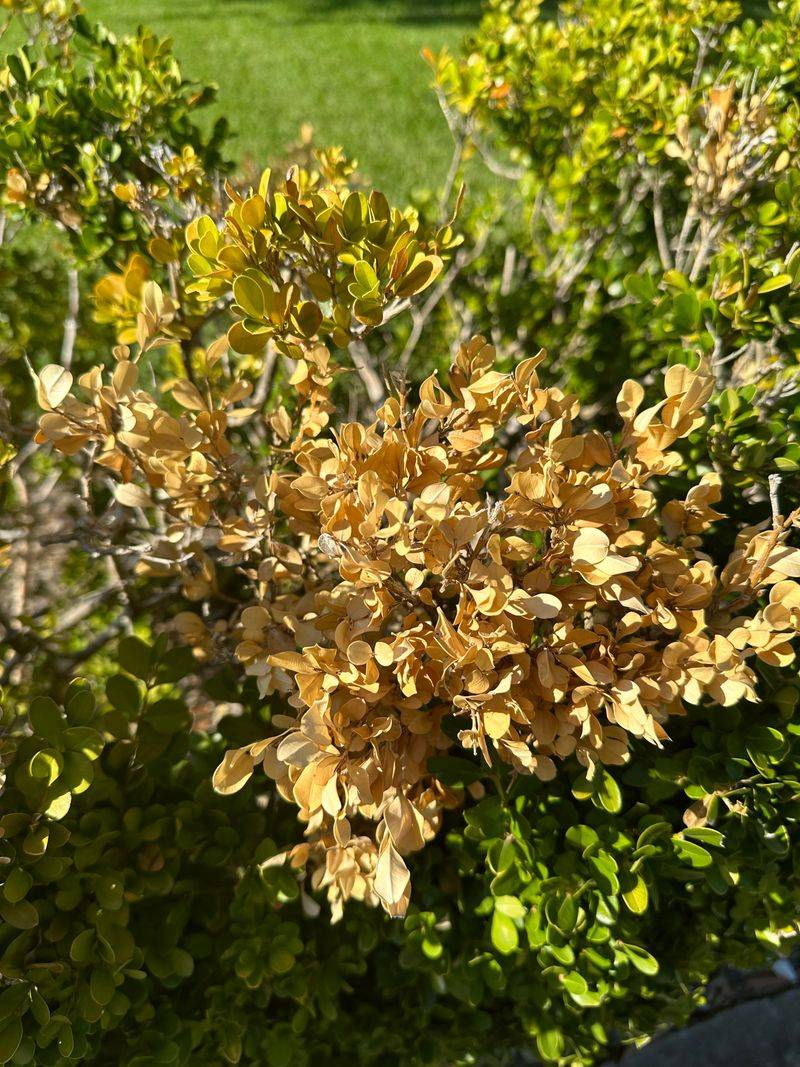
Generosity backfires here more often than gardeners expect. Feeding a lean-adapted shrub works a bit like handing a marathon runner a giant dessert before a race. The energy arrives, but it does not help performance at all.
Extra nitrogen pushes fast, soft, watery growth. Stems stretch, leaves get large and thin, and the whole plant turns floppy in a hurry.
That soft tissue happens to be exactly what aphids, whiteflies, and scale insects prefer, so pest pressure climbs right along with it.
Weak growth also splits and breaks in wind, and it dries out faster during heat spells because thin leaves lose moisture quickly. Some gardeners then water more to compensate, stacking a second problem on top of the first.
Your California Garden Changes Every Week. Your Plan Should Too.
Gardening in California changes quickly throughout the season. Every Friday you’ll receive a simple weekly plan showing exactly what to plant, prune, fertilize, harvest, and protect so you never miss the right timing.
Salt buildup deserves mention too. Synthetic fertilizers leave behind salts, and in dry California soils with little rainfall to flush them, those salts can concentrate near roots and scorch leaf edges.
There’s a fungal angle worth considering as well. When nutrients are plentiful, plants invest less in their fungal partnerships, which may leave a shrub less self-sufficient over time. That effect varies by species, so treat it as a reasonable concern rather than a settled rule.
Guidance on California native landscaping repeatedly frames fertilizer as unnecessary for well-sited natives. The healthier approach matches the plant to your soil and lets it build the slow, dense, woody structure that carries it through decades ahead.
3. Fall Feeding Risks Tender New Growth
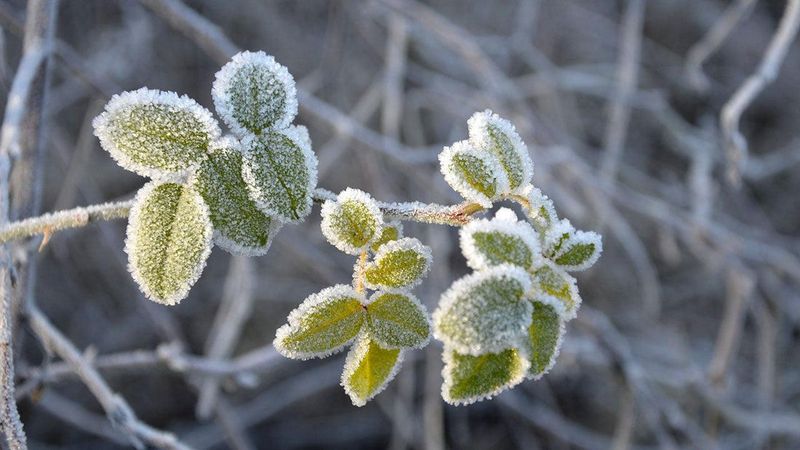
Timing is where fall fertilizing gets genuinely risky. A shrub heading into autumn is supposed to be slowing down, thickening cell walls, and hardening its stems for cold nights ahead.
Nitrogen interrupts that whole process. Feed in September or October, and the plant reads the signal as permission to grow, sending out soft shoots at the worst possible moment of the year.
Those new shoots have not hardened off yet. When an inland valley drops to the high twenties in December, tender tips blacken, and the damage can travel further down the stem than the visible browning suggests.
Coastal gardeners sometimes escape the worst of it, but even there, soft late growth tends to invite mildew during the damp winter months. Wet leaves plus lush tissue equals fungal trouble brewing.
There’s another wrinkle specific to California worth knowing. Many natives, including sages and buckwheats, quietly restart root activity once winter rains arrive, then push their real growth flush in late winter and spring instead.
Forcing top growth in fall competes directly with that natural rhythm.
A practical rule works well here. If you feel an urge to fertilize after Labor Day, put the bag down and grab a rake for mulch instead. Nothing about autumn requires a nutrient boost for an established native.
Should a young plant genuinely need help, the safer window sits in late winter or very early spring, when new growth has warm months ahead of it rather than frost.
4. Phosphorus Heavy Blends Are Especially Risky
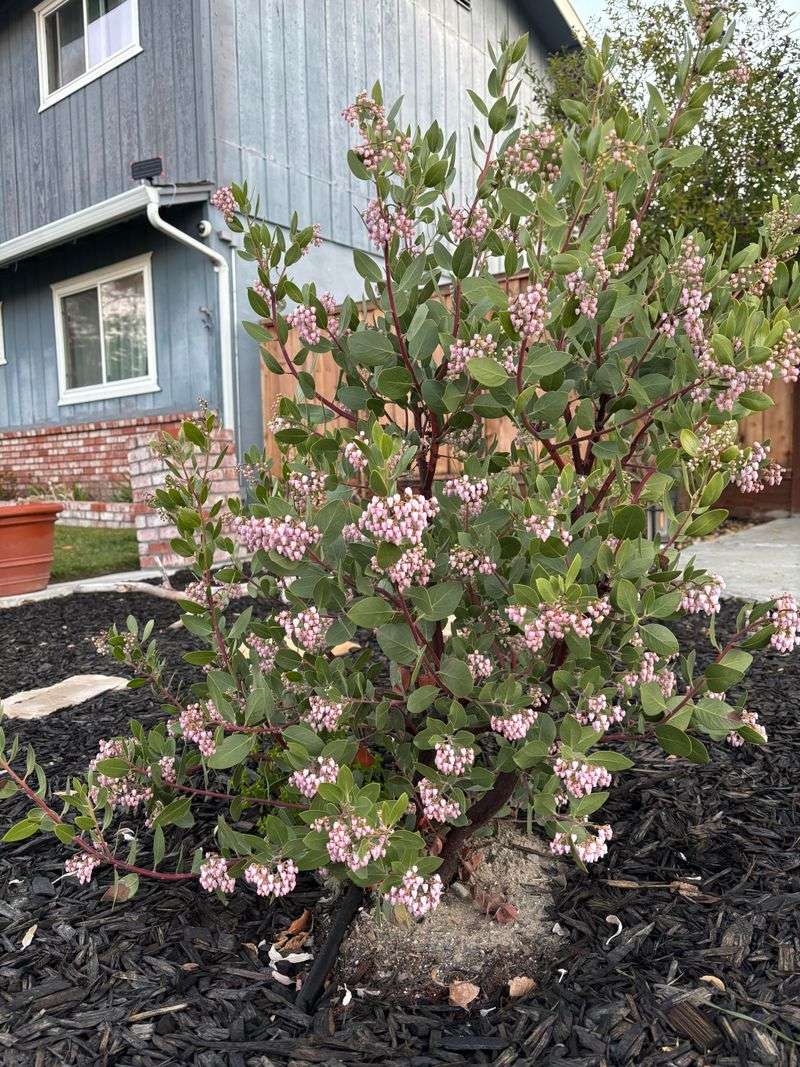
Check the three numbers on any fertilizer bag, and the middle one is phosphorus. Bloom boosters and rose foods often carry a high middle number, and that’s precisely the blend to keep away from many California natives.
Plants from the protea family and various Australian and South African natives are famously phosphorus-sensitive, and concern extends to a number of California species adapted to naturally low-phosphorus ground.
Excess phosphorus can build up to harmful levels in plants that evolved to scavenge it efficiently, causing leaf burn, stunting, or sudden decline.
How strongly this applies across the full range of California natives isn’t uniformly documented, so treat it as a well-supported caution rather than a proven rule for every species. The safe move stays simple avoidance.
Phosphorus also interferes with mycorrhizal fungi directly. High levels discourage the fungal partnerships that help natives find water and minerals, chipping away at the very trait that makes these shrubs so low-maintenance in the first place.
Bone meal deserves a specific warning here. Gardeners often add it at planting time believing it encourages roots, but it runs heavily phosphorus-loaded and generally unnecessary in California native beds.
Runoff matters too, and it’s worth thinking about beyond your own fence line. Phosphorus that washes off landscapes feeds algae blooms in creeks and reservoirs, a water-quality issue California agencies track closely.
Skip the bloom booster entirely. Ceanothus and manzanita flower beautifully with nothing but sunshine, decent drainage, and seasonal rain.
5. Established Shrubs Rarely Need Extra Nutrients
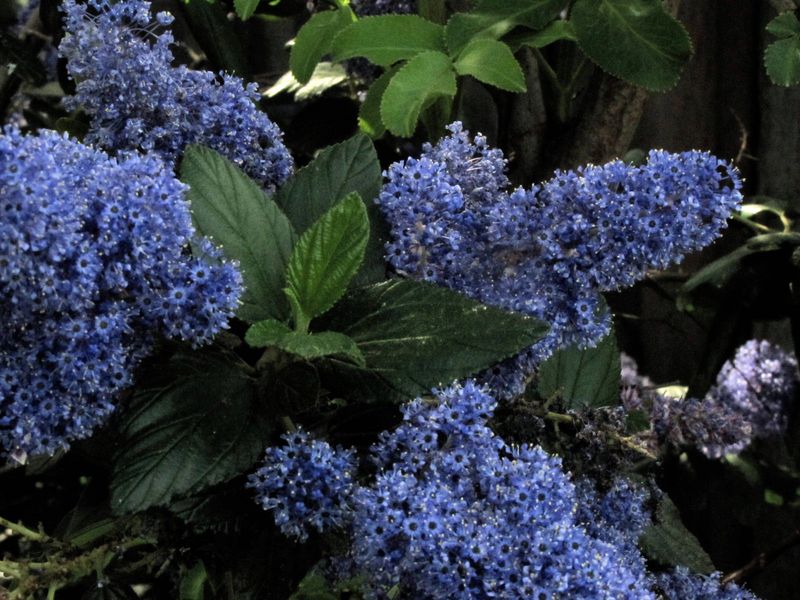
Three years. That’s roughly how long it takes many California native shrubs to settle in, and once they do, their root systems often extend well past the edge of the branches.
Roots that wide are mining a huge volume of soil constantly. They reach nutrients your trowel will never touch, and they tap moisture held deep in the ground long after the surface has baked dry.
Established plants also feed themselves through a quiet recycling loop. Leaves drop, twigs break down, soil organisms process the litter, and nutrients return to the root zone at a slow, steady pace that suits the plant perfectly.
That’s one reason raking a native bed completely bare works against you. Leaf litter under a manzanita or coffeeberry is not mess, it’s the plant’s own pantry sitting right there.
Guidance from native plant experts lands in the same place consistently. Well-matched, established natives generally need no supplemental fertilizer, and the bigger risks in a native garden are overwatering and poor drainage instead.
Judging whether a shrub is established is easy enough once you know what to look for. Steady seasonal growth, good flowering, and survival through a dry summer without daily irrigation all say the same thing.
Save the effort and expense on this one. A mature native asking for nothing is not neglected, it’s doing exactly what it was built to do, and the best thing a gardener can offer is space and patience.
6. A Light Compost Topdressing Is Usually Enough
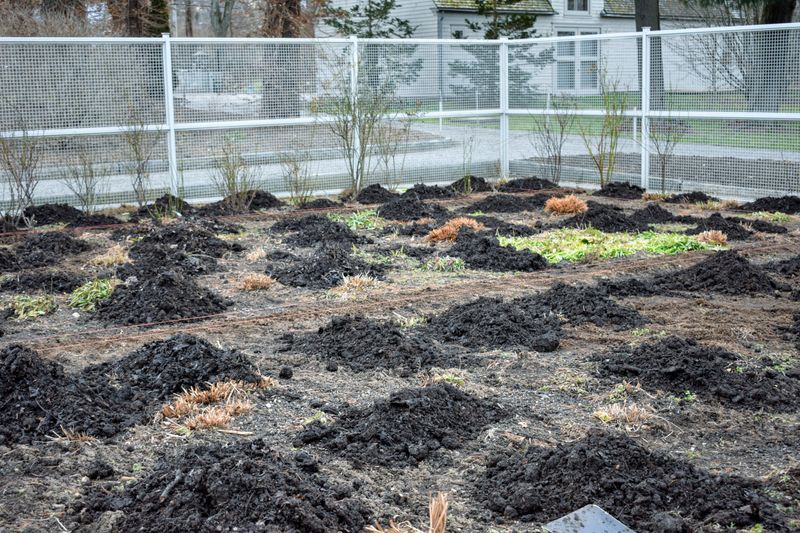
Now for the honest nuance worth knowing. Some situations genuinely call for a little support, a first-year transplant, a shrub set into scraped construction fill, or a bed where builders stripped away every trace of topsoil.
Compost handles those cases far better than fertilizer ever could. Instead of dumping a concentrated dose of nutrients, it releases small amounts slowly while improving structure, water movement, and microbial life in the soil.
Apply it thin across the bed. A half inch spread across the root zone is plenty, kept several inches clear of the trunk so the crown stays dry.
Many experienced native gardeners prefer coarse chipped wood or leaf litter mulch over compost, since it mimics the duff layer found naturally under chaparral shrubs. That layer moderates soil temperature and breaks down at a pace natives recognize.
Avoid manure-based or heavily enriched composts here. Steer and chicken manure run high in nitrogen and salts, neither of which suits a lean-adapted plant.
Timing stays flexible with mulch since it will not force growth the way fertilizer does. Spreading it before the winter rains lets moisture soak in and settle nicely.
One caution worth repeating loudly. A few natives, particularly some manzanita and ceanothus varieties, dislike rich moist material piled against their base. Keep everything loose and airy around the crown.
Consider compost as improving the neighborhood rather than force-feeding the resident directly.
7. Yellowing Leaves Are Not Always A Sign To Feed
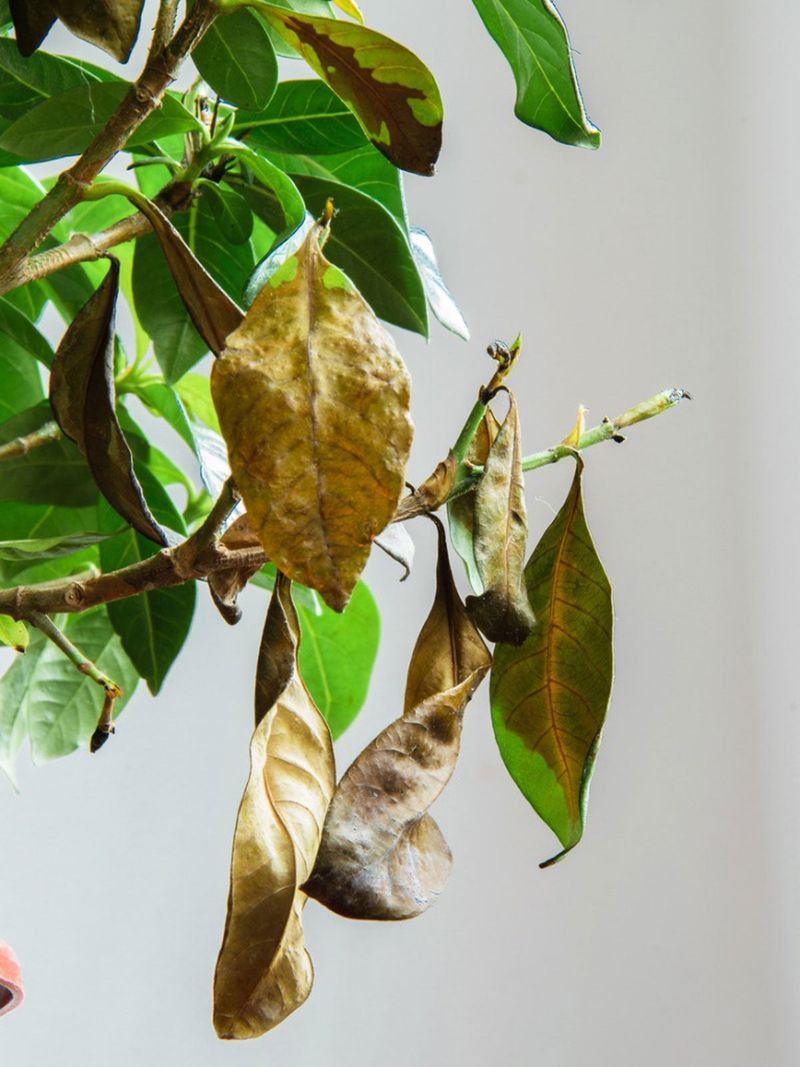
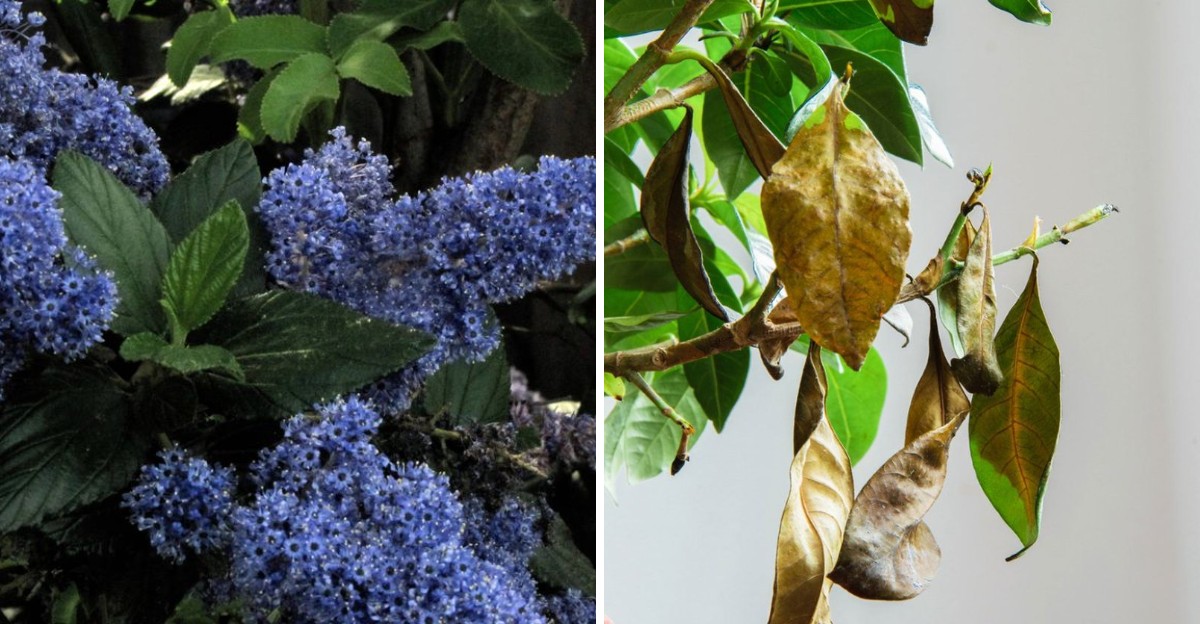
Yellow foliage sends gardeners straight to the fertilizer shelf, and that reflex causes plenty of unnecessary damage in native gardens every year.
Overwatering is the most common culprit by far. Soggy soil starves roots of oxygen, and a suffocating root system cannot move nutrients upward, so leaves pale even when the soil is perfectly fertile underneath.
Adding fertilizer to a struggling, waterlogged plant makes things worse, not better.
Season explains a lot too, once you know the pattern. Numerous California natives are summer-deciduous or semi-deciduous, dropping older leaves during drought to conserve water on purpose.
Coffeeberry, some sages, and buckwheats routinely yellow and shed in late summer, then green up once rains return on schedule.
Poor drainage, compacted clay, and root diseases such as Phytophthora also show up as yellowing, and none of them respond to feeding at all.
Soil pH can play a role in alkaline areas too, where iron becomes hard for plants to absorb even though it’s present. That produces yellow leaves with green veins, a pattern worth learning to recognize on sight.
Before reaching for any product, do a little detective work first. Push a finger several inches into the soil to check moisture, look at whether old or new leaves are affected, and consider what the weather has been doing lately.
New growth looking yellow while old leaves stay green suggests something different than the reverse. If the puzzle persists, a local Master Gardener helpline can diagnose it far more accurately than a guess at the garden center.
8. Skipping Fertilizer Is Often The Right Call
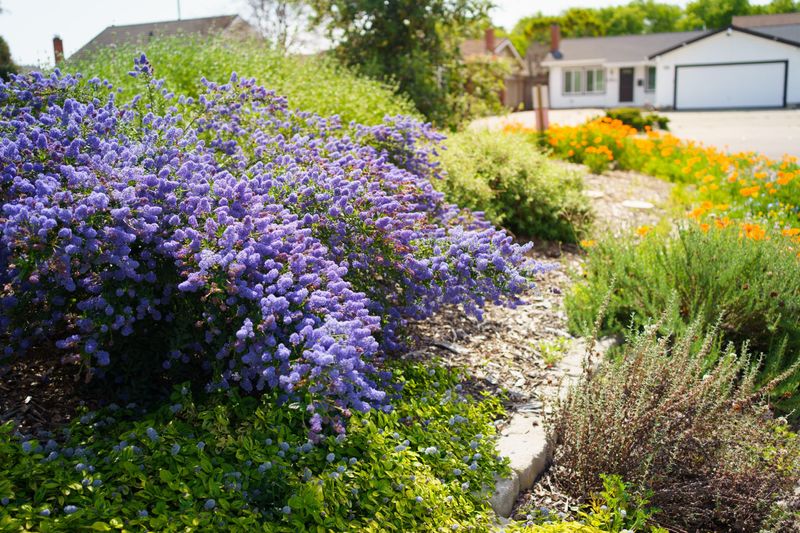
Doing nothing rarely feels like gardening, yet with established California natives, it usually is the smartest action available to you.
The default for a healthy, well-sited native shrub in autumn stays straightforward. No fertilizer, no bloom booster, no bone meal. Refresh the mulch, check that irrigation is dialed back, and let winter rains do the real work.
Money stays in your pocket, runoff stays out of local creeks, and the shrub keeps the tough, compact structure that lets it shrug off drought and cold with ease.
Exceptions exist, and they stay narrow on purpose. Container-grown natives lose nutrients through constant drainage and may need a very dilute, low-phosphorus feed during active growth.
Severely degraded construction soil may justify a light compost layer too. Neither situation calls for fall feeding, though.
Watch your plants instead of the calendar from here on out. Steady seasonal growth, flowers on schedule, and firm green foliage all mean the current routine is working exactly as it should.
Gardeners who switch to natives often describe the adjustment as learning to relax. Plants that once demanded monthly attention get replaced by shrubs that ask for observation and little else.