What California Gardeners Should Do With Spent Vegetable Plants Before Winter
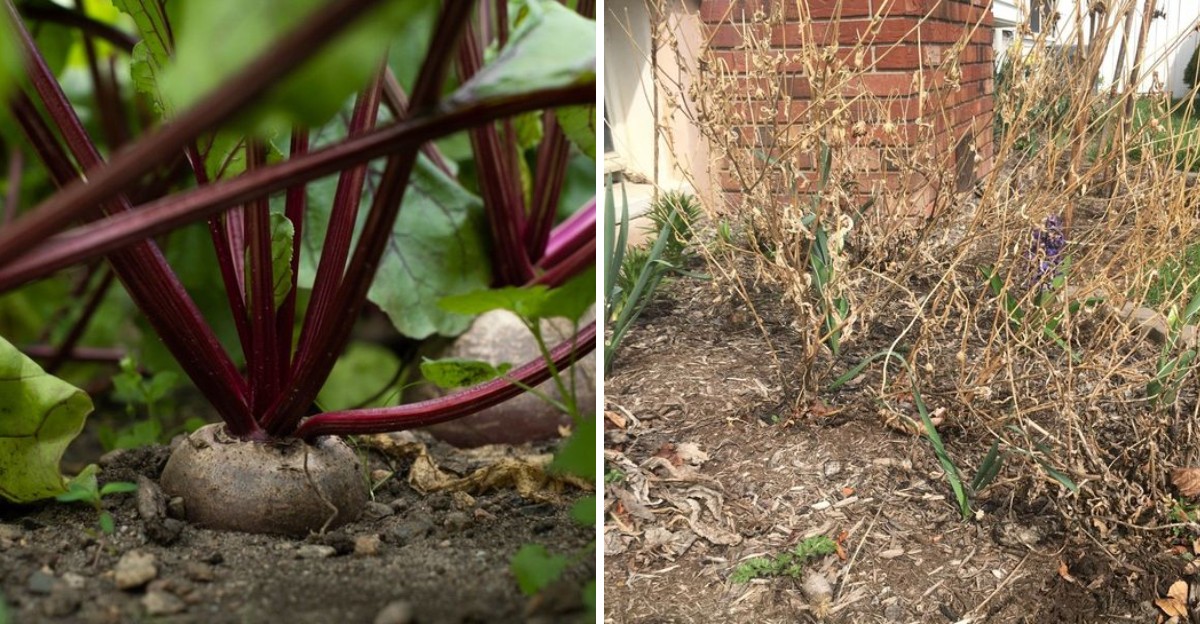
A raised bed sits crowded in late October, yellowing tomato vines, crispy squash leaves, and pepper plants that stopped producing weeks ago.
Winter rains are on the way, and you’re not quite sure whether to pull everything, compost it, or just leave it alone until spring.
Here’s what almost nobody realizes about that decision. What you do right now decides whether next year’s garden starts healthy, or starts fighting the same bugs and diseases you battled all summer long.
Some plants deserve the compost pile. Others belong straight in the trash, no exceptions.
Seven steps explain exactly how to sort one from the other, and why waiting too long turns a tidy fall chore into a genuine spring problem.
Curious which of your own spent plants is secretly hosting next year’s pests? The answer starts with a simple question about whether it’s truly done producing.
1. Remove Plants Once Production Clearly Stops
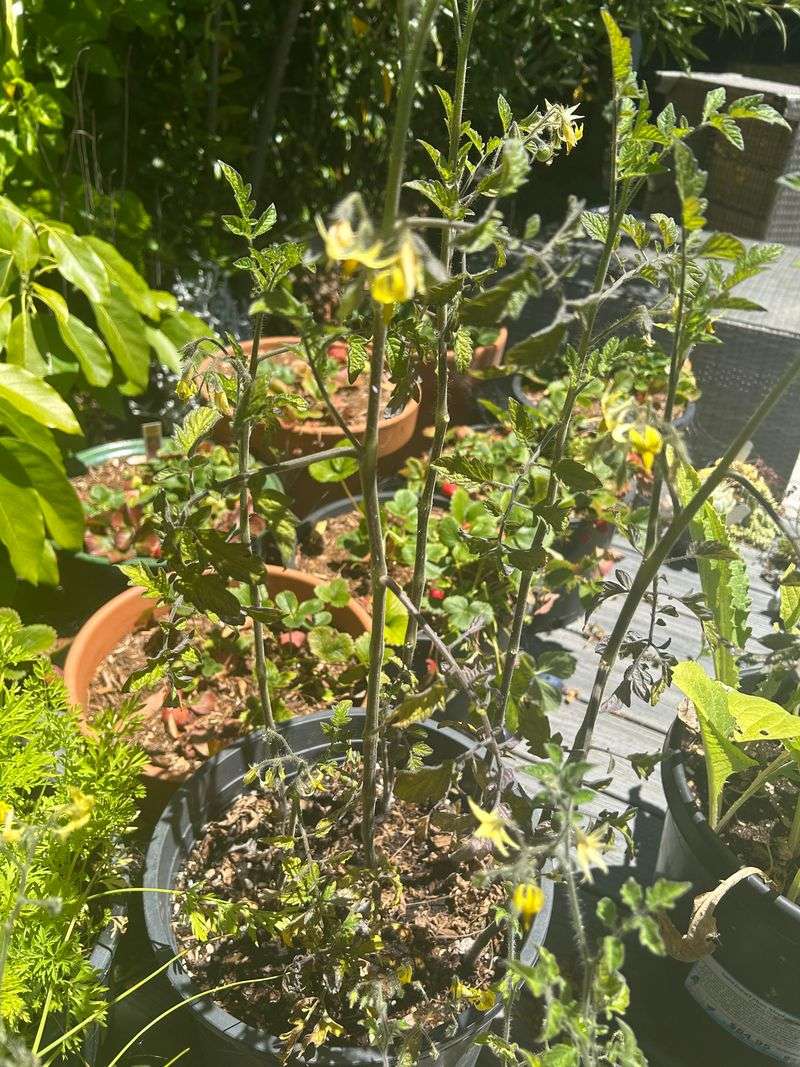
Last October, a gardener kept watering a row of tomato vines that hadn’t set a single new fruit in weeks. She hoped for one more ripe handful, but all she got was yellow leaves and a crowd of whiteflies.
Once a plant has clearly finished, it’s time to pull it. Removing crop residue after harvest matters, because old plants can shelter insects and disease organisms. A tired plant still uses water, yet it gives almost nothing back in return.
How can you tell a plant is done for good? Look for signs like no new flowers, fruit that stays small or cracks open, and leaves that are mostly yellow, brown, or spotted. Summer squash that stops blooming and beans with dry, tough pods are good examples.
In much of California, warm crops like tomatoes, peppers, and squash slow down as nights cool in fall. Coastal gardens may keep going into November, while inland valleys often wind down sooner than that.
Your own plants are the best clock here, so check them weekly instead of following one fixed date on a calendar.
Pick any last usable fruit before you pull anything. Green tomatoes can ripen indoors on a counter, and a few small peppers still make a fine stir-fry. Then cut or pull the plant, and sort it right away into a compost pile or a trash bag, depending on its health.
Keep it simple. No harvest left means no reason to wait any longer.
2. Healthy Plants Can Go In The Compost
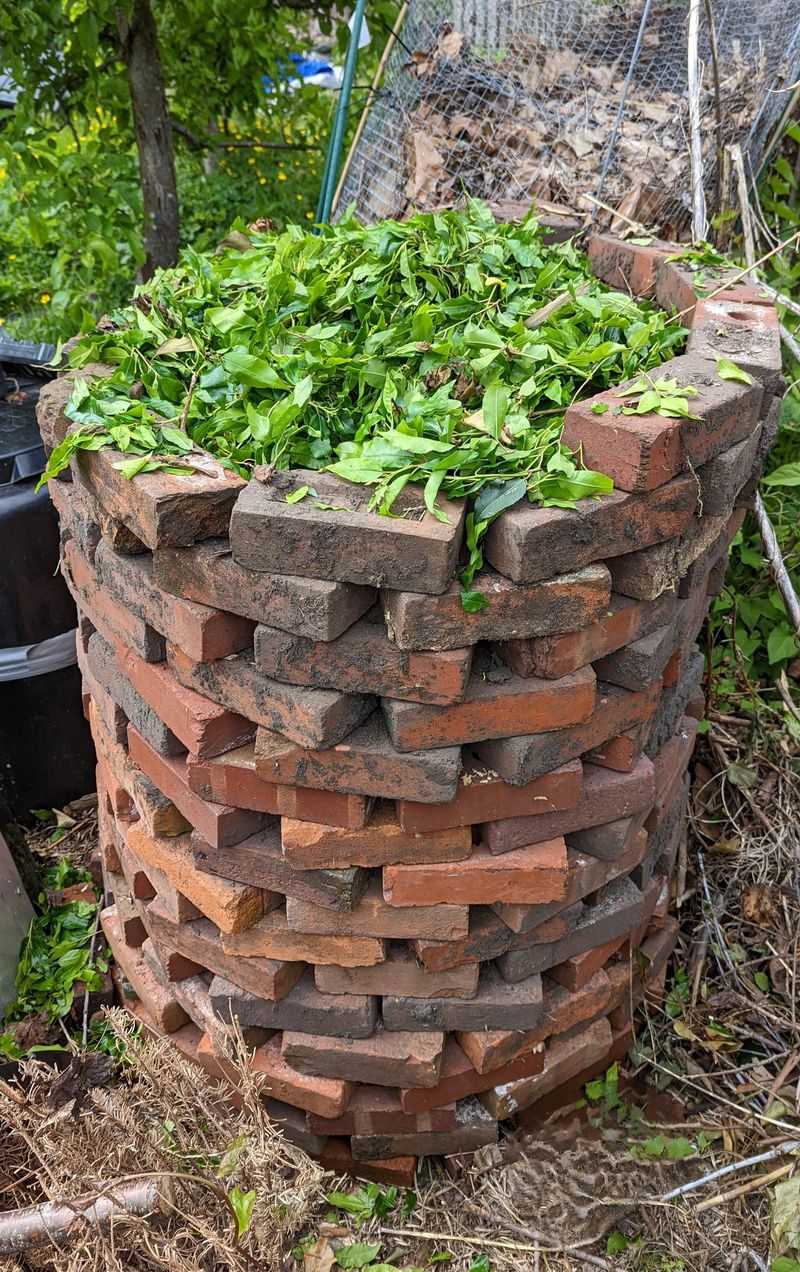
Think of a healthy bean vine as a bag of free groceries for your soil. Its stems and leaves hold carbon, nitrogen, and minerals the plant pulled up all summer long. Tossing it in the trash sends all that goodness to a landfill instead.
If a plant stayed green, strong, and free of spots, wilting, or strange growth all season, it’s a good candidate for your compost pile. Composting garden waste like this builds rich organic matter for future beds. Just be honest with yourself about what actually counts as healthy.
Your California Garden Changes Every Week. Your Plan Should Too.
Gardening in California changes quickly throughout the season. Every Friday you’ll receive a simple weekly plan showing exactly what to plant, prune, fertilize, harvest, and protect so you never miss the right timing.
Chop stems into pieces a few inches long, because thick tomato and sunflower stalks can take months to rot whole. Mix fresh green material with browns such as dry leaves, straw, or shredded cardboard. Keep the pile about as damp as a wrung-out sponge.
Turning the pile every week or two adds air and speeds things up considerably. A well-managed pile can turn old vines into dark, crumbly compost in a few months. That compost can then go back into the same beds next spring.
One quick warning before you start this process. Remove any leftover fruit with seeds, like cherry tomatoes or squash, if you don’t want surprise seedlings popping up wherever you spread the compost later.
Those volunteers are cute at first, but they rarely grow true to type from hybrid parents. Healthy vines, happy soil. It’s that simple.
3. Diseased Material Belongs In The Trash
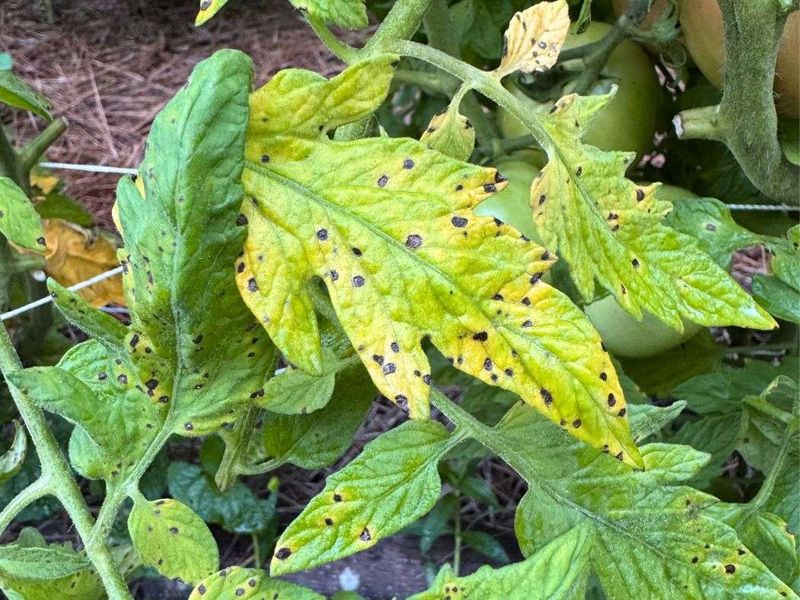
Here’s a tough truth worth knowing upfront. That cozy compost pile in the corner probably isn’t hot enough to eliminate plant diseases. Many pathogens only break down when compost stays at roughly 131 to 160 degrees Fahrenheit for several days, with regular turning involved.
Most backyard piles never get that hot all the way through.
Spores from diseases like powdery mildew, early blight, and many leaf spots can survive in old plant tissue easily. If you compost those plants, you may spread the problem right back onto next year’s crops. That’s like inviting a cold back into your house on purpose.
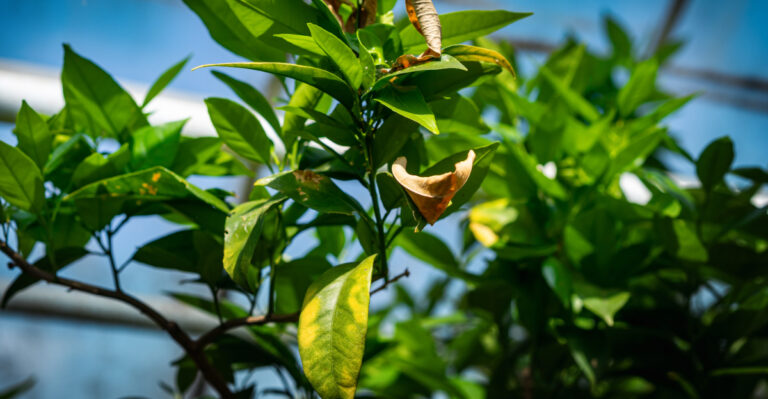
So what actually counts as diseased? Watch for leaves with dark rings or spots, white powdery coating, sudden wilting while soil is moist, mottled yellow patterns, or stems with brown streaks inside. Tomatoes with spotted wilt virus often show bronze leaves and fruit with odd rings.
When in doubt, throw it out entirely. Bag diseased plants and place them in your household trash, not the green waste bin, unless your city tells you its green waste goes to a commercial facility that reaches high heat.
Rules vary by county, so a quick call or website check helps clear things up.
Clean your tools afterward too. Wiping pruners and shovels with household disinfectant keeps you from carrying germs to healthy plants nearby. Washing gloves helps, and it keeps you from becoming the garden’s accidental germ courier.
It may feel wasteful, but the trash is the safest home for sick plants.
4. Roots Deserve The Same Attention As Tops
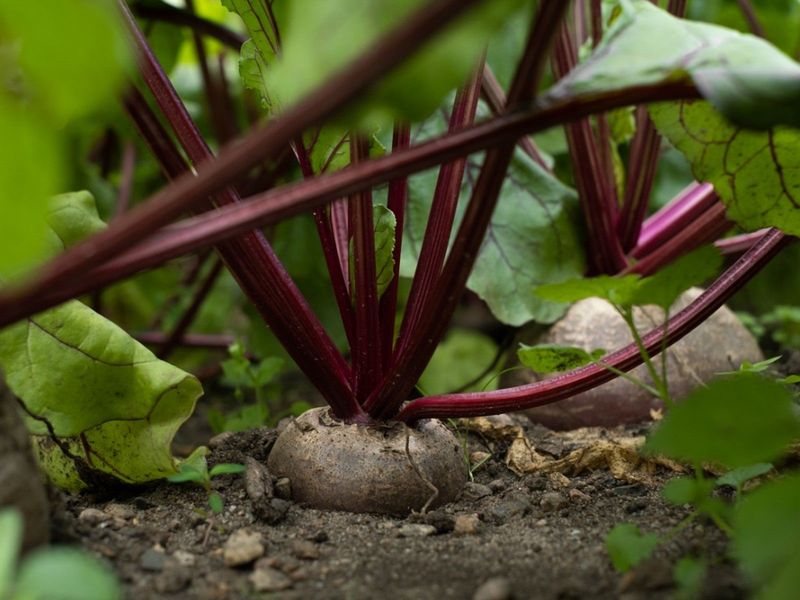
Pull up a tomato plant that struggled all summer, and the roots may tell the real story underneath.
Knobby swellings, called galls, are a classic sign of root-knot nematodes. These tiny worms live in soil and feed inside roots, and they’re common in warm, sandy California gardens.
Snipping stems at ground level leaves that whole underground world behind, untouched. Roots left in the soil can keep feeding nematodes and can hold on to fungi that cause root rot and wilt diseases. Some wilt fungi, like Verticillium, can survive in soil for years.
Use a digging fork to loosen soil around the base, then lift the plant gently instead of yanking it out. Shake loose soil back into the bed, since that dirt is valuable and belongs where it is.
Try to get the main root ball and as many thick side roots as you can manage.
Now take a good look at what you’ve pulled. Healthy roots are usually light colored and firm, while problem roots may be brown, mushy, swollen, or stringy. Roots with galls or rot should go in the trash with other diseased material.
One small exception sometimes comes up here. Some gardeners leave the roots of healthy beans and peas in place, since they break down quickly and add organic matter. If those plants looked strong, that choice is fine, but pull anything that looks sick.
Out of sight should never mean out of mind.
5. Clearing Beds Early Helps Fall Crops
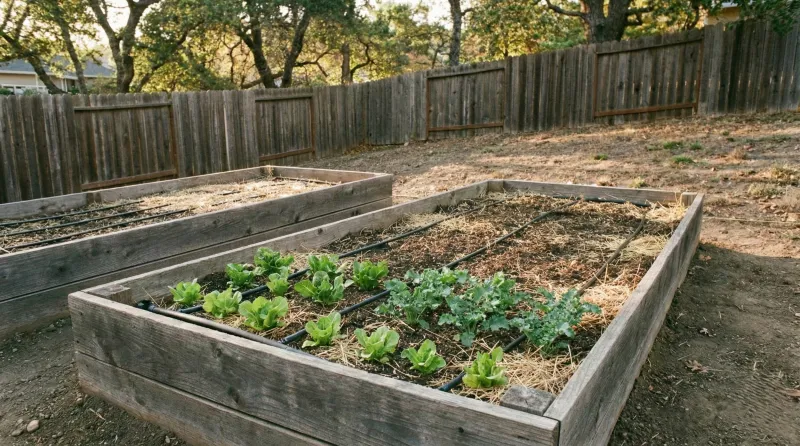
California gardeners have a secret weapon most of the country doesn’t get to enjoy. A real second growing season. While snow buries beds in other states, many California yards can grow lettuce, broccoli, kale, carrots, peas, and garlic right through winter.
That bonus harvest only happens if you make room for it first.
Old summer plants hog space, sunlight, and water that fall crops need. A sprawling zucchini can shade a whole row of baby lettuce, and a leftover tomato vine keeps pulling moisture from the soil around it. Young fall seedlings need every advantage they can get while they settle in.
Timing matters a lot here too. Planting guides for many California regions suggest starting cool-season crops from late summer into fall, often September through November, depending on where you live.
Seeds and transplants that go in while soil is still warm tend to root faster and grow stronger before short winter days arrive.
Clearing a bed promptly also gives you a chance to refresh it properly. Pull weeds, rake away fallen leaves and fruit, and mix in an inch or two of finished compost. Then water the bed a day ahead so the soil is moist and easy to plant.
Try thinking of it like changing classrooms between school periods. The summer crew packs up and leaves, the room gets tidied, and the fall crew walks in ready to learn. Nobody wants to squeeze into a desk someone else is still using.
6. A Cover Crop Can Follow Right Behind
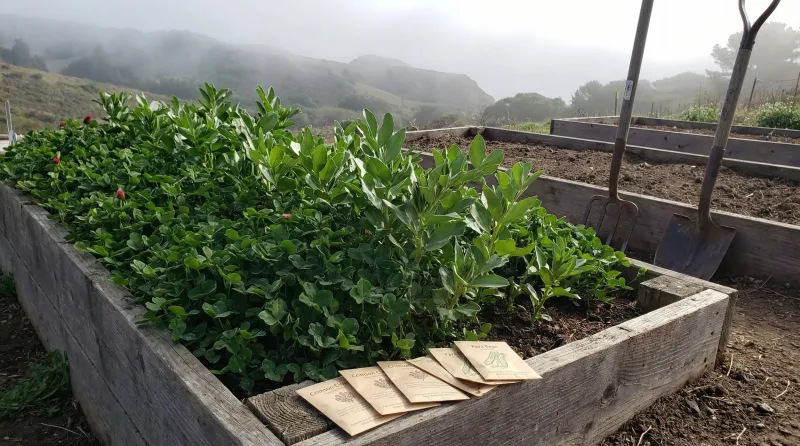
Bare soil in winter is a bit like a house with the doors left wide open. Rain pounds the surface, nutrients can wash away, and weeds happily move in to fill the gap. A cover crop closes those doors shut.
Cover crops are plants grown to protect and feed the soil rather than to eat directly. Fall is a natural time to plant in California, because winter rains help them grow without much extra watering. Common home garden choices include fava beans, bell beans, peas, vetch, oats, and cereal rye.
Legumes like fava beans and vetch team up with soil bacteria to capture nitrogen from the air itself. Grasses such as oats and rye build lots of roots and help hold soil in place through storms. Many gardeners sow a mix to get both benefits at once.
Planting is easy enough. Rake the cleared bed smooth, scatter seed at the rate listed on the package, then lightly rake it in and water thoroughly. For best results with beans and peas, some growers coat seed with a legume inoculant first.
In spring, cut the cover crop down before it sets seed, usually when legumes are flowering. Chop it up and mix it into the top few inches of soil, or leave it on top as mulch. Wait two to four weeks before planting so the material can start breaking down.
Fun bonus worth knowing. Fava flowers are a favorite of bees on sunny winter days.
7. Waiting Too Long Invites Overwintering Problems
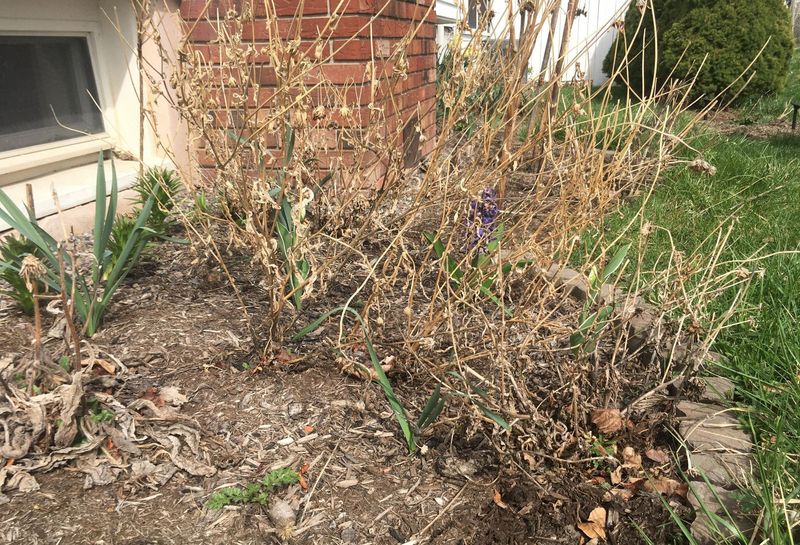
Picture a pile of spent squash vines sitting in the yard come December. To you, it’s a messy corner nobody’s gotten to yet. To squash bugs, earwigs, snails, and fungal spores, it’s a five-star winter hotel with free room service included.
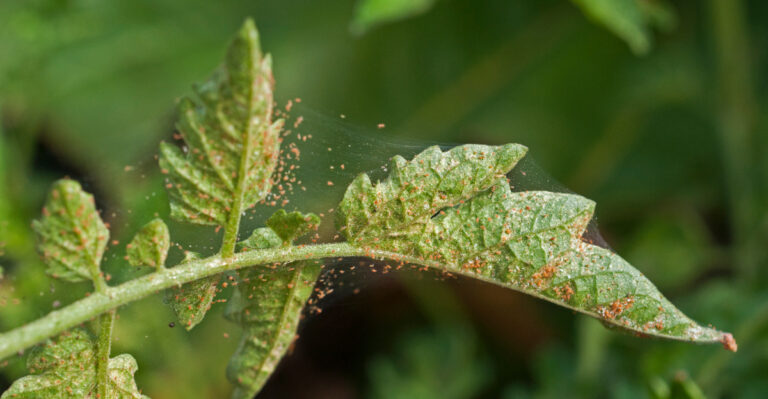
Crop debris gives many pests and diseases a place to survive the off-season comfortably. Some insects hide in dried leaves and stems, while others pupate in soil beneath the plants. Disease organisms can rest in decaying tissue, then spread when spring rain splashes them onto new seedlings.
The longer old plants stay put, the more settled these problems become over time. Aphids and whiteflies can keep breeding on weak leftover plants during mild California winters. They may then move straight onto your fall lettuce or broccoli next door.
Waiting also means more work later on down the line. Dry, brittle plants crumble into countless small pieces that are harder to clean up completely. Wet winter weather can turn them into a slimy mess that’s no fun to handle at all.
So make removal part of your fall routine, just like raking leaves. A quick weekly walk through the garden will show you which plants are finished for the season. Deal with them promptly, sort healthy from sick, and your spring garden will start with far fewer uninvited guests.
A clean bed now is a gift to your future self.