Easy Ways To Bring Your Texas Christmas Cactus Back To Life
Is your Texas Christmas cactus sitting there looking flat, pale, and completely uninterested in blooming while everyone else’s seems to burst into color right on schedule? You’re not alone.
Christmas cacti are one of the most popular houseplants in Texas homes, and they’re also one of the most commonly misunderstood when it comes to what they actually need to thrive.
The good news is that a struggling Christmas cactus is almost never a lost cause. Most of the problems that cause these plants to look limp, drop their segments, or refuse to bloom trace back to a handful of very specific and very fixable care habits.
Getting it right doesn’t require specialized knowledge or expensive products. It requires understanding what this plant is actually asking for.
1. Water Smarter, Not More Often
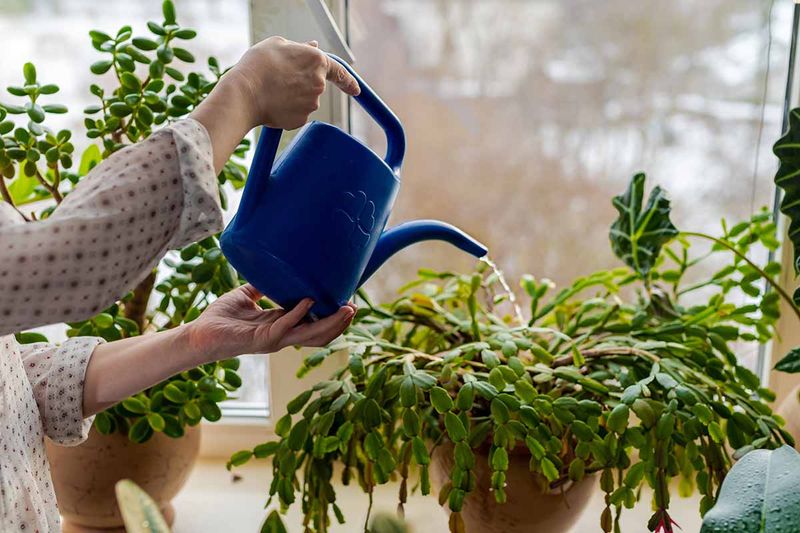
Picture a plant that grew up high in the tree branches of a misty Brazilian rainforest. Believe it or not, that is where the Christmas cactus family comes from. Knowing its roots helps you understand how it likes to drink.
Unlike desert cacti, this plant enjoys regular moisture. Still, it hates sitting in wet soil for days. Too much water is the number one reason these plants start to droop and fade.
Try the finger test before you grab the watering can. Push your finger about one inch into the soil, and water only if it feels dry.
When you do water, soak the soil until water runs out the bottom holes. Then let the pot drain completely in the sink. Never let your plant sit in a saucer full of water.
Texas tap water can be a sneaky problem. Many cities, like San Antonio and Austin, have hard water packed with minerals. Over time, those minerals build up in the soil and stress the roots.
A simple fix is to use rainwater or filtered water whenever you can. Set out a bucket during a spring storm and save that water for your plants. You might also let tap water sit out overnight so it reaches room temperature.
Watch the leaves for clues, too. Limp, wrinkled segments often mean the plant is thirsty. Soft, mushy stems at the base usually mean it is getting way too much.
During hot Texas summers, you may need to water every five to seven days. In cooler months, once every two weeks might be plenty. Let the soil, not the calendar, be your guide.
2. Shield It From The Blazing Texas Sun
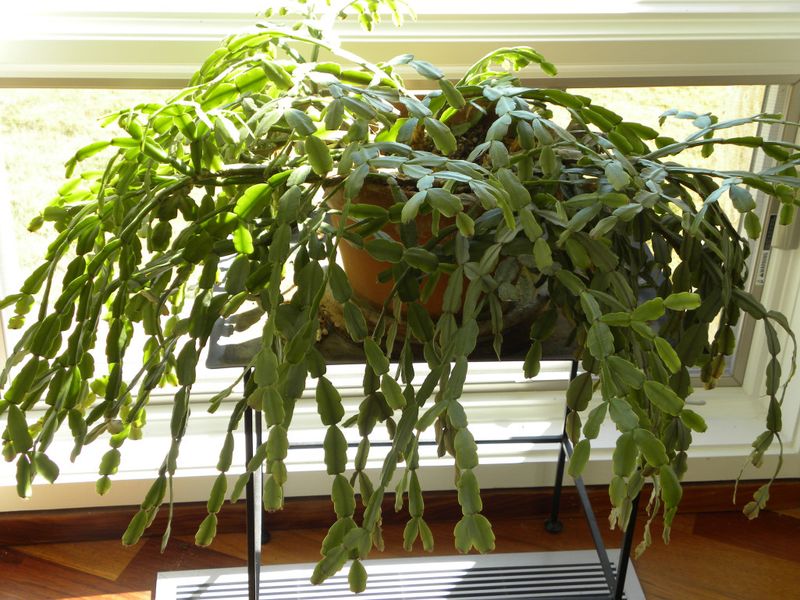
Anyone who has lived through an August afternoon in Houston knows that the sun here does not play around. Your Christmas cactus feels that heat, too. In its rainforest home, it lives under a shady canopy of leaves.
Harsh, direct sunlight can scorch the flat green segments. You might notice them turning red, purple, or pale yellow. Some folks think the plant is sick, but it is often just sunburned.
The sweet spot is bright but indirect light. An east-facing window works wonders because it gets soft morning sun and stays shaded in the afternoon. A spot a few feet back from a south or west window can also do the trick.
Your Texas Garden Changes Every Week. Your Plan Should Too.
Gardening in Texas changes quickly throughout the season. Every Friday you’ll receive a simple weekly plan showing exactly what to plant, prune, fertilize, harvest, and protect so you never miss the right timing.
Sheer curtains are a cheap and easy helper. They filter out the strongest rays while still letting in plenty of glow. Think of them as sunglasses for your plant.
Heat is the other half of the problem. Keep your cactus away from ovens, heating vents, and drafty doors that open to blazing porches. Ideal indoor temperatures sit between 65 and 75 degrees.
Do you like to move plants outside in summer? A covered patio or the shade of a big live oak tree is a great choice. Just avoid spots that get blasted by afternoon sun.
Once temperatures climb past 90 degrees, bring it back indoors. Extreme heat can make the plant drop buds and stop growing. Your air-conditioned living room is a much happier place.
After a move, give your plant a week or two to adjust. Faded segments may slowly return to a rich green color. Patience really pays off here, so try not to shuffle it around again.
3. Give It Fresh Soil And A Snug New Pot
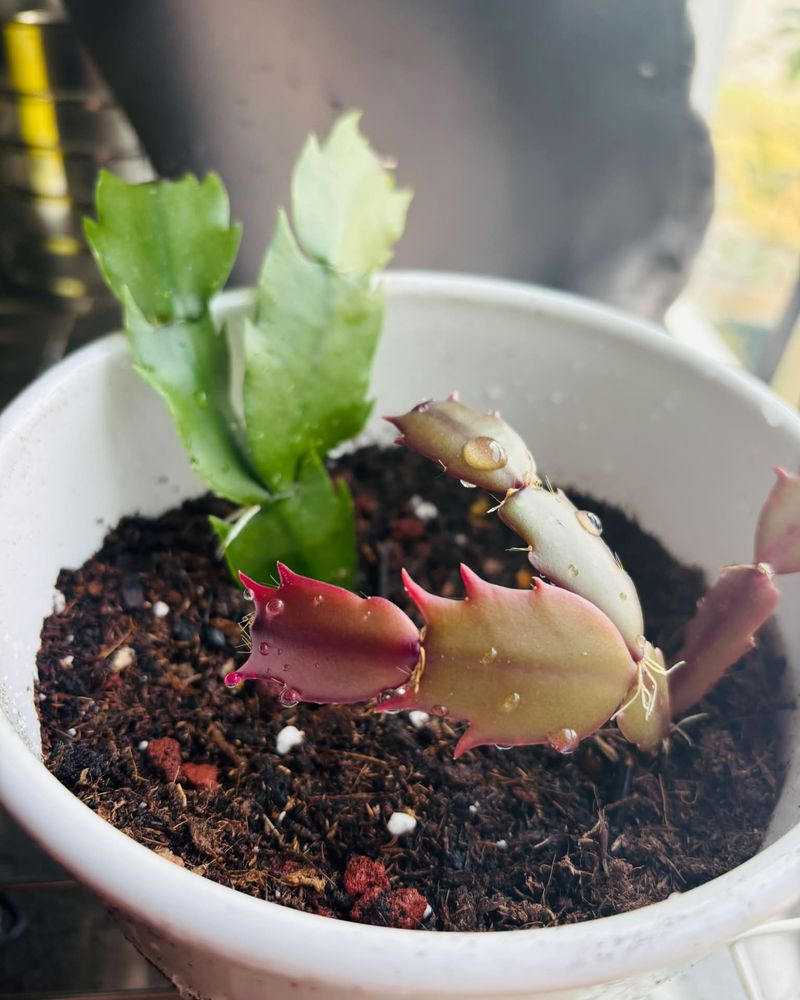
Imagine wearing the same pair of shoes for ten years. They would be worn out, cramped, and pretty gross. Old potting soil can feel the same way to your Christmas cactus.
Over time, soil breaks down and packs tightly around the roots. Water cannot drain well, and air cannot reach the roots. The result is a tired plant that just cannot bounce back.
Fresh soil can make a huge difference. Gently slide your plant out of its pot and look at the roots. Healthy ones are firm and white, while rotten ones are brown, soft, and smelly.
Snip away any mushy roots with clean scissors. Then shake off the old, crusty soil. Hard Texas water often leaves a white, chalky layer that you will want to toss.
For new soil, skip the heavy garden dirt. A mix made for cacti and succulents works well, especially if you blend in some orchid bark or perlite. That combo drains fast and feels light, just like the tree bark these plants love in nature.
Choosing the right pot matters just as much. Pick one only an inch or two wider than the old one, and make sure it has drainage holes. Clay or terracotta pots are a smart pick because they let extra moisture escape.
Here is a fun fact. Christmas cacti actually like to be a little snug in their pots, and they often bloom better that way. So resist the urge to go too big.
Spring is the best time to repot, right after blooming ends. Wait about a week before watering so any damaged roots can heal.
4. Trim Away The Troubled Stems
A good haircut can make anyone feel brand new, and plants are no different. Pruning might sound scary, but it is one of the fastest ways to help a struggling Christmas cactus. It clears out the bad parts and wakes up fresh growth.
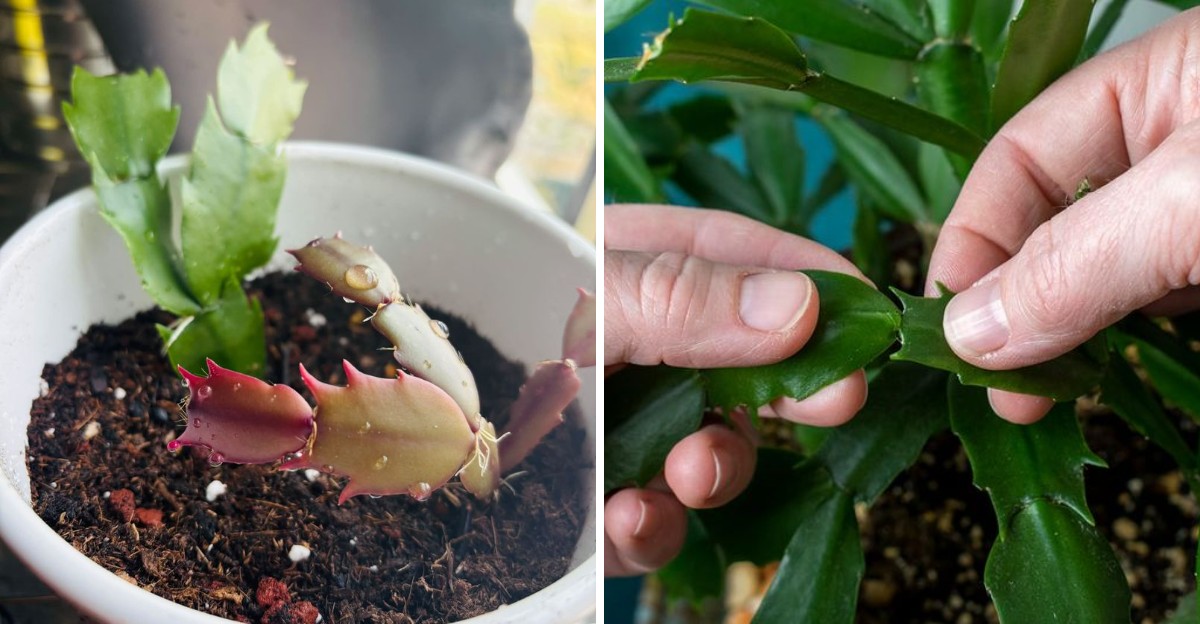
Start by looking closely at each stem. Segments that are shriveled, mushy, black, or badly scarred need to go. They will not recover, and they only drain energy from the healthy parts.
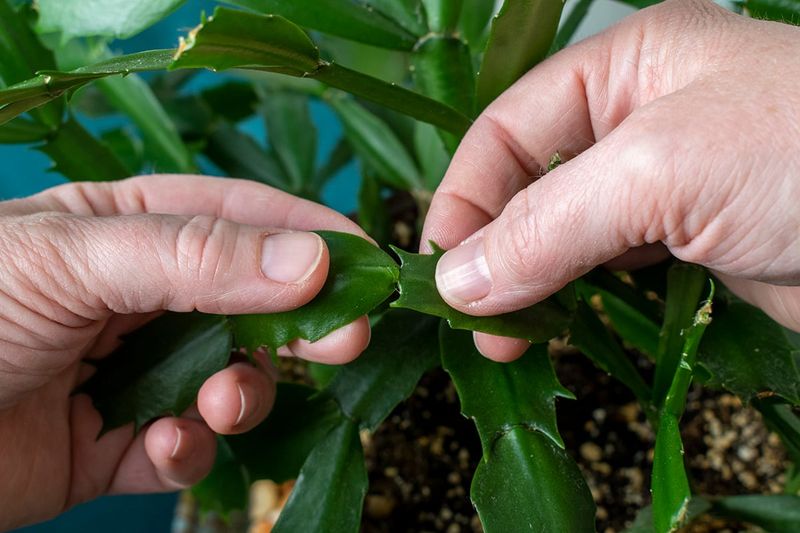
You do not even need scissors for most of the job. Simply grab a segment between your fingers and give it a gentle twist at the joint. It should pop right off.
For thicker, woody stems near the base, use clean, sharp pruners. Wipe the blades with rubbing alcohol first so you do not spread germs. Rot can travel fast, so cut well into the healthy green tissue.
Try not to remove more than one third of the plant at one time. Taking too much can shock it. If your cactus is in really rough shape, spread the trimming out over a few weeks.
Now for the exciting part. Healthy pieces you snip off can grow into brand new plants! Let the cuttings dry for a day, then tuck them about an inch deep into moist cactus soil.
Within a few weeks, tiny roots will form. Many Texas families have passed down Christmas cacti this way for generations, sharing cuttings from grandma’s original plant. It is like a living family heirloom.
Even better, those rooted babies act as a backup. If your main plant struggles, you will still have a healthy piece of it growing strong.
5. Bring Back The Rainforest Humidity
West Texas air can drop below 20 percent humidity on a dry winter day. Meanwhile, the rainforests where Christmas cacti grow wild often stay above 60 percent. That is a big gap, and your plant definitely notices it.
Even in muggy places like Houston, indoor air gets dry. Air conditioning pulls moisture out of the room all summer long. In winter, heaters do the same thing.
Dry air can cause buds to drop before they open. It can also leave segments looking thin, limp, and tired. Adding a little moisture to the air is an easy way to perk things up.
One of the simplest tricks is a pebble tray. Fill a shallow dish with small rocks, add water until it almost covers them, and set your pot on top. As the water evaporates, it creates a cozy bubble of moist air around the plant.
Make sure the bottom of the pot sits on the pebbles, not in the water. Otherwise, the roots will soak up too much. Refill the tray every few days.
Grouping plants together helps, too. Plants release moisture through their leaves, so a little crowd of houseplants creates its own mini jungle. Your cactus will enjoy the company.
Bathrooms and kitchens are naturally steamy spots. If you have a bright bathroom window, it could be a perfect new home. A small room humidifier is another great option for very dry houses.
Misting can help a bit, but the effect fades within minutes. If you do mist, do it in the morning so the segments dry by evening. Wet leaves overnight can invite fungus.
6. Feed It A Light, Steady Snack
Ever tried running a whole day on an empty stomach? You would feel sluggish and cranky pretty fast. A hungry Christmas cactus feels much the same way.
Potting soil only holds nutrients for so long. After a few months, most of the good stuff gets washed away with each watering. That leaves your plant with very little fuel for new growth.
A balanced houseplant fertilizer can help. Look for one labeled 20-20-20 or 10-10-10 on the package. Those numbers stand for nitrogen, phosphorus, and potassium, the three main nutrients plants need.
Mix it at half the strength the label suggests. Christmas cacti have delicate roots, and too much fertilizer can burn them. Gentle and steady wins the race here.
Feed your plant about once a month from spring through late summer. That is when it grows the most and can really use the extra boost. Stop feeding in early fall so it can rest and get ready to bloom.
Plenty of gardeners swear by a little secret. Christmas cacti need more magnesium than most houseplants. Once a month, add one teaspoon of Epsom salt to a gallon of water and use it in place of a regular watering.
Never fertilize a plant that is bone dry. Water first, then feed, so the roots are protected. Also skip feeding right after repotting, since fresh soil already has nutrients.
A white crust on the soil surface can signal fertilizer buildup, especially with hard Texas water.
Flush the pot with plenty of clean water every few months to rinse it away. Your cactus will thank you with glossy, green segments.
7. Set The Stage With Cool, Dark Nights
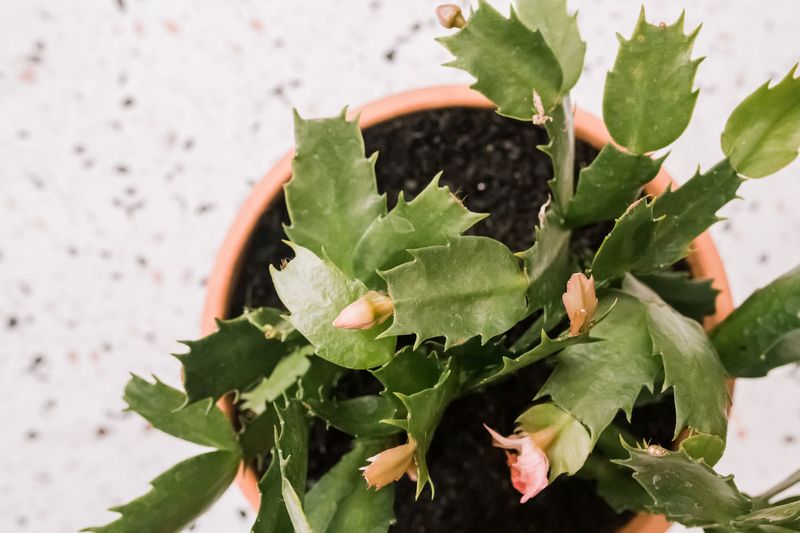
Few holiday sights are as cheerful as a Christmas cactus covered in hot pink blooms on the kitchen table.
For many families, that plant is as much a part of the season as tamales and twinkling lights. Getting it to flower again, though, takes a little planning.
Christmas cacti set buds when nights get long and cool. In nature, shorter fall days tell the plant that blooming season is near. Indoors, lamps and TV screens can confuse that signal.
Starting in early October, give your plant about 12 to 14 hours of total darkness each night. A spare bedroom or a closet works well, as long as you bring it back into bright light during the day. Some people simply cover the plant with a cardboard box every evening.
Cool temperatures matter just as much. Nights between 50 and 60 degrees are ideal for bud formation. Here in Texas, fall can stay warm for a long time, so a cool garage or covered porch may help.
Just keep an eye on the forecast. A surprise blue norther can send temperatures plunging below freezing overnight. Bring your plant inside if it drops under 45 degrees.
During this rest period, water a little less than usual. Once you spot tiny buds forming at the tips of the stems, go back to normal care. Avoid moving the plant too much, since sudden changes can make buds fall off.
Did you know? Many plants sold as Christmas cacti are actually Thanksgiving cacti, which bloom a few weeks earlier. Either way, the same cozy routine brings out those gorgeous flowers year after year.