The Underrated Porch Plant Texans Bring Inside Before The First Cold Snap
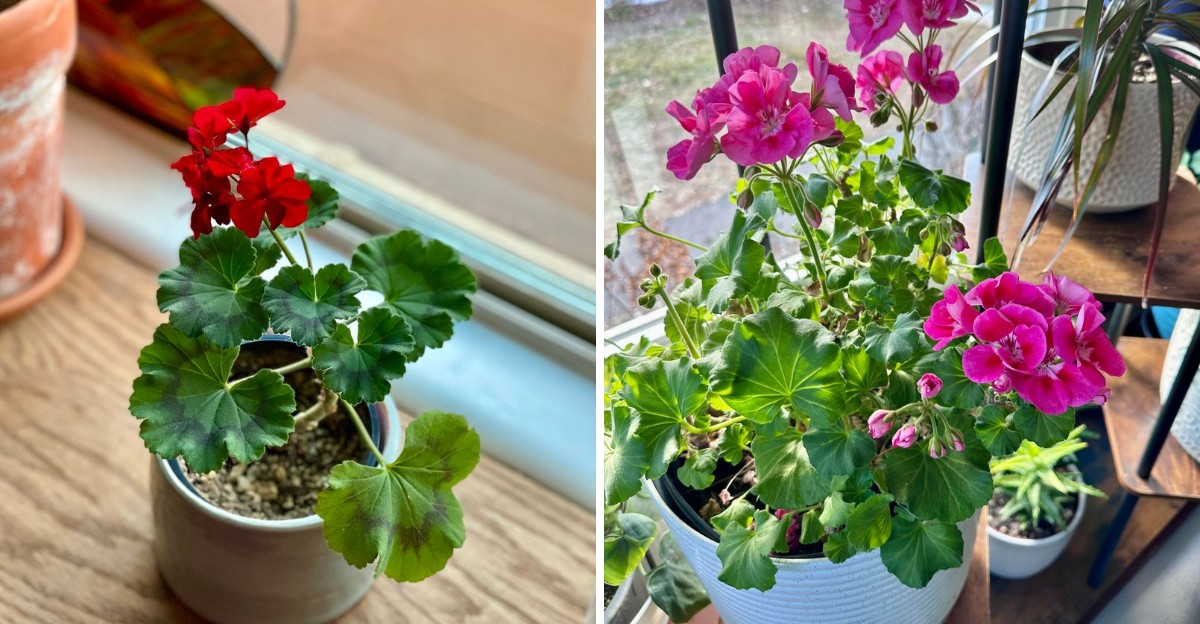
There is a porch plant that seasoned Texas gardeners treat very differently from the way most homeowners do.
While most people leave it outside until the cold finishes it off and then replace it next spring, the gardeners who know this plant’s potential bring it inside before the first cold snap and discover something most beginners never find out.
This plant does not need to be replaced every year.
With the right timing and a few simple steps, it overwinters successfully indoors, comes back stronger the following season, and continues producing blooms that make it one of the most rewarding porch plants available for Texas conditions.
The cost savings alone make it worth knowing about. The performance it delivers season after season makes it genuinely hard to leave behind come fall.
Here’s the underrated Texas porch plant worth bringing inside before the cold arrives.
Bring Geraniums Inside Before Freezing Weather
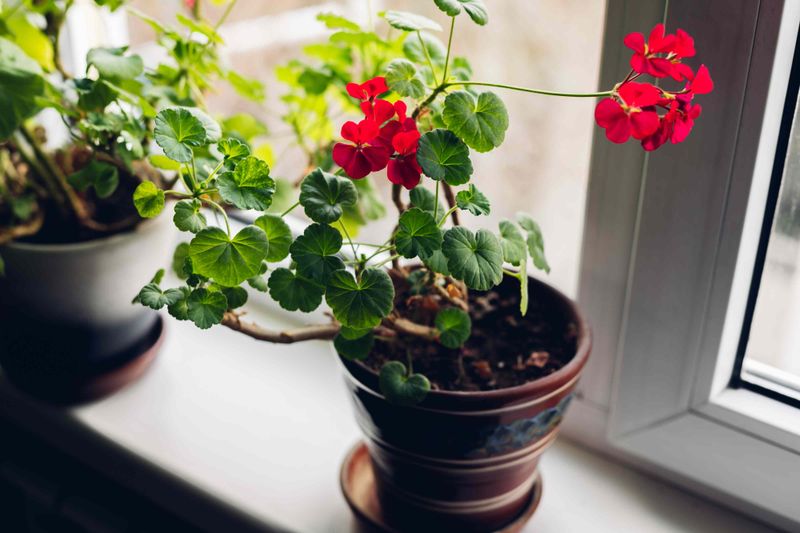
Picture a porch in Austin in late October. The air feels crisp, the pumpkins are out, and a pot of bright red geraniums is still blooming like it is the middle of June.
That cheerful plant is the underrated star of many porches. The simple answer to keeping it safe is easy.
Move your container-grown geraniums, known by the plant name Pelargonium, indoors before a hard freeze shows up.
A hard freeze usually means temperatures dropping to about 28 degrees or lower for several hours.
Frost can hurt geraniums too, so many gardeners bring them in once nights start dipping into the upper 30s. Waiting until the last minute is risky, because Texas weather can flip in a single afternoon.
Keep an eye on your local forecast starting in October. North Texas often sees its first freeze in November, while areas near the coast and in South Texas may not get one until December or later. Some years, a surprise blue norther can roll in much sooner than expected.
Plan ahead by clearing a spot inside before cold weather is on the way. Rushing to drag heavy pots in the dark is no fun for anyone. A small plant cart with wheels can make moving big containers much easier on your back.
Did you know that the plants most people call geraniums are not true geraniums at all? True geraniums are hardy wildflowers, while Pelargoniums come from South Africa. That warm homeland explains why they dislike icy nights so much.
With a little planning, the same plant can bloom for years. Many Texans keep one geranium going season after season, like a family heirloom.
Why Geraniums Need Protection From Texas Cold Snaps
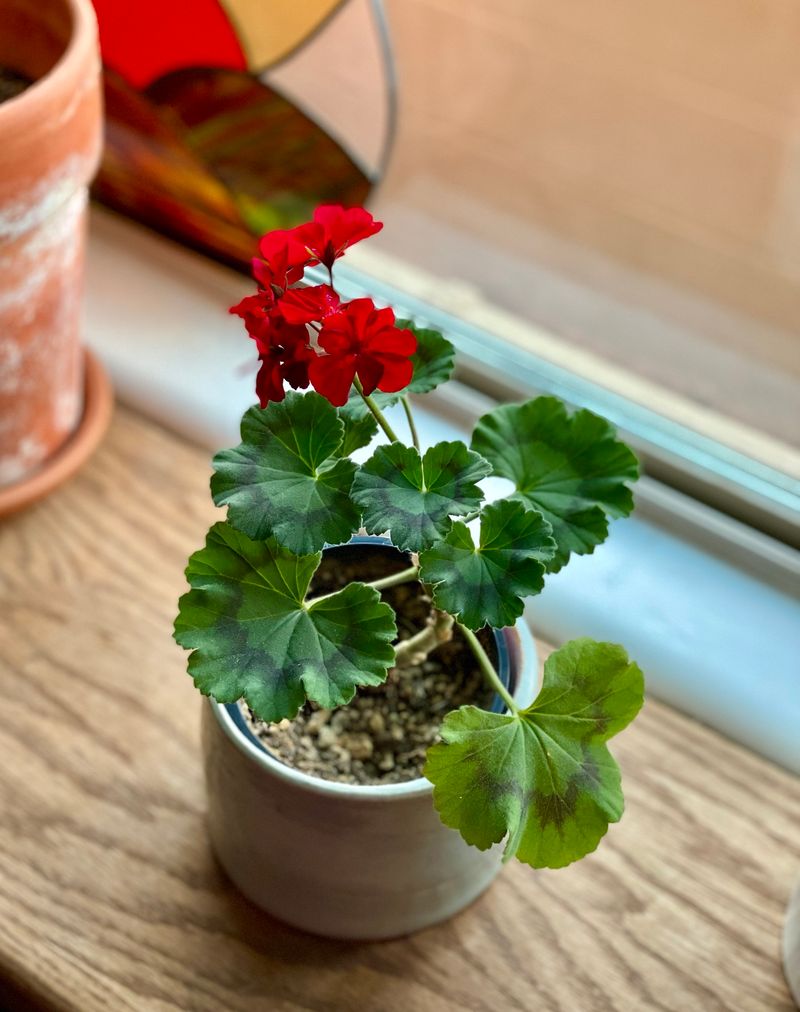
Geraniums are a bit like folks who love summer vacation. They handle a cool fall evening just fine, and many even bloom better once the brutal heat breaks. Freezing air is a whole different story.
Gardeners call them tender perennials. That means they can live for many years in warm places, but they cannot survive ice forming inside their stems and leaves. When water in the plant freezes, it swells and breaks the tiny cells apart.
Your Texas Garden Changes Every Week. Your Plan Should Too.
Gardening in Texas changes quickly throughout the season. Every Friday you’ll receive a simple weekly plan showing exactly what to plant, prune, fertilize, harvest, and protect so you never miss the right timing.
The damage often shows up the next morning. Leaves turn dark, limp, and mushy, almost like cooked spinach. A short, light frost might only hurt the top leaves, but a long, hard freeze can ruin the whole plant, roots and all.
Texas makes things extra tricky. One week might feel like a warm 75 degrees, and the next week a cold front can drop temperatures into the 20s overnight. Plants that seemed happy on Monday may be wrecked by Wednesday.
Container plants face an even bigger risk than plants in the ground. Soil in a pot has no deep earth around it for warmth, so the roots get cold fast. Clay pots can chill even quicker because they lose heat through their sides.
Remember the big freeze of February 2021? Many Texans lost plants they had kept for ages, and lots of people learned the hard way that a thin sheet over a pot is not always enough.
Bringing geraniums inside is the safest choice. It costs nothing, takes only a few minutes, and saves you from buying new plants every spring. Your wallet and your porch will both thank you.
Check The Plant Before Bringing It Indoors
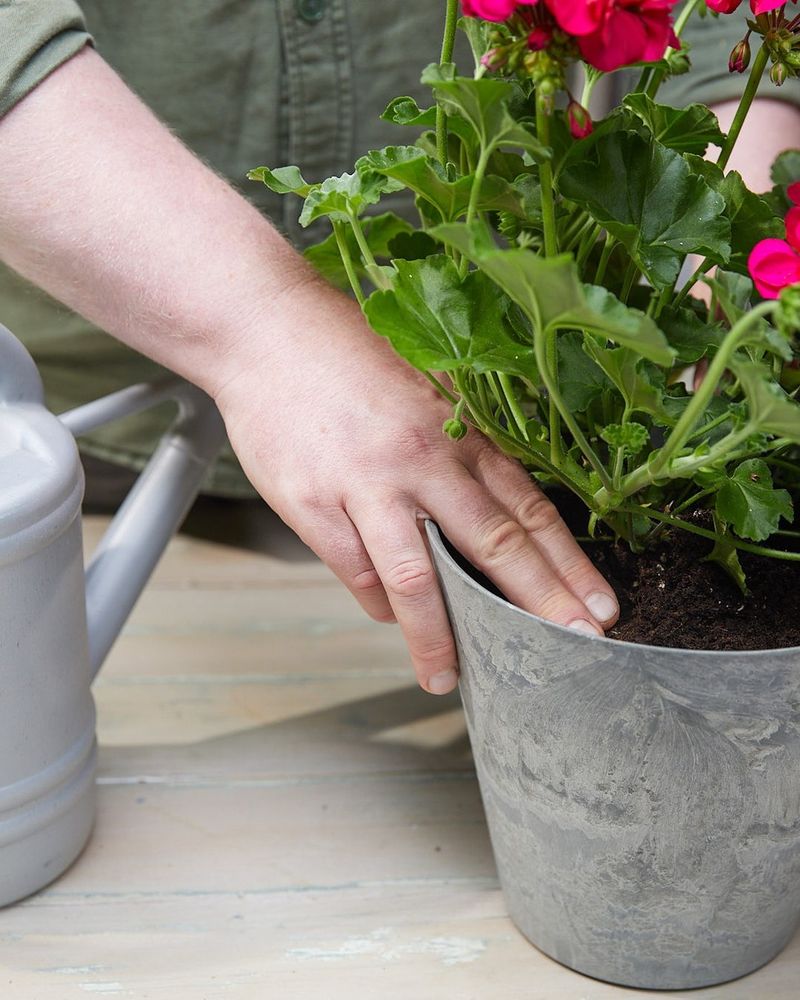
Nobody wants surprise guests showing up uninvited, especially the six-legged kind. Before your geranium moves into the living room, give it a careful checkup. Think of yourself as a plant detective hunting for clues.
Start with the leaves. Flip them over and look closely at the undersides, where pests love to hide. Watch for tiny white whiteflies, clusters of green or black aphids, and fine webbing that can mean spider mites.
Next, check the stems for soft, black, or mushy spots. Those can be signs of rot or disease. Healthy stems should feel firm and look green or light brown.
Don’t forget the soil. Poke around the top inch and look for crawling bugs, fuzzy mold, or a sour smell. Some gardeners even soak the pot in a bucket of water for about 15 minutes to push hidden pests out.
Once your inspection is done, grab clean scissors or pruners. Snip off yellow leaves, brown dried-up stems, and faded flowers. Removing that old growth helps the plant save energy and keeps disease from spreading.
Many gardeners also trim their geraniums back by about one-third before moving them. A smaller plant fits better indoors and will grow bushier later. Leave several healthy leaves on every stem so it can still make food.
If you do find a few pests, don’t panic. A gentle spray of water or insecticidal soap usually takes care of the problem. Wait a few days and check again before bringing the plant inside.
A spotless plant keeps your other houseplants safe too. One infested pot can spread trouble all winter long.
Find The Brightest Indoor Spot
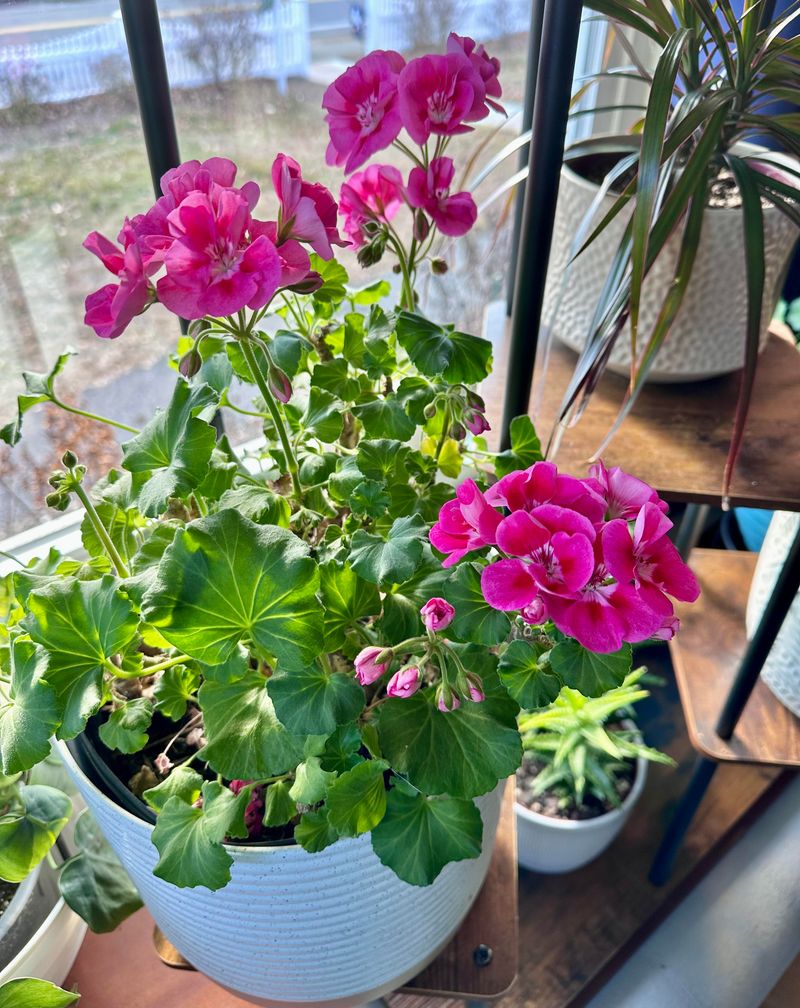
Sunshine is basically breakfast, lunch, and dinner for a geranium. Outside on a porch, it soaks up hours of bright light every day. Indoors, that light supply drops a lot, so picking the right spot really matters.
Aim for at least six hours of bright light each day. A south-facing window is usually the best choice because it gets the most sun during winter. West-facing windows come in second and still offer strong afternoon rays.
Without enough light, geraniums get leggy. That means the stems grow long and skinny while the plant stretches toward the window. Leaves may turn pale, and flowers usually stop showing up.
Not every home has a perfect window, and that is okay. A bright sunroom, an enclosed porch that stays above freezing, or even a cool garage with a window can work. Just make sure the spot never gets close to freezing.
Grow lights are a helpful backup for darker homes. Simple LED shop lights hung a few inches above the plant can keep it growing strong. Set them on a timer for about 12 to 14 hours a day, and your geranium will barely notice winter.
Try to keep the plant away from heater vents and drafty doors. Blasts of hot, dry air can make leaves crispy, while chilly drafts cause stress. Geraniums are happiest at around 60 to 70 degrees during the day and a little cooler at night.
Turn the pot a quarter turn every week or so. That simple habit keeps the plant from leaning to one side. Your geranium will stay nice and even, like a well-trimmed bush.
Adjust Watering During Indoor Growth
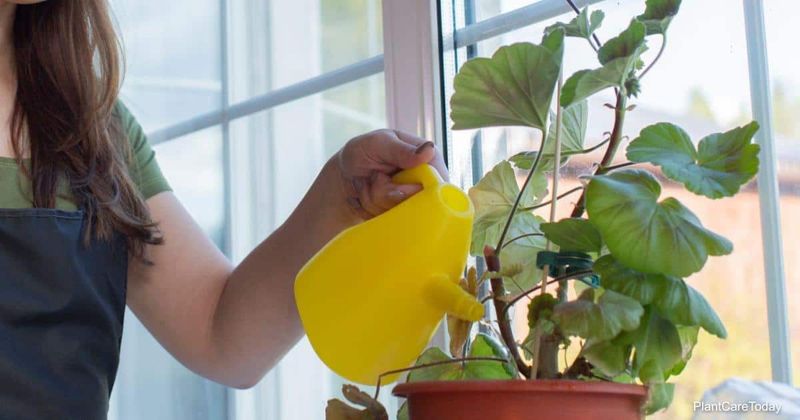
More geraniums get into trouble from too much water than too little. That is especially true in winter, when the plant slows down and rests. Your summer watering habits simply will not work indoors.
Out on a hot porch in July, you might water geraniums every day or two. Indoors in December, the story changes completely. Less sunlight and cooler temperatures mean the plant drinks much less.
Let the soil dry out somewhat between waterings. A simple finger test works best. Push your finger about an inch into the soil, and only water if it feels dry at that depth.
For many homes, that ends up being about once every week or two. Every house is different, though, so trust the soil more than the calendar. Pots near sunny windows usually dry faster than those in shady corners.
When you do water, give the plant a good drink until water runs out of the drainage holes. Then empty the saucer underneath after about 15 minutes. Sitting in a puddle can cause root rot, which is hard to fix.
Watch for warning signs. Yellow leaves and soft, droopy stems often mean too much water. Crispy brown edges and very dry soil can point to too little.
Hold off on fertilizer for most of the winter too. The plant is not growing much, so extra food can build up in the soil. Start feeding again lightly in late winter, when new leaves begin to appear.
Pots with drainage holes are a must for indoor geraniums. Terra cotta pots are helpful because they let soil dry out more evenly. A happy root system now means a stronger plant in spring.
Move Geraniums Back Outside When Weather Settles
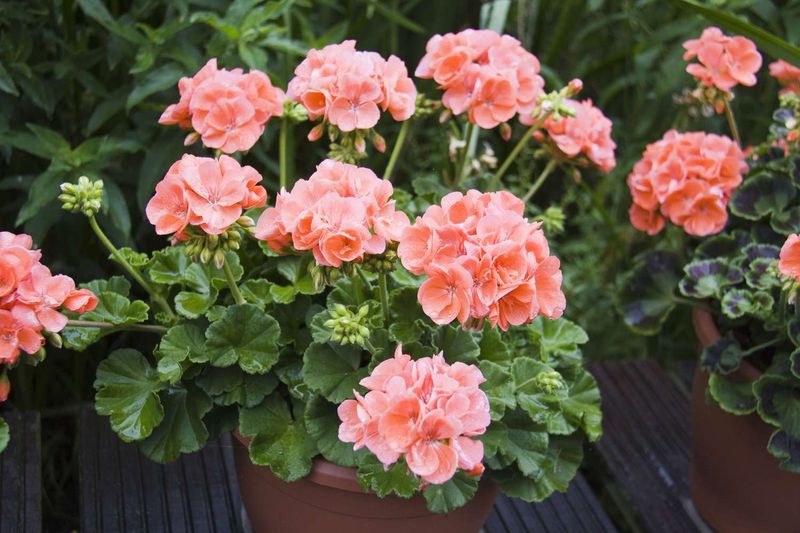
Spring in Texas feels like a big welcome-home party. Bluebonnets pop up along the highways, birds get chatty, and your geranium starts itching to get back outside. Still, patience pays off here.
Wait until the risk of freezing weather has fully passed. In much of Texas, that means mid-March to early April, though North Texas and the Panhandle may need to wait a bit longer. Check your area’s average last frost date to be sure.
Nighttime temperatures should stay above about 45 to 50 degrees before the plant moves out for good. A surprise late cold front is always possible, so keep an eye on the forecast.
Don’t rush your geranium straight into full sun. After months indoors, its leaves are not used to strong rays and can scorch easily. Gardeners call the slow adjustment process hardening off.
Start by setting the pot in a shady spot outside for a few hours a day. Over one to two weeks, slowly give it more sunlight and more time outdoors. Bring it back in on chilly or very windy nights.
Once it is fully adjusted, the plant can return to its favorite porch spot. Morning sun with a bit of afternoon shade is ideal in the Texas heat. Hot summer afternoons can stress even a tough geranium.
Now is a great time to give it fresh potting soil and a dose of balanced fertilizer. Pinch back leggy stems to encourage fuller growth and more blooms.
Before long, those bright flowers will be greeting visitors again. And when fall comes back around, you will know exactly what to do.