How To Bloom Your Bunny Ear Cactus In Texas
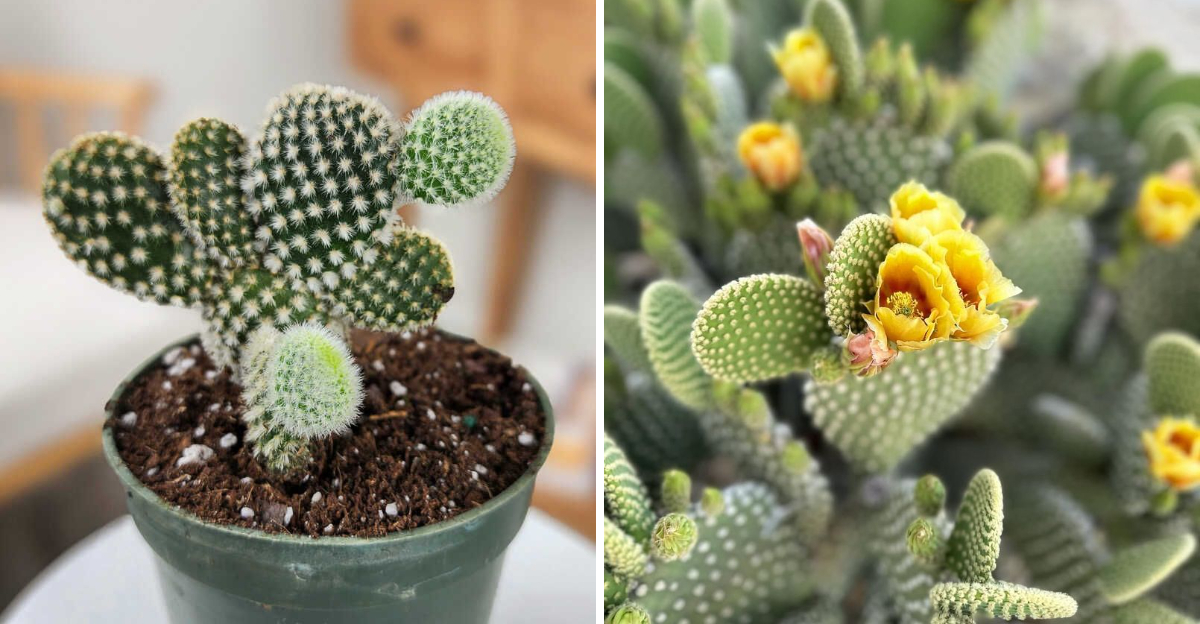
Bunny ear cactus is one of those plants that earns a spot in every Texas home or garden based on looks alone.
Those paired, rounded pads with their polka dot patterns of white glochids are genuinely charming, and the plant manages to pull off cute and architectural at the same time, which is a rare combination in the plant world.
Most people are happy just keeping one alive and looking good. Then you find out it can actually bloom, and suddenly just keeping it alive feels like settling.
The flowers that a healthy, well-cared-for bunny ear cactus produces are surprisingly beautiful, pale yellow and delicate in a way that feels almost unexpected coming from such a sturdy, no-nonsense plant. The catch is that getting it to flower takes more than just basic care.
There are specific conditions this cactus needs before it decides to put on that kind of show, and once you know what they are, triggering a bloom becomes very achievable.
1. Give It Full, Direct Sunlight
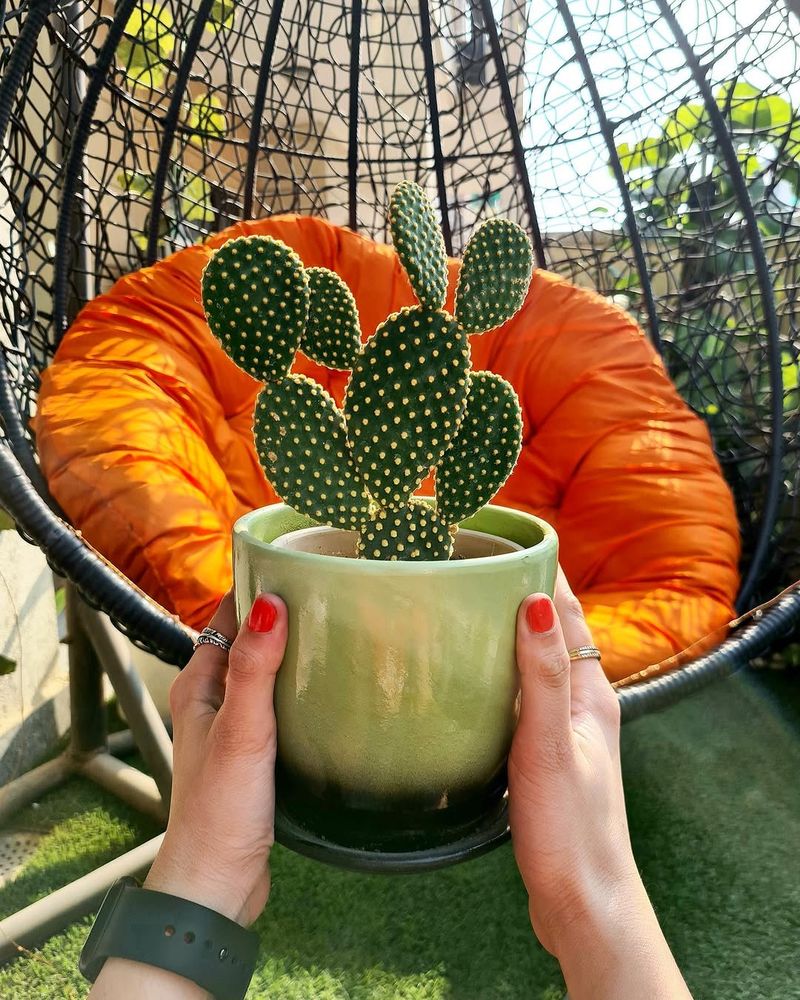
Sunshine is everything to a Bunny Ear Cactus, and Texas has plenty of it to go around. This cactus comes from the hot, dry regions of northern Mexico, so it is built for strong, direct light.
Without enough sun, it simply will not bloom, no matter how well you care for it in other ways.
Aim for at least 6 to 8 hours of direct sunlight every day. In Texas, that is easy to achieve during spring and summer when the sun is strong and the days are long.
Place your cactus near a south-facing window if it is indoors, or set it outside in a sunny spot in your yard or on your patio.
Full sun does more than just help the plant grow. It actually signals the cactus that conditions are right for producing flowers.
When the plant gets consistent, strong light, it stores enough energy to push out those beautiful yellow blooms. Partial shade or indoor lighting is usually not enough to trigger that process.
One thing to watch in Texas is the intense afternoon heat during summer. Some gardeners in hotter parts of the state find that a little afternoon shade can prevent scorching on the pads.
Morning sun is always the best option because it is bright but not as harsh. Finding that sweet spot of full sun with just a touch of afternoon protection can make a big difference in bloom production for your plant.
2. Don’t Overwater
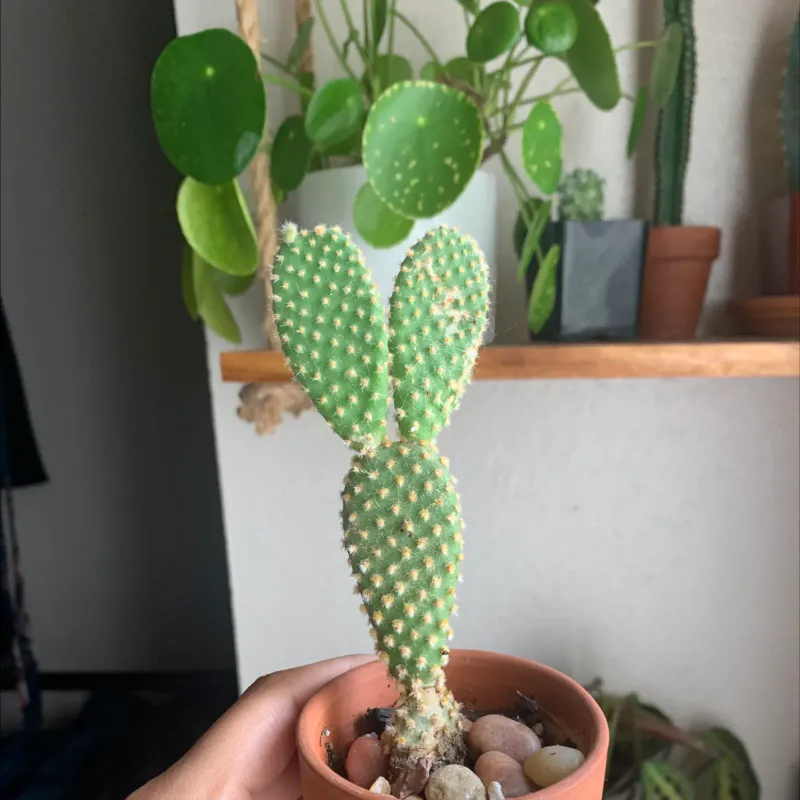
Too much water is one of the biggest reasons a Bunny Ear Cactus refuses to bloom. Many people think that watering more often means a healthier plant, but with this cactus, the opposite is true.
Overwatering can cause root problems and actually prevent the plant from ever producing flowers.
In Texas, the warm temperatures help the soil dry out faster, which works in your favor. During spring and summer, water your cactus once every two to three weeks.
Always check the soil first by sticking your finger about an inch into the dirt. If it still feels damp, wait a few more days before watering again.
Your Texas Garden Changes Every Week. Your Plan Should Too.
Gardening in Texas changes quickly throughout the season. Every Friday you’ll receive a simple weekly plan showing exactly what to plant, prune, fertilize, harvest, and protect so you never miss the right timing.
During fall and winter, cut back even more. Your cactus needs very little water when it is resting during cooler months.
Once a month or even less is usually enough to keep it healthy without causing any problems. The goal is to mimic the natural dry conditions of its native desert habitat.
Signs of overwatering include soft, mushy pads and a base that feels unstable or discolored. If you notice these signs, stop watering right away and let the soil dry out completely.
You may also want to repot the plant into fresh, dry soil to give the roots a better chance to recover. Keeping your watering routine simple and restrained is one of the most reliable ways to encourage blooming in Texas throughout the growing season.
3. Use Well-Draining Soil
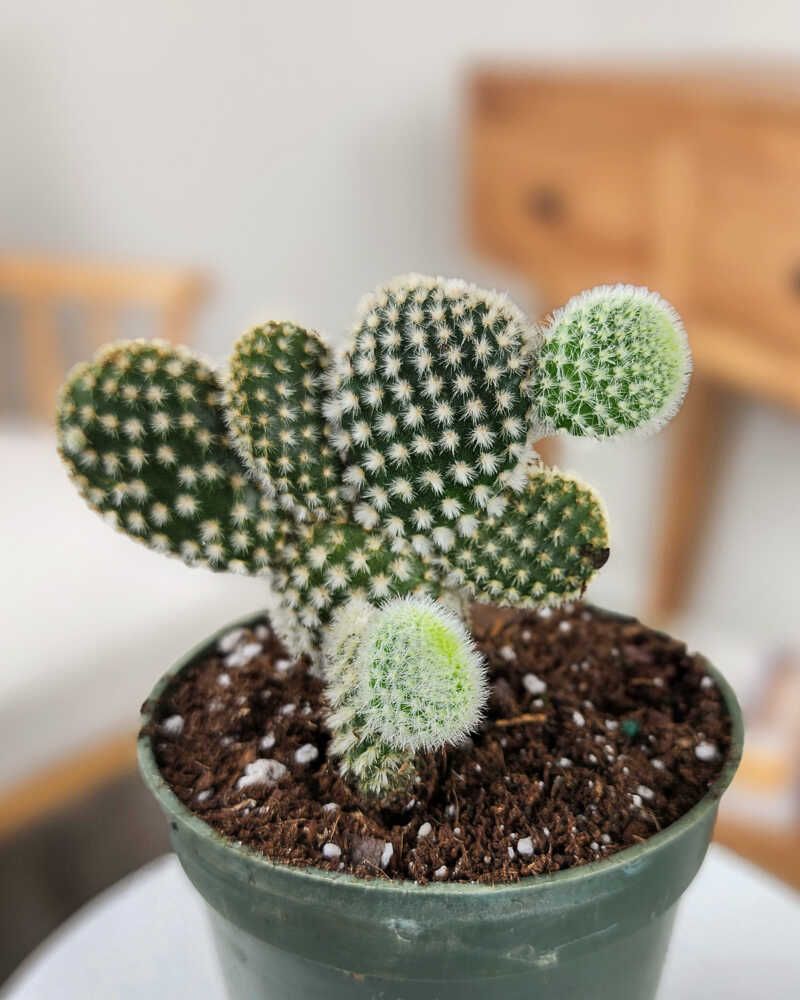
Soil might seem like a small detail, but it can make or break your cactus blooming journey. A Bunny Ear Cactus needs soil that lets water pass through quickly so the roots never sit in moisture for too long.
Regular potting soil holds too much water and can cause serious root problems over time. The best option is a cactus and succulent potting mix, which you can find at most garden centers across Texas.
You can also make your own blend by mixing regular potting soil with coarse sand or perlite in equal parts. This creates a light, gritty texture that drains fast and keeps the roots happy and healthy.
Good drainage also helps the plant experience the natural dry and wet cycles it is used to in the wild. When water moves through the soil quickly after each watering, the roots get a brief drink and then return to dry conditions.
That cycle is important for triggering the blooming process when growing conditions are right.
If your cactus is in a pot, make sure the container has drainage holes at the bottom. Without holes, even the best soil mix will trap water and cause problems.
For Texas gardeners who grow their cactus in the ground, adding a layer of gravel or coarse sand to the planting area can improve drainage significantly.
Taking time to get the soil right from the start saves a lot of trouble later and gives your cactus the best possible chance to bloom beautifully.
4. Provide A Cool Winter Rest
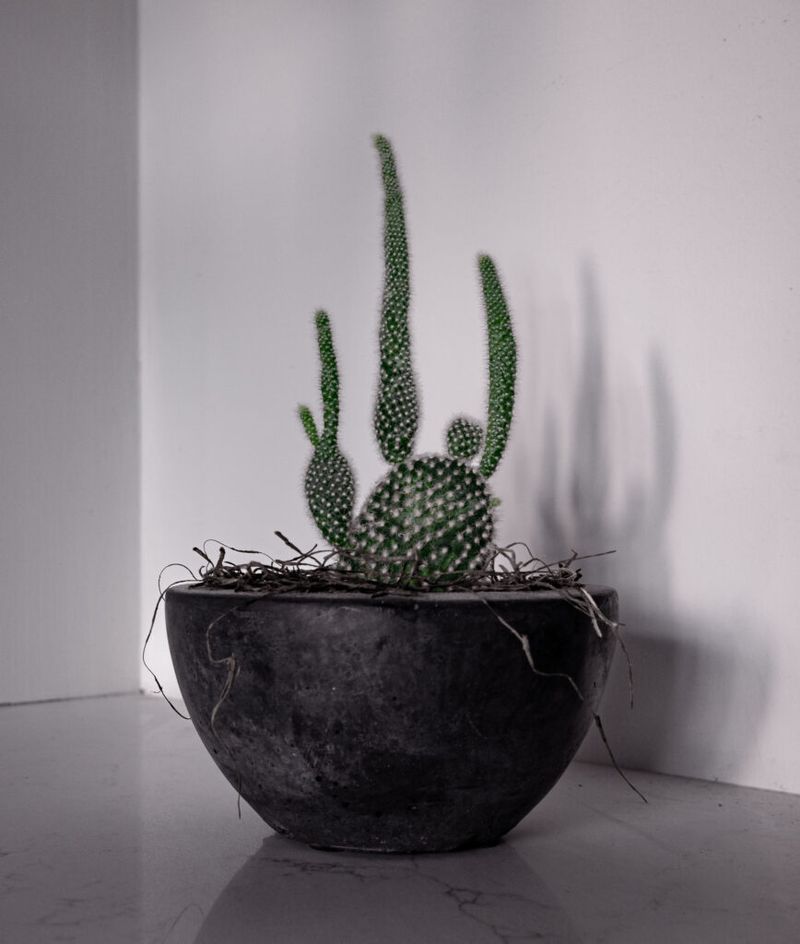
Here is something that surprises a lot of new cactus owners: your Bunny Ear Cactus actually needs a rest period in winter to bloom well in spring.
This cool, quiet phase is called dormancy, and it acts like a reset button for the plant. Without it, the cactus may grow just fine but skip the blooming stage entirely.
In Texas, winters are mild compared to many other states, but they are still cool enough to give your cactus the rest it needs. During the cooler months, move your cactus to a spot where temperatures stay between 50 and 60 degrees Fahrenheit at night.
A garage, a cool porch, or a room that does not get much heat works well for this purpose. During dormancy, cut back on watering significantly and stop fertilizing altogether. The plant is not actively growing during this time, so it does not need much support from you.
Let it rest quietly for about two to three months, usually from November through February in most parts of Texas.
When spring arrives and temperatures start climbing again, gradually bring the cactus back into its regular routine. Increase watering slowly, move it back into full sun, and watch for signs of new growth.
That new growth is often a signal that blooms are on the way. Many Texas gardeners are thrilled to see bright yellow flowers appear after following this simple winter rest routine.
It truly makes a noticeable difference in how well and how often the plant blooms each year.
5. Fertilize Lightly In Spring
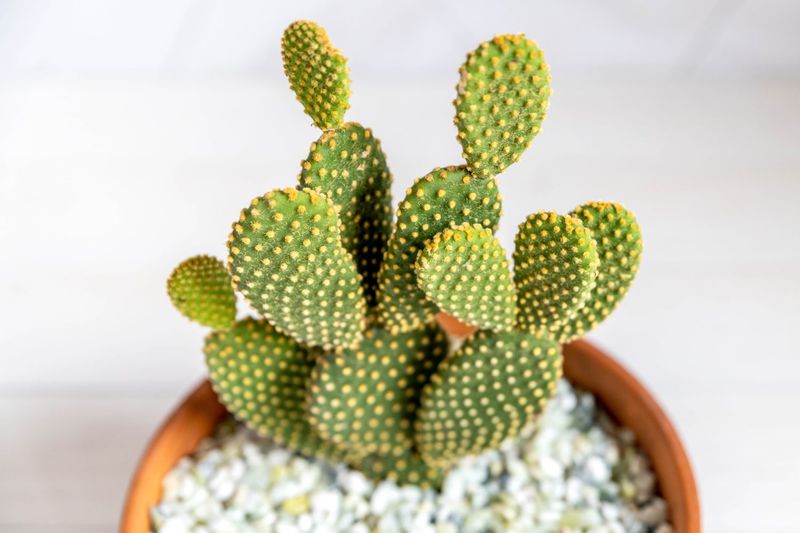
Spring is the perfect time to give your Bunny Ear Cactus a little nutritional boost. As temperatures warm up across Texas and the days get longer, your cactus wakes up from its winter rest ready to grow.
A light feeding at this point can encourage the plant to focus its energy on producing flowers rather than just growing more pads.
The key word here is light. Too much fertilizer, especially one high in nitrogen, will push the plant to grow lots of green pads instead of blooms.
Choose a fertilizer that is low in nitrogen and higher in phosphorus, since phosphorus supports flower development. Look for a cactus-specific fertilizer or a balanced formula with a lower first number in the N-P-K ratio on the label.
Apply the fertilizer once at the start of spring and again in early summer if needed. Dilute it to half the recommended strength to avoid overwhelming the plant.
More fertilizer does not mean more flowers. In fact, too much can stress the cactus and delay blooming altogether, which is the opposite of what you want.
Texas gardeners growing their cactus outdoors should also consider the natural nutrients already in the soil. If your cactus is in the ground in a well-amended garden bed, it may not need much fertilizer at all.
Potted plants benefit more from occasional feeding since nutrients in container soil get used up faster. Keeping your fertilizing routine simple and consistent gives the plant exactly what it needs to produce those cheerful yellow blooms each spring season.
6. Avoid Moving The Plant Too Often
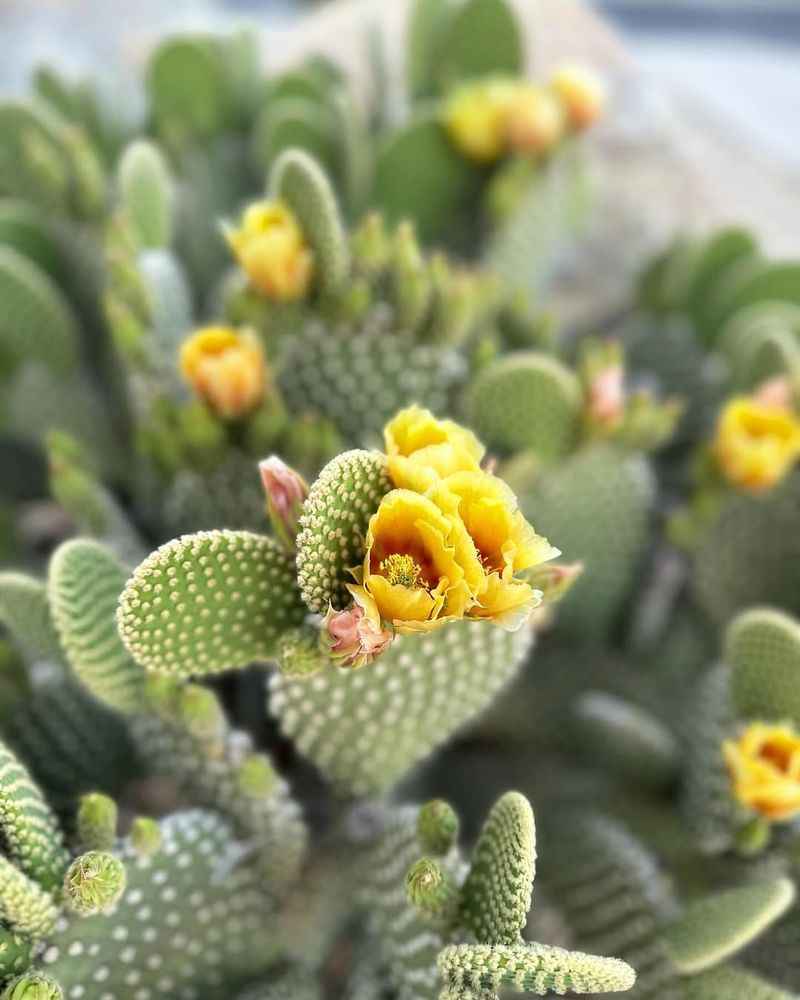
Cacti are tougher than they look, but they do not love being moved around all the time. The Bunny Ear Cactus is especially sensitive to changes in its environment.
Every time you shift it to a new spot, it has to readjust to different light levels, temperature changes, and airflow. That adjustment period uses up energy the plant could be spending on making flowers.
Once you find a great sunny location in your Texas home or garden, stick with it. Consistency is one of the simplest and most overlooked secrets to getting your cactus to bloom.
Plants that stay in the same stable spot tend to settle into a healthy rhythm and bloom more reliably than ones that get shuffled around with every season change.
Moving the cactus indoors and outdoors repeatedly can also expose it to sudden temperature swings, which adds extra stress. In Texas, the weather can shift quickly, especially in spring and fall.
If you must move the plant, do it gradually by introducing it to the new spot for a few hours each day before making the change permanent.
Another reason to keep the plant in one place is that cacti often set flower buds in response to specific light angles and patterns. If you rotate or relocate the pot, those buds can drop before they even open.
Many experienced Texas gardeners mark their pots with a small arrow to track orientation and avoid turning the plant accidentally. Small habits like that can make a surprisingly big difference when it comes to enjoying a full, beautiful bloom from your Bunny Ear Cactus.