Northern Indiana’s First Frost Arrives Earlier Than The Calendar Suggests
September in northern Indiana smells like apple cider, damp leaves, and somebody’s first bonfire of the season. The afternoons still feel warm enough for flip-flops and lemonade, so nobody worries much about the nights.
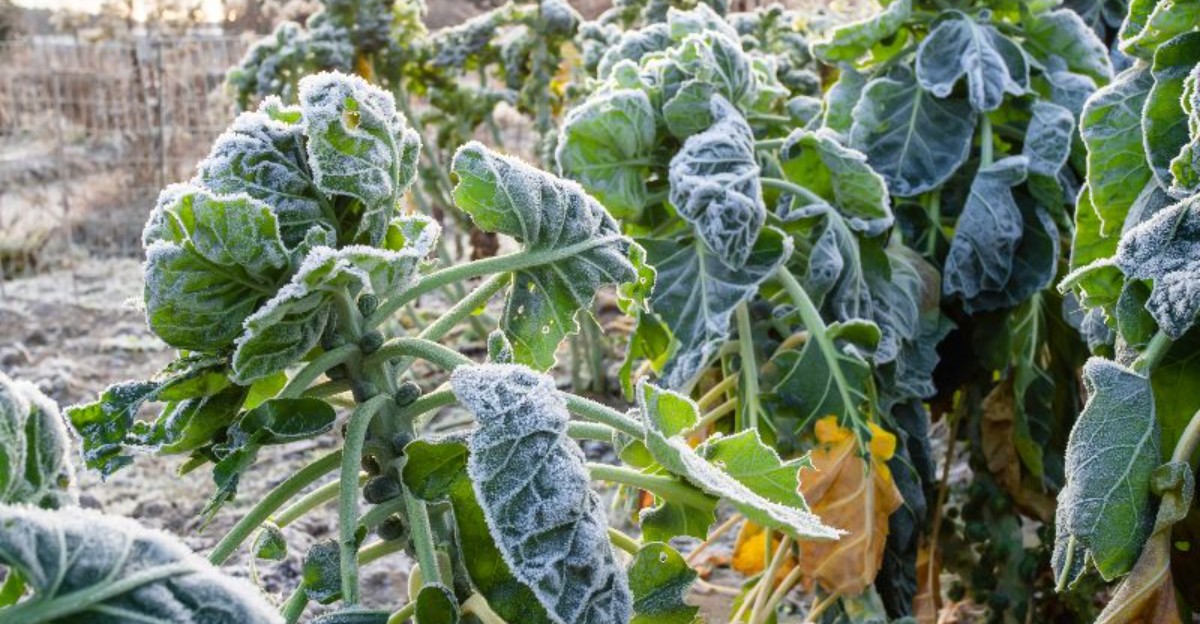
Then one clear, starry evening, the air turns crisp and quiet in a way that feels a little suspicious. By sunrise, the lawn sparkles like someone sprinkled powdered sugar over every blade of grass.
The garden that looked full and healthy yesterday now looks limp and wilted. Plenty of gardeners stand there in slippers, coffee in hand, wondering what just happened.
The calendar on the fridge swore there were still plenty of warm weeks left before any of this nonsense. The sky over Elkhart County doesn’t always follow the calendar’s schedule.
Frost Dates Across The Northern Counties
Here is a surprising fact: an average first frost date gives you a coin-flip chance of earlier cold. Half the time, frost shows up before that date ever arrives on the calendar.
For most of northern Indiana, the average first frost lands somewhere between October 5 and October 20. South Bend and Fort Wayne usually land in the second week of October.
Rural spots in LaGrange, Noble, and Steuben counties often see frost about a week sooner than the cities. Pavement and buildings soak up daytime heat, then release it slowly after the sun goes down.
Down near Lake Michigan, the story flips in the other direction for LaPorte and Porter counties. The big lake stays warm from summer, so shoreline towns may stay frost-free into late October.
Even so, late September frosts have hit northern Indiana more than once in recent decades. A cold, clear night after a dry cold front is the classic setup to watch for.
Frost can also form when the official thermometer reads 36 degrees. Cold air sinks, so ground-level plants feel several degrees chillier than the weather report.
Your best move is to treat the average date as a friendly warning rather than a promise. Start checking nightly lows around mid-September and have a plan ready by the month’s final week.
Purdue Extension and the National Weather Service in Northern Indiana both share helpful local frost information. Bookmark them now, and future you will be grateful on that first chilly night.
Microclimates That Pull Frost Earlier
Two neighbors on the same road can wake up to very different gardens on a chilly October morning. One finds happy peppers, while the other finds limp, blackened leaves and a bruised ego.
The difference usually comes down to microclimates, which are small pockets with their own mini weather. Your yard probably has several of them, and some invite frost much earlier than others.
Cold air acts a lot like water, flowing downhill and pooling in the lowest spots it can find. Gardens at the bottom of a slope or in a river valley often freeze first.
Northern Indiana has plenty of these frost pockets along the St. Joseph, Elkhart, and Kankakee rivers. The dark muck soils in old Kankakee marshland also lose heat fast on clear nights.
Your Indiana Garden Changes Every Week. Your Plan Should Too.
Gardening in Indiana changes quickly throughout the season. Every Friday you’ll receive a simple weekly plan showing exactly what to plant, prune, fertilize, harvest, and protect so you never miss the right timing.
Open, windless spots are sneaky trouble too, because nothing blocks heat from escaping toward the sky. A calm night with zero clouds is basically an open door for warmth to leave.
On the flip side, a south-facing brick wall can act like a cozy space heater for plants. Beds near your house, a fence, or a big tree canopy often stay a few degrees warmer.
To map your own yard, set a few cheap thermometers around the garden this September. Check them at sunrise and note which spots run coldest after a clear, still night.
Next spring, plant tender crops in your warm zones and save the chilly corners for tougher veggies. A little detective work now can stretch your harvest by an extra week or two.
Crops Ruined By A Single Light Freeze
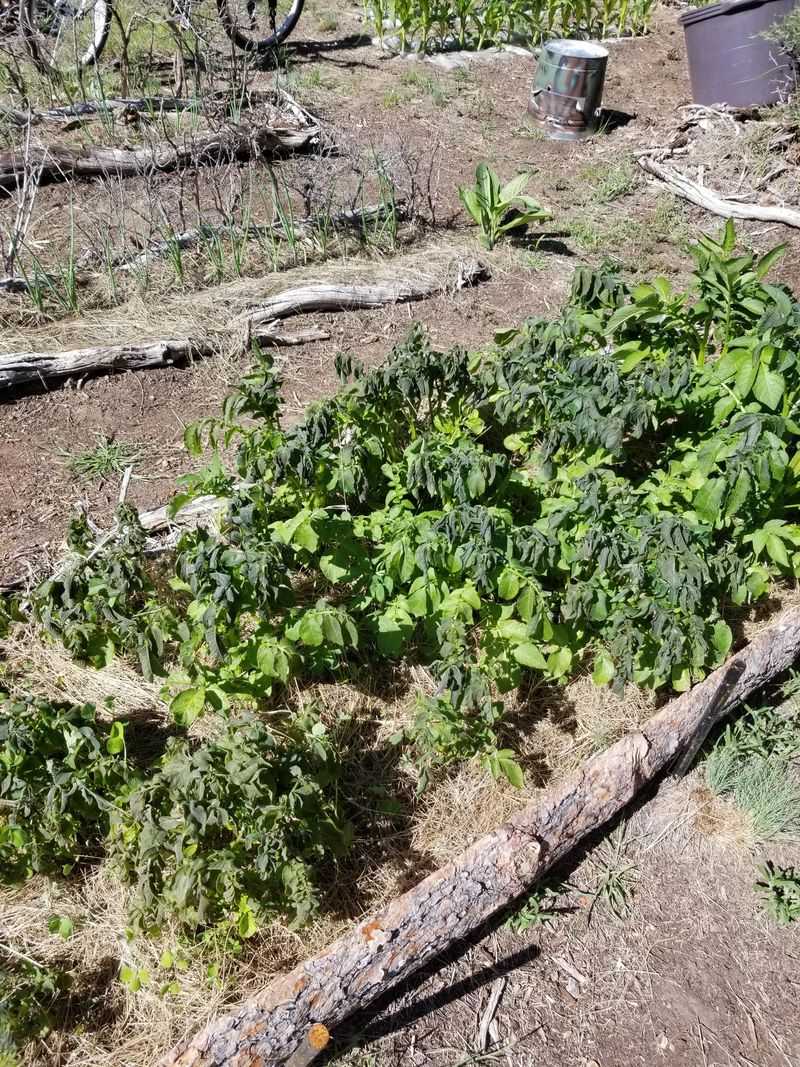
Basil is one of the most frost-sensitive plants in the garden, and one night at 32 degrees proves it. By morning, those bright green leaves turn black and slimy, like forgotten lettuce in the fridge.
A light freeze means temperatures between about 29 and 32 degrees, and plenty of crops cannot handle it. Ice crystals form inside the plant cells and rupture their walls, similar to an overfilled water balloon.
Warm-season crops top the danger list, since they come from tropical or desert places with no winter. Tomatoes, peppers, eggplant, cucumbers, and green beans usually give up after one frosty night.
Squash and pumpkin vines wilt fast, but the fruits themselves can survive if harvested right away. Leave a few inches of stem attached so they store well through the winter months.
Sweet potatoes deserve special attention, because frost on the leaves can send rot down into the roots. Dig them before the first freeze, or within a day if the vines get zapped.
Flowers feel the sting too, especially zinnias, marigolds, impatiens, and dahlias. Dahlia gardeners often wait for frost to blacken the leaves, then dig and store the tubers.
Here is a smart habit for late September: harvest any basil you love and turn it into pesto. Frozen in ice cube trays, it tastes like summer in the middle of February.
Pick ripe peppers, beans, and cucumbers whenever a cold night shows up in the forecast. Sharing the extras with neighbors beats watching them turn to mush on the vine.
Covers That Hold Enough Ground Heat
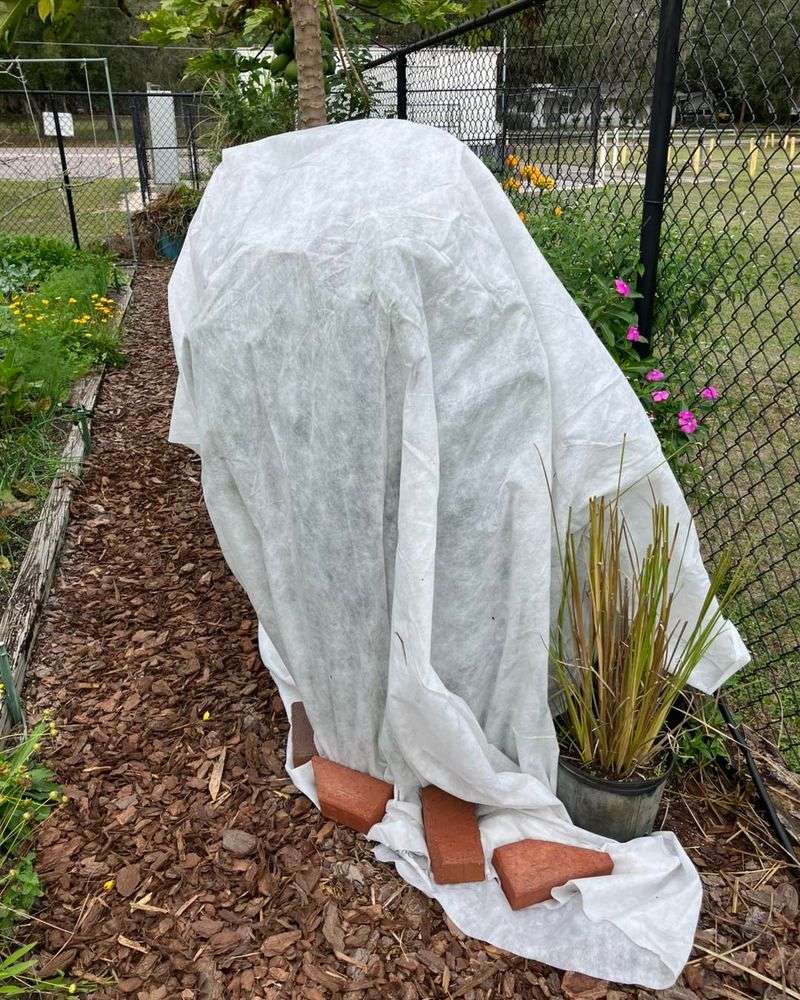
Grandma had the right idea when she raced outside at dusk with an armful of old bedsheets. Her garden looked like a ghost party by morning, but her tomatoes made it through.
Covers work by trapping heat that the soil soaked up during the day. Instead of drifting into the night sky, that warmth stays tucked around your plants like a blanket.
The trick is letting the cover reach the ground on all sides, so heat cannot sneak out. Pin the edges with rocks, bricks, or garden staples to hold everything snug against the soil.
Frost cloth, also called floating row cover, is the gardener’s favorite for good reason. Lightweight fabric can add about 4 to 8 degrees of protection while letting air and light through.
Old sheets, blankets, and cardboard boxes work well in a pinch for a night or two. Upside-down buckets are perfect for small peppers or herbs sitting close to the ground.
Skip thin plastic sheeting touching the leaves, because it can chill them even faster. If plastic is all you have, drape it over stakes so it hovers above the plants.
Timing matters too, so put covers on in late afternoon while the soil still feels warm. Water the bed earlier that day, since moist soil holds and releases more heat than dry soil.
Pull the covers off once morning temperatures climb above freezing so plants do not overheat. Northern Indiana often gets warm, sunny weeks after that first chill, so it pays off.
Green Tomatoes Brought Indoors To Ripen
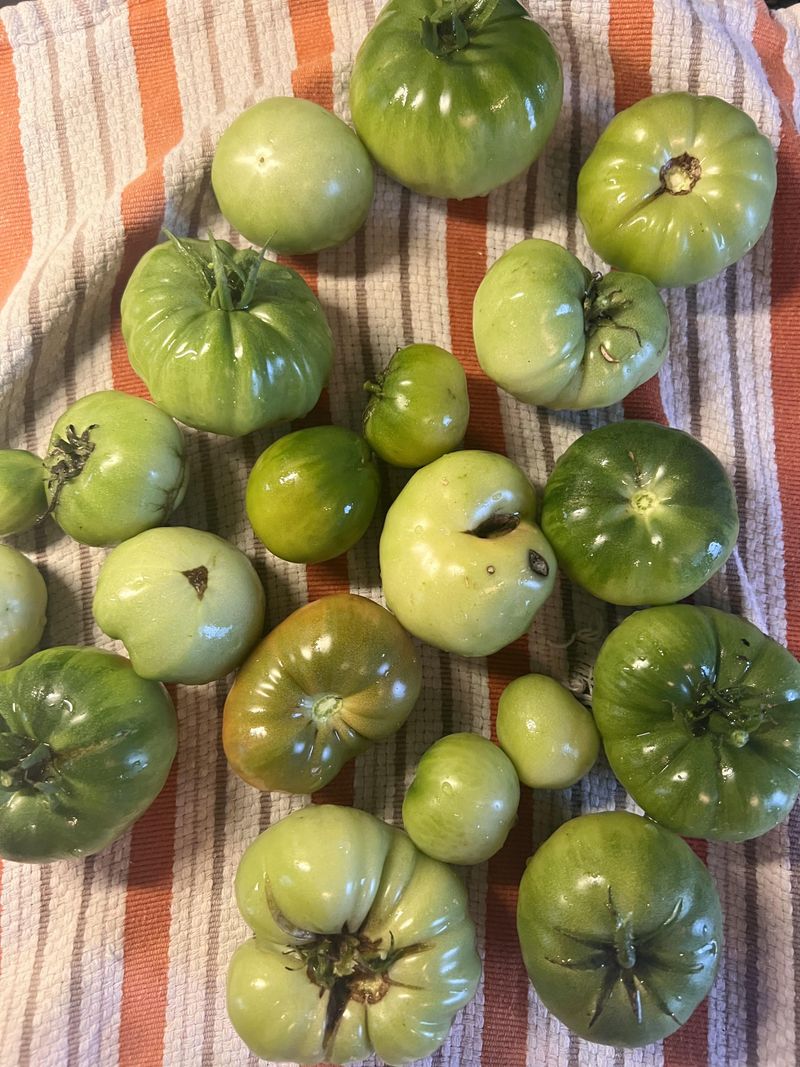
Nobody wants to toss a vine full of green tomatoes onto the compost pile in October. Many of them can finish ripening right on your kitchen counter.
The secret is picking tomatoes that are mature green, meaning full-sized with glossy, pale skin. A hint of pink or yellow on the bottom end is an even better sign.
Tiny, hard, dark green tomatoes rarely ripen well, so fry those or turn them into relish. Fried green tomatoes with a little cornmeal make a tasty consolation prize.
Bring the tomatoes in before frost touches them, then wipe off any dirt. Remove the stems so the pointy ends cannot poke holes in their neighbors.
Store them in a single layer inside a cardboard box or shallow tray, not touching each other. Some gardeners wrap each one in newspaper to slow things down and stretch the harvest.
Temperature matters most, and 65 to 70 degrees is the sweet spot for steady ripening. A chilly basement slows them down, while a warm room speeds them up.
Here is a fun trick: tuck a ripe banana or apple into the box with them. Those fruits give off ethylene, a natural gas that nudges tomatoes to turn red faster.
Sunny windowsills are not needed, since tomatoes ripen from the inside rather than from sunlight. Check the box every few days and remove any soft or moldy ones quickly.
With a little luck, you could be slicing homegrown tomatoes for Thanksgiving. They will not taste quite like August, but they beat store-bought by a mile.
Frost Tolerant Vegetables Left In Place
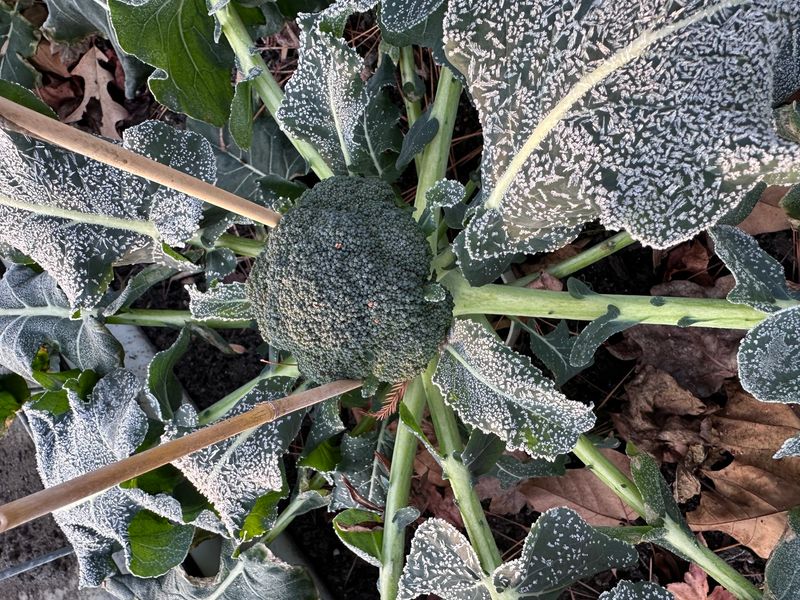
Some vegetables do better after frost arrives, and kale is a good example. While tomato plants slump, kale stands tall and tastes sweeter than it did in summer.
Cold weather causes many hardy plants to turn stored starches into sugars. Sugar works like natural antifreeze inside their cells, and it happens to taste great too.
Kale, collards, and Brussels sprouts can handle temperatures down into the low 20s without much fuss. Many northern Indiana gardeners pick Brussels sprouts well into November or even December.
Root crops are the quiet champions, since the soil around them works like an insulated lunchbox. Carrots, parsnips, beets, and turnips can stay in the ground for weeks after the first frost.
Parsnips are famous for this trick, and many old-timers refuse to dig them before a hard freeze. Their flavor turns nutty and sweet, almost like candy compared to an early harvest.
Spinach, leeks, cabbage, and green onions also shrug off light frosts with barely a wrinkle. Lettuce is a bit more delicate, so give it a cover when nights dip below 28.
A thick layer of straw or shredded leaves over root rows keeps the ground from freezing solid. That way, you can still dig carrots when the first snowflakes start falling.
Harvest leafy greens in the afternoon after any frost on them has thawed. Picking frozen leaves can bruise them, which leaves you with soggy, sad salad greens.
Early September is still a fine time to sow spinach and radishes. Cold nights are coming, and these tough crops are ready for them.