Clogged Gutters Cause A Problem That Shows Up In Indiana Flower Beds Come Spring
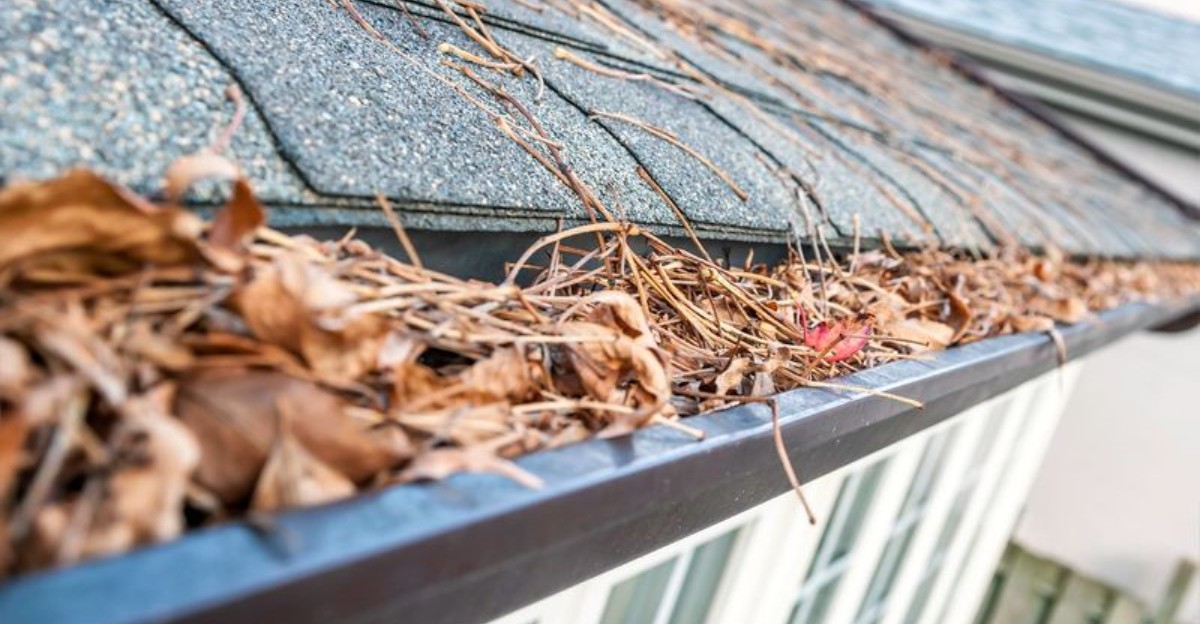
Picture a soggy September evening, with rain drumming on the roof like a toddler banging a spoon on a pot. You curl up with a warm mug, feeling cozy, dry, and just a little bit smug about it.
Outside, though, something sneaky is happening along the edge of your house, right where the roofline meets the sky. A thin trickle is quietly turning into something much bigger, and it has its sights set on your favorite bed of flowers.
Rainwater is sloshing over the side and pouring down onto the spot where your prettiest blooms are napping. The mulch gets soaked, the soil turns to chocolate pudding, and nobody notices a thing.
Months later, spring shows up with chirping robins, warm sunshine, and your big, ambitious garden plans. You kneel by the bed with a trowel in hand and find a mushy, smelly, very sad surprise.
The culprit was hanging over your head all along, and it looks suspiciously like a clump of smug maple leaves.
Clogged Gutters Overflow Straight Into Garden Beds
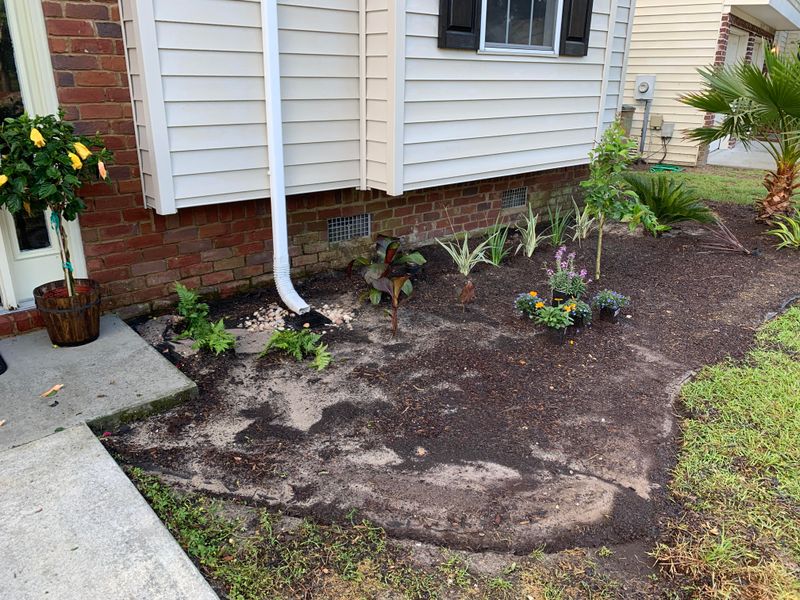
Think of a gutter as a long, skinny bathtub hanging from your roof. When leaves plug the drain, the water has nowhere to go but over the edge.
Most flower beds in Indiana sit right along the foundation, directly under that edge. So every heavy rain turns into a waterfall aimed straight at your plants.
One inch of rain on 1,000 square feet of roof makes about 600 gallons of runoff. That is a lot of water to dump onto one narrow strip of soil.
The pounding water washes away mulch and blasts soil off plant roots. It can also carve little trenches that leave bulbs sitting exposed to the cold.
Fall is the sneakiest season for this problem because leaves drop fast in September and October. Gutters that looked fine in August can fill up within a couple of weeks.
Many Hoosier homeowners blame bad luck or cheap plants when beds look rough in April. More often, the real troublemaker was hanging above the flowers all fall.
Next time it rains, grab an umbrella and step outside for five minutes. Watch the roof edge and look for sheets of water spilling over instead of flowing down the downspout.
Another hint is a line of bare dirt or tiny craters right below the roofline. Those dents show exactly where the overflow hits hardest during a storm.
Splash marks on siding and muddy streaks on nearby leaves are other clues. Spotting them now gives you time to fix things before winter settles in.
Standing Water That Rots Plant Crowns Over Winter
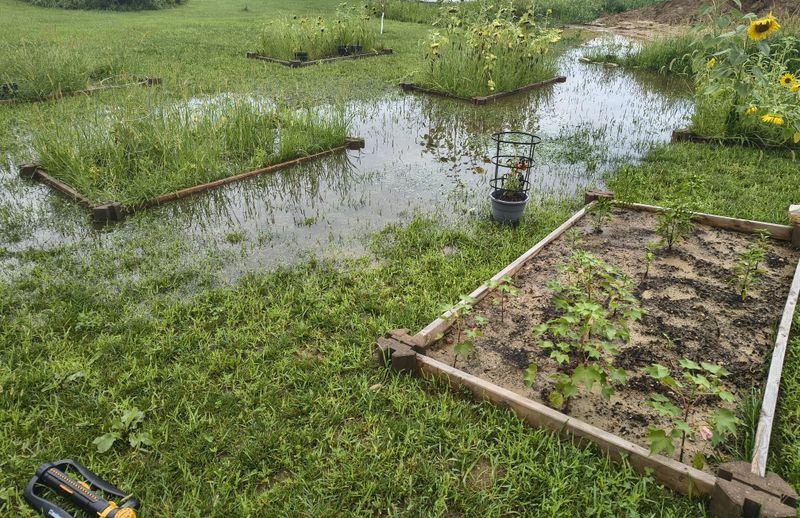
Here is a garden mystery worth solving before the snow flies. Why do healthy hostas and daylilies sometimes fail to wake up in spring?
Often the answer is soggy crowns. The crown is the spot where stems meet roots, and it is the heart of a perennial.
Overflowing gutters keep the soil around crowns wet for weeks at a time. Indiana clay soil makes things worse because it drains slower than a clogged kitchen sink.
Your Indiana Garden Changes Every Week. Your Plan Should Too.
Gardening in Indiana changes quickly throughout the season. Every Friday you’ll receive a simple weekly plan showing exactly what to plant, prune, fertilize, harvest, and protect so you never miss the right timing.
When water sits there, roots cannot get the oxygen they need. Fungi and bacteria move in and turn firm tissue into brown mush.
Winter adds another twist, since soaked soil freezes and thaws over and over. Each cycle can push crowns upward and leave them sitting in icy puddles.
Plants like coral bells, lavender, and salvia are especially fussy about wet feet. Even tough plants such as peonies can struggle if water pools for too long.
Gardeners notice the damage in April, when crowns feel soft or smell sour. By then, there is not much you can do except replant.
The good news is that September is prime time for prevention. Clear the gutters, then pull mulch an inch or two away from each crown.
Mixing compost into heavy clay also helps water drain away faster. If one corner of your bed stays soggy, consider moving fussy plants to higher ground.
Think of it as tucking your perennials into a dry bed for their long winter nap. A little effort now can save you a pile of money on replacements.
Ice Dams Formed By Backed-Up Gutters
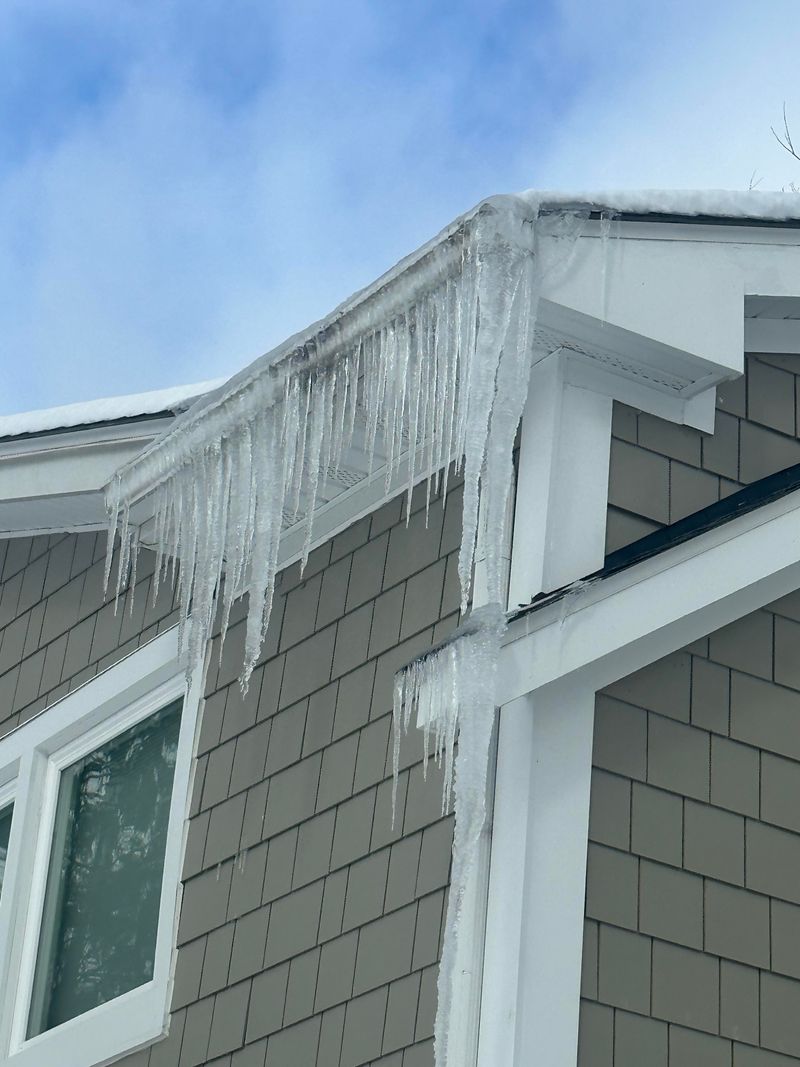
Icicles look lovely on holiday cards, but giant ones along your roof tell a different story. They often signal an ice dam, a frozen ridge that traps melting snow.
Clogged gutters give ice dams a big head start every winter. Wet leaves and trapped water freeze solid, creating a perfect base for more ice to build.
Indiana winters are famous for bouncing between freezing nights and mild afternoons. Snow melts on the warm roof, runs down, and refreezes at the chilly edge.
So what does a roof problem have to do with flowers? Plenty, because all that ice has to go somewhere when it finally lets go.
Heavy chunks of ice can crash down and snap shrub branches like pretzel sticks. Sliding snow can also flatten boxwoods and bend young evergreens out of shape.
When the thaw comes, a whole winter of stored ice melts in just a few days. That sudden flood drowns beds that were already soggy from fall.
Salt or ice melt tossed onto the roof edge can also wash into the soil below. Many plants react badly to salt, showing burned, crispy leaf edges in spring.
Fun fact: ice dams can weigh hundreds of pounds along a single stretch of gutter. That weight can even pull gutters loose from the house.
Clean gutters will not stop every ice dam, but they remove the easiest starting point. Good attic insulation helps too by keeping the roof from warming unevenly.
Clearing Debris Before The First Hard Freeze
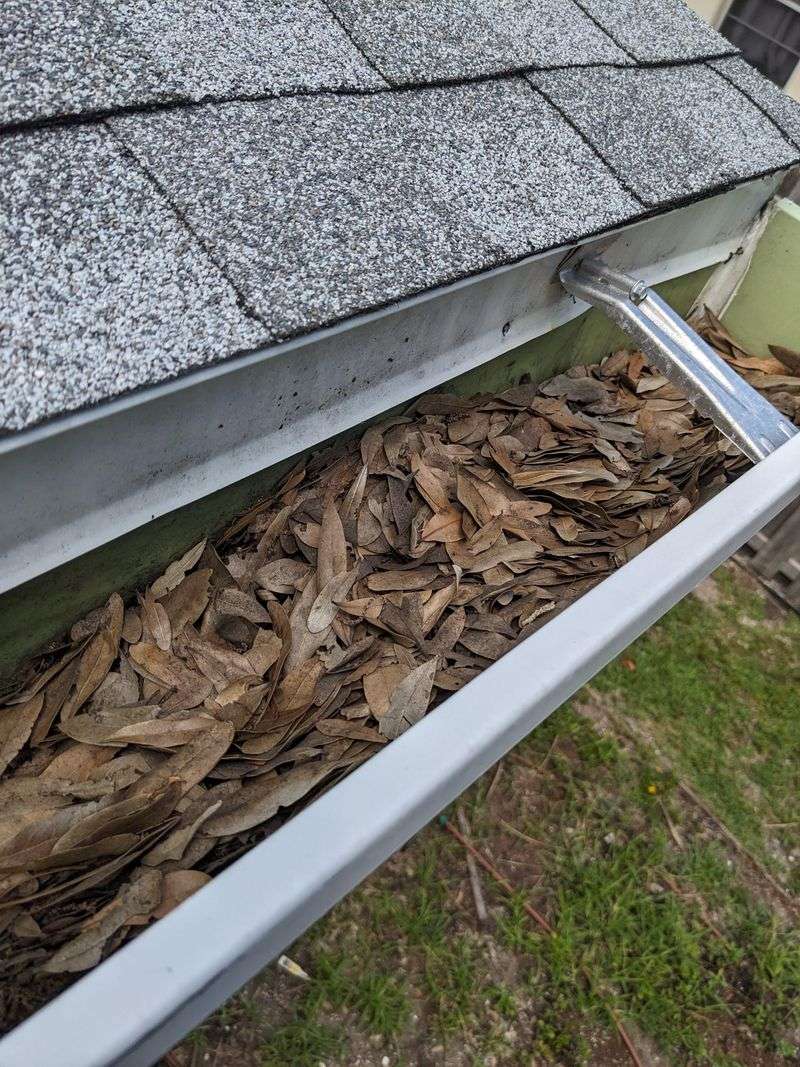
Mark your calendar, because timing matters more than muscle for this job. Across much of Indiana, the first hard freeze usually arrives between late October into November.
Once gutter gunk freezes, it turns into a solid brick that no scoop can budge. Cleaning before that point keeps water flowing all winter long.
Many pros suggest two cleanings in fall, one in late September and another after most leaves drop. Oaks hang on late, so homes near them may need a third round.
Safety comes first, so use a sturdy ladder on flat ground and have a helper hold it. Wear gloves, since gutters hide sharp screws, twigs, and the occasional surprise frog.
A plastic gutter scoop or small garden trowel works well for scraping out packed leaves. Drop the mess into a bucket hooked to the ladder instead of onto your flowers.
After scooping, flush each section with a garden hose, working toward the downspout. Watch closely to make sure water rushes out the bottom of every downspout.
If the flow stalls, a plumber’s snake or a strong blast from the hose can clear the clog. Tapping the side of the downspout sometimes loosens stubborn wads, too.
Bonus tip for gardeners: those gutter leaves make great compost. Toss them in your pile, and next spring they come back as rich food for your beds.
Not a fan of heights? Hiring a gutter service usually costs less than replacing a whole bed of perennials.
Downspout Placement That Protects Beds Below
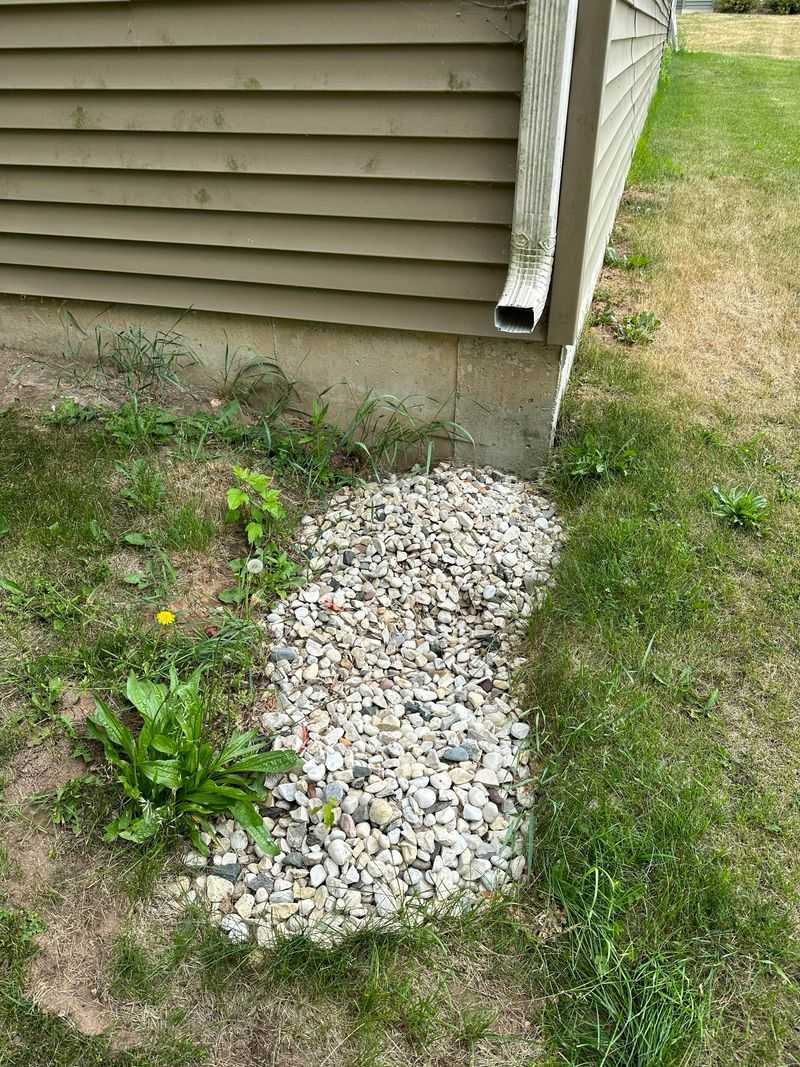
A neighbor once swore her tulips were cursed, since the same corner flopped every single spring. The real villain turned out to be a downspout aimed right at the bulbs.
Even perfectly clean gutters can cause trouble if the water lands in the wrong spot. A downspout dumps all the runoff from one section of roof into one small area.
Most experts recommend sending water at least four to six feet away from the foundation. That distance protects both your basement and the flower beds hugging the house.
Downspout extensions are cheap, easy to find, and snap on in minutes. Flexible accordion styles can bend around shrubs and steer water toward the lawn.
Also check that the ground slopes away from the house where water exits. A downspout pointed downhill does half the work for you.
Splash blocks are another simple fix. These sloped trays catch the gush and spread it out so it does not dig holes in your mulch.
For a prettier option, try a rain chain or a rain barrel. A barrel catches water you can use later, which your plants will appreciate during dry August spells.
Some gardeners go a step further and build a rain garden where the downspout drains. Native Indiana plants like swamp milkweed and blue flag iris love those damp spots.
Before winter, make sure extensions will not freeze shut or become tripping hazards under snow. Brightly colored stakes beside them can save you from a face-first tumble.
A Quick Check After Every Fall Storm
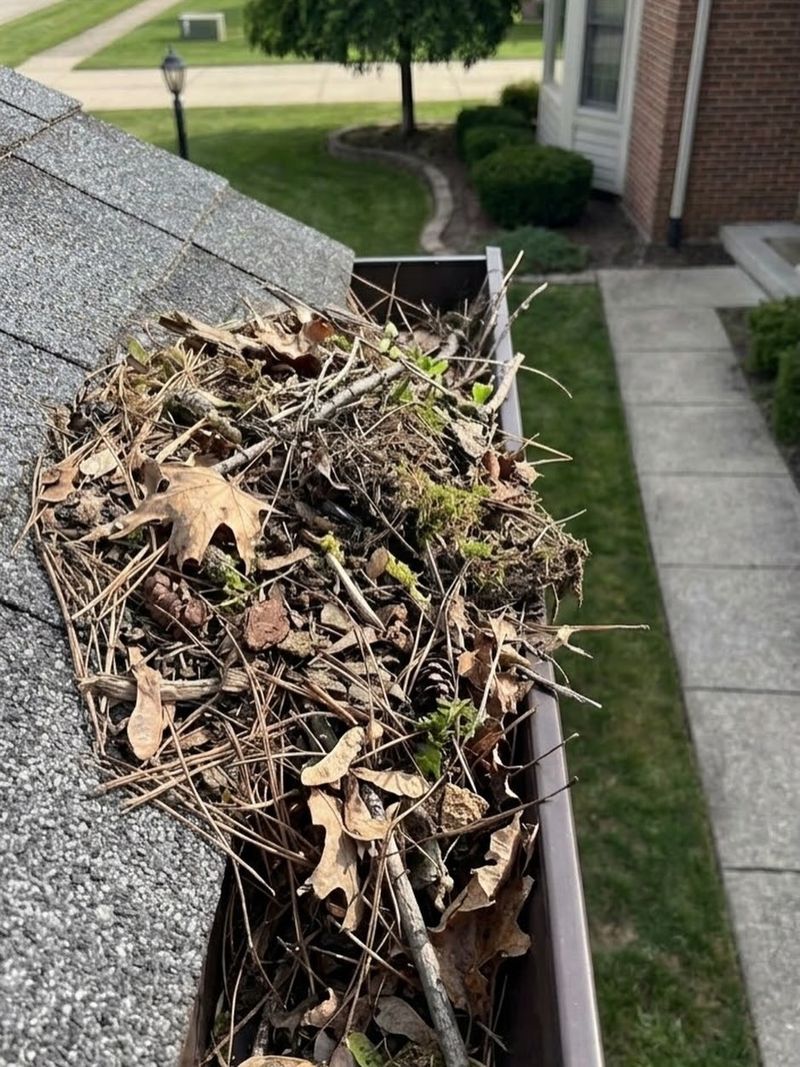
Fall storms in Indiana love to show off. One windy night can strip a maple bare and stuff your gutters with a fresh load of leaves.
The upside is that a quick walk-around takes about ten minutes. Pull on your boots the morning after a big blow and make a lap around the house.
Start by looking up at the gutters from the ground. Sagging sections, leaves poking over the edge, or sprouting seedlings mean it is time for a cleanout.
Next, peek at each downspout opening and extension. Leaves love to pile up at the bottom elbow, where they quietly block the whole system.
Then glance down at your flower beds for washed-out mulch or puddles that linger. Standing water hours after the rain stops is a big red flag.
Fallen branches deserve attention as well, since they can crush gutters or smother small perennials. Clear them off right away before they become soggy, moldy mats.
Keep a small notebook or phone note to track what you find after each storm. Over time, you will spot patterns, like one corner that clogs every October.
Gutter guards can cut down on trips up the ladder, though they still need checking. Pine needles and maple seeds can slip through or pile on top.
Kids make great storm-check helpers, especially if you turn it into a scavenger hunt. Award a cookie for every clogged spot they find.
Small habits like this add up by spring. Your flower beds will thank you with sturdy stems and bright, happy blooms.