Why North Carolina Fig Leaves Drop Early In Fall And What It Means For Next Year
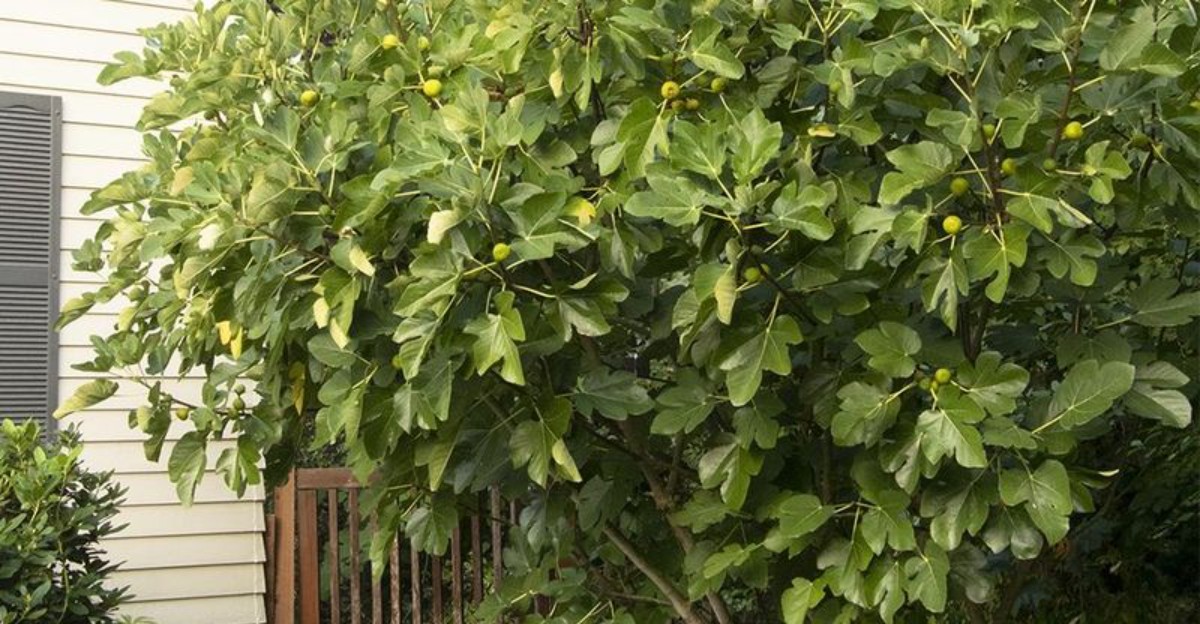
Fig trees in North Carolina sometimes lose their leaves earlier than expected in fall, and this early drop often signals something worth paying attention to rather than simply being a normal seasonal shift.
Environmental stress from drought, inconsistent watering, or fungal diseases common in humid climates can all trigger premature leaf loss well before the tree would naturally begin preparing for dormancy.
Because leaves play a key role in helping the tree store energy for the following year, an early drop caused by stress can sometimes mean reduced vigor or fruiting potential come next season.
Identifying the actual underlying cause, rather than assuming it’s simply fall arriving early, is an important step before deciding how to respond.
Understanding what’s really behind early leaf drop helps North Carolina fig growers protect next year’s harvest before problems compound further.
1. Some Fall Leaf Drop Is Completely Normal
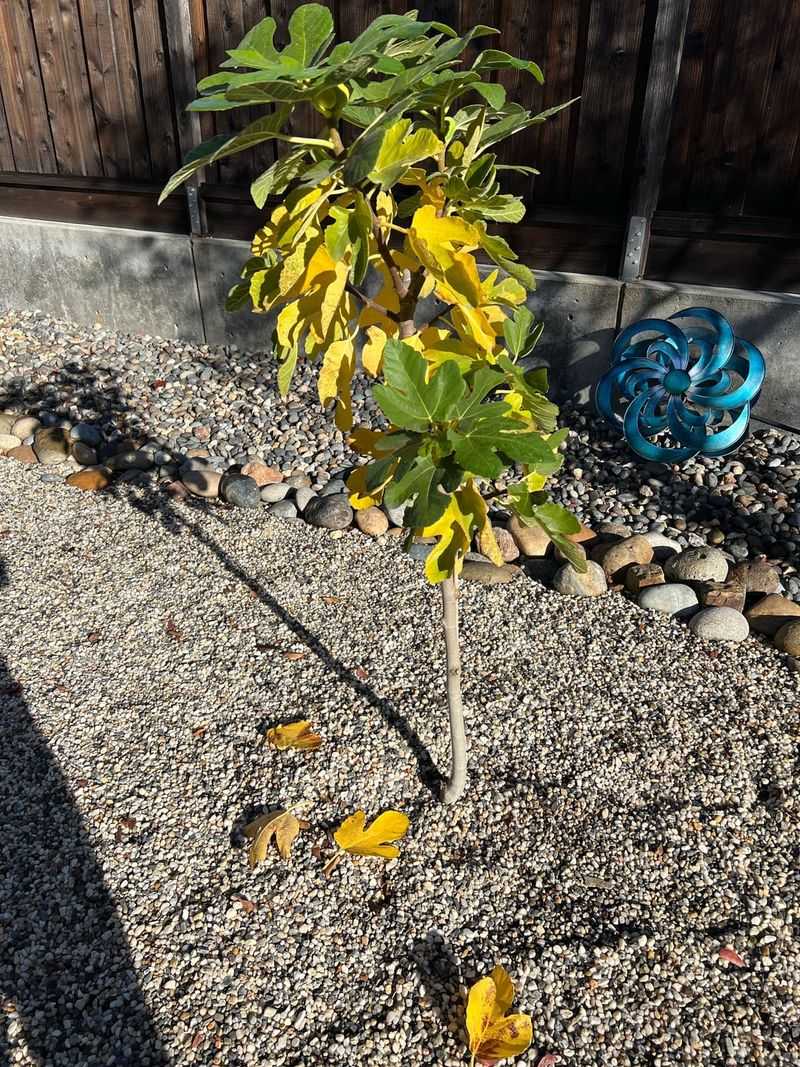
Fig trees are deciduous, which means they naturally lose their leaves every year once cooler weather rolls in. When you spot yellow leaves in fall, your tree is simply following its built-in calendar and shifting into a resting phase called dormancy.
As daylight shrinks and temperatures dip, a fig stops sending energy to its leaves. The green fades, the edges turn golden, and one by one the leaves let go. This slow color change and drop is a healthy sign, not a warning.
Your tree is pulling nutrients back into its branches and roots to save them for spring. North Carolina gardeners often notice this happening between October and November, depending on where they live in the state.
Cooler mountain areas usually see it earlier than the warmer coastal plain. Either way, the pattern tends to be gradual and even across the whole tree.
A good clue that everything is fine is the way the leaves change. Normal drop looks calm and steady, with leaves turning yellow before they fall. There is no sudden browning, no strange spots, and no wilting overnight.
Try not to panic the moment you see leaves on the ground. Instead, watch how the process unfolds over a week or two. If it looks slow and gentle, you can relax and enjoy the season.
Understanding this rhythm helps you tell the difference between an ordinary fall routine and a real problem that needs your attention later on.
2. Early Drop Can Signal Drought Stress
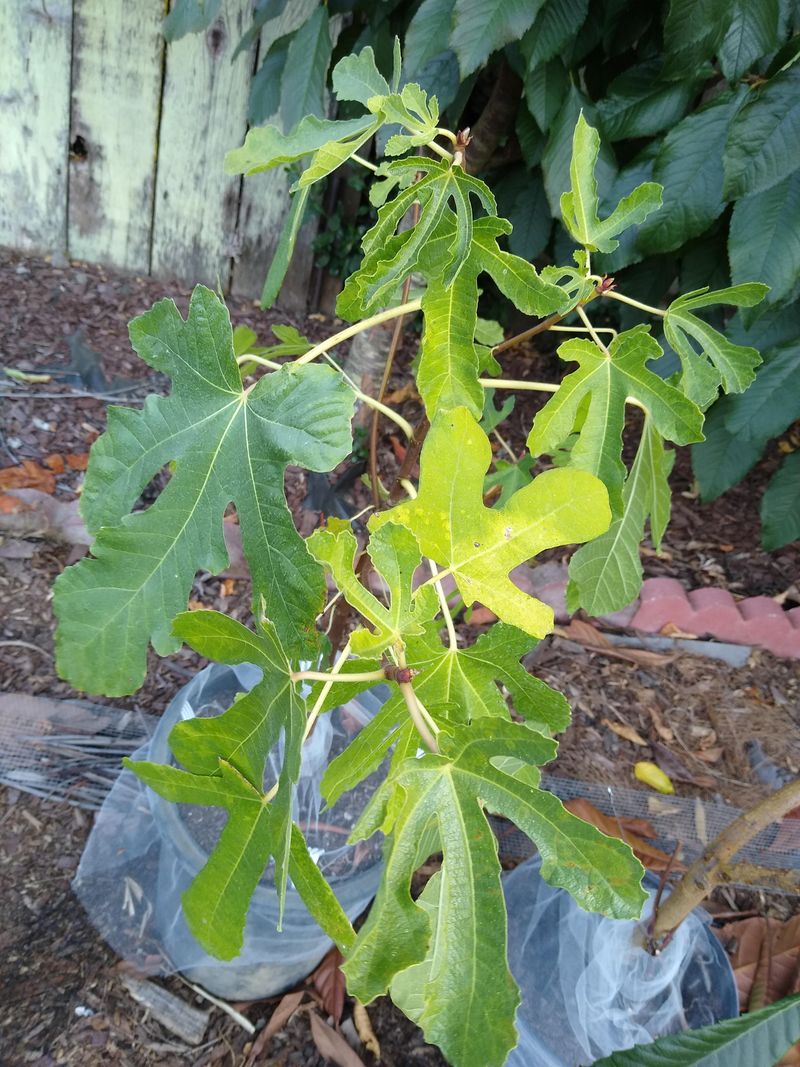
Thirsty fig trees do not stay quiet about it. When summer heat lingers into early fall and rain stays away, a fig may drop leaves well before its normal time. Dry soil forces the tree to protect itself by shedding foliage it can no longer support.
North Carolina summers can bring long stretches without rain, and figs planted in sandy or fast-draining spots feel it first.
You might see leaves curl at the edges, turn yellow quickly, or wilt during the hottest part of the day. Sometimes they drop while still partly green, which is a strong hint that water is the issue.
Roots that cannot find moisture struggle to move nutrients up to the branches. The tree responds by cutting its losses, letting go of leaves to save water for survival. This is a stress reaction, not the calm color change of true dormancy.
Your North Carolina Garden Changes Every Week. Your Plan Should Too.
Gardening in North Carolina changes quickly throughout the season. Every Friday you’ll receive a simple weekly plan showing exactly what to plant, prune, fertilize, harvest, and protect so you never miss the right timing.
Checking your soil is the easiest way to confirm it. Push a finger a few inches down near the base of the tree. If it feels dry and crumbly deep down, your fig has been going without enough water.
A slow, deep soaking once or twice a week during dry spells makes a big difference. Water at the roots rather than the leaves, and add a layer of mulch to hold moisture longer.
Catching drought stress early keeps your fig stronger heading into winter, and a well-hydrated tree bounces back faster once spring arrives with fresh growth.
3. Too Much Water Can Also Cause Trouble
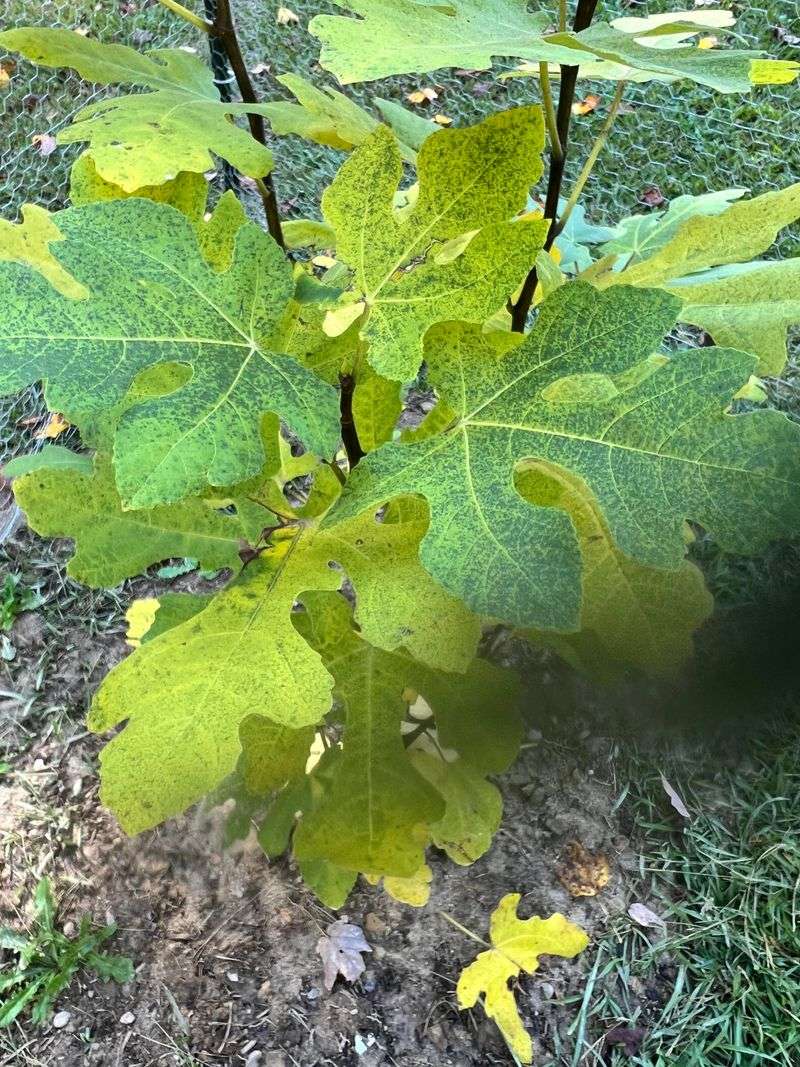
Believe it or not, kindness with the watering can go too far. Figs enjoy steady moisture, but their roots hate sitting in soggy ground. When soil stays wet for too long, the roots cannot breathe, and the tree starts dropping leaves as a cry for help.
Heavy clay soil, common in parts of North Carolina, holds water like a sponge. Add a rainy fall season or a low spot in the yard, and your fig may end up standing in water it cannot escape.
Roots that stay drowned begin to weaken, and the whole tree feels the strain. The signs can look surprisingly similar to drought at first.
Leaves turn yellow and fall, but the soil around the tree feels muddy or waterlogged instead of dry. Lower leaves often go first, and the base of the trunk may stay damp all the time.
Good drainage is the real secret to a happy fig. If water pools around the roots after rain, your tree needs a better setup. Planting on a slight mound or improving the soil with compost can help water flow through instead of building up.
Skip watering when the ground is already moist. Stick your finger into the soil before reaching for the hose, and only add water when the top few inches feel dry.
Balancing moisture keeps roots healthy and strong. A fig with breathing room below the surface enters winter in far better shape and rewards you with steady growth next year.
4. Inspect Leaves Before Assuming It Is Dormancy
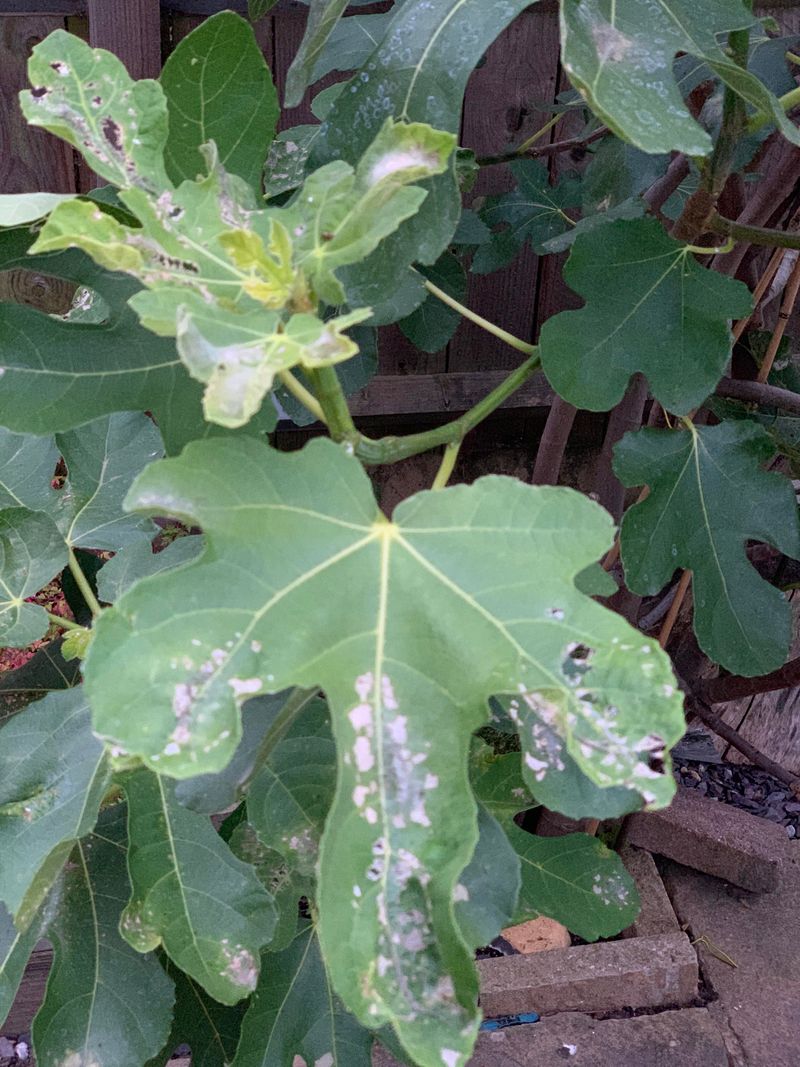
Not every falling leaf is telling the same story. Before you decide your fig is simply resting for winter, take a close look at the leaves. Little details can reveal whether your tree is healthy or dealing with a hidden problem.
Normal dormancy brings smooth, even yellowing across the tree. Trouble, on the other hand, often shows up as spots, blotches, or strange colors that do not match.
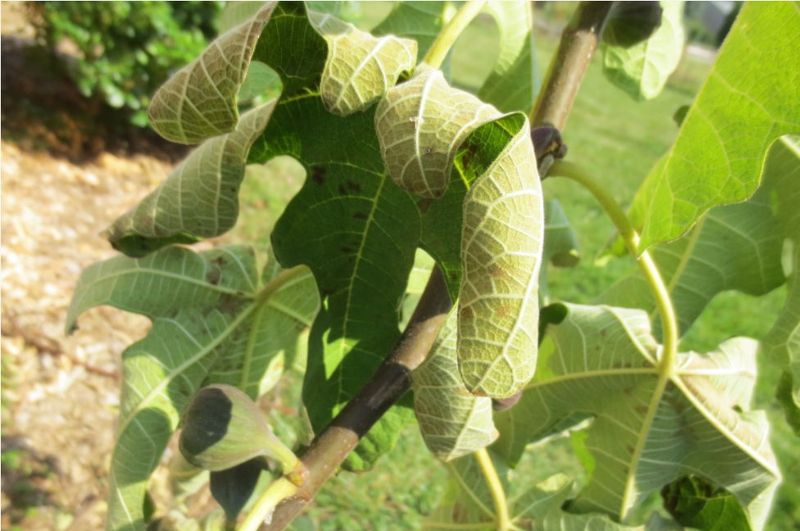
Rust-colored patches on the undersides of leaves point to a common fig fungus that thrives in humid North Carolina weather.
Insects leave clues too. Chewed edges, tiny holes, sticky residue, or curled and twisted foliage all suggest pests are visiting. If leaves brown suddenly and drop overnight instead of fading slowly, something beyond the season is at play.
Give both sides of several leaves a careful check. Flip them over, look along the veins, and examine the stems where they meet the branch. Pests and fungus often hide in these quiet corners where they are easy to miss.
Spotting a problem early gives you the best chance to fix it. Removing affected leaves, improving air flow between branches, and cleaning up fallen debris can slow the spread and protect the rest of the tree.
Keeping notes helps too. Jot down what you see and when, so you can compare year to year.
A quick inspection takes only a few minutes, yet it can save your fig from bigger struggles and help you tell real dormancy from a genuine cry for care.
5. Do Not Fertilize Heavily Just Because Leaves Fall
Watching leaves drop can tempt gardeners into action, and reaching for fertilizer feels like a helpful fix. In fall, though, piling on plant food usually causes more harm than good. Your fig is winding down, not gearing up for a growth spurt.
Fertilizer high in nitrogen tells a tree to push out fresh, tender shoots. That soft new growth in late fall has no time to toughen up before cold weather arrives.
Frost can easily damage these delicate branches, leaving your fig weaker instead of stronger.
Leaf drop in autumn is a natural part of the tree’s rest, not a sign that it is starving. Feeding it now works against the slowdown it needs. The tree wants to store energy quietly, not spend it on leaves it will only lose.
Timing matters far more than quantity. The best moment to feed a fig is in early spring, when it is ready to wake up and grow. A balanced fertilizer then supports healthy branches, leaves, and fruit through the busy season.
If your fig has struggled all year, resist the urge to overcorrect in fall. Instead, focus on steady watering and good soil, and save the feeding for warmer months.
Holding back now is one of the kindest things you can do. A fig that rests properly through winter comes back with real energy in spring.
Patience pays off in the garden, and a well-timed feeding beats a rushed one every single time you plant a fig.
6. Keep The Tree Appropriately Hydrated
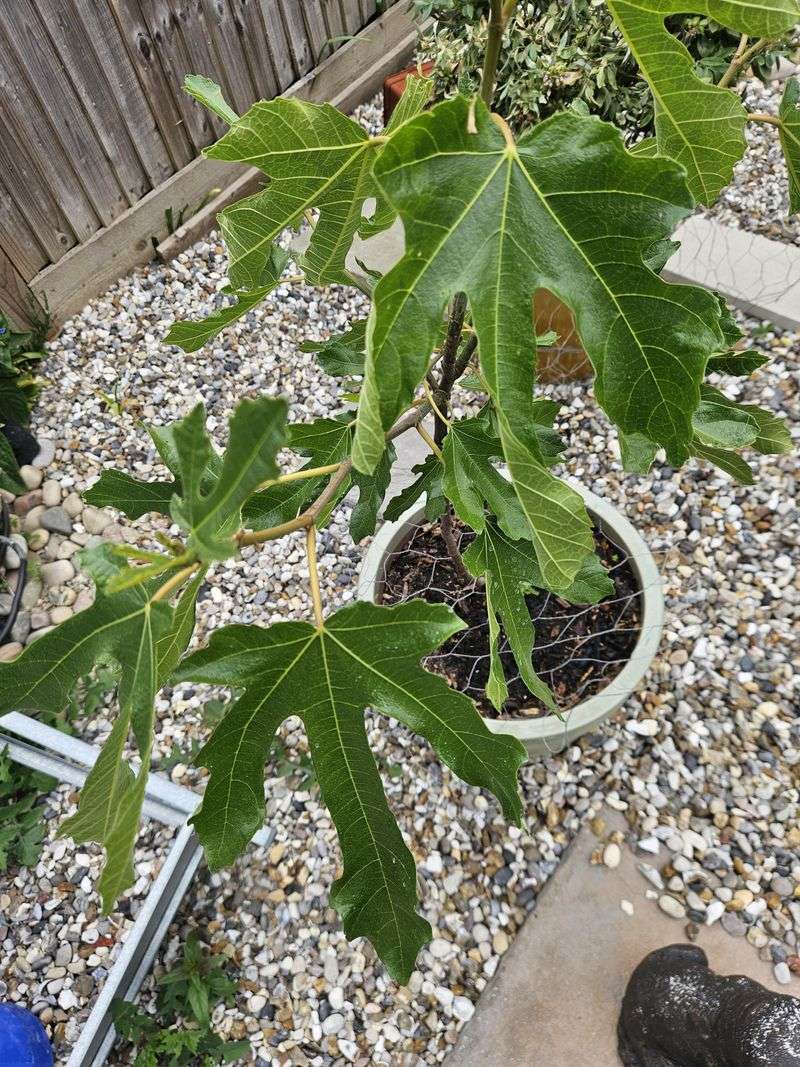
Water is the quiet hero of a smooth transition into winter. Even as leaves start to fall, your fig still relies on moisture in the soil to stay comfortable while it settles into rest. Dry fall weather can catch gardeners off guard.
North Carolina autumns are not always rainy. Some years bring warm, dry stretches that leave the ground parched right when the tree is preparing for dormancy. A thirsty fig in this state feels extra stress, which can slow its recovery come spring.
Deep watering beats frequent sprinkles every time. Give the roots a long, slow soak that reaches well below the surface, then wait until the top few inches dry out before watering again. This encourages strong, deep roots that handle winter better.
Balance is the goal here. You want moist soil, never a swamp. Overdoing it drowns the roots, while ignoring the tree leaves it stressed. Checking the soil with your finger keeps you on the right track.
Mulch is a simple trick that works wonders. A layer of wood chips or straw around the base holds moisture in and keeps the roots at a steady temperature as the weather cools.
As freezing days approach, ease off on watering so the tree can slow down naturally. It no longer needs as much once it is fully dormant.
A fig that heads into winter with balanced moisture stays healthier and greets spring with strong roots ready to fuel a fresh season of green leaves and sweet fruit.
7. Protect The Tree As Cold Weather Approaches
Cold snaps can test even a healthy fig, so a little preparation goes a long way. North Carolina winters swing widely depending on where you live, and figs need different care in the mountains than they do along the coast.
Location plays a huge role. Trees in the warmer coastal plain often sail through winter with little help, while those in colder western areas may face hard freezes that damage branches.
Knowing your local low temperatures helps you plan the right protection. Young figs are especially tender.
A tree only a year or two old has thinner bark and shallower roots, making it more sensitive to cold than an older, established one. Extra care during those first winters really pays off.
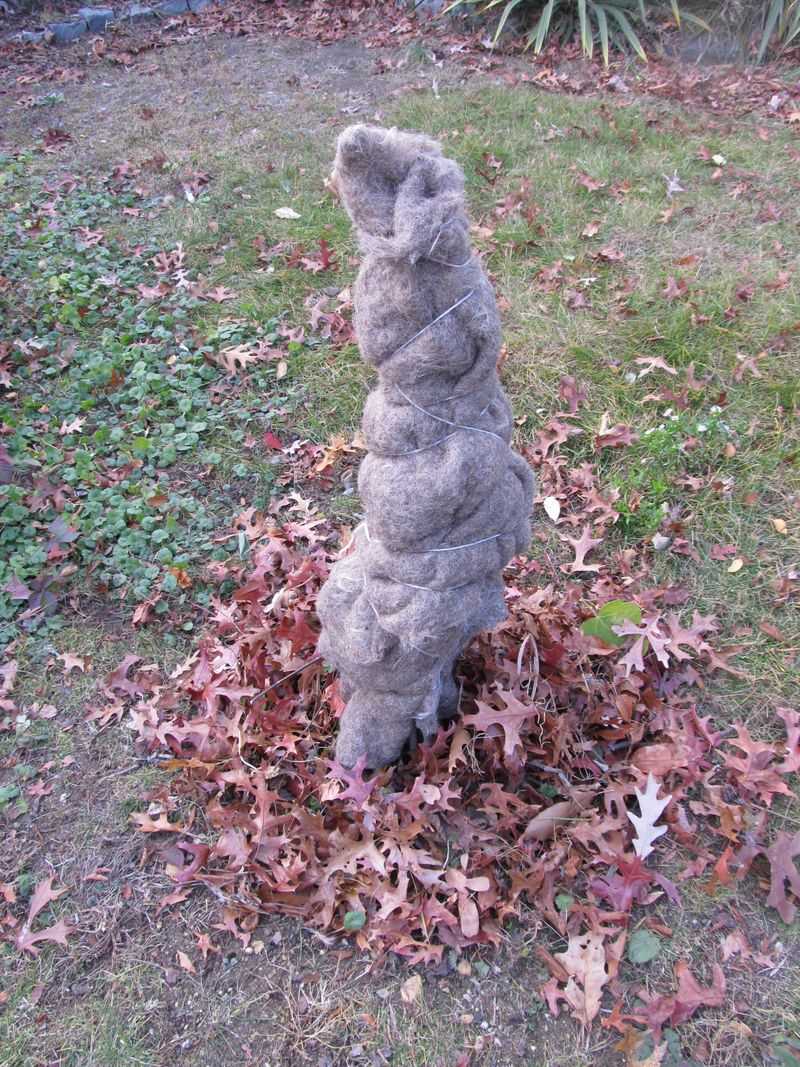
Mulch is your first line of defense. Piling several inches around the base shields the roots from freezing and helps hold warmth in the soil. Wrapping the trunk in burlap adds another layer of comfort for the branches.
Potted figs have an advantage since you can move them. Tucking a container tree into a garage or shed during the coldest nights keeps it safe from bitter winds and deep freezes.
Timing your protection matters too. Wait until the tree is truly dormant and leaves have fallen before wrapping it up, so you do not trap moisture against active growth.
A little shelter now keeps your fig strong through the season. Come spring, a well-protected tree wakes up ready to grow instead of struggling to recover from winter harm.
8. Healthy Dormancy Supports Next Year’s Growth
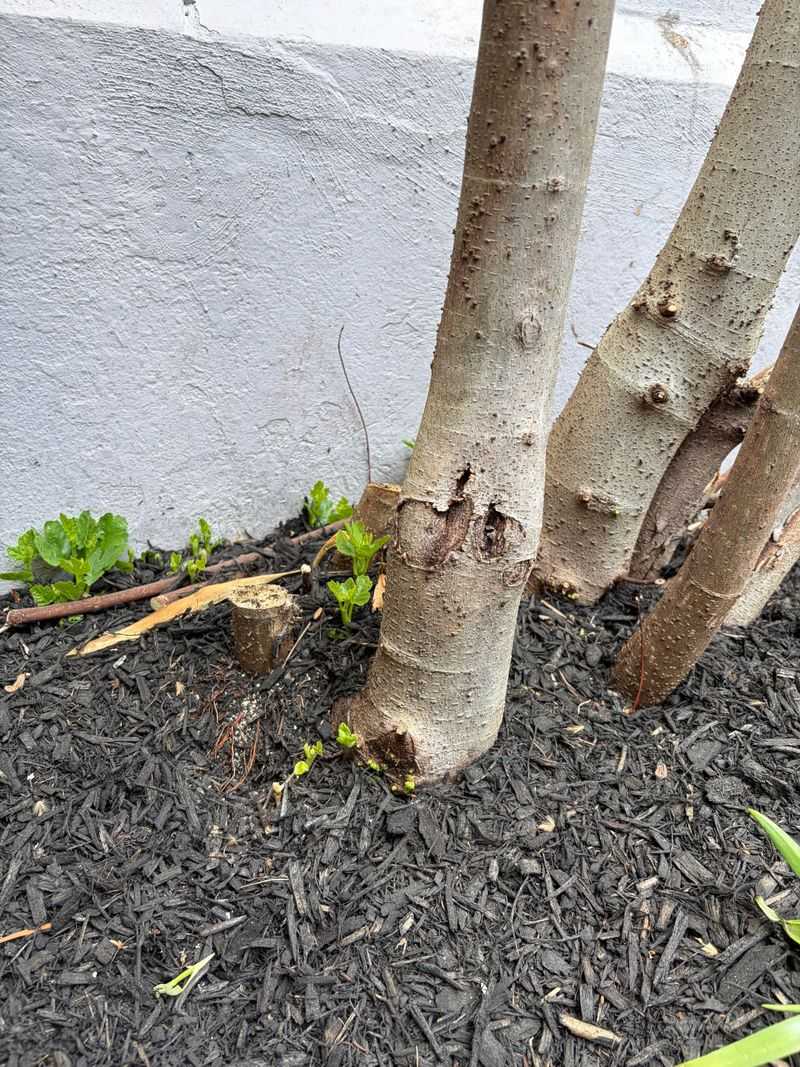
All the fall fuss leads to one happy payoff: a strong start next spring. A fig that slips into dormancy without major stress from drought, soggy roots, pests, or fungus wakes up ready to grow like nothing happened.
Dormancy is really a well-earned break. During these quiet months, the tree conserves energy and protects itself from cold. When warmth returns, that stored strength fuels fresh buds, new leaves, and eventually plump fruit.
Here is a comforting truth for worried gardeners. Leaf drop by itself does not predict how big or small next year’s harvest will be. Losing leaves in fall is normal and expected, so a bare tree in winter is not a bad sign at all.
What truly shapes the coming season is how well the tree was cared for through the year. Steady water, good drainage, healthy soil, and protection from serious stress matter far more than the timing of falling leaves.
Keeping an eye out for real problems, like pests or fungus, gives your fig its best chance. Handle those issues before winter, and the tree rests in good shape.
Come spring, watch for swelling buds along the branches as your first happy sign of new life. That green flush means your care worked.
A fig that rests well returns the favor with vigor. By focusing on the tree’s overall health rather than panicking over autumn leaves, you set the stage for a lush, productive year ahead full of sweet figs.