The Pennsylvania Native Shrub That Does More For Your Yard Than Any Other
Most shrubs in a Pennsylvania yard do one thing well. They look good in a season, provide some privacy, or deliver a brief bloom window before fading into the background.
But, there is one native Pennsylvania shrub that consistently outperforms everything else available for residential landscapes in the state.
It feeds birds across multiple seasons and supports pollinators during one of their most important bloom windows.
It also produces fruit with genuine culinary and medicinal value, and handles Pennsylvania’s full range of conditions without demanding much in return.
It grows wild across the state. It thrives in difficult spots where other shrubs struggle. And most Pennsylvania yards still don’t have one.
This Native Does More Than Most Native Shrubs
Picture one plant that blooms, feeds birds, shelters wildlife, and looks good doing it. That plant grows wild along Pennsylvania creeks and roadsides right now. It is called American elderberry, or Sambucus canadensis.
Most shrubs are good at one or two things. Some have pretty flowers. Others have tasty berries or thick branches for birds to hide in.
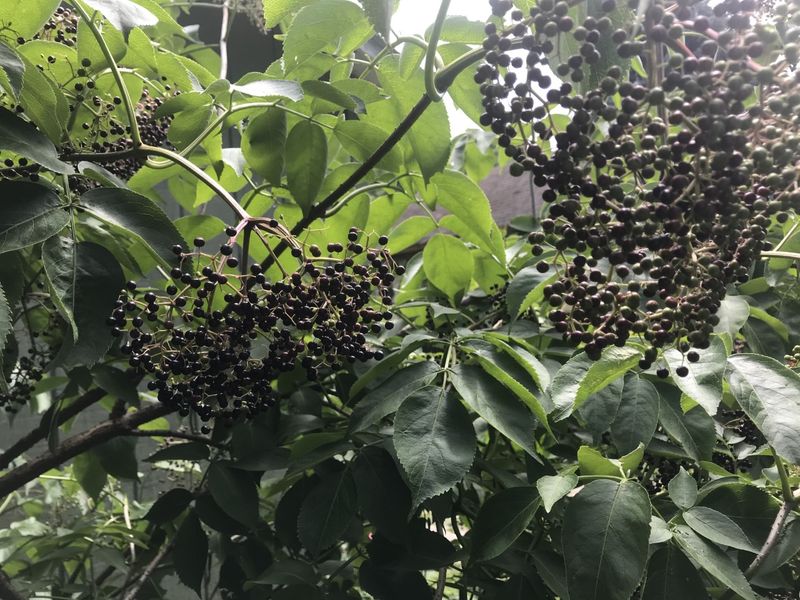
Elderberry does all of these jobs in a single season. In early summer, it bursts into huge white flower clusters. By late summer, those flowers turn into heavy bunches of dark purple berries.
The shrub also grows fast. A small plant can reach six to twelve feet tall in just a few years. Its arching stems form a loose, fountain-like shape that fills empty spaces quickly.
Here is a fun bit of history. Native American peoples used elderberry stems to make flutes and whistles, since the soft center pushes out easily. Early settlers later made jams, pies, and syrups from the ripe fruit.
Elderberry is also tough. It handles cold Pennsylvania winters with ease. It bounces back quickly if a branch breaks or gets trimmed too hard.
Another big plus is that it belongs here. Local insects, birds, and mammals already know how to use it.
A non-native shrub from another continent simply cannot offer that same deep connection to the food web.
If you want one shrub that works hard all year, elderberry is a smart pick. You get spring leaves, summer blooms, fall fruit, and a busy yard full of life. In the sections below, you will see exactly how each of those benefits helps your space.
Its Flowers Bring Pollinators To The Yard
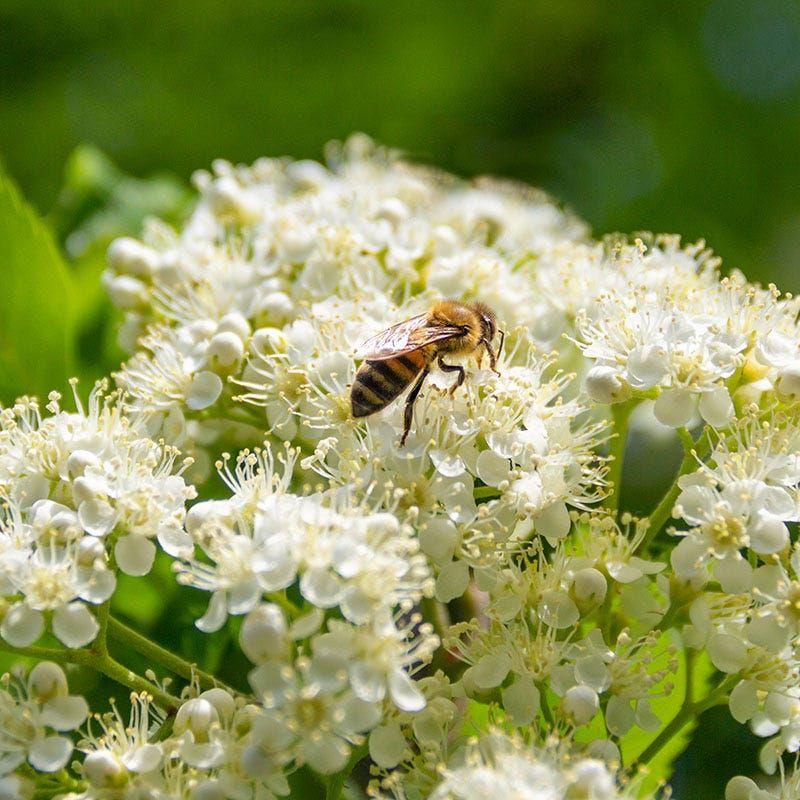
Stand next to a blooming elderberry on a warm June morning and just listen. You will likely hear a soft, steady buzz rising from the branches. That sound comes from dozens of tiny visitors working the flowers.
Elderberry blooms appear in wide, flat clusters called cymes. Each cluster can stretch six to ten inches across. It is packed with hundreds of small, creamy white flowers.
That flat shape acts like a landing pad. Small bees, flies, beetles, and wasps can rest on top while they feed. They do not need long tongues or special skills to reach the pollen.
Many of these insects are helpful in the garden. Hoverflies, for example, look a bit like bees, but their young eat aphids. Tiny native bees also visit, and they help pollinate nearby vegetables, berry patches, and fruit trees.
Your Pennsylvania Garden Changes Every Week. Your Plan Should Too.
Gardening in Pennsylvania changes quickly throughout the season. Every Friday you’ll receive a simple weekly plan showing exactly what to plant, prune, fertilize, harvest, and protect so you never miss the right timing.
The bloom time is another bonus for local bugs. Elderberry usually flowers in June and July in Pennsylvania. By then, many spring bloomers have faded, so pollinators need new food sources.
Want to see more action? Plant elderberry in a sunny spot, since more sun usually means more blossoms and more visitors. Group two or three shrubs together to create a bigger target for passing insects.
Skip spraying pesticides on or near the plant. Even products marked as safe can harm the very bugs you want to attract. A few chewed leaves are a small price for a lively, healthy garden.
The flowers smell lightly sweet, too. Some people pick a few clusters to make elderflower tea or cordial. Just leave plenty behind, because every flower you skip becomes a berry later for birds and other wildlife.
Its Berries Feed Pennsylvania Wildlife
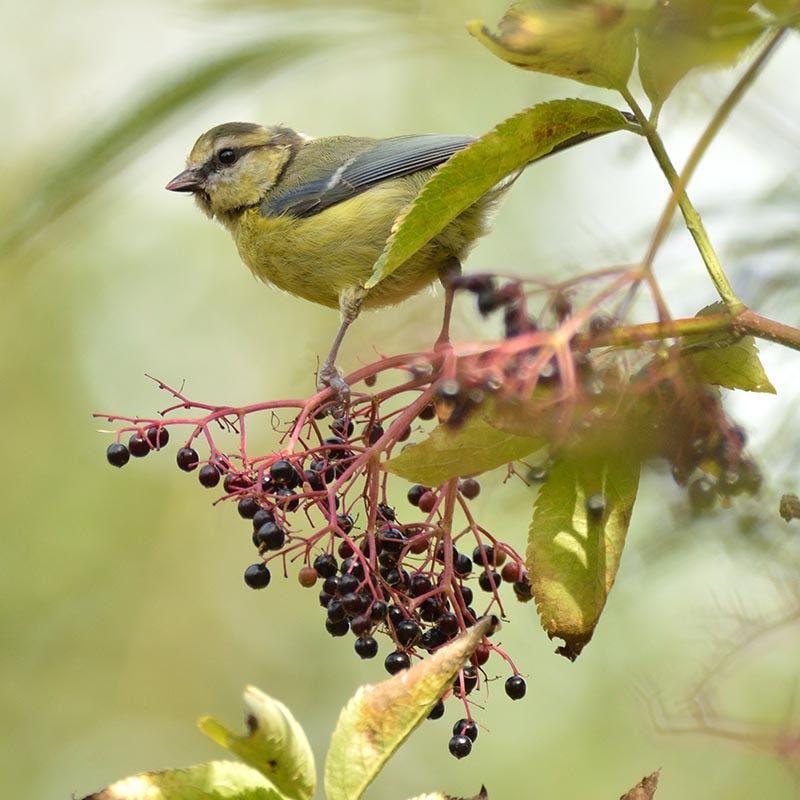
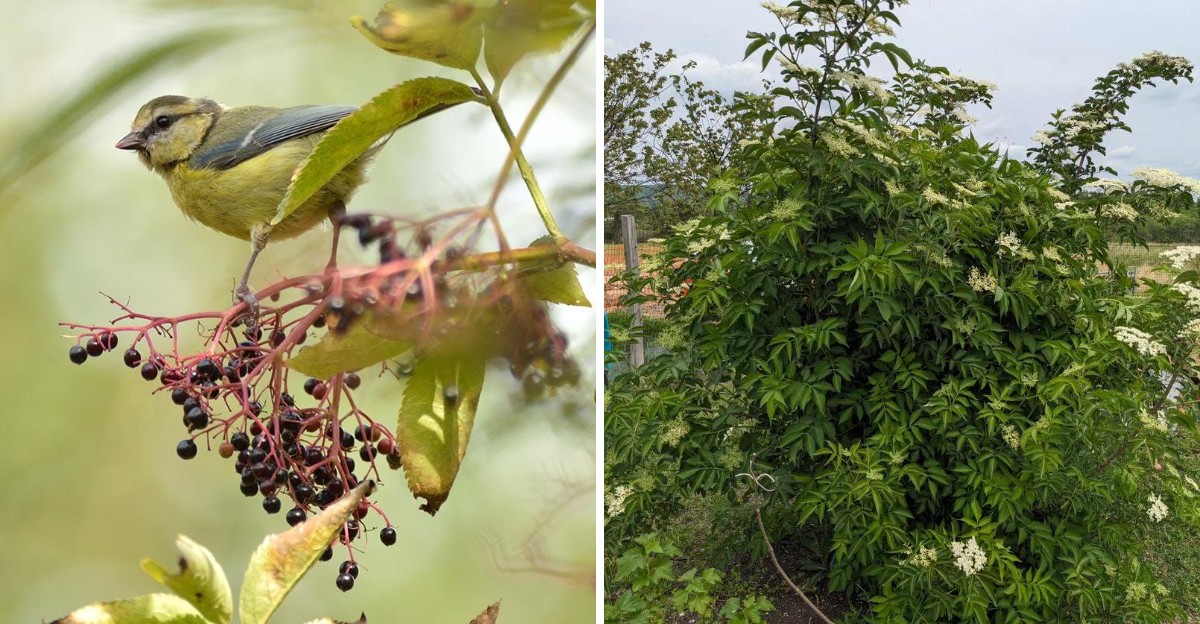
Bird experts have counted dozens of species that feast on elderberries. That is a long guest list for one backyard shrub! When the fruit ripens, your yard can turn into a busy bird buffet almost overnight.
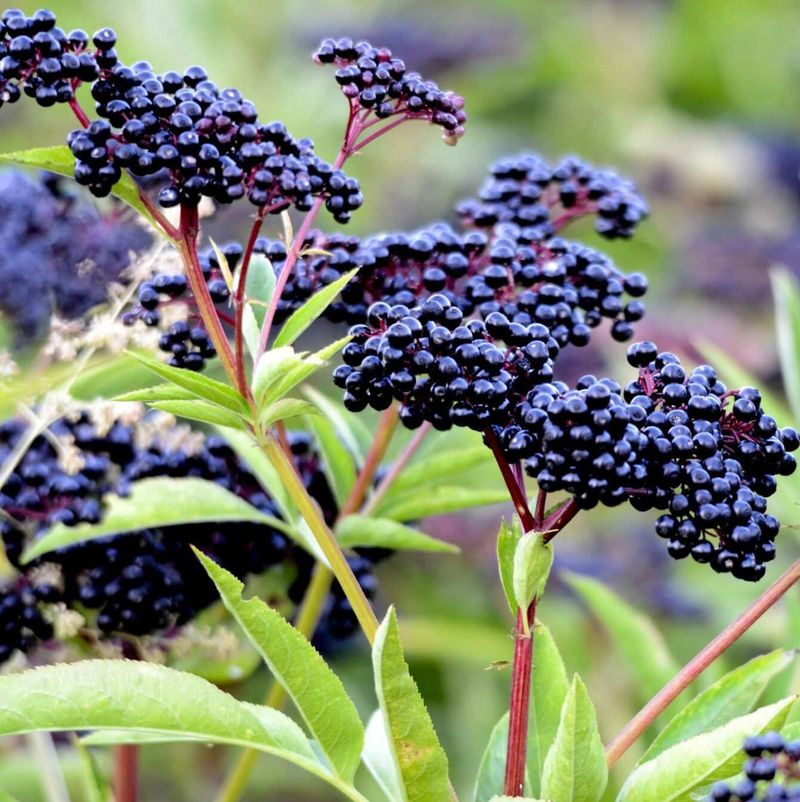
The berries start green and slowly turn deep purple to nearly black. In Pennsylvania, this usually happens from August into September. Each cluster can hold hundreds of small, juicy fruits.
Catbirds, robins, cedar waxwings, and brown thrashers are common visitors. Bluebirds, orioles, and woodpeckers may stop by as well. Watching them squabble over the best branches is great free entertainment.
Birds are not the only fans. Chipmunks, squirrels, foxes, and even black bears will snack on fallen fruit. Box turtles have been known to munch on berries that drop to the ground.
Why does late summer fruit matter so much? Many songbirds are getting ready to migrate south. They need energy-rich food to fuel those long flights, and elderberries deliver.
You can make your shrub even more bird friendly with a few simple steps. Place a birdbath nearby so visitors can drink and clean up after eating. Keep a clear view from a window so you can enjoy the show.
If you hope to harvest some berries for yourself, plan ahead. Cover a few clusters with light netting and leave the rest for wildlife. That way, everyone gets a fair share.
A word of caution for families is smart here. Raw berries, leaves, stems, and roots can upset the human stomach, so the fruit should always be cooked before people eat it. Teach kids to admire the berries on the branch and leave the tasting to the birds.
Dense Growth Creates Useful Wildlife Cover
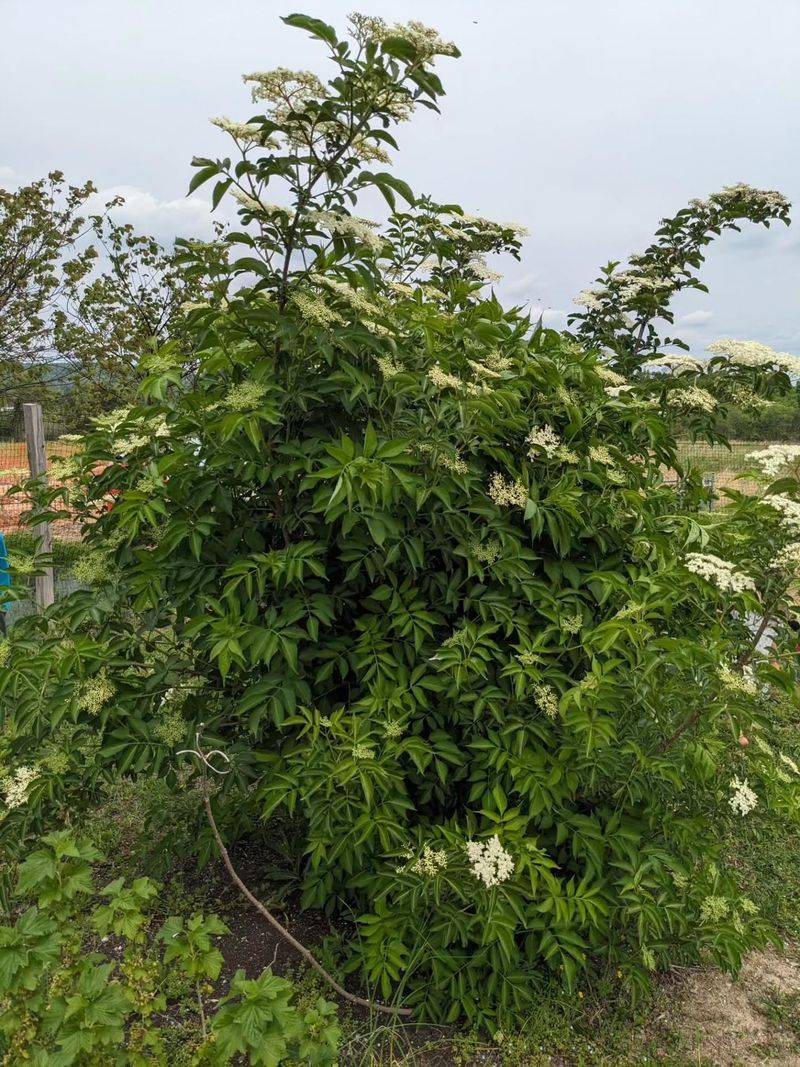
Think of elderberry as a leafy apartment building for your backyard neighbors. Its many stems rise from the ground and spread outward in every direction. The result is a thick tangle that offers safety and shade.
Small birds feel exposed in open lawns. Hawks and roaming cats can spot them easily. Inside a dense shrub, though, they can duck out of sight in a flash.
Elderberry grows in clumps, sending up new shoots from its roots each year. Over time, one plant can become a small thicket. That kind of layered growth is exactly what many songbirds look for.
Gray catbirds, cardinals, song sparrows, and yellow warblers may tuck their nests among the branches.
The leaves hide the nests from above, and the stems make them hard to reach. Rabbits and other small animals often rest in the shady space underneath.
Insects use the shrub, too. Some native bees nest inside the soft, pithy centers of old, broken stems. Leaving a few cut stems standing gives those bees a ready-made home.
To boost cover, try these easy tips. Let the lower branches stay full instead of trimming them up high.
Pile a few fallen leaves beneath the shrub, which creates hiding spots for toads, beetles, and other ground dwellers.
Pairing elderberry with other native plants makes the cover even better. Tall grasses, asters, and goldenrod can fill the area around it. Together, they build a mini habitat that feels wild and welcoming.
Try to avoid heavy pruning in spring and early summer. That is peak nesting season, and a surprise haircut can disturb families. Save big trimming jobs for late winter when birds are not using the branches.
Give Elderberry The Conditions It Likes
Ever notice elderberry growing wild near a stream or a soggy ditch? That is a big clue about what it loves. In nature, this shrub thrives where the ground stays moist.
Moist soil is the key to happy elderberry. It does well in low spots, near downspouts, or along the edge of a pond. It can handle short periods of standing water after heavy rain.
Dry, sandy spots are a different story. The shrub may survive there, but it will likely stay small and produce less fruit. If your yard is on the dry side, water deeply once a week during hot, rainless stretches.
Sunlight matters, too. Elderberry grows best in full sun to partial shade. Aim for at least six hours of sun a day if you want plenty of flowers and berries.
It is not very picky about soil type. Clay, loam, and rich woodland soil all work fine. Adding a layer of shredded leaves or wood mulch helps hold moisture and keeps weeds down.
Space is the part people often forget. A single plant can spread eight to twelve feet wide as it sends up new shoots. Give it room to stretch out instead of squeezing it next to your house or walkway.
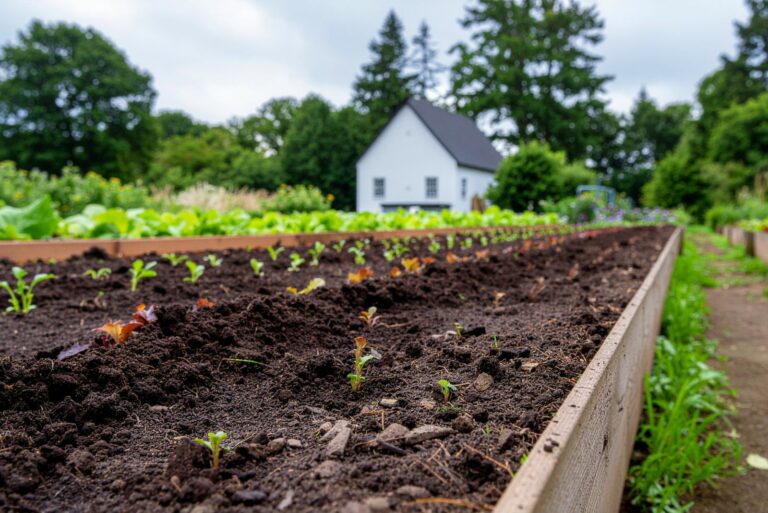
Planting is simple. Early spring or fall is the best time to set new shrubs in the ground. Dig a hole about twice as wide as the root ball, set the plant at the same depth, and water well.
For the best berry harvest, plant two different elderberry types near each other. Cross-pollination between them often leads to bigger, fuller fruit clusters.
Use Elderberry As A Multi-Purpose Native Shrub
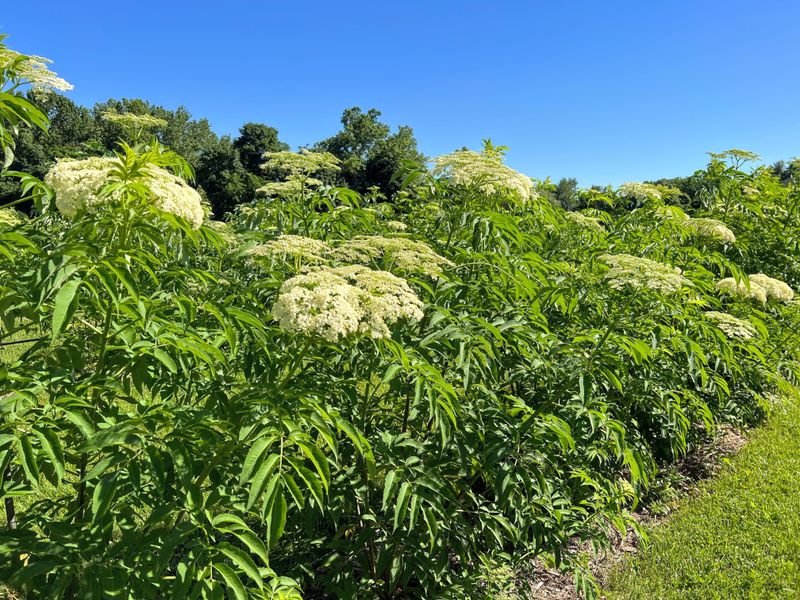
“Right plant, right place” is a favorite saying among gardeners, and elderberry proves why. Put it in the right spot, and it can solve several yard problems at once. Let’s look at some creative ways to use it.
Property edges are a great fit. A row of elderberry creates a soft, natural screen between you and the neighbors. It blocks views in summer and gives birds a flight path along your yard.
Wildlife gardens are another top choice. Mix elderberry with native plants like milkweed, coneflower, and serviceberry. You will have food and shelter for pollinators and birds almost all season long.
Rain gardens love this shrub, too. Its thirsty roots soak up runoff from roofs and driveways. That helps reduce puddles and keeps muddy water from flowing into local streams.
Naturalized areas, like the back corner of a large lot, are perfect for letting it roam. There, it can form a thicket without bothering anyone. Over time, the spot can feel like a small patch of Pennsylvania woodland edge.
Of course, elderberry can get a bit too eager. Its root suckers can pop up where you do not want them. Simply dig or clip these new shoots each spring to keep the shrub in bounds.
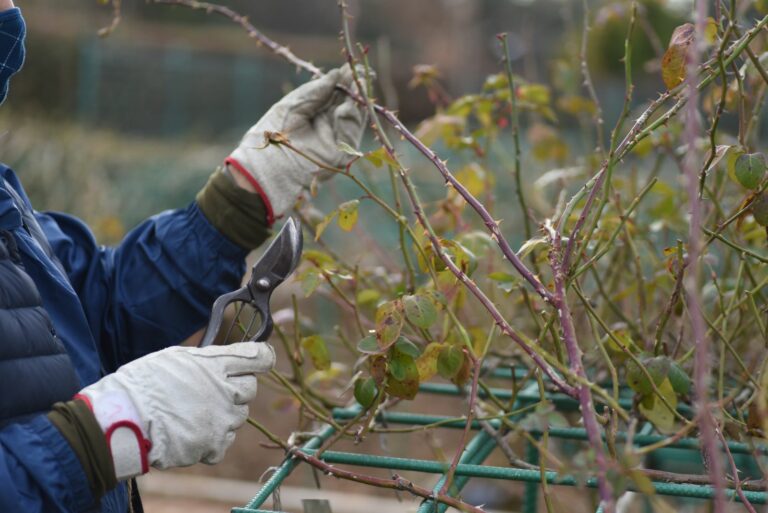
Pruning also helps. Every few years in late winter, cut out the oldest, woodiest stems at ground level. Fresh young canes will replace them and usually produce more flowers and fruit.
A little care goes a long way. With smart placement and a yearly tidy-up, elderberry stays healthy and neat. In return, it gives your yard beauty, food, shelter, and a steady stream of wildlife visitors for many years.