The Pennsylvania Native Plants That Help Control Gophers And Weeds At The Same Time

Gophers and weeds are two of the more persistent frustrations in Pennsylvania gardening, and most approaches to managing them involve separate strategies tackled at separate times with separate effort.
There is a more efficient path, and it involves the plants you choose to grow rather than the traps you set or the products you apply.
Certain Pennsylvania native plants accomplish both jobs at once, spreading densely enough across the soil surface to deprive weeds of the light and space they need while also producing root structures and scents that gophers find actively off-putting.
It is not a complete solution to either problem on its own, but as part of how a yard is planted and managed, it adds a passive layer of control that works every day without any ongoing effort.
Pennsylvania natives that do this well tend to be strong performers on their own merits, making the added pest and weed suppression a genuine bonus rather than the main reason to plant them.
1. Pennsylvania Sedge
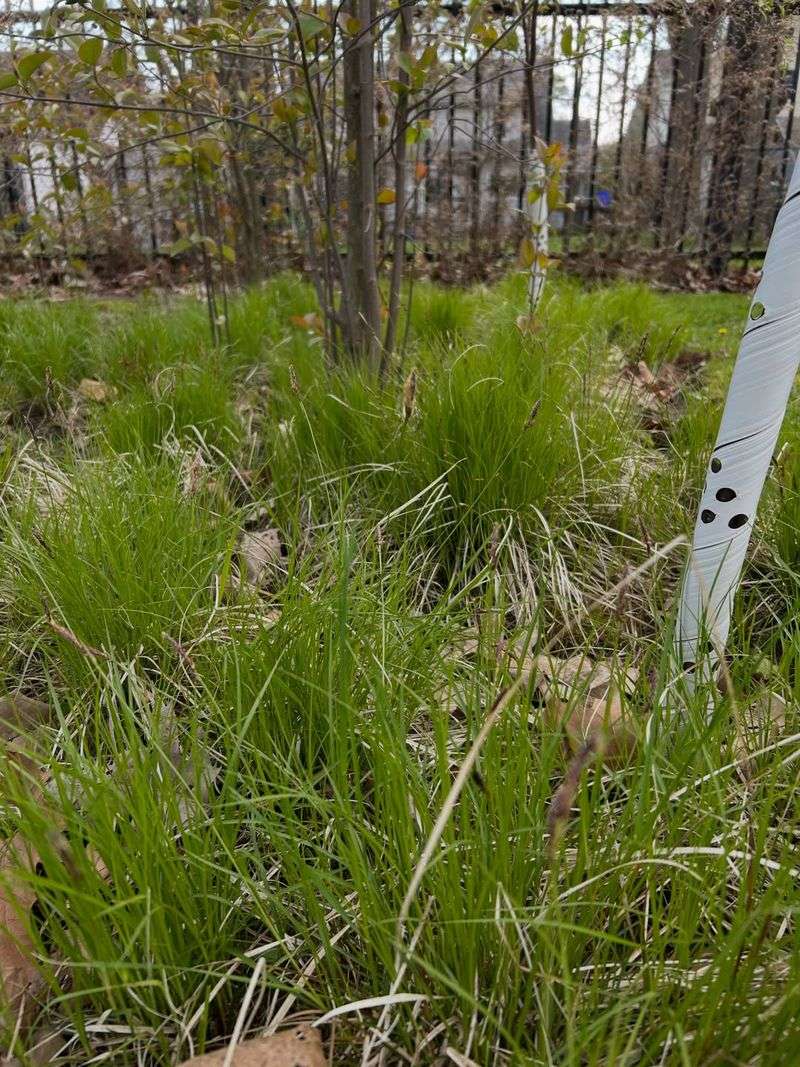
Walk through any Pennsylvania woodland in early spring and you will almost certainly step over a carpet of Pennsylvania Sedge without even realizing it.
This low-growing, grass-like plant has been quietly doing its job for centuries, and it is one of the hardest-working groundcovers you can add to your yard.
Pennsylvania Sedge forms dense, tightly packed clumps that spread slowly but steadily over time. That thick mat of foliage is the secret weapon against weeds.
When soil is covered, weed seeds cannot reach the light they need to sprout. You end up with far fewer weeds to pull, which means less work for you every weekend.
Gophers prefer to tunnel through open, loose soil with little plant competition. A strong, established stand of Pennsylvania Sedge makes tunneling more difficult because the root system holds soil firmly in place.
Bare patches are rare when this plant is healthy and spreading, and bare patches are exactly what burrowing animals look for.
Another big plus is that Pennsylvania Sedge stays green through most of the year, even during Pennsylvania winters. It handles shade beautifully, making it perfect for spots under trees where grass refuses to grow.
It also needs very little water once established, saving you time and money. Plant it along borders, under shrubs, or in woodland garden areas where you want low maintenance coverage.
Space plants about 12 inches apart and let them fill in naturally over two to three seasons. You will be amazed at how quickly a bare, weedy patch transforms into a tidy, attractive groundcover.
2. Golden Groundsel
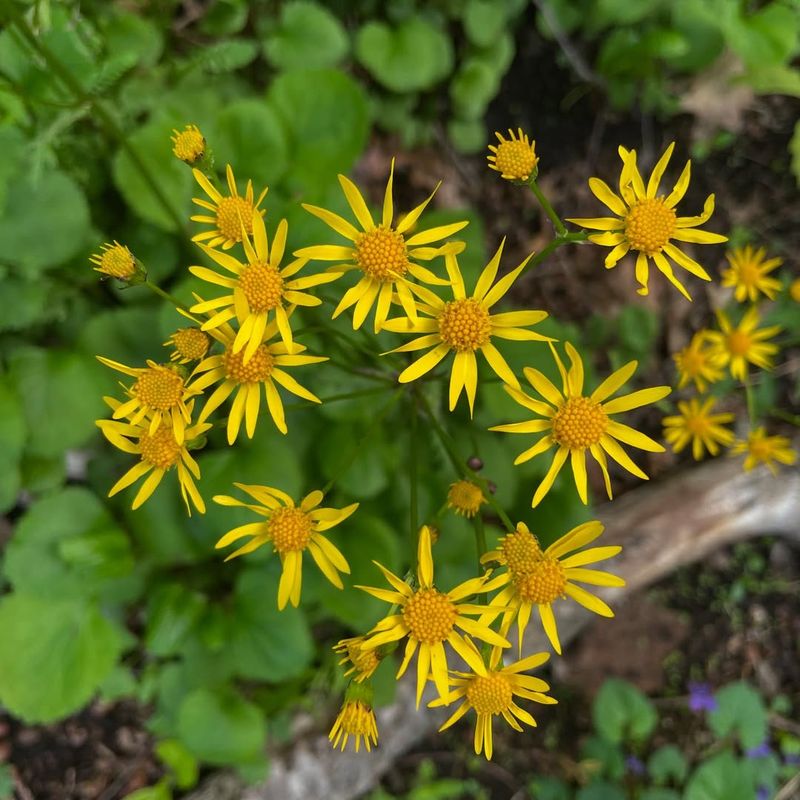
Bright yellow flowers and a tough, spreading habit make Golden Groundsel one of the most rewarding native plants you can grow in Pennsylvania.
It blooms early in spring when most other plants are barely waking up, giving pollinators a much-needed food source and giving your garden a cheerful burst of color.
What really sets Golden Groundsel apart is how aggressively it spreads through rhizomes, which are underground stems that send up new plants nearby. Over a few seasons, a small planting can expand into a solid carpet of greenery.
Your Pennsylvania Garden Changes Every Week. Your Plan Should Too.
Gardening in Pennsylvania changes quickly throughout the season. Every Friday you’ll receive a simple weekly plan showing exactly what to plant, prune, fertilize, harvest, and protect so you never miss the right timing.
That dense coverage is exactly what you need to stop weeds from taking hold in your borders and beds.
When the soil surface is shaded by thick foliage, weed seeds struggle to germinate. Golden Groundsel essentially blocks the sunlight that weeds depend on to get started.
You will notice a significant drop in the number of weeds appearing in areas where this plant has established itself well.
Gophers tend to avoid areas with dense, fibrous root networks because tunneling through them takes more effort. The spreading rhizomes of Golden Groundsel create exactly that kind of underground barrier.
It is not foolproof, but it does make your garden far less attractive to burrowing pests looking for easy digging.
Golden Groundsel thrives in moist, shady spots and works wonderfully along stream banks or under deciduous trees. Plant it in groups and give it room to spread.
Within two years, you will have a weed-suppressing, pollinator-friendly groundcover that practically takes care of itself.
3. Creeping Phlox
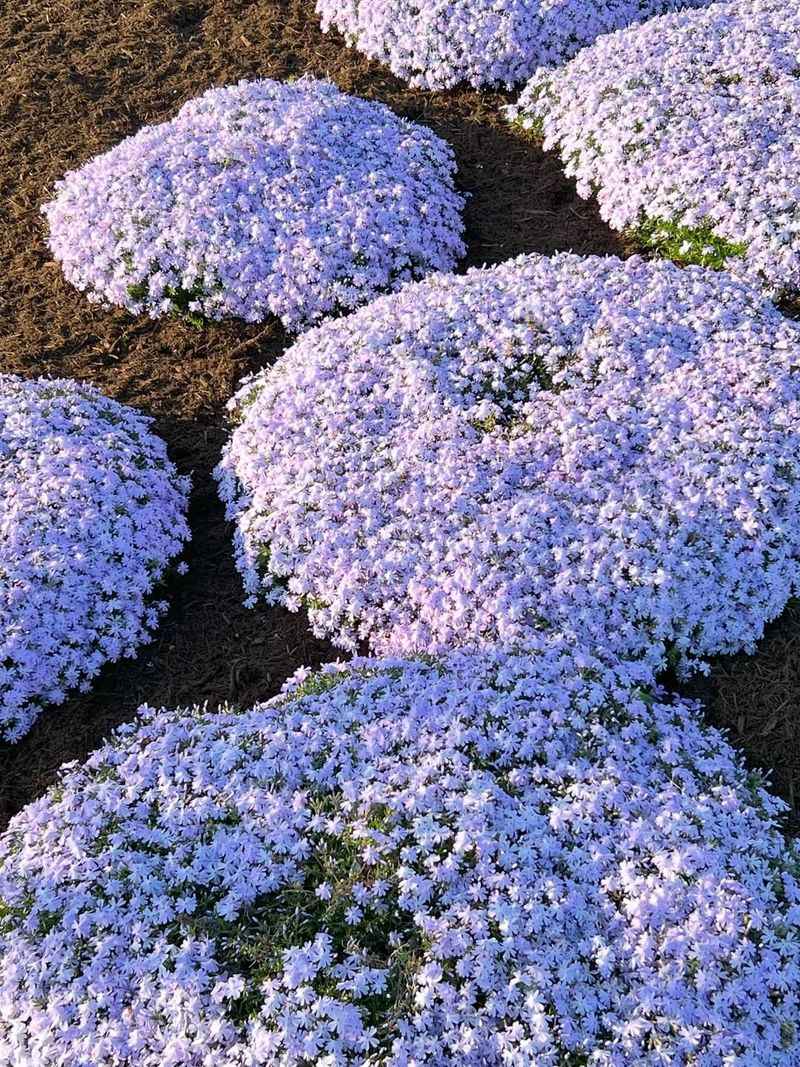
Few plants are as satisfying to watch as Creeping Phlox filling in a bare patch of garden bed. It moves slowly at first, then suddenly you look out one spring morning and the ground is covered in a soft, colorful mat of foliage and blooms.
It is one of those plants that rewards patience in a big way. Creeping Phlox grows low to the ground and spreads steadily by sending out trailing stems that root wherever they touch soil.
That spreading habit is exactly what makes it so effective at covering bare ground. Once it settles in, there is simply no room left for weeds to sneak through.
Bare soil patches are a standing invitation for burrowing animals. Gophers and other pests look for open, undisturbed ground where they can tunnel without much resistance.
Creeping Phlox fills those patches quickly and keeps the soil covered season after season, reducing the appeal of your garden as a burrowing destination.
This plant is native to the woodlands of eastern North America, including Pennsylvania, so it is perfectly matched to local growing conditions. It handles partial shade well and does not need much fertilizer or fussing once established.
Plant it on slopes or along pathways where erosion might otherwise strip the soil bare. In spring, Creeping Phlox produces a generous flush of small flowers in shades of pink, lavender, and white.
Those blooms attract early pollinators and make the plant attractive enough to use as an ornamental groundcover in visible garden spots. It is beauty and function rolled into one tough little plant.
4. Canada Anemone
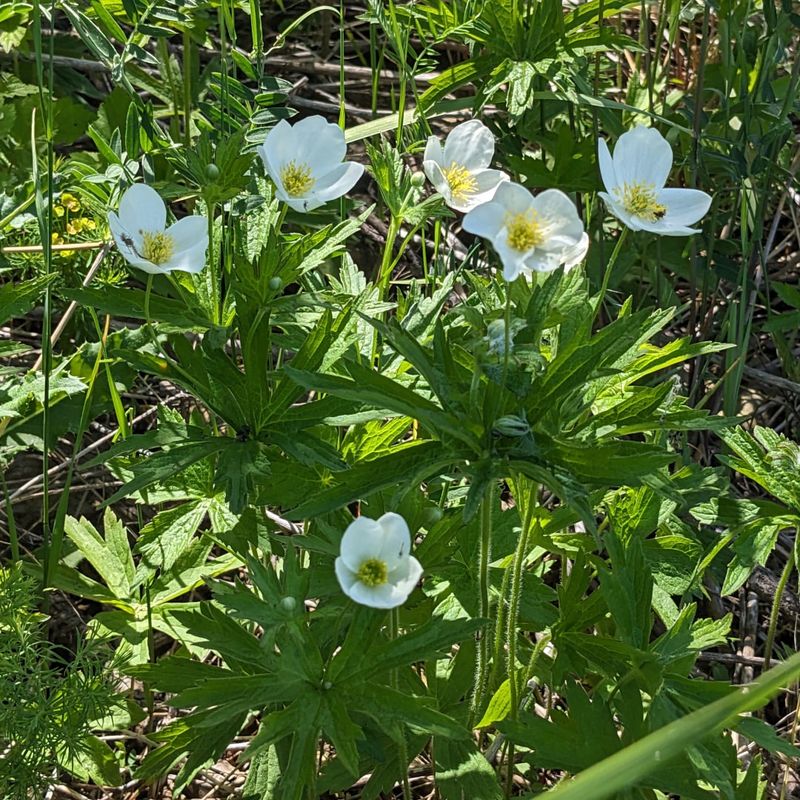
Canada Anemone has a reputation among experienced gardeners as a plant that really means business.
Once it gets comfortable in your garden, it spreads quickly and confidently through an extensive network of underground roots, forming wide colonies that crowd out nearly everything else in their path, including stubborn weeds.
That spreading root network is a double advantage for gardeners dealing with gopher problems. The dense mat of roots makes the soil harder to tunnel through and less appealing to burrowing animals looking for soft, open ground.
It also helps bind the soil together, reducing erosion and keeping the surface stable and covered. Weeds need open soil and sunlight to germinate. Canada Anemone denies them both.
The thick foliage shades the ground effectively, and the root system fills the soil so completely that there is little room for weed roots to establish themselves. You will still see a stray weed here and there, but nothing like what you would get in an uncovered bed.
The white flowers that appear in late spring and early summer are a bonus. They are simple and elegant, with five rounded petals surrounding a yellow center.
Pollinators love them, and they look wonderful in naturalized areas or along the edges of woodland gardens.
One thing to keep in mind is that Canada Anemone can be vigorous. Give it a spot where spreading is welcome, such as a large naturalized area or a slope that needs stabilizing.
It is not the best choice for small, tidy beds where you want strict control over plant boundaries, but in the right place, it is outstanding.
5. Running Foamflower
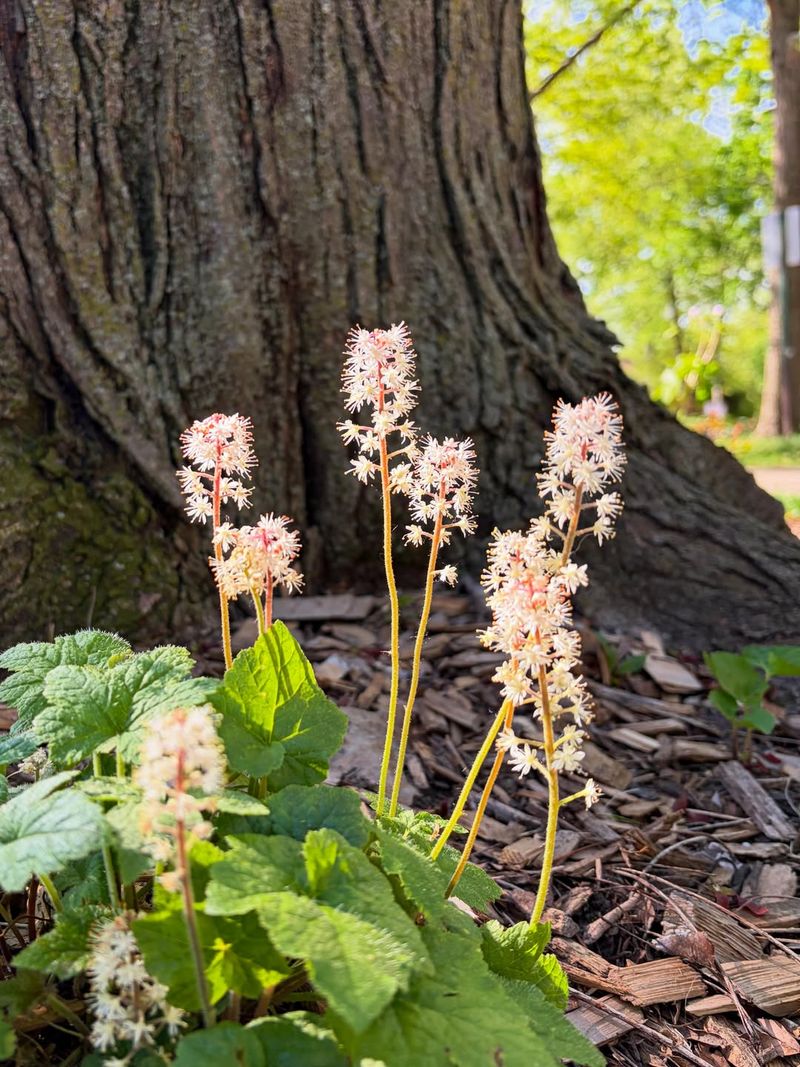
There is something almost magical about a shady garden bed filled with Foamflower in bloom.
Those delicate, feathery white flower spikes rise above heart-shaped leaves in mid-spring and create a soft, frothy display that earned this plant its wonderfully descriptive name. It is one of Pennsylvania’s most charming native woodland plants.
Running Foamflower spreads by sending out runners, which are long horizontal stems that produce new plants at their tips. Over time, a single plant becomes a colony, and that colony becomes a dense, weed-suppressing mat of foliage.
The leaves are large enough to block sunlight from reaching the soil, which prevents weed seeds from sprouting beneath them.
Healthy soil structure is something gardeners work hard to maintain, and Running Foamflower actually helps with that. The root system keeps soil from compacting, improves moisture retention, and supports beneficial soil organisms.
Gophers prefer loose, sandy, or compacted soil where tunneling is easy. A well-structured, plant-filled bed is much less inviting to them.
This plant is perfectly suited to Pennsylvania’s shady spots, particularly under deciduous trees where little else wants to grow. It handles dry shade reasonably well once established, though it prefers consistently moist, humus-rich soil.
Pair it with other woodland natives like ferns or Wild Ginger for a layered, natural look. Maintenance is minimal. Cut back old foliage in late winter to make room for fresh spring growth.
Divide clumps every few years if you want to spread the plant to new areas. Running Foamflower is one of those plants that makes your garden look effortlessly beautiful with very little effort on your part.
6. Mistflower
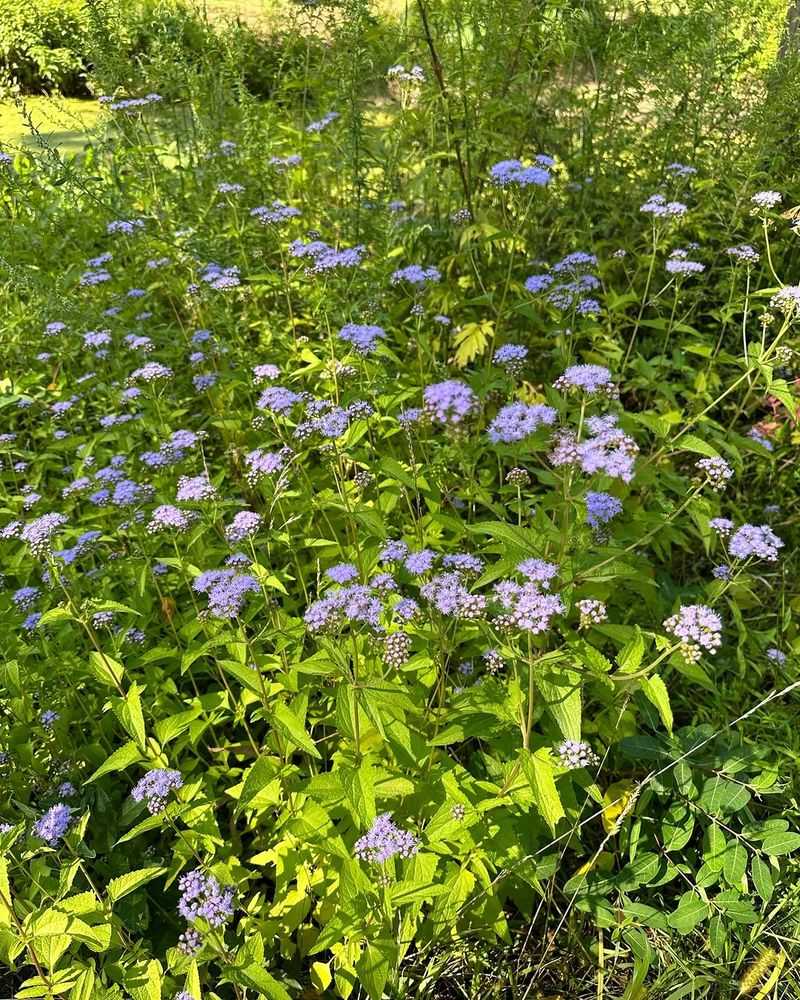
If you have ever seen a cloud of soft blue-purple blooms floating above a dense patch of green foliage in late summer, there is a good chance you were looking at Mistflower.
It is one of the last native plants to bloom before autumn arrives, and pollinators absolutely flock to it. Butterflies, bees, and other beneficial insects treat it like a late-season buffet.
Beyond its beauty, Mistflower is a serious weed fighter. It spreads through rhizomes and forms dense, overlapping patches that leave almost no room for weeds to establish.
The foliage is thick enough to shade the soil effectively, and once a colony is well established, it is remarkably difficult for weed seedlings to break through.
Beneficial insects are actually part of the gopher and pest management story. A garden that supports healthy insect populations tends to have better overall ecological balance.
Predatory insects help keep pest populations in check, and a plant like Mistflower that attracts a wide variety of beneficials contributes to that balance in meaningful ways.
Mistflower thrives in moist to average soil and handles both full sun and partial shade. It is a fantastic choice for rain gardens, stream banks, or low spots in the yard where water tends to collect.
In drier locations, it may need occasional watering during summer droughts. One thing to watch is its enthusiasm for spreading. It can move quickly in ideal conditions.
Plant it where you want bold, spreading coverage, and divide it every couple of years to keep it contained. In the right spot, Mistflower is an absolute showstopper that earns its place in any Pennsylvania garden.
7. Big-Leaf Aster
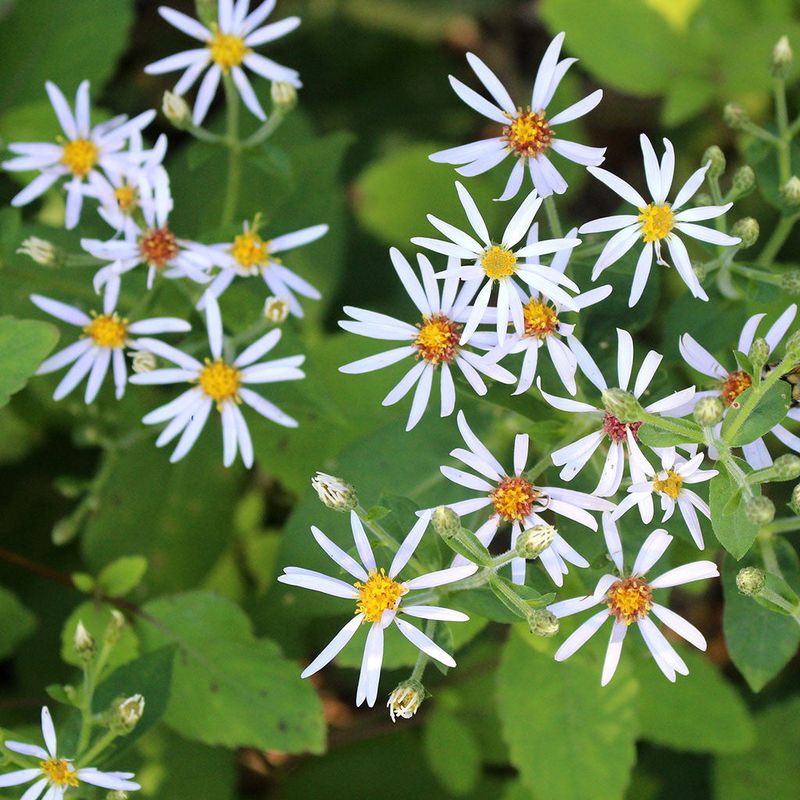
Most asters get their moment in the spotlight during fall, and Big-Leaf Aster is no exception.
But this particular native brings something extra to the table year-round: enormous, bold leaves that shade the ground so effectively that weeds barely stand a chance.
It is the kind of plant that does quiet, important work all season long, not just when it is blooming.
Big-Leaf Aster spreads slowly but steadily, filling in the difficult spaces under shrubs and trees where grass refuses to grow and weeds tend to take over. Those large leaves create a canopy close to the ground that blocks sunlight from reaching weed seeds below.
Over time, a well-established colony can completely transform a weedy, neglected area into a tidy, attractive planting.
Rodents like gophers tend to target bare, open soil because it is easy to tunnel through and easy to monitor for safety. A dense, leafy groundcover changes that equation.
The combination of surface foliage and fibrous underground roots makes the area feel less accessible and less appealing to burrowing animals looking for a new home.
In late summer and early fall, Big-Leaf Aster produces clusters of small, pale lavender daisy-like flowers with yellow centers.
They may not be as showy as some garden perennials, but they are beloved by migrating butterflies and native bees stocking up for winter.
That ecological value is worth a great deal in any garden. Plant Big-Leaf Aster in shade to part shade with average to moist soil.
It is incredibly low maintenance once established and pairs beautifully with ferns, Wild Ginger, and other Pennsylvania woodland natives for a layered, natural planting that looks intentional and polished.