This Pennsylvania Native Plant Can Help Keep Sloped Yards From Washing Out
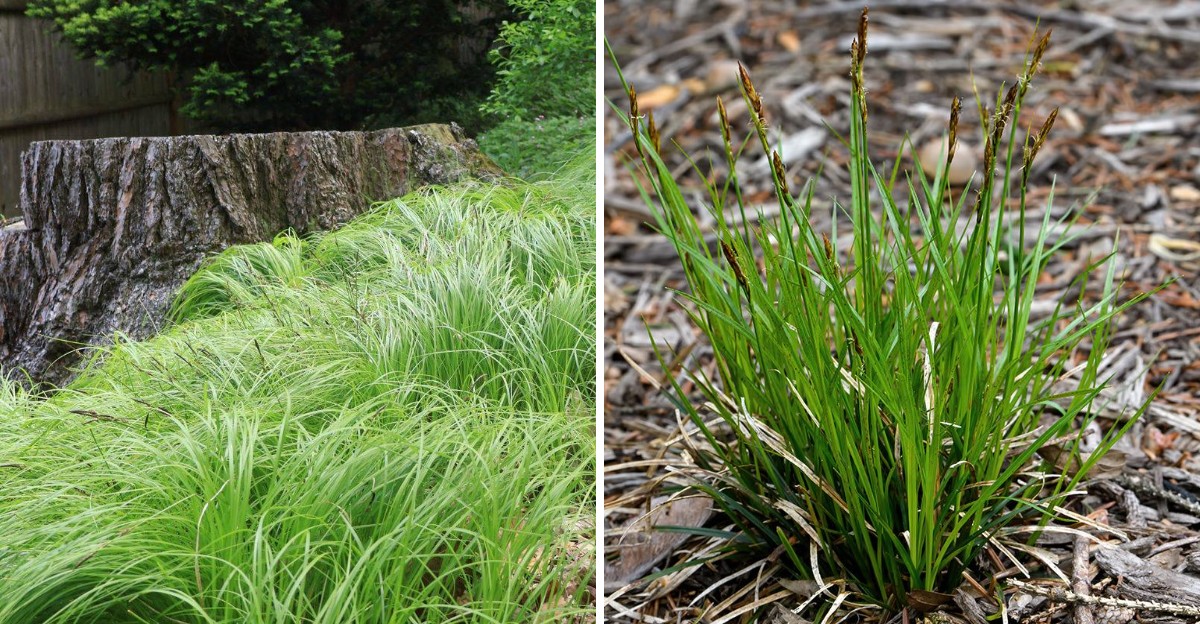
Sloped yards in Pennsylvania are one of those landscape challenges that most homeowners manage rather than solve. Every significant rain moves a little more soil downhill.
Bare patches develop where nothing holds, and the erosion that felt minor in year one becomes noticeably worse by year three.
Most conventional solutions require significant investment or ongoing maintenance to stay effective. There is a native Pennsylvania plant that addresses this problem from the ground up.
Its root system grips the soil with a thoroughness that most lawn grasses and ornamental plants simply cannot match. It handles the shade that often comes with sloped areas under trees.
It spreads gradually into dense, weed suppressing coverage, and it stays attractive through every season with almost no maintenance once established.
Plant This Native To Help Hold Sloped Soil
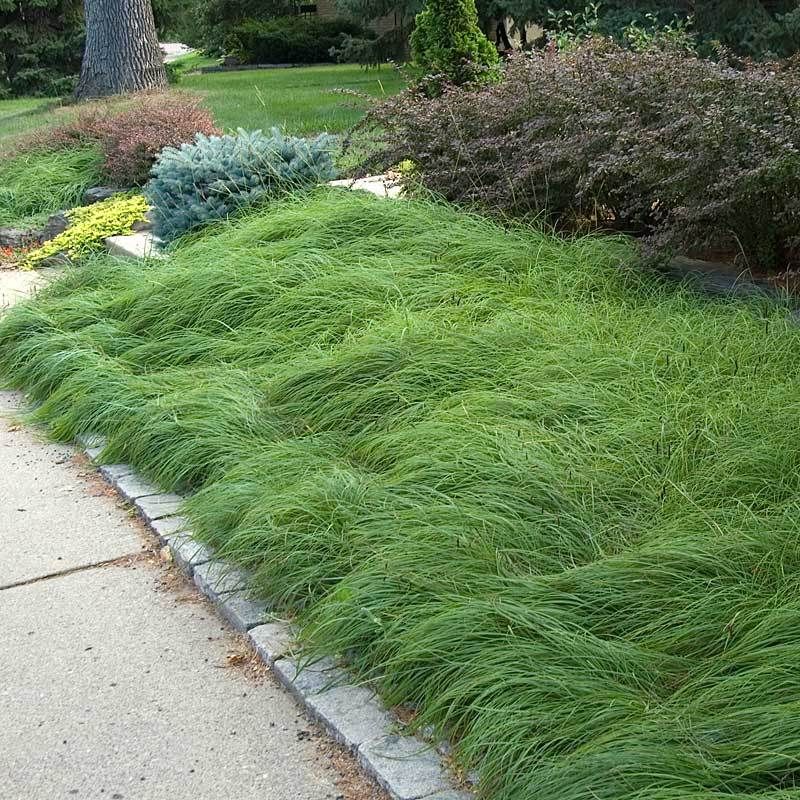
Pennsylvania sedge goes by the science name Carex pensylvanica. It is a native plant, which means it grew here long before settlers arrived.
You can find it in forests from Pennsylvania all the way to Canada and down into the South.
The plant stays low, usually just 6 to 12 inches tall. Its thin, bright green leaves arch over and look a bit like a soft, messy haircut. Many people mistake it for grass at first glance.
What makes it useful on hills is simple. It covers the ground and holds on tight. Bare soil on a slope is easy for rain to carry away, but soil under a living cover stays put much better.
Not every slope is a good fit, though. Pennsylvania sedge works best on gentle to medium hills with some shade. A very steep bank or one that already has deep gullies may need extra help from a landscape pro.
Getting started is easy, since most garden centers sell sedge in small pots or plugs. Plant them about 8 to 12 inches apart in a staggered pattern, like the dots on dice. That way, water has a harder time finding a straight path downhill.
Spring and early fall are the best times to plant. The cooler weather gives roots time to settle in. Before long, you may notice your hill looking greener and a lot less muddy.
Why Its Roots Help Reduce Erosion
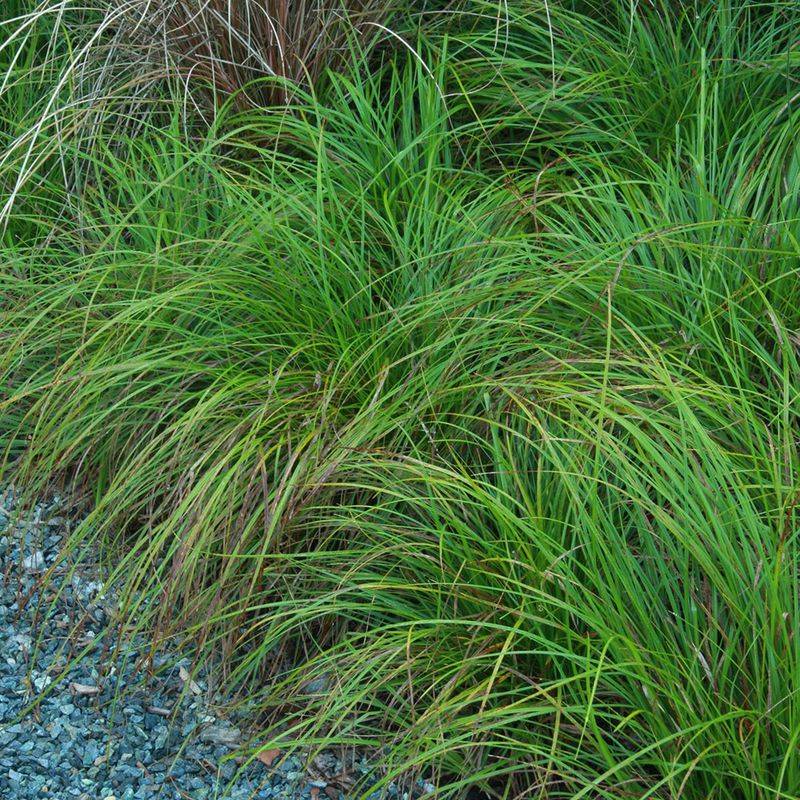
Think of a sedge root system as a crowd of tiny hands, all gripping the dirt at once. Underground, Pennsylvania sedge builds a thick web of fine, fibrous roots.
Those roots weave through the top layer of soil and bind it together like threads in a blanket.
Erosion happens when water or wind moves soil from one place to another. On a slope, gravity makes the problem worse.
Every raindrop that hits bare ground can knock loose tiny bits of dirt and send them rolling downhill.
That is where the sedge shines. Its roots hold soil particles in place, so they are harder for water to wash away.
The plant also spreads slowly by short underground stems called rhizomes, which creates new clumps and fills in gaps over time.
Your Pennsylvania Garden Changes Every Week. Your Plan Should Too.
Gardening in Pennsylvania changes quickly throughout the season. Every Friday you’ll receive a simple weekly plan showing exactly what to plant, prune, fertilize, harvest, and protect so you never miss the right timing.
The leaves pitch in too. When rain falls, the foliage catches the drops before they slam into the soil, so there is less splashing and less loose dirt. Water then soaks in more slowly instead of racing down the hill in a muddy stream.
Here is a fun fact. Scientists have found that plant roots and leaf litter can greatly reduce how much soil washes off a slope compared to bare ground. Even a thin living cover makes a real difference.
Keep in mind that roots take time to grow. During the first year, most of the plant’s energy goes underground. You may not see much action on top, but the real work is happening below your feet.
For the best results, avoid pulling up leaves or raking the area hard. Fallen leaves and plant bits act like a mulch that protects soil while roots get stronger.
Where Pennsylvania Sedge Grows Best
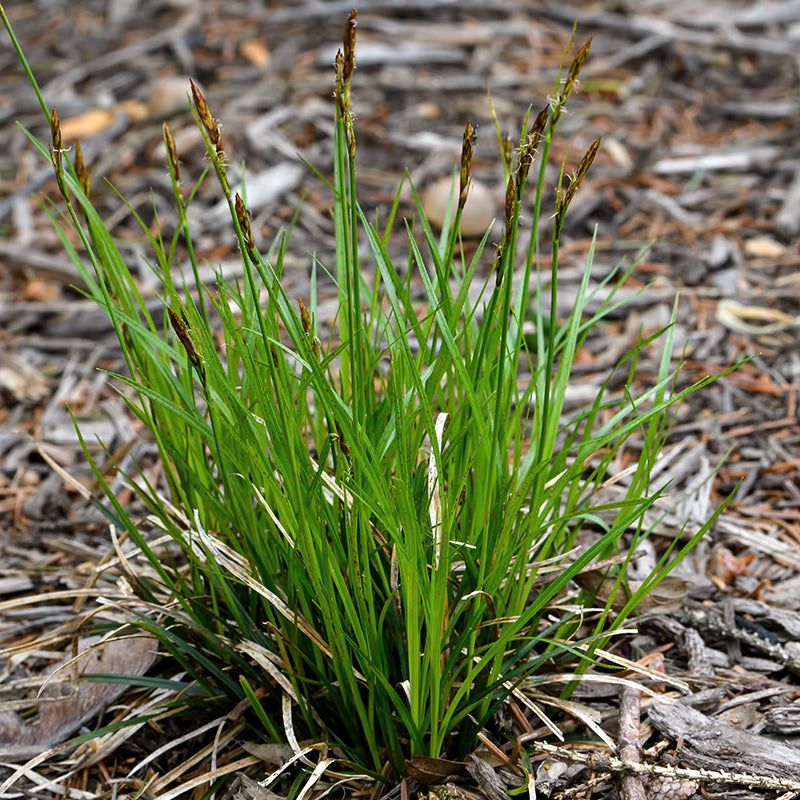
Walk through an oak forest in Pennsylvania on a spring day, and you might step on a soft carpet of sedge without even knowing it.
That woodland floor tells you almost everything about what the plant likes. Copy those conditions at home, and your sedge will feel right at home.
Shade is the big one. Pennsylvania sedge grows best in part shade to full shade, such as under trees or on the north side of a house.
It can handle a few hours of morning sun, but hot afternoon sun often leaves it looking tired and brown.
Soil matters too. The plant prefers ground that drains well and does not stay soggy. Sandy, rocky, or loamy soils are often a good match, and slopes naturally help extra water move along.
Heavy clay that holds puddles for days is a different story. Roots sitting in wet dirt can rot. If your soil is dense, mix in some compost or leaf mold before planting to loosen it up.
Forest edges are another sweet spot. These spots get dappled light and have a layer of fallen leaves that keeps soil cool and moist. If your sloped yard sits near trees, you may already have the perfect setup.
A quick test can help you decide. Watch your slope for one full day and note how many hours of direct sun it gets. Fewer than four hours usually means sedge will be happy.
Once established, the plant can handle some dry spells, which makes it a smart choice for busy families. Lawn grass tends to struggle in shade, so sedge often fills a spot where turf never did well.
How Sedge Creates A Living Groundcover
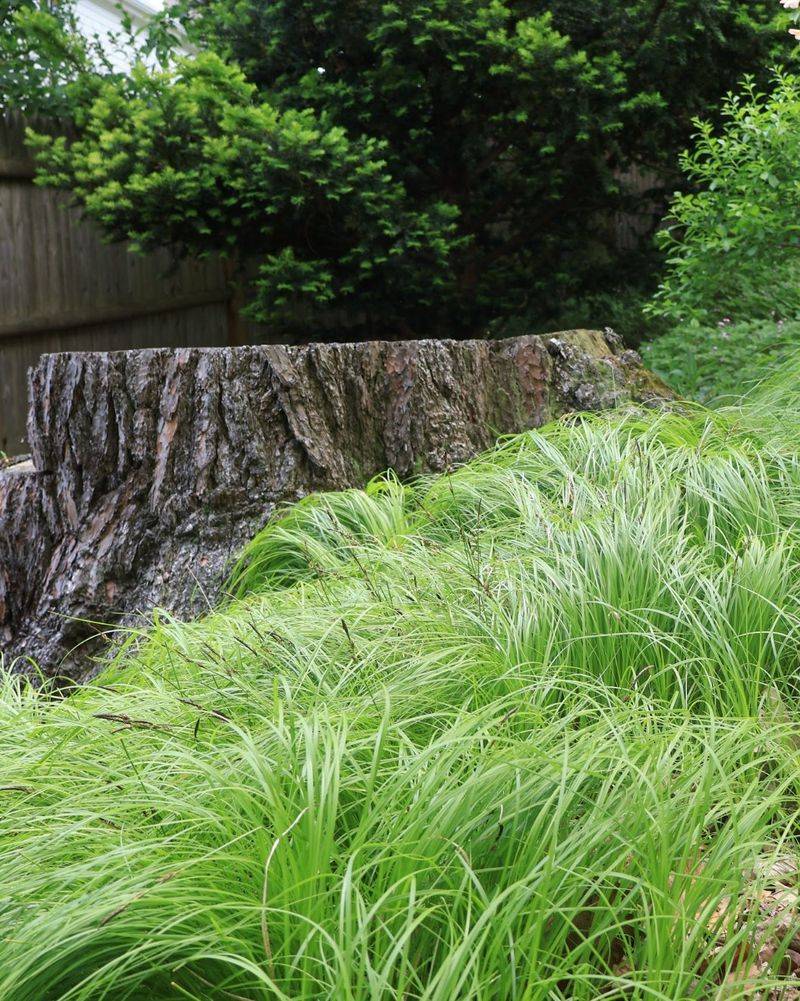
Tired of pushing a lawn mower up and down a steep hill every Saturday? You are not alone. Mowing slopes can be tricky, sweaty, and even a little risky.
Pennsylvania sedge offers a friendlier option. Its fine, thread-like leaves grow in soft tufts that slowly knit together.
Over a few seasons, those tufts can form a flowing green layer that looks like a meadow in a storybook.
That layer acts like a living shield. It blocks sun and rain from hitting bare dirt, which helps keep soil moist and in place. It also crowds out many weeds, since there is less open space for seeds to sprout.
Best of all, you barely need to mow. Many gardeners leave their sedge alone all year. Others trim it once in early spring to about 3 or 4 inches to tidy up old leaves and make room for fresh growth.
The plant also blooms, though you might miss it. In early spring, tiny flower spikes pop up with small cream or yellow tips. They are not showy, but they are a neat little surprise if you look closely.
Wildlife likes sedge too. Some caterpillars feed on it, and ground-nesting bees and small birds use the cover for shelter. A sedge slope can turn a boring hill into a tiny habitat.
Foot traffic is the one thing to watch. Sedge can handle a light stroll, but it will not stand up to daily soccer games like tough turf grass can.
Want a quick tip? Skip the heavy fertilizer, because native sedge is used to forest soil and grows fine without extra feeding. Too much fertilizer can actually make it floppy and weak.
Combine Sedge With Other Native Plants On Slopes

A great soup needs more than one ingredient, and a strong slope works the same way. Pennsylvania sedge is a fantastic base, but it covers soil best when it has teammates. Mixing plants with different roots, heights, and bloom times creates a fuller, tougher cover.
Start with other native groundcovers. Wild ginger has heart-shaped leaves that spread low in shady spots. Green and gold, also called Chrysogonum, adds cheerful yellow flowers and fills gaps nicely.
Next, think about ferns. Christmas fern stays green through winter and has roots that grip slopes well. It is a common sight on shady banks across Pennsylvania.
Native grasses can help in spots with a bit more sun. Little bluestem and prairie dropseed both have deep roots that dig far into the soil. Their roots reach lower than sedge, so together they hold dirt at different depths.
Perennials add color and food for pollinators. Woodland phlox, foamflower, and white wood aster are all good choices for partly shaded hills. Bees and butterflies will thank you.
Try a simple planting plan to get going. Use sedge as the main layer, covering about half the area. Then tuck in clusters of ferns, flowers, and other groundcovers in groups of three to five plants.
Planting in groups looks more natural and helps each type fill in faster. It also means that if one plant struggles, others are ready to cover the gap. Nature rarely grows just one thing in one place.
Before you buy, check that plants are native to your area. Local native plant sales and nurseries often label plants clearly.
Keep Sloped Areas Stable As Plants Establish
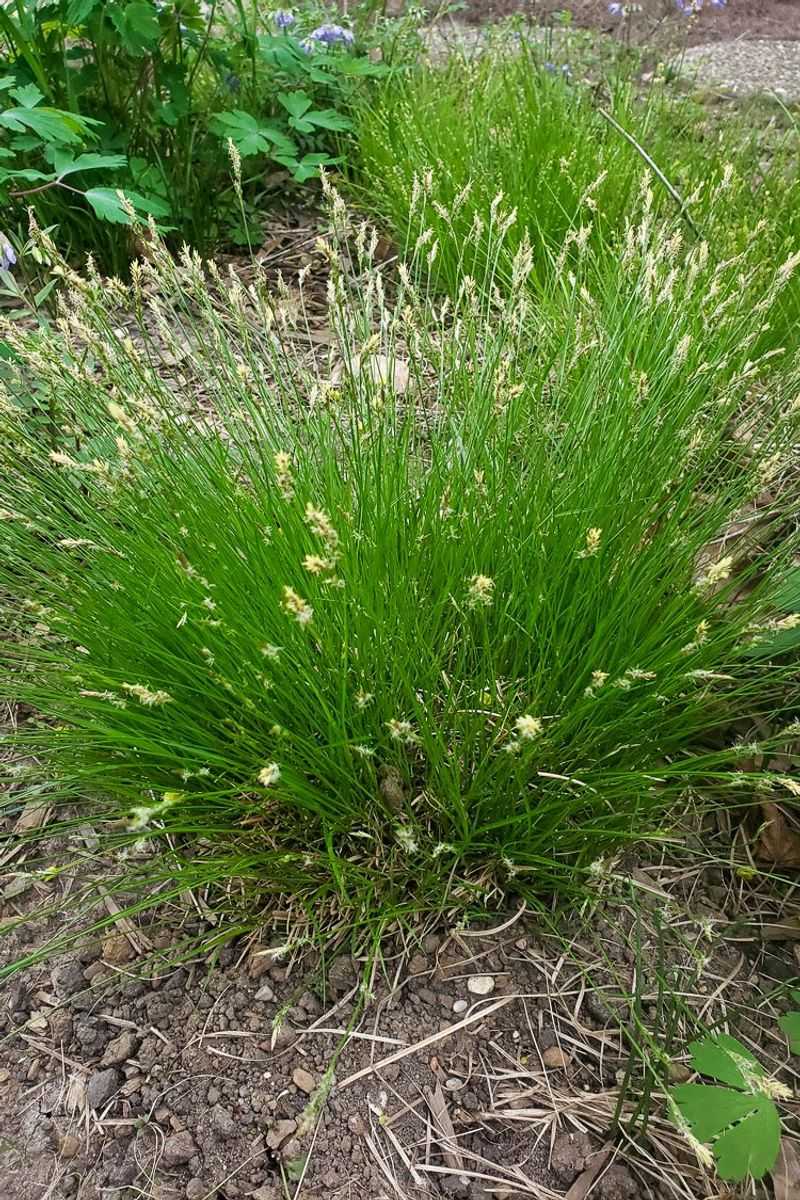
Patience might be the most useful tool in your garden shed. New plants on a slope are a bit like a baby learning to walk. They need support before they can stand on their own.
Watering comes first. For the first season, give new sedge a deep drink about once or twice a week if rain is scarce. Water slowly with a soaker hose or gentle spray so it sinks in instead of running off.
A hard blast from a hose can wash soil away, which is the very thing you are trying to stop. Early morning is the best time to water, since less is lost to heat. By the second year, most sedge needs little extra help.
Next, try not to disturb the soil. Every time you dig, rake, or walk on a slope, you loosen dirt. Plant everything at once if you can, and use stepping stones or a simple path for access.
Mulch helps a lot during this stage. Shredded leaves or shredded hardwood mulch stay in place better than chunky bark nuggets, which can slide downhill.
On steeper spots, biodegradable erosion control blankets made of coconut fiber or jute can hold things together while roots grow.
Drainage problems deserve attention too. Look for places where water pours onto the slope, like a downspout or a driveway edge.
Redirect that flow with a rain barrel, a downspout extension, or a small rain garden at the bottom.
Finally, check your slope after heavy storms. Small ruts are easy to fix early with a bit of soil and a new plug or two. Catch problems fast, and your hillside will reward you with years of steady, green protection.