What A Visiting Armadillo Could Reveal About Your Virginia Yard
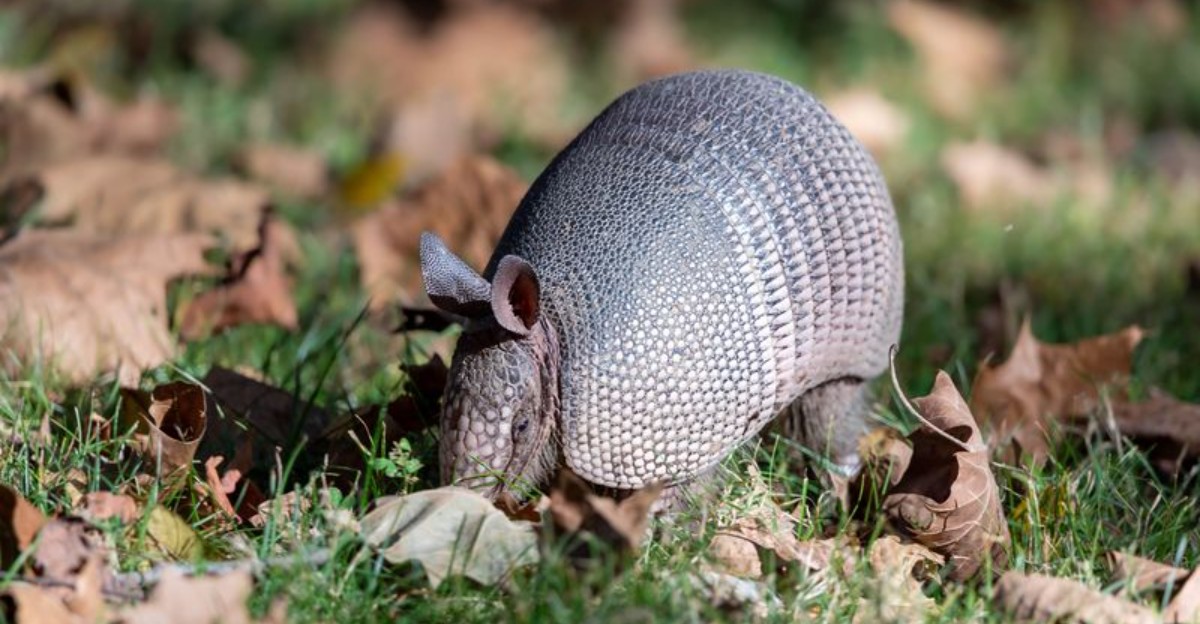
Something has been poking holes in your lawn, and the culprit might be wearing armor. Those small cone-shaped pits can appear overnight, leaving a curious trail across the grass.
After dark, an armadillo may wander through damp grass, sniffing for food. By morning, you may find fresh holes scattered across the lawn.
The digging can reveal more than you might expect. It may show where an armadillo is finding insects and other small prey beneath the soil.
Repeated digging can point to areas with plenty of food. A single visit, though, does not necessarily mean your yard has a problem.
Look at where the holes appear and whether they keep returning. Those clues can help you understand what is happening beneath your Virginia lawn.
Your Soil May Be Full Of Food An Armadillos Can Find
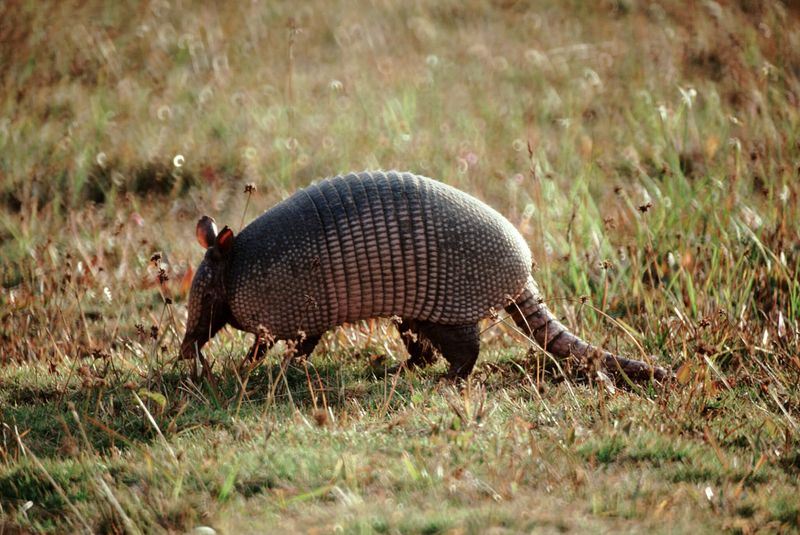
Imagine having a nose so sharp it can smell a beetle grub eight inches underground. Armadillos have exactly that talent, and they use it every single night they forage.
Mostly, these armored diners eat insects and other tiny crawling creatures. Beetles, ants, termites, earthworms, slugs, and snails all make the menu on a good evening.
White grubs rank near the top of their favorite foods list. Grubs are the chunky, C-shaped larvae of scarab beetles, including the Japanese beetles many gardeners dislike.
So when an armadillo spends time in your yard, it is following its stomach. Your soil is likely packed with enough bugs to make the stop worthwhile.
Surprisingly, that can be partly good news. Healthy soil often supports plenty of worms and insects, which means your ground is alive and active.
Earthworms tell part of the story too. Lots of them rising after a rain shows rich, well-fed soil that armadillos adore.
Still, a big grub population can harm grass by chewing on roots below the surface. Brown, spongy patches that peel up like carpet are a common warning sign.
Want a quick check? Cut a one-foot square of turf, fold it back, and count the grubs you spot.
Finding several grubs can signal a population worth checking more closely. Many Virginia lawns see grub activity peak in late summer and early fall.
Armadillos also nibble fruit, seeds, and the odd small frog or lizard. Even so, bugs remain their main reason for visiting, so the soil is where clues begin.
Soft Garden Beds Can Make Digging Much Easier
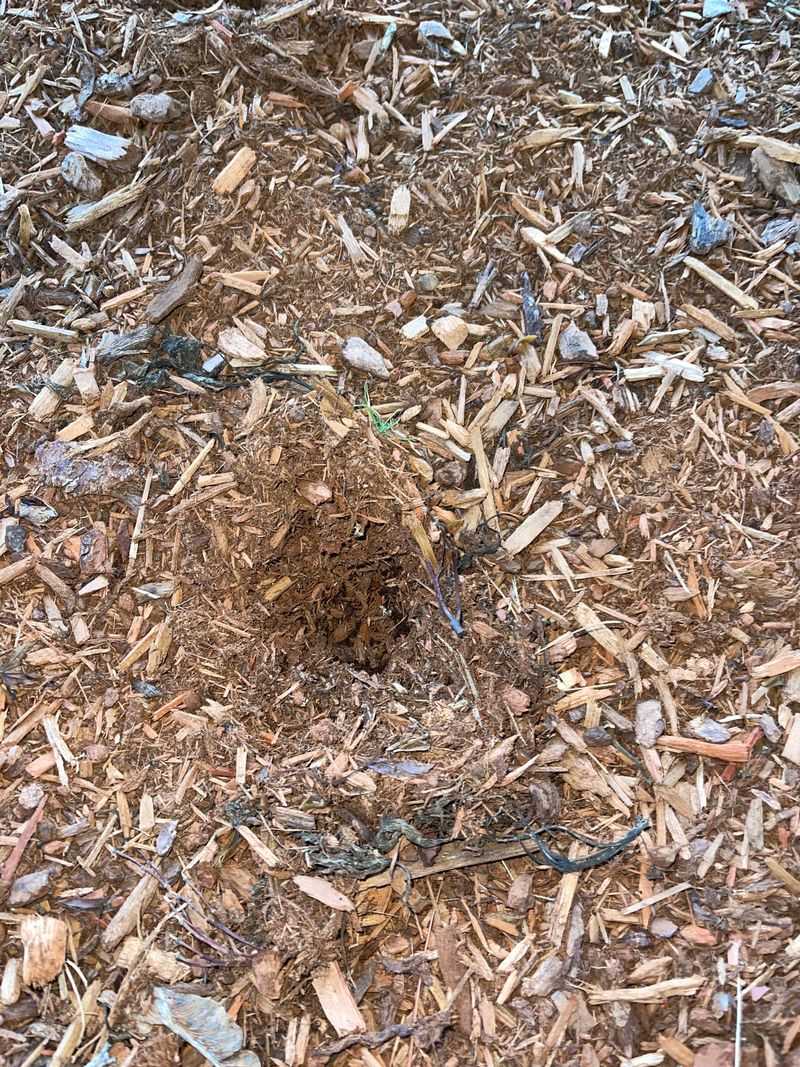
Think of a freshly tilled garden bed as an open buffet with the lid already off. For an armadillo, loose soil means dinner takes far less effort.
Armadillos are powerful diggers with thick, curved claws built for moving earth. They dig for two big reasons, which are finding food and building shelter.
Soft, sandy, or loamy soil can be easier for those claws to work. Heavy clay can be harder to dig, but armadillos may still forage there.
Here is where Virginia gets interesting. Some parts of the state have heavy clay soils, while loose garden beds can be easier for armadillos to dig.
Your Virginia Garden Changes Every Week. Your Plan Should Too.
Gardening in Virginia changes quickly throughout the season. Every Friday you’ll receive a simple weekly plan showing exactly what to plant, prune, fertilize, harvest, and protect so you never miss the right timing.
Freshly mulched flower beds, vegetable plots, and newly planted areas are prime targets. Gardeners often work hard to loosen soil, and armadillos happily enjoy the results.
Feeding holes tend to look like small cones or shallow, messy pits. Most measure about one to three inches deep and three to five inches wide.
Burrows are a different story. A home burrow can be seven to eight inches across and stretch up to 15 feet long.
Want to protect prized beds without giving up soft soil? Try laying hardware cloth or chicken wire just under the mulch around your established plants.
Border fencing about two feet high, buried several inches deep, can also help a lot. Plants still get fluffy soil, while curious claws hit a frustrating barrier.
Seedlings are especially easy to uproot, so cover new plantings first. A few small steps keep your hard work right where it belongs, safely in the ground.
Moist Ground May Offer Better Foraging Conditions
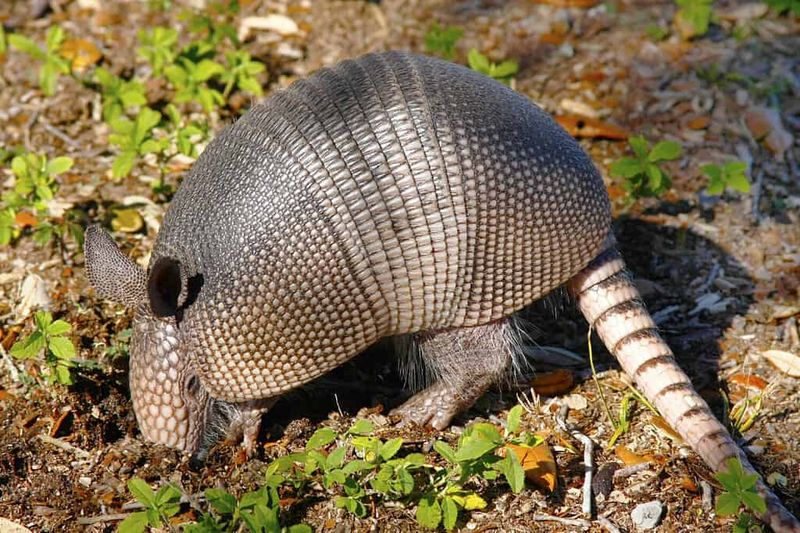
After a soaking summer storm, your whole yard might smell earthy and fresh. To an armadillo, that damp scent practically rings a dinner bell.
Armadillos love warm, wet places, and moisture strongly shapes where they choose to roam. Damp soil keeps worms, grubs, and other tiny critters healthy and close to the surface.
Wet ground is also softer and easier to break apart with claws. Less work for more food is a deal few hungry animals would ever pass up.
Dry spells can shift things too. When nearby woods and fields bake in the heat, a green, watered lawn becomes a very tempting target.
Low spots, drainage ditches, and areas near downspouts often stay moist longer than the rest. Watch those places closely if you notice fresh holes after rainy weeks.
Streams and creeks matter as well. Armadillos can travel long distances and sometimes follow waterways while exploring new territory in southwest Virginia.
One simple step is to avoid unnecessary irrigation and fix areas that stay excessively wet. Keeping the lawn properly watered can also help it tolerate grub-related stress.
Grass roots grow deeper with that routine, so your lawn benefits too. Overwatered turf can contribute to some lawn problems, including certain diseases.
Check sprinkler timers for leaks or zones running far too long. A soggy corner can quietly turn into a busy nightly feeding station.
Fixing drainage problems may help your yard in more ways than one. Puddles fade, mosquitoes lose breeding spots, and armadillos find fewer easy meals waiting.
Leaf Litter Can Hide Insects And Other Food
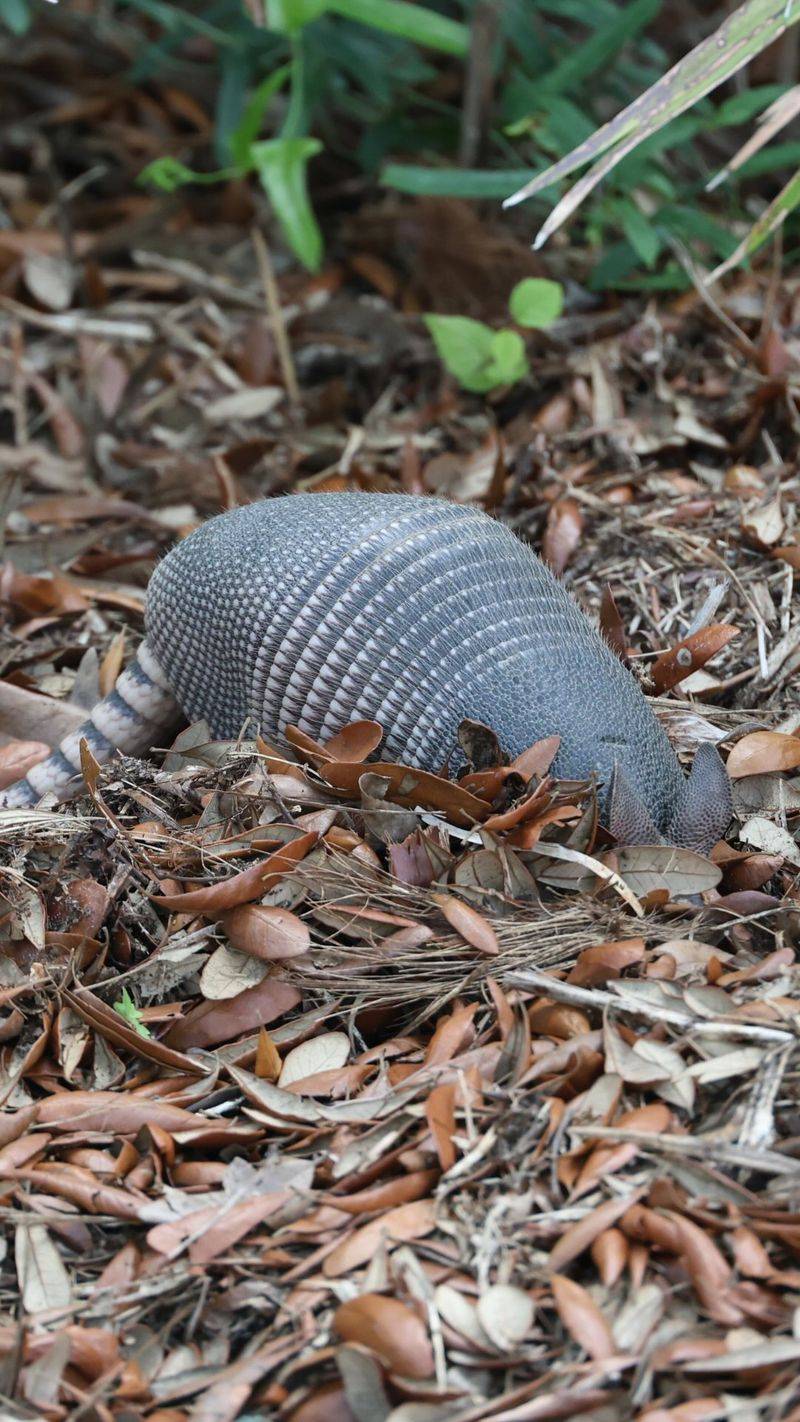
Remember jumping into crunchy leaf piles as a kid? Armadillos enjoy leaves too, though they are far more interested in what hides underneath.
A layer of fallen leaves works like a cozy blanket for insects. Beetles, pill bugs, worms, and spiders shelter there, staying cool and damp through warm days.
Under shade trees, the soil below that layer is often deep and rich. Armadillos root through it with their snouts, sniffing out snacks with impressive accuracy.
Signs of this rummaging are easy to spot. Leaves get shoved aside in messy patches, often with small pits dug into the soil beneath.
Leaves serve another purpose as well. Armadillos carry them into their burrows to build soft nests for resting and raising young.
Fun fact: armadillos usually give birth to four identical babies from a single egg. Those little ones need a snug leaf bed, so leafy areas can support a whole family.
Leaf litter is still great for gardens and pollinators, so there is no need to rake everything. Many gardeners leave leaves to protect overwintering butterflies, bees, and fireflies.
Instead, try moving thick piles away from the house and foundation. Shred leaves with a mower and spread a thinner layer across beds where they break down faster.
Keeping leaf zones toward the back of the yard also helps. Any rooting that happens stays far from the patio, walkway, and prized flower borders.
Think of it as sharing space rather than winning a battle. Wildlife gets its hideouts, and your favorite spots stay neat and tidy.
Dense Groundcover Gives Wildlife More Places To Explore
To a wandering armadillo, a thick patch of ivy looks like an unexplored jungle. Shade, shelter, and snacks all wait inside, hidden from owls, dogs, and nosy neighbors.
Armadillos favor dense, shady cover such as brush, woodlands, and forest edges. Overgrown corners of a yard can feel surprisingly similar to that natural habitat.
Groundcovers like English ivy, pachysandra, and vinca form tangled mats close to the soil. Moisture stays trapped below, and insects thrive in the cool, dim space.
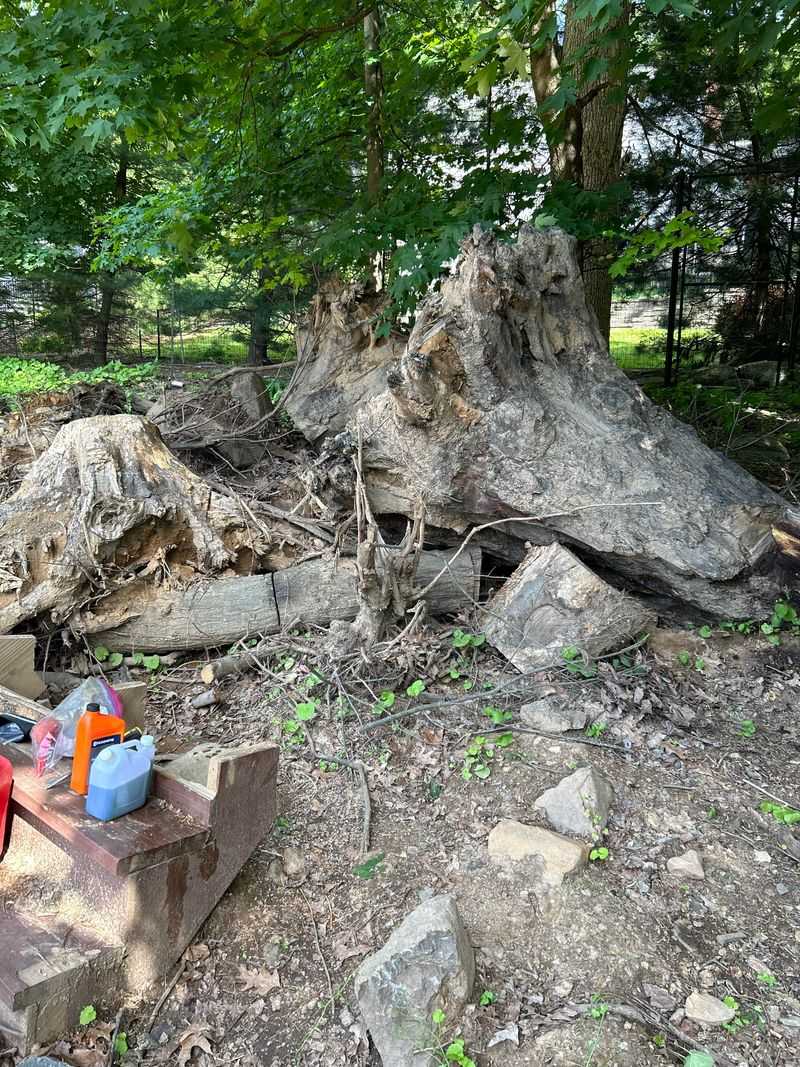
Brush piles, old stumps, and thick shrubs are even bigger draws. Armadillos often tuck their burrows beneath them, where the entrance stays hidden and protected.
Keep an eye out for round openings about seven or eight inches wide. Loose dirt fanned out near a stump or shrub base is another telltale clue.
Across rural and suburban areas, many yards back right up to woods. Shady edges like those make natural travel lanes for armadillos exploring new ground.
Trimming groundcover back a few feet from the house is a smart first step. A clear strip near foundations makes burrowing there less appealing and easier to monitor.
Clearing old brush piles and grinding down stumps can also help. Fewer hiding spots mean fewer reasons to settle in for the long haul.
You do not have to strip the yard bare, though. Native groundcovers still help birds and pollinators, so thin them rather than tearing them out.
Balance is the goal here. A yard with open views and tidy edges feels less like a hideout and more like a lawn.
A Compost Area Can Draw Insects And Other Small Creatures
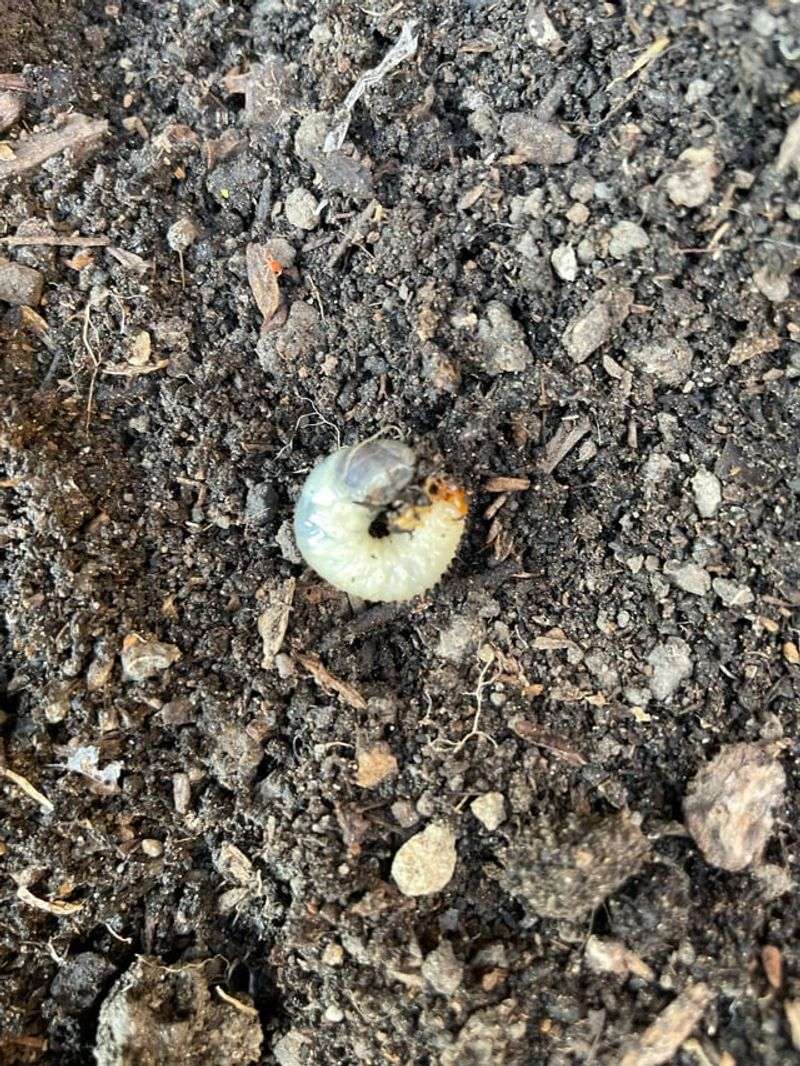
Your compost pile is basically a five-star restaurant for bugs. Word travels fast in the insect world, and armadillos are happy to crash the party.
Rotting fruit peels, coffee grounds, and grass clippings create warm, rich, crumbly material. Worms, grubs, beetles, and pill bugs move in quickly to feast on the buffet.
Guess who likes eating worms, grubs, and beetles? Right, the same armored guest now digging at the base of your bin.
Open piles on bare ground are the easiest to raid. Armadillos can scatter scraps, tunnel along the edges, and leave a mess by sunrise.
Nobody needs to give up composting over this, thankfully. A few smart tweaks can keep the pile productive while making it harder to reach.
Enclosed tumblers or bins with solid sides work well. Placing hardware cloth under a bin blocks sneaky diggers from tunneling in from below.
Location matters too. Setting compost away from garden beds and the house keeps any digging far from spots you care about.
Turning the pile regularly adds air and speeds up breakdown. Hot, active compost holds fewer lingering grubs than a cool pile left alone for months.
Skip meat, dairy, and greasy scraps in any outdoor pile. Such items attract raccoons, opossums, and other night visitors along with armadillos.
Honestly, a busy compost bin is a sign you are doing something right. Healthy decomposers build healthy soil, so a little protection lets everyone win.
Keep a flashlight handy some evening and peek outside quietly. You may catch the whole compost crowd working away in the moonlight.
Repeated Digging May Point To A Reliable Food Source
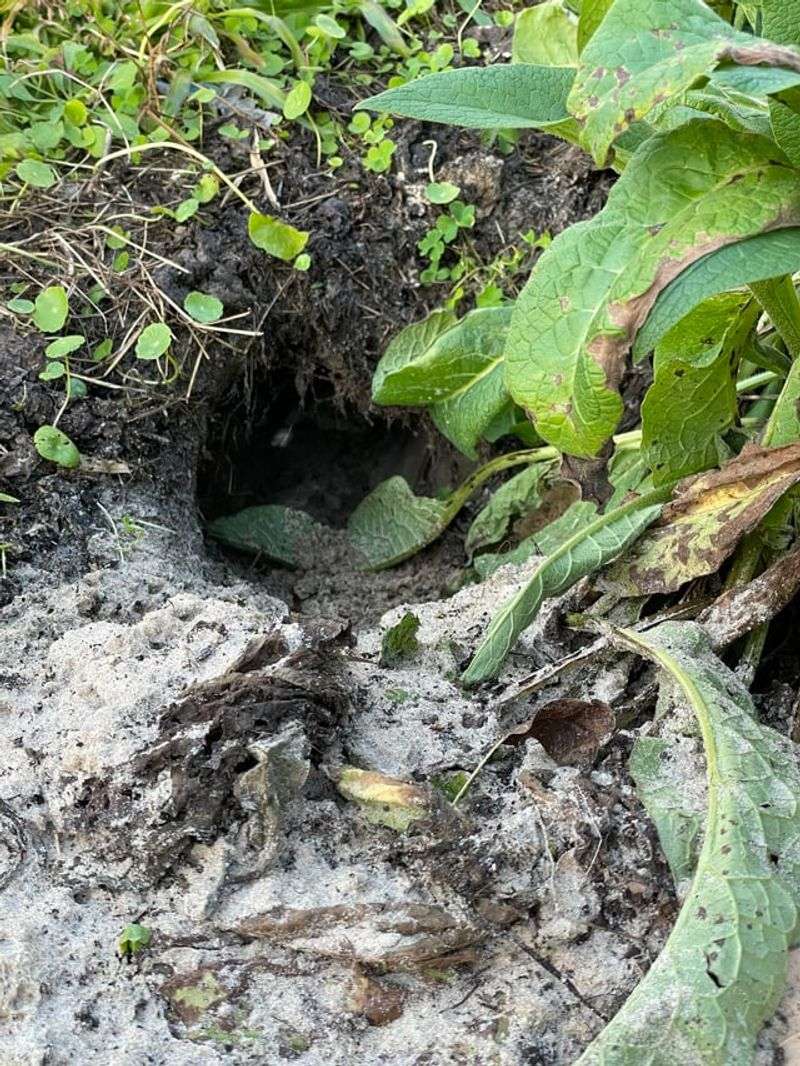
One hole is a mystery, but a dozen fresh holes every morning is a pattern. Patterns like that usually mean an armadillo has found a spot worth remembering.
Armadillos do not store food for later. They must forage every night, so they return to places that reliably fill their bellies.
Once they discover a steady supply of grubs or worms, they tend to stick around. Holes multiply in the same area, especially across lawns with heavy grub activity.
Grab a notebook and play detective for a week. Jot down where new holes appear and whether they cluster in sunny turf, shady beds, or damp corners.
Fresh holes have dark, moist soil and crisp edges. Older ones look dry, crumbly, and faded, which helps you track recent activity.
Cone-shaped pits one to three inches deep point to feeding rather than nesting. Larger openings with piled dirt suggest a burrow, which is a more serious situation.
Clusters near foundations, sidewalks, or driveways deserve quick attention. Extensive burrowing under structures can weaken soil and potentially cause damage over time.
Tackling the food source is often the most lasting solution. Managing a confirmed grub problem at the right time of year can reduce one food source that may attract armadillos.
Many Virginia extension offices can help identify grub species and suggest timing for treatment. Local advice matters, since pests and seasons shift across the state.
Patience helps as well. Food supplies take a few weeks to drop, so digging may continue briefly before it fades.
Keep notes going the whole time. Fewer fresh holes each week is solid proof your plan is working.
A Single Visit Does Not Mean You Have An Armadillo Problem
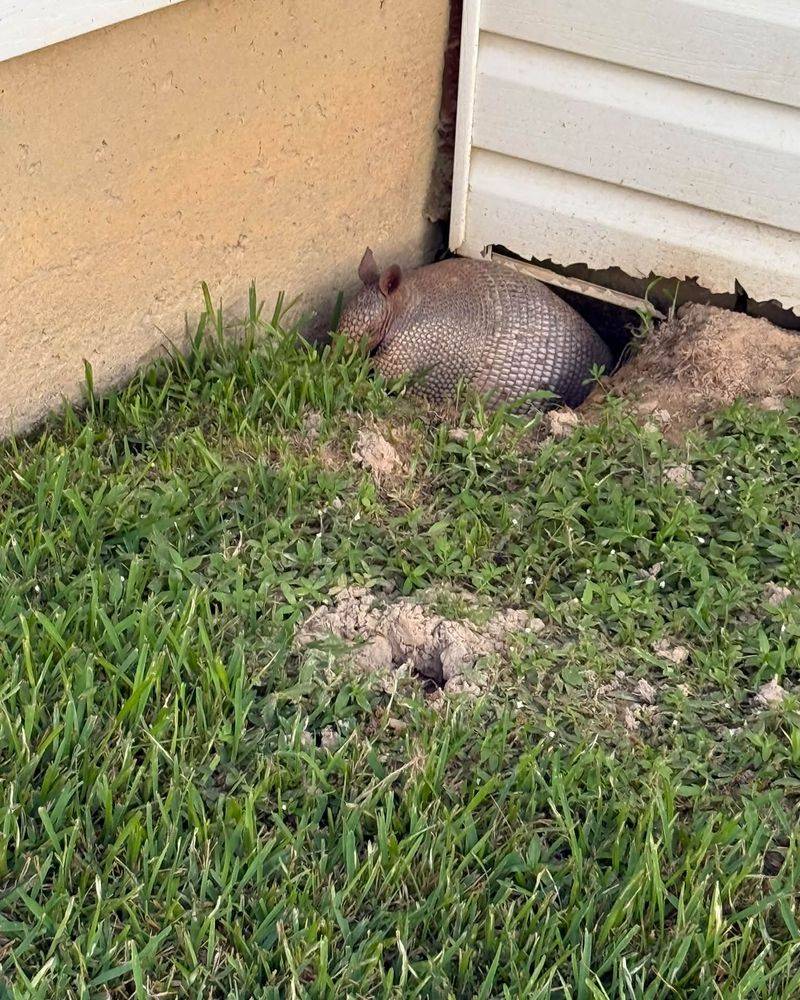
Spotting an armadillo trotting across your driveway on a warm evening can feel like a shock. Take a breath, because one sighting rarely signals a long-term problem.
Armadillos are mostly loners that forage on their own. Many visit an area for a few nights, grab some snacks, and then wander off elsewhere.
Males tend to roam farther than females, especially during warmer months. A single visitor could simply be an explorer passing through on a long journey.
Armadillos are still relatively new and uncommon in Virginia, with the state’s established population concentrated in the far southwest. Seeing one is a bit of local wildlife history happening right in your yard.
They also do some helpful work. Armadillos eat plenty of unwanted insects, including grubs, termites, and other pests gardeners grumble about.
Watch and wait for a week or two before taking any big action. Quick fixes include cutting back on watering and managing grubs so the buffet closes early.
Please avoid handling armadillos with bare hands. Like many wild animals, they can carry germs, so observing from a distance is the safest choice.
If holes keep spreading or a burrow shows up near your foundation, it is time to act. Sturdy fencing buried several inches deep can keep a determined digger out.
Persistent visitors may call for a licensed wildlife professional. Experts can safely handle removal and follow the wildlife rules in your area.
Most of the time, though, your armored guest is just passing by. Enjoy the rare glimpse, fix the easy attractions, and let your yard tell its story.