Don’t Make These 7 Crape Myrtle Mistakes In Your Virginia Yard This September

Your crape myrtle has spent months putting on a show, but September is not the time to keep pushing it.
As Virginia’s temperatures start to cool, the tree enters a slower phase, and some fall habits can work against it. Late pruning, extra fertilizer, or overly wet soil can cause problems as it prepares for colder weather.
This is also when the tree starts putting less energy into new growth and more into winding down for the season. What you do now can either support that natural transition or make it harder for the tree to adjust.
Avoiding these mistakes is simple. A few small changes to your September routine can help your crape myrtle stay healthy through fall and be ready to put on another strong display next summer.
1. Pruning Crape Myrtles Too Late In The Growing Season
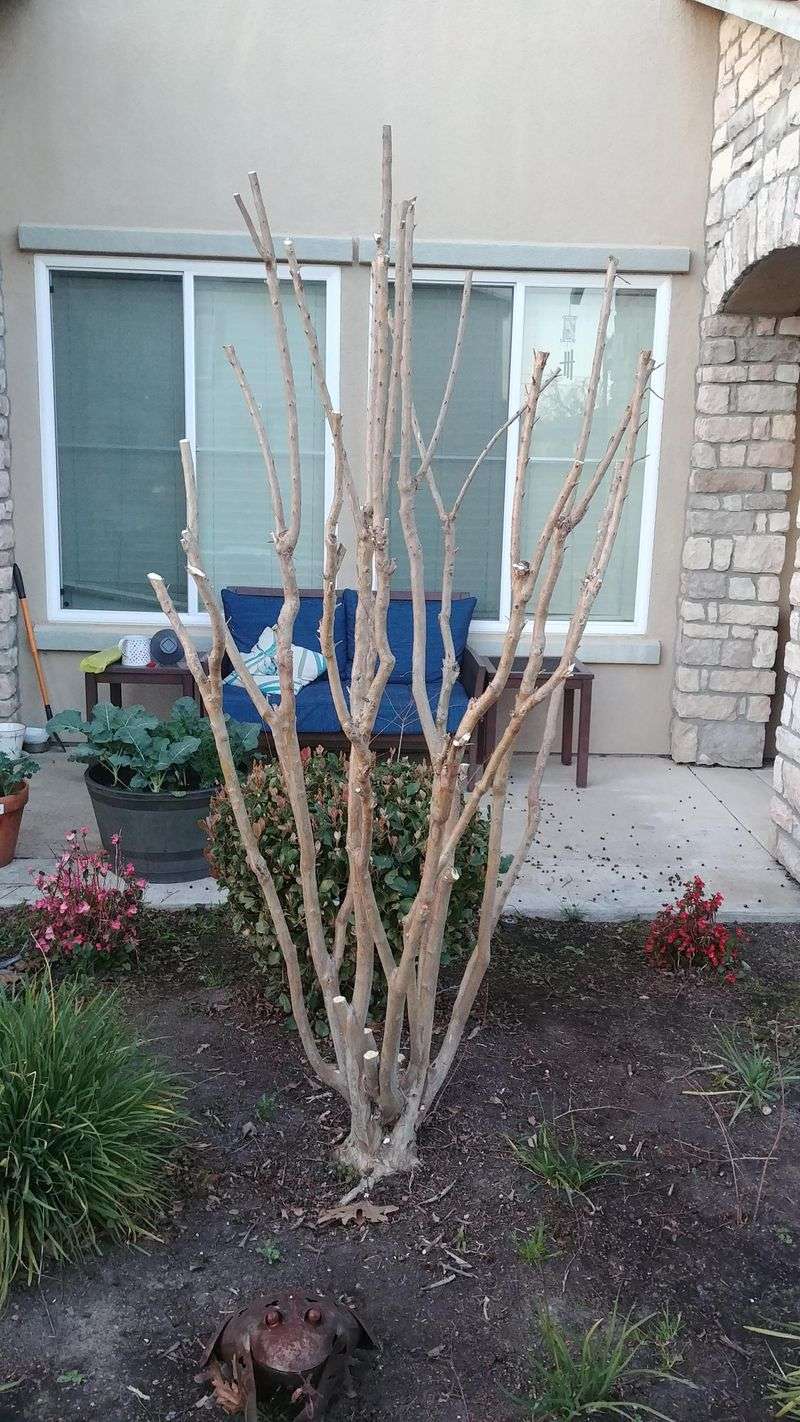
Those pruners feel awfully tempting once the blooms start looking tired. Resist them, because September cuts send the wrong message to your tree.
Every snip tells the crape myrtle to push out fresh shoots. That new growth is soft, green, and nowhere near ready for a cold snap.
Tender shoots need weeks to harden off before temperatures drop. Cut now, and they simply run out of time.
Late-season pruning can stimulate new growth that may not harden before winter, and removing healthy branches also reduces the wood available for next year’s flowering.
Removing healthy branches in fall also reduces the plant’s canopy without giving you a good reason to prune, while fresh regrowth may remain vulnerable to cold.
So when should you prune? Late winter through early spring is the sweet spot, and in eastern Virginia that usually means February into early March.
Timing works because crape myrtles bloom on new wood. Prune just before growth starts, and every fresh stem becomes a flower factory.
Mark your calendar now while the thought is fresh. Write down which branches look crowded so you are not guessing five months from now.
Routine shaping should wait, but broken, diseased, or hazardous branches can be removed when necessary.
Keep those cuts small and targeted. You are tidying, not reshaping the whole canopy.
Park the loppers in the shed and enjoy the tree as it is. Your patience pays off in blooms.
2. Pushing New Growth With Too Much Fall Fertilizer
Fertilizer feels like kindness. In September, it mostly creates confusion for a tree that is trying to head toward rest.
Nitrogen shouts grow, and crape myrtles listen. The result is a flush of soft leaves right when the plant should be storing energy instead.
That late push keeps wood from hardening properly. Come the first hard freeze, soft tissue takes the hit.
Too much nitrogen causes another headache even in the growing season. You get plenty of leaves and noticeably fewer flowers, which is the opposite of the goal.
Pests notice as well. Heavy nitrogen feeding has been linked to bigger populations of crape myrtle bark scale, that cottony white nuisance on trunks and limbs.
Your Virginia Garden Changes Every Week. Your Plan Should Too.
Gardening in Virginia changes quickly throughout the season. Every Friday you’ll receive a simple weekly plan showing exactly what to plant, prune, fertilize, harvest, and protect so you never miss the right timing.
Early spring is the smarter window. If a soil test shows that an established tree needs fertilizer, apply the recommended amount in early spring according to the product directions.
Young plants are a little different. Young plants may need supplemental nutrients if soil tests indicate a deficiency, but avoid routine late-season feeding as fall approaches.
If you already fertilized in August, no need to panic. Simply hold off on anything more and let the plant coast.
Skip the lawn food near the root zone too. Broadcast nitrogen for turf often drifts into tree roots and undoes your restraint.
Think of September as the quiet part of the year. The best thing you can offer your crape myrtle right now is nothing at all.
3. Watering Too Often As Cooler Weather Approaches

Habits are sneaky. If you have been dragging the hose out every other evening since June, September is the month to break the routine.
Cooler nights and shorter days mean your crape myrtle drinks far less. Its water needs drop noticeably as dormancy approaches.
As temperatures cool, water demand falls, so you can gradually stretch the intervals between watering. Keep the root zone from becoming excessively dry, especially during prolonged fall drought.
Soggy soil brings its own problems. Roots sitting in constant moisture can develop rot, and the damage often shows up long before you spot a cause.
Watch the leaves for clues. Pale new foliage that seems to stall out and stay small is a classic overwatering signal, along with a thinner bloom count.
For established trees, a deep slow soak once a week handles summer dry spells. Autumn calls for stretching those intervals out.
Check the soil instead of the calendar. Push a finger a couple inches down, and water only when it feels dry rather than cool and damp.
Aim at the ground, not the canopy. Wet leaves invite fungal trouble, so keep the water low around the base.
Newly planted trees still need attention through fall. They have small root systems, so give them a moderate drink during long dry stretches until the ground freezes.
Morning watering works best. The soil absorbs it and any splashed foliage dries quickly.
4. Ignoring Powdery Mildew On Leaves And Branches
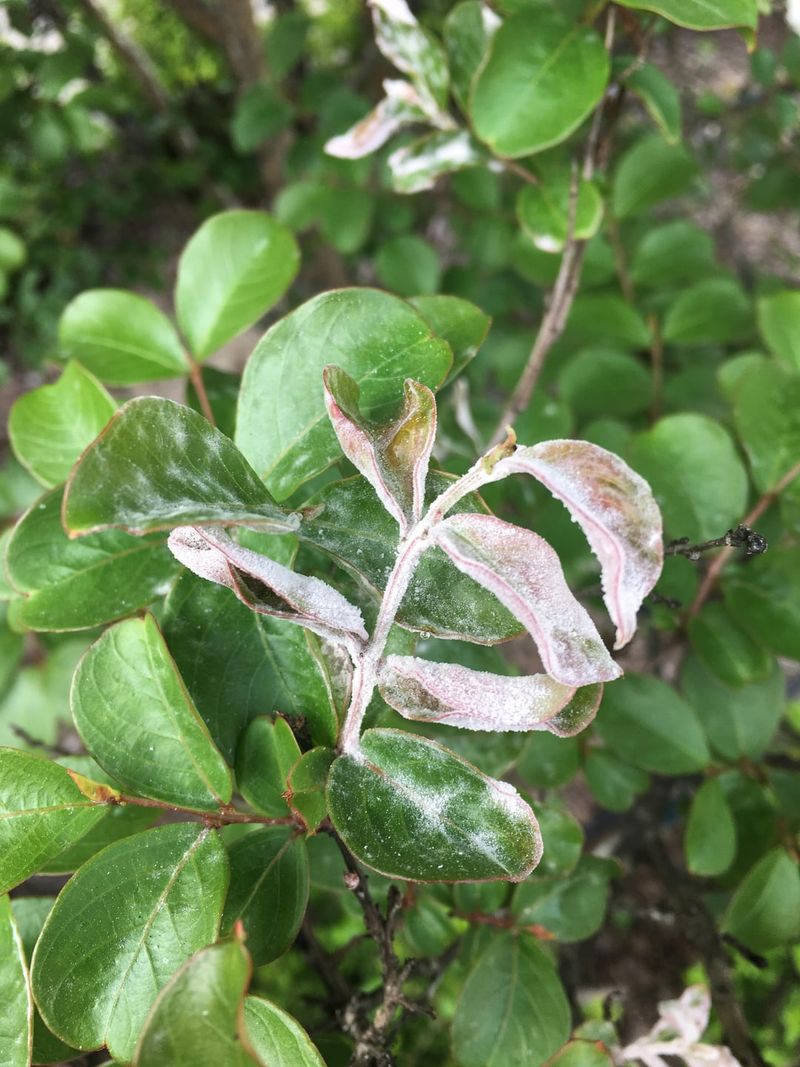
White fuzz on your crape myrtle leaves is not dust from the driveway. Powdery mildew has arrived, and September is prime time for it.
The fungus shows up as pale gray or white patches on leaves, shoots, and even flower buds. Affected leaves often twist, stay small, or drop early.
Here is the strange part. Powdery mildew does not need rain or soaking wet leaves to spread, which sets it apart from most plant fungi.
Humid nights paired with mild, fairly dry days create ideal conditions. Virginia serves that combination up regularly in both spring and fall.
An established, healthy tree usually survives an outbreak just fine. Repeated infections, though, drain its vigor and can stop buds from ever opening.
Young trees and older, susceptible varieties feel it most. They may shed leaves weeks ahead of schedule.
Start with airflow. Thinning crowded interior twigs in late winter lets breezes move through, and full sun exposure discourages the fungus from settling in.
Remove the worst offenders now. Snip off badly infected suckers and shoots, then bag them rather than tossing them on the compost pile.
Easy on the nitrogen too, since lush soft growth is exactly what mildew prefers.
Fungicides work when infections turn severe, and early application gives the best results. Follow the label instructions closely.
Planting a resistant variety next time saves you the whole argument. Many modern selections shrug mildew off.
5. Leaving Fallen Leaves And Debris Around The Base
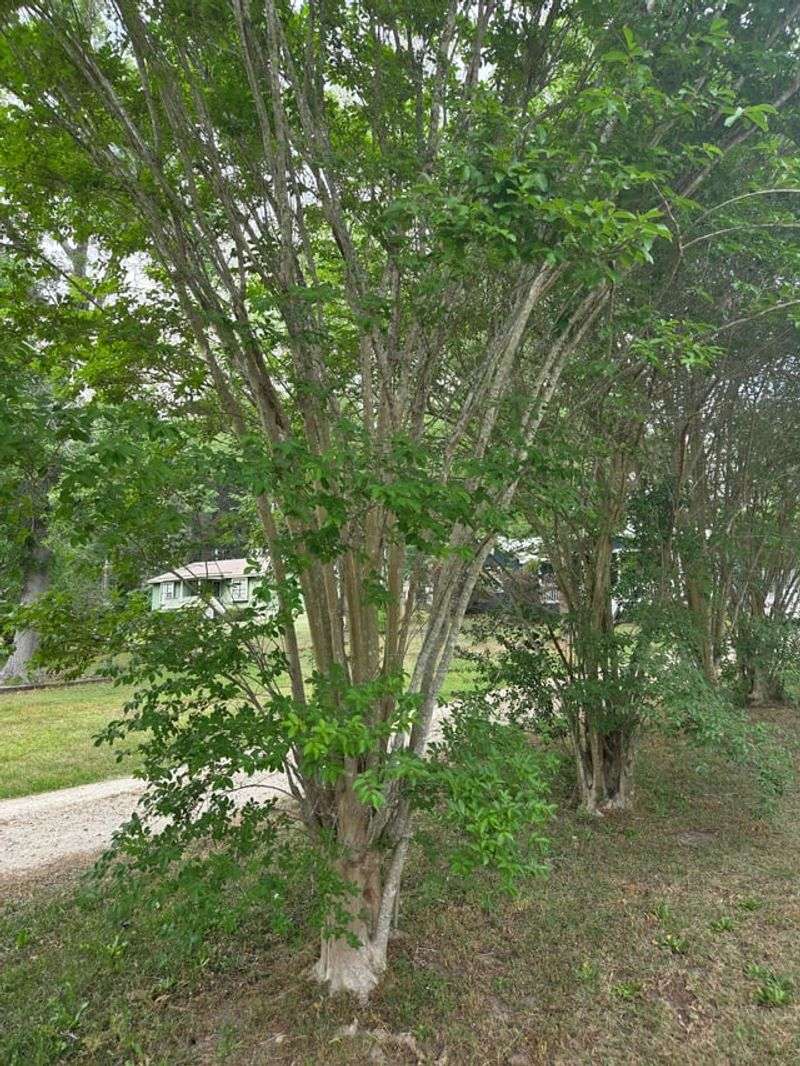
A pile of spent blooms and curled leaves at the trunk looks harmless. Underneath, it can turn into a hotel for spores and insects.
Removing diseased leaves and other plant debris can reduce sources of some fungal diseases and help keep the area around the tree clean. Sweep it up, and you cut down what greets you next spring.
Pay extra attention to leaves that show spots, blotches, or white film. Those belong in a yard waste bag rather than back under the tree.
Fallen twigs and broken branches deserve the same treatment. Tidy ground around the base is part of good pruning practice, not just good looks.
Mulch, on the other hand, is your friend. A layer roughly two to three inches deep holds soil moisture, evens out temperature swings, and shields roots from winter cold.
Spread it out toward the drip line rather than piling it in a narrow ring. Roots reach farther than most gardeners expect.
Leave a gap at the trunk. Keeping mulch a few inches back prevents the bark from staying damp, which invites rot and hungry rodents.
Volcano-shaped mounds against the trunk cause real harm. Flat and wide is the shape you want.
Shredded bark, pine fines, or chopped leaves all work well. Chopped material breaks down faster and feeds the soil as it goes.
Ten minutes with a rake buys you a cleaner, healthier start. Few garden chores pay back that quickly.
6. Cutting Back Healthy Growth Before Winter

Gardeners have a nickname for chopping crape myrtles down to stubs, and it is not flattering. Topping a healthy tree in fall does real damage.
Those heavy cuts wake the plant up instead of letting it rest. Fresh tender shoots appear just in time to meet frost.
Removing sound branches also strips away the growth that normally shelters the tree during freezing weather. The plant faces winter with less protection.
Then there is the bloom math. Crape myrtles flower on new wood, so cutting healthy stems in fall removes growth that could produce next summer’s flowering shoots.
Bark suffers too. Repeated hard pruning can detract from the tree’s natural form and reduce the visibility of the mature exfoliating bark that makes many cultivars attractive in winter.
Large stub cuts heal slowly and unevenly. Open wounds give disease an easy entrance.
The shape rarely improves either. Knobby fists form at the cut points, and the new shoots grow spindly and flop under the weight of blooms.
If your tree feels too big for its spot, the honest fix is a smaller variety. Dwarf and mid-size selections thrive across Virginia and stay in bounds naturally.
Limit September work to problem wood. Broken, diseased, or crossing branches can come out any time without hurting the plant.
Save shaping for late winter. Your tree will reward the wait with better bark, stronger limbs, and heavier flowering.
7. Forgetting To Check Young Trees For Winter Stress
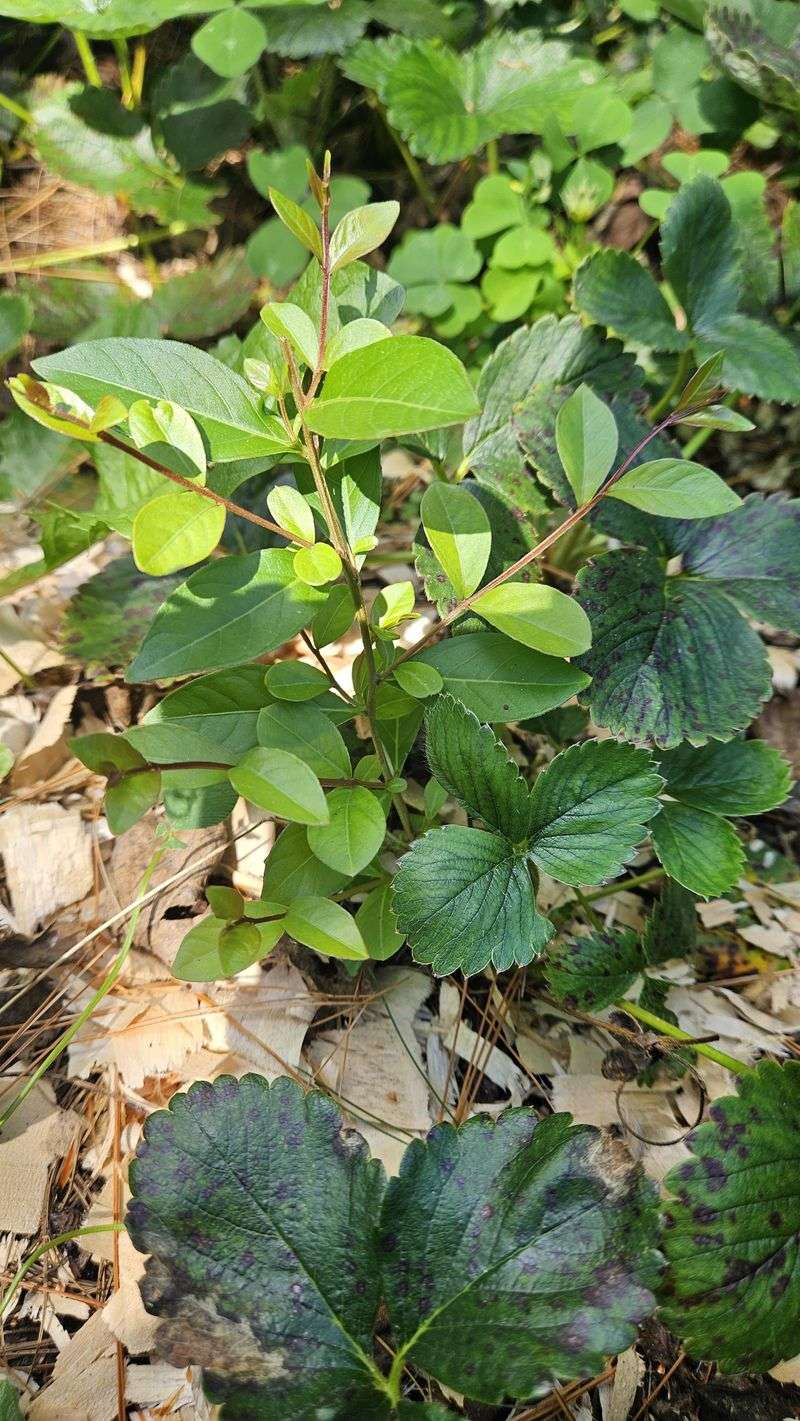
A first-year crape myrtle is a bit like a new student. It has the potential, but it has not toughened up yet.
Crape myrtle hardiness varies considerably by cultivar. Some selections can tolerate parts of Zone 6, while others are better suited to Zones 7 through 9, so choose a cultivar appropriate for your part of Virginia.
Still, young trees carry small root systems and thin bark. Cold snaps hit them harder than they hit a mature specimen down the street.
Variety choice matters most, so check the hardiness rating before you plant, especially in the cooler western parts of the state.
September is a good time to walk out and look things over. Note whether the trunk is sturdy, the roots are settled, and the soil is holding moisture.
When unusually cold weather is forecast, wrap trees a year old or younger loosely in burlap. Take the wrap off in early spring so the plant can breathe and grow.
Mulch is the other easy win. Apply about two to three inches of organic mulch over the root zone, keeping it several inches away from the trunk.
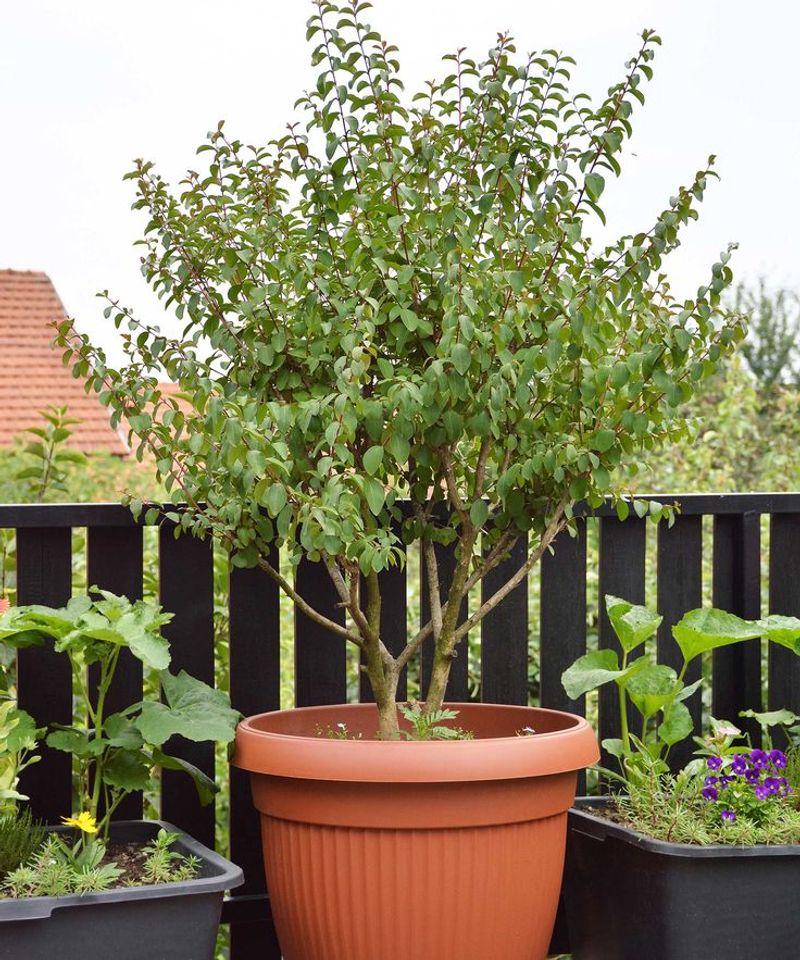
Container-grown crape myrtles need a different plan. Moving pots into an unheated garage or enclosed porch protects roots from freezing solid.
Keep that potted soil lightly moist through dormancy. Bone-dry roots struggle even when temperatures are mild.
Check in once a month over winter. Small adjustments now prevent big disappointments in May.