The Virginia Ornamental Grasses Showing Off Their Best Fall Color Right Now
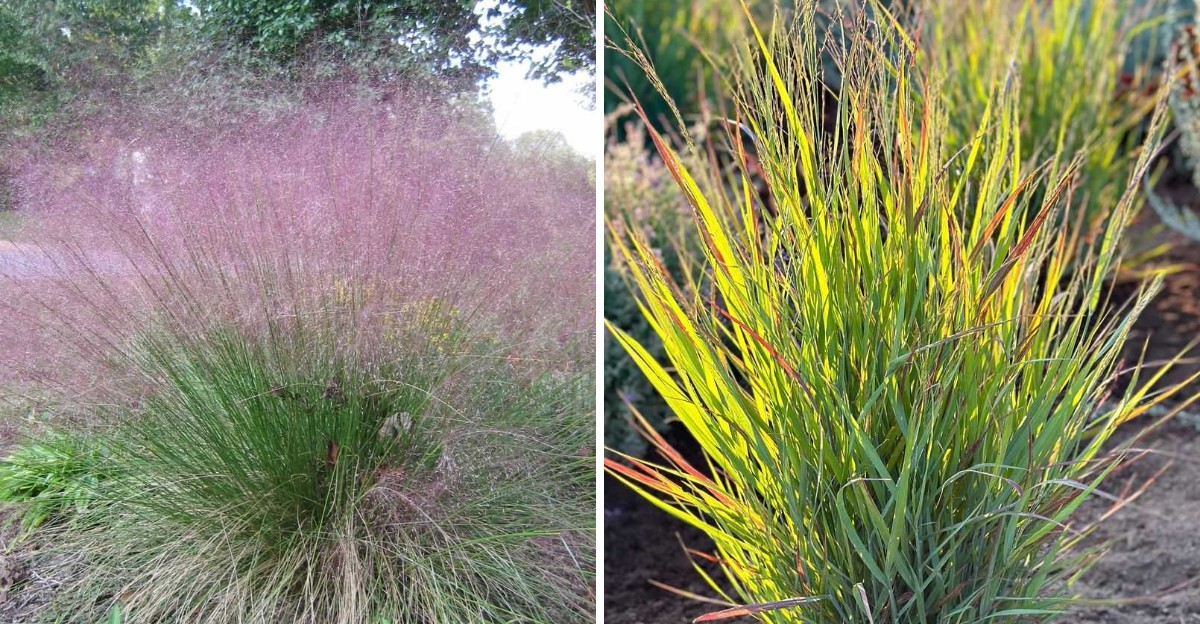
Walk past a sunny Virginia meadow in October, and the grasses seem to glow like embers. Copper, ruby, gold, and soft pink ripple in the breeze while the maples get all the attention.
Ornamental grasses are the quiet stars of the autumn garden. They rustle, sway, and catch the low evening light in ways flowers rarely can.
Best of all, many are native plants that can handle challenging conditions once established. Some turn fiery red, while others fade into warm honey tones or cotton candy clouds.
A few can even thrive in shady corners where most color gives up by September. If your yard looks tired this time of year, the right grass can wake it right up.
1. Little Bluestem Brings Red And Blue Fall Foliage
Picture a clump of grass that looks blue in July and blushes red by Halloween. Little Bluestem pulls off that trick every year in Virginia yards.
Known to botanists as Schizachyrium scoparium, it is a warm-season bunchgrass native to our state. Clumps usually stand 1.5 to 4 feet tall with a neat, upright shape.
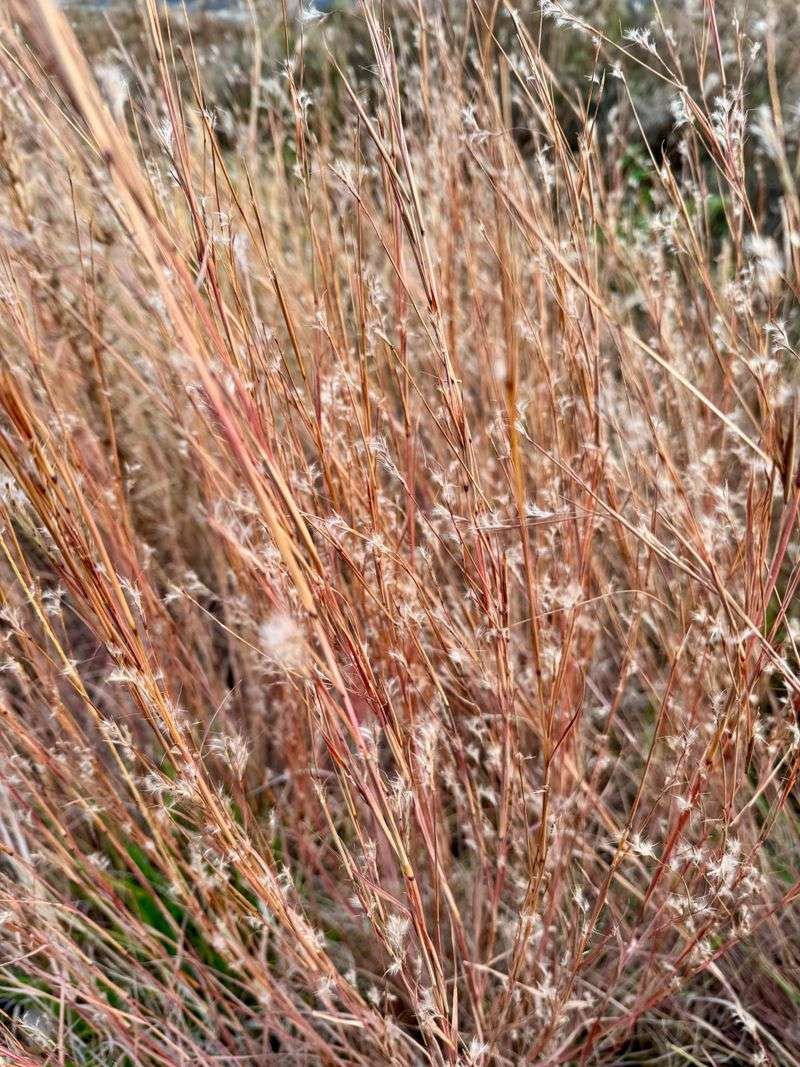
Summer foliage starts out a cool blue-green that pairs nicely with purple coneflowers. Once nights turn crisp, the blades shift to mahogany, copper-orange, and deep burgundy.
Fuzzy, silvery-white seed heads show up at the same time and sparkle when backlit by sunrise. They hang on through winter, giving goldfinches and sparrows a handy snack.
Here is the surprising part about getting the best color. Lean, poor soil usually produces brighter reds and a sturdier, more upright form.
Skip the fertilizer and resist the urge to water often once plants are settled. Rich, soggy conditions tend to make clumps flop open like a tired paperback.
Full sun gives little bluestem its best growth and color. Sand, loam, or heavy clay all suit it, which makes it a great pick for new builds.
Heat, humidity, and summer drought barely slow it down. Try planting it in groups of five or more for a rolling wave of autumn fire.
Cut clumps back to about 4 inches in late winter, just before new shoots appear. Leaving them standing until then protects the crowns and feeds the birds.
Want a named variety? Look for ‘The Blues’ or ‘Standing Ovation’ for extra color and stiffer stems.
2. Switchgrass Adds Warm Color And Airy Seed Heads
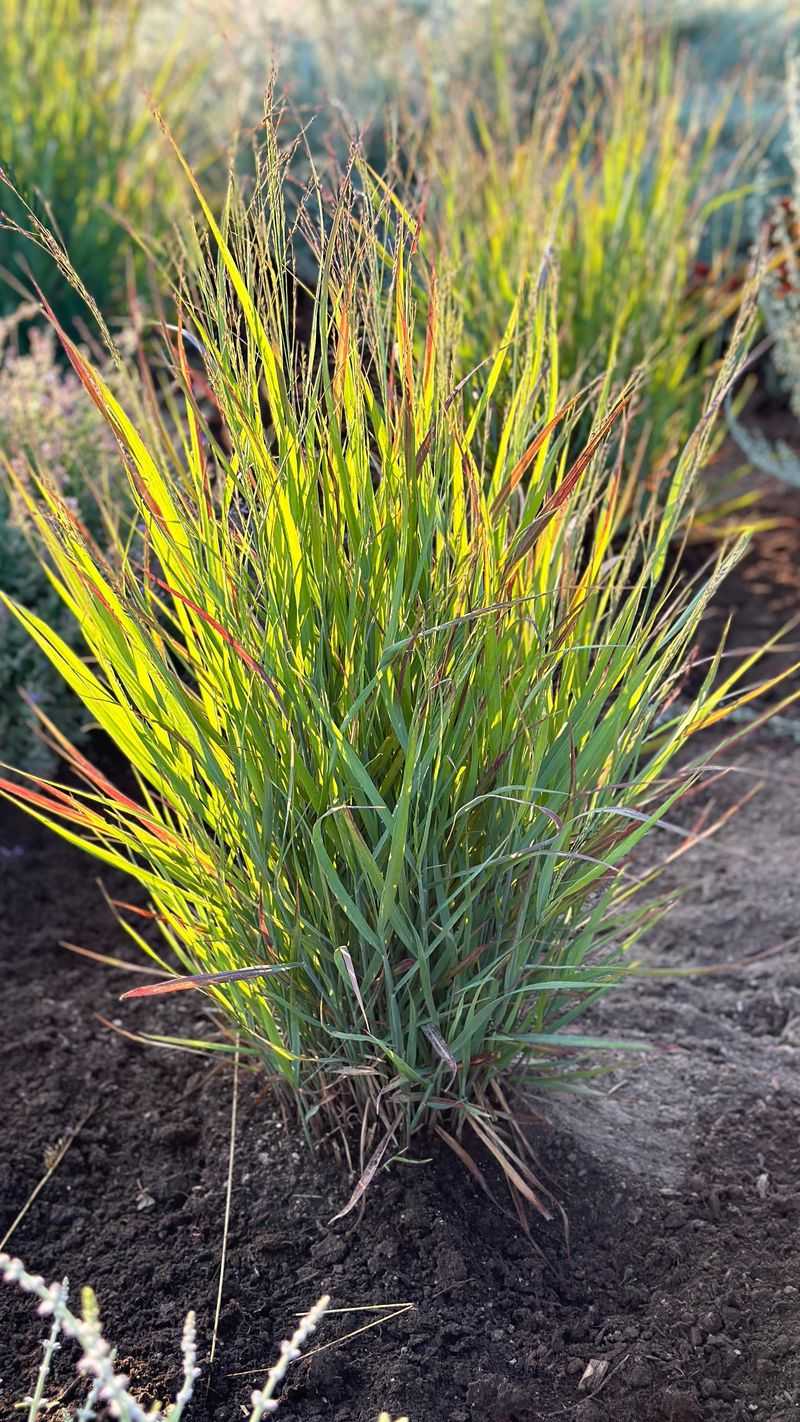
Some grasses quietly whisper, but Switchgrass would rather make a grand entrance. By October, its leaves glow in shades of gold, amber, and warm straw.
Panicum virgatum is a clump-forming native that once covered open fields across Virginia. Depending on the type, plants reach anywhere from 3 to 10 feet tall.
Midsummer brings airy, reddish-pink flower sprays that float above the foliage like a light mist. Those blooms slowly ripen into soft tan seed heads by fall.
Craving something a little bolder than gold? The cultivar ‘Shenandoah’ turns deep burgundy and ruby red, often starting in late summer.
Other popular picks include ‘Northwind’ for a tidy, pillar-like shape and ‘Heavy Metal’ for steely blue leaves. Both fade to buttery yellow as the season cools.
Your Virginia Garden Changes Every Week. Your Plan Should Too.
Gardening in Virginia changes quickly throughout the season. Every Friday you’ll receive a simple weekly plan showing exactly what to plant, prune, fertilize, harvest, and protect so you never miss the right timing.
Switchgrass performs best in full sun. It handles a range of soil moisture, from moderately dry sites to damp areas, when planted in suitable conditions.
Because of that toughness, it works well as a living screen along a property line. A row of tall types can hide a fence or air conditioner by late summer.
Give each plant room, since mature clumps can spread 2 to 3 feet wide. Crowding them leads to poor airflow and floppy stems after heavy rain.
Switchgrass develops a deep root system that helps it handle periods of drought once established. No wonder it shrugs off August droughts that leave lawns crunchy and brown.
Wait until late February or early March to trim it down. The standing stems look lovely with frost and give small birds a cozy hideout.
3. Pink Muhly Grass Puts On A Showy Late-Season Display
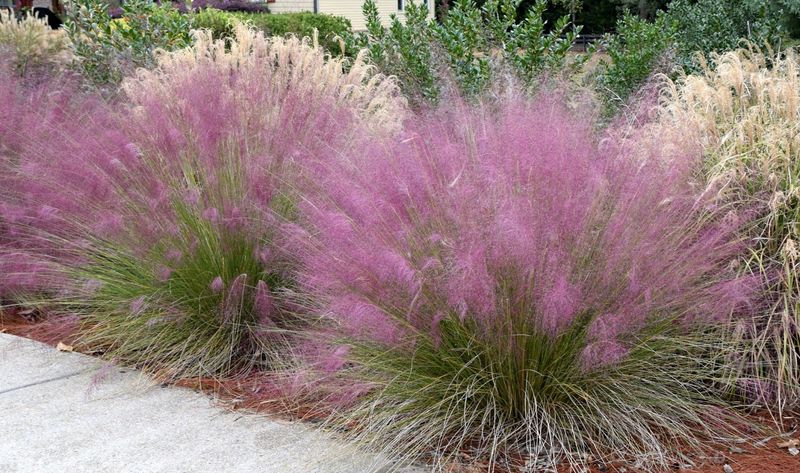
Ever seen a garden bed that looks like a county fair cotton candy stand? Pink Muhly Grass creates that dreamy haze every September and October.
Muhlenbergia capillaris spends most of summer as a quiet mound of thin green blades. Then, almost overnight, clouds of pink to mauve flowers billow up above the foliage.
Sunlight is the secret ingredient for the full effect. Plant it where morning or late afternoon light can shine through the plumes from behind.
Clumps usually reach about 3 feet tall and wide, with flowers adding a bit more height. As weeks pass, the leaves pick up a coppery tint before settling into golden brown.
Drainage matters more than anything else with this grass. Sandy or rocky soil suits it best, and low fertility keeps it happy.
Gardeners with heavy red clay can still succeed by planting on a slope or raised mound. Mixing in fine gravel also helps water drain away from the crown in winter.
Deer tend to leave it alone, which is a relief in many suburbs. Summer drought rarely bothers it once roots settle in after the first year.
For a jaw-dropping look, plant a drift of seven or more along a walkway or driveway. A single plant is pretty, but a group turns heads from down the street.
Pair it with dark evergreens or silver-leaved plants to make the pink really pop. Asters and goldenrod blooming nearby create a colorful fall party.
Cleanup is simple and quick. Trim the old foliage to a few inches tall in late winter, before fresh green growth begins.
4. Indiangrass Adds Height And Golden Texture
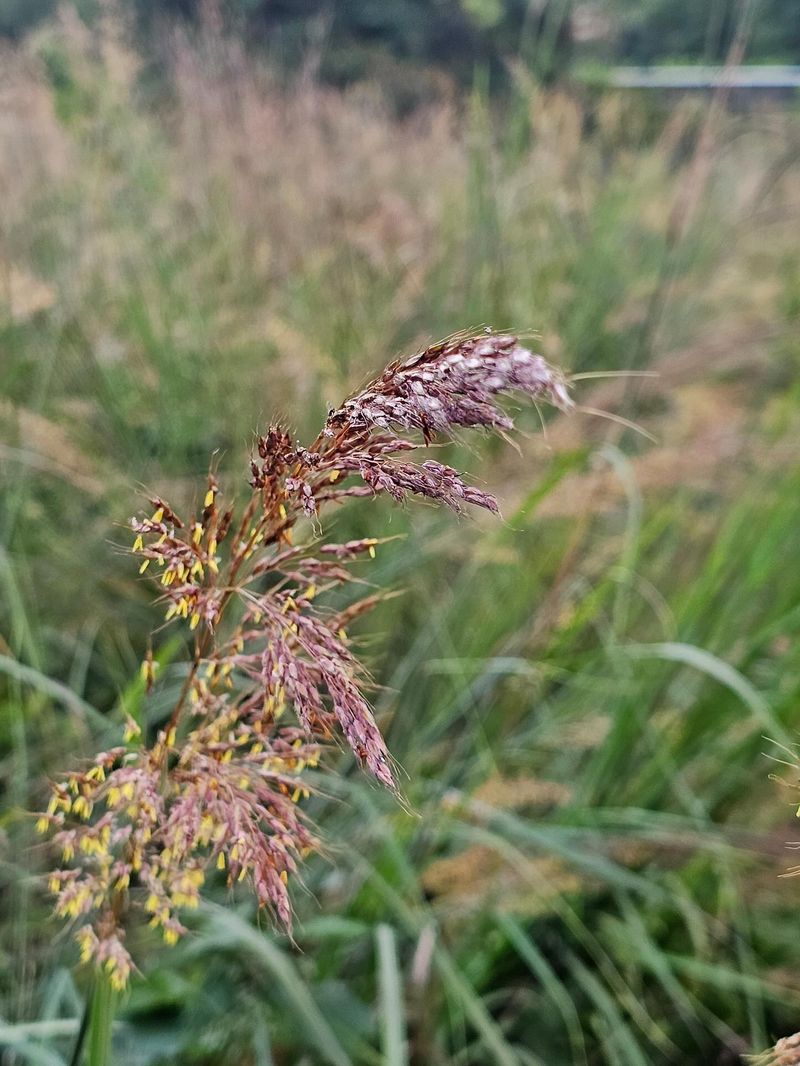
Stand next to a mature Indiangrass in October and you may need to tilt your head back. Its golden plumes often tower over the rest of the garden.
Sorghastrum nutans is a warm-season native that once waved across open grasslands in Virginia. Most plants reach 3 to 5 feet, though happy clumps can top 7 feet.
Through summer, the leaves hold a soft, dusty blue-green shade that looks tidy and fresh. Come fall, they switch to a striking golden-yellow that almost glows at sunset.
Late summer brings feathery flower plumes dusted with bright yellow pollen. Those seeds later ripen to a metallic bronze or copper, adding amber highlights all winter.
Here’s a fun bit of trivia for your next garden tour. Indiangrass is the official state grass of both Oklahoma and South Carolina.
Full sun and decent drainage are all it really asks for. Clay, sand, gravel, drought, and even moderate salt spray are no big deal.
Use it at the back of a border, where its height frames shorter flowers in front. It also makes a handsome backdrop for black-eyed Susans and purple ironweed.
Rich soil and extra water can make stems lean or sprawl. Keep feeding to a minimum, and let natural rainfall handle most of the work.
Songbirds love picking at the seed heads on cold mornings. Leave the stalks standing until late winter so they can enjoy the buffet.
Look for ‘Sioux Blue’ if you want extra-blue summer leaves and sturdy, upright stems. ‘Indian Steel’ is another reliable choice with a slightly shorter, tidier habit.
5. Big Bluestem Brings Strong Vertical Structure
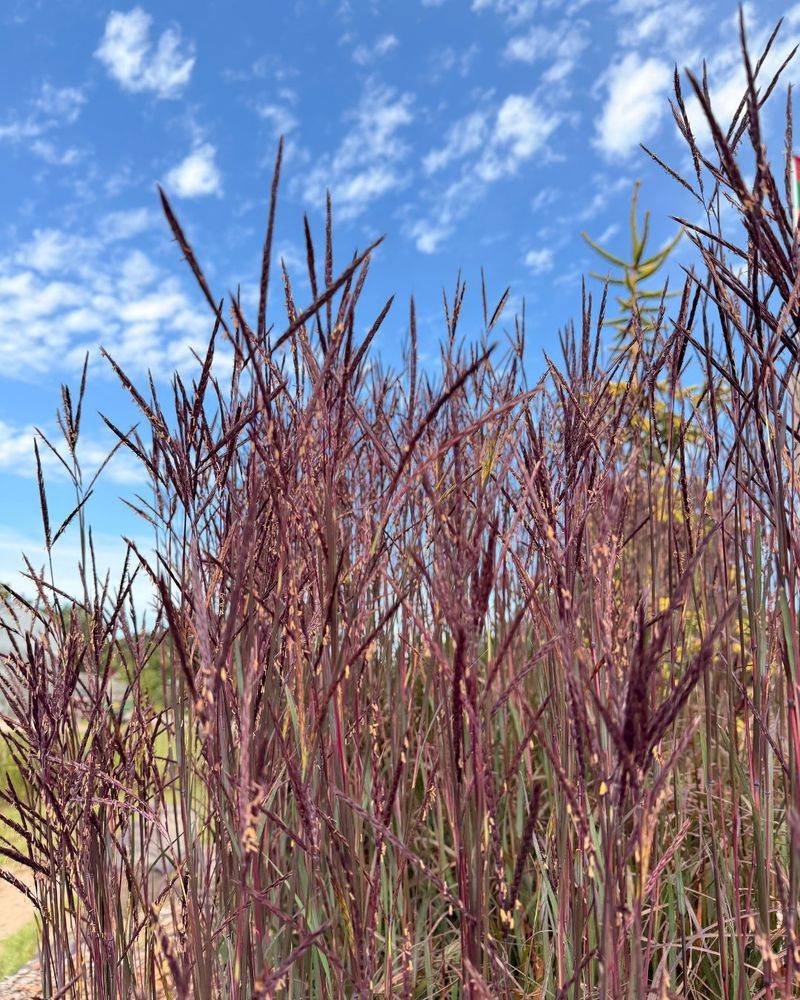
Long before suburbs and shopping centers, Big Bluestem ruled the tallgrass prairies of North America. Settlers wrote about grass so tall it could hide a rider on horseback.
Andropogon gerardii is native to Virginia too, and it still brings that bold presence. Most clumps grow 4 to 8 feet tall, and some stretch to 12 feet.
Gardeners love it for strong vertical lines that give a bed shape and backbone. Think of it as the tall exclamation point in a sea of rounded shrubs.
Summer leaves carry a bluish-green tint, especially near the base of the stems. By autumn, they deepen into rich bronze, copper, deep red, and maroonish tan.
Look closely at the seed heads and you’ll spot a quirky detail. Each one splits into three branches that resemble a turkey’s foot, turning bronze in fall.
Many folks call it turkeyfoot grass for that reason. Kids get a kick out of the name, making it a fun plant for family gardens.
Full sun is a must for sturdy stems. Average to wet soils suit it, yet deep roots also give it impressive drought tolerance.
Too much kindness can backfire with this grass, though. Extra water, shade, or fertilizer makes it top-heavy, and stems may flop over by September.
Save a spot at the back of a bed or along a sunny fence line. Cultivars like ‘Red October’ and ‘Blackhawks’ offer even darker, moodier fall color.
Once established, it asks for almost nothing beyond a yearly haircut in late winter. Cut it to 6 inches before new shoots rise.
6. Sideoats Grama Offers Fine Texture In Sunny Beds
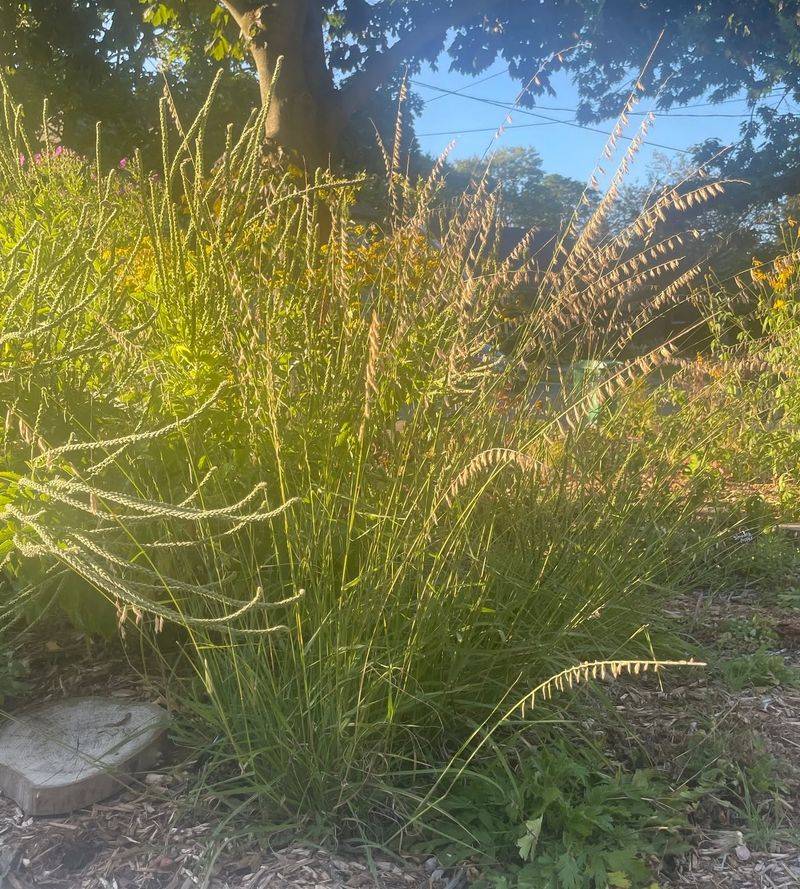
Somebody forgot to tell Sideoats Grama how to hang seeds straight. Tiny oat-shaped spikelets dangle from just one side of each stem, like charms on a bracelet.
That odd habit gives the plant its name and a delicate, almost lacy look. Bouteloua curtipendula forms small clumps that reach 1 to 3.5 feet tall.
Early on, the spikelets show a purplish tint with bright orange-red anthers if you look closely. Later, they bleach to tan before turning red and dark brown as autumn rolls on.
Meanwhile, the low basal foliage turns shades of purple and red once cool weather arrives. The combination makes a sweet, low-key show rather than a loud one.
Sunny beds are where it really shines. Give it full sun and well-drained soil, whether dry or slightly moist, and it settles right in.
Hot, rocky spots near a driveway or mailbox are perfect testing grounds. Few plants handle reflected heat and dry soil this well.
Sideoats grama is well suited to dry, sunny sites once established. It’s a smart pick for homeowners trying to cut back on watering.
Staying fairly short, it fits nicely at the front of a border or rock garden. It also blends well into meadow lawns and pollinator patches.
Try pairing it with prairie coneflower, butterfly weed, or blue false indigo for texture contrast. The fine blades soften bolder leaves around them.
Down in Texas, sideoats grama holds the title of official state grass. Cut it back in late winter and skip fertilizer, since lean soil keeps it compact.
7. River Oats Adds Movement In Part-Shade Gardens
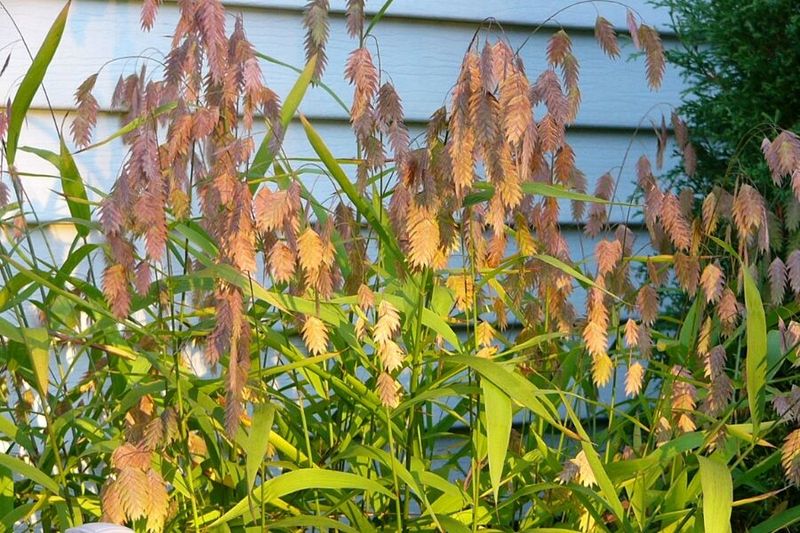
Shady corners can feel a little gloomy once fall arrives. River Oats fixes that with dangling seed heads that sway like tiny wind chimes.
Botanists call it Chasmanthium latifolium, and it grows wild along stream banks across much of the state. Its flat, oat-like spikelets hang from arching stems and flutter with the lightest breeze.
Wide, bamboo-like leaves give it a lush, almost tropical feel during summer. Plants typically reach 2 to 5 feet tall and form tidy clumps.
Autumn is when the real magic kicks in. Leaves and seed heads fade to buffed gold and coppery bronze, sometimes with a hint of purple.
Most ornamental grasses sulk without full sun, but this one welcomes part shade. It fits beautifully under tall oaks or along the north side of a house.
Moist to wet soil suits it best, so rain gardens and creek edges are ideal. Once settled, it can even handle dry shade better than many plants.
Crafters love snipping the seed heads for dried arrangements and fall wreaths. Cut them in late summer while green, or wait for that coppery glow.
One friendly warning comes with this beauty. River Oats reseeds freely, so new sprouts may pop up in nearby beds each spring.
Clipping off seed heads before they drop helps keep things under control. Seedlings also pull out easily when small, so a quick weekly check works wonders.
Ferns, hostas, and woodland phlox make lovely neighbors for a layered, natural look. The golden seed heads glow softly in low light, bringing life to dim spots.