Why New York Gardeners Are Storing Terracotta Pots Before First Freeze
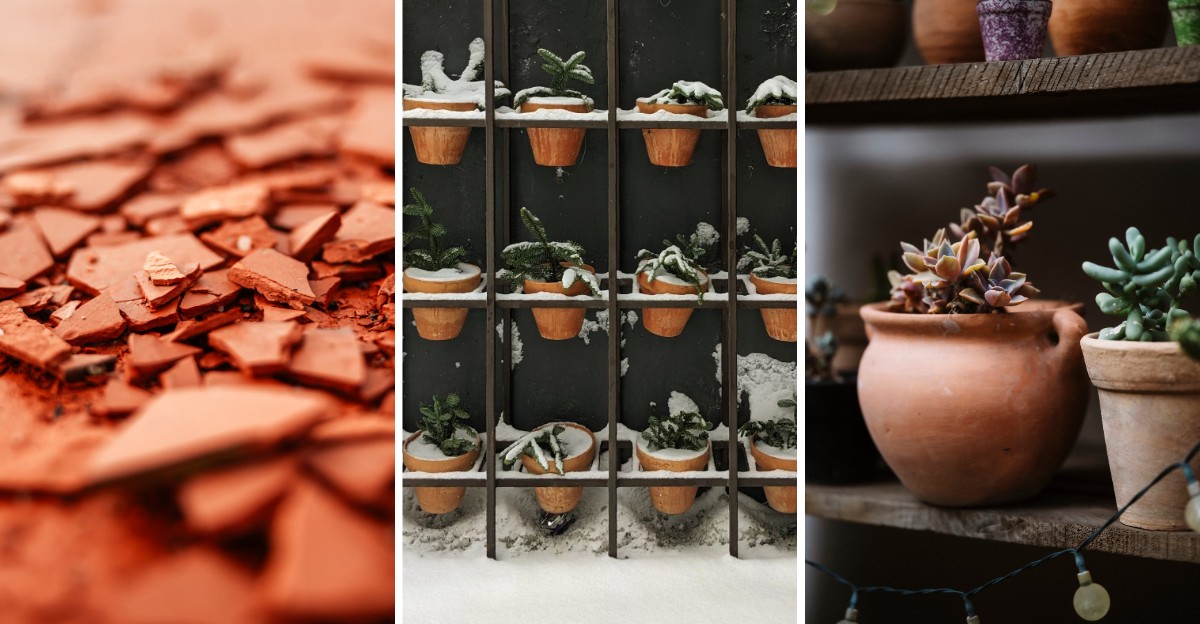
That cheerful terracotta pot on your porch hides a flaw you cannot see. Clay soaks up water through tiny pores in its walls. When temperatures drop below freezing, that trapped water expands with real force.
Pressure builds until the pot splits, flakes, or crumbles at the rim. Upstate, you hear that crack weeks before Brooklyn feels a chill.
New York winters swing between thaw and freeze for months on end. Each swing widens hairline fractures you overlooked this summer. Glazed pots crack too, because moisture sneaks beneath the glaze.
Your geranium deserves better than a shattered home. Savvy growers across New York already empty, dry, and shelter their clay before frost hits.
You can join them before the weekend. Hauling wet pots into cold garages fails. Before frost arrives, you need the exact moves that save your pots and plants.
1. Clay Drinks Up Water Like A Sponge
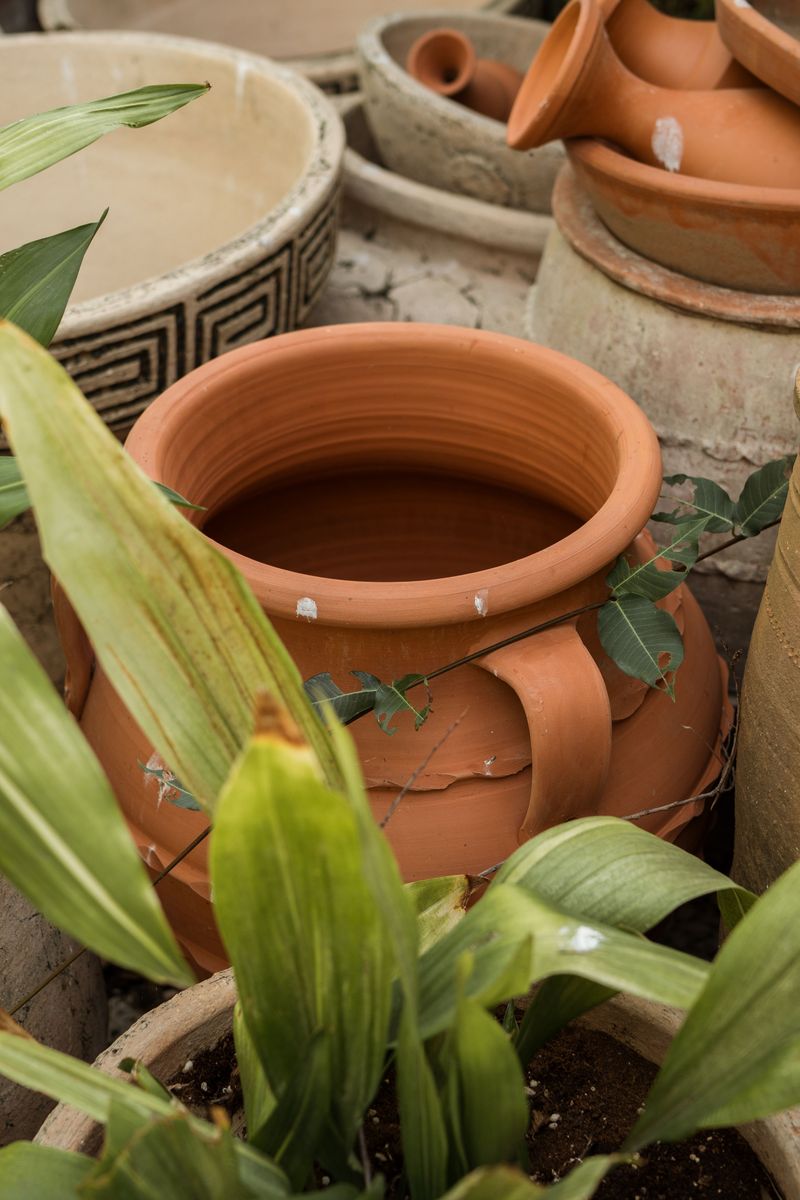
Pour a cup of water on an unglazed clay pot and watch the color darken within seconds. That quick change shows how thirsty the material really is.
Terracotta is baked at lower temperatures than stoneware, so it keeps tiny holes throughout its walls. Water slips into those pores the way juice soaks into a paper towel.
During summer, that thirst is a real gift for plants. Roots get fresh air, and extra moisture escapes through the sides instead of drowning them.
Fall changes the story in a hurry. Cool September rains and heavy morning dew keep the clay damp for days at a time.
A soaked pot can hold a surprising amount of water inside its walls. Some terracotta can absorb roughly ten to fifteen percent of its own weight in water, depending on the clay and firing.
You can test your own pots with a simple kitchen scale. Weigh one dry, soak it overnight, and weigh it again the next morning.
The difference on the display often surprises gardeners. That hidden water is exactly what causes trouble once the temperature drops below thirty-two degrees.
New Yorkers know soggy weather well, from Long Island fog to lake-effect drizzle near Rochester. Every damp day loads more moisture into those porous walls.
Moving pots under cover before autumn storms arrive lets them start drying out early. A dry pot heading into storage is a happy pot come springtime.
Think of it as giving your planters a warm towel after a long swim. They will thank you by lasting many more seasons.
2. First Frost Dates Arrive Sooner Than Expected
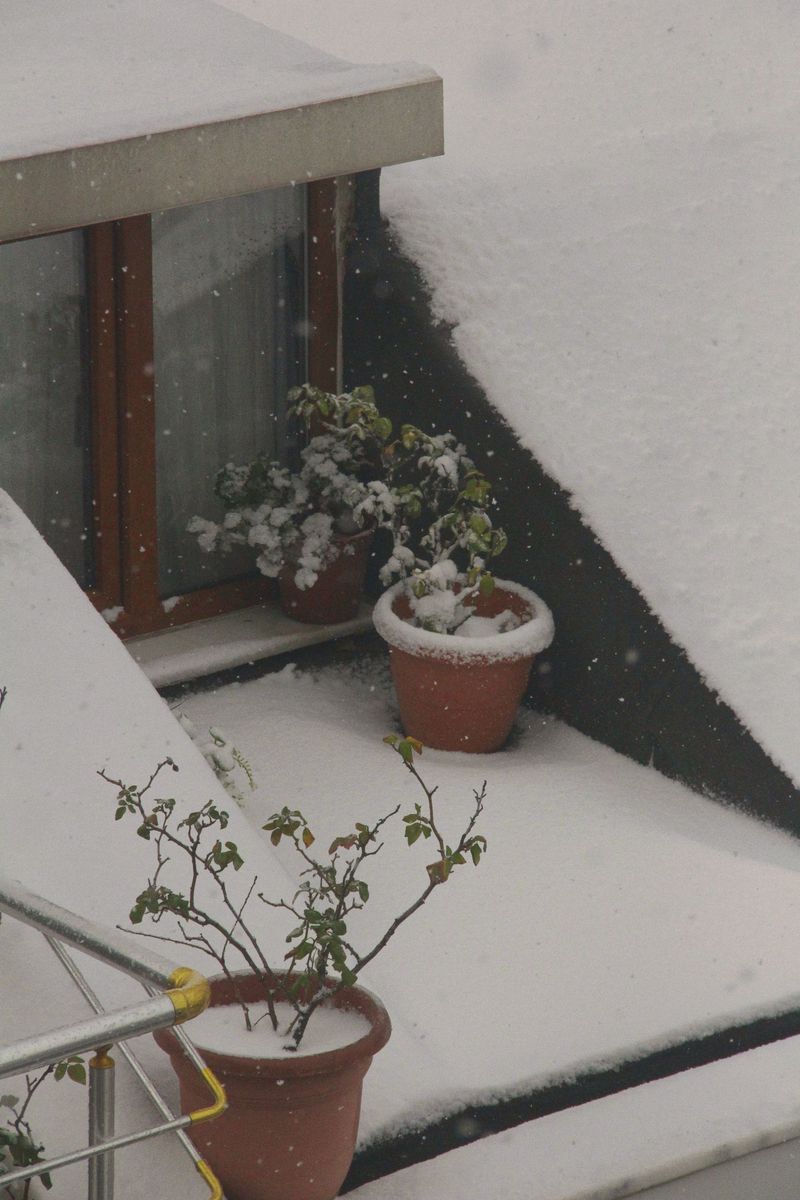
Mark your calendar now, because September slips by faster than a squirrel with a stolen peanut. In parts of New York, frost can show up before the month ends.
The Adirondacks can see frost as early as late August or early September, and higher Catskills spots by mid to late September.
Inland central and western areas usually follow in early October, while lakeshore cities like Buffalo and Rochester often wait until mid to late October.
Your New York Garden Changes Every Week. Your Plan Should Too.
Gardening in New York changes quickly throughout the season. Every Friday you’ll receive a simple weekly plan showing exactly what to plant, prune, fertilize, harvest, and protect so you never miss the right timing.
The Albany area often sees frost in late September or early October, while the lower Hudson Valley tends to follow in mid-October. New York City and Long Island often stay frost-free until early or mid-November.
Those dates are only averages, so about half of years bring frost earlier. A cold night can arrive weeks ahead of schedule.
A light frost will not usually crack your pots right away. Still, it signals that harder freezes are close behind.
Waiting until the last minute creates a stressful scramble. Hauling heavy, soggy pots in the dark with numb fingers only makes it harder. You can let pots dry in the sun, clean them slowly, and pick good storage spots.
Look up your local frost date using your zip code on a trusted gardening website. Cornell Cooperative Extension offices across the state also share helpful regional advice.
Try setting a phone reminder two weeks before that date. It is a simple nudge that could save a whole collection of cherished planters.
Keep an eye on the nightly forecast, too. When lows dip into the thirties, it is time to start moving pots under cover for good.
3. Frozen Water Pushes Clay Apart

Ever left a soda can in the freezer too long? That bulging can shows the same force that can split clay pots in winter.
Water grows by about nine percent when it turns into ice. That might sound small, but inside a tight clay pore, it is enormous.
Picture thousands of tiny ice crystals pushing outward at once, all over the pot. The clay has nowhere to go, so it cracks, chips, or splits.
Soil inside the pot makes the problem worse. Wet potting mix swells as it freezes and presses hard against the walls from the inside.
So a planter left outside faces pressure from two directions at the same time. Even thick, pricey pots can give way under that kind of squeeze.
Pots with narrow necks or curved-in rims are the most at risk. Ice cannot slide upward and out, so it pushes sideways instead.
Straight-sided or flared pots do a little better because the frozen soil can rise. Still, standard terracotta left wet outdoors is vulnerable in a New York January. Some high-fired terracotta is sold as frost-resistant, so check the label or ask the seller.
Here is a fun bit of science. Nature uses this same freeze trick to crack giant boulders on Adirondack mountaintops over time.
Geologists call it frost wedging, and it shapes cliffs all over the state. If ice can break solid rock, a wet clay pot stands little chance.
The easy fix is to empty your pots and keep them dry. No water inside means no ice, and no ice means no heartbreaking cracks come March.
4. Freeze And Thaw Cycles Wear Clay Down
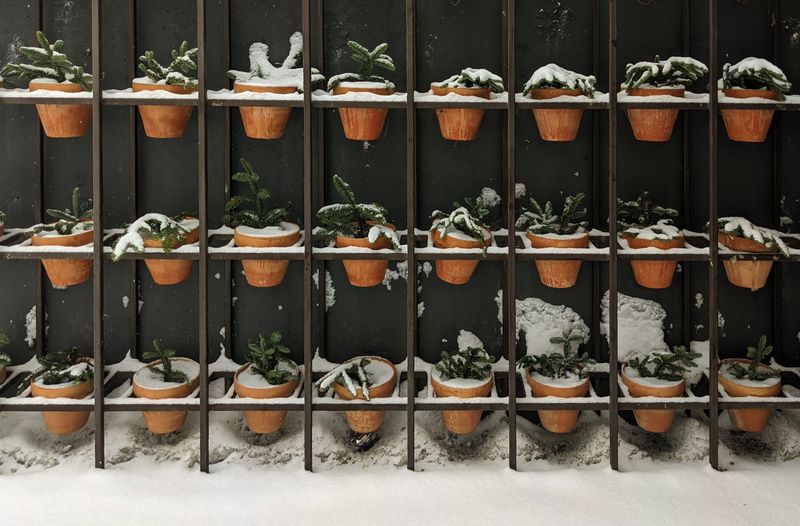
A clay urn can survive one mild winter on an Albany porch and flake apart the next. One hard freeze is rough, but repeated freezing and thawing does the real damage. Each cycle opens tiny cracks a little wider than before.
New York is famous for these wild temperature swings. A sunny forty-degree afternoon can drop to fifteen degrees by midnight.
Parts of the state may see dozens of freeze and thaw cycles in one season. Areas that hover near freezing, including parts of downstate, can see frequent swings.
Every thaw lets melted snow seep deeper into the clay. Then the next cold snap freezes it again, pushing those cracks open like a crowbar. The damage often hides at first. You might spot only a hairline crack or a rough patch near the rim.
By spring, that tiny flaw can turn into a missing chunk or a clean split down the side. Many New York gardeners learn that lesson the hard way.
Bringing pots indoors takes them out of this exhausting seesaw. A steady, cool, dry spot means no repeated stress on the clay.
Covering pots with a tarp outdoors helps a little, but it rarely keeps out every drop. Wind-driven snow finds its way into the smallest gaps.
Moving pots to a dry basement before your area’s first hard freeze gives them the best chance. They come out in April looking as good as new.
5. Replacing Pots Costs More Than Storing Them
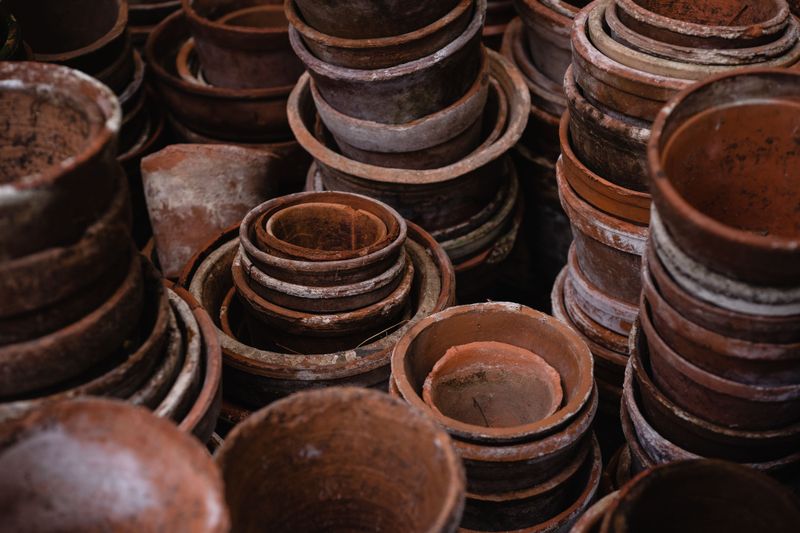
Here is a little math that stings. A large, hand-thrown terracotta planter can easily cost fifty to one hundred dollars or more.
Imported Italian pots from places like Impruneta can run into the hundreds. Many are marketed as frost-resistant, yet losing any pricey pot to winter damage is an avoidable expense.
Now think about a whole patio full of pots. Replacing six or eight of them each spring adds up faster than a grocery bill.
Storing them, on the other hand, costs almost nothing. All you need is a free corner, some old newspaper, and maybe an afternoon of work.
There is also a sentimental side to the savings. Many pots come with stories, like a gift from a friend or a find from a flea market.
Aged clay also grows a lovely white and green patina over the years. You simply cannot buy that weathered charm brand new at the garden center. A light patina is harmless, but thick salt crust is a different story.
Protecting your pots protects your budget in sneaky ways too. Tender plants like rosemary can move into cheap plastic containers while the nice clay rests.
That swap lets you keep the herbs going on a sunny windowsill. Meanwhile, your fancy planters stay safe and ready for May.
Fun fact: garden centers often put clay pots on sale in late summer and early fall. Smart shoppers grab deals now and tuck them away with the rest.
A few minutes of effort today can save you a small fortune next year. Your wallet might even do a little happy dance next April.
6. Flaking Surfaces Spoil A Pretty Pot
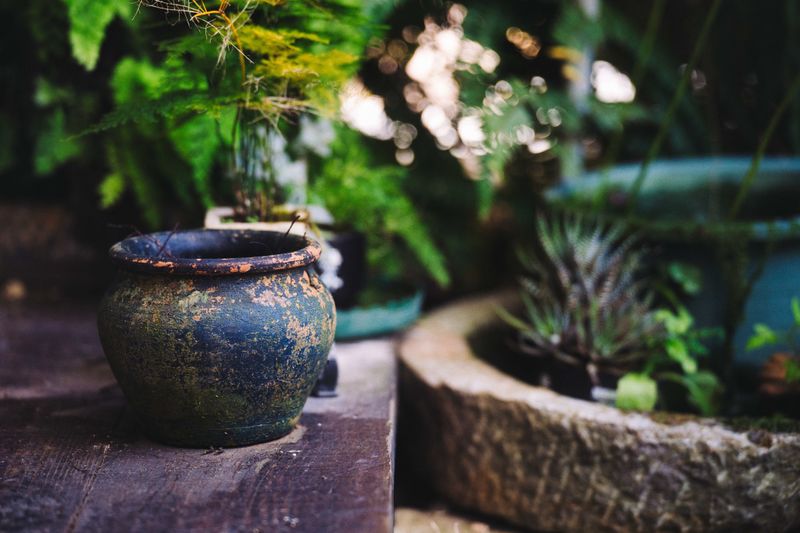
Somebody once described a winter-damaged pot as looking like it had a bad sunburn. The surface peels in thin, crusty flakes that leave rough, uneven patches behind.
Experts call this spalling, and it is one of the sneakiest signs of frost trouble. The pot may still hold soil, but it looks worn and tired.
Spalling happens when water freezes just under the outer skin of the clay. The ice pops off small layers, bit by bit, all winter long.
Glazed and painted pots have their own problems. Moisture sneaks behind the glaze, then freezing lifts the shiny coating right off in chips.
Once that happens, the pot soaks up even more water through its bare spots. The damage speeds up each year like a snowball rolling downhill.
Salt is another villain in this mystery. Minerals from tap water and fertilizer build up inside the clay and form a white crust.
When wet salty clay freezes, the flaking gets even worse. Road salt splashed near city sidewalks can add to the problem in places like Queens or Syracuse.
Look closely at your pots this month for early clues. Tiny flakes, powdery spots, or a gritty feel near the base mean the clay is struggling.
Those pots need shelter the most before cold weather arrives. Storing them dry stops the peeling from spreading any further.
A pot with its smooth face intact is a joy to look at. Keep yours looking fresh, and your spring porch will steal the show on the whole block.
7. Clean Pots Store Better Than Dirty Ones
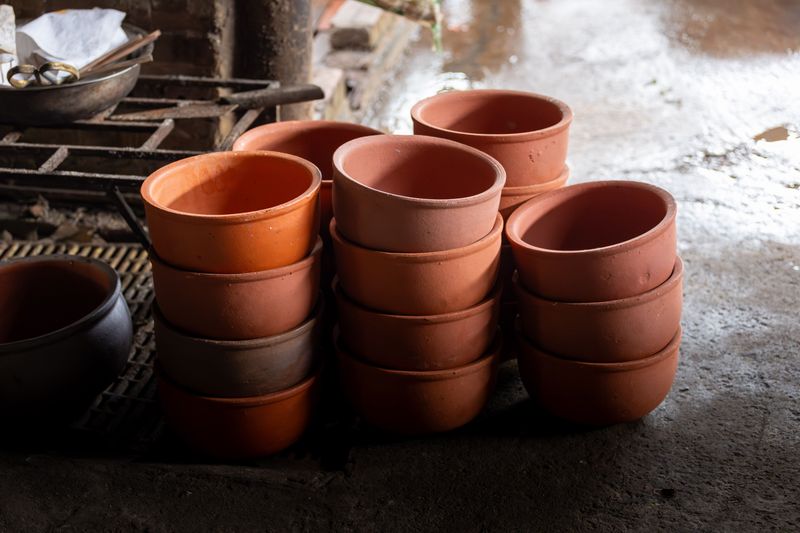
Nobody wants to open the shed in April and find crusty, moldy pots waiting inside. A good scrub now saves that gross surprise later.
Start by dumping out the old soil onto a tarp or into a compost bin. Old potting mix can hide insect eggs, fungus spores, and plant diseases.
Next, brush off loose dirt with a stiff brush while the pot is dry. A cheap vegetable brush or old dish scrubber works just fine.
For white salt crusts, soak pots in one part white vinegar and three parts water. After about thirty minutes, most crust loosens enough to scrub away, though heavy buildup may need a second soak.
Some gardeners also dip pots in a weak bleach solution to wipe out lingering germs. One part bleach to nine parts water is a common mix.
If you use both, rinse and soak pots in plain water after the vinegar step before adding bleach. Wear gloves, and never mix vinegar and bleach, since the combination releases toxic chlorine gas.
Now comes the most important step, which is drying. Set pots upside down in the sun for a few days until they feel light and warm.
September is perfect for this job, thanks to its warm, breezy afternoons. Waiting until November means pots may stay damp for weeks.
Storing a damp pot indoors can invite mildew, and a damp pot in a space that freezes can still crack. Unheated garages and sheds often dip below freezing, too.
Clean, bone-dry pots are ready to hit the ground running in spring. Just add fresh soil, pop in your seedlings, and you are back in business.
8. Dry Indoor Spots Keep Pots Safe All Winter
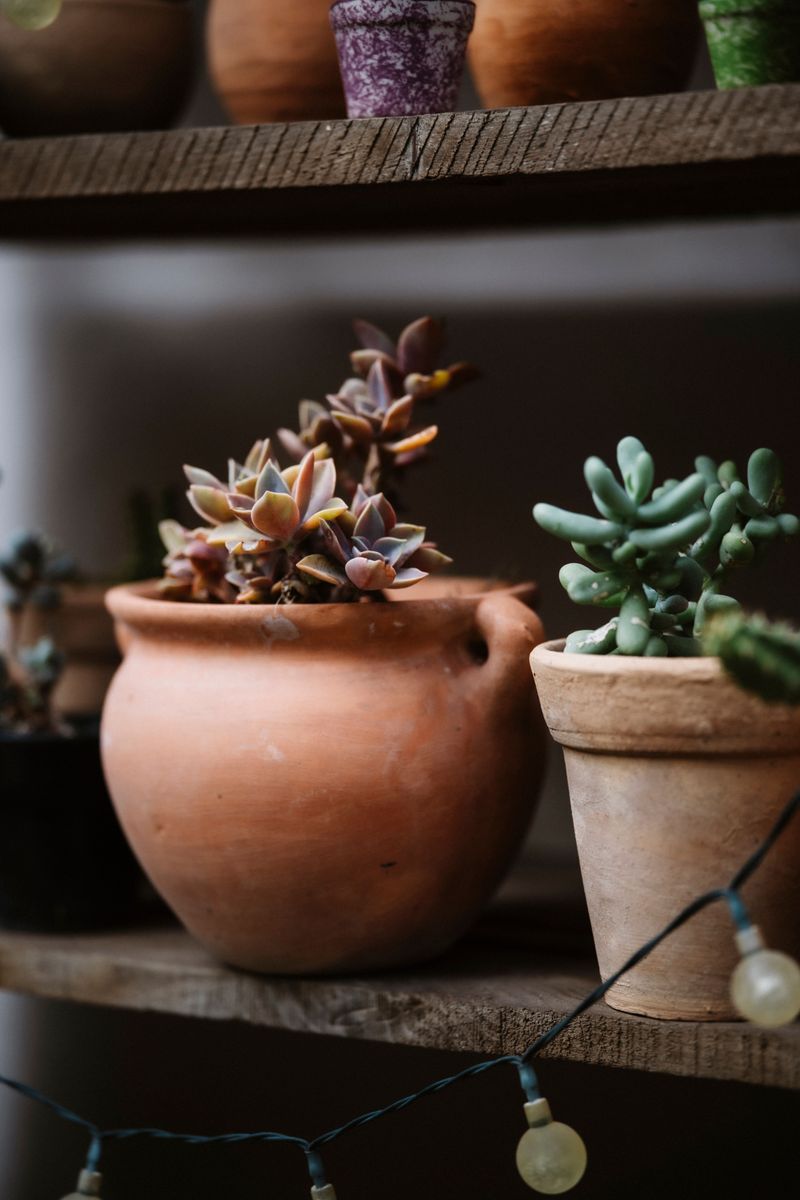
Picture a cozy winter hideout for your clay collection, tucked away from snow and sleet. Finding that spot is easier than you might think.
Garages, sheds, basements, and even closets make great homes for empty pots. The key is keeping them dry and out of the wet weather.
An unheated garage works well if the pots are fully dry. Dry clay can handle cold air, because there is no water inside to freeze.
Apartment dwellers in Manhattan or Brooklyn can get creative with space. Small pots fit under beds, on closet shelves, or inside a spare storage bin.
When stacking pots, slip a sheet of newspaper or cardboard between each one. That little cushion stops them from sticking together or chipping at the rims.
Keep stacks short, around three or four pots high, so the bottom ones do not crack under pressure. Store them upside down if they must sit on concrete.
Concrete floors can wick up moisture, so a wooden pallet or shelf makes a smart base. Lifting pots even a few inches helps them stay dry.
Giant pots that are too heavy to move need a different plan. Empty them, tip them on their sides, and cover them with a waterproof tarp.
Raising them on pot feet also keeps melting snow from pooling underneath. It is not perfect, but it beats leaving them full of wet soil.
Once everything is tucked away, you can relax and enjoy the fall colors. Your pots will be snoozing safely, dreaming of spring tomatoes and petunias.