Indiana Gardeners Are Bringing Tropical Houseplants Back Inside Before It’s Too Late
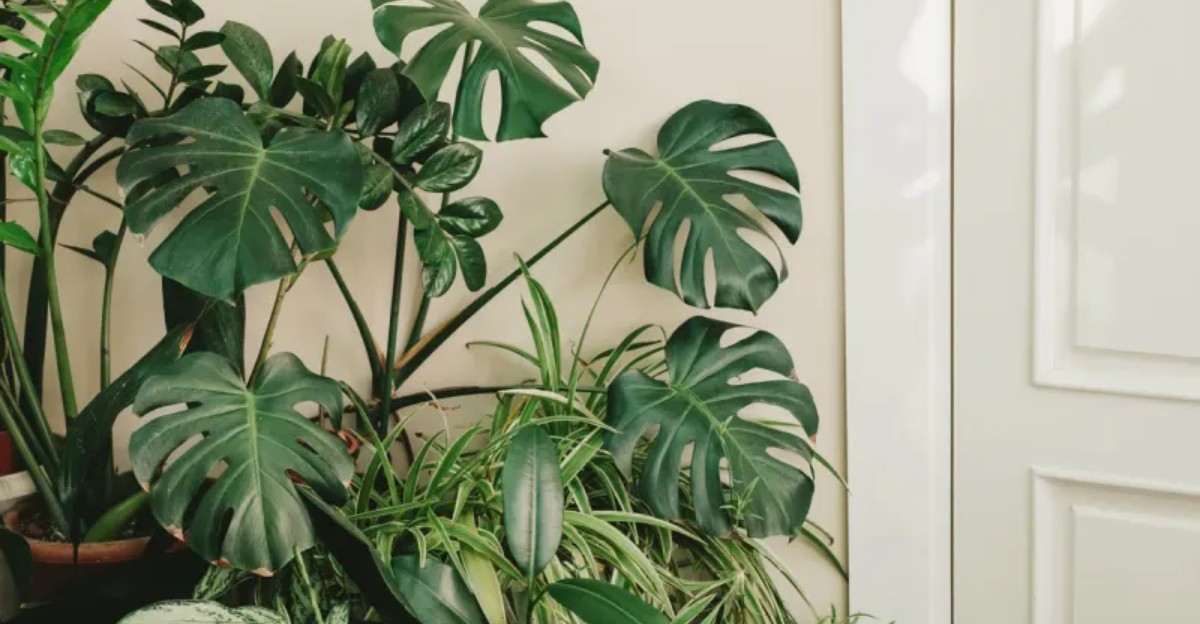
September in Indiana smells like cut grass, apple cider, and that first cool breeze sneaking through the screen door. Your porch greenery notices it too, even if it keeps putting on a brave face.
One chilly night can turn a lush summer beauty into a sad, droopy mess before you finish your coffee. By the time you notice, the damage is already done.
Trouble often starts long before you can see it with your own eyes. Tiny guests can hide in the soil, while cold air works quietly on soft, tender leaves.
A little planning right now can save you a whole lot of sighing and leaf sweeping later. Think of it like packing a suitcase carefully before heading off on a long winter trip.
Somewhere on your porch right now, a leafy drama queen is already rehearsing her big fainting scene for the neighbors.
A Temperature Drop That Damages Tropical Leaves Fast
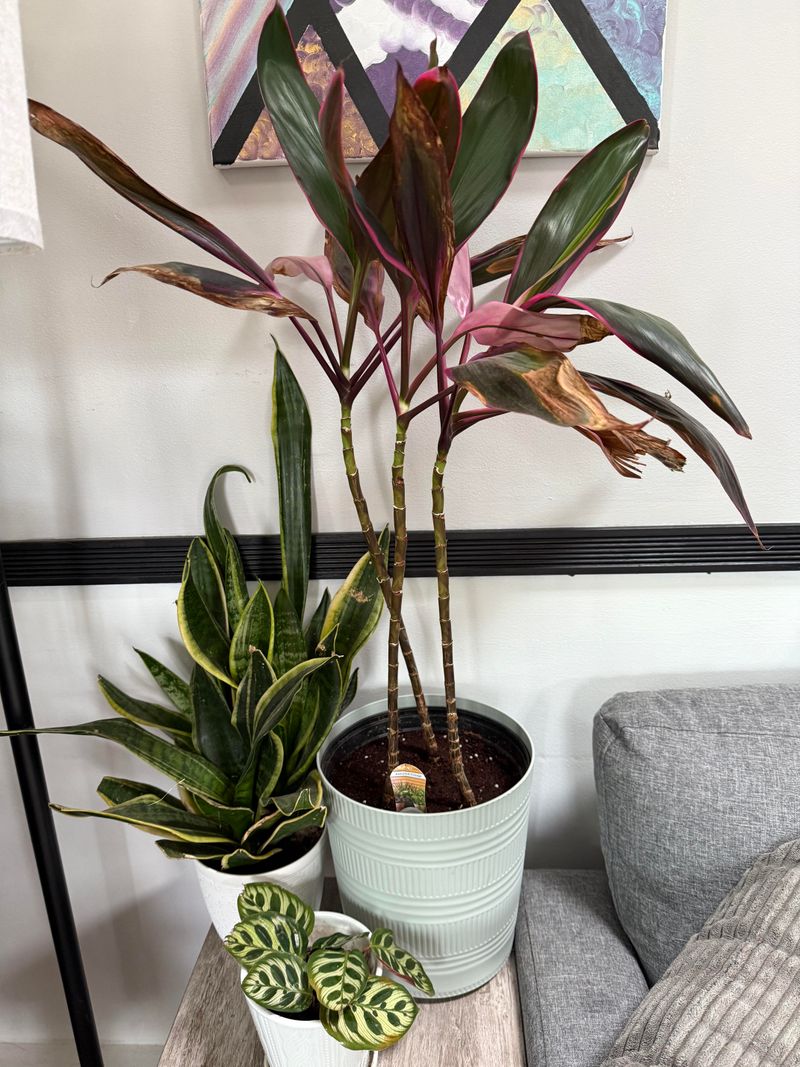
Picture a mid-September night in Fort Wayne when the thermometer slides from 70 to 48 before sunrise. Many tropical houseplants start to struggle once temperatures fall below 50 degrees Fahrenheit.
Plants like pothos, peace lilies, and hibiscus come from warm places where frost is a stranger. Their leaves are full of water, and cold makes those cells weak and leaky.
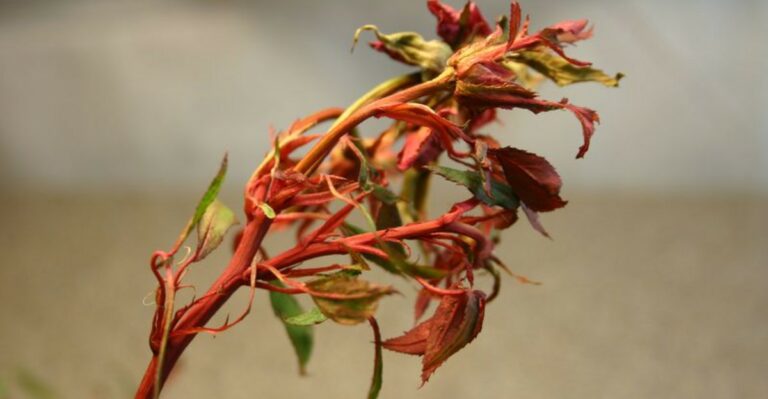
Gardeners call this chilling injury, and it can show up within a day or two. Look for dark, water-soaked patches, curled edges, or leaves that turn mushy and brown.
Indiana weather loves to play tricks in early fall. A warm afternoon can fool you into thinking summer will stick around for weeks.
Your best defense is a simple weather app with nighttime lows turned on. When the forecast shows lows in the mid-50s, it is time to start planning the move.
A cheap indoor-outdoor thermometer on the porch helps too. It shows the real temperature right where your plants sit, not just at the airport miles away.
Some plants are tougher than others, so know who you are dealing with. Crotons, calatheas, and basil sulk quickly, while snake plants can handle a slightly cooler night.
If a surprise cold snap sneaks up on you, toss an old bedsheet over the pots overnight. Bring them inside the next morning and trim off any leaves that look soggy.
Damaged leaves will not heal, but healthy new growth usually follows. Consider it a bad haircut that grows out with time.
Checking Pots For Hitchhiking Pests First
Nobody wants to invite strangers to live in their home all winter. Yet that is exactly what happens when a porch plant comes inside without a quick inspection.
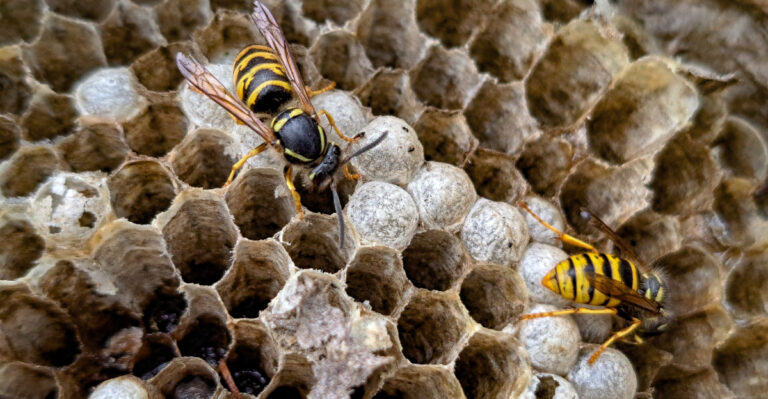
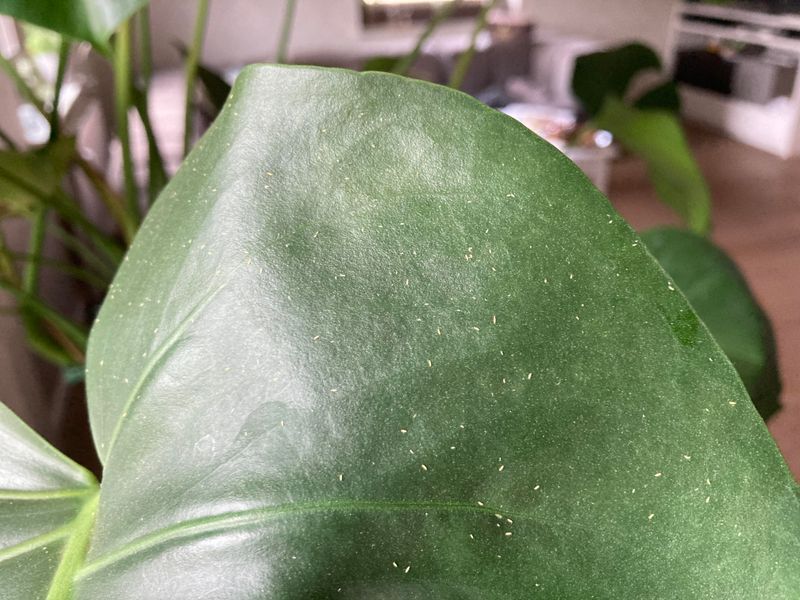
Summer gives bugs plenty of time to move into your pots. Aphids, mealybugs, spider mites, and scale insects are some of the most common hitchhikers.
Grab a flashlight and play detective for a few minutes per plant. Flip leaves over, since many pests hide on the undersides where they stay out of sight.
Watch for sticky spots, fine webbing, white cottony fluff, or tiny bumps on stems. Any of these clues means someone has moved in without paying rent.
Your Indiana Garden Changes Every Week. Your Plan Should Too.
Gardening in Indiana changes quickly throughout the season. Every Friday you’ll receive a simple weekly plan showing exactly what to plant, prune, fertilize, harvest, and protect so you never miss the right timing.
Soil can hide trouble too, including ants, earwigs, and even the occasional small frog. Try soaking the pot in a tub of lukewarm water for about 15 minutes to flush them out.
Next, give the leaves a strong spray with the garden hose. That simple shower knocks off many soft-bodied pests before they ever reach your living room.
For stubborn bugs, insecticidal soap or neem oil works well on most houseplants. Follow the label, and test a small area first to make sure leaves do not burn.
Keep newly returned plants apart from your other houseplants for about two weeks. That short separation lets you catch any sneaky survivors before they spread.
Also wipe down the outside of each pot and saucer. Bug eggs love to cling to dusty rims, crusty saucers, and the edges of drainage holes.
A Slow Transition Instead Of A Sudden Move Indoors
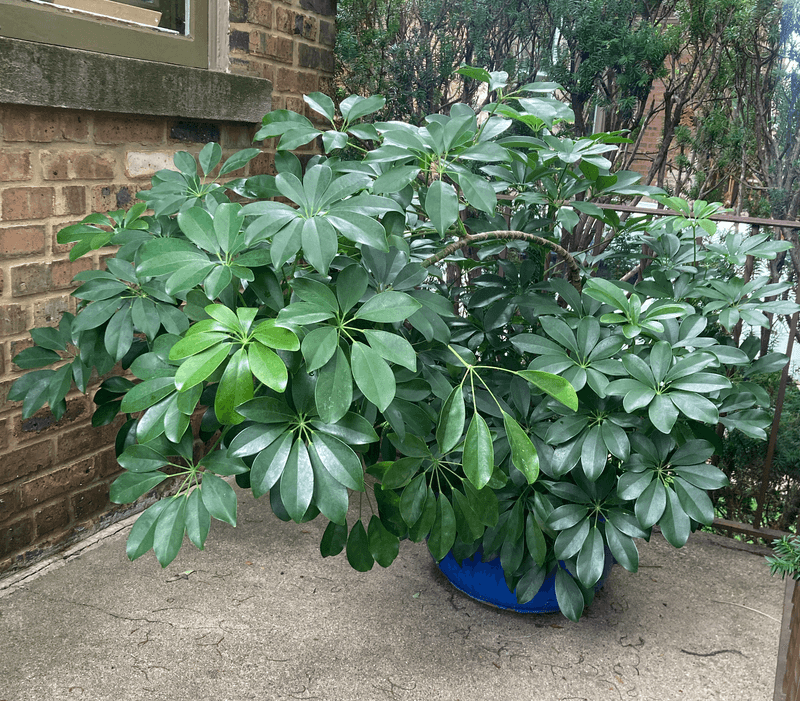
My neighbor in Bloomington swears her plants hold grudges when she rushes them indoors. She is not wrong, because sudden changes really do stress green things out.
Outside, plants enjoy bright sun, fresh breezes, and damp morning air. Inside, they suddenly face dim light, dry heat, and air that barely moves.
That kind of shock often leads to yellow leaves and dropped foliage. A gentle, step-by-step move gives plants time to adjust their habits.
Start two to four weeks before your first expected frost, which often lands in mid-October across Indiana. Early to mid-September is a smart time to begin.
First, slide pots into a shady spot on the porch or under a tree. Shade outdoors is closer to indoor light, so it softens the change.
After a week, bring them inside at night and set them back outdoors on warm days. It works a lot like easing into a chilly pool one step at a time.
Slowly increase their indoor hours over several days. By the time frost arrives, they will feel settled in their new winter home.
Heavy pots can be a pain to haul back and forth every day. A plant caddy with wheels makes the daily shuffle much easier on your back.
Keep them away from heat vents, radiators, and drafty doors during this adjustment period. Blasts of hot or cold air can undo all your patient work in a hurry.
A few dropped leaves along the way are normal. Patience now pays off with a happier, fuller plant by the holidays.
Light Levels Plants Lose Once They’re Inside
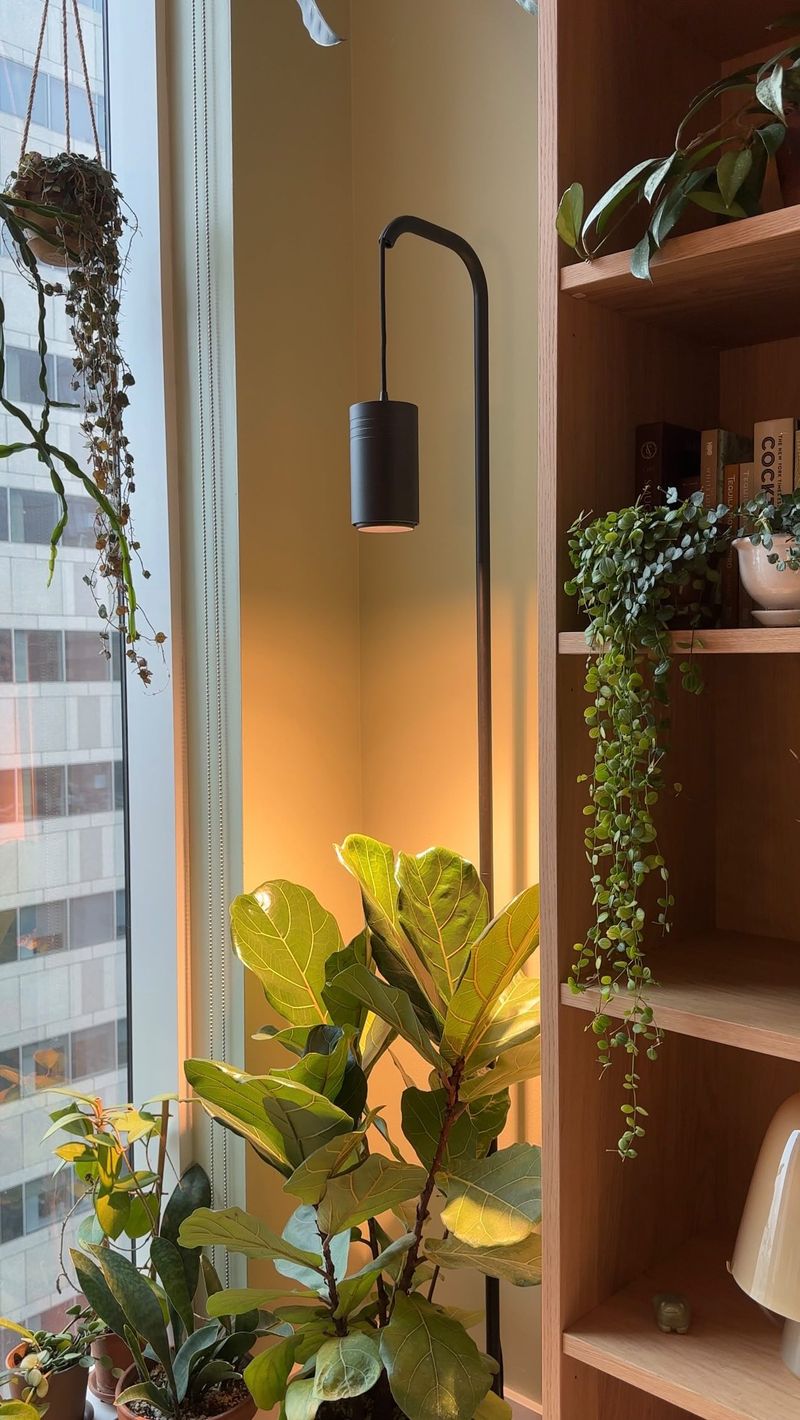
Here is a surprising fact: a bright window may offer less than a tenth of outdoor light. Your eyes adjust so well that you rarely notice the difference.
Plants notice right away, because light is their food source. Less light means less energy for making new leaves and keeping the older ones healthy and green.
Fall makes things trickier, since Indiana days get shorter and the sun sits lower in the sky. By December, we get only about nine hours of daylight.
South-facing windows are the best spot for sun lovers like hibiscus, citrus, and succulents. East or west windows work nicely for plants that like medium light.
North windows are dimmer, but ferns and pothos often do fine there. Keep plants within two or three feet of the glass for the best results.
Clean windows help more than most people think, especially after a long, pollen-filled summer. A thin film of dust on the glass can block a sneaky amount of sunshine.
If your home is on the darker side, an LED grow light is a smart investment. Set it on a simple timer for about 12 to 14 hours each day so you can forget about it.
Rotate pots a quarter turn every week or so. Otherwise, stems will lean toward the window like kids pressed against a candy shop window.
Pale new leaves or long, stretched-out stems are signs a plant wants more light. Move it closer to the window before the problem gets worse.
Cutting Back On Water Once Growth Slows
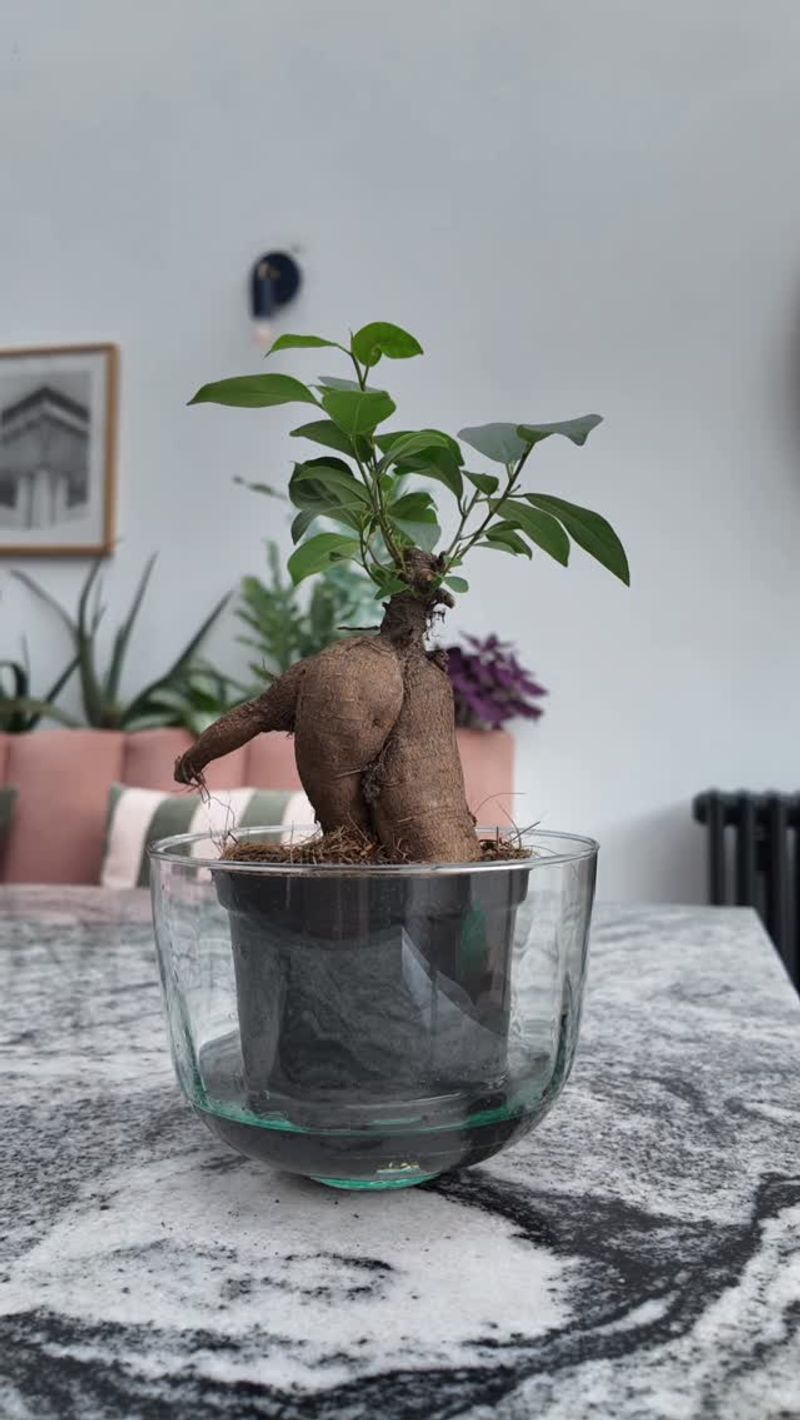
Overwatering is one of the top reasons houseplants struggle in winter, and it usually comes from kindness. We see a thirsty-looking plant indoors and rush over with the watering can.
Here is the catch, though, and it surprises plenty of plant owners. Once days get shorter and cooler, most plants slow down and use far less water.
Outdoors in July, a pot might dry out in a single sunny afternoon. Indoors in October, that same pot could stay damp for a week or longer.
Soggy soil is bad news for roots, since they need air just as much as water. Too much moisture leads to root rot and invites fungus gnats to throw a party.
The easiest fix costs nothing at all, because it is your own finger. Poke it about an inch into the soil before you water.
If it feels dry, go ahead and give the plant a good soak. If it still feels cool and damp, wait a few more days and check again.
Succulents and snake plants may only need water every three or four weeks in winter. Ferns and peace lilies like steadier moisture, but they still drink less than in summer.
Dump out any water sitting in saucers about 30 minutes after watering. Roots sitting in a puddle are about as happy as you would be in wet socks.
Hold off on fertilizer until spring, too. Plants resting for winter cannot use the extra food, and it can build up in the soil.
Signs A Plant Is Struggling With The Move
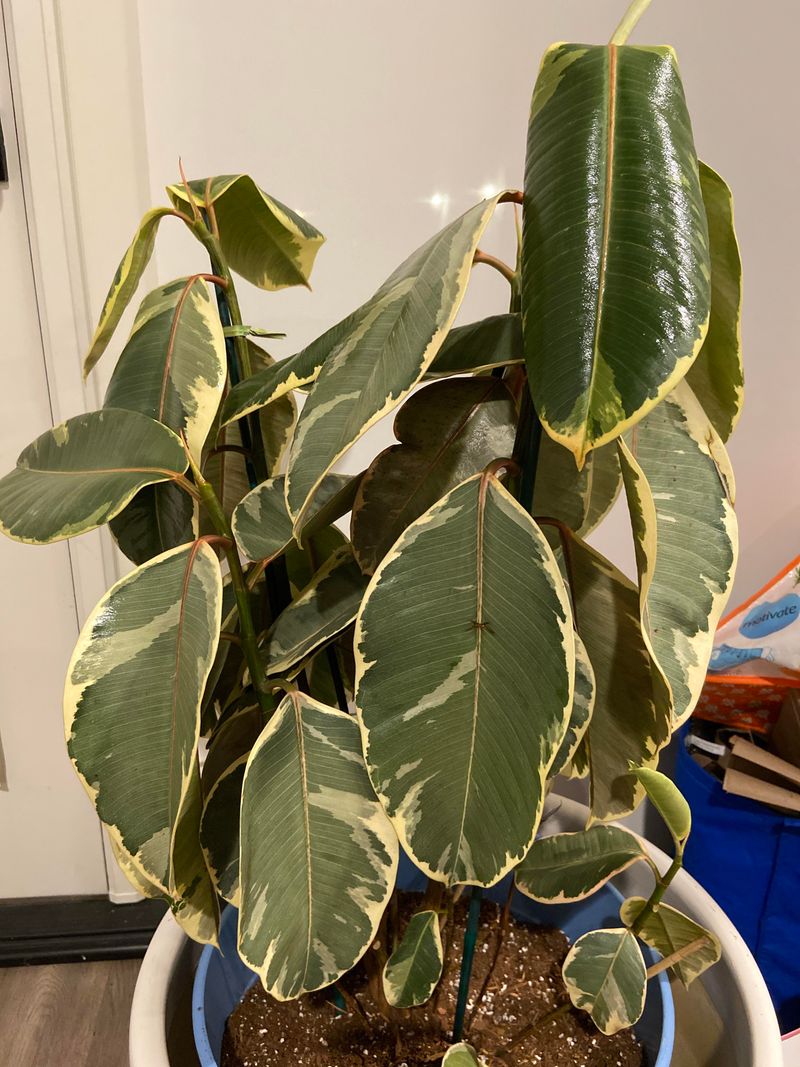
A plant cannot tell you it feels homesick, but it drops plenty of hints. Learning to read those clues helps you fix problems before they grow.
Some leaf drop right after the move is normal, so try not to panic. Ficus trees are famous for tossing a pile of leaves when their surroundings change.
Yellow lower leaves often point to too much water or too little light. Check the soil first, then look at how far the plant sits from a window.
Crispy brown tips usually mean the air is too dry. Indiana homes can get as dry as a desert once the furnace kicks on in late fall.
A small humidifier or a tray of pebbles and water under the pot can help. Grouping plants together also creates a little pocket of moist air.
Drooping leaves with wet soil can signal root trouble. Gently slide the plant out of its pot and check for brown, mushy roots with a sour smell.
Healthy roots should look firm and white or light tan, a bit like fresh noodles. Trim away the bad ones and repot in fresh, slightly moist potting mix.
Tiny webs, sticky leaves, or small flying bugs mean pests slipped past your inspection. Treat them quickly and keep that plant away from the others until the problem clears up.
Most plants bounce back within three to six weeks once they settle in. A fresh new leaf is their way of saying thanks for the cozy winter hotel.