12 Trees And Shrubs That Establish Best When Planted In Fall
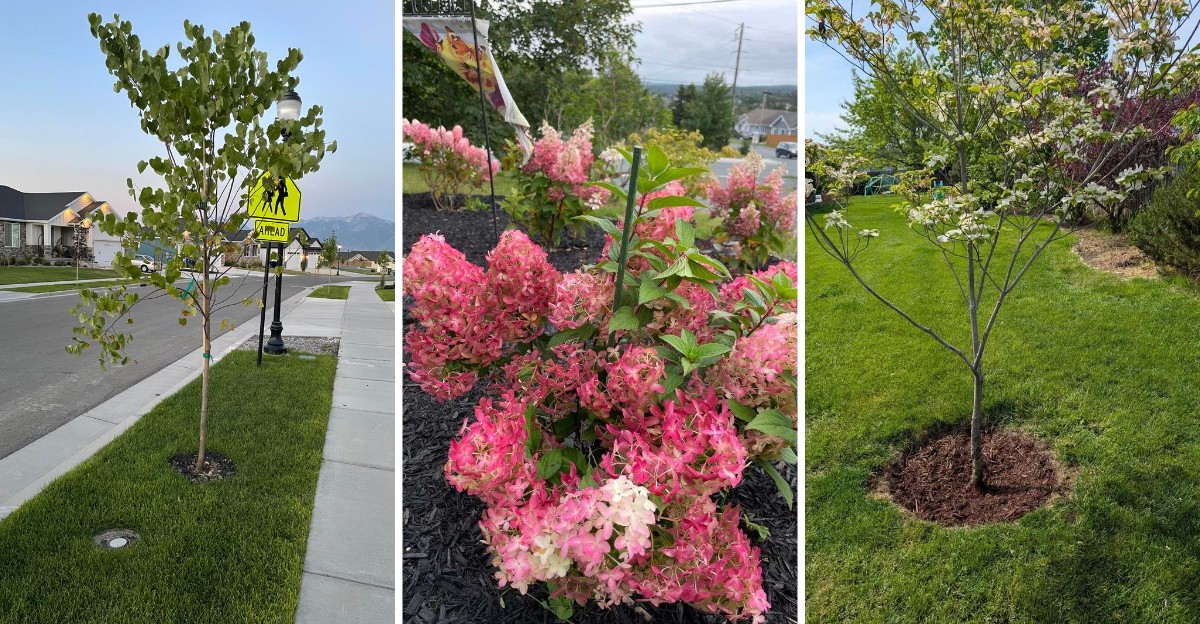
Picture your yard weeks from now, already ahead of every other one on the block. Underground, your soil is quietly deciding how strong your landscape will look by spring.
Right now, your window for giving roots a serious head start is wide open. Missing it means waiting an entire year for the same opportunity to circle back.
Cooler air and warmer soil create a rare combination most gardeners rarely use. Your choices this season set the tone for every season that follows.
Certain choices thrive on this timing far more than people realize. Few gardeners get another chance to plant with this kind of advantage on their side.
1. Red Maple Puts On A Fiery Show
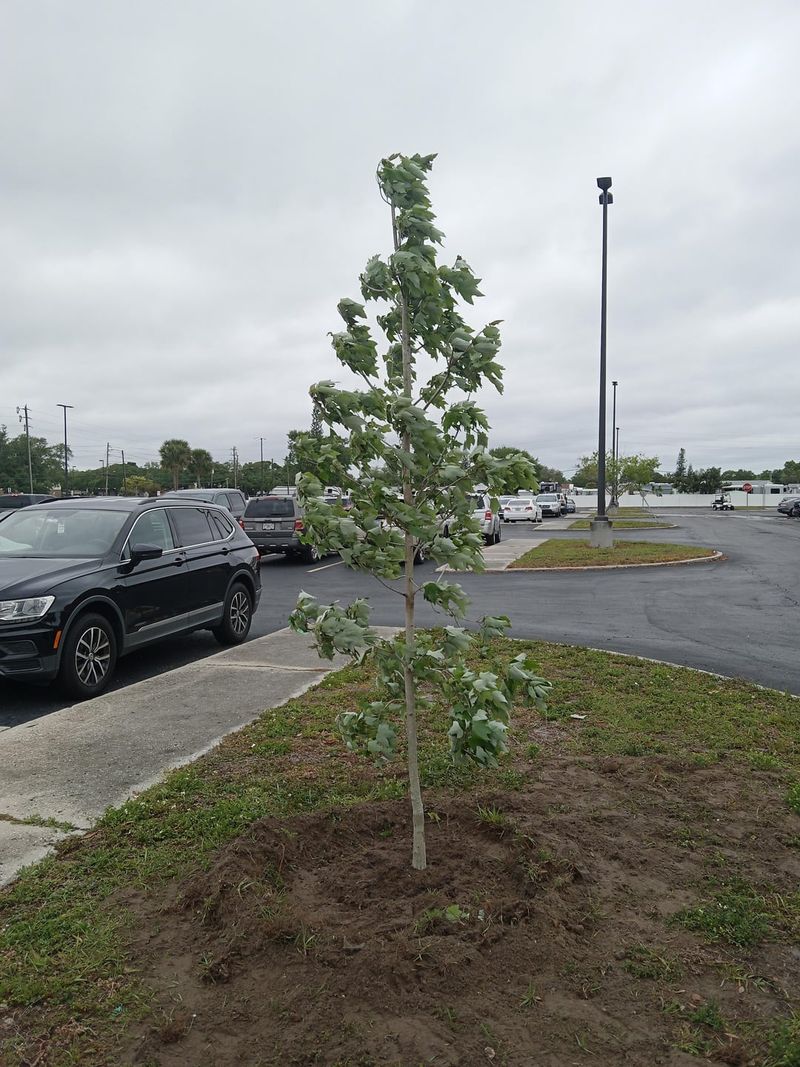
Few sights beat a red maple blazing scarlet against a blue October sky. Planting one in September lets it build strong roots before its next big color show.
Why does fall planting work so well for this tree? The soil stays warm for weeks, while cooler air puts less stress on branches and leaves.
Red maples grow quickly, often adding one to two feet each year. They handle soggy spots better than most trees, so that low corner of your yard might finally get some shade.
Fun fact: early settlers boiled red maple sap into syrup, though sugar maples make sweeter stuff. Birds and squirrels also love snacking on its winged spring seeds.
Pick a sunny spot with room to spread, since mature trees can reach 50 feet tall. Dig a hole twice as wide as the root ball but no deeper.
Water deeply once a week until the ground freezes, then spread three inches of mulch around the base. Keep the mulch a few inches away from the trunk to prevent rot.
One quick tip: avoid planting too close to sidewalks, because the roots grow near the surface. Give it space now, and your future self will thank you every autumn.
2. Sugar Maple Rewards Patient Planters
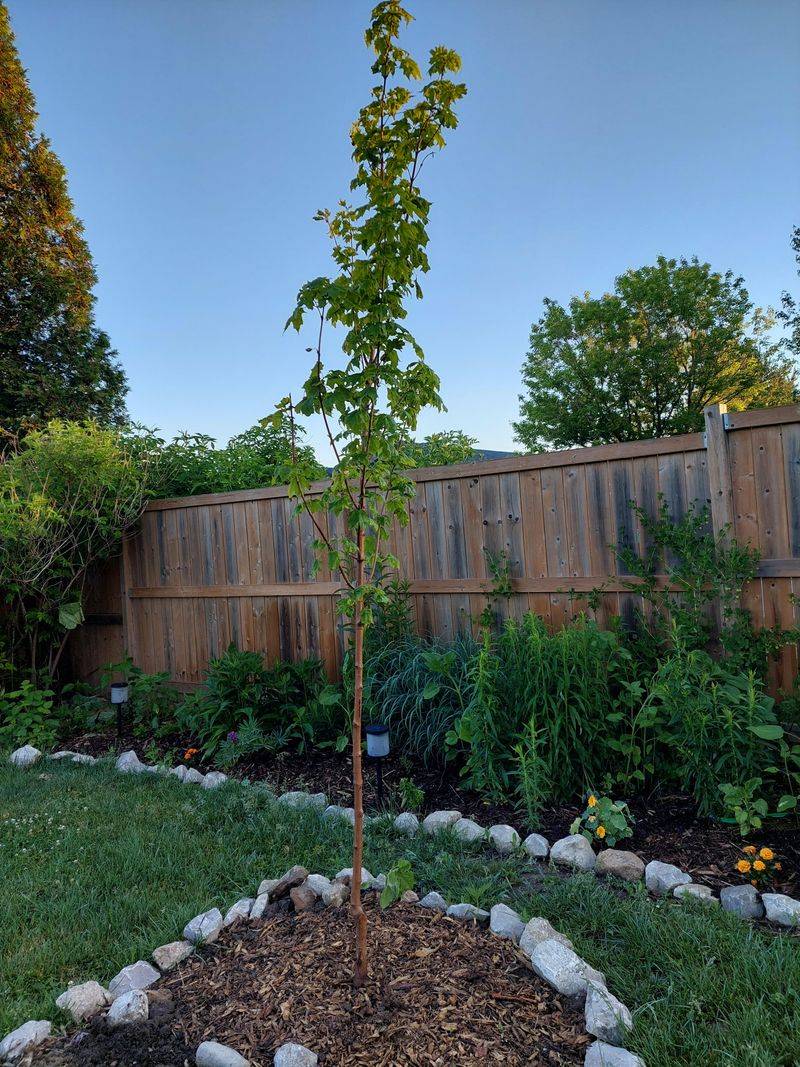
Every pancake drizzled with real maple syrup owes a thank-you note to this tree. Sugar maples are the sweet stars of northern forests and backyards alike.
They grow slowly, so giving them a fall start matters a lot. Autumn planting gives roots several extra months to settle in before summer heat arrives.
Think of it as an early lead in a very long race. A sugar maple can live 200 years or more, shading your great-great-grandkids someday.
Plant it in full sun or light shade, in soil that drains well. Sugar maples dislike soggy feet, so skip spots where puddles linger after rain.
They also struggle near salted roads and in tight city spaces. A roomy lawn or open yard far from the street suits them much better.
After planting, soak the soil slowly with a hose on low for about twenty minutes. Repeat weekly through autumn unless rain does the job for you.
A small, young tree in a container often adapts faster than a big one. It will catch up in size sooner than you think.
Don’t expect syrup buckets next year, since trees need about 40 years before tapping. Still, the orange and gold leaves each October make the wait feel worth it.
3. Flowering Dogwood Opens Spring With A Bang
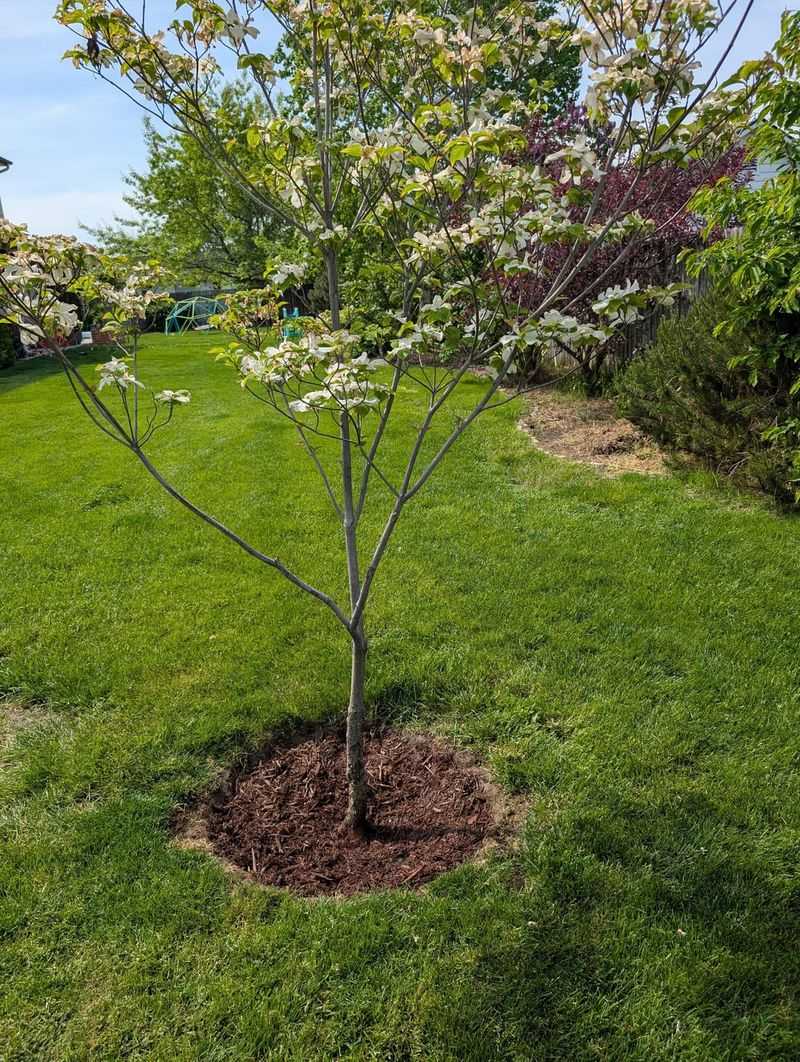
Grandma’s front yard probably had one, dotted with white blooms every April like fresh popcorn. Flowering dogwood is a classic for good reason, and fall is its favorite planting time.
Here’s a secret: those big white petals are actually special leaves called bracts. The true flowers are the tiny green-yellow clusters in the center.
Wondering about the name? One theory says the hard wood was once used for dags, or skewers, which slowly became dogwood over time.
Dogwoods have shallow roots that hate hot, dry weather. Planting in September lets them settle while temperatures stay mild and rain comes more often.
In the wild, they grow under taller trees, so they enjoy morning sun and afternoon shade. Harsh all-day sun can scorch their leaves by July.
Set the root ball slightly above ground level, since dogwoods sulk when planted too deep. Mix a little compost into the soil, but not too much.
Mulch is this tree’s best friend, keeping roots cool and moist. Spread a wide ring about three inches thick, like a cozy blanket.
Protect the thin bark from lawn mowers and string trimmers, because nicks invite trouble. Come fall, birds will gobble the shiny red berries it produces.
4. Eastern Redbud Wakes Up In Pink
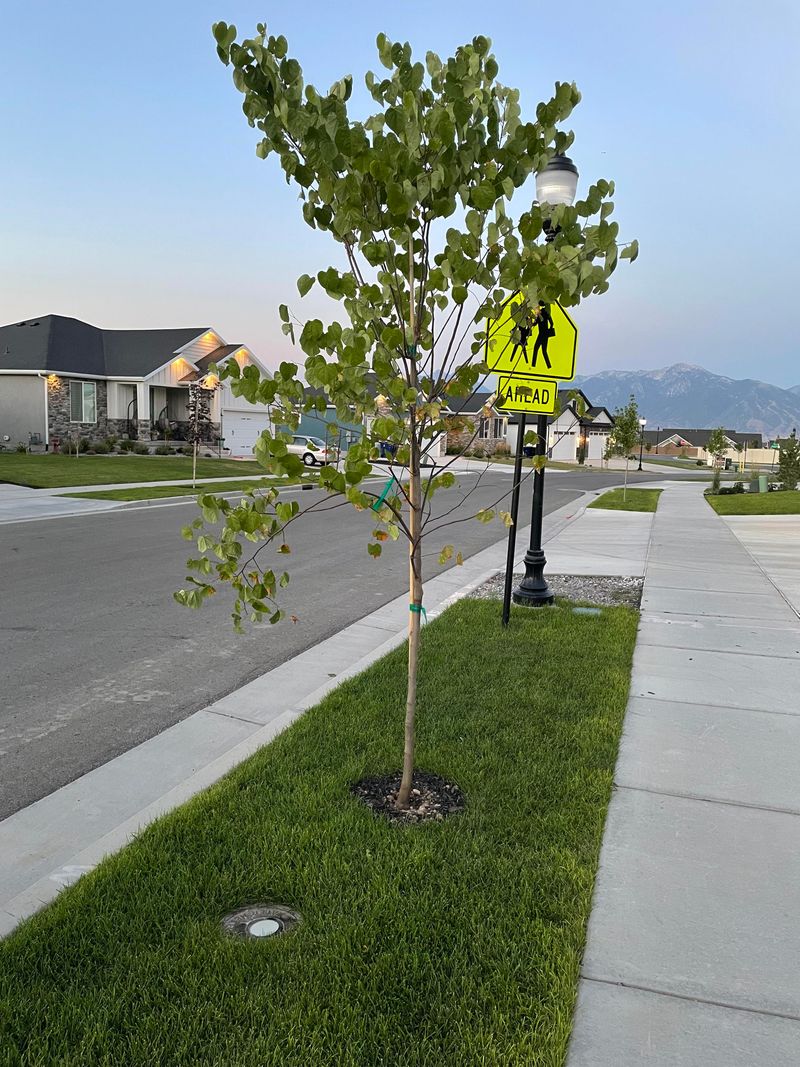
Before most trees even think about leaves, redbuds burst into bright pink-purple blooms along bare branches. The flowers even pop straight out of the trunk sometimes!
It looks like someone glued candy to the bark overnight. Kids and neighbors will stop on the sidewalk and stare every March and April.
Redbuds form deep taproots, which makes moving them later pretty tricky. Planting a young one in fall, in its forever spot, helps that main root dig down before winter.
They stay small, usually 20 to 30 feet tall, so they fit nicely in modest yards. Their heart-shaped leaves turn a buttery yellow in autumn like little golden valentines.
Choose a spot with sun or partial shade and soil that drains well. Redbuds tolerate clay better than many flowering trees, which works well for tough yards.
Water weekly until the ground chills, and add mulch to keep moisture steady. Skip fertilizer at planting time, since it can push tender growth too late in the season.
Here’s a tasty bonus: redbud flowers are edible and add a sweet, peppery crunch to salads. Pollinators like early bees depend on them for food when little else is blooming.
5. Serviceberry Delivers Four Seasons Of Fun
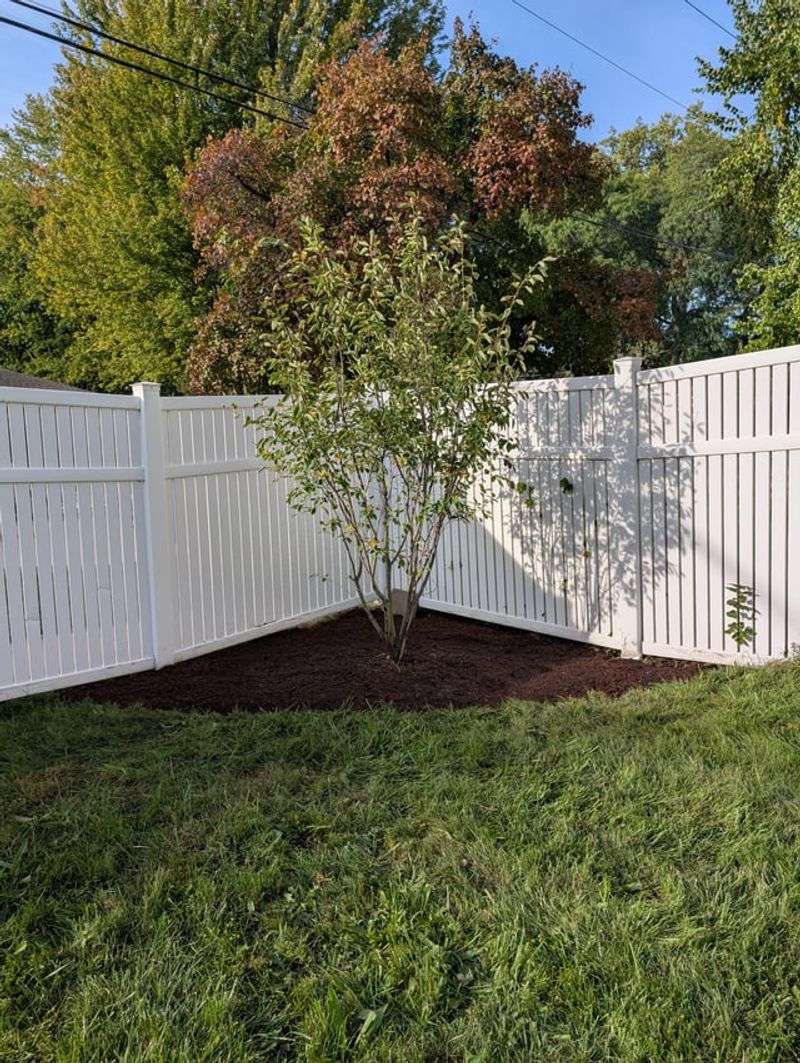
Ask a gardener to name one tree that does it all, and many will say serviceberry. It gives spring flowers, summer fruit, fall color, and smooth gray winter bark.
The name has a neat bit of American history behind it. As the story goes, early settlers named it for blooming right when muddy roads cleared enough for traveling preachers to reach their congregations.
Its June berries look like blueberries and taste a little like sweet almonds. Birds know this, so you’ll have to race the robins to pick them.
Fall planting suits serviceberry because its fine roots grow best in cool, damp soil. By spring, the plant is ready to burst into white blossoms without any struggle.
You can grow it as a small tree or a multi-stemmed shrub, reaching about 15 to 25 feet. It looks charming near patios or along a fence line.
Serviceberry handles sun or part shade and isn’t fussy about soil type. Water it deeply every seven to ten days through autumn if rain is scarce.
Its leaves flare orange and red in October, rivaling any maple on the block. Plant one this month, and you’ll be baking berry muffins in a couple of summers.
6. Crabapple Brings Blossoms And Bird Snacks
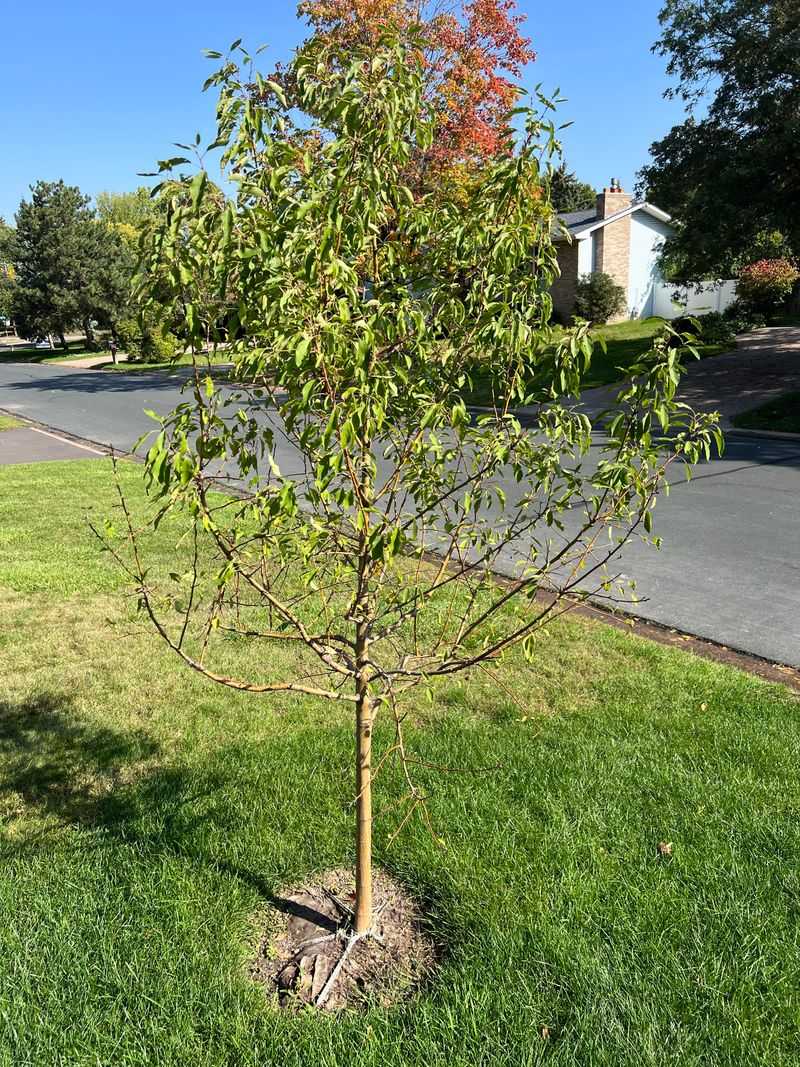
Forget the sour reputation. Modern crabapples are bred for dazzling spring flowers and tiny, jewel-like fruit that hangs on well into winter.
Blossoms come in white, pink, or deep rose, and they smell sweet on a warm April afternoon. The fruit ranges from cherry red to golden yellow.
Cedar waxwings and cardinals treat those little apples like a winter buffet. Your yard could become the most popular bird diner in the neighborhood.
Crabapples settle in fast when planted in early fall. Warm soil encourages new roots, and the tree rests easy through winter before its big spring debut.
Look for disease-resistant types like ‘Prairifire’ or ‘Sugar Tyme’ at your local nursery. Older varieties often struggle with apple scab, leaf spots, and rust by midsummer.
Give it full sun for the best blooms and soil that doesn’t stay soggy. Most crabapples top out between 15 and 25 feet, perfect for smaller yards.
Water well after planting and keep it up weekly until frost. Save any pruning for late winter, when you can easily see the branch shape.
Orchard owners love crabapples as pollinator partners for regular apple trees. If you grow apples, one crabapple nearby can boost your harvest.
7. River Birch Shows Off Its Peeling Bark
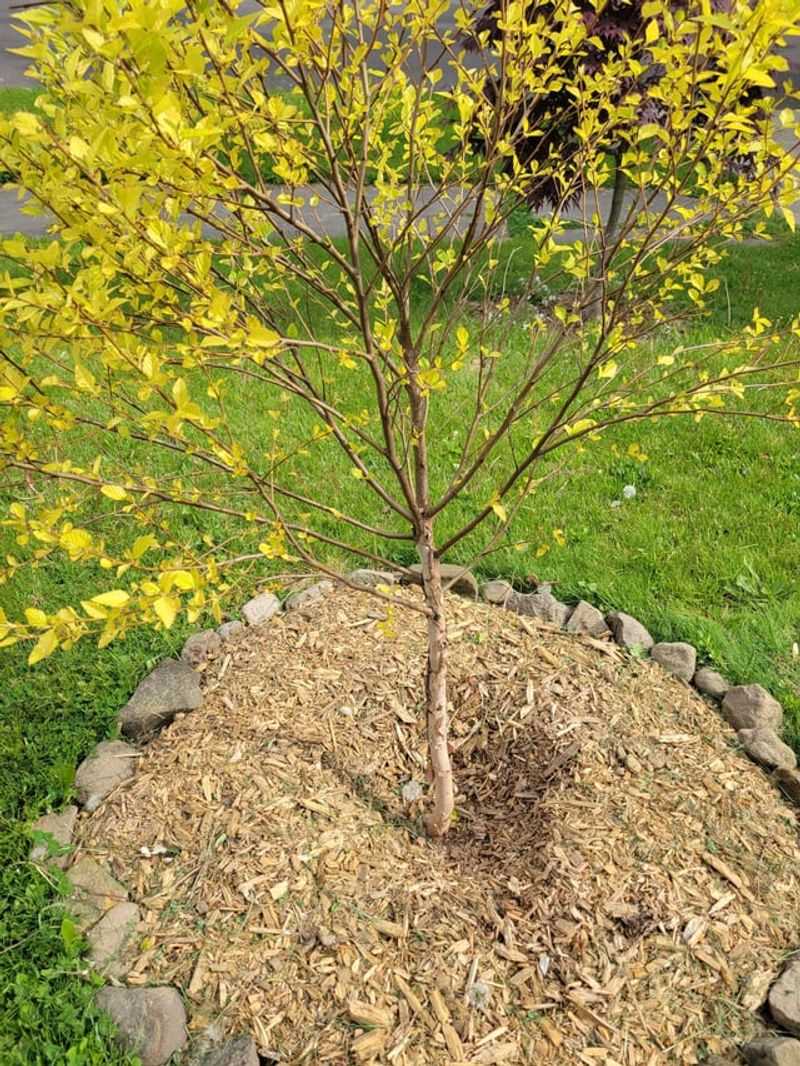
Peeling bark sounds like a problem, but on a river birch, it’s the main attraction. Curly strips of cinnamon, cream, and salmon flake off like old paper scrolls.
Unlike white birches, which often struggle in hot summers, this one handles heat like a champ. It also resists the bronze birch borer, a bug that troubles its cousins.
As the name hints, river birch loves water. It thrives in damp spots, rain garden edges, and places where other trees get waterlogged.
Fall is prime planting time because steady moisture and cool air help its thirsty roots spread fast. Summer planting often means constant watering and droopy leaves.
Aim for full sun to part shade and slightly acidic soil. Give it plenty of room, since it can grow 40 to 70 feet tall.
Many nurseries sell multi-trunk versions, which show off even more of that shaggy bark. They look stunning lit up by landscape lights on a winter night.
One heads-up: its leaves may yellow and drop during droughts. That’s a normal survival trick, and a good soaking usually perks it right up.
Keep the soil moist through its first autumn, and mulch generously. By next summer, you’ll have a fast-growing shade maker that shrugs off wet feet.
8. Little Leaf Linden Smells Like Summer Honey
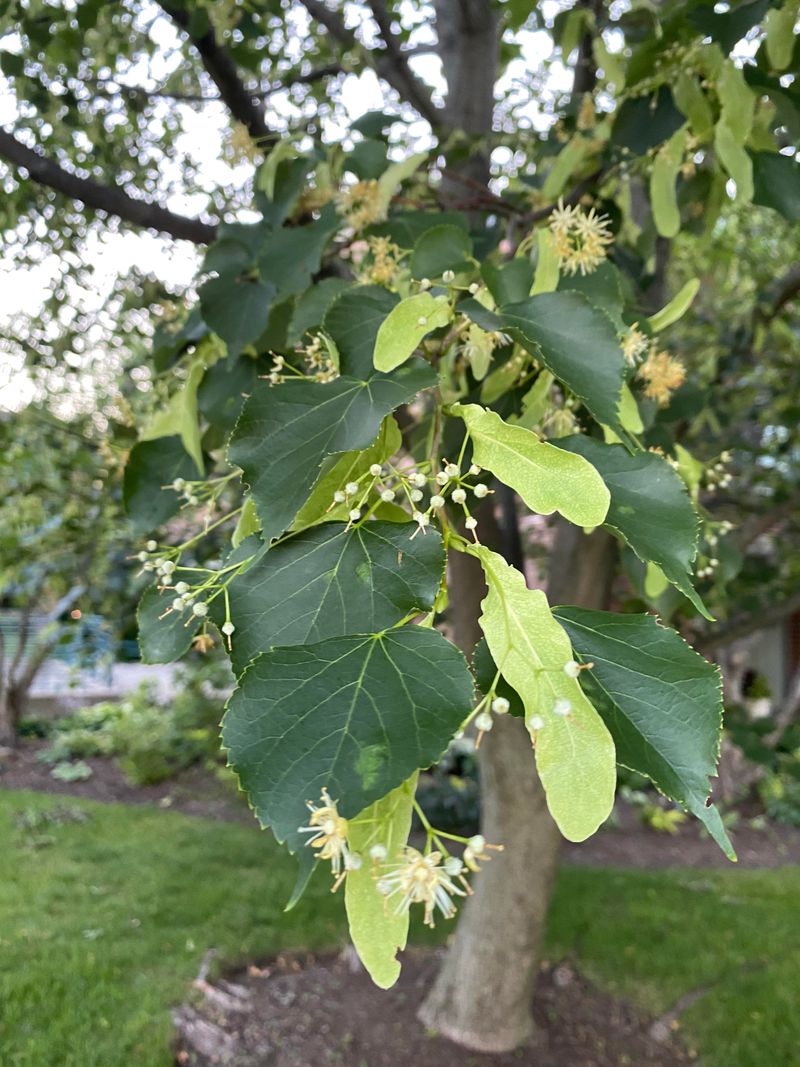
Walk under a blooming linden in June, and you’ll hear it before you see it. Thousands of bees hum through its tiny, honey-scented flowers.
Little leaf linden is a European tree that has become a favorite along American streets. It tolerates pollution, packed soil, and rough city conditions with ease.
Its neat, pyramid shape looks almost like it was trimmed by a pro. The small, glossy leaves grow thick, creating cool, deep shade.
Fall planting works wonders for lindens because they focus on roots when the weather cools. By spring, they’re anchored and ready to push out fresh growth.
Give this tree full sun and average soil that drains well. It grows at a moderate pace and can reach 50 to 60 feet eventually.
Water deeply after planting and every week or so until the ground gets cold. A ring of mulch keeps grass from competing with young roots.
In Europe, people have brewed linden flower tea for centuries to calm coughs and nerves. Some old German villages even held meetings under giant lindens.
Fair warning: aphids sometimes leave sticky drips below the branches in summer. Avoid parking your car directly underneath unless you enjoy a sugary windshield.
9. Boxwood Keeps The Garden Green All Winter
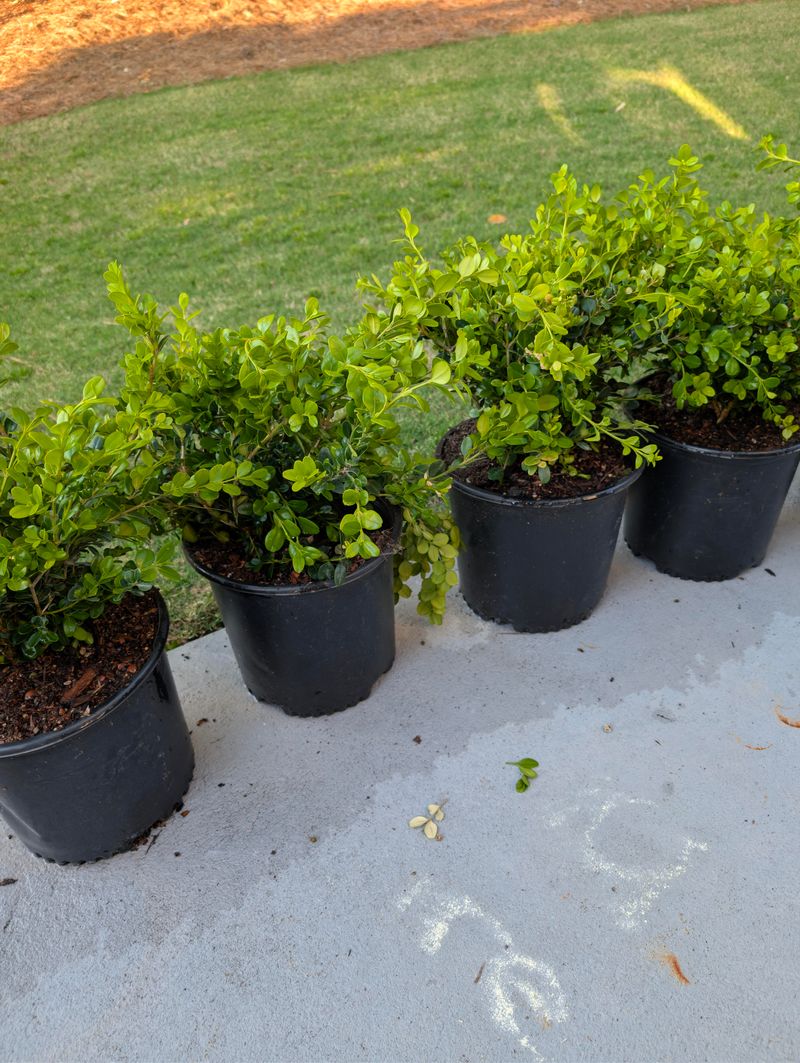
Picture a fancy castle garden with perfectly trimmed green hedges. Odds are good those tidy living walls were made of boxwood, a shrub gardeners have loved for centuries.
The evergreen holds its leaves all year, so it adds color when everything else looks bare. It also takes shaping well, from balls to cones to low borders.
Fall is a sweet spot for planting boxwood, but timing matters. Aim for September or early October so roots have about six weeks before the ground freezes.
Boxwood roots are shallow, so they dry out quickly. Water deeply once or twice a week, and add a thin layer of mulch to hold moisture.
Winter wind and sun can turn the leaves bronze or tan. Planting on the sheltered side of your house, or wrapping young shrubs in burlap, helps a lot.
Choose part shade to full sun and soil that drains fast. Soggy ground leads to root rot, this shrub’s biggest enemy.
Hold off on trimming until spring, since fall pruning triggers tender growth that frost will damage. Deer usually leave boxwood alone, which is a nice perk.
Some people notice boxwood has a funky smell on hot days. Popular hybrids like ‘Green Velvet’ offer a milder scent and great cold hardiness.
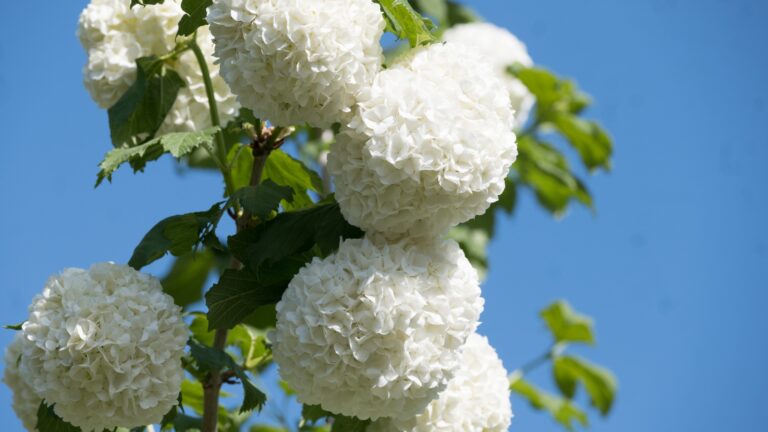
10. Viburnum Packs Flowers, Berries, And Color
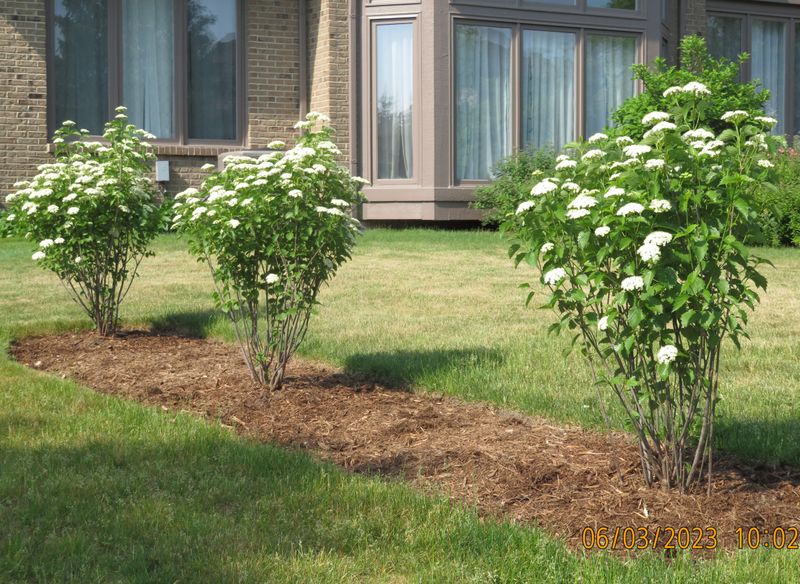
With over 150 species, viburnums are like the Swiss Army knife of the shrub world. There’s one for nearly every yard, climate, soil, and gardening style.
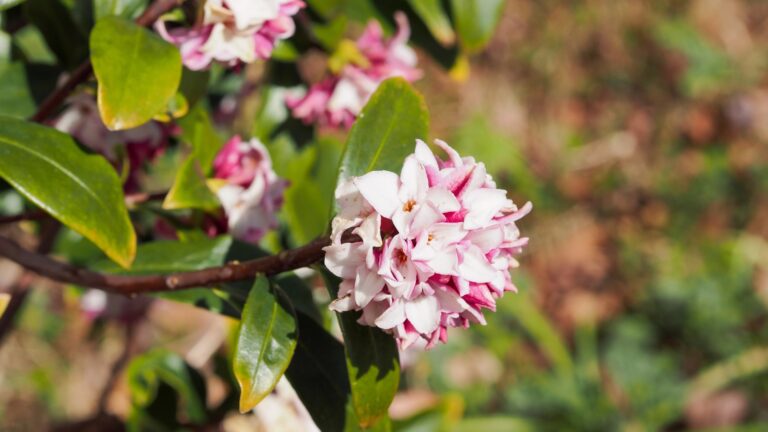
Some, like Korean spice viburnum, smell so sweet in spring that neighbors ask what perfume you’re wearing. Others, like arrowwood, grow sturdy enough for busy hedges and windbreaks.
Most viburnums produce clusters of berries in blue, red, or black that birds adore. Many also turn rich shades of wine and burgundy once cool October nights arrive.
Planting in early fall gives these shrubs a calm window to grow roots without summer’s scorching heat. They wake up in spring strong and ready to bloom.
Most types like full sun to part shade and moist, well-drained soil. Dig a wide hole, loosen the roots gently, and set the shrub at its original depth.
Many gardeners miss a berry secret: some viburnums need a partner nearby to make fruit. Planting two different varieties side by side improves the berry show.
Keep watering weekly until the ground freezes, and add a layer of shredded bark. Next spring, you’ll get fragrant blooms, busy butterflies, and a yard that smells amazing.
11. Spirea Is Tough, Tidy, And Easy To Love
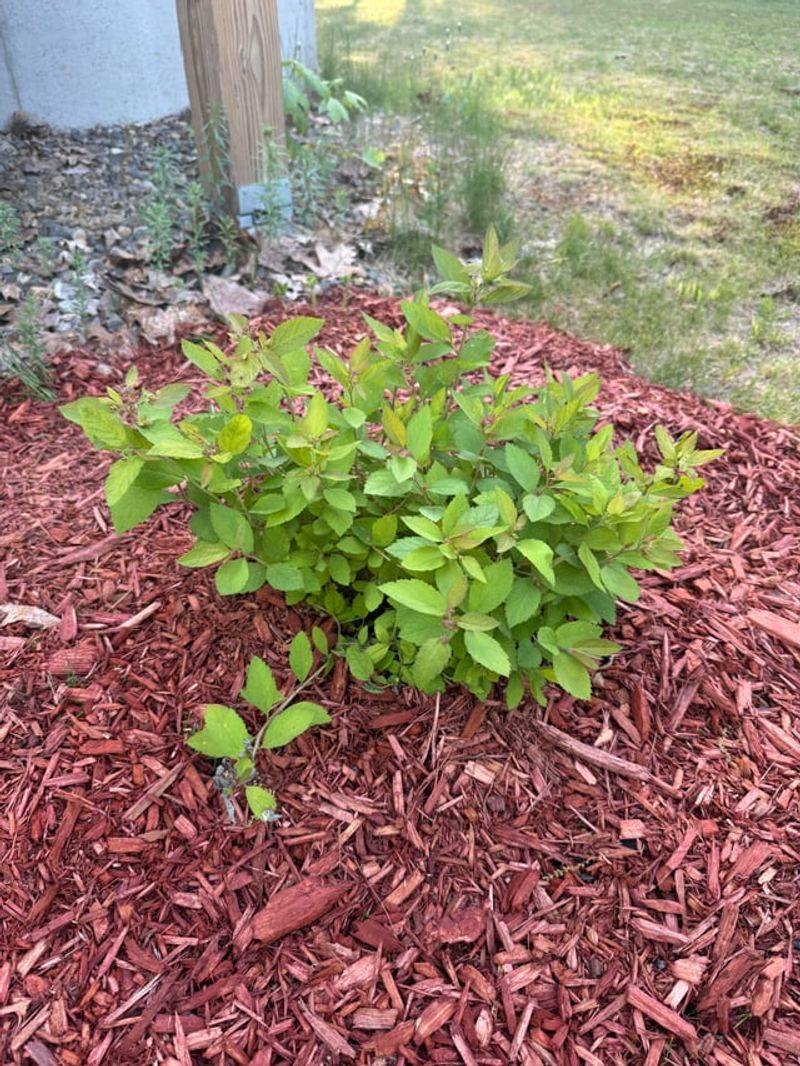
If you’ve ever managed to wilt a cactus, spirea might restore your gardening confidence. This shrub is famous for thriving on very little attention.
Old-fashioned bridal wreath spirea drapes its arching branches in white flowers every spring. Newer compact types, like ‘Goldflame,’ bloom pink in summer with bright gold and orange leaves.
Fall planting helps spirea develop a strong root system while the top rests. That extra underground growth means more flowers and less wilting next summer.
Give it full sun for the most blooms, though it tolerates a bit of shade. Almost any soil works, as long as water doesn’t puddle around the roots.
Space plants about three to four feet apart if you want a low hedge. They fill in quickly and look great lining a driveway or front walk.
Water new shrubs weekly this fall, then mostly let nature handle it. Once settled, spirea stands up to drought, cold winters, and even hungry deer.
Butterflies flock to the flat flower clusters on summer types. Trim off faded blooms, and many varieties reward you with a second round of color.
Know your type before pruning, since spring bloomers flower on old wood. Trim those right after blooming, and cut summer bloomers back in late winter.
12. Panicle Hydrangea Changes Colors Like Magic
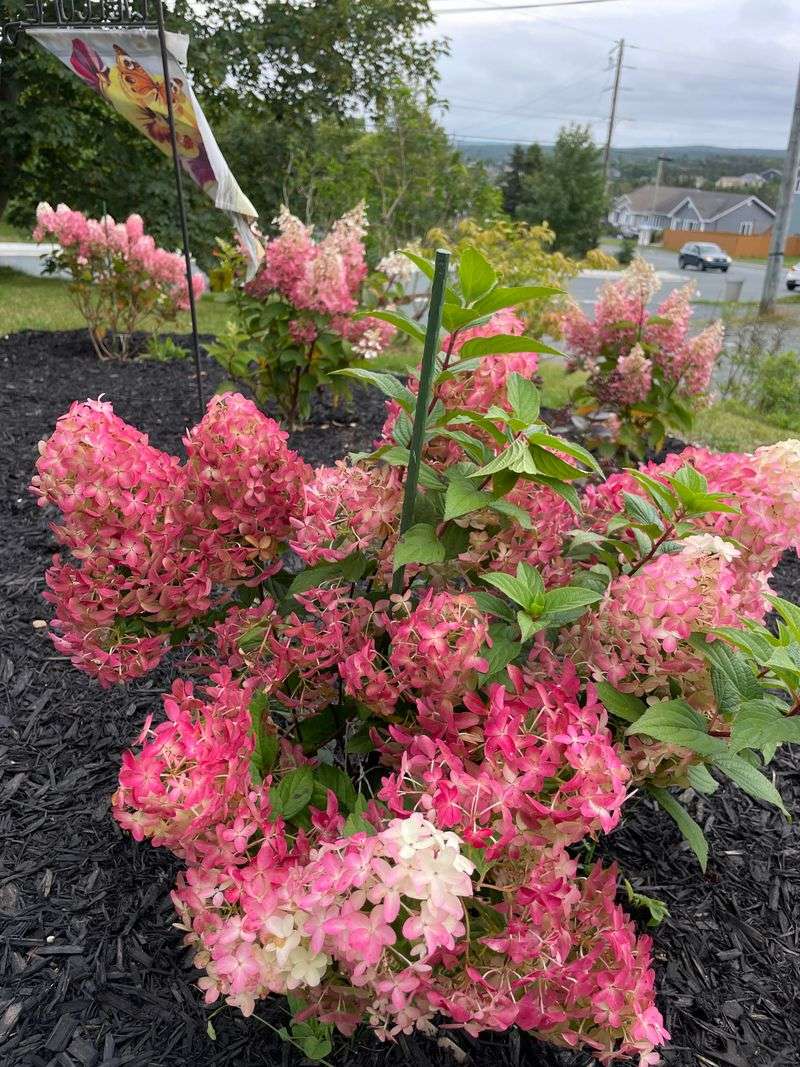
Cone-shaped flower heads nearly as long as your forearm start out lime green, fade to creamy white, then blush pink by September. Panicle hydrangeas put on a slow-motion color show.
Compared with their fussy bigleaf cousins, these hydrangeas bloom reliably even after harsh winters. They handle more sun and cold than most other hydrangea types.
Popular picks include ‘Limelight,’ ‘Bobo,’ and ‘Quick Fire,’ which range from knee-high dwarfs to eight-foot giants. You can even find them trained as small single-trunk trees.
September planting gives roots about two months to settle before winter. Nurseries often put hydrangeas on sale now, so your wallet wins too.
Plant in a spot with at least six hours of sun and rich, moist soil. Water deeply at planting and keep the ground damp, not soggy, until frost.
Soil pH won’t change the flower color on these beauties. The shifting shades come from cooler nights and the natural aging of each bloom.
Leave the dried flower heads on through winter, since they look lovely dusted with snow. Prune in late winter, because these shrubs bloom on new growth.
Cut a few blooms this month and hang them upside down to dry. They make gorgeous bouquets that last all the way to spring.