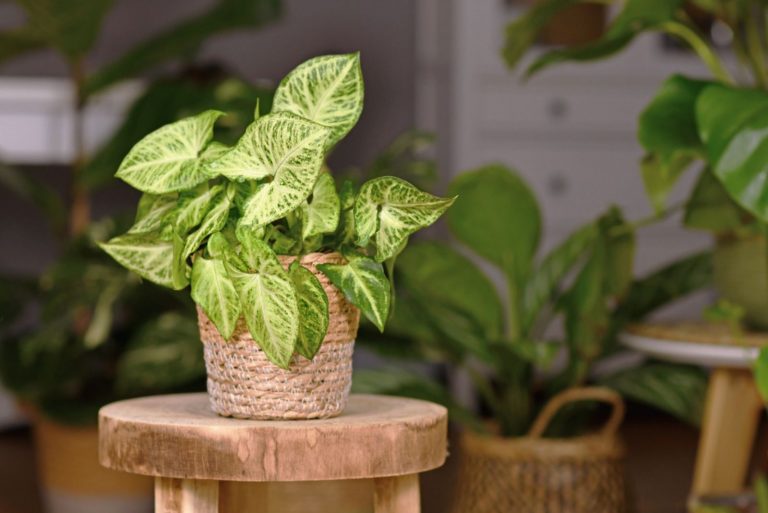
9 Plants To Leave Standing This Fall For A Healthier Garden Next Spring
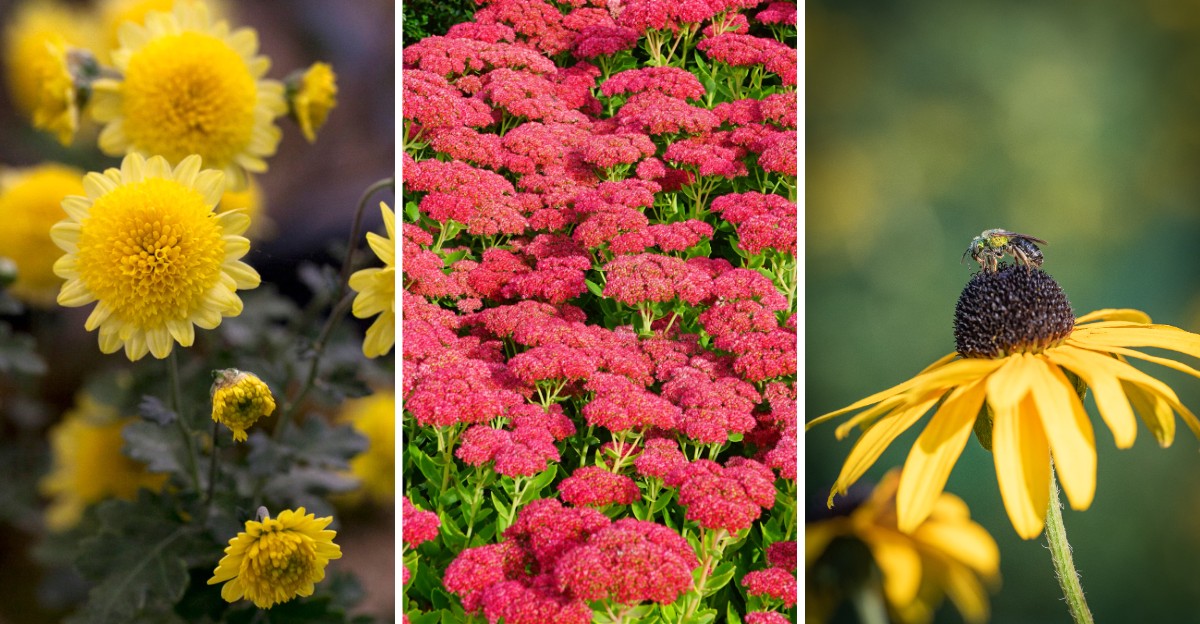
Your tidiest instinct this fall could undo next spring’s garden. Those hollow stalks you want to cut have tenants. Mason bees raise young inside them and seal each chamber with mud.
Swallowtail chrysalises cling to bare stems, disguised as brown twigs until spring. Sparrows glean fallen seeds, fueling up before temperatures drop. Beneath the leaves you rake, queen bumblebees burrow in and wait out winter.
Fireflies spend their larval stage there, munching slugs you dislike. Standing stalks also catch snow, which insulates tender crowns against hard freezes. You get tougher perennials by doing less. Cleanup still matters, though.
Mildewed foliage, pushy self-seeders, and mushy hosta leaves deserve removal now. Knowing which is which separates a thriving garden from a bland showpiece. Before you grab those shears, see what each plant protects.
1. Purple Coneflower Feeds The Winter Birds
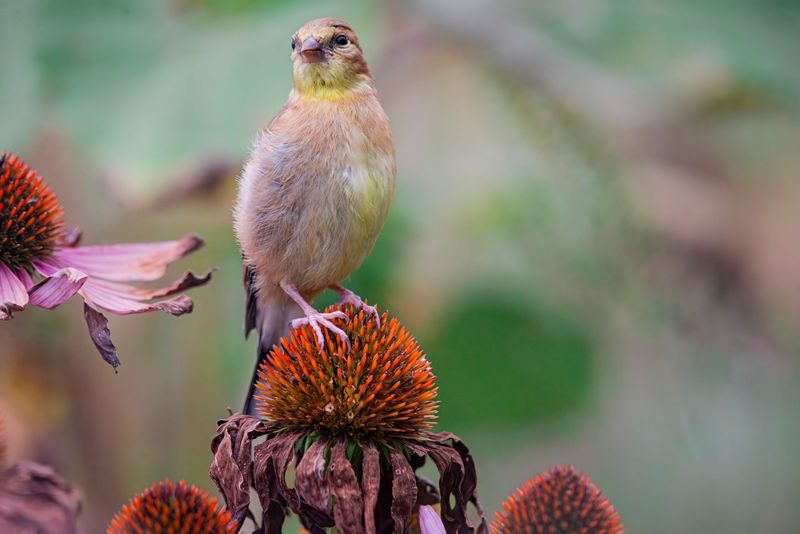
Picture a bright yellow goldfinch clinging to a brown seed head while snow drifts down around it. That little scene only happens if you leave your coneflowers standing after their petals fade.
By September, those spiky orange centers are packed with tiny seeds that birds adore. Goldfinches pick at the seed heads well into winter, while juncos and sparrows forage seeds that fall to the ground.
Cutting the stalks down in fall wipes out that food source right when birds need it most. Natural food gets scarce in cold months, so every seed head counts.
Standing stems also help your garden grow in a sneaky, money-saving way. If you grow the straight species, some seeds will drop and sprout into new coneflowers next spring, though many hybrid cultivars won’t come true from seed.
The sturdy stalks catch falling leaves and snow, which act like a cozy blanket over the roots. That extra layer helps the crown stay protected during sudden freezes and thaws.
Worried about a messy look? Frosted seed heads look stunning against a gray winter sky, especially with a light dusting of snow.
Wait until early spring, when new green leaves start poking up from the base. Then snip the old stalks down to a few inches and let the fresh growth take over.
Add a feeder nearby, and you will enjoy the best bird show on the block. Your coneflowers will reward that patience with healthier blooms by summer.
2. Ornamental Grasses Guard Their Own Crowns
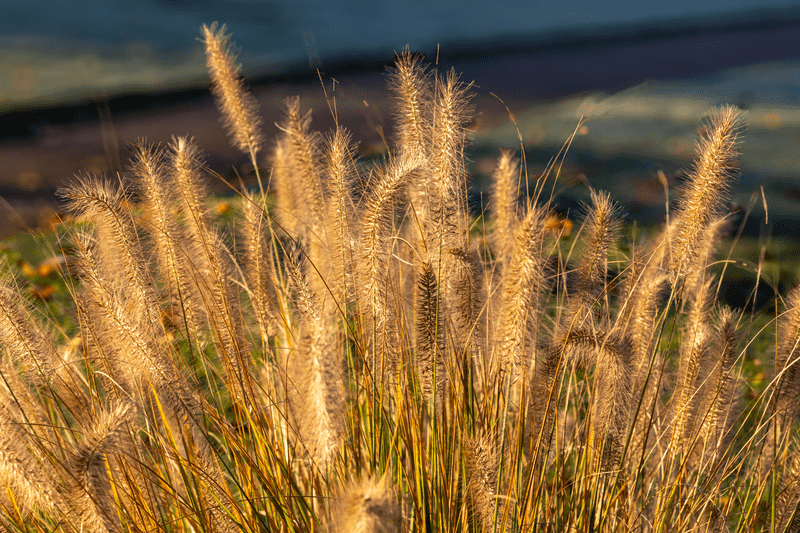
Think of ornamental grasses as the scarecrows of the fall garden, tall and rustling and full of personality. Many gardeners chop them to the ground in autumn, but that tidy habit can backfire.
Every grass plant has a crown, which is the growing point sitting right at soil level. The old leaves form a natural shield that keeps icy water from soaking into that crown.
Cut stems can act like tiny straws, funneling rain and melting snow straight down into the plant. Freezing water inside the crown can cause rot or serious cold damage by spring.
Leaving the foliage up also gives ladybugs and other helpful insects a snug place to spend winter. Small birds like sparrows love hiding in the thick clumps when chilly winds blow.
Fun fact: switchgrass and little bluestem turn gorgeous shades of copper, red, and gold after the first frost. Their fluffy plumes glow when low winter sunlight hits them just right.
Tie tall clumps loosely with garden twine if they tend to flop over in heavy snow. That quick trick keeps them upright and looking neat without any cutting at all.
For warm-season grasses such as switchgrass and little bluestem, late winter or very early spring is the sweet spot for trimming.
Cut the clump down to about four to six inches before fresh green blades start to appear. Evergreen grasses like blue fescue only need a light comb-out to remove old blades.
3. Lavender Protects Its Woody Stems
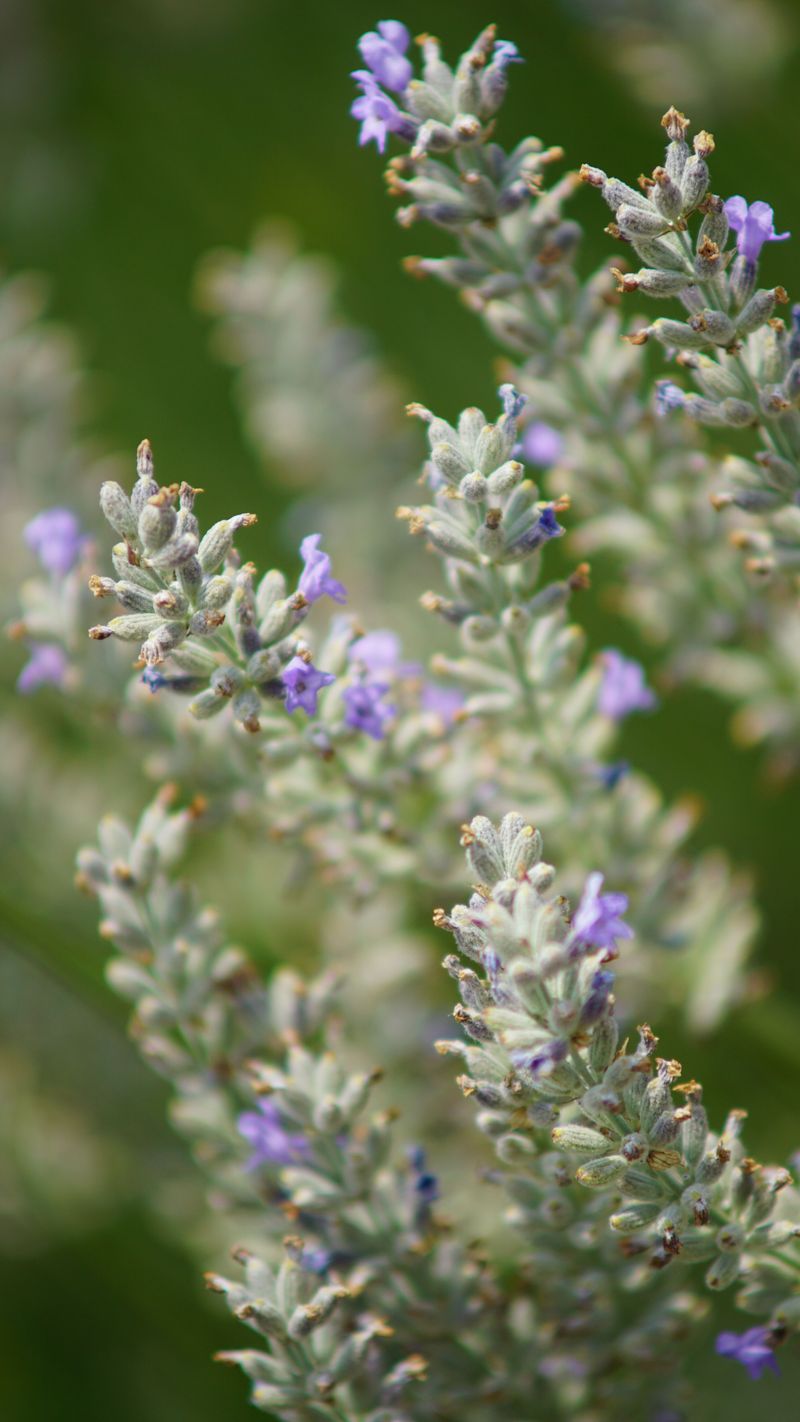
Picture a lavender plant pruned hard every October, then struggling each spring. The reason lies in those gray, woody stems.
Lavender is not a soft perennial like hostas or daylilies. It behaves more like a small shrub, and its woody base does not regrow easily after hard cuts.
Fall trimming encourages tender new shoots to pop out right before frosty weather arrives. Those soft sprouts freeze quickly, leaving open wounds that invite rot into the plant.
Leaving the silvery foliage in place helps shelter the crown from harsh winter wind. Snow can settle on top of it too, working like a fluffy layer of insulation.
Here is a fun bit of history for you. Lavender is often linked to Roman bathing traditions, and its name is commonly traced to lavare, Latin for “to wash,” though some scholars point to livere, meaning bluish.
So when is the right moment to prune? Wait until spring, once you spot fresh green growth along the lower stems.
Trim back about one third of the plant, cutting just above those new leaves. Stay away from the bare, woody part at the bottom, since it rarely sprouts again.
A light tidy in late summer, right after blooming, is fine if you want a neater shape. Just wrap it up by mid-September so the plant has time to toughen up.
4. Garden Mums Shield Their Tender Roots
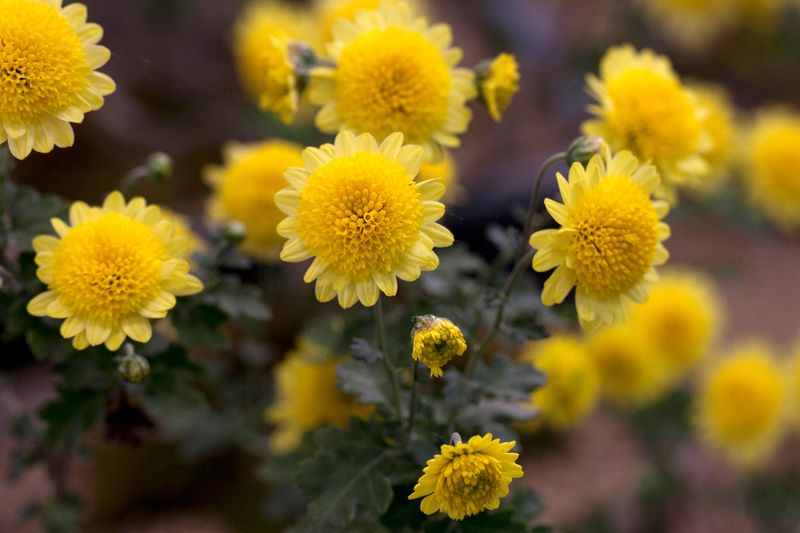
Did you buy a pot of cheerful mums at the grocery store this month? Plenty of people do, and many of those mums fail to return.
Some are florist varieties not bred to survive winter, while hardy garden types often struggle after an early fall trim.
Garden mums are hardy perennials, but they can be a little dramatic about their first winter. Their shallow roots sit near the surface, where freeze and thaw cycles can push them upward.
Leaving the brown stems and leaves in place gives them a built-in winter coat. Extension horticulturists advise leaving the stems intact, since mums survive winter best that way.
Old stems trap fallen leaves and snow around the base like a fluffy scarf. That layer keeps soil temperatures steadier, so the roots stay snug and settled.
For extra comfort, tuck three inches of shredded leaves or straw around each plant. Wait until after a few hard frosts so mice do not move in first.
Planting store-bought mums in the ground by mid-September also gives their roots time to settle in. The later you plant, the harder winter hits them.
Once spring arrives and green shoots appear at the base, snip off the old stems. Pinch the new growth a few times before July for a bushy, bloom-packed plant by fall.
It feels a bit backward, but lazy gardening wins here. Your mums will thank you with a brighter burst of color next autumn.
5. Bigleaf Hydrangea Hides Next Year’s Blooms
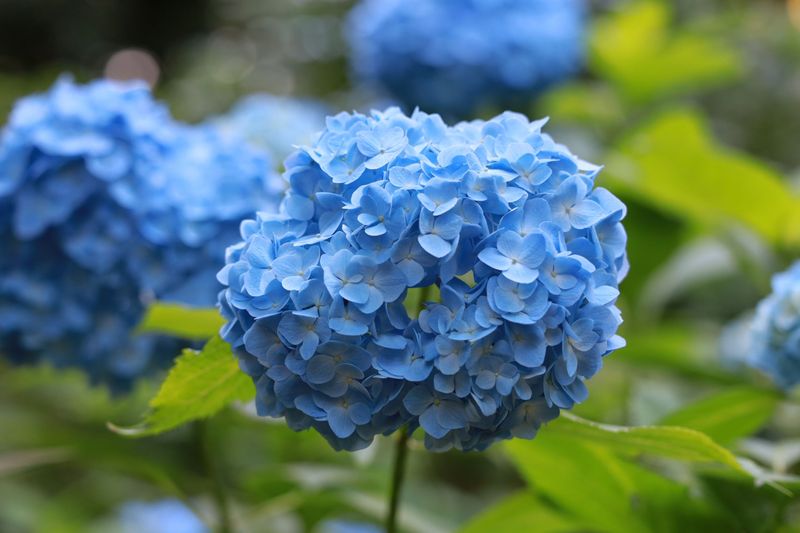
Somewhere inside those brown, papery stems, next summer’s flowers are already waiting like wrapped presents. Snip them now, and you might as well return the gifts unopened.
Bigleaf hydrangeas bloom on old wood, meaning they set their flower buds the summer before. By September, those buds are tucked along the stems, ready to open when warm weather returns.
Cutting the stems back in fall removes those buds for good. You may end up with a leafy green bush and few or no flowers.
Oakleaf and mountain hydrangeas work the same way, so give them the same hands-off treatment.
Reblooming cultivars, such as the Endless Summer series, also flower on new growth, so they recover better. Smooth and panicle types bloom on new wood, which makes them much more forgiving.
Those faded flower heads are worth keeping too. They catch snow and help shield the fragile buds just below from icy blasts.
Here is a cool fact that surprises many gardeners. Bigleaf blooms can turn blue in acidic soil and pink in alkaline soil, like a living mood ring.
In colder regions, wrap the plant in burlap or pile shredded leaves around the base after frost. A little extra cover protects those precious buds through the harshest weeks.
Wait until spring leaves unfold before you touch the pruners. Then trim only the stems that stayed bare and brown, just above a healthy pair of buds.
6. Autumn Joy Sedum Adds Snowy Sparkle

Few garden sights beat a sedum flower head wearing a little cap of fresh snow. Those rusty, broccoli-shaped clusters turn into winter sculptures once the cold rolls in.
Autumn Joy starts blooming pink in late summer and deepens to a coppery red by October. Even after the color fades, the sturdy stems keep standing tall through winter.
Leaving those stems in place gives your garden shape and texture during the gray months. Without them, your flower beds can look like a flat, empty parking lot until April.
Wildlife benefits too. Small birds poke around the seed heads, and beneficial insects sometimes shelter among the dried stems and leaves.
The old growth also marks the plant’s spot, so you will not dig into it by accident. That helps a lot when spring beds get crowded with fresh mulch and new plants.
Sedum stores water in its thick, rubbery leaves, which is why it laughs at drought. That same toughness means it needs very little fussing, even in winter.
When tiny green rosettes appear at the base in early spring, it is cleanup time. Snap or clip the old stems right above those new buds, and toss them in the compost.
Grab a mug of cocoa on a snowy morning and look out the window. Those frosted sedum heads will make you glad you left them alone.
7. Black-Eyed Susan Shelters Sleepy Insects
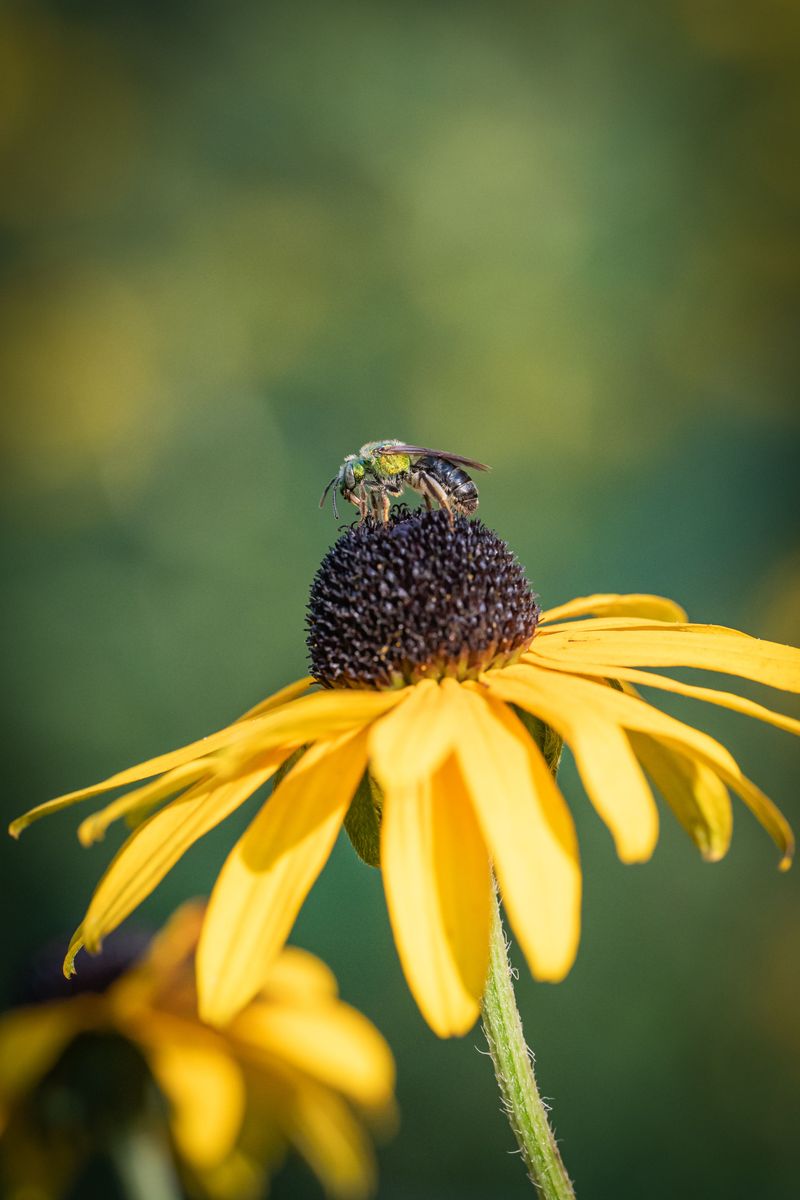
Around 30 percent of North American native bees nest in tunnels, including old plant stems, rather than underground. That surprising fact turns your black-eyed Susans into a winter hotel for tiny helpers.
Beyond bees, lots of beneficial bugs spend the cold months tucked inside stems, leaves, and seed heads. Ladybugs, lacewings, and some butterfly pupae ride out winter right where you left them.
Clear everything away in fall, and those helpers get tossed out with the yard waste. Next spring, you may notice more aphids and fewer allies to eat them.
The dark, cone-shaped centers are loaded with seeds that goldfinches and sparrows happily pick at. Some seeds also fall and sprout, filling bare spots with new volunteers.
Black-eyed Susans are tough native wildflowers that handle heat, drought, and poor soil like champs. Their standing stems help catch leaves, adding a layer of natural mulch around the roots.
Spring cleanup takes a little patience if you want to protect those sleeping guests. A popular rule of thumb is to wait until daytime temperatures stay above 50 degrees Fahrenheit for about a week.
Then cut stems down, but leave 8 to 15 inches of stubble standing. Bees will nest in those short stalks during the summer, raising a brand new generation.
Toss the cut pieces in a corner instead of the trash. Any late sleepers can still wake up and crawl out when they are ready.
8. Russian Sage Holds Onto Its Silver Stems
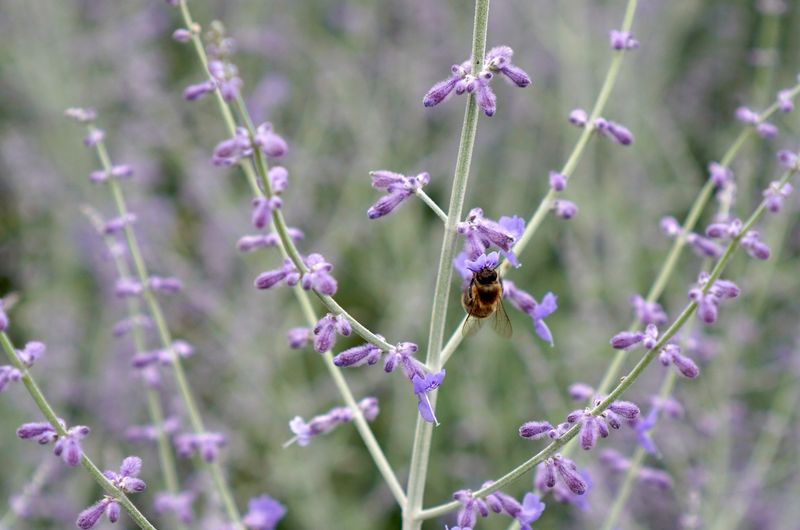
Walk past a Russian sage in October, and a clean, herby scent drifts up to greet you. Those ghostly silver stems look like they belong in a fairy tale forest.
Despite its soft, airy look, Russian sage is really a woody subshrub. Its stems harden over time, much like lavender, and they do not enjoy a fall trim.
Cutting in autumn exposes fresh wounds right before freezing weather arrives. Cold air and moisture can creep into those open cuts and cause stem damage deep into the plant.
Leaving the stems standing helps the plant protect its lower buds through winter. Those buds are where next year’s lavender-blue flower spikes will come from.
Quick trivia: Russian sage is not from Russia at all. It hails from Central Asia, and in 2017 botanists reclassified it into Salvia, the same genus as garden sage.
The pale stems also add a frosty glow to winter beds, especially against dark evergreens. Deer and rabbits usually leave it alone, thanks to that strong smell.
Once new leaves sprout along the lower stems in spring, grab your pruners. Cut everything back to about 12 inches, just above the lowest set of fresh buds.
That hard spring trim keeps the plant compact and stops it from flopping open by August. Wait for the green signal, and your Russian sage will shine all summer.
9. Lilac Bushes Carry Spring Flower Buds
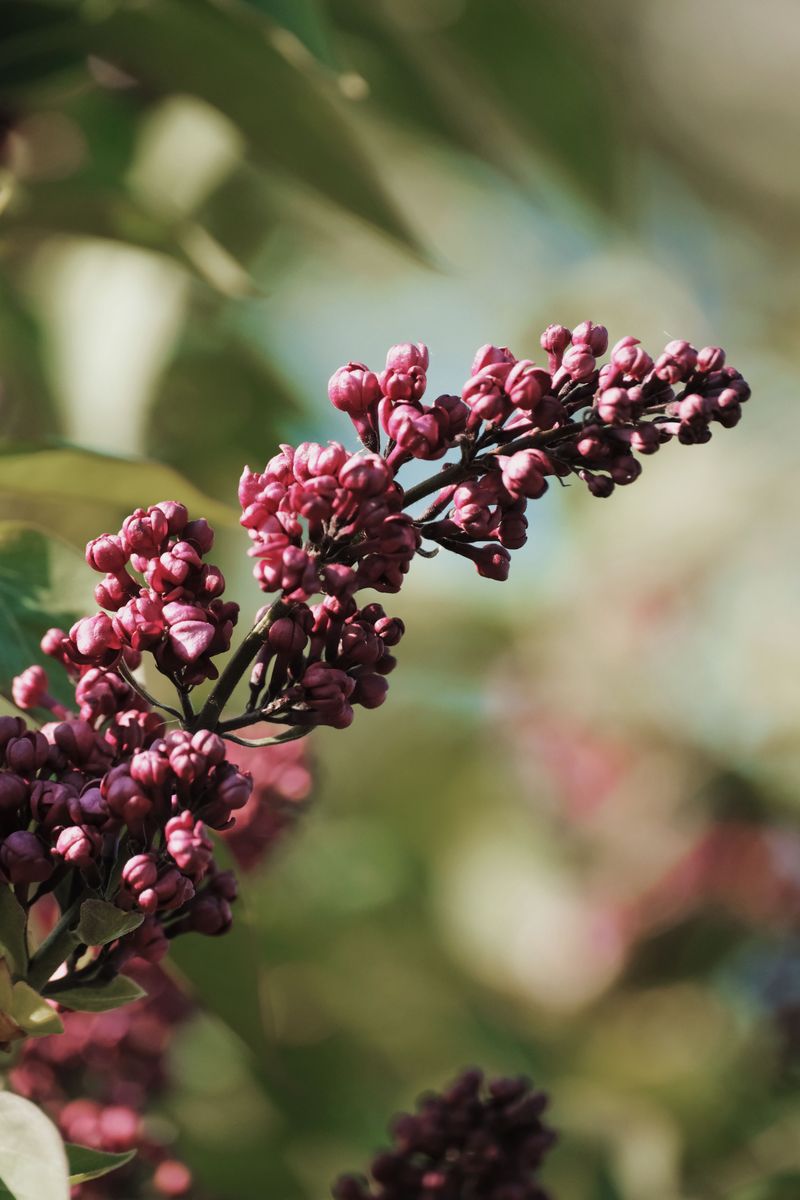
An old lilac by a back porch can perfume the whole yard every May. Longtime gardeners follow a simple rule for it: keep the clippers away after the Fourth of July.
That old advice holds up because lilacs form next year’s flower buds in summer. By September, fat little buds are already sitting at the tips of the branches.
Trim in fall, and you cut off next year’s blossoms along with the branch tips. The bush will stay healthy, but you will get leaves instead of those fragrant purple clusters.
Forsythia, azaleas, and rhododendrons follow the same schedule, so treat them just like your lilac. Any spring-blooming shrub has likely set its buds by now.
Lilacs can live for over 100 years, and some old farmhouse bushes have outlasted the houses beside them. With a little care, yours could become an heirloom too.
The best time to prune is right after the flowers fade in late spring. Snip off spent blooms and shape the bush within a few weeks of flowering.
Older shrubs benefit from removing a few of the thickest, oldest stems at ground level each year. Fresh shoots will fill in, keeping the plant vigorous and packed with blooms.
For now, just rake the fallen leaves and give the roots a drink before the ground freezes. Come May, that sweet perfume will drift through your yard like a warm hug.