10 Fall Lawn Mistakes That Cause Bare Patches By Spring
Beneath your feet, a quiet decision is being made right now. Small choices you make this month decide what your yard looks like in spring.
Warm afternoons trick you into thinking the season still favors your yard the way summer did. Cooler nights are already changing what happens beneath the surface, and few people notice at all.
Every yard on your street is running the exact same countdown, even if it doesn’t look that way. One wrong move this week can cost you months of recovery later.
Roots are working harder than the grass on top ever will this time of year. Nothing about that work is visible, which is exactly why so many people miss it.
Most people find out the hard way, staring at a yard that used to make them proud. You still have time to be the exception, if you’re willing to pay attention now.
1. Skipping The Fall Feeding For Your Lawn
Grass does its most important eating in autumn, even though the blades on top slow way down. Roots keep growing underground until the soil temperature drops below about 40 degrees Fahrenheit.
Feeding your lawn in September gives those roots the fuel they need to spread and thicken. A skinny root system has a hard time surviving winter, which leaves bare gaps by spring.
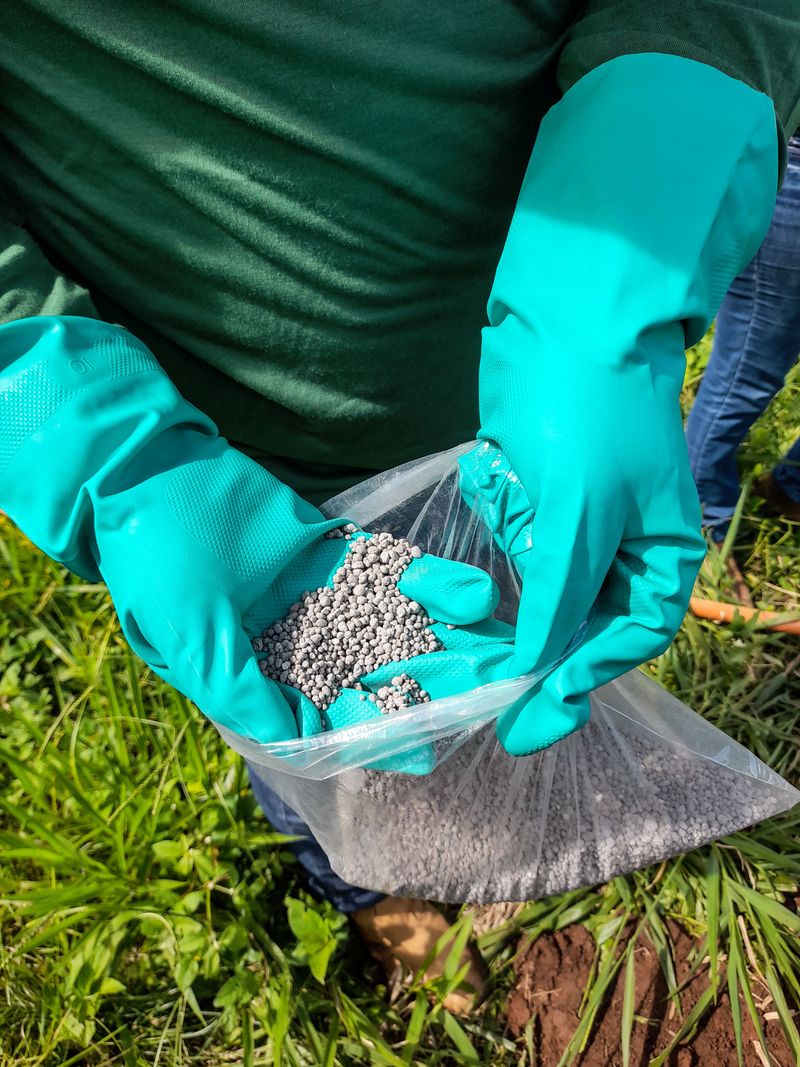
Look for a fertilizer with plenty of nitrogen, the first number on the bag. Many brands sell a special fall blend that also supports root health and cold tolerance during chilly months.
Timing matters just as much as the product you choose from the store shelf. Aim for early September, then add a second, lighter feeding about six weeks later if your grass is cool-season.
Warm-season lawns like Bermuda or Zoysia follow different rules, so skip heavy nitrogen for them this late. Feeding them now can encourage tender growth that frost will easily damage.
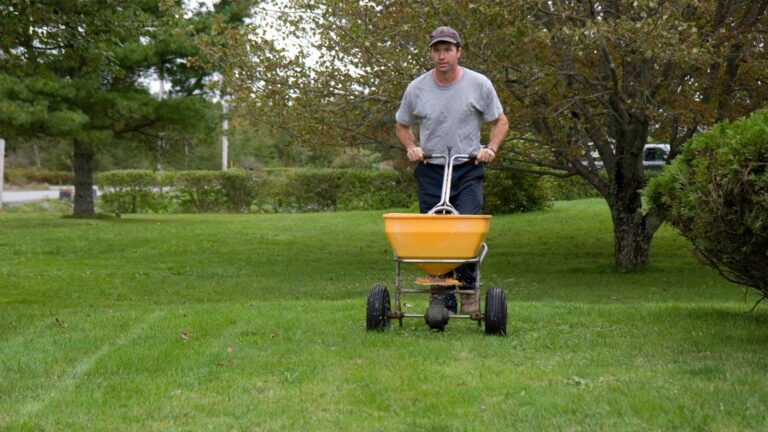
Spread the granules evenly with a broadcast spreader instead of tossing handfuls around. Uneven coverage creates striped patches where some areas feast while others go hungry all winter.
Think of fall fertilizer like packing a big lunch before a long family road trip. Your grass has a hungry winter ahead, and a good meal now pays off in April.
2. Letting Fallen Leaves Pile Up On The Grass
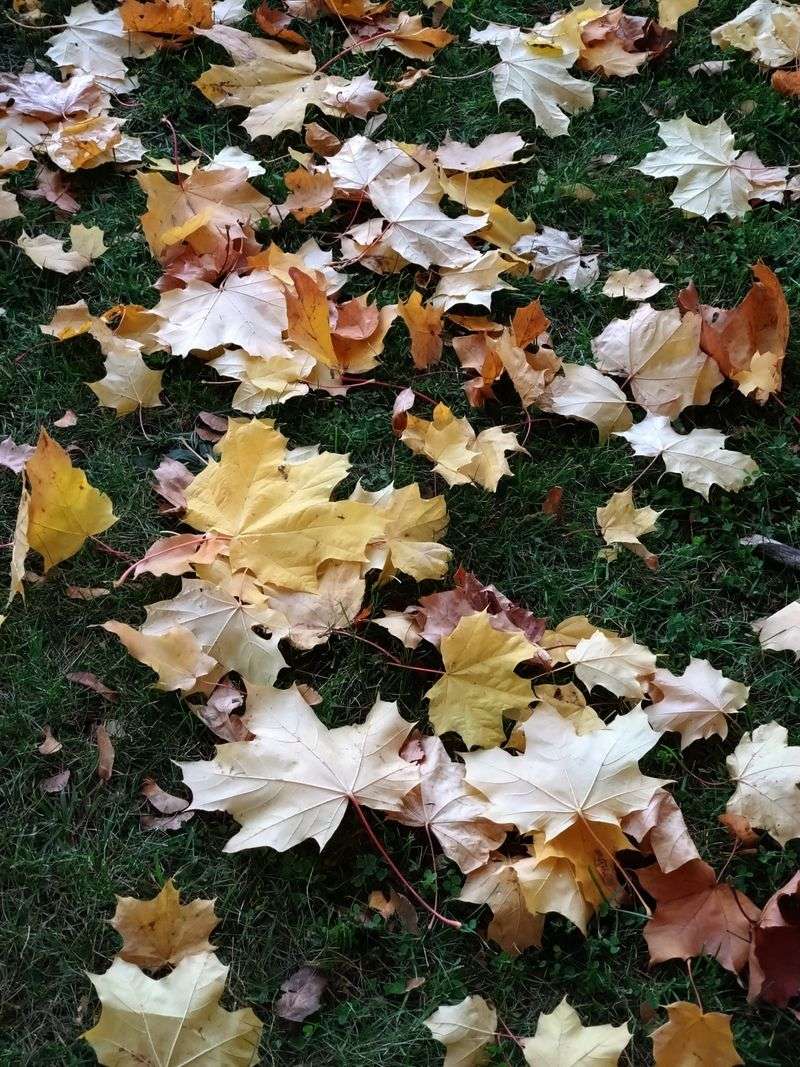
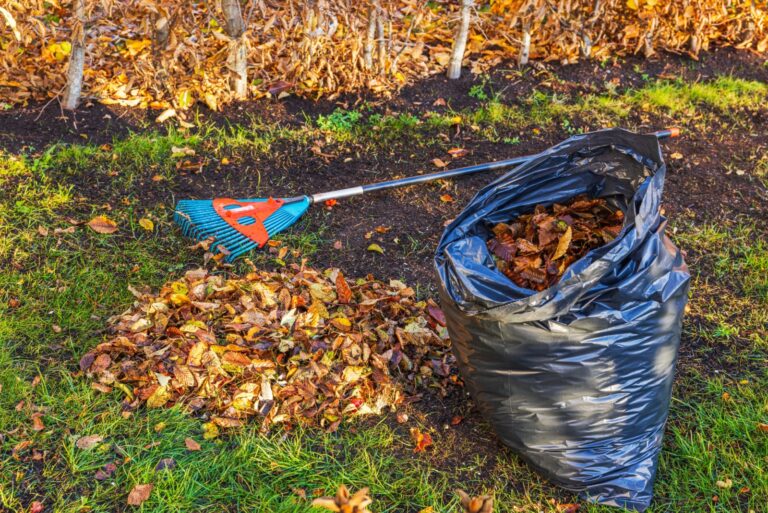
Those crunchy leaves look charming for about a week, then they turn into a soggy wet blanket. Grass trapped underneath gets no sunlight and starts to suffocate within a few weeks.
A thick layer of leaves also holds moisture against the ground all winter long, like a wet sponge. That damp, dark space is a perfect hangout for snow mold and other lawn diseases.
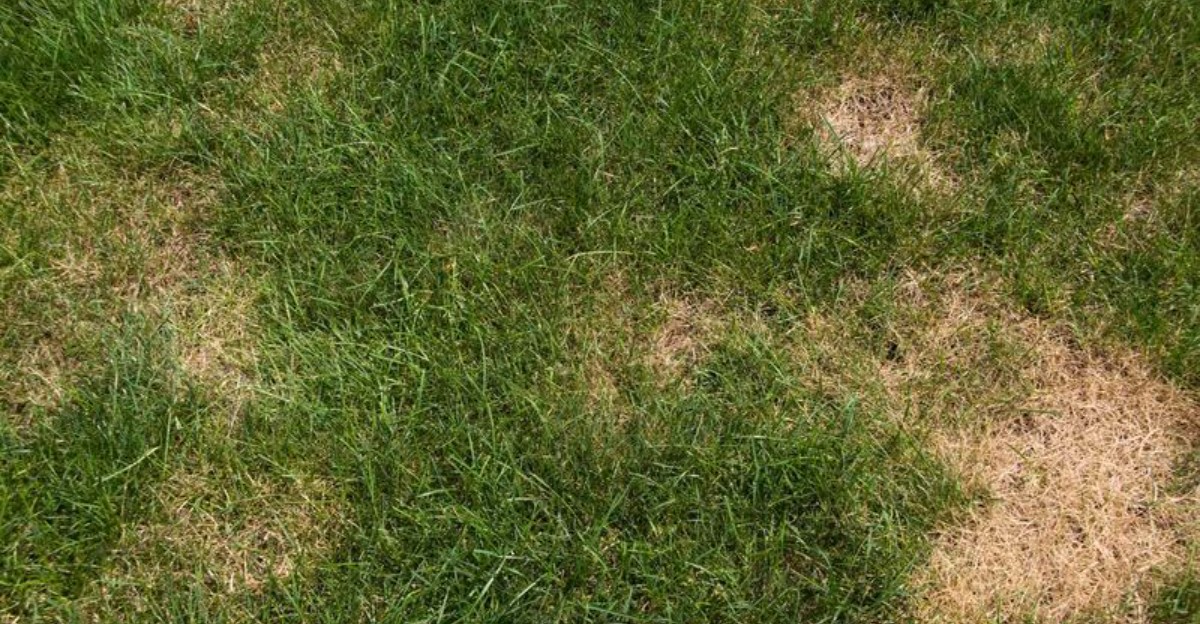
When the snow melts in spring, you may find matted, gray circles where leaf piles once sat. Those spots often need raking and reseeding before they can fill back in.
Raking once in November is not enough if you have big oak or maple trees nearby. Try to clear leaves every week or two while they are still falling from branches.
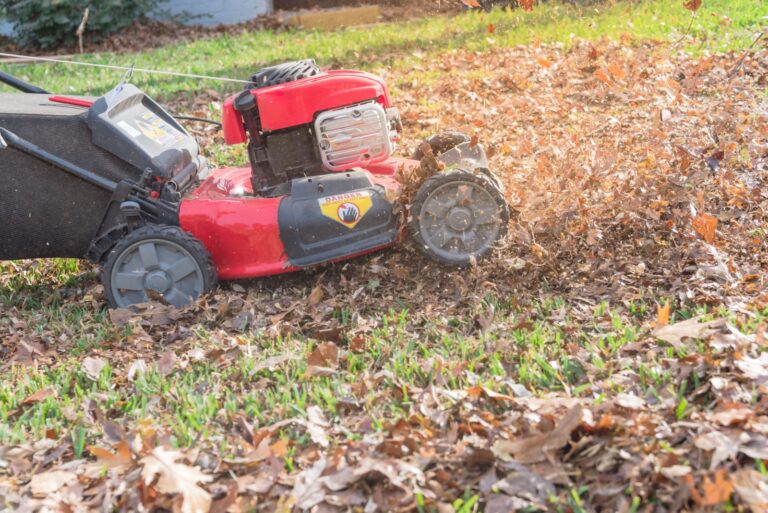
Here is a lazy trick that works great: mow right over a light layer of leaves. The mower chops them into tiny bits that feed the soil like free compost.
Mulching only works when you can still see grass blades poking through the leaf pieces. If the layer is deeper than an inch, grab the rake or a leaf blower instead.
Fun fact: a single mature oak tree can drop well over 100,000 leaves in one season. That is a lot of blanket for one little patch of backyard lawn to carry around.
3. Putting The Hose Away Too Soon
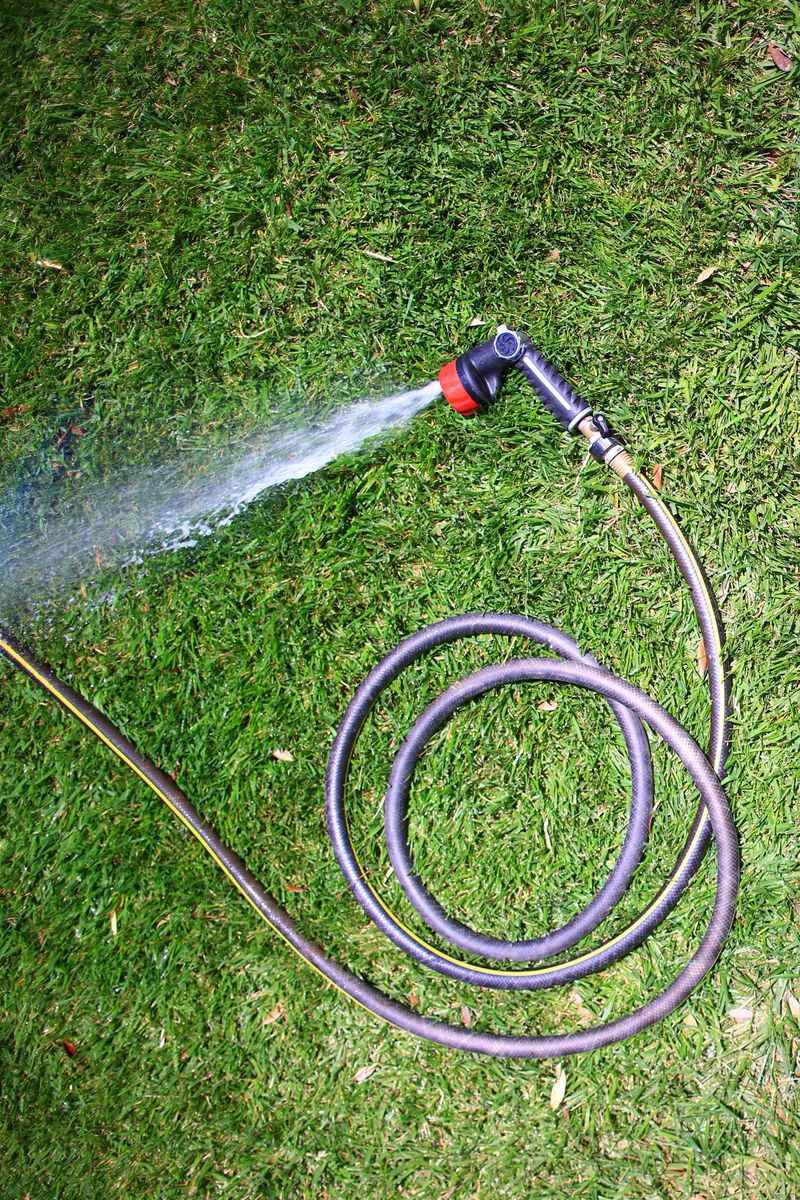
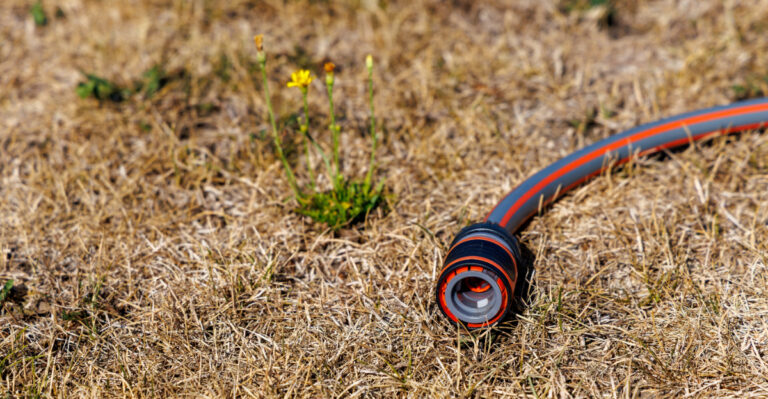
Cooler air tricks a lot of homeowners into thinking their lawn no longer needs a drink. September can still bring dry spells, especially in the South and Midwest.
Grass roots are busy storing energy for winter, and they need steady moisture to do that job. A thirsty lawn heading into frost is much more likely to thin out.
Most lawns want about one inch of water each week, counting rain. A cheap rain gauge or an empty tuna can on the grass helps you keep track.
Water deeply once or twice a week rather than giving a light sprinkle every evening. Deep soaks push roots further down, where the soil stays moist longer.
Morning is the best time to run sprinklers in fall. Wet grass sitting overnight in cool air invites fungus, which can leave brown rings by spring.
Newly seeded areas need even more attention, with light daily watering until sprouts appear. Letting fresh seed dry out for even two days can undo much of your progress.
Keep watering until the ground starts to freeze or your area gets regular rain again. For many people, that means late October or even early November.
Before you drain the hose and coil it up, do one last deep soaking. Your lawn will head into winter like a hiker with a full water bottle.
4. Scalping The Grass With That Final Mow
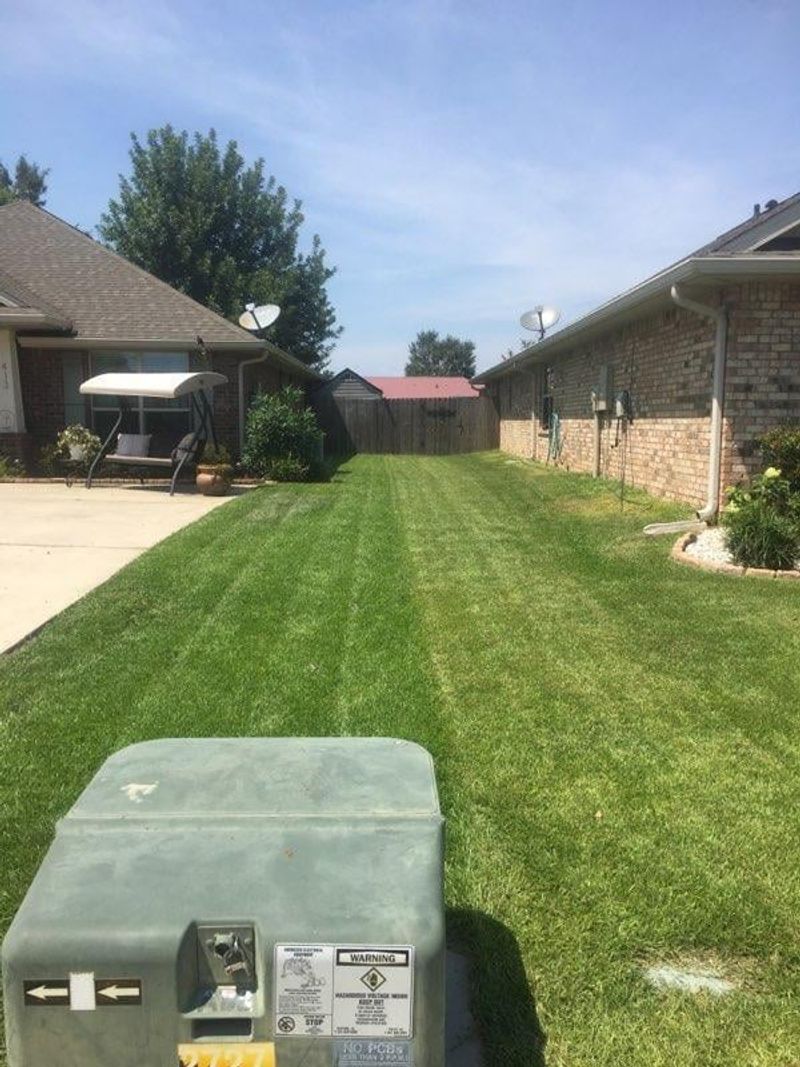
Some folks treat the last mow of the year like a buzz cut before summer camp. Chopping grass down to an inch might look tidy, but it leaves the plant exposed.
Grass blades make food from sunlight, and shorter blades make less of it. Less food means weaker roots right when the lawn needs them most.
Scalped patches also let cold wind and frost reach the crown, which is the growing point near the soil. A damaged crown often turns into a bare spot come April.
Going too tall is a problem too, though. Long grass flops over under snow and gets matted, which invites mold and hungry voles.
The sweet spot for most cool-season lawns is about two and a half to three inches for the final cut. Warm-season grasses usually do well a little shorter, around two inches.
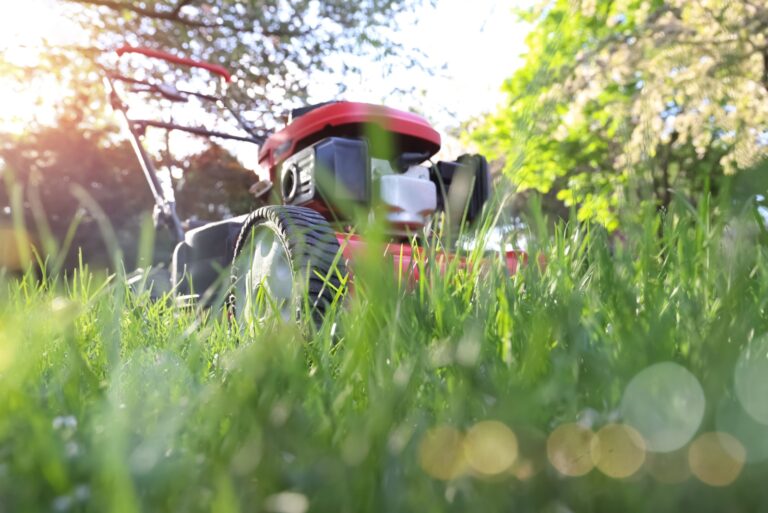
Lower your mower deck slowly over several weeks instead of all at once. Try not to remove more than one third of the blade in a single mowing.
Sharpen the blade before fall mowing, too, since dull blades tear grass and leave ragged tips. Torn tips turn brown and give germs an easy way inside.
Keep mowing as long as the grass keeps growing, which may stretch into November. Your lawn deserves a neat trim before winter, not a drill sergeant haircut.
5. Ignoring Soil That Is Packed Down Hard
Grab a long screwdriver and try pushing it into your lawn the day after a good rain. If it fights you the whole way, your soil is probably compacted.
Kids playing tag, dogs racing along the fence, and summer barbecues all squeeze soil tight. Packed dirt blocks air, water, and food from reaching grass roots.
Weak, shallow roots in hard ground often give up during a tough winter. By spring, those high-traffic zones look thin, patchy, and worn out.
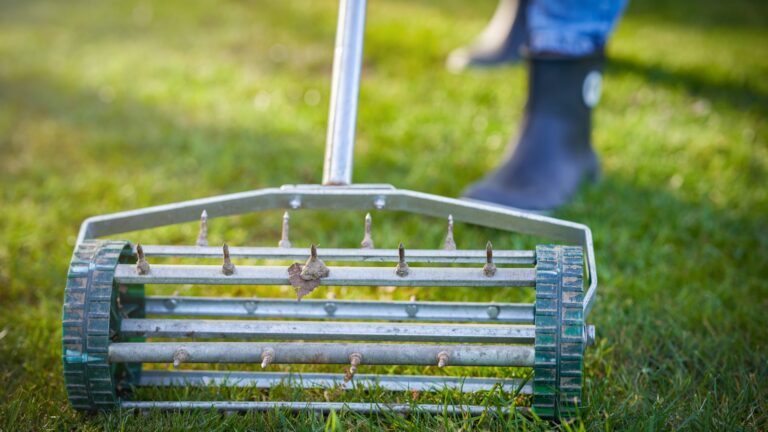
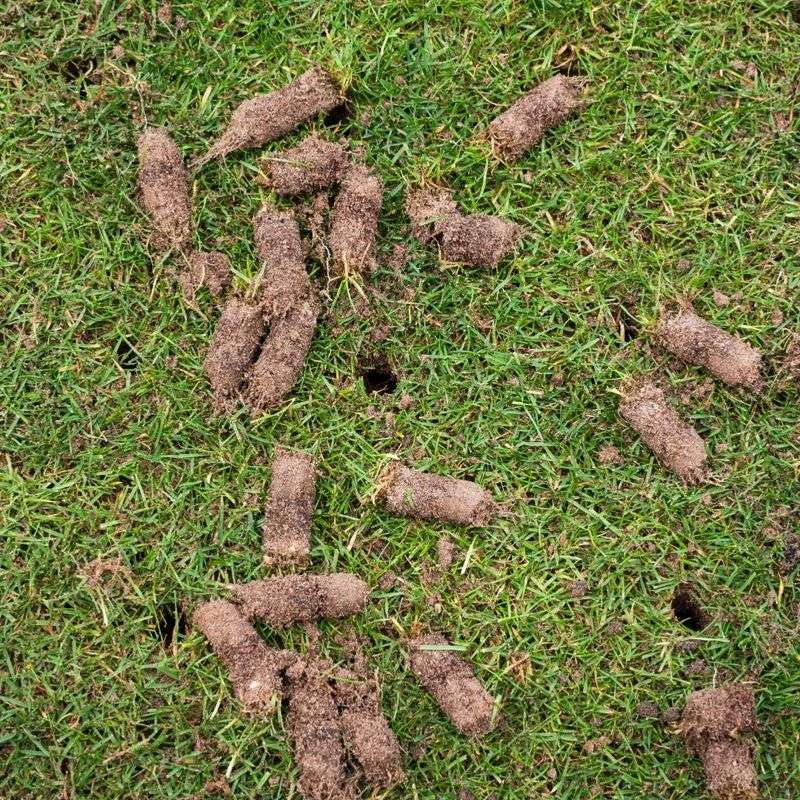
Core aeration is the fix, and early fall is the perfect time for it. An aerator pulls out small plugs of soil, opening little channels for roots to breathe.
You can rent a machine from a hardware store for about the price of a family dinner out. Splitting the rental with a neighbor makes the deal even sweeter.
Leave those little soil plugs right where they land on the grass. They look like goose droppings for a week, but they break down and feed the lawn.
Aerating right before you spread seed is a smart combo. Seeds fall into the holes and get great soil contact, which helps them sprout faster.
Spike aerators that only poke holes can press soil even tighter around the edges. Pick a hollow-tine core machine if you want real results next spring.
6. Waiting Until Spring To Fill Thin Spots
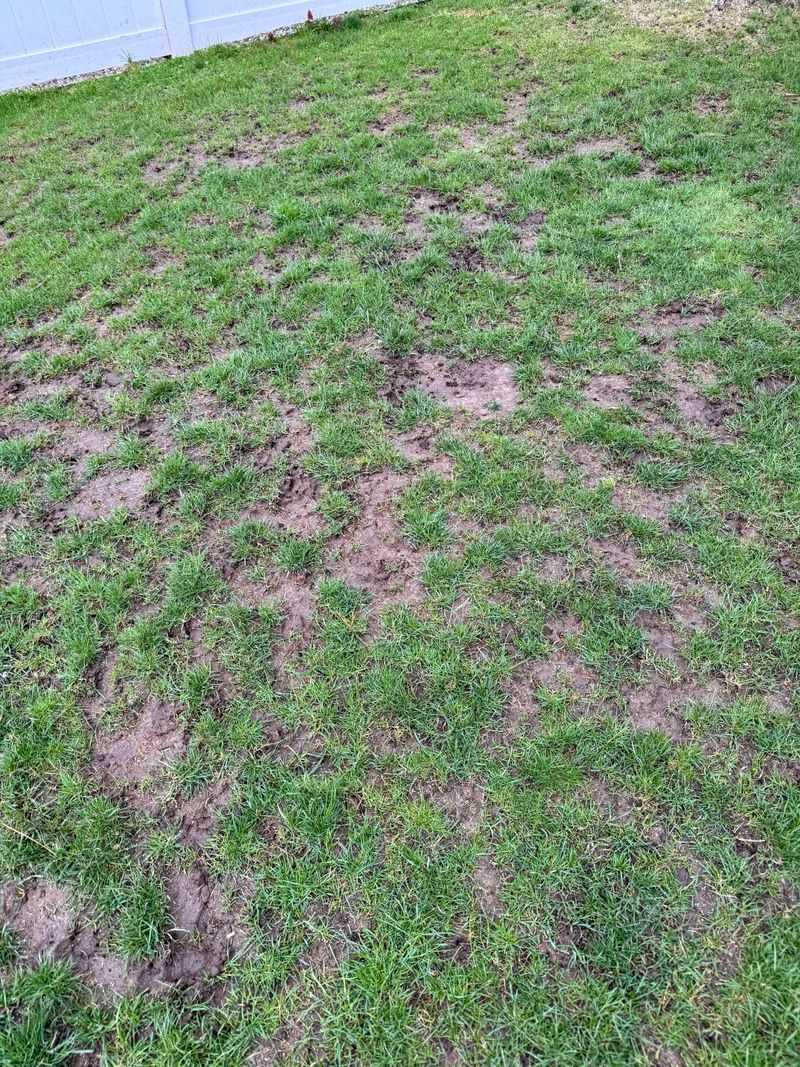
Lawn pros often say one fall seeding beats two spring seedings. Warm soil and cool air create the best growing weather cool-season grass gets all year.
Spring seeding runs into trouble fast, since new sprouts must battle summer heat and crabgrass. Fall seedlings get months to build roots before any of that stress arrives.
Thin areas you ignore now will look even thinner once winter finishes with them. Weeds are happy to move into any open space you leave behind.
Aim to overseed between late August and late September in most northern states. Grass seed needs soil around 50 to 65 degrees to sprout well.
Mow a little shorter than usual and rake lightly before spreading seed. That way the seed lands on bare soil instead of sitting on a mat of thatch.
Choose a seed mix that matches your sunlight and climate, like tall fescue for sunny yards. Shady spots under trees usually do better with a fine fescue blend.
Keep the seedbed moist with short, daily waterings until the new grass reaches mowing height. Then switch to deeper, less frequent watering to toughen it up.
Cheap seed bags often hide weed seeds and filler grasses inside. Check the label for a low weed percentage and a high germination rate before buying.
7. Spraying Weed Control Over Brand New Seed
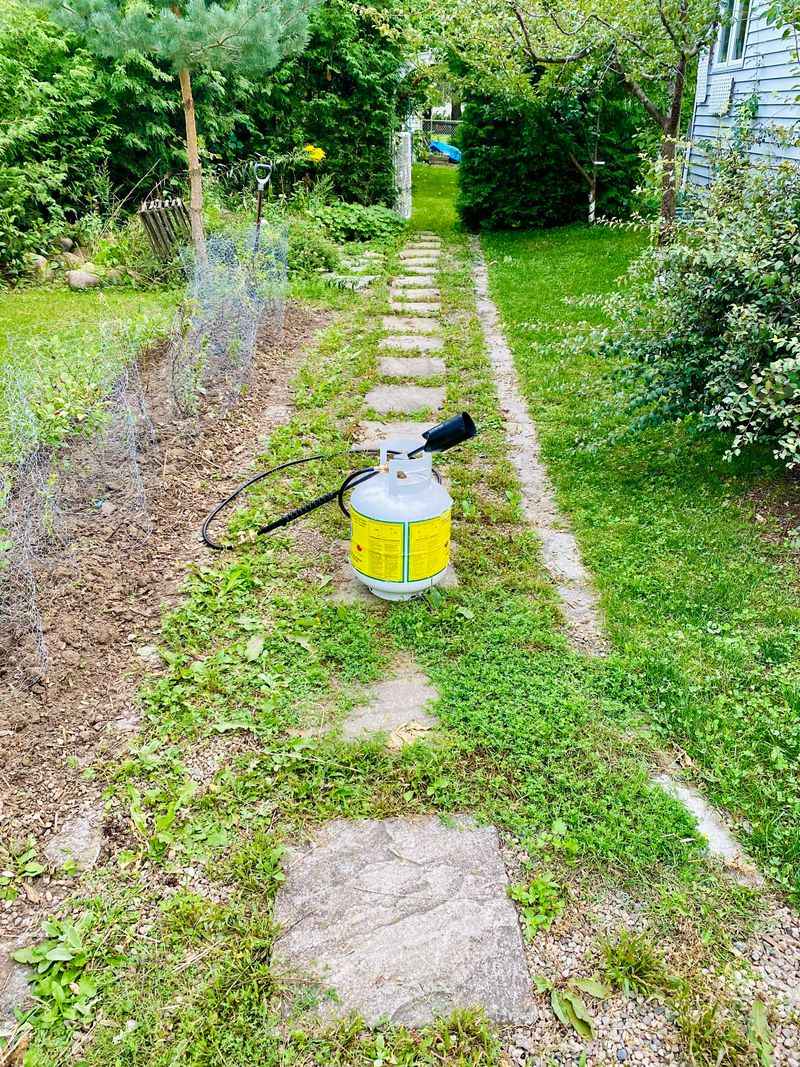
My uncle once seeded his whole front yard and sprayed a weed product the very same afternoon. Three weeks later, the dandelions were thriving and the new grass was nowhere to be found.
Many weed control products stop seeds from sprouting, and they cannot tell grass seed from weed seed. Pre-emergent herbicides are the biggest troublemakers here.
Broadleaf sprays can also harm tender baby grass that has not toughened up yet. The result is a patchy lawn where the new seed quietly fails.
Read the product label before you spray anything near seeded areas. Most labels list a waiting period, often four to eight weeks or several mowings.
If weeds are a big issue, pick one job for fall and save the other for later. You can seed now and handle weeds next spring once the grass is established.
Another option is spot-treating weeds by hand or with a small sprayer, far away from new seed. Pulling weeds after a rain is easier, since roots slide out of soft soil.
Some products, like those with mesotrione, are labeled safe to use at seeding time. Ask at your garden center if you want weed help and new grass together.
Patience pays off here more than any fancy chemical ever could. A thick, healthy lawn crowds out weeds on its own, which is the cheapest weed control around.
8. Overlooking The Spongy Layer Of Thatch
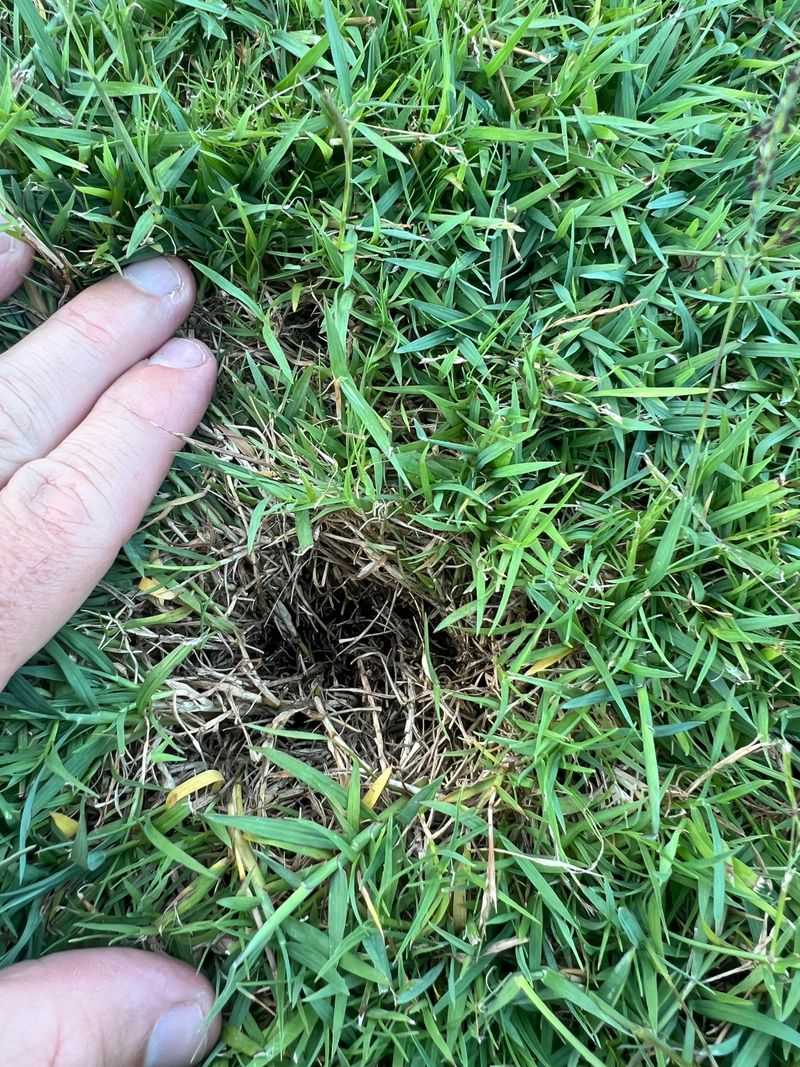
Walk across your lawn barefoot, and notice if it feels bouncy like a gym mat. That springy feeling might mean too much thatch is hiding under the blades.
Thatch is a tangled layer of old stems, roots, and runners that sits between grass and soil. A thin layer under half an inch actually helps protect the lawn.
Trouble starts when it gets thicker than that. Water and fertilizer get stuck on top, and grass roots start growing in the thatch instead of the soil.
Roots living in thatch dry out fast and freeze easily in winter. By spring, big sections can peel up like old carpet, leaving bare dirt behind.
To check yours, cut a small wedge of turf with a shovel and measure the brown layer. Anything over half an inch deserves some attention this fall.
Dethatching with a power rake or a stiff hand rake pulls that mess out. Early fall works best for cool-season grass, since it has time to recover before frost.
Grass clippings get blamed for thatch, but they break down quickly and are not the real culprit. Overwatering and heavy fertilizing are more likely to cause buildup.
Expect your yard to look a bit rough right after dethatching. Follow up with seed and fertilizer, and it will bounce back thicker than before.
9. Brushing Off The Signs Of Hungry Grubs
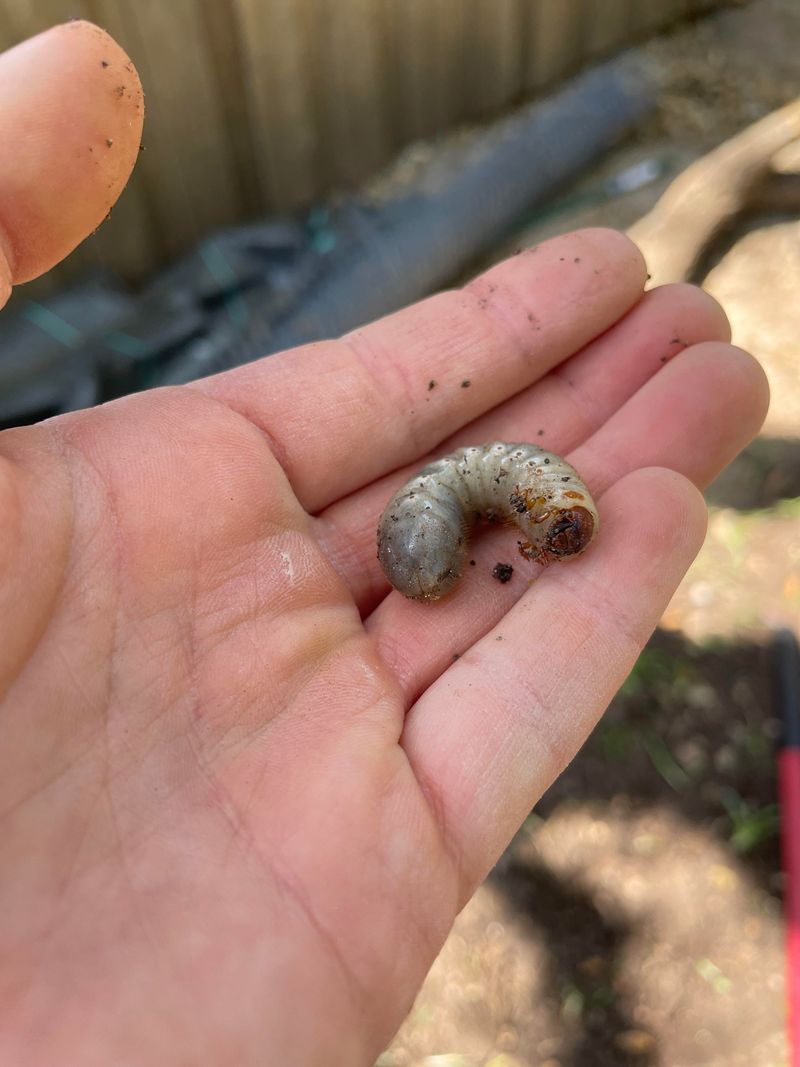
Skunks digging little holes in your yard at night are not just being rude. They are hunting for fat, white grubs munching on your grass roots.
Grubs are the young larvae of beetles, like Japanese beetles and June bugs. Late summer and early fall is when they feed the hardest, right under the surface.
A lawn with heavy grub damage feels loose, almost like a rug that is not tacked down. You can often roll back patches of turf with your hand.
Without roots, that grass often struggles to survive winter and shows up as brown blotches in spring. Birds, raccoons, and moles pecking or digging are extra clues.
Peel back a square foot of turf in a few spots and count the grubs you see. Most lawns can handle five or so, but ten or more usually means trouble.
Curative grub treatments work best in September while the larvae are still feeding near the surface. Water the product in well so it reaches the root zone.
Prefer a natural route? Beneficial nematodes and milky spore are organic options that target grubs without harsh chemicals, though they take longer to show results.
Once the grubs are handled, rake out the loose turf and reseed the bare areas right away. September gives new grass just enough time to settle in before frost.
10. Leaving Yard Items Sitting On The Grass
Every spring, someone lifts a forgotten kiddie pool and finds a perfect yellow circle underneath. It looks like a crop circle, but aliens had nothing to do with it.
Anything left on the lawn over winter blocks light and traps moisture against the grass. Patio chairs, bikes, sleds, and garden hoses all leave their own sad outlines.
Heavy items also press the soil flat, which squeezes out air that roots need. Add a few feet of snow on top, and the pressure gets even worse.
Walk the yard in October and make a quick list of everything sitting on the grass. Move it to the garage, a shed, or a patio before the first snowfall.
Foot traffic on frosty grass causes damage too, since frozen blades snap like tiny icicles. Those crushed footprints often turn brown and stay that way into spring.
Try to stick to sidewalks and paths on chilly mornings until the frost melts. Stepping stones make a handy shortcut for dog walks and mail runs.
Snow piles from shoveling the driveway can also smother grass along the edges. Spread those piles out when you can, and skip salt near the lawn.
Rock salt burns grass roots and leaves crusty strips by April. Sand or pet-safe ice melt is a much kinder choice for your yard.