12 Smart Ways To Use Fallen Leaves In Your Garden To Protect Plants And Feed Soil Naturally
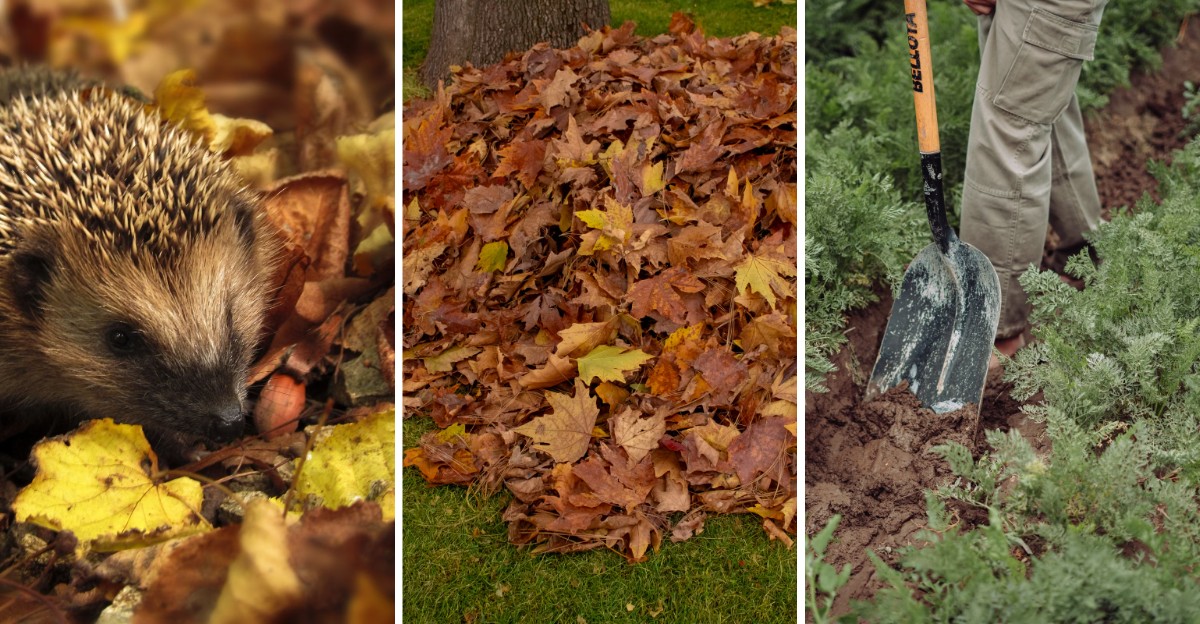
You are hauling free fertilizer to the curb and paying for the privilege. Those bags hold calcium, magnesium, and potassium your trees pulled from the soil. Roots spread wide, gathering minerals your beds cannot reach.
Leaves carry that mineral haul skyward, then drop it at your feet. Instead, you may pay a hauler to send it to landfill.
There, sealed in plastic, your leaves release methane instead of feeding anything. Meanwhile, your garden beds go hungry, and you buy bagged fertilizer to compensate.
Earthworms in your soil would drag shredded leaves underground within months. Crumbly leaf mold holds several times its weight in water for your plants.
Swallowtail chrysalises and firefly larvae spend winter tucked inside your leaf litter. Bag that litter, and you toss them out too. Here is how you turn that pile into your richest soil yet.
1. Spread Them As A Cozy Mulch Blanket
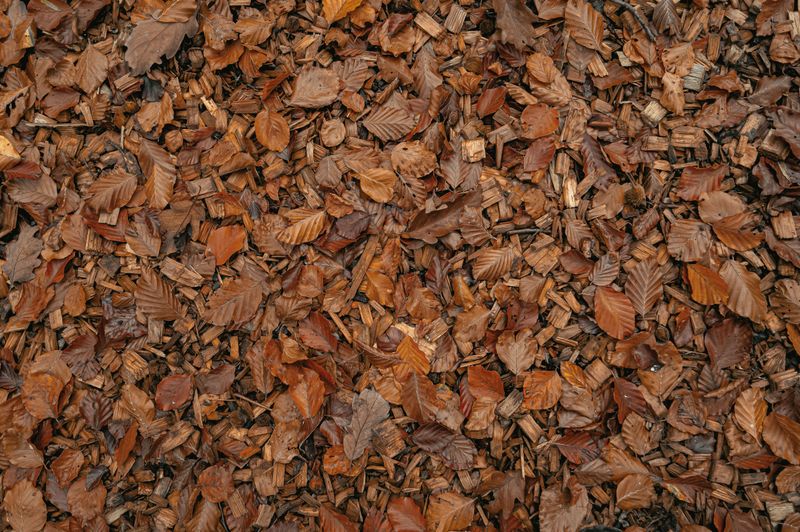
Walk through a leafy forest in autumn, and you will find soil hiding under a soft, brown quilt. Nobody rakes the woods, yet those trees grow tall and healthy year after year.
You can copy that trick in your own flower beds and vegetable rows this fall. A layer of fallen leaves holds in moisture and keeps soil temperatures steady.
Aim for about two to three inches, spread evenly around your plants. Keep the pile a few inches away from stems so they can breathe and stay dry.
Whole leaves can mat down into a soggy sheet that blocks water and air. Run over them with a lawn mower first to chop them into smaller bits.
Shredded pieces stay fluffy, break down faster, and look much tidier in the garden. Your neighbors might even think you bought fancy mulch from the store.
Over the winter, worms and tiny soil creatures pull the pieces underground bit by bit. By spring, your soil will feel darker, softer, and richer without any extra work from you.
2. Toss Them Into A Backyard Compost Pile
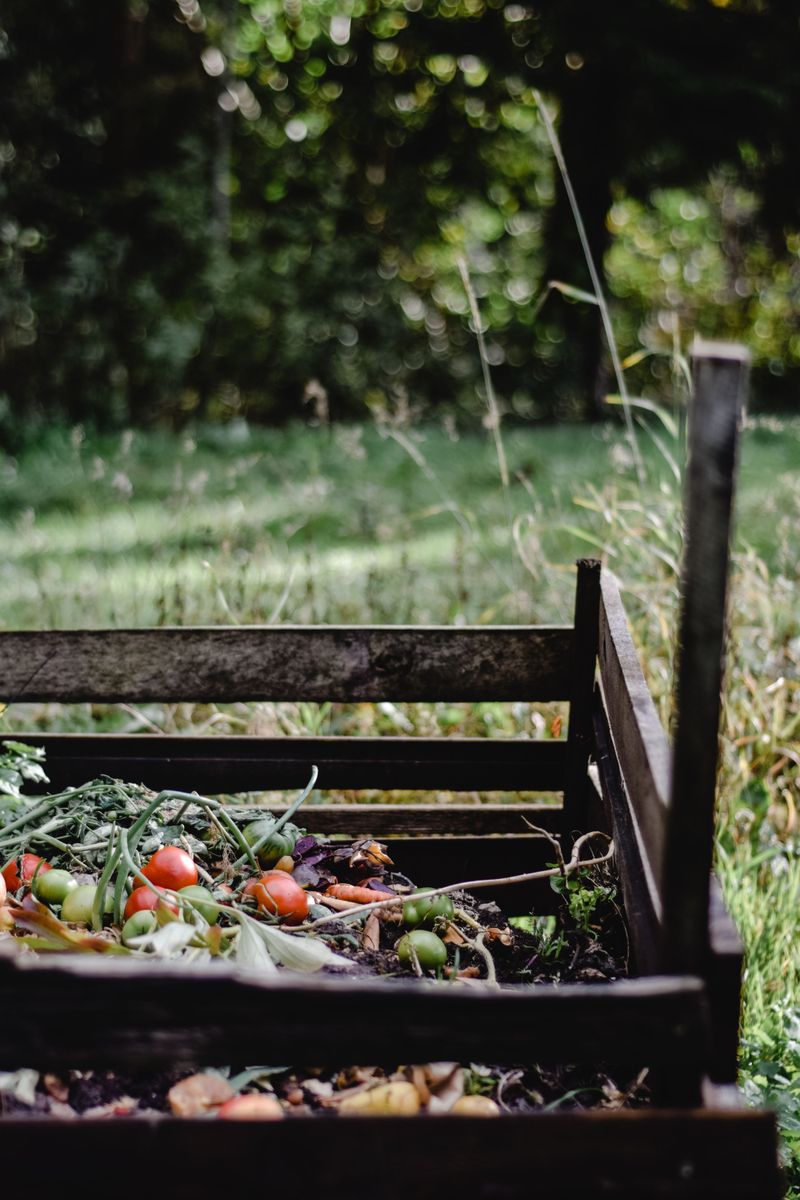
Think of your compost pile as a picky eater that needs a balanced meal. Kitchen scraps and grass clippings are the greens, while dry leaves are the browns.
Without enough browns, a pile turns slimy and starts to smell like old garbage. Fallen leaves fix that problem fast, and autumn hands them to you for free.
A simple rule is about three parts leaves to one part green material. You do not need a scale, just eyeball it with a bucket or a pitchfork.
Layer everything like a sandwich, then sprinkle it with water until it feels like a damp sponge. Turn the pile every week or two to give the hungry microbes fresh air.
Fun fact: a healthy compost pile can heat up to around 140 degrees Fahrenheit inside. That warmth comes from billions of busy bacteria munching away on your leftovers.
In a few months, the mess transforms into dark compost that smells like a rainy forest. Spread it on garden beds, and your plants will act like they won a prize.
3. Turn Them Into Crumbly Leaf Mold
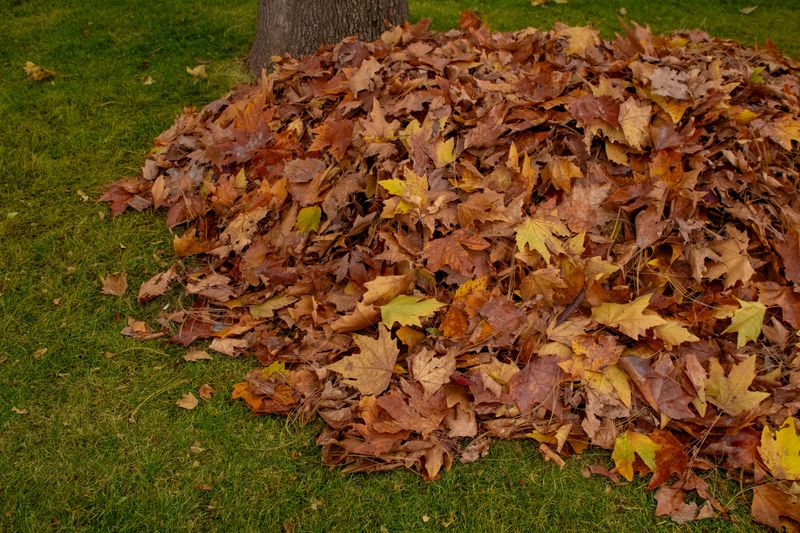
Gardeners have long called it black gold, and many guard their piles carefully. Leaf mold is simply leaves that have slowly broken down for a year or two.
Unlike regular compost, it relies on cool, slow fungi instead of hot, busy bacteria. That means you can pile leaves up, walk away, and let time do the heavy lifting.
Make a simple bin from chicken wire, or stuff leaves into black garbage bags with a few holes. Wet them down well before closing the bag or leaving the bin alone.
Tuck the bags behind a shed or garage where nobody has to look at them. Check once in a while, and add water if the leaves feel dry and crackly.
The finished product looks like soft, dark soil and smells like a shady creek bank. It can hold several times its own weight in water, which thirsty plants adore.
Mix it into seed-starting trays, sprinkle it on beds, or blend it into potting soil. Patience is the only ingredient, and your future self will thank you for it.
4. Tuck Them Around Tender Perennials For Winter
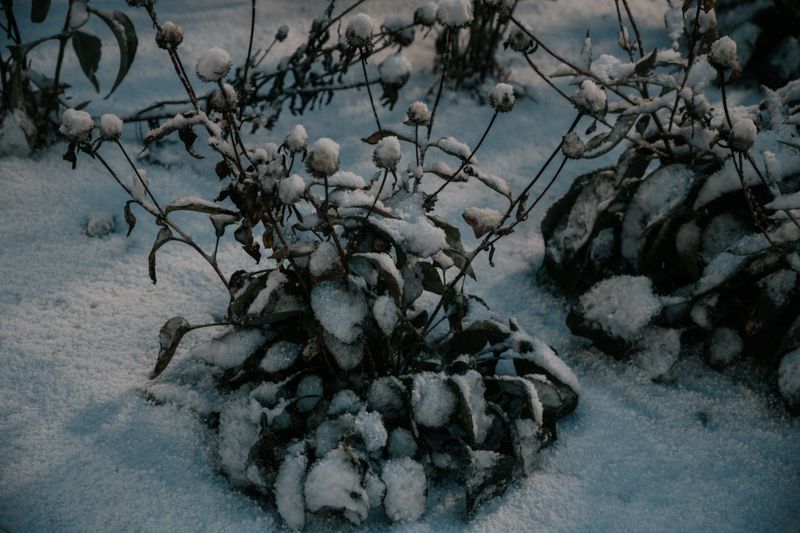
Picture tucking a sleepy kid into bed with an extra blanket on a frosty night. Your tender perennials would love the same kind of care when cold weather arrives.
Plants like mums, heuchera, and young roses can struggle through harsh winters. One of the biggest dangers is not the cold itself but repeated freezing and thawing.
When soil freezes and thaws over and over, it can push roots right out of the ground. Gardeners call this frost heave, and it leaves roots exposed to icy winds.
A thick pile of leaves keeps the ground at a steadier temperature all season long. Wait until after the first hard frost, usually in late fall, before adding it.
Mound about four to six inches of shredded leaves around the base of each plant. Oak leaves work wonderfully since they resist matting and stay loose all winter.
Skip Mediterranean plants like lavender and rosemary, since they prefer dry crowns in winter.
Toss a few evergreen branches on top if strong winds tend to scatter things. In early spring, gently pull the layer back so new shoots can find the sunshine.
5. Layer Them Into A Lasagna Garden Bed
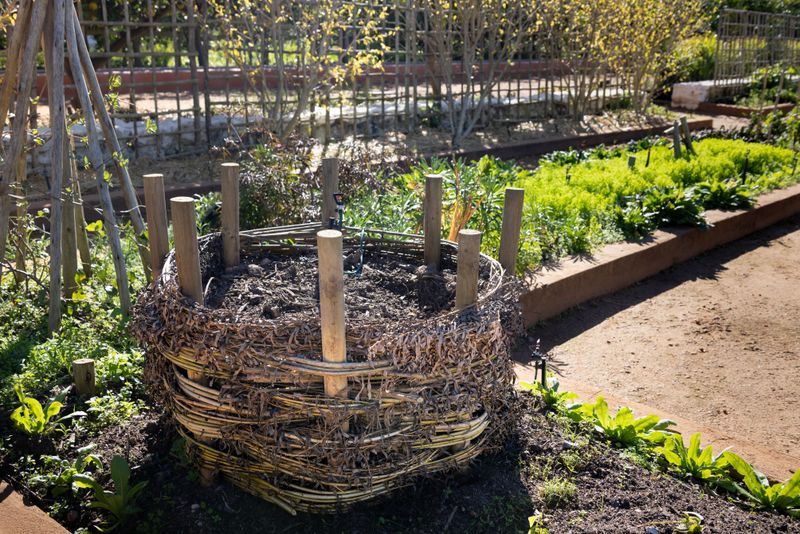
Nobody eats this lasagna, but your future tomatoes will gobble it up happily. Lasagna gardening builds a brand-new bed right on top of grass without any digging.
Fall is the perfect time to start one, because leaves are piling up everywhere. By next spring, the layers will melt down into soft, planting-ready soil.
Start by laying plain cardboard over the grass to block out sunlight. Soak it with a hose, then add a thick layer of shredded leaves on top.
Next comes a green layer, like grass clippings, coffee grounds, or vegetable peels. Keep stacking browns and greens until the pile reaches about eighteen inches or more.
It will look ridiculously tall at first, but it shrinks a lot over the winter. Worms move in from below and do all the mixing work for free.
Finish with a thin layer of compost or topsoil to keep everything in place. Come planting season, you can pop seedlings right in and skip the backbreaking shovel work.
6. Dig Them Straight Into Empty Vegetable Beds
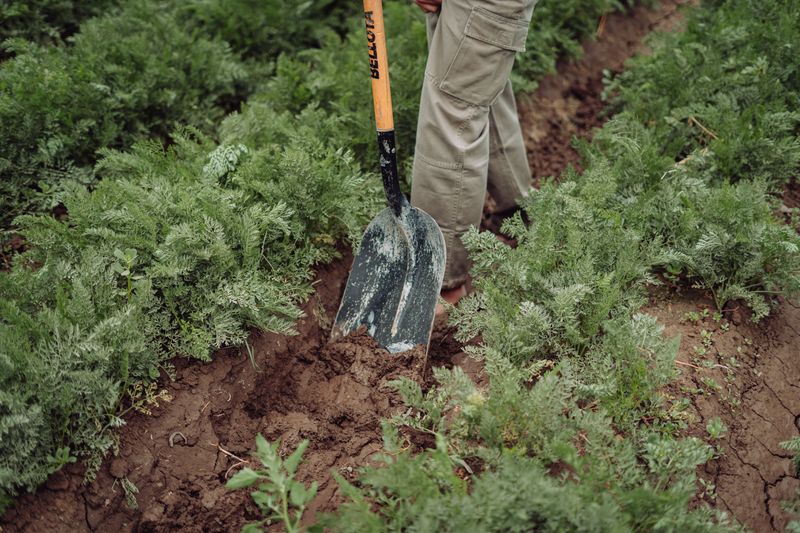
Got a vegetable bed sitting bare after the last zucchini came out? That empty space is a golden chance to feed your soil before winter sets in.
Chopped leaves can be worked right into the top few inches of dirt. Over the cold months, they break down and turn heavy clay or sandy soil into something better.
Clay soil gets looser and drains faster, so roots stop sitting in soggy mud after heavy rain. Sandy soil learns to hold water longer, which means less time dragging the hose around.
Use a garden fork or spade to mix in about two to three inches of shredded leaves. Adding a handful of grass clippings or manure helps speed things up.
Leaves are carbon-heavy, so soil microbes borrow some nitrogen while they work. Doing this in fall gives them plenty of time to finish before spring planting.
Farmers have tucked plant scraps into their fields for centuries, and the idea still works. Next year, you may notice bigger carrots, happier peppers, and far fewer puddles.
7. Pile Them Up As A Haven For Helpful Critters

Somewhere in your yard, a ladybug is searching for a warm place to spend the winter. A simple pile of leaves might be the snug hotel it needs.
Many helpful insects spend the cold months hiding under leaf litter. Ladybugs, ground beetles, and lacewings all shelter there, and they eat aphids and other pests.
Salamanders, wood frogs, and even some butterflies rely on leafy cover to get through freezing weather. Did you know some moth and butterfly caterpillars spend winter rolled up inside fallen leaves?
Bagging every leaf and hauling it away removes their homes before spring arrives. Pick a quiet corner, maybe behind a shrub or along a fence, and leave a pile there.
Skip shredding this batch, since whole leaves create more nooks for tiny guests. A few sticks or old logs mixed in make the shelter even more inviting.
When spring rolls around, these little helpers wake up hungry and ready to patrol your garden. It is pest control you do not have to buy, spray, or even think about.
8. Pack Them Around Pots To Shield Roots
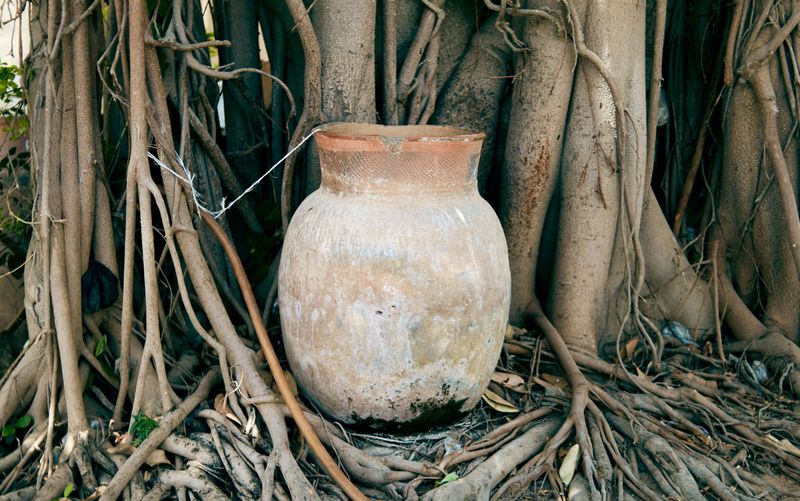
Potted plants have a secret weakness that most people overlook until it is too late. Their roots sit above ground, wrapped only in a thin wall of plastic or clay.
In the ground, soil acts like a thick coat against the cold. In a container, those roots feel every chilly breeze, and that can cause serious damage.
Here is a clever fix using stuff your trees drop for free. Group your pots together near a wall, then surround them with a ring of chicken wire.
Stuff dry leaves into the gaps between the pots and the wire until everything is snug. You can also fill large garbage bags with leaves and wrap them around single pots.
Trapped air between the leaves works like the stuffing inside a puffy winter jacket. It slows down temperature swings and keeps roots from freezing solid on the coldest nights.
Remember to water potted plants lightly during dry winter spells, since leaves can block rain. Hardy shrubs like hydrangeas should reward you with a fresh burst of green next spring.
9. Lay Them Down To Smother Stubborn Weeds
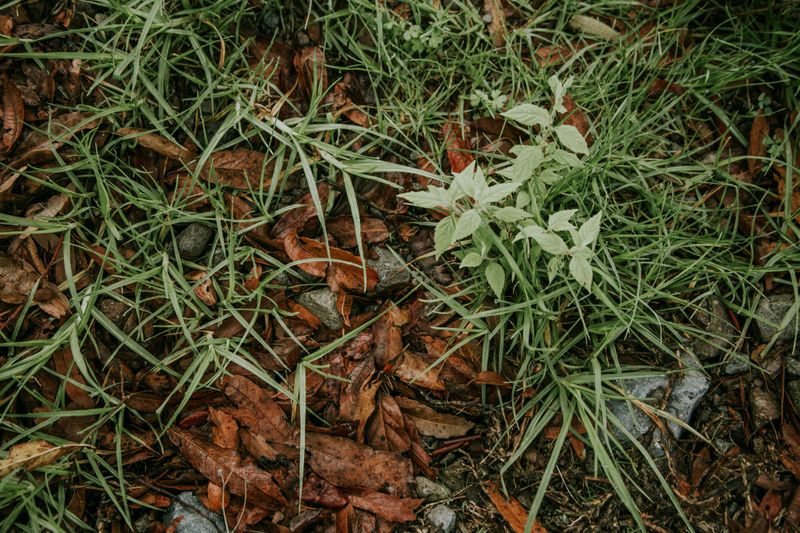
Weeds are the uninvited guests who show up early, eat everything, and refuse to leave. Luckily, a thick carpet of leaves can send them packing without any harsh chemicals.
Many weed seeds need sunlight to sprout, so blocking the light keeps a lot of them from growing. Fall is a smart time to prepare because weeds are slowing down and leaves are plentiful.
First, pull or mow down any big weeds in the area you want to reclaim. Next, lay down several sheets of newspaper, overlapping the edges so nothing sneaks through.
Pile about four to six inches of leaves on top and water everything well. The damp layers settle into a heavy mat that weeds struggle to push through.
Around fences and garden paths, this method saves hours of kneeling and yanking. It also works well along the edges of vegetable beds where grass likes to creep in.
A few tough weeds, like bindweed, might pop up anyway, so pull them when they appear. Still, you will spend far less time on your knees and far more time enjoying the view.
10. Mow Them Right Back Into Your Lawn
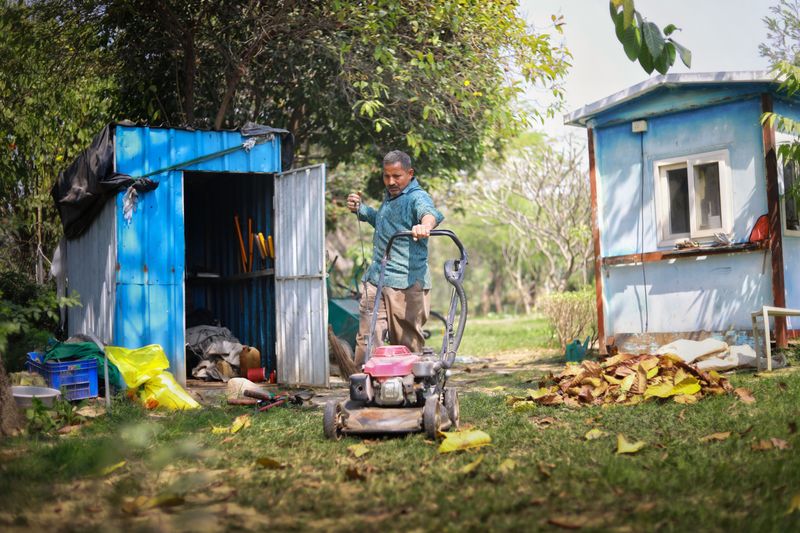
Good news for anyone who dreads raking: your lawn mower can handle most of the job. Researchers at Michigan State University found that mulching leaves into grass actually helps lawns.
Their studies showed fewer dandelions and greener grass after a few years of steady mulching. The chopped bits slip between grass blades and feed the soil below.
To do it, simply run your mower over dry leaves while they are scattered on the lawn. A mulching blade works best, but a regular mower can do the trick with a few passes.
Keep chopping until pieces are about the size of a dime and slip out of sight. You should still see plenty of green grass peeking through when you finish.
If the leaf layer gets too thick, rake some into garden beds before mowing the rest. A heavy layer left on grass all winter can smother it and invite mold.
Mowing once a week during peak leaf season keeps things manageable. Fewer bags, less sweat, and a healthier lawn sounds like a pretty great trade.
11. Mix Them Into Homemade Potting Soil
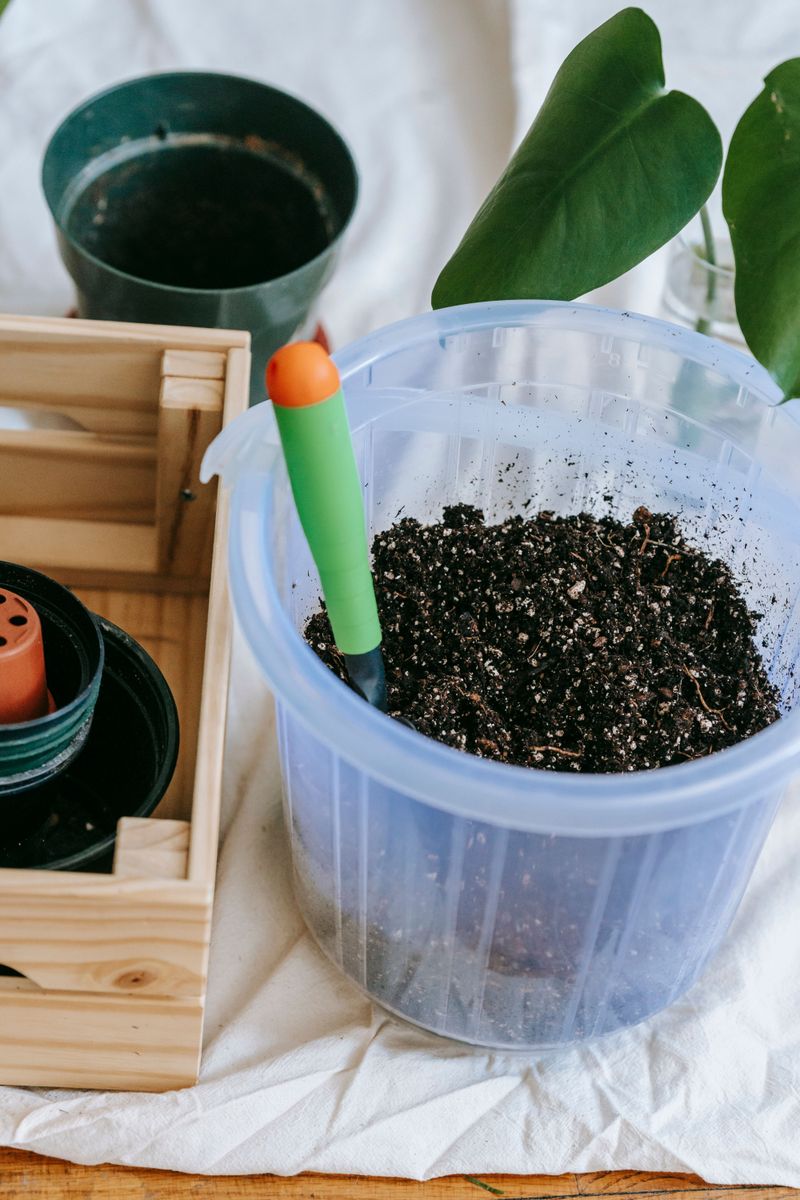
Store-bought potting mix can cost a small fortune, especially if you grow lots of containers. Your backyard trees, however, are handing out a key ingredient at no charge.
Broken-down leaves or leaf mold make a fantastic swap for peat moss in homemade mixes. Peat is harvested from fragile bogs, so using leaves is kinder to the planet too.
A simple recipe uses equal parts leaf mold, compost, and coarse sand or perlite. Stir it all together in a wheelbarrow or a big plastic tub.
Sift out any big chunks or twigs with an old screen or wire basket. The result should feel light and fluffy, and it should crumble easily in your hand.
Fresh leaves are too chunky for pots, so use ones that have broken down for months. Leaves collected this fall will be ready for container planting a year or so from now.
Herbs, flowers, and leafy greens tend to thrive in this earthy blend. Best of all, you get bragging rights for growing a garden from your own backyard trash.
12. Stockpile Them For Next Summer’s Compost
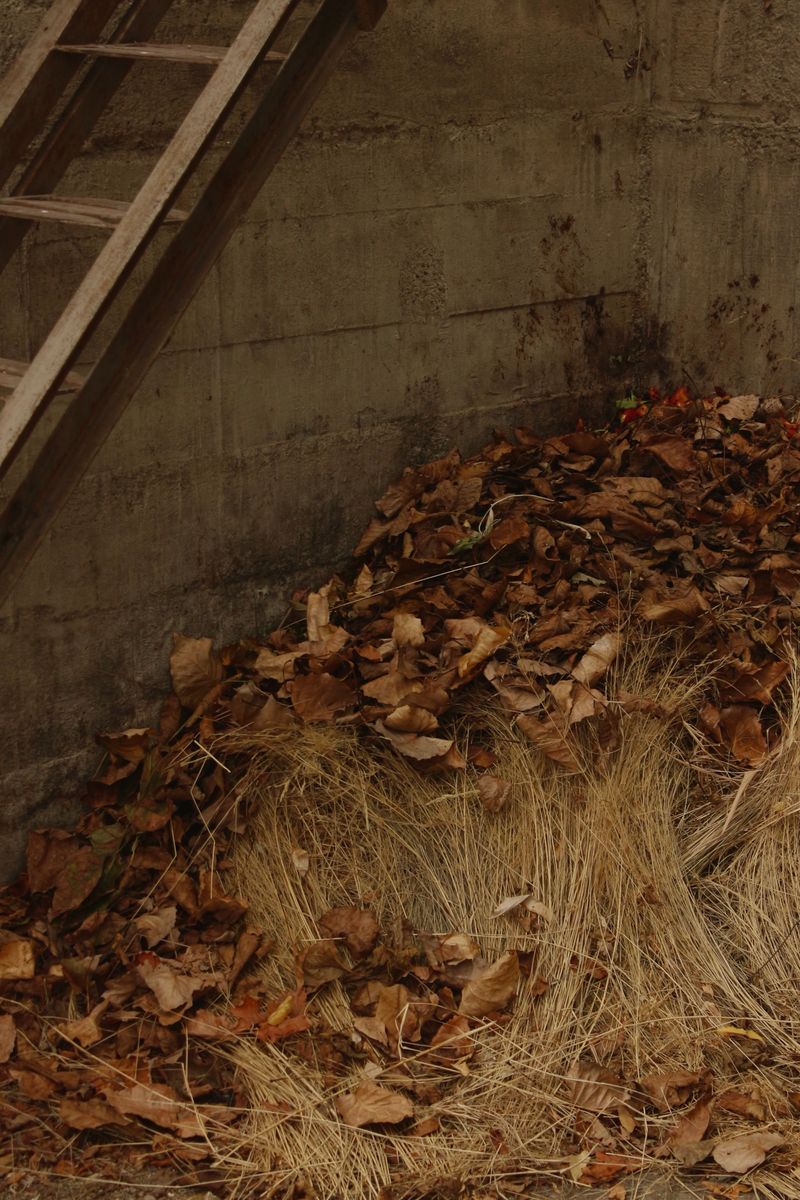
Squirrels spend autumn hiding acorns for later, and smart gardeners borrow that same idea. By midsummer, compost piles are overflowing with grass clippings and kitchen scraps.
Those green materials need browns to balance them, but brown stuff is hard to find in July. A stash of saved leaves solves that problem and keeps your pile from turning stinky.
Rake up extra leaves this fall and store them somewhere dry. Paper yard bags, old trash cans with lids, or a simple wire bin all work nicely.
Shredding them first lets you squeeze far more into the same amount of space. One trick is to label each bag with the month so you use the oldest ones first.
Some thrifty gardeners even collect bagged leaves from neighbors who plan to toss them. Just ask whether their lawn was treated with weed sprays before hauling the bags home.
Next summer, toss a scoop of leaves into the pile every time you add fresh greens. Your compost will stay balanced, and you will feel like a very clever squirrel.