The Underrated Ohio Bulb To Plant Now For A Surprising Spring
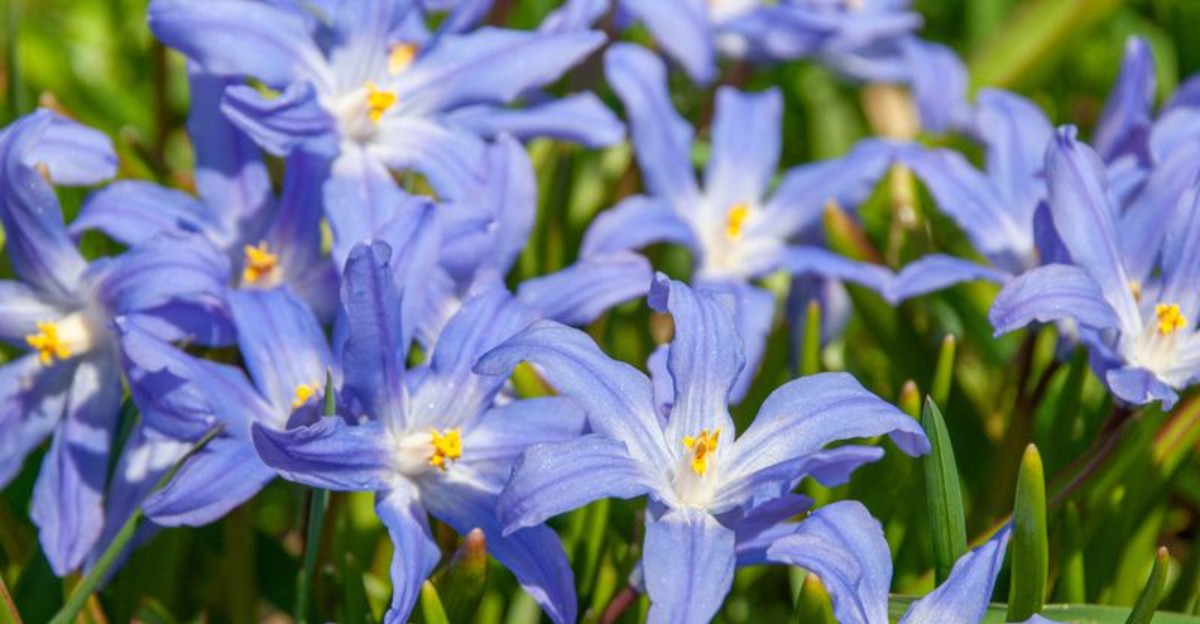
One tiny bulb going into Ohio soil right now could be the first thing blooming in your yard come spring, weeks before anything else even thinks about waking up.
Most gardeners plant the usual lineup this time of year and skip right past an option that quietly outperforms them all.
This bulb pushes through leftover snow and frozen ground like it never got the memo about winter, carpeting patches of yard in color while everything else is still asleep.
It spreads on its own too, coming back thicker each year without you lifting a finger, which explains why gardeners who’ve tried it once rarely stop at just one patch.
Get this bulb into the ground before the soil locks up for the season. What shows up next spring might catch you completely off guard.
1. Meet Glory-Of-The-Snow, An Early Spring Surprise
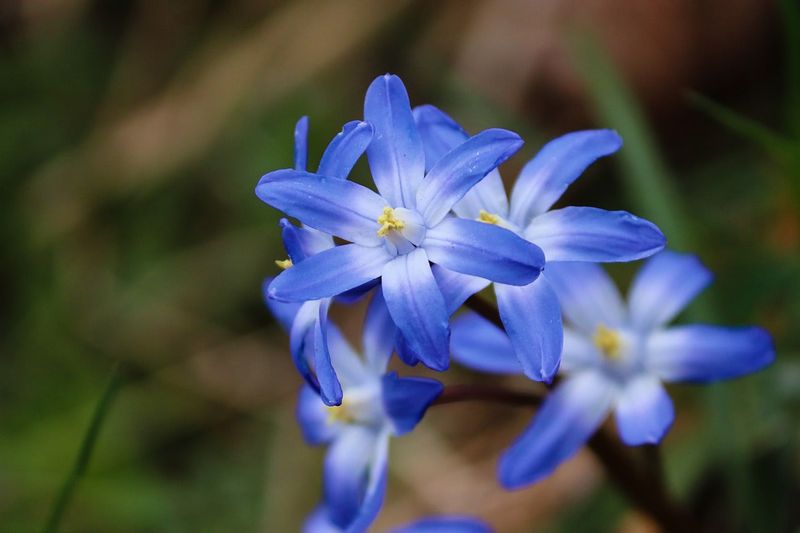
Snow still clings to the fence line when the first blue stars pop open. Gardeners who spot them for the first time often stop in their tracks and stare.
Meet glory-of-the-snow, a small bulb with a big name and an even bigger attitude. Botanists call it Chionodoxa forbesii, though you may also see it listed as Scilla luciliae.
Here is a fun bit of history for you. The name Chionodoxa comes from two Greek words, chion for snow and doxa for glory.
That name fits perfectly, since the flowers often bloom while patches of snow remain on the ground. They come from the rocky hillsides of western Turkey, where winters are cold and springs arrive fast.
Ohio weather feels a lot like home to these hardy little plants. They shrug off freezing nights, sudden thaws, and those surprise April flurries that make everyone groan.
Most plants stand only 4 to 8 inches tall, so they stay low and tidy. You can tuck them almost anywhere without blocking the view of other flowers.
So why do so few people grow them? Many shoppers reach for tulips and daffodils first, leaving these small treasures sitting in the bin.
Give them a chance this fall, and you will be one of the lucky few with color in March. Your neighbors will be asking about that blue flower before the robins even return.
2. Tiny Bulbs Create An Unexpected Color Show
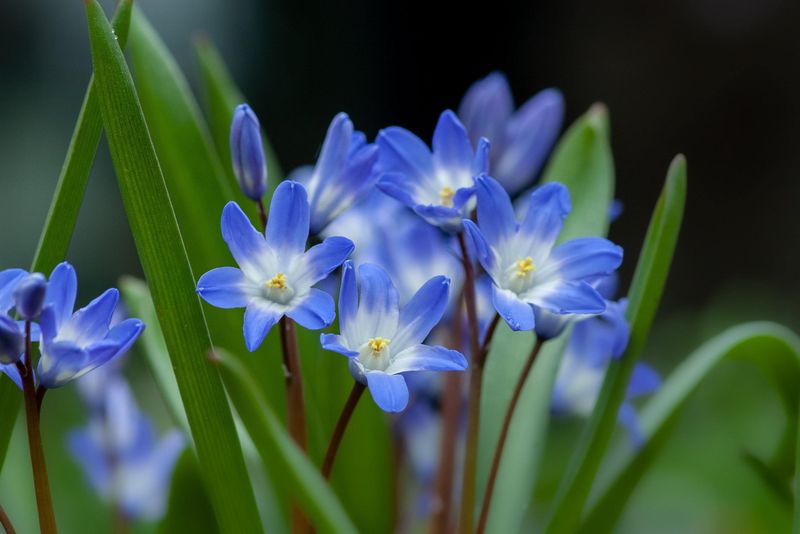
Hold one bulb in your palm and it looks like a shriveled hazelnut. Nobody would guess that such a plain little lump hides a whole bouquet inside.
Each bulb sends up a single stem called a raceme, which carries 5 to 10 star-shaped flowers. That means one small bulb can give you a mini fireworks show all by itself.
The classic color is a rich sky blue with a bright white center. Look closer and the white eye seems to glow, almost like a tiny spotlight.
Blue is not your only choice, though. Garden centers and catalogs also sell types in soft pink, blue-purple, and snowy white.
Mixing colors can be fun, but sticking with one shade often looks more striking from a distance. A sweep of pure blue under a bare tree can look like a puddle of fallen sky.
Your Ohio Garden Changes Every Week. Your Plan Should Too.
Gardening in Ohio changes quickly throughout the season. Every Friday you’ll receive a simple weekly plan showing exactly what to plant, prune, fertilize, harvest, and protect so you never miss the right timing.
Planted in large numbers, the flowers knit together into a colorful carpet. After months of brown lawns and gray skies, that burst of color feels like a reward.
Bees notice too, especially on the first warm days of the year. Early pollinators need food, and these open, upward-facing blooms make an easy snack bar.
Here is a handy tip for shopping. Buy more bulbs than you think you need, because each one is small and the show gets better with every extra handful.
3. Plant Them In Drifts For Greater Impact
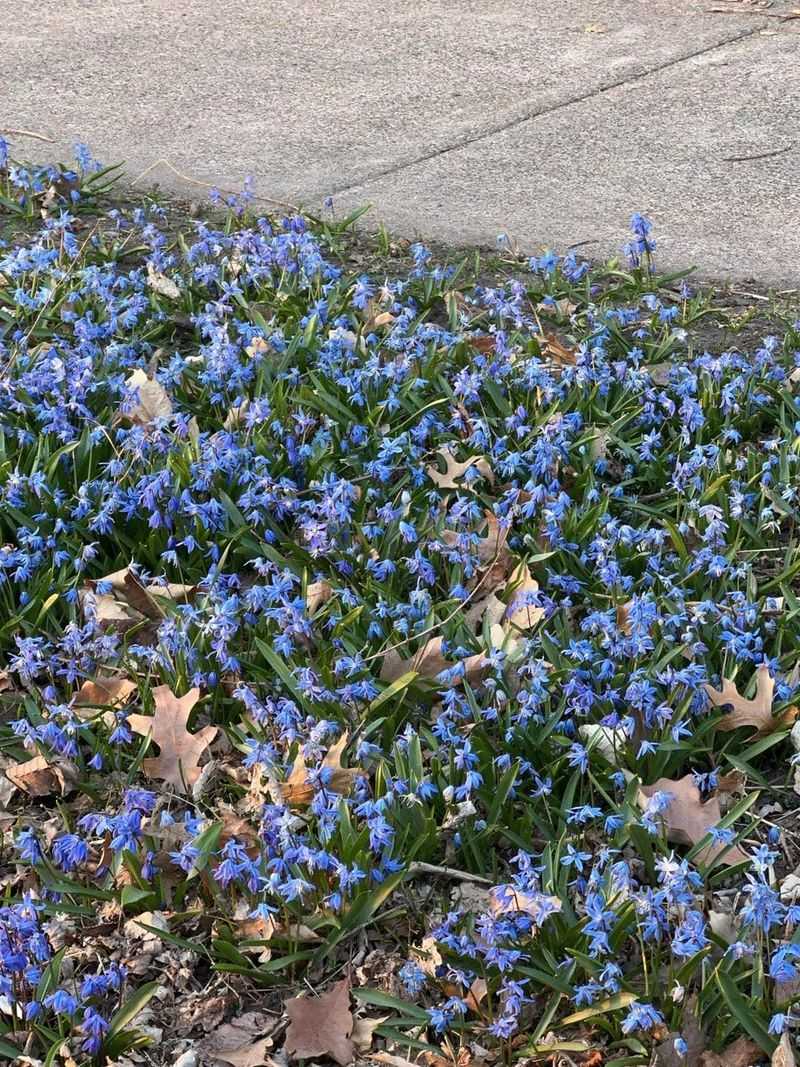
One lonely bulb in a big yard is like one lonely sprinkle on a cupcake. You know it is there, but nobody else will notice.
Glory-of-the-snow shines brightest when you plant it by the dozens. Garden experts suggest grouping 50 to 100 bulbs together for a real color statement.
That number might sound wild, but relax. These bulbs are tiny and cheap, and a bag of 100 often costs less than a pizza.
Skip the straight rows and neat circles. In the wild, these flowers grow in loose, flowing patches, so copy that natural look.
A simple trick works wonders here. Gently toss a handful of bulbs across the planting area and plant each one right where it lands.
You will end up with an uneven drift that looks like nature did the work. Wider in some spots and thinner in others, it feels relaxed and real.
Think about where people will see the flowers most. A drift along the front walk, near a window, or beside the driveway gets noticed every single day.
Curved shapes, like a river winding through the lawn, add even more charm. Try laying a garden hose on the ground first to sketch out the path.
Once spring arrives, step back and enjoy the view. That sweep of blue will look far richer than a scattered few ever could.
4. Give Early Blooms A Sunny Woodland Edge
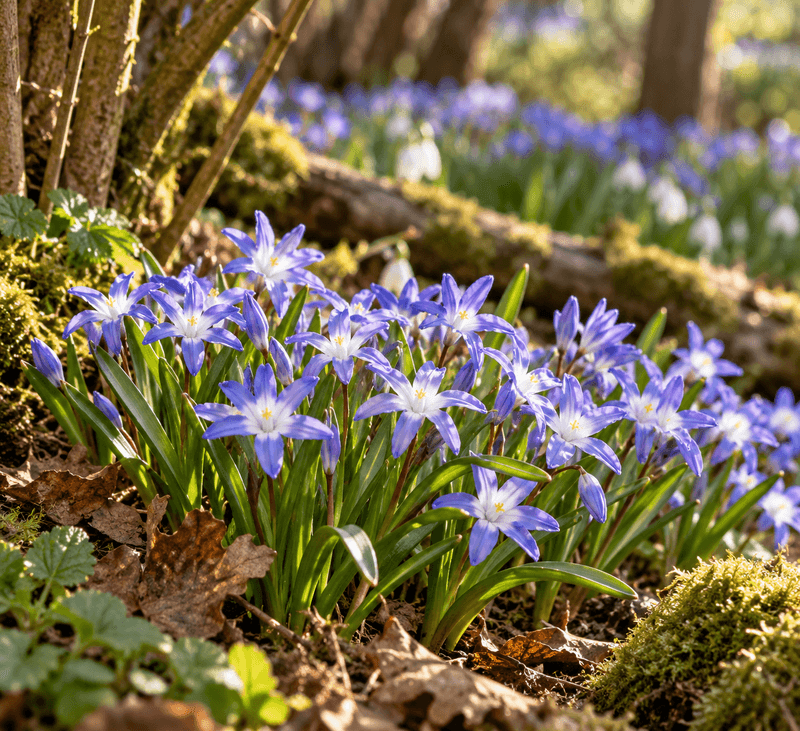
Ever notice how bright it gets under big trees in March? Before the leaves open, sunlight pours straight down onto the ground below.
That short window of light is exactly what glory-of-the-snow loves. It grows well in full sun to partial shade, so it is easy to please.
Spots under deciduous trees, like maples, oaks, and redbuds, are ideal. The bulbs bloom and soak up sun long before the tree canopy fills in overhead.
By summer, when shade covers the ground, the bulbs are resting underground. They simply do not mind the darkness at that stage.
Soil matters just as much as light. These bulbs need good drainage, because soggy ground can cause them to rot.
Plenty of Ohio yards sit on heavy clay that holds water like a sponge. If that sounds like your yard, mix in compost or other organic matter before planting.
Shredded leaves work nicely too, and you probably have piles of them in fall anyway. They loosen the soil and feed helpful worms at the same time.
A gentle slope or raised bed is another smart choice. Water drains away faster, keeping the bulbs comfy through wet spring rains.
Walk your yard on a rainy day to find the best spots. Areas where puddles linger are ones to skip, while places that dry quickly are winners.
5. Let The Bulbs Naturalize Over Time
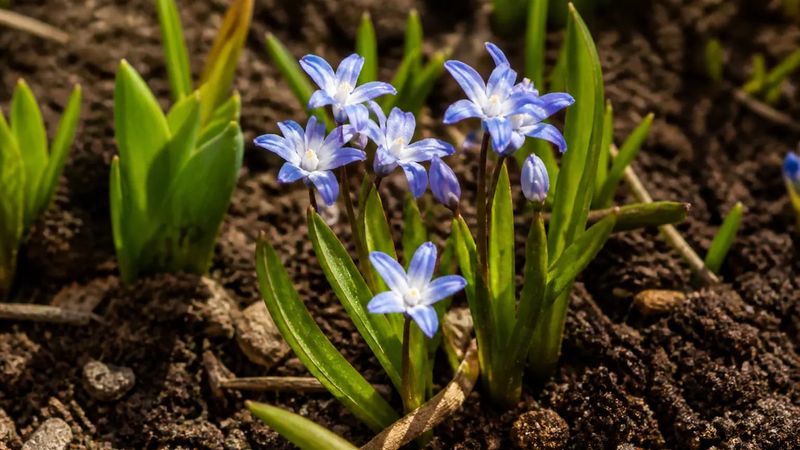
Some flowers are one-season wonders, but glory-of-the-snow likes to stick around and invite friends. Plant a handful now, and in a few years you may have a whole crowd.
Gardeners call this naturalizing. It means the plants spread on their own and return year after year with little help from you.
These bulbs spread in two clever ways. First, the parent bulb grows small offsets, which are baby bulbs attached to its sides.
Over time, those babies grow up and bloom on their own. A small cluster slowly becomes a thick clump of flowers.
Second, the flowers can make seeds when conditions are right. Those seeds drop nearby and sprout into new plants, stretching the patch even farther.
Seedlings take a couple of years to bloom, so patience pays off. Think of it as a savings account that grows interest in flowers.
To help the spreading along, go easy on heavy mulch right where the bulbs grow. A thick layer can block tiny seedlings from reaching the light.
Avoid digging or tilling in that area too. Mark the spot with a small stake so you remember where the bulbs are hiding.
Many older Ohio neighborhoods have yards with sheets of blue each spring. Those carpets often started with just a few bulbs planted decades ago.
6. Pair Them With Later Spring Companions
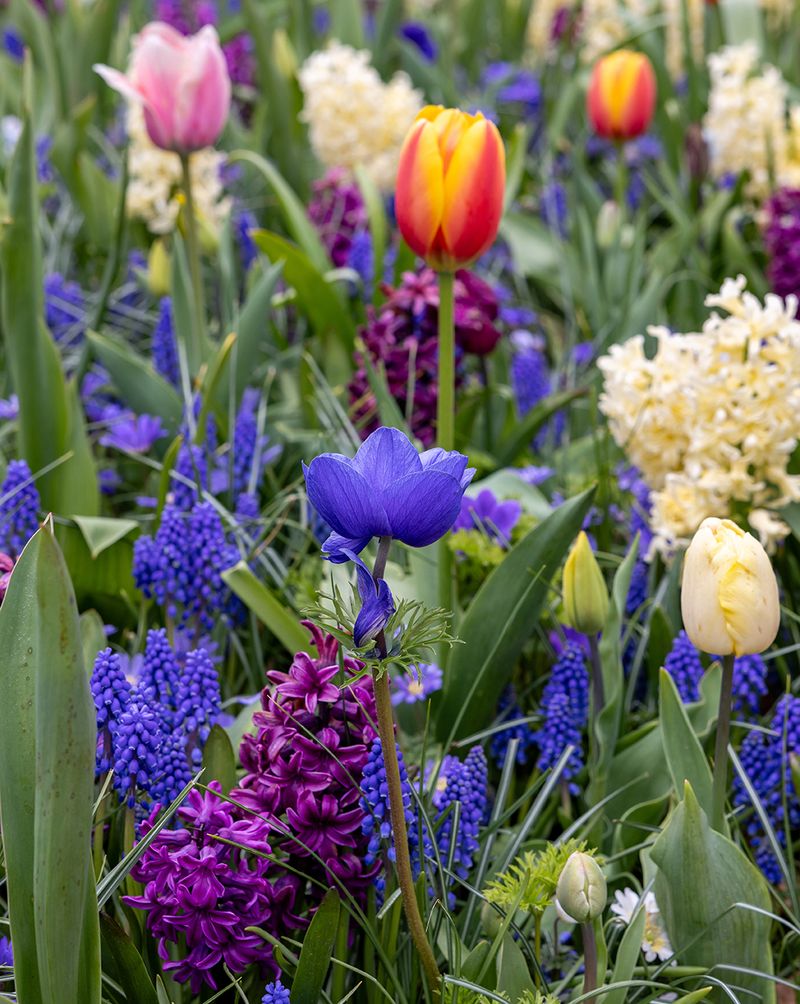
Picture a relay race where each runner hands off the baton to the next. A well-planned spring garden works the same way, with one flower passing the spotlight to another.
Glory-of-the-snow is a great first runner. It blooms early, so it teams up nicely with crocuses, snowdrops, and early daffodils.
Those flowers open around the same time and create a cheerful early mix. Yellow daffodils beside blue stars look especially bold together.
For color that keeps going, add grape hyacinths to the plan. Their purple spikes arrive as the first wave starts to fade.
Taller tulips and primroses are smart partners too. Plant the small bulbs around their base, and the bigger plants will take over as the blue fades.
Hostas make another clever match for shady spots. The bulbs finish blooming before the hosta leaves fully unfurl, and then those big leaves hide the fading foliage.
Ferns and hellebores can play this role as well. Any plant that fills in later in spring helps cover the bulb leaves as they yellow.
Grab a notebook and sketch which plants bloom in March, April, and May. Seeing it on paper makes it easier to spot any gaps in your show.
With the right partners, your garden can stay colorful for months instead of weeks. That is a lot of beauty from a few smart choices.
7. Keep Fall Planting Simple And Well-Drained
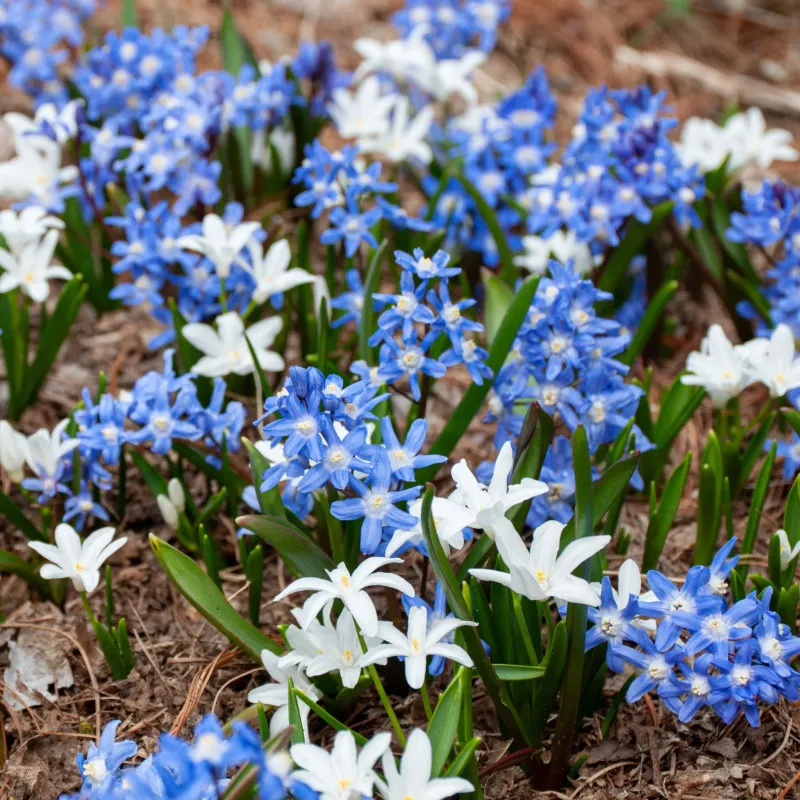
Good news for busy people: planting these bulbs takes about as much effort as planting a row of seeds. You can finish a big batch in a single afternoon.
Fall is the season to plant, ideally between September and November. Aim for about three to four weeks before the first hard frost.
In most of Ohio, that usually means October is a sweet spot. Northern areas may want to plant a bit earlier than southern counties.
Start with well-drained soil, since wet ground can make bulbs rot. A sandy loam is ideal, but amended clay works fine too.
Dig holes 2 to 4 inches deep, measuring from the bottom of the bulb to the soil surface. Space the bulbs 2 to 4 inches apart.
Set each bulb with the pointed end facing up. If you cannot tell which end is which, plant it on its side and it will figure things out.
For big drifts, try digging one wide, shallow hole instead of many small ones. Drop in a bunch of bulbs, cover them, and move on.
After planting, water the area well. This settles the soil around the bulbs and helps roots start growing before winter.
Hungry squirrels sometimes dig in fresh soil. Laying chicken wire over the bed for a few weeks can help keep curious critters out.
8. Allow Foliage To Feed Next Year’s Flowers
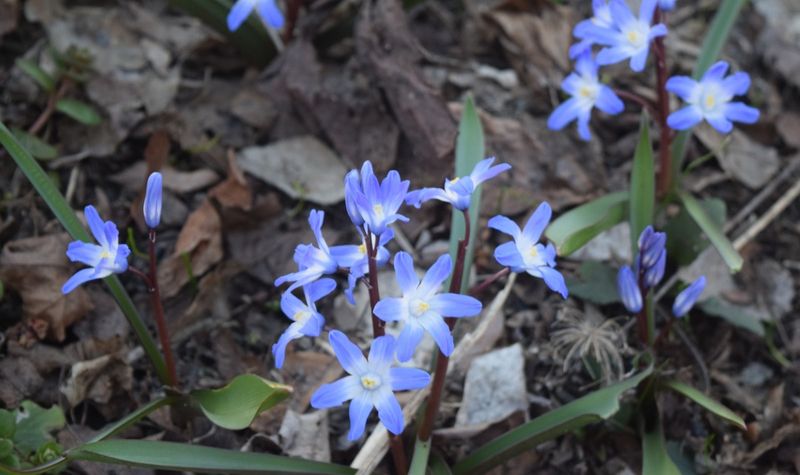
Once the blue stars fade, it is tempting to tidy up and cut everything back. Hold that thought, because those leaves still have an important job to do.
Think of the leaves as tiny solar panels. Through photosynthesis, they turn sunlight into food that the bulb stores underground.
That stored energy fuels next spring’s flowers. Cut the leaves too soon, and the bulb may produce fewer blooms next year.
So leave the foliage alone until it turns yellow and wilts on its own. This usually takes about five to six weeks after the flowers finish.
The leaves are thin and grassy, so they are not much of an eyesore. Planting them among later perennials helps hide them even more.
Bulbs growing in a lawn need a little extra care. Raise your mower blade higher for the first few cuttings of spring.
That gives the bulb leaves time to finish their work. Once they yellow, you can mow at your usual height again.
Skip braiding or tying the leaves into bundles, too. Folding them up blocks sunlight and slows down the food-making process.
A light sprinkle of bulb fertilizer in early spring can give the plants a small boost. Patience is the real secret, though, and your reward will be a thicker, brighter carpet of blue the following March.
9. Build A Longer Spring Display With Layers
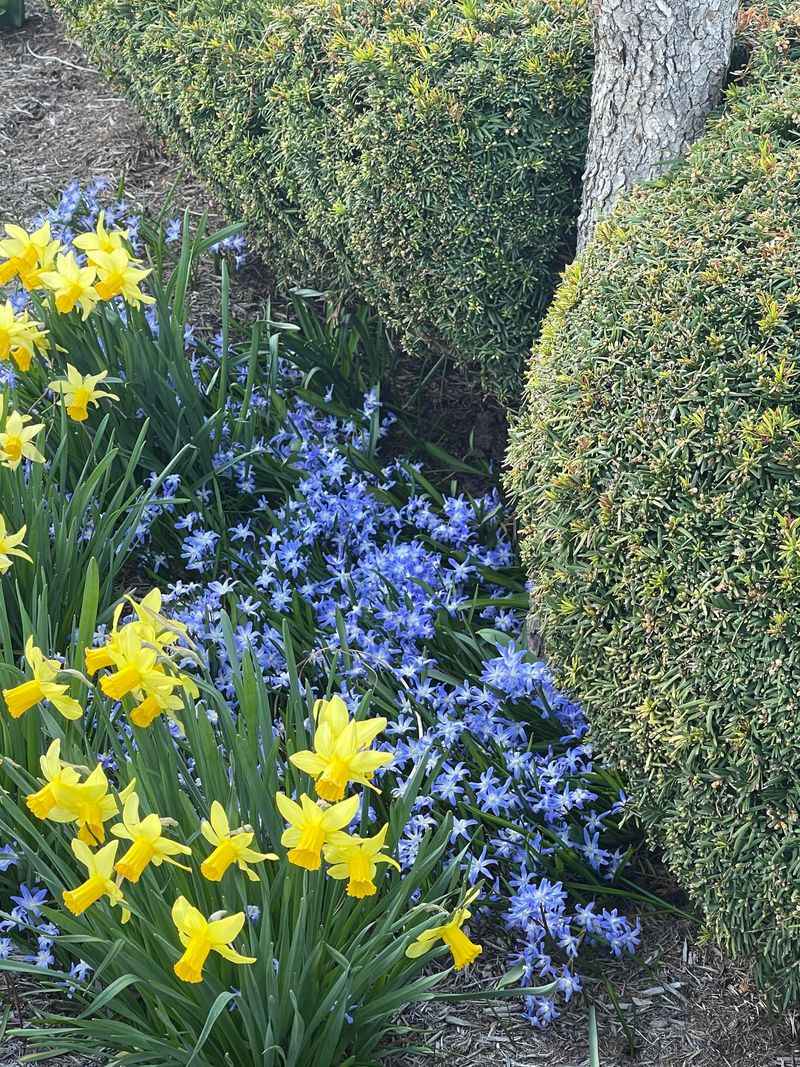
Ever made a lasagna? Gardeners borrowed that same idea to pack more flowers into a single spot.
The method is often called bulb layering. You stack different bulbs at different depths, so they bloom one after another in the same space.
Start by digging a wide hole about 6 to 8 inches deep. Place daffodil bulbs at the bottom at their recommended depth.
Cover them with a few inches of soil, but do not fill the hole all the way. Then set glory-of-the-snow bulbs in the next layer, about 2 to 4 inches below the surface.
Top everything off with soil and water well. Do not worry about the bulbs lining up, since shoots will grow around each other just fine.
In early spring, the small blue flowers bloom first. A few weeks later, daffodils rise up through the fading blue carpet for round two.
You can add a third layer, too, like grape hyacinths or crocuses. More layers mean more weeks of color from one patch of ground.
Layering works great in containers as well. A big pot by the front door can become a spring surprise that changes every few weeks.
For pots, choose a container with drainage holes and keep it in an unheated garage or sheltered spot over winter. That protects the bulbs from harsh freezes.