The Native Michigan Trees That Give Better Fall Color Than Maples
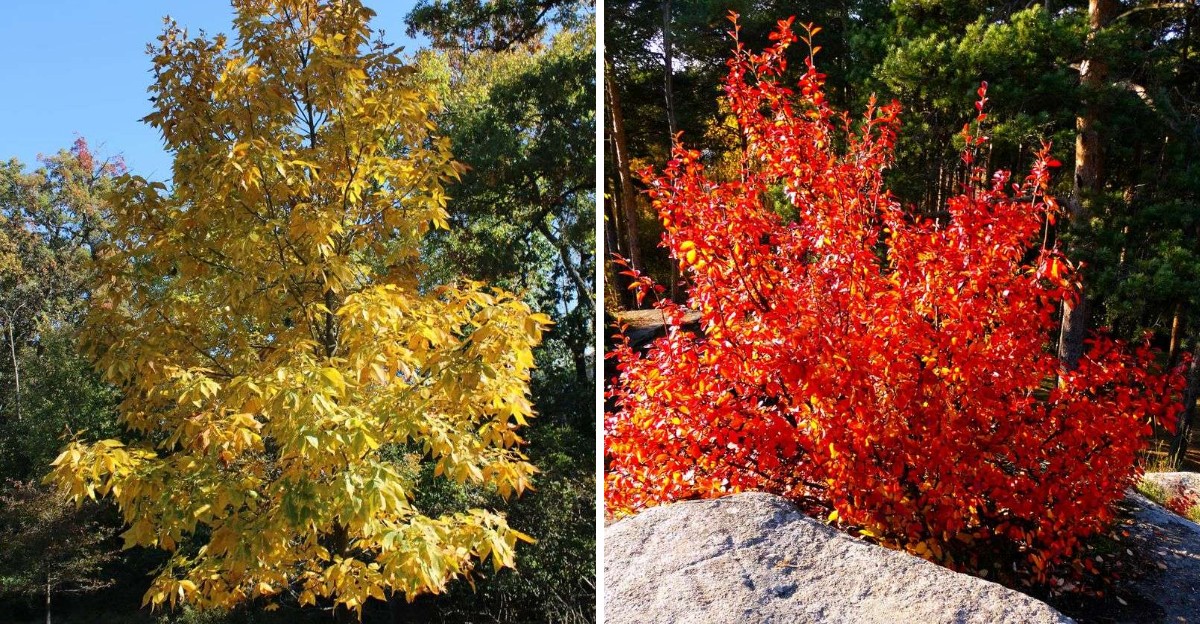
Maples tend to dominate the conversation around fall color in Michigan, but several native tree species actually rival or even surpass maples when it comes to vivid autumn displays.
These lesser-known natives often produce equally striking reds, oranges, and yellows, while also offering additional benefits like supporting local wildlife or tolerating conditions maples sometimes struggle with.
Because they’re native to the region, these trees have adapted specifically to Michigan’s soil and climate, often requiring less maintenance than some ornamental alternatives.
Choosing one of these trees can bring the same dramatic fall color homeowners love about maples while adding genuine ecological value to the landscape.
For Michigan gardeners looking beyond the usual maple, these native trees offer an underrated way to achieve real fall color.
1. Black Gum Can Turn Brilliant Scarlet
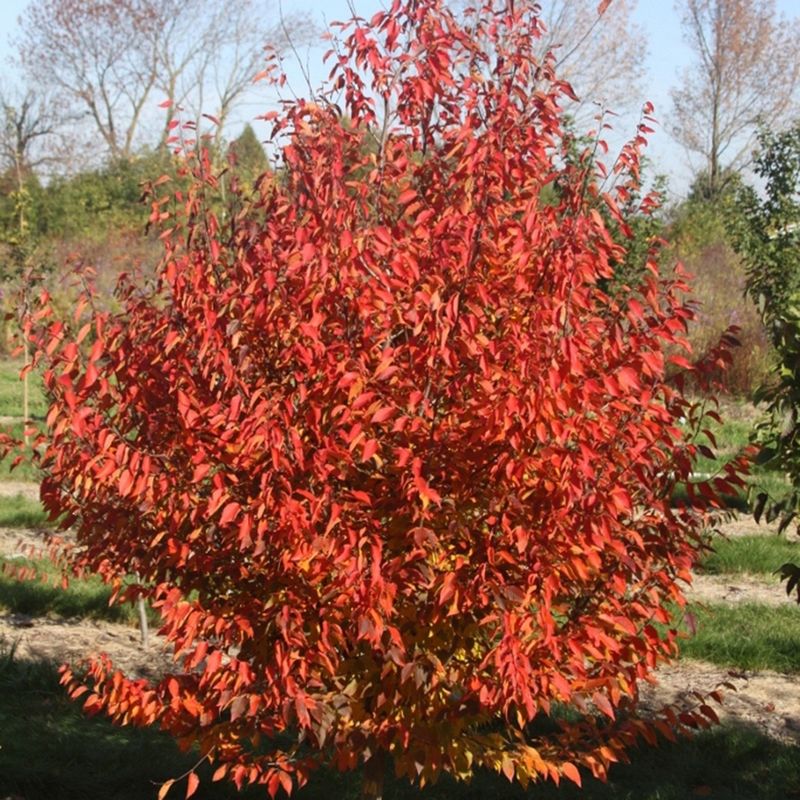
If you want the reddest red in your yard, black gum delivers a color so bright it almost glows. Also called black tupelo, this native tree starts changing early in the season, often before its neighbors even think about it.
The leaves are thick and shiny, which makes the scarlet and crimson tones look extra rich in the sunlight.
Some trees mix in orange and purple shades too, giving you a layered look that few maples can match. It really is one of the most reliable fall performers in Michigan.
Black gum grows slowly but steadily into a nicely shaped shade tree, usually reaching 30 to 50 feet tall. Its branches spread out in a neat, horizontal pattern that looks great even in winter. That tidy form makes it a favorite for front yards and open lawn spaces.
Birds love this tree because it produces small blue-black fruits that many species enjoy in late summer and fall. Planting one means you get a beautiful tree and a wildlife magnet rolled into one.
For the best results, give black gum a spot with full sun and moist soil, though it handles wet ground better than many trees. It does not like being moved once settled, so pick your planting site carefully.
Patient gardeners are rewarded here. A young black gum may seem plain for a few years, but once it matures, the scarlet display becomes the talk of the block every October.
2. Sassafras Can Show Several Fall Colors
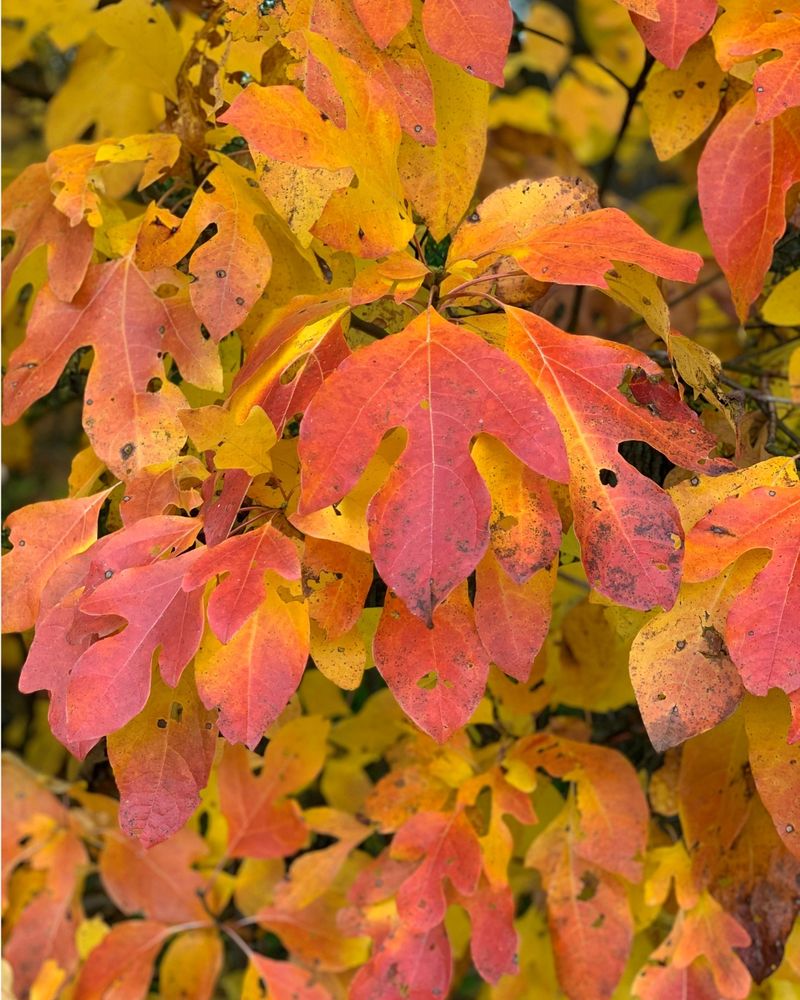
Picture a single tree wearing yellow, orange, scarlet, and deep red all at once. That is sassafras, and it might be the most colorful native Michigan has to offer.
What makes it special is the way different leaves and branches turn different colors at the same time.
One part of the tree might glow golden while another blazes scarlet, creating a patchwork you cannot look away from. No two sassafras trees ever seem to look exactly alike in fall.
The leaves add another fun twist. They come in three shapes on the same tree, some shaped like mittens, some like footballs, and some with three lobes. Kids especially get a kick out of hunting for the different shapes.
Sassafras usually grows 30 to 60 feet tall and often spreads by sending up new shoots, which can form a small grove over time. If you prefer a single trunk, just trim away the extra sprouts as they appear.
Your Michigan Garden Changes Every Week. Your Plan Should Too.
Gardening in Michigan changes quickly throughout the season. Every Friday you’ll receive a simple weekly plan showing exactly what to plant, prune, fertilize, harvest, and protect so you never miss the right timing.
Crushing a twig or leaf releases a sweet, spicy smell that early settlers once used to flavor tea and root beer. That aroma is a bonus you get from few other trees.
Give sassafras full sun to partial shade and well-drained soil, and it will thrive without much fuss. It handles poor, sandy ground better than most, which suits many Michigan yards perfectly.
For gardeners who cannot decide on just one fall color, sassafras happily offers them all in one striking package.
3. Red Oak Brings Deep Red Fall Color
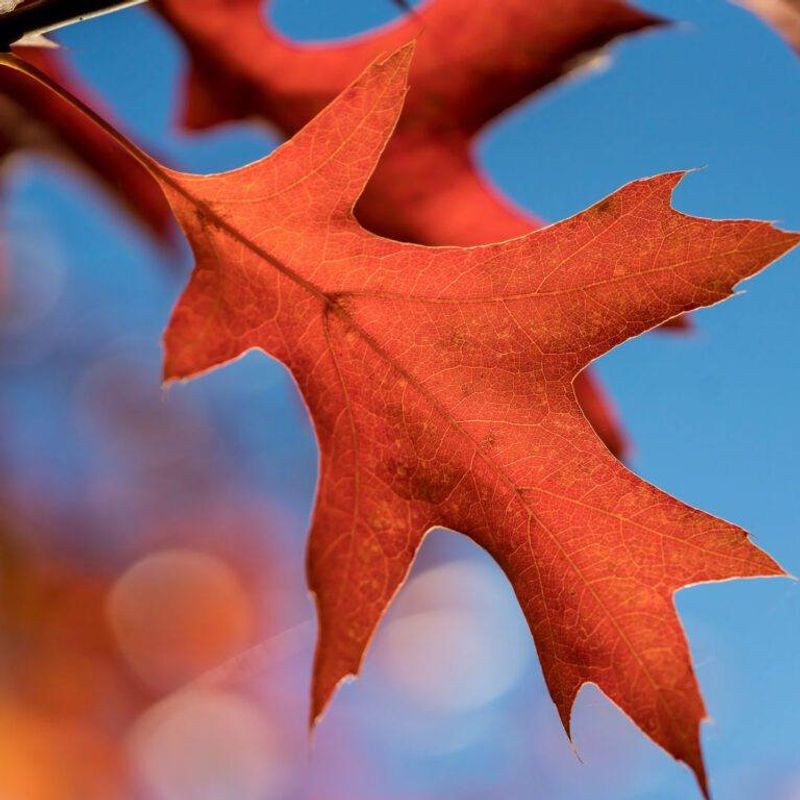
Few trees command respect like a big northern red oak dressed in its autumn colors. This Michigan native turns rich red to reddish-brown late in the season, holding onto its color when other trees have already dropped their leaves.
The deep, warm tones look wonderful against a gray fall sky, and the color lingers for weeks. Because it changes later than most, a red oak keeps your yard interesting well into November.
Size is where this tree really impresses. A mature red oak can reach 60 to 75 feet tall with a wide, rounded crown that throws generous shade across a lawn. It grows faster than many oaks, so you do not have to wait forever to enjoy it.
Acorns are a big part of the story here. Squirrels, deer, and dozens of bird species depend on them for food, making red oak one of the most valuable wildlife trees you can plant.
Think of a red oak as a gift for the future. It can thrive for well over a century, meaning your grandchildren could climb the same tree you planted today.
Plant it in full sun with room to spread, since this is not a tree for tight corners. Well-drained soil suits it best, though it tolerates a range of conditions once established.
If you have the space and want a strong, stately tree that pays off every single fall, the northern red oak is hard to beat.
4. White Oak Can Add Wine-Red And Purple Tones
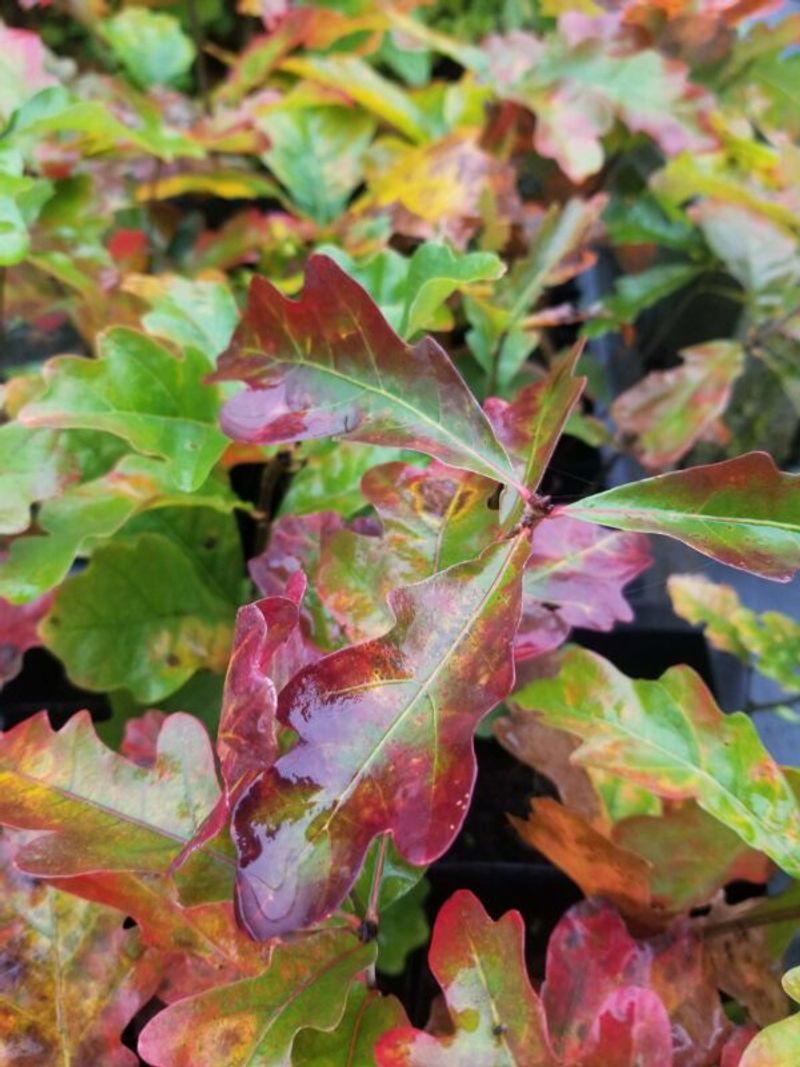
There is something quietly elegant about a white oak in autumn. Instead of shouting with bright color, it settles into soft wine-red, purplish, and brown tones that feel warm and dignified.
Some folks call this display subtle, but that is exactly its charm. The muted reds and purples create a rich, moody look that pairs beautifully with brighter trees nearby. When planted next to a scarlet black gum, the contrast is stunning.
White oak is a true giant of the forest, often growing 50 to 80 feet tall with massive, spreading branches. Its rounded shape and light gray bark give it a noble presence in any large yard or open field.
This tree is famous for its long life, with some individuals thriving for 300 years or more. Planting one is a promise to the land that lasts for generations.
Wildlife adore white oak acorns, which are sweeter and less bitter than those of red oaks. Deer, turkeys, and squirrels seek them out every fall, so your tree becomes a busy gathering spot.
Give it full sun and deep, well-drained soil, and be patient because white oak grows slowly. It also dislikes having its roots disturbed, so choose the planting spot with care and avoid changing the soil around it later.
For gardeners who appreciate a slower, softer kind of beauty, white oak rewards them with quiet color, incredible size, and a legacy that stretches far into the future.
5. Shagbark Hickory Offers Golden Fall Color
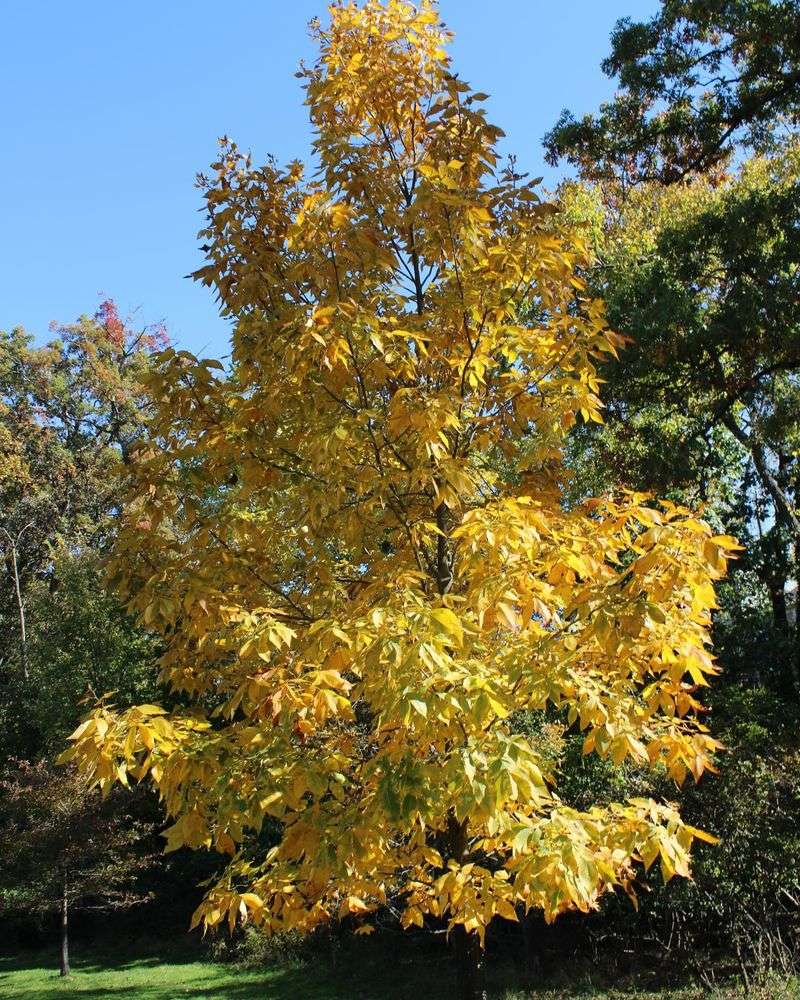
Gold is the name of the game with shagbark hickory. When fall arrives, its leaves turn a warm, glowing yellow that seems to light up the whole tree from the inside.
The golden color is bright and cheerful, offering a lovely change from all the reds and oranges around it. On a sunny October afternoon, a shagbark hickory looks like it is holding sunshine in its branches.
The real showstopper, though, is the bark. Long strips peel away from the trunk and curl at the edges, giving the tree a shaggy, wild look that earned it its name. Even after the leaves fall, that bark keeps your yard interesting all winter long.
Shagbark hickory grows tall and straight, usually reaching 60 to 80 feet, with a narrow crown that fits in more spaces than you might expect. It grows slowly, so plan on enjoying it over many years.
Here is a tasty bonus. This tree produces sweet, edible nuts that both people and wildlife enjoy, and squirrels will happily stash them all over your yard.
Plant shagbark hickory in full sun with deep, well-drained soil. It has a long taproot, which makes it tricky to transplant, so starting with a young tree is your best bet.
If you love golden autumn light and want a tree with eye-catching texture in every season, shagbark hickory brings both beauty and a handful of nuts to the table.
6. Serviceberry Brings Orange And Red Foliage
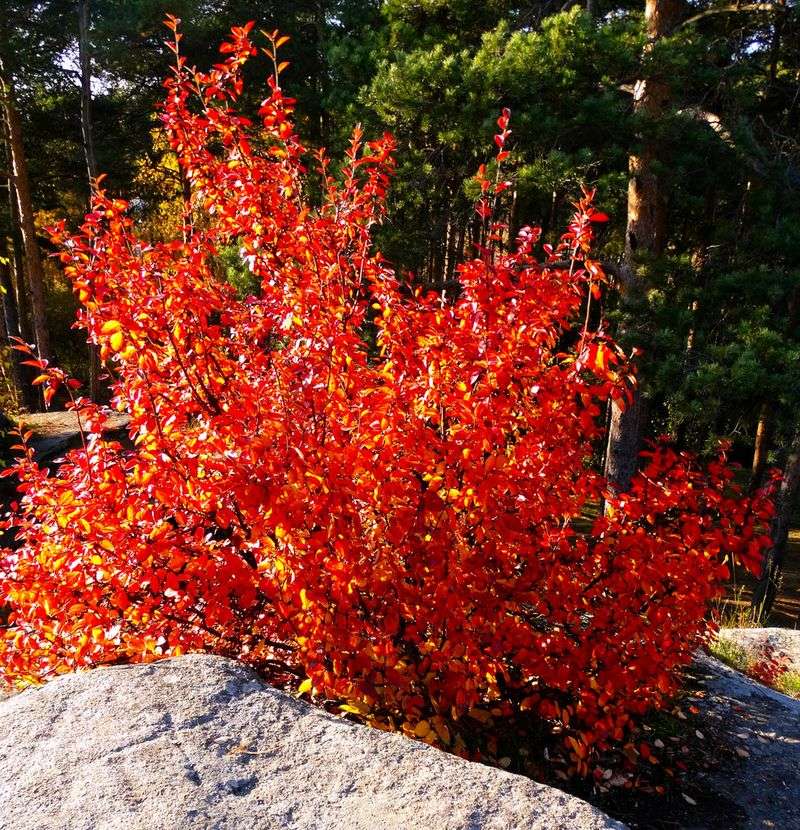
Talk about a tree that works hard all year. Serviceberry gives you white spring flowers, sweet summer berries, and a fall wardrobe of orange, red, and yellow leaves.
The autumn colors blend together beautifully, sometimes shifting from soft orange to fiery red across the same tree. Because serviceberry stays smaller than an oak, that color fits neatly into yards where a big tree simply will not work.
Spring is when this tree first steals the show, covering itself in delicate white blossoms just as winter loosens its grip. Those flowers turn into small purple berries that taste a bit like blueberries.
People and birds compete for those berries every June, and you may want to pick some fast if you hope to bake with them. Cedar waxwings and robins especially love the fruit.
Size varies depending on which serviceberry you choose. Some grow as multi-stemmed shrubs around 15 feet tall, while others form small single-trunk trees reaching 25 feet, so check the type before planting.
This flexibility makes serviceberry a great pick for smaller lots, patios, or spots near a house where you want beauty without a giant canopy overhead.
Give it full sun to partial shade and moist, well-drained soil for the best flowers and fruit. It handles a range of conditions and stays fairly low-maintenance once settled in.
For anyone who wants a tree that delivers something special in every season, serviceberry packs flowers, food, and fall color into one tidy, friendly package.
7. American Hornbeam Adds Warm Autumn Color
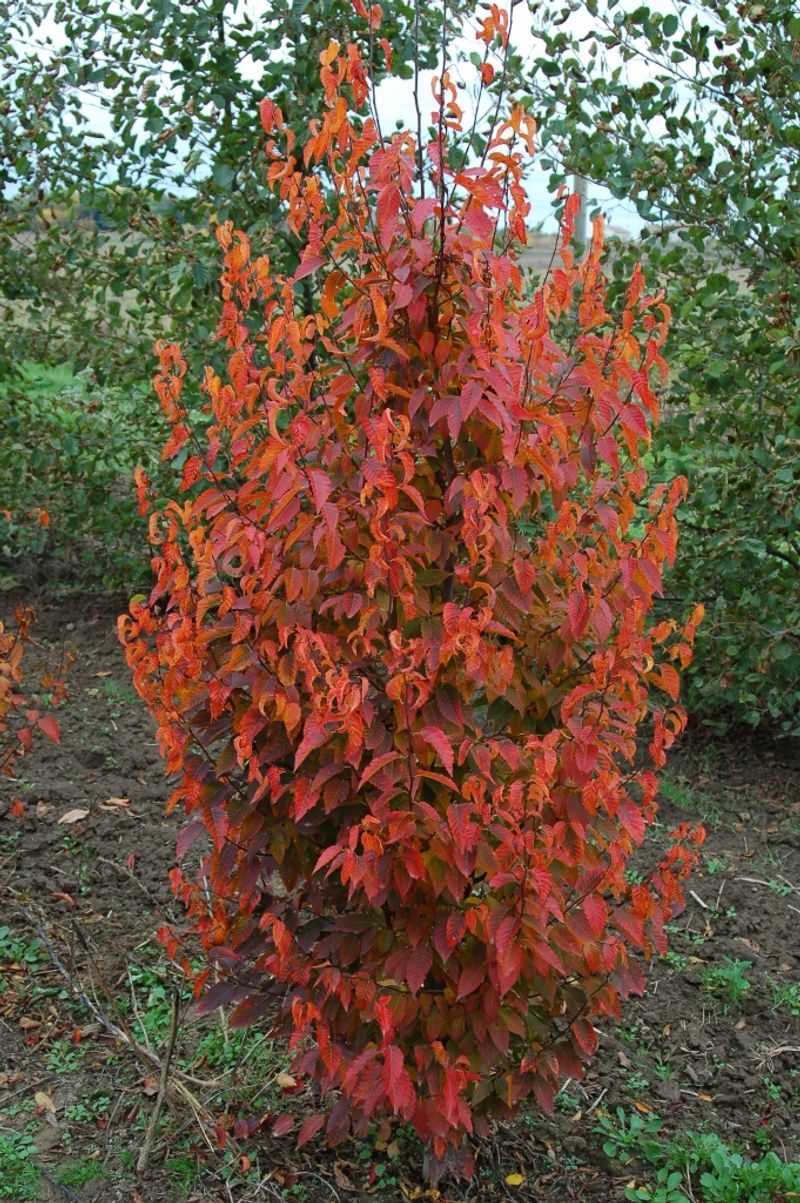
Sometimes the best tree for a spot is a smaller one, and American hornbeam proves it. In fall, this modest native glows with yellow, orange, and reddish leaves that rival trees three times its size.
The warm color mix looks especially nice because hornbeam often grows at the edge of woods or in partial shade, where its bright leaves catch stray beams of sunlight. The effect is soft and inviting rather than loud.
American hornbeam usually tops out around 20 to 30 feet, making it perfect for yards where a full-sized maple would crowd everything out. It fits under power lines, beside patios, and in smaller gardens with ease.
The bark is a hidden treasure. Smooth and gray, it ripples along the trunk like flexed muscle, which is why some people call this tree musclewood. That rippling texture adds interest long after the leaves drop.
Because it naturally grows as an understory tree, hornbeam handles shade far better than most fall-color trees. If you have a partly shady spot begging for autumn color, this is your answer.
Birds use its seeds and dense branches for food and shelter, so it earns its keep with wildlife too. The wood is famously tough, which is where the name ironwood comes from.
Plant American hornbeam in moist, well-drained soil and either sun or shade. Low-maintenance and slow-growing, it rewards patient gardeners with cozy fall color and standout bark in a compact, easygoing size.
8. Choose The Tree For More Than Fall Color
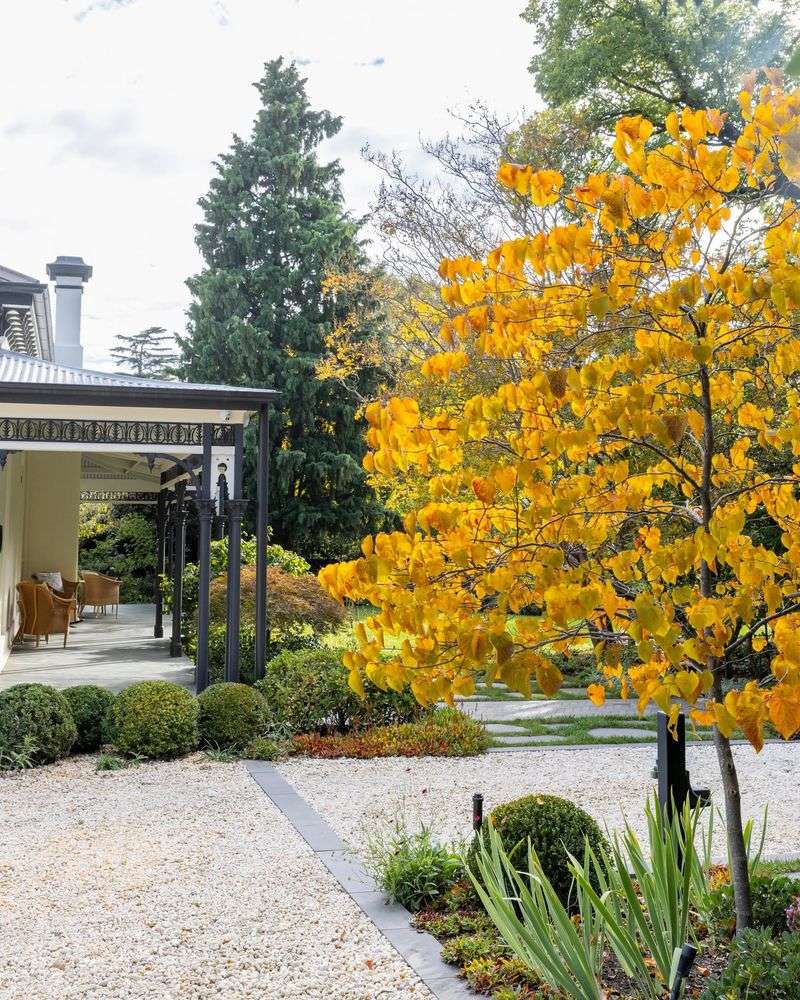
Gorgeous fall color is a wonderful goal, but the best tree for your yard depends on much more than one season of leaves. A little planning now saves years of trouble later.
Start by thinking about mature size. That cute sapling from the nursery may grow 70 feet tall, so make sure it has room to stretch without crowding your house, power lines, or driveway.
Sunlight matters just as much. Some trees, like red oak and black gum, crave full sun, while American hornbeam happily settles into shade. Match the tree to the light your yard actually gets.
Next, look down at your soil. Notice whether water drains quickly or sits in puddles after rain, since black gum tolerates wet ground while hickory prefers it well-drained. Digging a small test hole tells you a lot.
Moisture and climate play a role too. Michigan winters can be harsh, so sticking with native trees means you get species already suited to the cold and the local pests.
Wildlife value is a hidden bonus worth chasing. Acorns, berries, and seeds feed birds and mammals, so choosing a productive tree turns your yard into a busy, lively place.
Finally, be honest about your space and patience. Fast growers give quick shade, while slow growers like white oak reward the long haul.
When you weigh size, sun, soil, moisture, and wildlife together, you end up with a tree that thrives for decades and dazzles every single autumn.