This Low-Maintenance Native Is Replacing Hydrangeas In Texas Yards
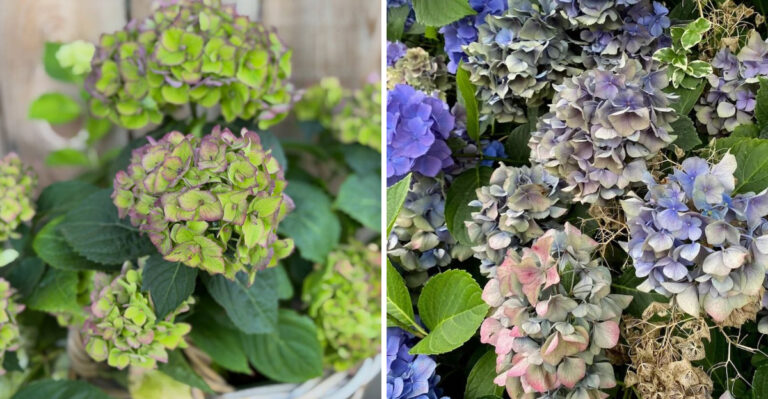
Hydrangeas have had a long run as one of the most popular flowering shrubs in Texas yards.
The blooms are undeniably beautiful, the varieties are endless, and the enthusiasm around them shows no sign of fading. But hydrangeas in Texas come with real demands.
They need more water than most homeowners account for, struggle through the worst of the summer heat, and require attention to perform the way the plant tag promises.
A native Texas shrub is quietly earning its place as the smarter alternative. It requires almost none of that intervention.
It thrives in Texas heat and drought once established, and supports native wildlife in ways that hydrangeas simply cannot match.
Low maintenance, ecologically generous, and stunning in fall. Here’s the native Texas shrub replacing hydrangeas in yards across the state.
The Native Hydrangea Alternative
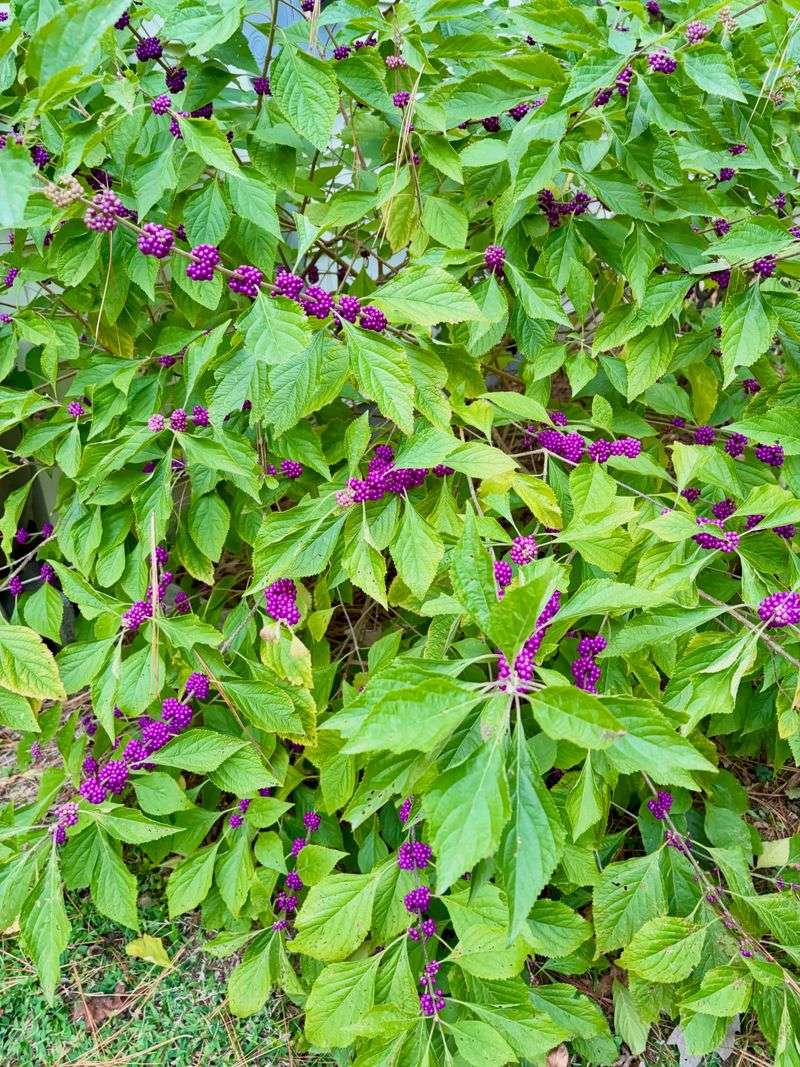
This native plant is American beautyberry, known to scientists as Callicarpa americana. It grows wild across East and Central Texas and much of the Southeast.
Gardeners love hydrangeas for their big, soft blooms and leafy look in shady corners. The trouble is that hydrangeas were never built for our climate. They beg for water, sulk in afternoon sun, and often need extra care just to stay green.
Beautyberry brings a similar woodland charm without all that fuss. It is a deciduous shrub, which means it drops its leaves in winter and leafs out again in spring. Its arching branches and soft green leaves give a relaxed, natural feel to any yard.
Because it is native, it already knows how to handle local weather, bugs, and soil. You do not need to fight nature to keep it happy. That is a big win for busy homeowners and first-time gardeners.
Here is a fun bit of history. Old-time farmers in the South reportedly crushed beautyberry leaves and tucked them under horse harnesses to keep biting insects away.
Modern scientists have even studied compounds in the leaves for their bug-repelling power.
Ready to try one? Look for beautyberry at native plant sales, local nurseries, or events hosted by groups like the Native Plant Society of Texas.
Fall and early spring are great planting times because the weather is mild and roots can settle in before summer heat arrives. Start with one or two plants and see how easy your yard can become.
It Thrives In The Same Shady Spots
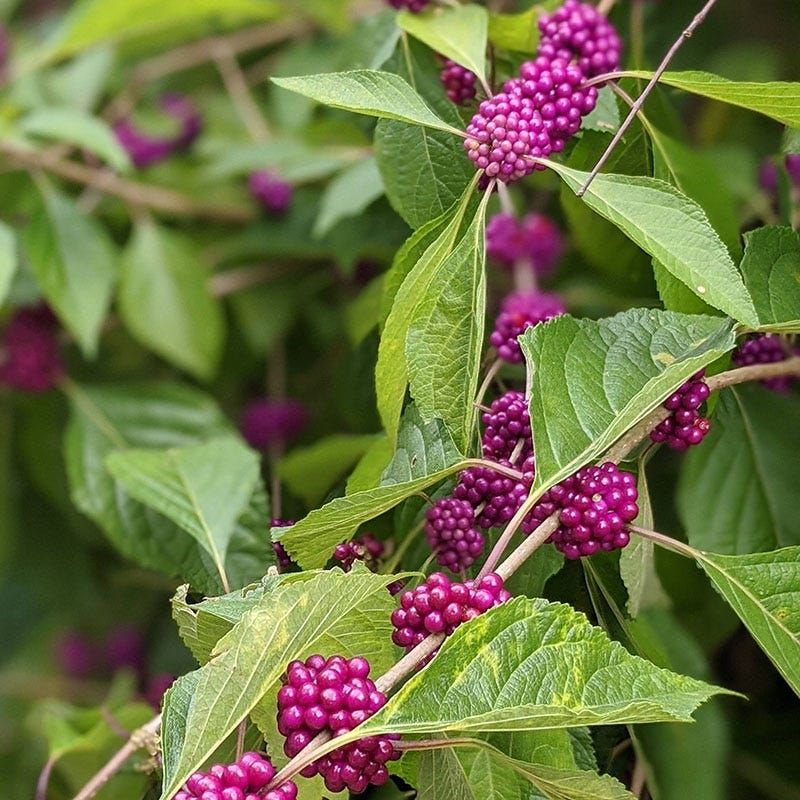
That shady patch under your live oak does not have to stay bare. Many Texans first planted hydrangeas there because shade seemed like the only thing hydrangeas wanted. Beautyberry is just as happy in those same spots, and it asks for much less in return.
In the wild, you will find beautyberry growing along creek banks, forest edges, and under tall trees.
It is used to filtered light, where sunshine slips through leaves in little patches. That makes it a natural fit for tree-lined yards and wooded borders.
Part shade is the sweet spot. Aim for a place that gets around four to six hours of sun, ideally in the morning. The shrub will grow full and leafy, with plenty of flowers and berries.
Your Texas Garden Changes Every Week. Your Plan Should Too.
Gardening in Texas changes quickly throughout the season. Every Friday you’ll receive a simple weekly plan showing exactly what to plant, prune, fertilize, harvest, and protect so you never miss the right timing.
Got a sunnier bed? No problem. Beautyberry can handle more sun than most people expect, especially in East Texas where rain is more common.
In full sun, it may need a bit of extra water during long dry spells. A deep soak once a week in the hottest months usually does the trick. You may also notice the leaves turn a little yellow-green in bright sun, which is normal.
Deep shade is the one place to be careful. With too little light, the plant gets leggy and makes fewer berries. If your spot is very dark, try trimming a few low tree branches to let more light through.
A smart trick is to plant beautyberry where a hydrangea once struggled. The soil and light are often already right.
Add a layer of shredded leaves or mulch around the base to keep roots cool and moist, and you will be off to a great start.
Long-Lasting Color From Summer Into Fall
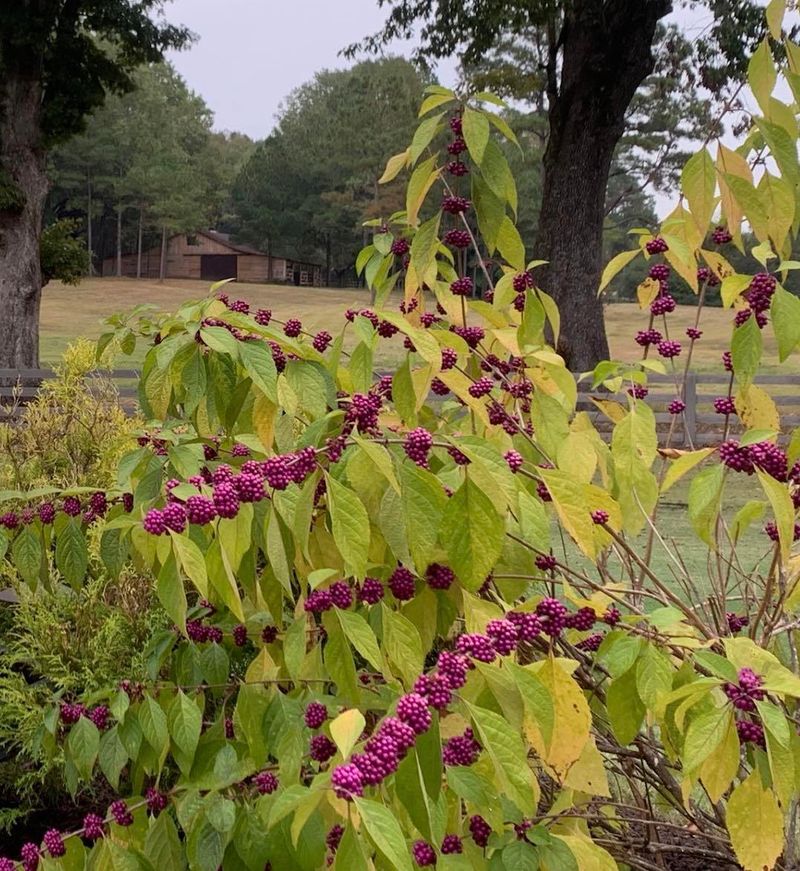
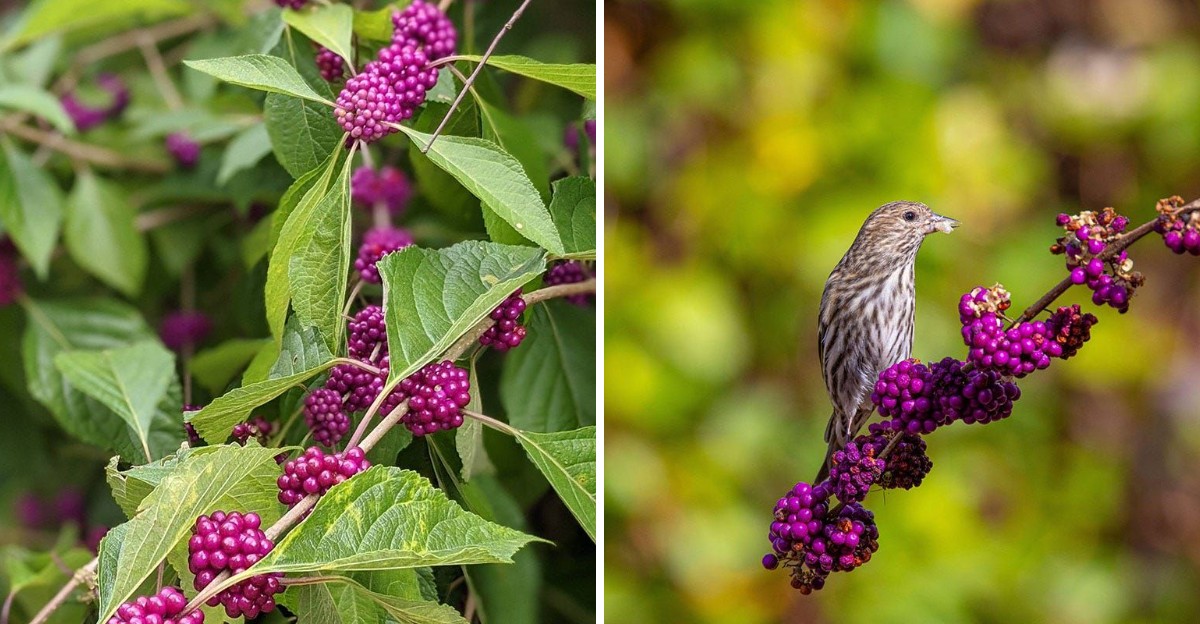
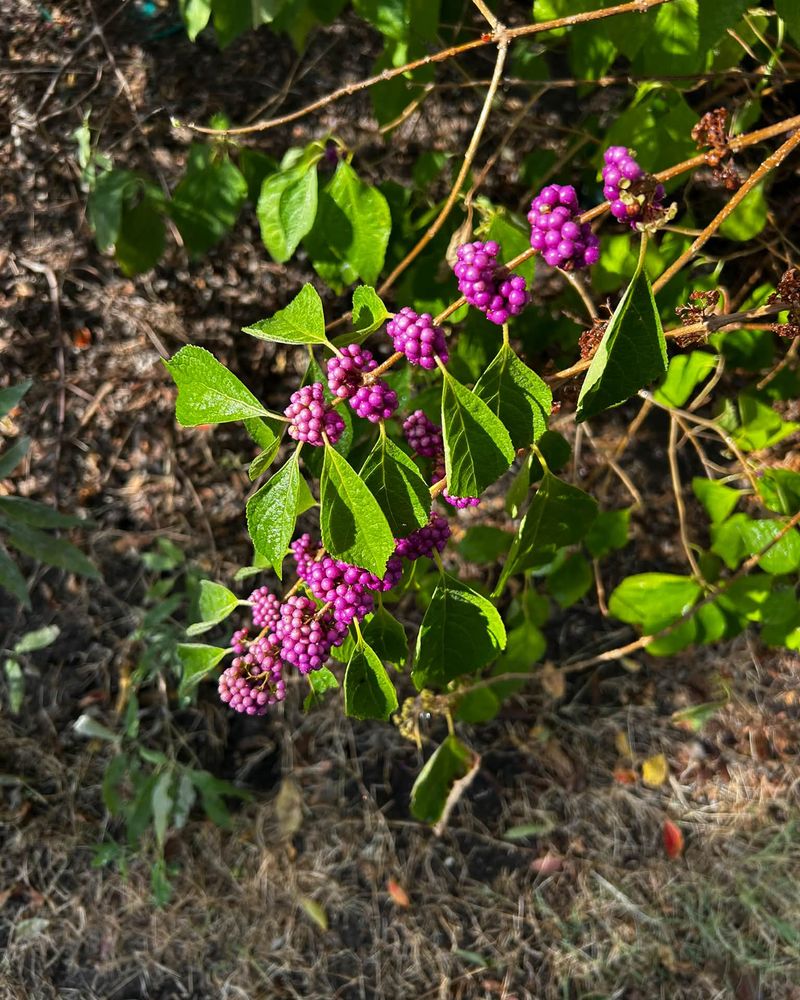
“Are those berries real?” is a question beautyberry owners hear all the time. The purple is so bright it almost looks painted on. Neighbors often stop on the sidewalk just to take a closer look.
The show starts quietly. In late spring and summer, tiny pink to lavender flowers pop up in clusters where the leaves meet the stems. They are small, but bees and butterflies notice them right away.
By late summer, those flowers turn into tight bunches of green berries. Then, almost overnight, they shift to a bold magenta purple. The clusters wrap all the way around the branches like beaded bracelets.
Here is where beautyberry pulls ahead of hydrangeas. Hydrangea blooms in Texas often fade or brown by midsummer, especially after a heat wave. Beautyberry saves its best color for the season when most gardens look tired.
The berries usually stick around through fall. In some years, they even last into winter after the leaves drop. Bare branches dotted with purple can look stunning against a gray sky.
Want to get the most color? Plant several shrubs together in a group of three or five. A mass planting creates a bigger splash than a single plant standing alone.
You can also mix beautyberry with plants that bloom at different times. Turk’s cap, inland sea oats, and coralberry all pair nicely in shade. Together, they keep your garden interesting for months.
Fun fact: there is also a white-berried form called Callicarpa americana var. lactea. It is a lovely choice if you want a softer look. Some gardeners plant both kinds side by side for a cheerful mix of purple and white.
Built For Texas Heat And Drought
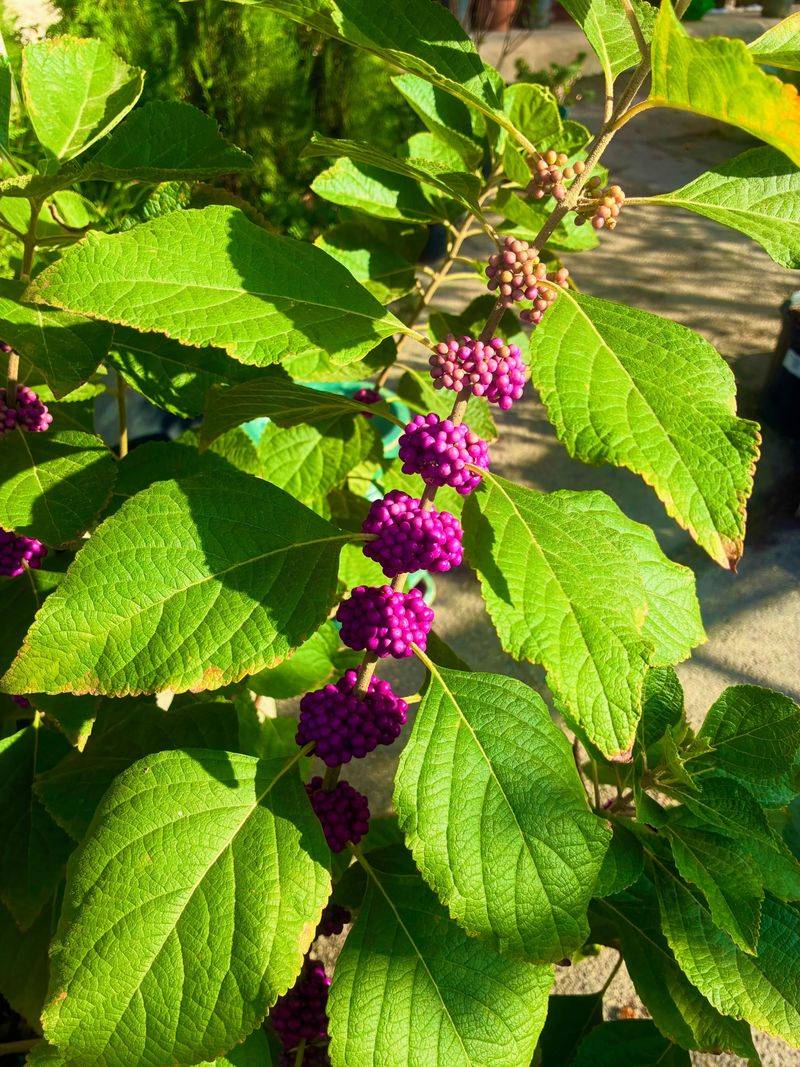
Anyone who has gardened through a Texas summer knows the feeling. The hose becomes your best friend, and the water bill becomes your worst enemy. Hydrangeas only make that battle harder.
Beautyberry takes a very different approach. Once its roots are settled, it can handle long stretches of heat with far less water. Most established plants get by on normal rainfall, plus a deep drink during serious droughts.
The first year is the most important. Water new plants two or three times a week for the first month, then slowly cut back. By the second summer, you may only need to water every week or two when it is very dry.
Do not panic if the leaves droop on a scorching afternoon. That is the plant’s way of saving moisture. It usually perks right back up once evening cools things down.
Soil is another area where beautyberry shines. Texas yards have everything from sticky clay to sandy loam to rocky ground. Beautyberry grows well in many of these native soils without special amendments.
Hydrangeas, on the other hand, often need rich, well-amended soil to look their best. Some gardeners even add products to change the soil and adjust bloom color. With beautyberry, you can skip that whole routine.
Good drainage still helps. If your yard stays soggy after rain, plant on a slight mound or in a raised bed. Soggy roots are one of the few things that can truly trouble this tough shrub.
A few inches of mulch will also lock in moisture and keep roots cooler. Shredded hardwood or fallen leaves work great. Your plant, and your water bill, will thank you.
A Favorite Of Birds And Pollinators
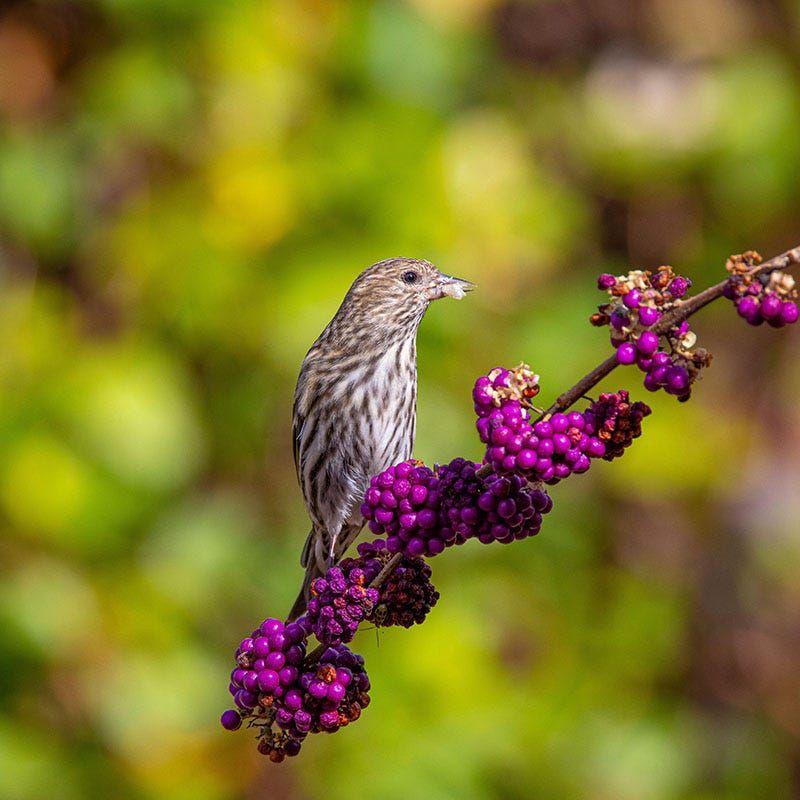
Grab a cup of coffee and sit by the window on a cool fall morning. If you have beautyberry in the yard, you might spot a cardinal hopping from branch to branch. Soon, a mockingbird may swoop in to claim its share.
Those purple berries are a real feast for wildlife. More than 40 kinds of songbirds are known to eat them, including robins, brown thrashers, and catbirds. Deer, raccoons, opossums, and foxes enjoy them too.
The timing is what makes it so helpful. The berries ripen in late summer and fall, just when many birds are fueling up for migration. Some berries hang on into winter, offering food when other sources are hard to find.
Hydrangeas are pretty, but most garden types offer very little for local wildlife. Their big showy blooms often lack easy access to nectar and pollen. Beautyberry gives back to nature in a much bigger way.
In summer, the small flowers draw in bees, including native bees that are important for healthy ecosystems. Butterflies and other pollinators visit too. A single shrub can buzz with activity on a warm afternoon.
A quick heads-up for deer country is helpful here. Deer may nibble the leaves and berries, especially on young plants. If deer are common in your area, protect new shrubs with a simple wire cage until they grow bigger.
You can make your yard even more inviting. Add a shallow birdbath nearby, and leave some fallen leaves under the shrub for insects and ground birds.
Skip harsh pesticides so pollinators stay safe. Soon enough, your garden will feel like a lively little nature preserve.
Simple, Forgiving Care
Good news for anyone who is nervous about pruning. Beautyberry is about as forgiving as shrubs get. It is hard to mess up, even if you have never held a pair of pruners.
The secret is that beautyberry blooms on new growth. That means flowers and berries form on stems that grow during the current season. So a late-winter trim will not cost you any color the following summer and fall.
Compare that to many hydrangeas, which bloom on old wood. Prune them at the wrong time, and you might lose a whole year of flowers. With beautyberry, that worry simply disappears.
Here is an easy plan. In late winter, before new leaves appear, cut the stems back to about 12 inches above the ground. The plant will bounce back with fresh, compact growth and plenty of berries.
Not a fan of hard pruning? You can also just remove a few of the oldest or crossing stems. Either way works fine.
Size matters when you plan your garden. Beautyberry usually grows about 3 to 6 feet tall and just as wide. Give each plant enough room so its arching branches can spread naturally.
It fits beautifully in shade gardens, woodland borders, and wildlife-friendly beds. It also works well along fences or at the edge of a patio. Plant it where you can easily see the berries from inside your home.
Fertilizer is rarely needed. Too much can actually lead to lots of leaves and fewer berries. A layer of compost or mulch each spring is usually plenty.
Swapping a thirsty hydrangea for beautyberry could be the easiest upgrade your yard ever gets.