A Microscopic Worm Is Leaving Dark Stripes On Beech Leaves Across New Jersey Backyards
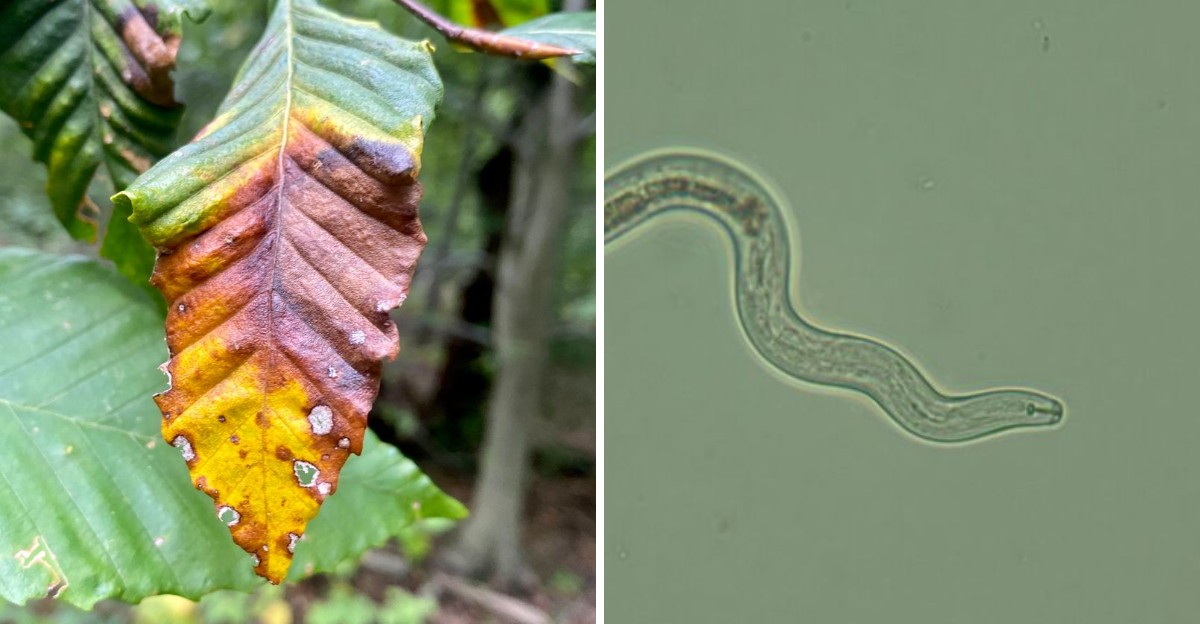
Your beech tree is hiding a secret, and those stripes are giving it away. Run your thumb across a dark band and you feel thick, leathery tissue. You won’t find chewed edges, crawling beetles, or sticky residue.
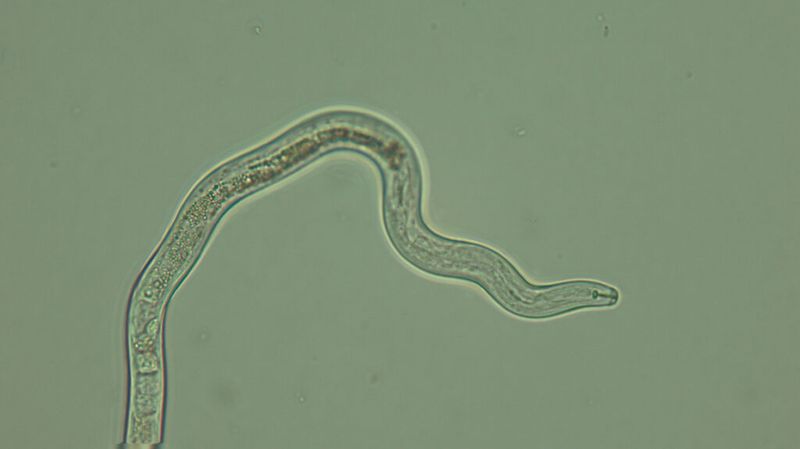
Blame a microscopic roundworm you could only see through a lab lens. Scientists classify it as a nematode, and you have met its handiwork. Inside the buds, huge colonies feed before your leaves even unfold.
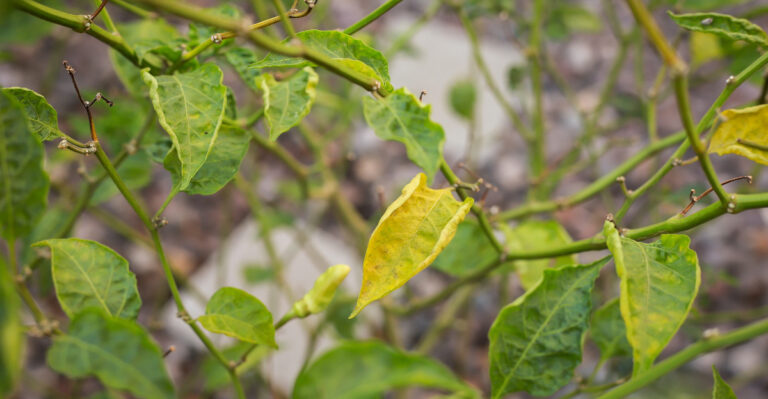
By midsummer, you spot the damage as dark banding between the veins. Backlit leaves show you the pattern sharply.
New Jersey foresters confirmed beech leaf disease recently, and you now witness its spread. Young saplings in your landscape can collapse within a few seasons.
Across New Jersey, arborists test fluopyram treatments that give you hope. Here is exactly how you spot it, stop it, and save your beech.
The Beech Leaf Disease Nematode Behind The Banding
Blame a worm so tiny that it looks like a speck of dust without a microscope. Scientists call it Litylenchus crenatae mccannii, but many gardeners just say the beech leaf disease nematode.
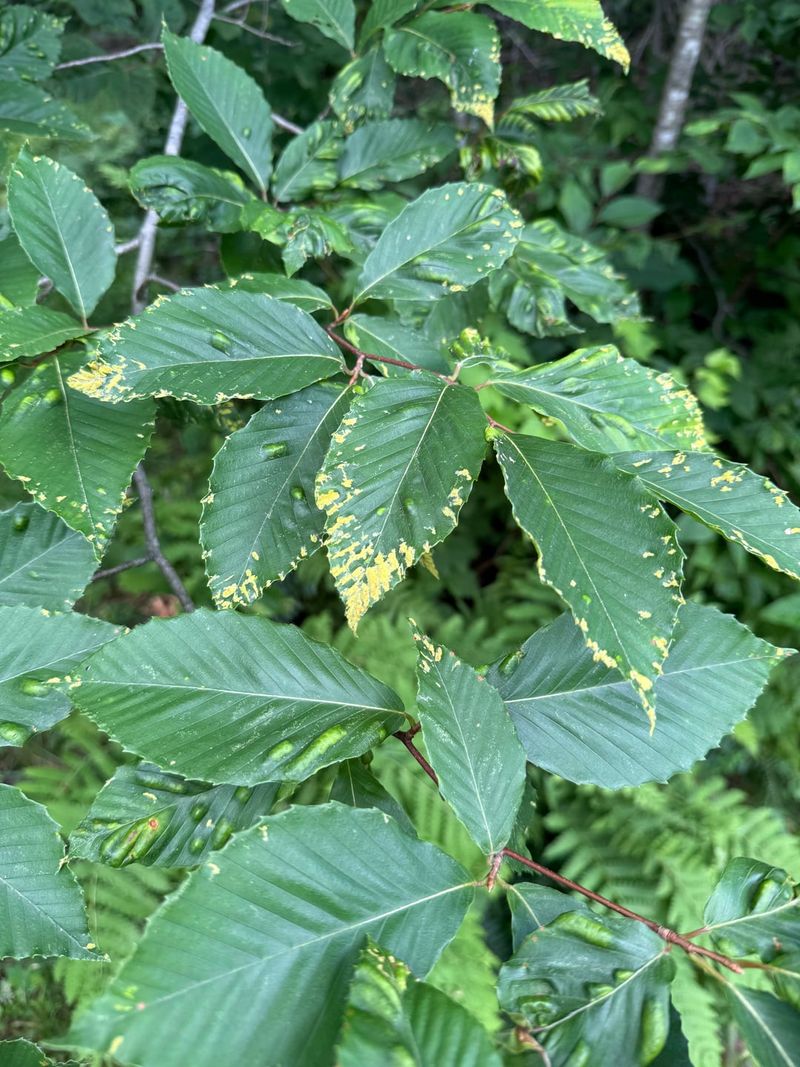
These worms live inside the leaves, feeding on plant cells between the veins. Their feeding makes the tissue swell and darken, creating those stripes you spot from the patio.
Each nematode measures under a millimeter, so even a strong hand lens misses it. Labs confirm infections by soaking leaf pieces and examining the water under magnification.
Flip a leaf over and hold it up to the sun for a better look. Healthy spots stay thin and bright, while infested bands look thick, dark green, and a little crinkly.
Symptoms often appear first on lower branches before climbing higher. That pattern lets you inspect low limbs from the ground without ladders or special gear.
The problem first showed up in Lake County, Ohio, back in 2012. Since then, it has spread across the Northeast, reaching yards and forests across northern and central New Jersey.
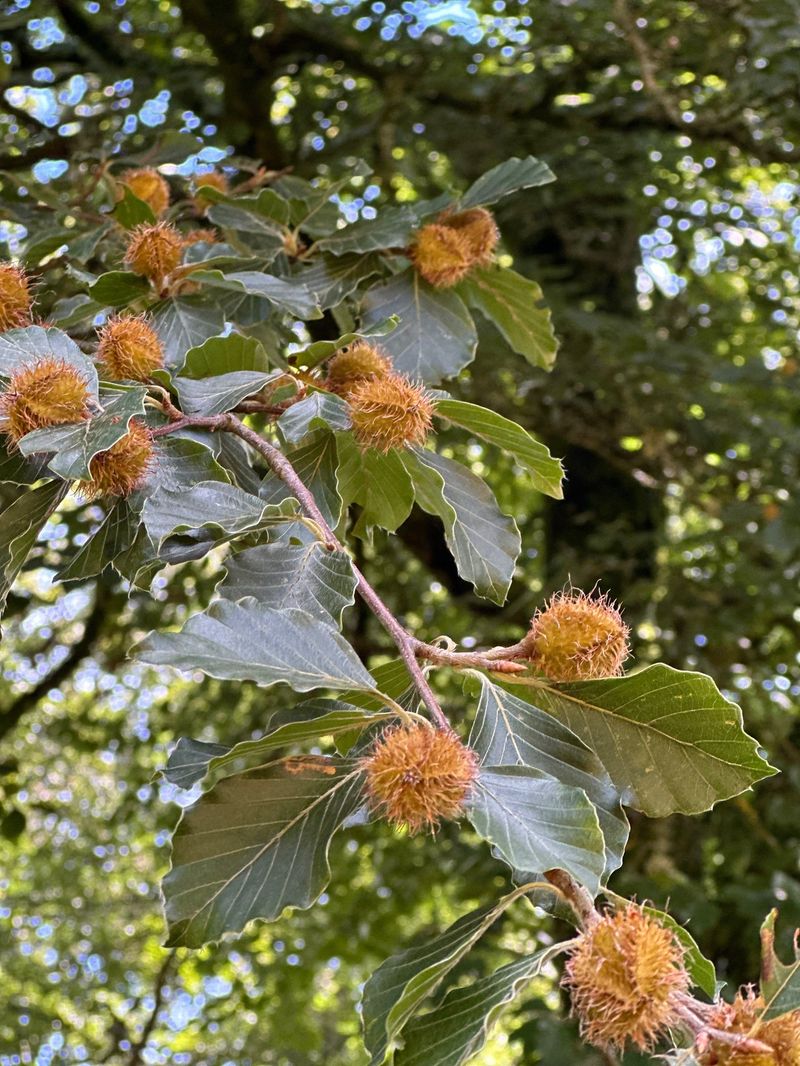
American, European, Oriental, and Chinese beeches can each get hit. If you own any of them, a quick leaf check this month is well worth your time.
Researchers continue studying why the banding forms so dramatically. Fresh findings arrive often, so check extension updates each season.
Snap a photo of any striped leaves you find. Those pictures help an arborist or extension agent confirm the problem much faster.
September Clues Hiding Inside Next Year’s Buds
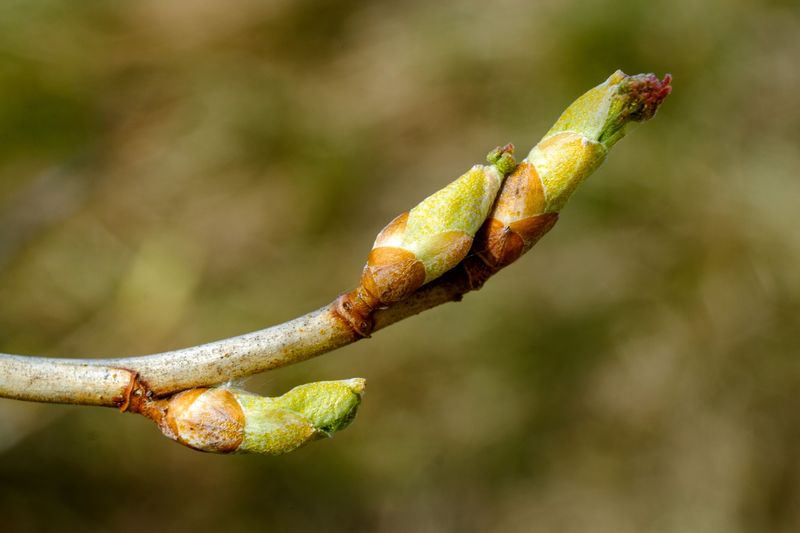
Right now, while the first beechnuts drop, the worms are packing their bags. Late summer and fall are moving season, when they crawl from old leaves into freshly forming buds.
Those buds will open next spring carrying the stripes already built in. In other words, the damage you notice in May actually gets set up in September.
Inside a single bud, researchers have counted thousands of nematodes tucked in for winter. The buds give them shelter from cold, snow, and hungry critters until warm weather returns.
Look closely at your tree this month for a few telltale signs. Striped leaves, leaves curling at the edges, and a thinner canopy than last year deserve your attention.
Your New Jersey Garden Changes Every Week. Your Plan Should Too.
Gardening in New Jersey changes quickly throughout the season. Every Friday you’ll receive a simple weekly plan showing exactly what to plant, prune, fertilize, harvest, and protect so you never miss the right timing.
Bud appearance offers another clue worth checking. Compare twig tips with a healthy beech nearby, and ask an arborist about any differences you notice.
Heavily infected branches may also hold fewer buds than normal. Some buds simply fail to form, leaving bare twig tips that look oddly naked in winter.
Fallen leaves tell a story as well. Gather a handful from beneath the canopy and compare the striped ones against leaves from a healthy neighbor tree.
Photograph the same branch each September to build a simple record. Side-by-side pictures reveal subtle canopy changes you might otherwise miss.
Mark the calendar for early fall checkups each year. That timing gives you a strong shot at catching trouble before it settles in.
The Common Mistake Of Waiting Until Spring
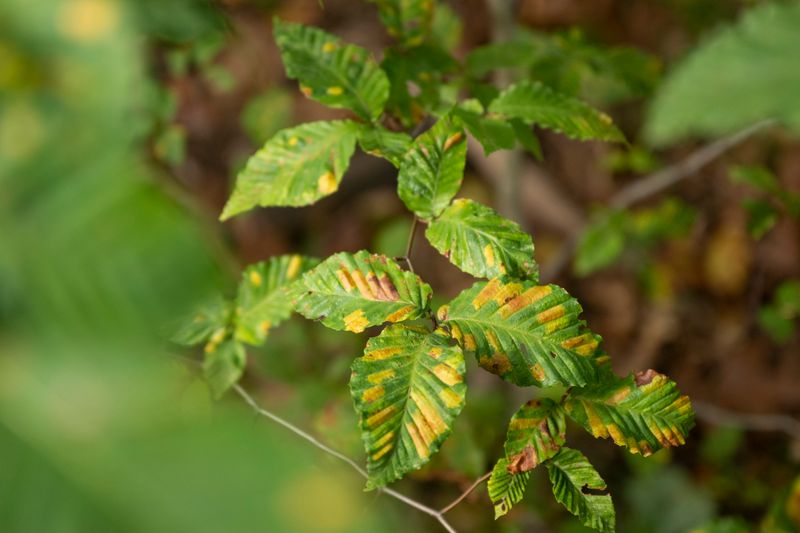
Plenty of homeowners shrug at striped leaves and figure they will deal with it next year. That plan sounds reasonable, but it plays right into the worm’s hands, if worms had hands.
By spring, the nematodes are already sealed inside buds and leaves. Many treatments work best when applied in late summer or early fall, before the worms settle in.
Waiting also gives the problem time to reach nearby beeches. Research suggests the nematodes may travel on wind, rain splash, birds, and people moving plant material.
Another slip is guessing instead of confirming the problem. Other issues, like drought stress or leaf spot fungi, can sometimes look similar at first glance.
Some folks also grab a random bug spray from the garage. Ordinary insecticides do not target nematodes, so you waste money and may disrupt helpful insects nearby.
Pruning away striped branches feels productive, but it rarely solves the issue. The worms hide in buds across the whole crown, so trimming alone leaves plenty behind.
Heavy fertilizing is a sneaky mistake too, since it can push weak growth. A stressed tree needs steady care, so leave any fertilizer plan to your arborist.
Some homeowners also assume a big tree can tough it out. Size helps, but mature beeches still weaken without timely care.
The smarter move is simple and quick. Call a certified arborist now for a diagnosis while the timing still works in your favor.
Arborist Treatments That Give Trees A Fighting Chance
Good news finally arrives in this leafy story. Researchers have found a few treatments that can slow the nematodes and help trees hold onto healthier leaves.
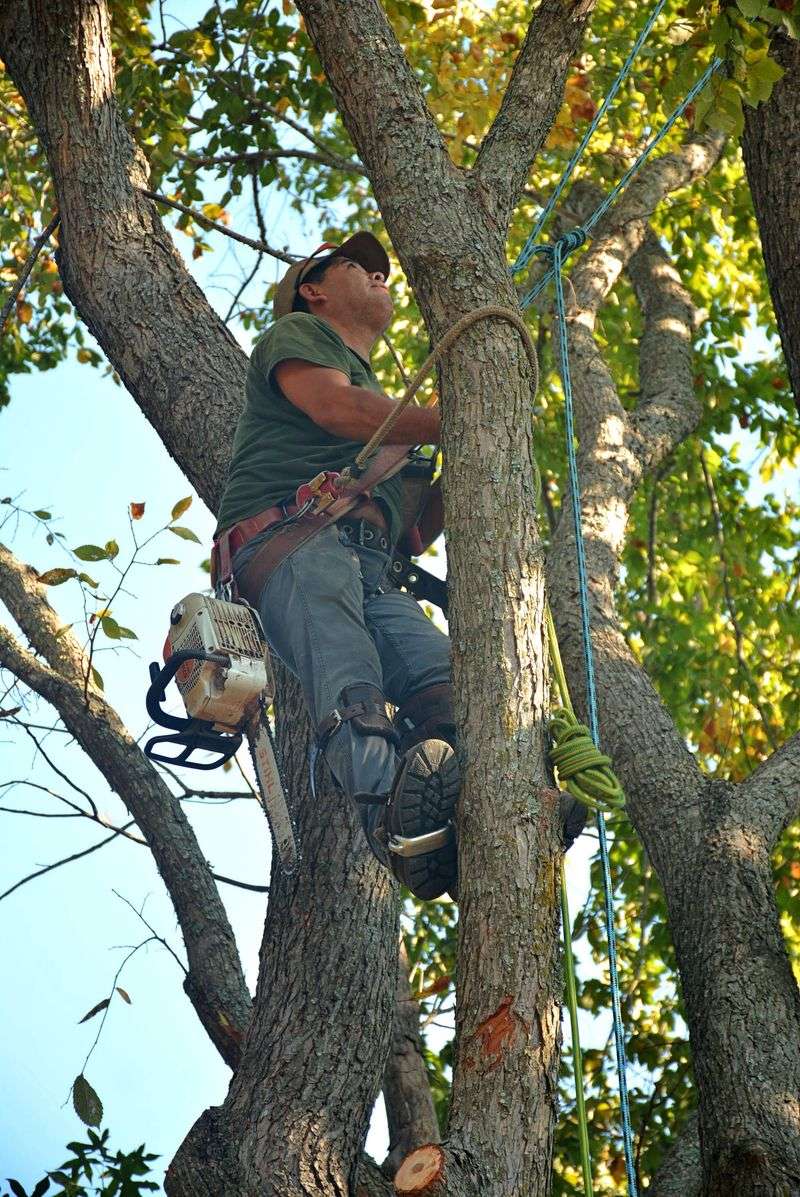
A well-studied option is fluopyram, a chemical sprayed on leaves by licensed professionals. Early trials show fall applications can reduce symptoms the following spring in treated trees.
Timing shapes results as much as product choice. Many arborists schedule fluopyram sprays between late August and October, when nematodes move toward new buds.
Some arborists also use potassium phosphite treatments or trunk injections to support the tree’s defenses. Results vary, so ask your pro which approach fits your tree’s size and health.
Treatment is not a one-time fix, sadly, and patience helps. Many plans call for repeat visits each year, much like a yearly flu shot.
Costs depend on tree height, location, and how many trees you have. A big, beloved backyard shade tree is often worth the yearly investment compared to removal costs.
Ask your arborist for a written plan with dates, products, and expected costs. Clear records help you track progress and compare how the canopy responds each spring.
Treated trees can show clearer, greener leaves within a season or two. That visible progress helps you decide whether to continue the program.
Hire someone licensed for pesticide work in New Jersey, and check product labels together. Some treatments are approved in certain states but not others, so local rules matter.
The Slow Decline Of Heavily Infested Trees
Hearing tough news about a favorite tree stings, so here it is gently. Without help, infested beeches usually weaken year after year until they struggle to rebound.
Young saplings can decline within just a few short seasons. Large, mature trees tend to hang on longer, though New Jersey officials cite a decline of two to seven years.
As leaves shrink and bud counts drop, the tree makes less food from sunlight. That energy shortage leaves it open to borers, fungi, and other opportunists looking for an easy target.
Leaves on struggling trees often curl and turn papery by midsummer. Those smaller, weaker leaves capture less light, which speeds the energy drain season after season.
Weakened limbs can become brittle and drop during storms. Keep an eye on branches over driveways, play sets, and patios where falling wood could cause trouble.
Watch for sparse patches where sunlight suddenly pours through the crown. A thinning canopy often signals advanced infestation and deserves a professional look soon.
Forests feel the change too, since beechnuts feed deer, turkeys, squirrels, and bears. Fewer nuts could ripple through New Jersey’s woodland food chain in the coming years.
Removal becomes a conversation once weak limbs hang over homes or play areas. A certified arborist can assess risk and suggest safe next steps.
Still, treated trees have shown encouraging results in early trials. A declining canopy is a warning sign, not a final verdict, if you act early.
Smart Backyard Habits For Protecting Healthy Beeches
Think of prevention as a wellness plan for your yard’s gentle giants. Healthy trees resist stress better, and a few easy habits can make a real difference.
Start by skipping new beech plantings for now, especially from unknown nurseries. Moving infected nursery stock is one likely way the nematode hitches a ride to new places.
Water deeply during dry spells, since September droughts can stress roots. A slow soak once a week beats a quick sprinkle each evening.
Spread two to three inches of mulch over the root zone, but keep it off the trunk. Mulch holds moisture and protects shallow roots from lawn mowers and foot traffic.
Planting a mix of species also spreads your risk. Oaks, maples, and native hornbeams can fill gaps if a beech weakens, keeping your landscape shady and varied.
Clean pruning tools between trees and avoid moving beech branches or leaves off your property. Scientists still study how the worms spread, so caution is your best friend.
Share what you learn with neighbors who own beeches. Coordinated care along a street helps slow local spread and protects shade trees your whole block enjoys.
Keep a notebook of watering dates, treatments, and leaf observations. Those notes give your arborist useful history during each visit.
Finally, report new sightings to Rutgers Cooperative Extension or the New Jersey Forest Service. Your backyard observation could help scientists track this tiny invader across the state.