Your neighbor’s walnuts keep dropping in your yard – here’s who gets to keep them in Oregon
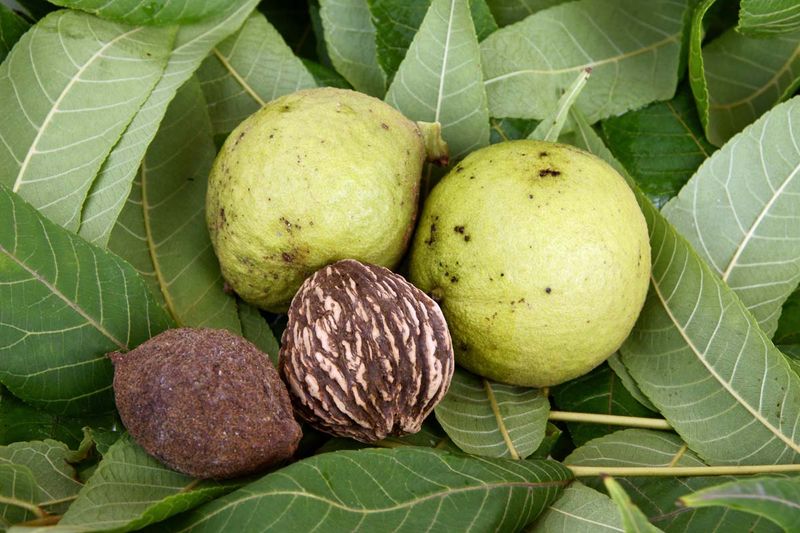
Every fall, Oregon homeowners find themselves staring at a yard full of walnuts that rolled in from the tree next door, wondering who those nuts actually belong to. You might assume they are yours because they landed on your property, or that the neighbor has some right to come collect them.
The truth is, Oregon guidance does not give a clear answer to either of those assumptions. Before anyone fills a bucket or crosses a property line, here is what the available guidance actually says and what neighbors can do about it.
Oregon guidance does not settle who owns a fallen walnut
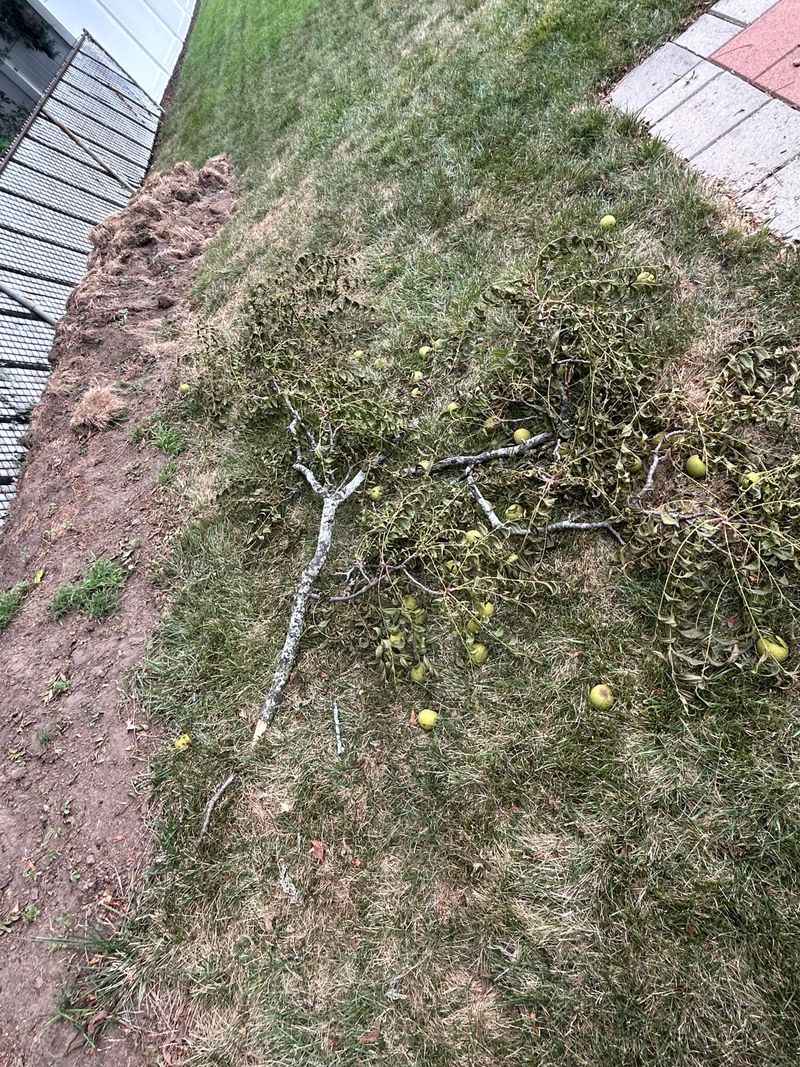
A walnut lands in your yard, and the first question most people ask is: who does it belong to now? Reasonable question.
But the Oregon sources available on this topic do not hand you a clean legal answer. The guidance that exists covers tree ownership and fruit while it is still attached to the branch, not what happens the moment a nut hits your grass on the other side of the fence.
A neighbor-law article hosted by the City of Portland, reprinted from a 1996 Oregonian piece, is one of the few Oregon-specific resources that touches on this situation at all. It says the tree owner’s fruit is theirs while it is attached, but when it comes to entering a neighbor’s yard to collect fallen fruit, that older neighbor-law article describes post-drop collection rights as “fuzzy” and recommends that neighbors work out an agreement.
That is not a definitive ruling. It is an acknowledgment that the question is unresolved.
So if you have been waiting for a rule that says the walnuts are yours because they landed on your side, that rule does not clearly exist in the Oregon materials reviewed. Equally, the tree owner cannot point to a statewide rule that says the nuts remain theirs wherever they fall.
Neither neighbor should assume ownership, and neither should act on that assumption without talking to the other first.
Tree ownership and attached fruit are separate questions
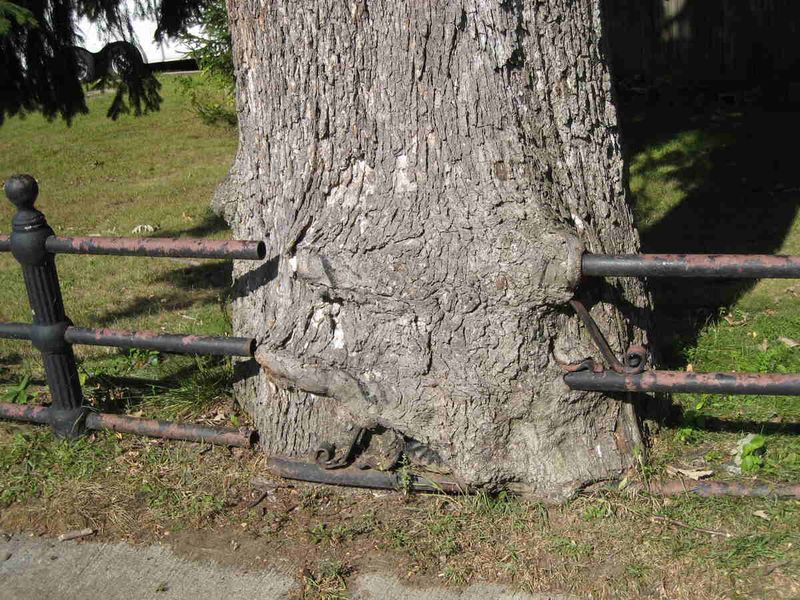
Knowing who owns the tree is a useful starting point, but it only answers part of the puzzle. Oregon guidance is reasonably clear on this much: the tree generally belongs to whoever owns the land where the trunk sits.
If the trunk stands entirely in your neighbor’s yard, the tree is theirs. A tree whose trunk sits squarely on the boundary line between two properties may be jointly owned by both neighbors, which adds another layer of complexity to any nut-collecting conversation.
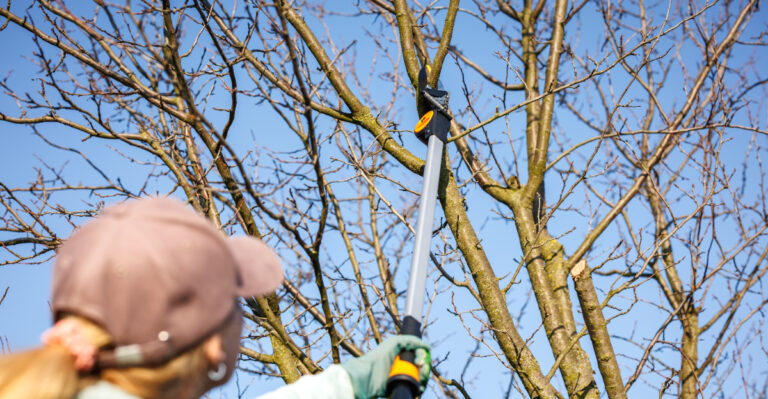
Branches are a different matter from the trunk. A neighbor’s walnut tree can easily stretch its limbs well into your airspace, and under Oregon guidance, that does not transfer ownership of the tree or its fruit.
An Oregon State University Extension landscape-law resource confirms that fruit belongs to the tree owner while it remains attached, even when the branch producing it hangs over someone else’s yard. You are not entitled to pick walnuts off an overhanging branch just because it is dangling above your patio.
Your Oregon Garden Changes Every Week. Your Plan Should Too.
Gardening in Oregon changes quickly throughout the season. Every Friday you’ll receive a simple weekly plan showing exactly what to plant, prune, fertilize, harvest, and protect so you never miss the right timing.
Here is where the gap appears: all of that guidance applies to attached fruit. Once a walnut drops on its own, the question of who owns it is a separate one, and the Oregon sources reviewed do not bridge that gap with a clear rule.
Tree ownership tells you who the nut came from. It does not automatically tell you who gets to keep it after it hits the ground on the other side of the fence.
Ask before entering a neighbor’s yard
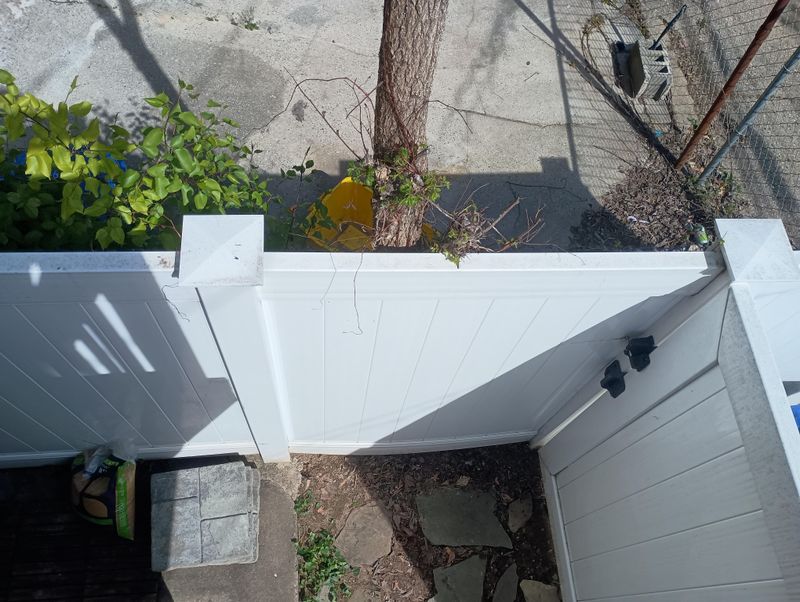
Whatever you believe about who owns the walnuts, there is one practical step that sidesteps a lot of potential friction: ask before you set foot in your neighbor’s yard. This is not just good manners.
Oregon law has something direct to say about entering private property without permission.
Oregon’s criminal trespass statute addresses entering or remaining on someone’s premises without being licensed or privileged to do so. That statute does not resolve who owns a fallen walnut, and it was not written to answer property-ownership questions between neighbors.
What it does make clear is that walking into someone else’s yard without permission is a serious matter under Oregon law, regardless of what you think you are entitled to collect while you are there.
So even if you are the tree owner and you feel strongly that those walnuts are yours, that belief does not give you a legal pass to enter the neighbor’s yard and gather them up. The same goes for the yard’s resident: assuming the nuts are yours because they landed on your side does not mean you can cross into the neighbor’s space to retrieve any that may have rolled back.
The safe, neighbor-friendly move is to knock on the door, explain the situation, and ask. A two-minute conversation beats a dispute that neither party wanted.
Agree on what happens to this season’s walnuts
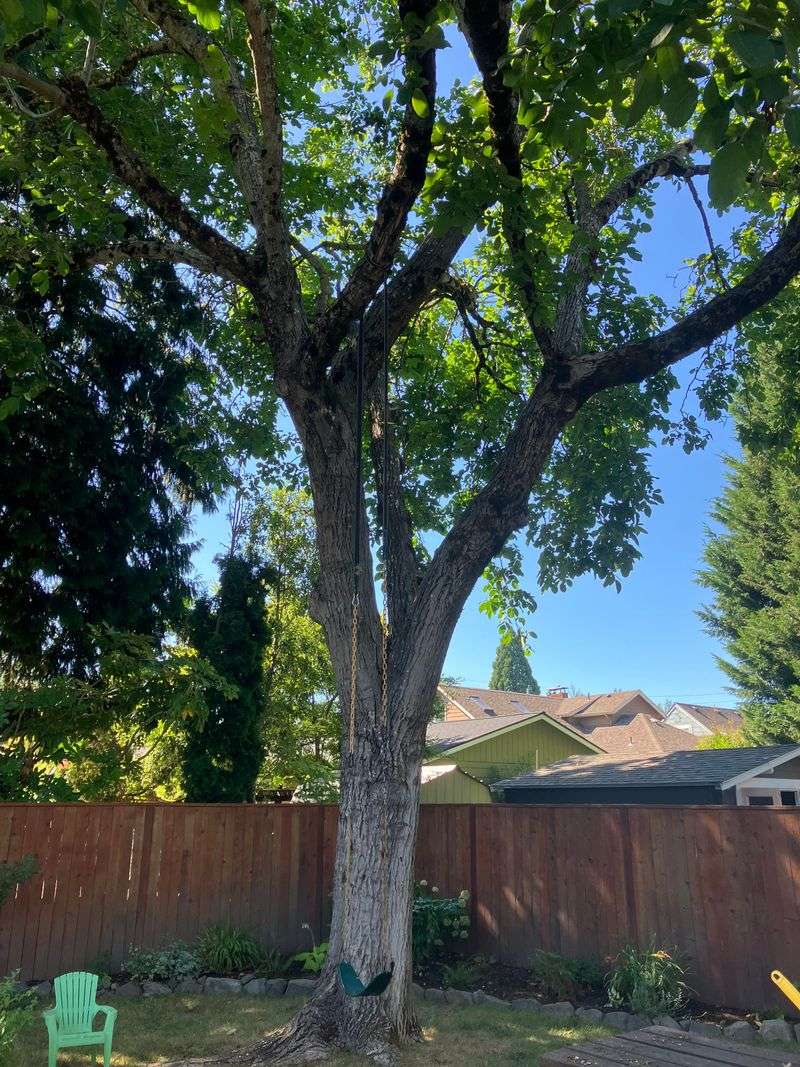
Once you know that Oregon guidance leaves windfall ownership unresolved, the most useful thing either neighbor can do is talk it out and agree on a plan. An agreement between neighbors is not a legal requirement, and reaching one does not determine who technically owns the nuts.
What it does is give both households a shared understanding of what will happen, which tends to work better than each person acting on a different assumption.
A practical conversation might cover a few straightforward points. Does the resident in whose yard the walnuts are falling want to keep them?
Are they a nuisance, a bonus, or somewhere in between? If the tree owner would like to collect the nuts and the yard’s resident is willing, they can simply agree on when and how that happens.
A clear, friendly “yes, come get them on Saturday” removes all the guesswork.
It is also worth thinking about what happens across the whole season, not just this week’s drop. Walnuts can fall in waves over several weeks, so a one-time conversation can cover the whole fall if both neighbors decide what the standing arrangement will be.
Neither neighbor has a blanket duty under Oregon law to clean up every nut, so if neither party wants them, that is worth agreeing on too. The Portland-hosted neighbor-law article’s own recommendation is that neighbors work things out directly rather than assume a legal rule will settle it for them.
If you have permission, gather and dry walnuts promptly

Permission secured? Good.
Now the practical part begins, because walnuts do not wait around in good condition. Oregon walnut trees typically hold their nuts until fall rains crack the outer husks and the nuts drop on their own.
That usually happens in October across much of the Willamette Valley, though the exact timing shifts depending on the tree variety, the weather in a given year, and even the individual yard’s microclimate. Do not count on a fixed date.
Once nuts are on the ground, frequent gathering matters. Walnuts left sitting on wet grass can begin to mold or attract pests quickly, so picking them up every day or two during peak drop keeps quality higher.
Oregon State University Extension’s guide to growing walnuts in Oregon advises beginning the drying process within 24 hours of gathering. Spread the nuts in a single layer in a well-ventilated spot out of direct sun and let them cure for several weeks until the kernel inside is firm and dry rather than rubbery.
Wear gloves every time you handle fresh walnuts. The green husks contain a compound called juglone that stains skin and clothing a persistent dark brown, and some people find it mildly irritating.
Gloves also protect your hands when you are removing husks, which is easier to do while they are still pliable. Once husked and dried, walnuts store well in a cool, dry location for months, making the effort of a timely harvest genuinely worthwhile.
Make a plan instead of assuming ownership
The clearest takeaway from Oregon’s available guidance is also the most practical one: do not assume the walnuts are yours, whichever side of the fence you are on. The sources reviewed do not award natural windfalls to either the tree owner or the yard’s resident as a matter of settled law.
Acting on an assumption, especially one that involves crossing a property line, can turn a neighborly situation into an uncomfortable one fast.
Talk to your neighbor, agree on what happens to the nuts this season, and respect the other person’s yard in the meantime. A handshake arrangement that both households understand is worth more than a legal argument neither side can fully win.
The walnuts will keep dropping whether or not anyone has figured out who owns them, so a practical plan is genuinely the most useful thing either neighbor can have.