The Fastest Arizona Natives to Plant Now for a Yard That Explodes With Color by Spring
Fall is the secret planting season in the low desert, and the plants you tuck in now can be blooming like crazy by March. Arizona natives grow roots all winter while the weather is mild, so they are ready to show off when spring arrives.
Many of them also feed hummingbirds, bees, and butterflies while using very little water. Here are nine quick growers that give you the biggest burst of color for the least amount of work.
1. Parry’s Penstemon
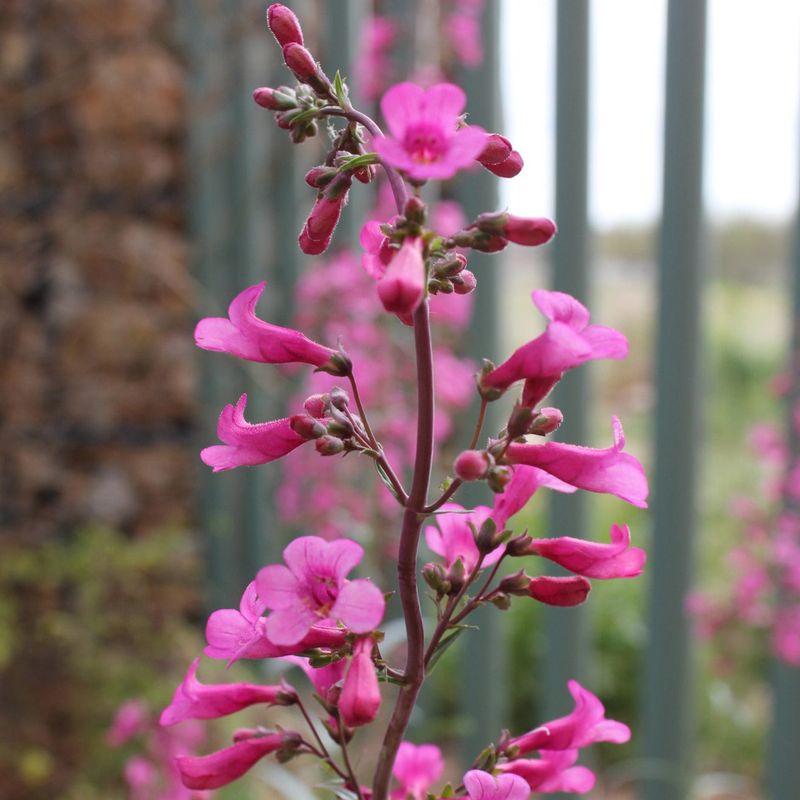
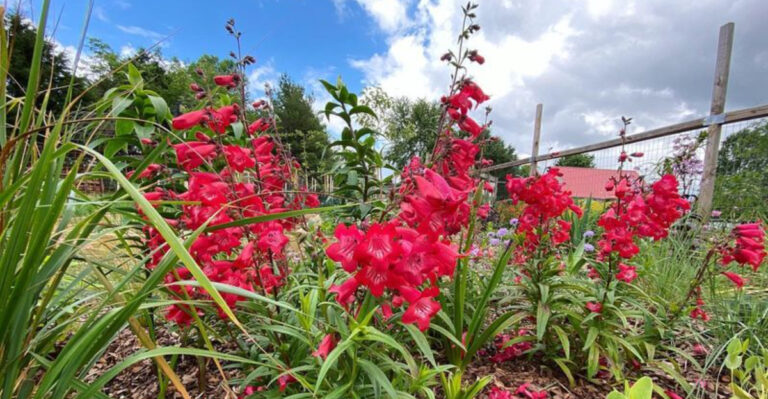
Plant a few Parry’s penstemon in November, and by March you may catch hummingbirds squabbling over the tall pink spires. Few natives go from nursery pot to full show this quickly in the low desert.
Parry’s penstemon (Penstemon parryi) forms a low rosette of blue-green leaves through winter, then shoots up flower stalks two to four feet tall in late winter and early spring. Each stalk is crowded with rosy tubular blooms built for hummingbird beaks.
Bees and native moths visit too, turning a quiet corner into a busy little pollinator stop.
Give it full sun or light afternoon shade and soil that drains fast. Caliche and alkaline ground are fine, but soggy spots are not, so skip heavy clay pockets that hold water.
A deep drink every week or two until spring rains settle in is plenty, then taper off.
Here’s the fun part. Penstemons are short-lived, often lasting only a few years, but they reseed generously.
Let the seed heads dry on the stalks before trimming, and you’ll likely find fresh seedlings popping up nearby next winter, free replacements courtesy of the plant itself.
Plant them in groups of five or more for a bold sweep of color that reads from the street.
2. Desert Marigold
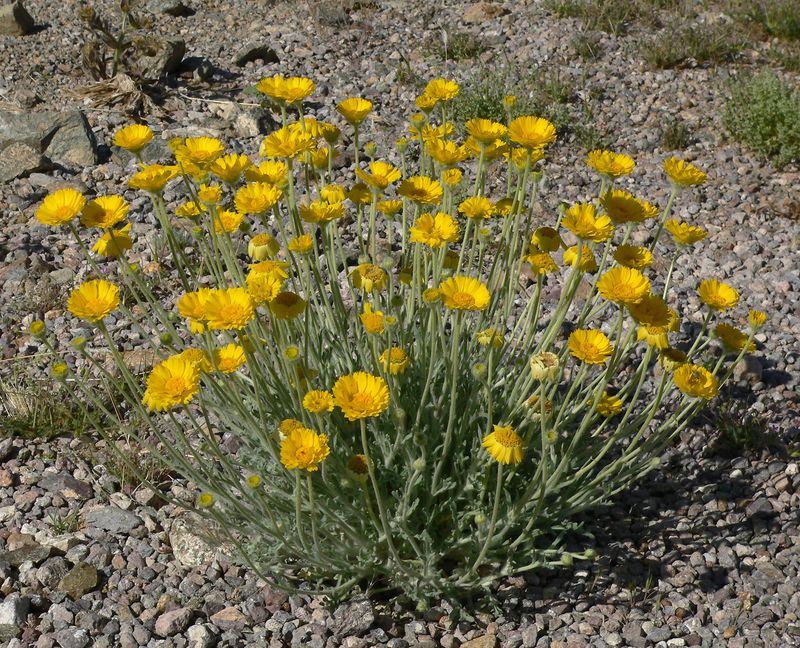
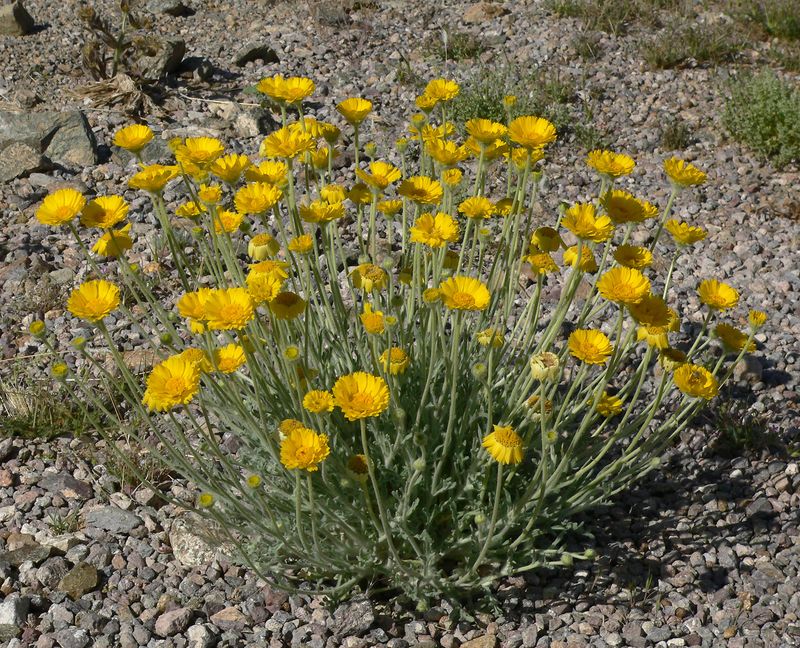
Silver leaves, lemon-yellow daisies, and almost no break from blooming. Desert marigold (Baileya multiradiata) is the plant that makes neighbors ask what you’re doing right.
Seedlings and small nursery plants set out in fall grow fast, forming soft gray mounds about a foot tall. By late winter they’re sending up wiry stems topped with cheerful golden flowers, and in a good year they keep going through spring, pause in the worst summer heat, then bloom again after monsoon rains.
Native bees, butterflies, and small moths find them within days.
The secret to success is doing less. Desert marigold thrives in lean, rocky soil, reflected heat, and full sun, including those brutal west-facing strips along driveways where other plants struggle.
Too much water or rich compost actually shortens its life, so plant it in native ground and water sparingly once roots take hold.
Plants may only live two or three years, but scattered seed replaces them easily. Toss a few dried flower heads onto bare gravel in fall and let winter rains do the rest.
One caution for pet and livestock owners: the foliage isn’t a good snack for grazing animals, so keep it where curious nibblers won’t treat it as a salad bar.
Your Arizona Garden Changes Every Week. Your Plan Should Too.
Gardening in Arizona changes quickly throughout the season. Every Friday you’ll receive a simple weekly plan showing exactly what to plant, prune, fertilize, harvest, and protect so you never miss the right timing.
3. Brittlebush
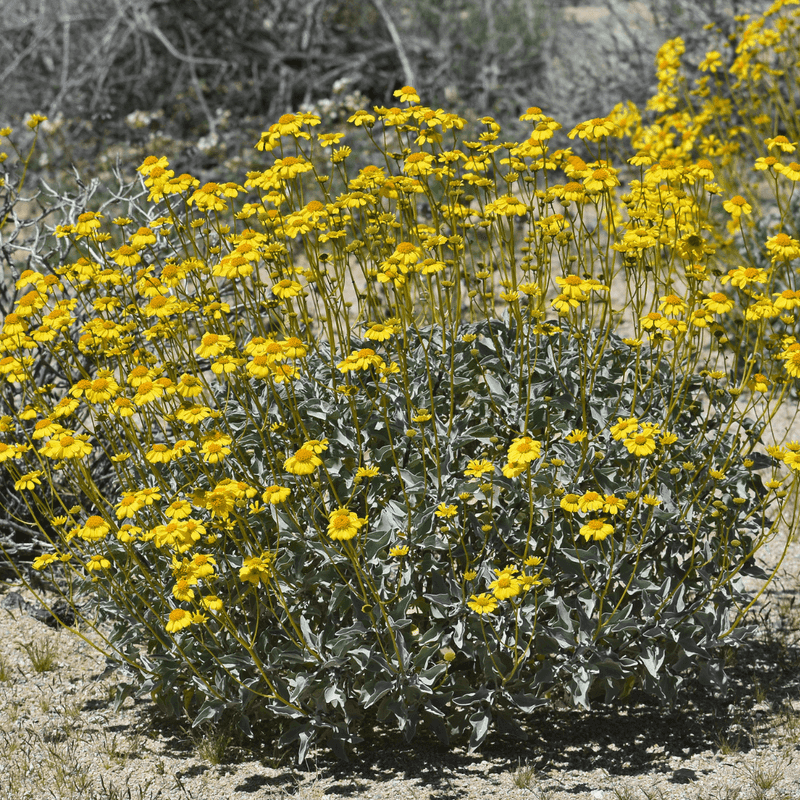
Drive any Phoenix freeway in March and those glowing yellow hillsides are mostly brittlebush. You can borrow that same wild burst for your own yard, and it happens fast.
Encelia farinosa is a rounded shrub, usually two to three feet tall and wide, with fuzzy silver leaves that reflect sunlight and help the plant stay cool. Planted in October or November, a one-gallon brittlebush can fill out in a single season.
By late winter it pushes up clouds of daisy-like flowers on long stems held above the foliage, and a mature plant can carry hundreds of blooms at once.
Pollinators love it. Bees and butterflies work the flowers, and later, seed-eating birds like finches and sparrows pick through the dried heads, so hold off on trimming until they’ve had their fill.
A bit of history adds charm. Early residents of the Sonoran Desert chewed the plant’s golden resin like gum, and Spanish missionaries reportedly burned it as incense, which explains its old nickname, incienso.
Care couldn’t be simpler. Full sun, fast-draining soil, and occasional deep watering in the first year are all it wants.
In summer it may drop leaves to rest, so resist the urge to drown it and just let it nap.
4. Chuparosa
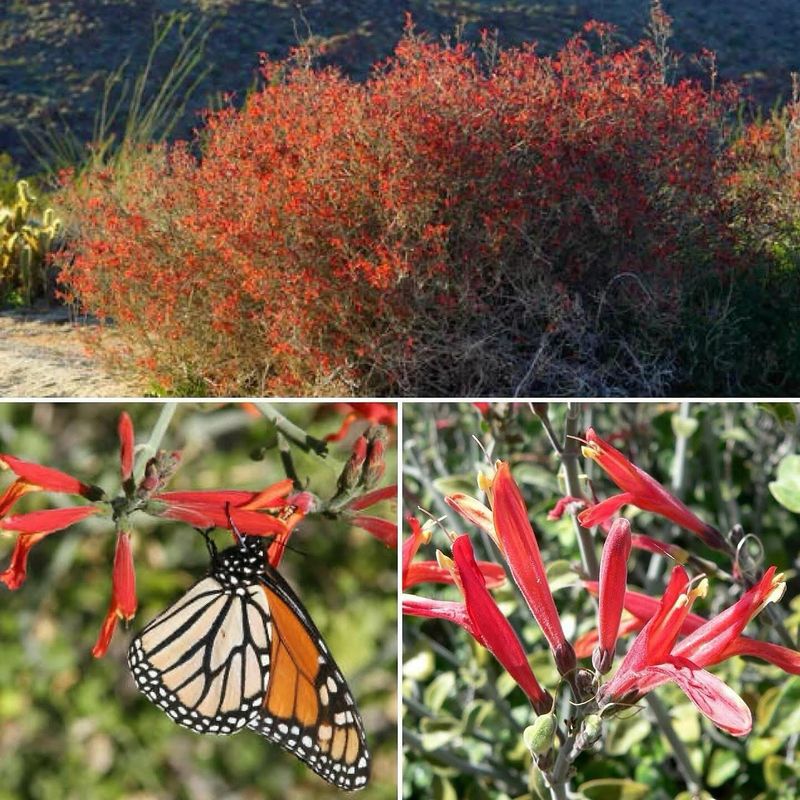
Want hummingbirds in January? Chuparosa (Justicia californica) is basically a winter feeding station with leaves.
Its name comes from Spanish slang for hummingbird, and it earns that title honestly. Starting in late winter, this sprawling, grayish-green shrub covers itself in slim red tubular flowers, sometimes blooming off and on from fall through spring.
Anna’s and Costa’s hummingbirds, both year-round desert residents, often stake out a single plant and defend it fiercely. Verdins and orioles sometimes join in.
Growth is quick. A small plant set out in fall can reach three feet tall and four feet wide within a year or two, making it a handy screen along block walls or in the back of a bed.
The stems go nearly leafless in drought, which is how it saves water, and those green stems keep photosynthesizing anyway.
Plant in full sun to part shade. Occasional deep watering encourages more flowers, but established plants handle long dry spells without fuss.
A light frost can nip the tips in colder pockets of Tucson, yet new growth usually returns quickly once temperatures rebound.
Bonus: the flowers are edible and have a mild cucumber-like taste. Toss a few on a salad for a very Arizona garnish.
5. Desert Globemallow
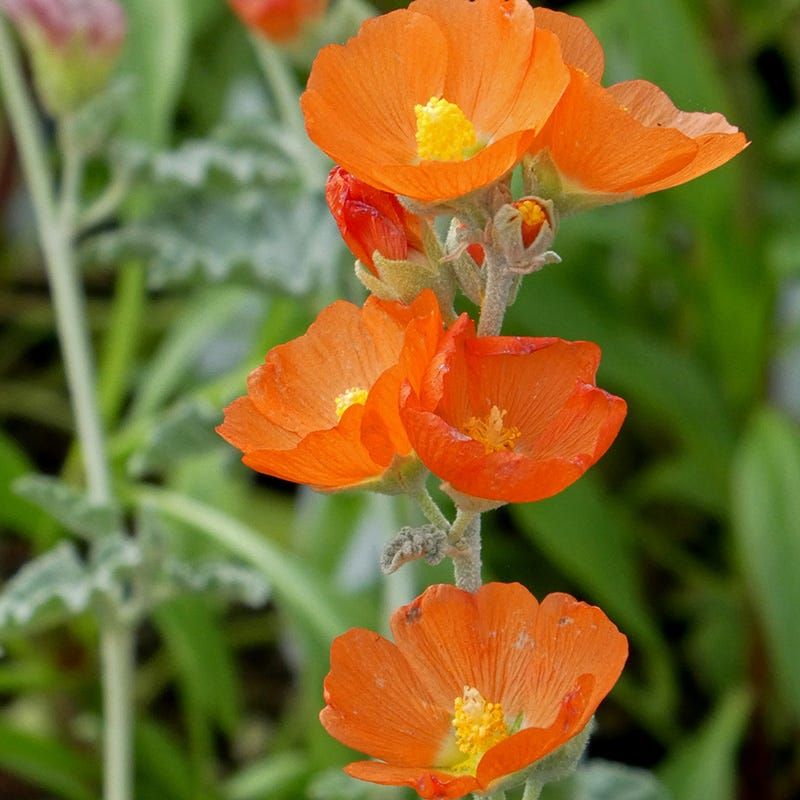
Desert globemallow is the plant equivalent of a friend who shows up early and stays late. Sphaeralcea ambigua blooms in waves of apricot-orange cups from late winter well into spring, and it grows fast enough to fill a bare patch before your first spring party.
Plants reach two to three feet in their first season, forming loose clumps of fuzzy gray-green leaves. Colors range beyond the classic orange, with nurseries offering pink, red, white, and lavender selections.
Mix a few shades for a relaxed, wildflower-meadow look.
Native bees are the real fans here. Several specialist bees depend on globemallow pollen, so planting it can help support local pollinators that also visit your vegetables and fruit trees.
Butterflies stop by too.
Care is minimal. Full sun, poor soil, and deep watering every couple of weeks during establishment are ideal, while overwatering causes floppy, short-lived plants.
After the spring flush, cut stems back by about a third to keep the shape tidy and encourage a second bloom.
One quirk worth knowing: tiny star-shaped hairs on the leaves can irritate eyes and skin, earning it the nickname sore-eye poppy. Wear gloves when pruning and plant it a step back from narrow walkways.
6. Fairy Duster
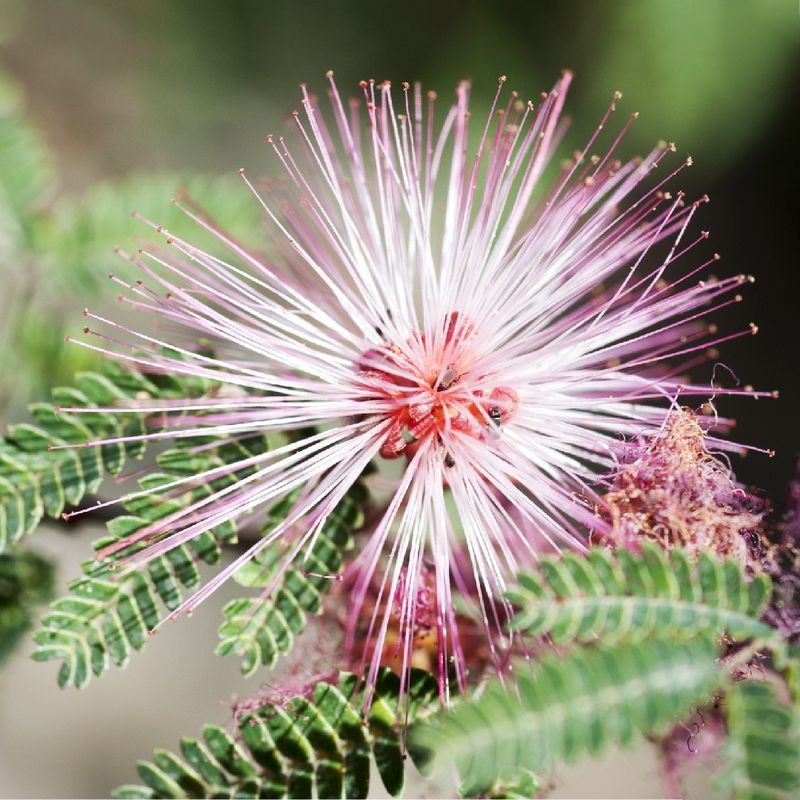
Picture tiny pink powder puffs floating over a low, feathery shrub. Fairy duster (Calliandra eriophylla) looks delicate, yet it laughs off 115-degree afternoons and months without rain.
Native to Arizona’s rocky slopes, this shrub typically grows two to three feet tall and a bit wider. Fall-planted specimens settle in quickly and often flower heavily from February through April, with scattered blooms later in the year.
Each puff is really a cluster of long pink stamens, a perfect landing zone for hummingbirds, butterflies, and native bees.
Quail and other ground birds appreciate the dense twiggy cover, and lizards often hunt beneath it, which may help keep insect numbers in check. In heavy drought, fairy duster sheds foliage to conserve moisture, then leafs out again after a good soak.
Where to put it? Full sun is best, though it handles light shade.
Well-drained soil keeps roots happy, and once established, a deep watering every two to three weeks in summer is usually enough.
Looking for more drama? Baja fairy duster (Calliandra californica) offers bold red puffs and blooms nearly year-round, though it’s a bit more frost tender.
Many desert gardeners plant both for a pink and red combo that keeps hummingbirds visiting.
7. Blackfoot Daisy
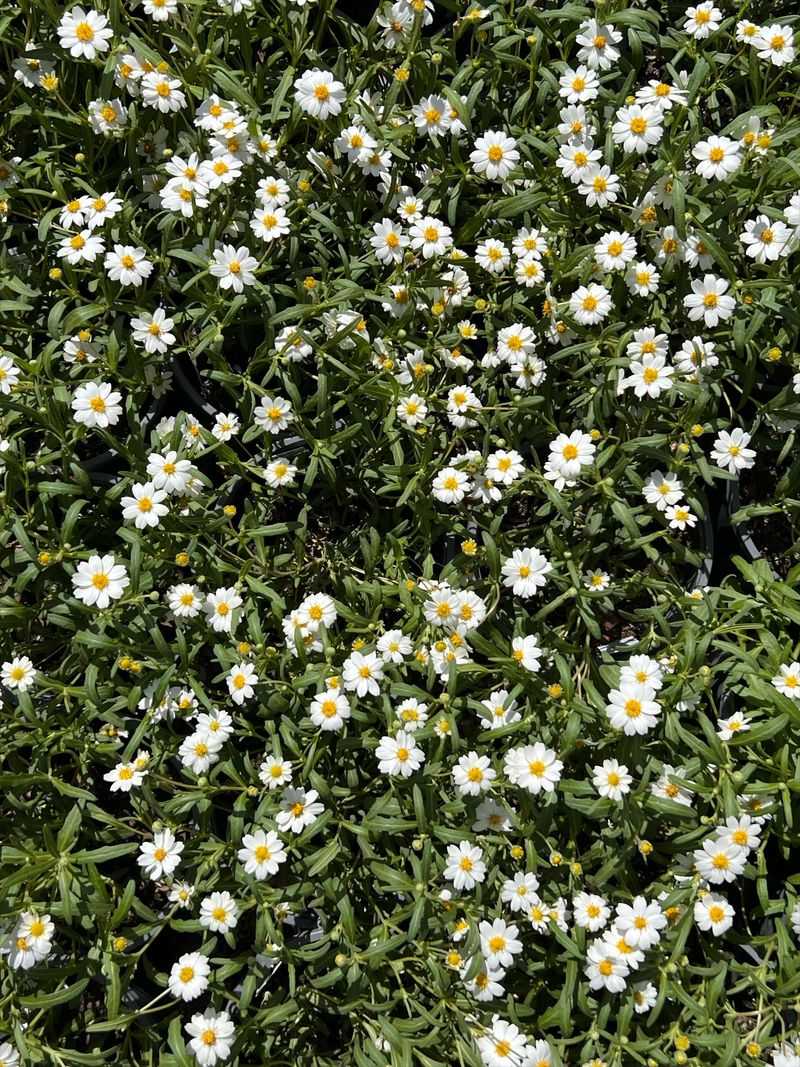
Some plants shout. Blackfoot daisy whispers, and somehow gets noticed anyway.
Melampodium leucanthum forms a neat, rounded cushion about a foot tall, dotted with honey-scented white daisies with sunny yellow centers. Blooms appear in spring and again in fall, sometimes lingering through mild winters in the low desert.
It’s ideal for edging paths, softening boulders, or tucking between flagstones where larger plants would sprawl.
Small but mighty, this perennial grows fast enough to look established by its first spring when planted in October or November. Bees and small butterflies drift from flower to flower, and the fragrance is a nice surprise on warm afternoons.
Drainage is everything. In heavy or constantly damp soil, roots can rot quickly, so plant in gravelly beds, on slight mounds, or in raised areas.
Once rooted, it asks for little more than an occasional deep drink during long dry stretches, and fertilizer should be skipped entirely.
Why keep it on the list when there are bigger bloomers? Its tidy shape and low height fill a role few natives do, adding a bright, clean groundcover that works in small yards, courtyards, and along patios.
Pair it with purple Goodding’s verbena or desert marigold for a cheerful color trio.
8. Mexican Gold Poppy and Desert Lupine
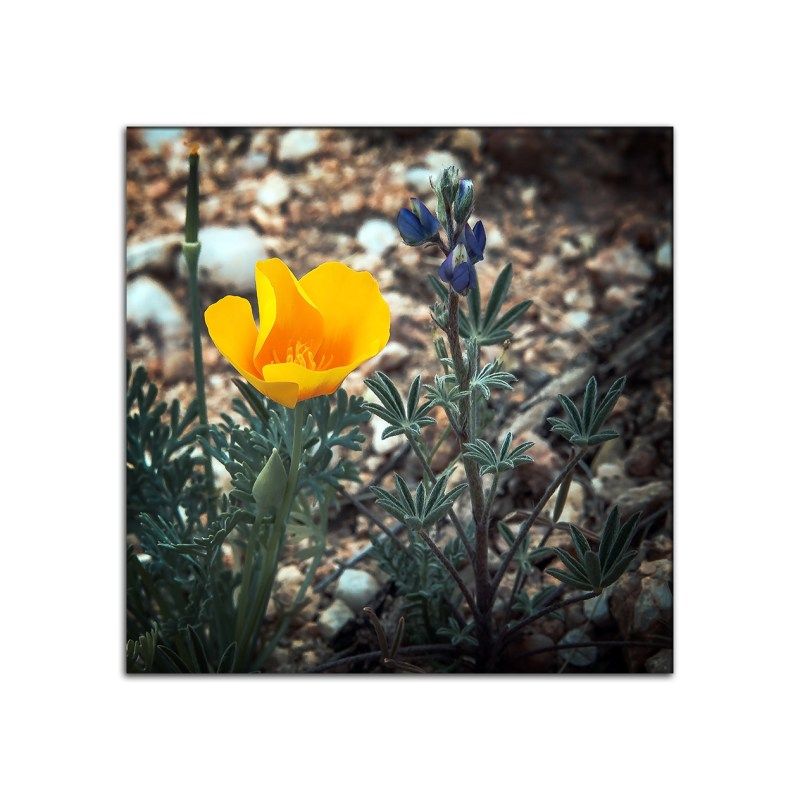
Here’s the cheapest ticket to a spring explosion: a packet of seeds and a rake. Mexican gold poppy (Eschscholzia californica ssp. mexicana) and desert lupine (Lupinus sparsiflorus) are native annuals that can turn bare gravel into a sea of orange and violet in a single season.
Timing matters. Scatter seed between mid-October and early December so winter rains can trigger germination.
Rake it lightly into the top quarter inch of soil, press it down, and water gently every few days if rains are slow to arrive.
From there, growth is remarkably fast. Seedlings appear within a couple of weeks, and flowers can open by February or March.
Bees swarm the poppies on sunny mornings, while lupines, members of the pea family, add nitrogen to poor desert soil as a bonus.
Let plants go to seed in late spring before clearing them out. The dried pods will drop next year’s crop, so the show returns with little effort.
Tip for success: birds love freshly sown seed. Cover the area with a light layer of fine gravel or a sheet of shade cloth for the first week, then remove it once sprouts appear.
Add owl’s clover or desert bluebells for extra variety.
9. Desert Museum Palo Verde
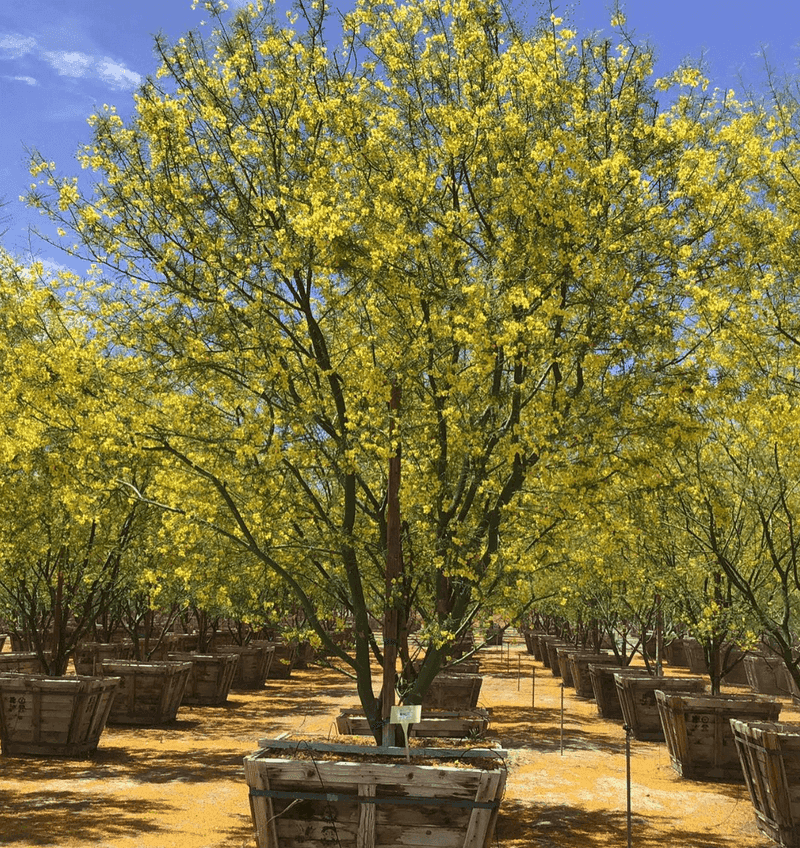
Every list needs one big anchor, and in the low desert that job belongs to the Desert Museum palo verde. Bred from native palo verde parents, this thornless tree is one of the fastest ways to add shade and color at the same time.
Young trees planted in fall can put on several feet of growth per year, reaching 20 to 25 feet at maturity. The smooth green bark carries out photosynthesis, so the tree stays lively even when its tiny leaves drop in drought.
In spring, the canopy lights up with bright yellow blossoms, and bees, butterflies, and hummingbirds show up to share the bounty.
Be realistic about year one. A small tree may flower lightly its first spring, with the full golden explosion building over the next couple of seasons.
Still, filtered shade arrives quickly, protecting tender perennials beneath and cooling a west wall or patio during 105-degree afternoons.
Plant in full sun with room to spread. Water deeply and infrequently so roots grow down rather than out, and stake loosely only if winds are strong.
Avoid heavy pruning in summer.
Birds such as verdins and finches often nest in the branches, adding life overhead to match the blooms below.