Smart Lawn Alternatives Replacing Fescue Grass In Arizona Yards
If you’ve spent any amount of time trying to keep fescue grass alive through an Arizona summer, you already know it’s a bit of an uphill battle.
The heat is relentless, the dry stretches seem to go on forever, and no matter how carefully you manage the irrigation, brown patches have a way of showing up anyway.
And then the water bill arrives. Fun times.
The honest truth is that fescue is a cool-season grass trying to survive in one of the hottest, driest climates in the country, and in a lot of Arizona yards it’s simply working against the conditions rather than with them.
More homeowners are starting to ask a pretty reasonable question: does this lawn actually have to be fescue?
Spoiler alert, it really doesn’t. There are some genuinely impressive alternatives worth knowing about.
1. Fescue Struggles In Hot Arizona Yards
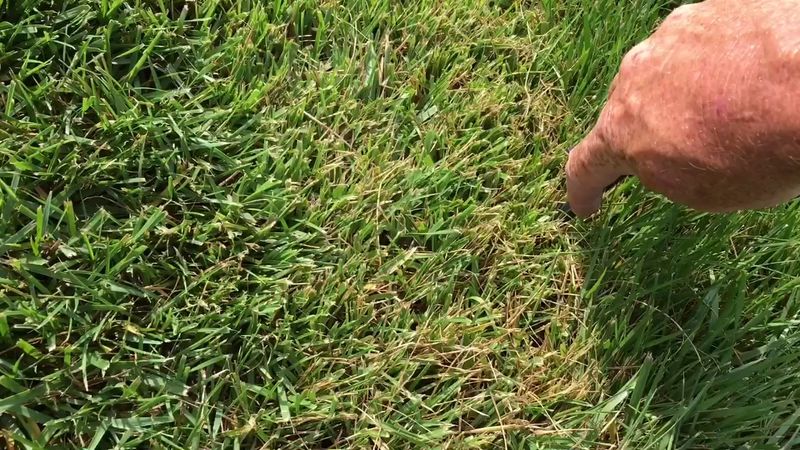
Walking out to a lawn that looks exhausted by June is a familiar scene for many homeowners who planted fescue with high hopes. Tall fescue is a cool-season grass, which means it grows best when temperatures are mild and water is plentiful.
In Arizona’s low desert, neither of those conditions lasts very long.
Summer in Phoenix, Tucson, and surrounding areas can push temperatures well above 100 degrees for weeks at a time. Fescue goes into stress mode when the heat climbs, and without consistent deep irrigation, it can thin out quickly in sunny, open yard spaces.
Shaded areas or smaller, carefully managed patches may hold up better, but broad sunny lawns are a tough environment for this grass.
Water use is another real concern. Fescue typically needs irrigation several times per week during summer to stay reasonably green.
That adds up fast on a water bill, and it puts pressure on homeowners who want to use water more thoughtfully. Arizona water agencies have been encouraging residents to look at turf conversion options for years, and the interest has grown steadily.
Fescue is not a bad grass everywhere, but in many Arizona yard situations, it works against the local climate rather than with it.
Homeowners who have low-use lawn areas, wide-open sun exposure, or spots that dry out fast often find that switching to a lower-input alternative makes more practical sense than fighting the heat season after season.
2. Low-Use Lawns Are Getting Smarter Replacements
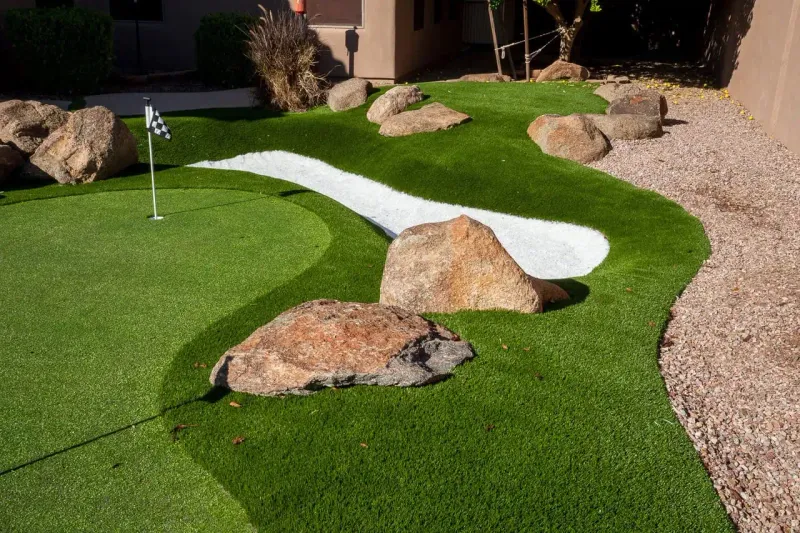
Many yards have a patch of lawn that barely gets used. It might be a side yard strip, a front lawn that mostly gets admired from the street, or a backyard corner where nobody really hangs out.
These low-use turf areas are often the first places where homeowners start questioning whether fescue is worth the effort.
Maintaining a high-input grass like fescue in a space that sees little foot traffic can feel like a lot of work for minimal reward. Mowing, fertilizing, aerating, and irrigating a lawn that mostly just sits there starts to seem less sensible when lower-input options are available.
Arizona’s water conservation programs have even offered rebates in some areas to encourage homeowners to replace underused turf with alternatives.
Your Arizona Garden Changes Every Week. Your Plan Should Too.
Gardening in Arizona changes quickly throughout the season. Every Friday you’ll receive a simple weekly plan showing exactly what to plant, prune, fertilize, harvest, and protect so you never miss the right timing.
The shift in thinking is not just about saving water, though that matters a lot in Arizona. It is also about reducing the time and money spent on lawn maintenance.
A low-use lawn area does not need the same performance level as a backyard play space or a patio gathering spot. Choosing an alternative that fits the actual use of the space is a smarter approach.
Meadow-style plantings, native grasses, and groundcover alternatives can fill these spaces with something green and visually interesting without demanding the same level of care.
Establishing any replacement takes some patience and irrigation in the early months, but once settled in, many of these options ask for far less than fescue does in Arizona’s climate.
3. Buffalograss Offers A Lower-Water Lawn Look
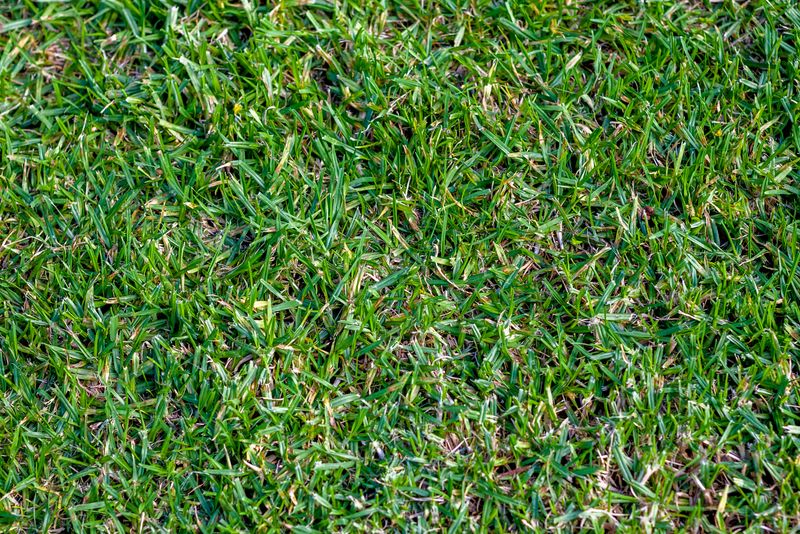
Buffalograss has been growing on the Great Plains for centuries, and its reputation as a tough, low-water grass has made it an interesting option for homeowners looking to replace thirsty fescue.
It is a warm-season native grass, which means it actually thrives when temperatures climb rather than struggling through the heat.
One of the most appealing things about buffalograss in a residential setting is its relatively low mowing requirement.
It has a naturally short growth habit, so many homeowners choose to let it grow without frequent mowing, giving the yard a soft, meadow-adjacent look.
That said, it can be mowed if a tidier appearance is preferred, making it flexible for different yard styles.
Buffalograss does go dormant and turn tan during cooler months, which is something Arizona homeowners should expect before planting. It is not a year-round green option in most parts of the state.
However, during its active growing season, it can provide a reasonably attractive, lawn-style surface that holds up to moderate foot traffic.
Establishment takes some care. Buffalograss planted from seed or plugs needs consistent moisture during the first growing season to get properly rooted.
Skipping irrigation too early can set the planting back significantly. Once established in an appropriate Arizona yard setting, though, it generally needs less water than fescue during the warm months, which is the season when fescue demands the most.
Sunny, open yard spaces tend to suit buffalograss well.
4. Blue Grama Creates A Softer Meadow Lawn
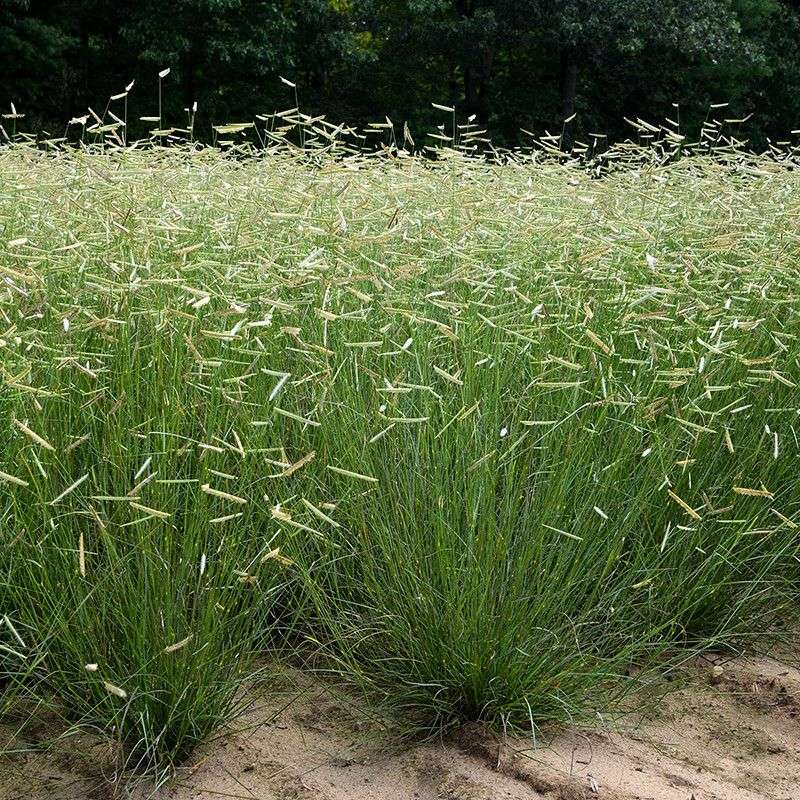
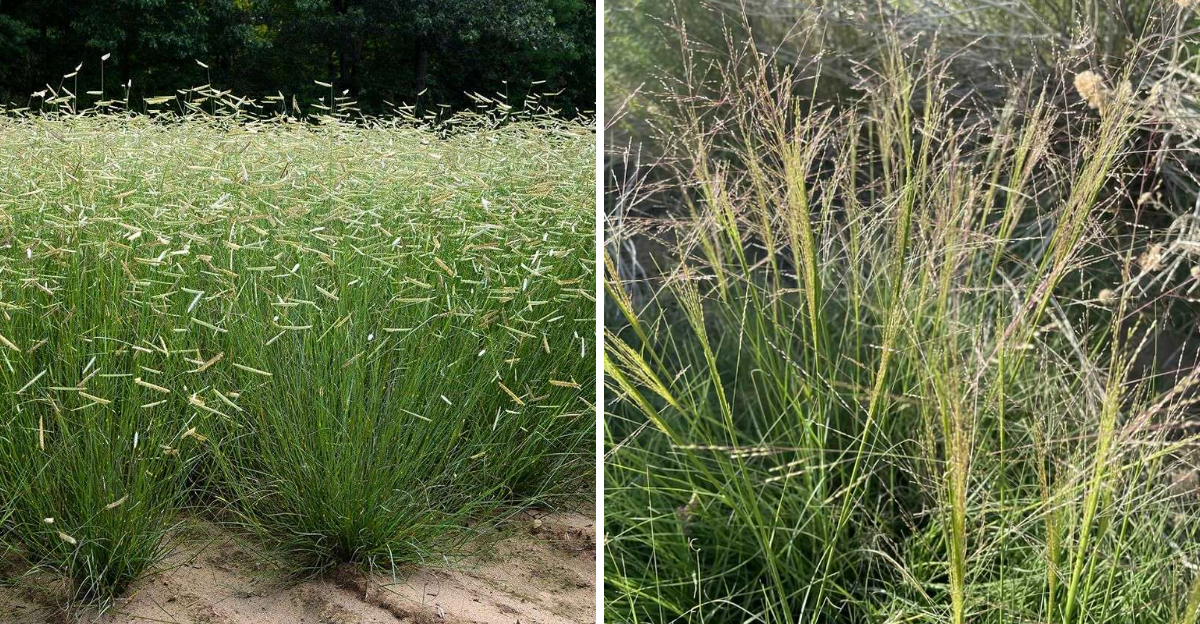
Blue grama is one of those grasses that surprises people once they see it up close. Its fine texture and soft gray-green color give a yard a gentle, natural appearance that feels different from a traditional turf lawn but still looks intentional and attractive.
The distinctive eyelash-shaped seed heads it produces in summer add a bit of visual character that a standard grass simply does not offer.
As a native grass to much of the Southwest, blue grama is well adapted to Arizona’s climate and soil conditions. It is a warm-season grass that handles heat reasonably well and has modest water needs once it gets established.
That combination makes it a candidate worth considering for homeowners who want a meadow-style lawn look without the irrigation demands of fescue.
Blue grama works best in sunny locations with good drainage. It does not do particularly well in heavily shaded spots or areas with compacted, poorly draining soil.
Homeowners with open, sun-exposed yard spaces tend to see better results than those trying to grow it in challenging spots.
Foot traffic tolerance is moderate, so blue grama suits low-use lawn areas better than high-traffic zones like play spaces or frequently used pathways. Establishing it from seed requires patience and regular moisture during the germination period.
Mowing is optional for a meadow look but can be done to keep things tidy. For Arizona yards where a softer, more naturalistic lawn style appeals, blue grama is a genuinely interesting choice worth exploring.
5. Big Galleta Covers Open Yard Areas Naturally
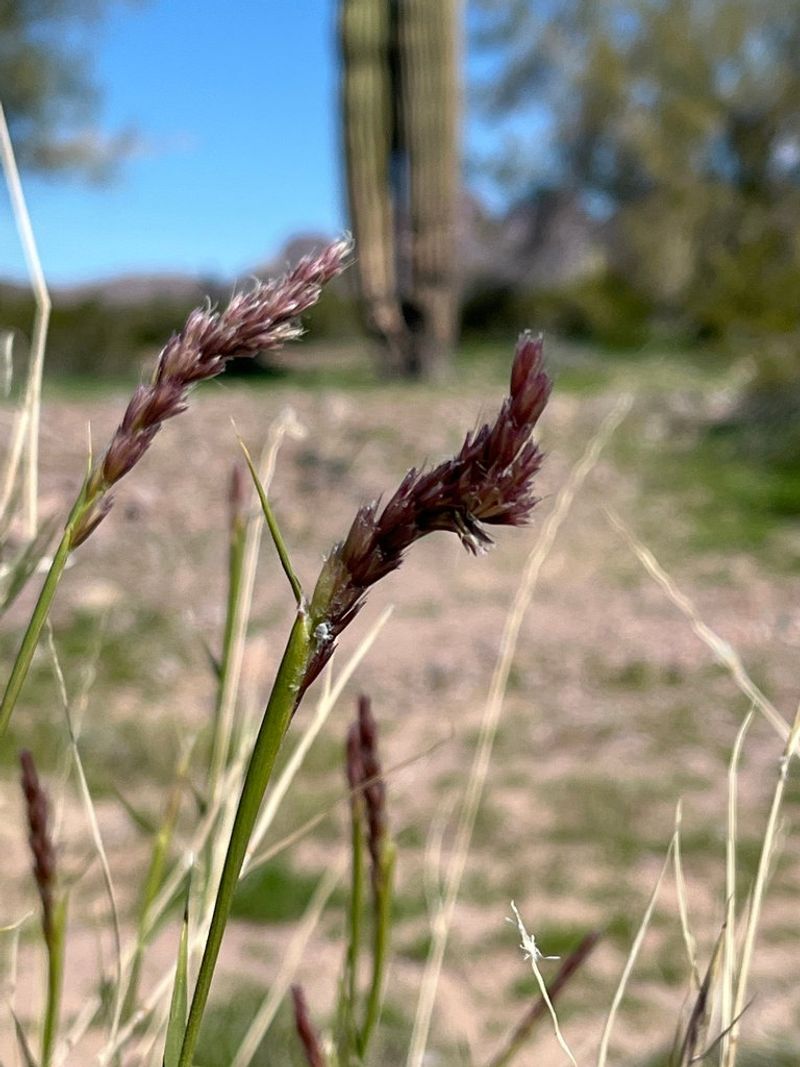
Open, sunny yard areas in Arizona can be tough spaces to fill with something that looks decent and does not demand constant attention.
Big galleta is a native grass that handles those conditions without much fuss, and it brings a rugged, naturalistic quality to yard spaces that some homeowners find genuinely appealing.
Big galleta is a warm-season perennial native to the Sonoran and Mojave desert regions, so it is genuinely at home in Arizona’s climate.
It spreads through rhizomes, which means it can gradually fill in open ground over time without needing to be replanted frequently.
That spreading habit makes it useful for covering larger yard areas that might otherwise look bare or require heavy mulching to manage.
The grass has a coarser texture than something like blue grama or buffalograss, so it does not create the same manicured lawn look.
For homeowners who prefer a more natural, low-maintenance yard style over a traditional turf appearance, that coarseness can actually be part of the appeal.
It reads as intentional and landscape-appropriate rather than neglected.
Foot traffic tolerance is modest, so big galleta suits areas where people walk occasionally rather than spaces with heavy daily use. Establishment requires irrigation during the first growing season, and patience is needed as the plant fills in gradually.
Once rooted, it generally handles Arizona heat and dry stretches with less supplemental water than fescue would need during the same period. For open yard areas that need natural coverage, it is a practical and regionally appropriate option.
6. Alkali Muhly Works For Low-Input Lawn Spaces
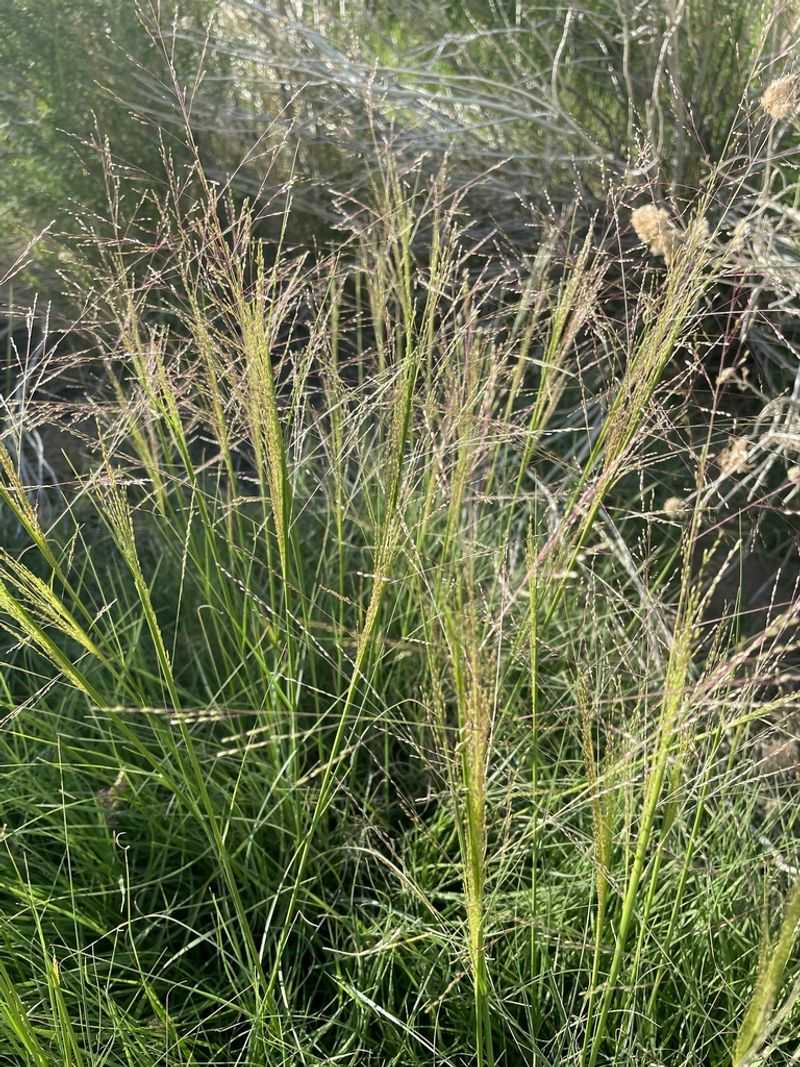
Some grasses ask very little of you once they get going, and alkali muhly falls into that category for many Arizona yard situations.
It is a native grass adapted to the Southwest, known for handling alkaline soils, dry conditions, and heat without needing a lot of intervention once it is properly established.
Alkali muhly forms a fine-textured, clumping growth habit that gives yard spaces a soft, somewhat airy appearance. In late summer and fall, it produces delicate purplish-pink seed heads that add real visual interest to a landscape.
That seasonal color can make a yard feel dynamic in a way that a plain turf lawn rarely does.
For low-use lawn spaces, alkali muhly can be planted in groupings or used as a mass planting to cover ground with something green and attractive.
It works well in sunny spots and tolerates the kind of tough, lean soil conditions that often exist in Arizona yards where fescue struggles.
It is not a grass you would plant in a high-traffic play area, but for a side yard, a front yard border, or a low-use patch that needs softening, it fits well.
Establishment does require consistent moisture during the first growing season. Once rooted, alkali muhly generally needs less supplemental irrigation than fescue during hot months.
Mowing is typically not needed since the clumping form stays relatively tidy on its own. For homeowners seeking a low-input option with some seasonal beauty, alkali muhly is a sensible and regionally grounded choice for Arizona yards.
7. Kurapia Forms A Green Groundcover Alternative
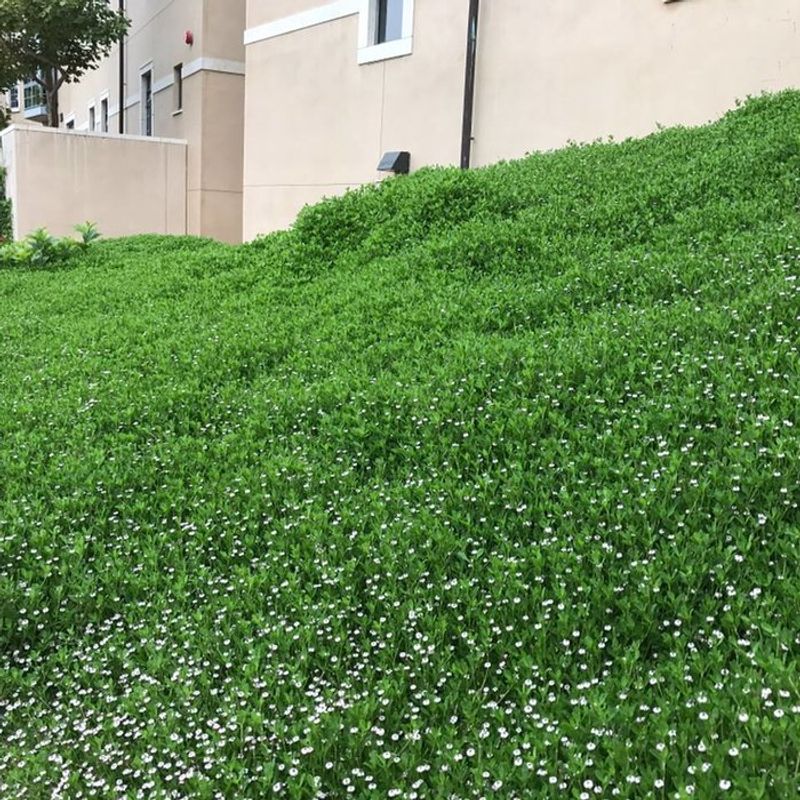
Kurapia is not a native Arizona plant, but it has drawn attention from homeowners and water conservation programs as a groundcover alternative to traditional turf in warm, sunny climates.
It is a sterile, low-growing groundcover that forms a dense green mat, giving yard spaces a lawn-like appearance without the same level of irrigation that fescue typically demands in Arizona.
One of kurapia’s standout qualities is how flat and tight it grows. It spreads horizontally rather than growing tall, which means mowing is infrequent compared to fescue.
Some homeowners mow it occasionally for a neater look, but many let it grow as a natural groundcover without regular cutting. Small white flowers appear periodically, which can add a subtle charm to a front yard or side yard setting.
Kurapia handles heat reasonably well and can stay green through summers with less water than cool-season turf. It does have some limitations worth knowing.
It is not as tolerant of heavy foot traffic as a traditional turf grass, so it suits low-use areas better than high-activity zones. It also goes semi-dormant in cooler months, meaning some color loss is possible during winter in parts of Arizona.
Establishment requires regular irrigation during the first growing season, and patience matters as it fills in. Plugs or flats are the typical planting method since it does not produce viable seed.
For homeowners wanting a green, carpet-style groundcover with lower maintenance pressure than fescue, kurapia is a compelling and increasingly popular option to consider.