What Every Arizona Homeowner Should Plant This October Before Winter Nights Arrive
October is when Arizona gardening finally gets fun again. The brutal heat has broken, but the soil is still warm, which gives new plants the perfect chance to grow strong roots before chilly winter nights settle in.
Plant the right natives now, and by next summer you could have more shade, more birds and pollinators, lower water bills, and a yard that feels less inviting to pests. Here are nine smart picks to get in the ground this month.
1. Velvet Mesquite
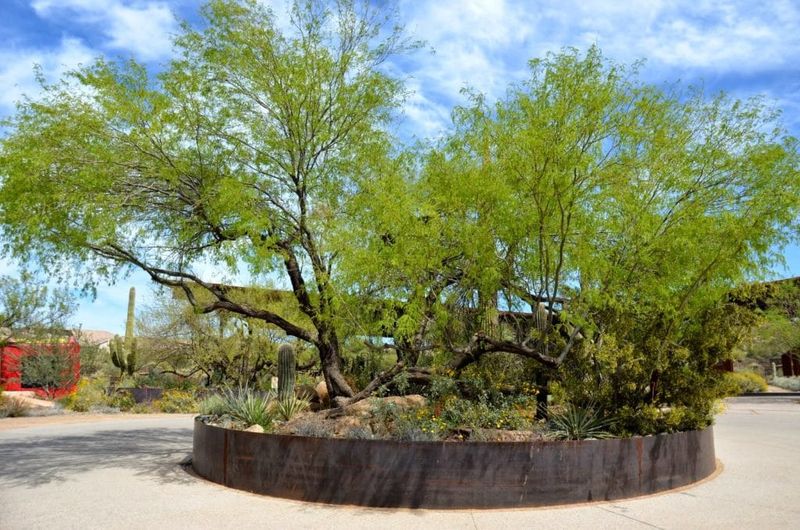
Picture a 108-degree afternoon in Mesa, and picture stepping under a canopy that drops the air around you by what feels like ten degrees. Velvet mesquite has been giving desert creatures that kind of relief for thousands of years, and it can do the same for your patio.
Planting in October gives the roots a long, mild season to push deep before summer returns. Mesquite roots are famous for reaching far down in search of moisture, which is exactly why established trees need so little help from your hose.
Water deeply every week or two through winter, then stretch the schedule out as the tree settles in.
Beyond shade, the spring catkins pull in native bees and other pollinators. Birds like verdins and phainopeplas often perch and nest in the branches, and the tree’s open floor can give roadrunners a spot to hunt lizards and insects.
A yard with roadrunners patrolling it may feel less inviting to scorpions, though no single plant is a guarantee.
Give it room, at least 20 to 25 feet from walls and roofs, since a mature crown spreads wide. Place it on the west or south side of your house to block the harshest afternoon sun.
Fun fact: mesquite pods were once ground into a sweet flour.
2. Palo Verde
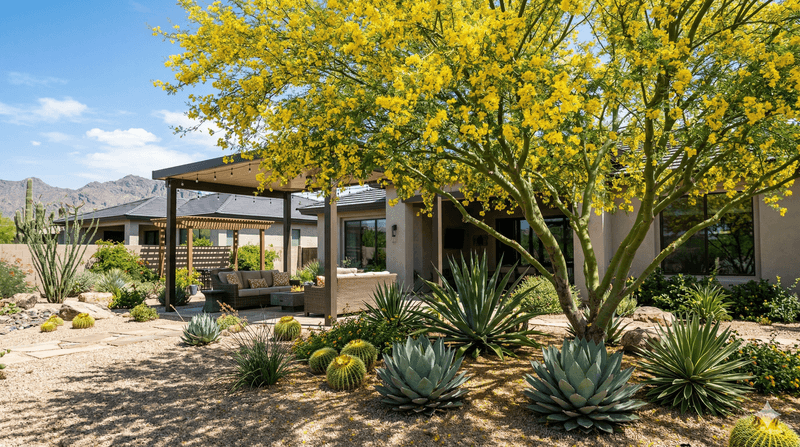
Green bark is the palo verde’s party trick. The name means green stick in Spanish, and that smooth, bright trunk can actually photosynthesize, so the tree keeps making food even after it drops its tiny leaves during drought.
As Arizona’s state tree, it has earned its spot by thriving where other trees sulk. An October planting lets roots anchor into warm soil while air temperatures stay pleasant, setting up a young tree to handle its first full summer with far less stress.
Every spring, the canopy explodes in yellow blossoms that native bees can’t resist. The shade is filtered rather than heavy, so you can grow smaller desert plants underneath without starving them of light.
That airy structure also means fewer dense, damp hiding spots, which tends to make the area less inviting to scorpions than thick hedges or piled leaves.
Look for Desert Museum palo verde if thorns worry you, since this hybrid is nearly thornless and grows fast. Plant it in full sun with good drainage, and skip the rich compost, because palo verdes prefer lean, rocky ground.
Once established, a deep soak every few weeks in summer is usually plenty.
3. Desert Willow
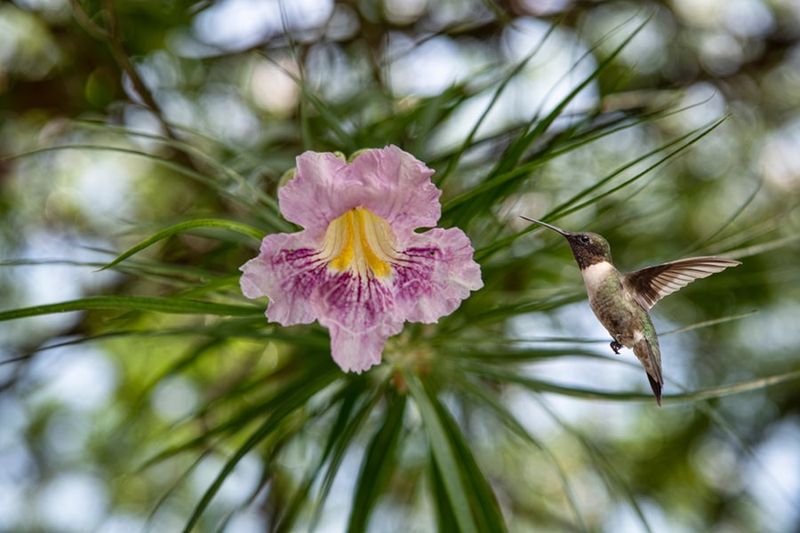
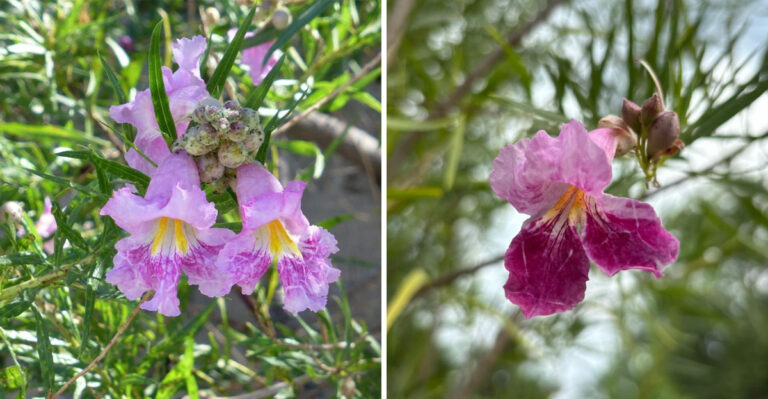
Ask anyone who has a desert willow near a kitchen window, and they will tell you about the hummingbirds. From late spring through summer, the tree covers itself in ruffled, trumpet-shaped blooms in pink, lavender, and burgundy, and hummers zip between them like tiny fighter jets.
Your Arizona Garden Changes Every Week. Your Plan Should Too.
Gardening in Arizona changes quickly throughout the season. Every Friday you’ll receive a simple weekly plan showing exactly what to plant, prune, fertilize, harvest, and protect so you never miss the right timing.
Despite the name, it isn’t a true willow at all. It’s a relative of the catalpa that simply happens to have long, skinny leaves, and it handles heat and drought far better than any weeping willow ever could.
October is a sweet spot for planting because the tree goes into winter rest soon after, putting energy into roots instead of leaves. Water every week or so until it goes bare, then ease off.
In spring, pick the schedule back up as new growth appears.
Growing up to about 25 feet, desert willow works well in smaller yards where a mesquite would feel crowded. Its light shade suits a patio corner, and since it sheds leaves in winter, it lets warm sunshine reach your windows when you actually want it.
Bees and butterflies share the flowers with the hummingbirds, so it pulls triple duty for pollinators.
4. Agave
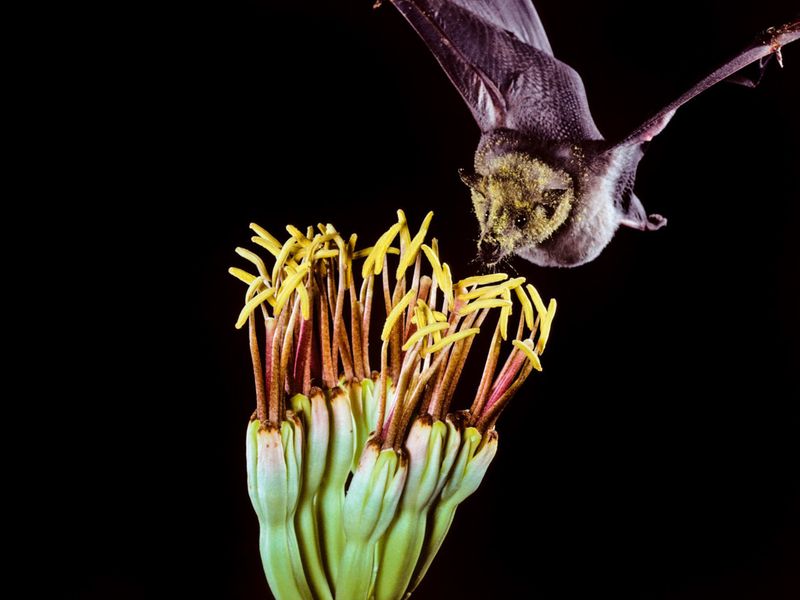
Who knew a spiky succulent could run a nightclub for bats? When an agave finally sends up its towering flower stalk, nectar-feeding bats like the lesser long-nosed bat arrive after dark to drink, carrying pollen from plant to plant as they go.
Those same bats are part of the reason saguaros and other desert plants get pollinated. Inviting them into your neighborhood helps the whole landscape, and many bat species also snack on night-flying insects.
Hummingbirds visit the blooms during the day too.
October is prime time for succulents because the soil still holds summer warmth, which helps new roots grow quickly. Plant agaves slightly high in fast-draining soil, and wait about a week before the first watering so any bruised roots can heal.
After that, occasional deep drinks are all they ask.
Choose species that fit your space. Agave parryi and Agave geminiflora stay compact, while century plants can spread six feet or more.
Keep sharp-tipped kinds away from walkways and play areas, and let their sculptural shapes anchor a gravel bed where little else needs water.
Most agaves bloom only once, after many years, so a flowering stalk is a celebration worth waiting for.
5. Penstemon
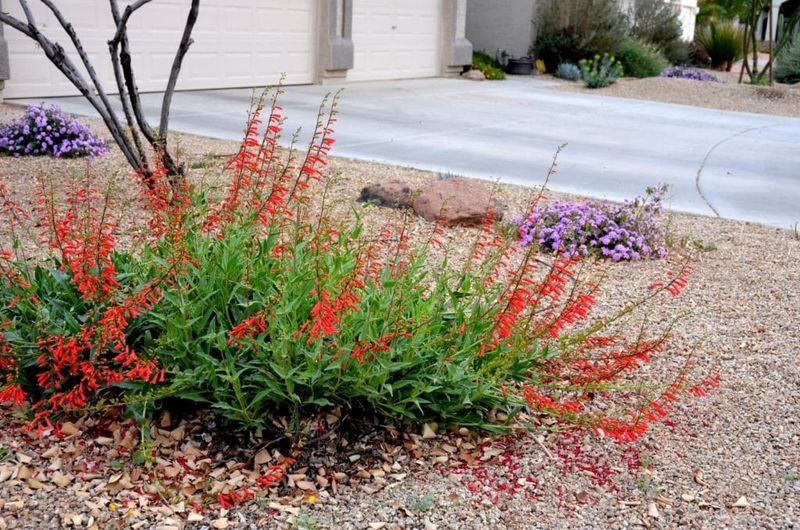
Some of the earliest color in a desert spring comes from penstemon spikes shooting up like fireworks. Parry’s penstemon glows rosy pink, firecracker penstemon flashes scarlet, and each tubular flower seems designed with a hummingbird’s beak in mind.
Here’s the catch: if you wait until March to plant, you miss the show. Penstemons need the cool months to settle in and build a root system, so October and November plantings are the ones that reward you with blooms the following spring.
Tough as they look delicate, penstemons prefer lean, well-drained soil and actually sulk when pampered. Rich soil and heavy watering can shorten their lives, so plant them in a sunny spot and water sparingly once they’re established.
After the flowers fade, leave a few stalks standing. Lesser goldfinches love picking at the seeds, and dropped seeds often sprout into new plants, giving you a self-renewing patch for free.
Many individual plants live only a few years, so letting them reseed keeps the colony going.
Tuck them along a path, near a window, or beside a boulder, and group three or more together. A cluster makes a bigger splash of color and is easier for passing hummingbirds to spot from above.
6. Globe Mallow
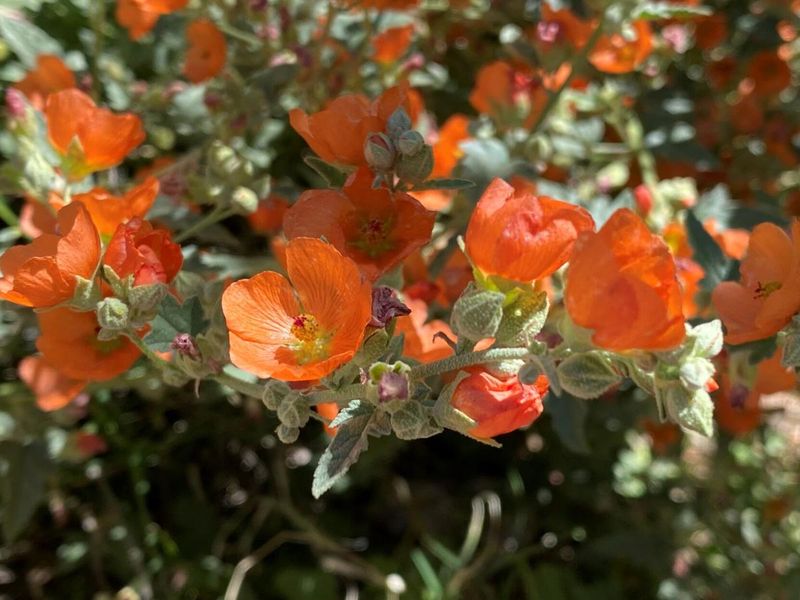
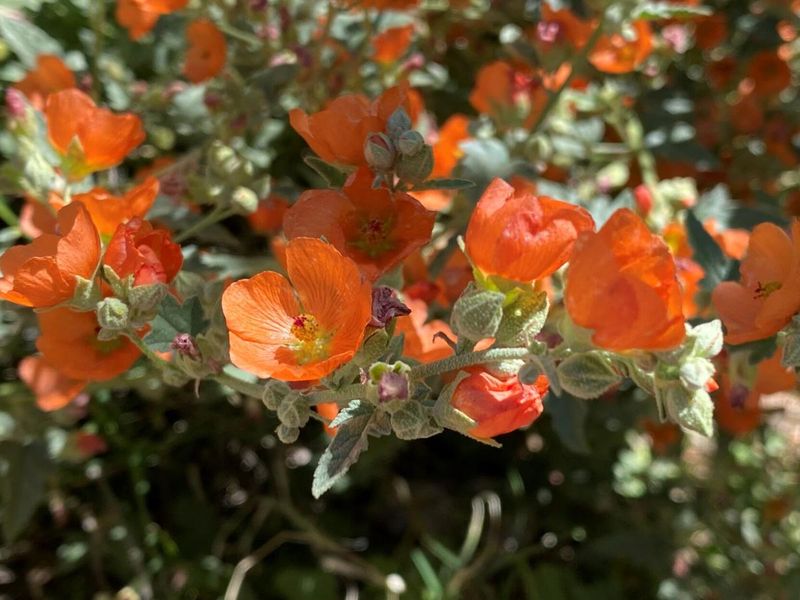
If a plant could shrug off neglect with a grin, it would look a lot like globe mallow. You’ll spot it blooming along Arizona highways with zero irrigation, covered in apricot-orange cups that seem far too cheerful for such rough ground.
That toughness is exactly what makes it worth planting now. An October start lets it establish during mild weather, and by late winter it begins flowering, often continuing well into spring.
Pink, white, red, and lavender varieties are also available if orange isn’t your color.
Globe mallow is more than a pretty face. Native bees, including specialist bees that rely on mallows, visit the flowers constantly, and several butterflies, such as the painted lady, use the leaves as food for their caterpillars.
Seeing a few chewed leaves means your yard is doing its job as habitat.
Plant it in full sun, in poor or rocky soil, and resist the urge to overwater. After blooming, cut the plant back by about a third to keep it tidy and encourage fresh growth.
One heads-up: the fuzzy leaves can irritate sensitive skin, so wear gloves while pruning.
It also reseeds gently, filling bare patches over time.
7. Fairy Duster
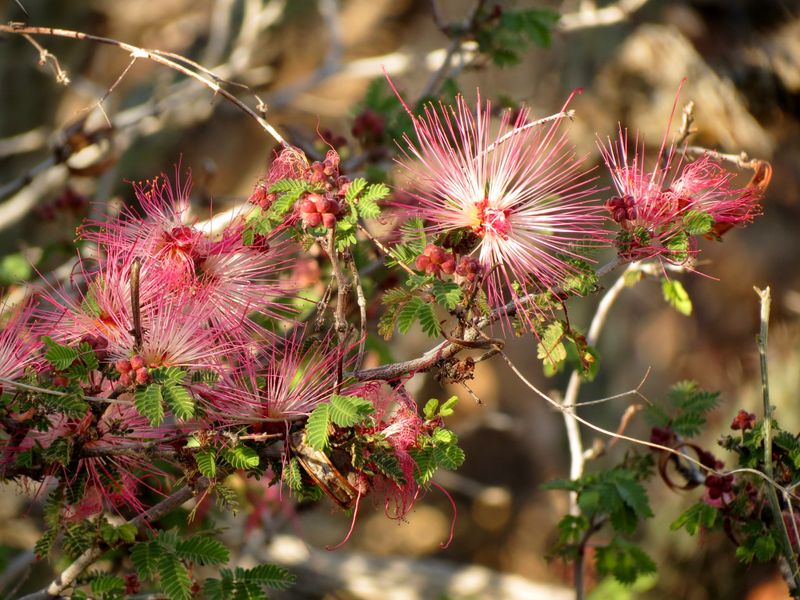
Once upon a desert morning, a small shrub puffed out hundreds of tiny pink pom-poms, and every hummingbird in the neighborhood showed up. That is pretty much the daily routine of fairy duster, a native shrub whose flowers look like someone scattered powder puffs across the branches.
What looks like petals are actually long, silky stamens. They carry pollen onto the foreheads of visiting hummingbirds, and bees and butterflies stop by as well.
Bloom season can stretch from late winter through spring, with bonus flowers after monsoon rains.
Staying around two to three feet tall, it fits under windows, along walls, or in narrow side yards without constant trimming. Its open, airy branching also avoids the thick, leafy mass where pests like to hide, which can help keep foundation areas less inviting to scorpions compared with dense ground covers.
Fall is ideal for getting shrubs in the ground, since cooler air reduces transplant stress while warm soil speeds root growth. Water a couple of times a week at first, tapering to every week or two by winter.
Once established, fairy duster can get by on very little water, though an occasional summer soak keeps it looking fuller.
8. Desert Marigold
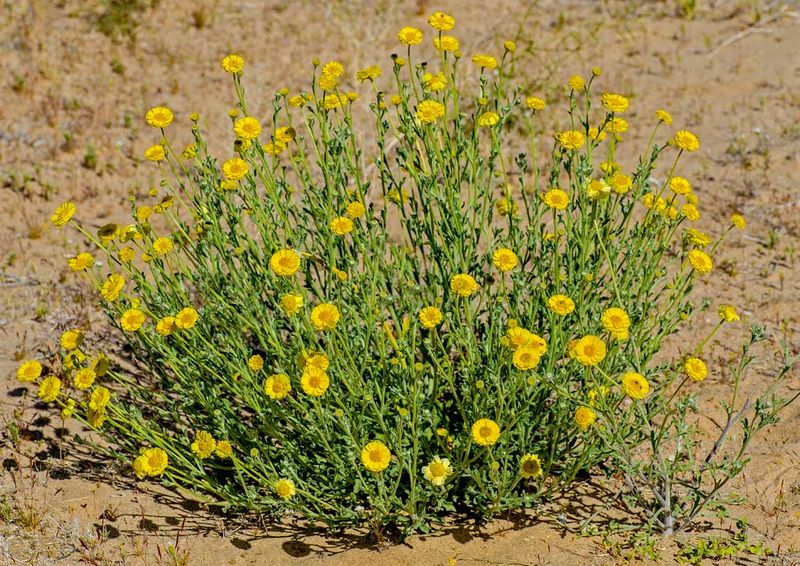
Nearly twelve months of sunshine-yellow flowers from one scrappy little plant sounds too good to be true, yet desert marigold comes close. Its daisy-like blooms float above soft, silvery-gray foliage and keep appearing through most of the year in the low desert.
That long bloom window makes it a reliable snack bar for bees and butterflies when other flowers are taking a break. When the seed heads ripen, doves, sparrows, and finches drop in to feed, adding a lively bird buffet to your yard.
Low water needs and an open, mounding form mean there’s little damp, shaded cover underneath, so beds planted with it tend to be less inviting to scorpions than thirsty, leafy borders. Pair that with morning watering, which lets the soil dry by evening, and you’ve made the area even less appealing to night-roaming pests.
Scatter seeds or set out transplants in October, when warm soil encourages fast rooting. Choose full sun and well-drained ground, and go easy on the hose, because too much water causes plants to flop and fade.
Desert marigold reseeds readily, so a few plants can turn into a golden drift along a walkway or driveway within a season or two.
9. Rosemary
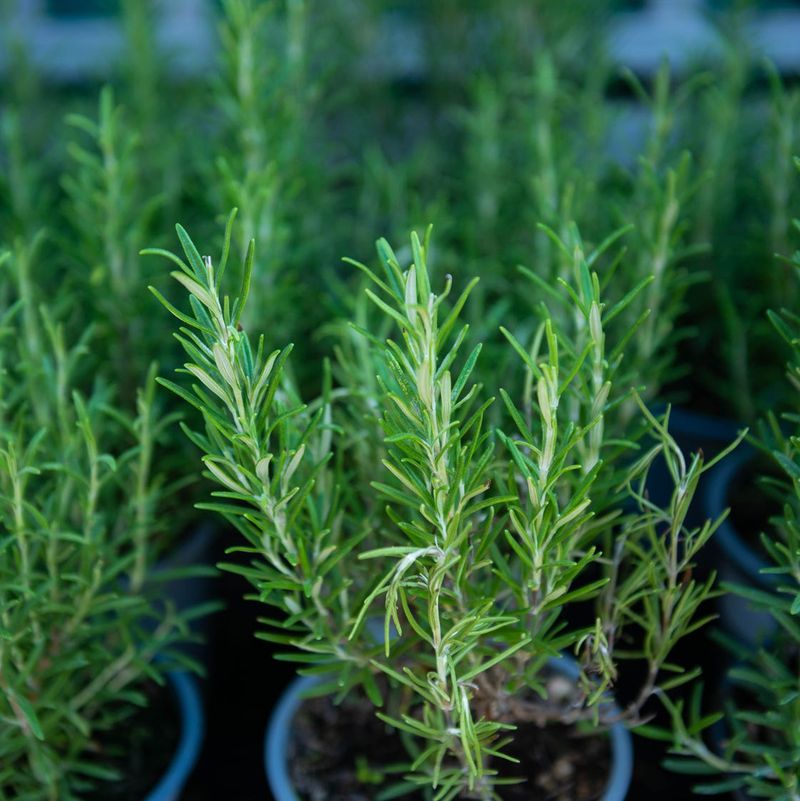
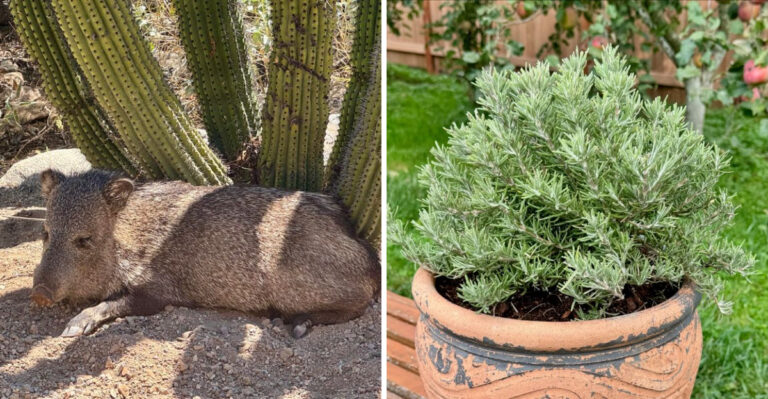
Brush your hand across a rosemary plant on a warm evening, and that piney scent follows you back inside. Many Arizona gardeners grow it for the kitchen, but the fragrance is also why it earns a spot near patios and doorways.
Rosemary’s aromatic oils may help deter mosquitoes and some other insects, especially when the leaves are bruised or trimmed. It won’t replace other precautions, but a few plants around a seating area can make it a little less welcoming to buzzing visitors while adding greenery that barely needs water.
Originally from the rocky, sun-baked Mediterranean, rosemary feels right at home in Phoenix and Tucson yards. It handles alkaline soil, tolerates reflected heat, and shrugs off drought once established.
In spring, small blue flowers appear and draw in bees looking for an early meal.
October transplants have months of mild weather to root in before summer. Choose upright types for a low hedge or trailing rosemary to spill over walls and containers.
Plant in full sun with excellent drainage, since soggy roots are its biggest enemy, and water every few days at first before gradually stretching the interval.
Bonus: every trim gives you fresh sprigs for roasted potatoes.