The Fragrant Purple Tree Worth Planting In Arizona This Monsoon
Arizona monsoon weather can make a sunbaked yard feel ready for change almost overnight.
Humidity rises, storms wet the ground, and desert plants respond with a burst of growth that was hard to picture in June. One native tree fits that seasonal shift well: desert willow, Chilopsis linearis.
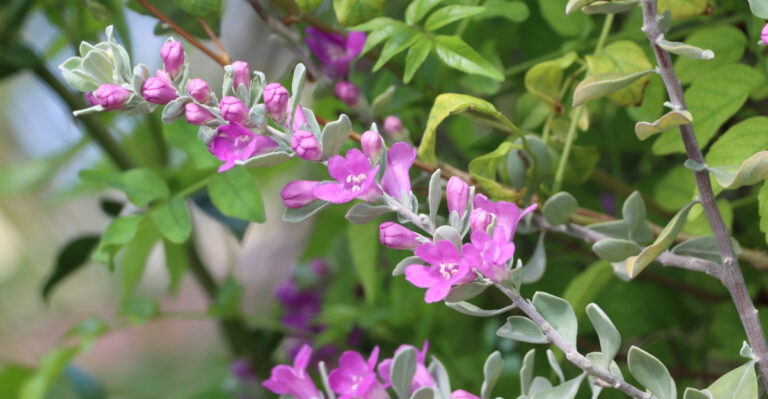
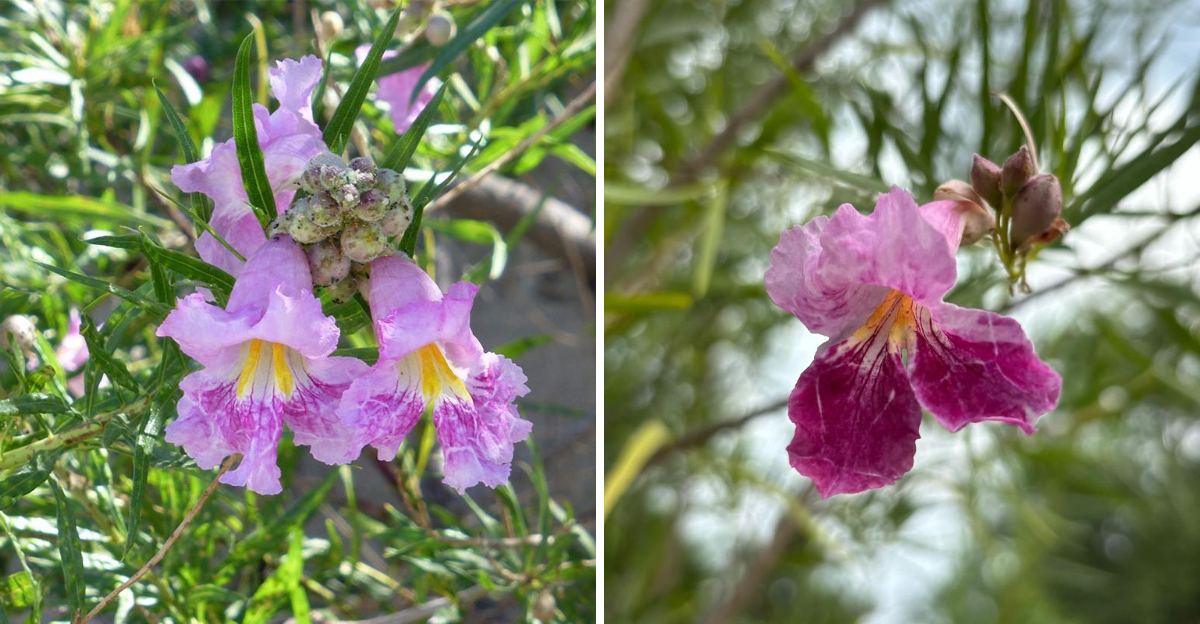
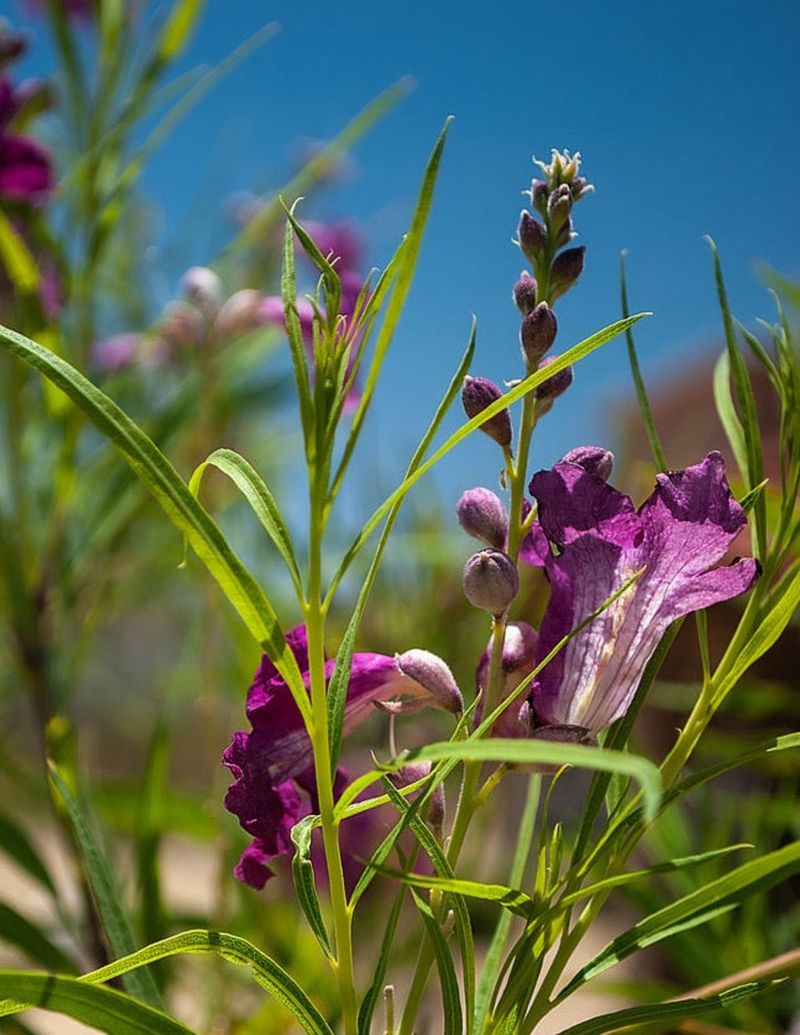
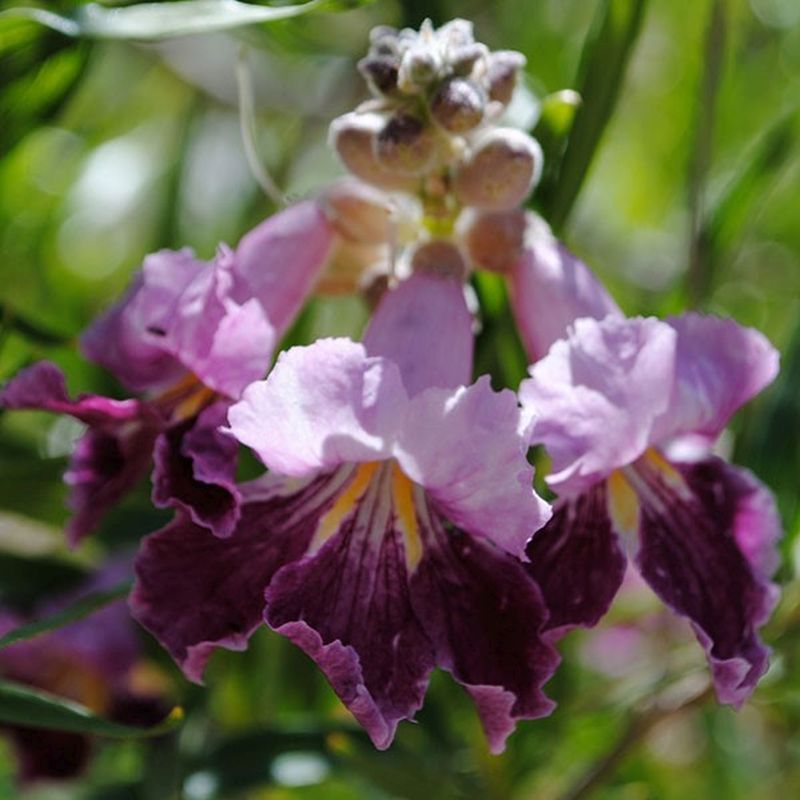
Its narrow leaves create light shade, while trumpet-shaped flowers can range from pink and lavender to deep purple on selected cultivars.
The blooms are fragrant, attract hummingbirds and insects, and may continue through the warm season when moisture is available.
So is monsoon season the moment to plant one?
For heat-tolerant desert plants, summer rain can create a useful planting window, especially in southern Arizona. The catch is that nursery trees still need establishment through extreme heat. Rain alone is rarely enough.
Choose a verified cultivar, give the root ball excellent drainage, water deeply as roots expand, and leave enough room for the canopy.
Do that, and desert willow can turn summer storms into the start of a long-lived Arizona landscape feature.
Meet Purple Desert Willow
Desert willow earns the name from its long, narrow leaves, but botanically it belongs to the trumpet-creeper family, Bignoniaceae.
It is native across the desert Southwest, including Arizona, where wild plants grow along washes and floodplain terraces that alternate between sudden water and long dry periods.
That background explains much of its landscape value.
The species naturally produces flowers ranging from white and pink to lavender and deep purple.
Named selections give gardeners a more predictable flower color and growth habit than seed-grown trees, so read the nursery label closely rather than relying on a generic “purple desert willow” description.
Arizona low-water plant guidance notes that cultivated desert willows occur in colors extending into deep purple and royal purple.
Fragrance belongs to the species too.
University of Arizona plant records describe the flowers as fragrant, though the scent is much lighter than jasmine or citrus blossom.
Expect a deciduous small tree or large shrub rather than a giant shade tree.
Arizona sources place desert willow commonly around 20 to 30 feet at maturity, with size shaped by the plant, water, and site conditions.
That makes the plant large enough to soften a hot yard without turning a modest landscape into a branch-management project.
Monsoon Moisture Creates A Useful Planting Window
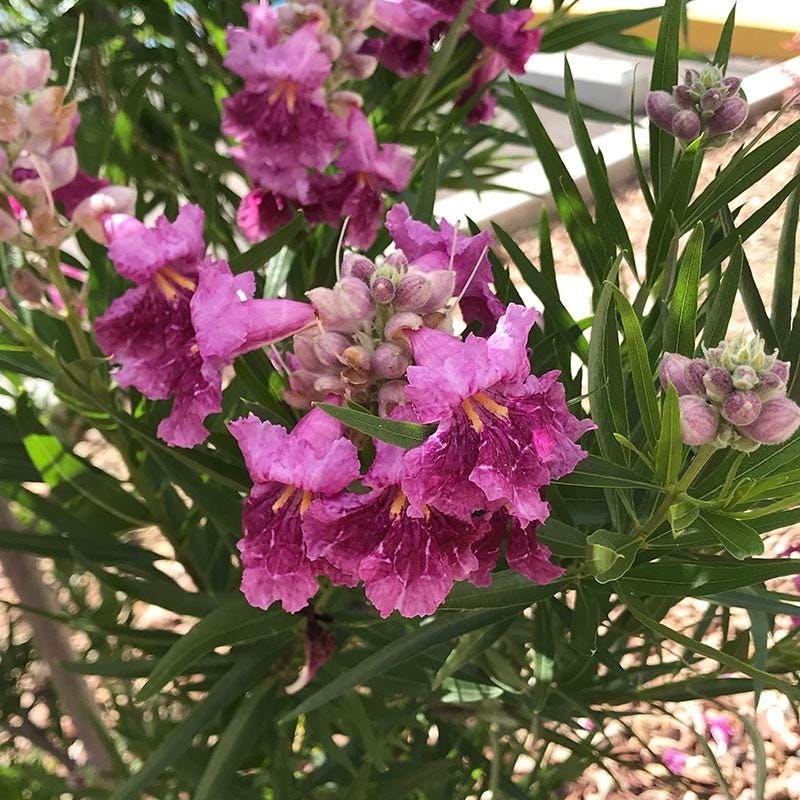
Monsoon season can be a useful planting window in southern Arizona, but the rain clouds do not cancel summer heat.
University of Arizona guidance describes the monsoon as a fifth planting season for heat-tolerant plants. July guidance also calls monsoon moisture a good opportunity to plant heat-loving, monsoon-adapted species.
Desert willow fits that group well, and the University’s Campus Arboretum lists late summer as a planting season for the species.
Still, a container-grown tree arrives with roots confined to nursery media.
Those roots need time to move into the surrounding soil, and extreme heat can increase transplant stress.
University of Arizona planting guidance recommends transplanting when conditions are not excessively hot and dry, so use moderated weather within the monsoon period when practical.
Your Arizona Garden Changes Every Week. Your Plan Should Too.
Gardening in Arizona changes quickly throughout the season. Every Friday you’ll receive a simple weekly plan showing exactly what to plant, prune, fertilize, harvest, and protect so you never miss the right timing.
Work early in the day and have irrigation ready before planting.
Do not count on one dramatic thunderstorm.
Monsoon rainfall varies sharply from one neighborhood to the next, and runoff can leave a planting area nearly dry while another part of the yard floods. Check actual soil moisture around the root ball after storms.
Phoenix and Tucson gardeners can use the monsoon window, but higher-elevation Arizona gardens operate on a different temperature calendar.
The useful rule is not “August always wins.”
Plant when the species can handle the season, the site drains properly, and you can provide consistent establishment water after the clouds move on.
Give It Full Sun And Fast Drainage
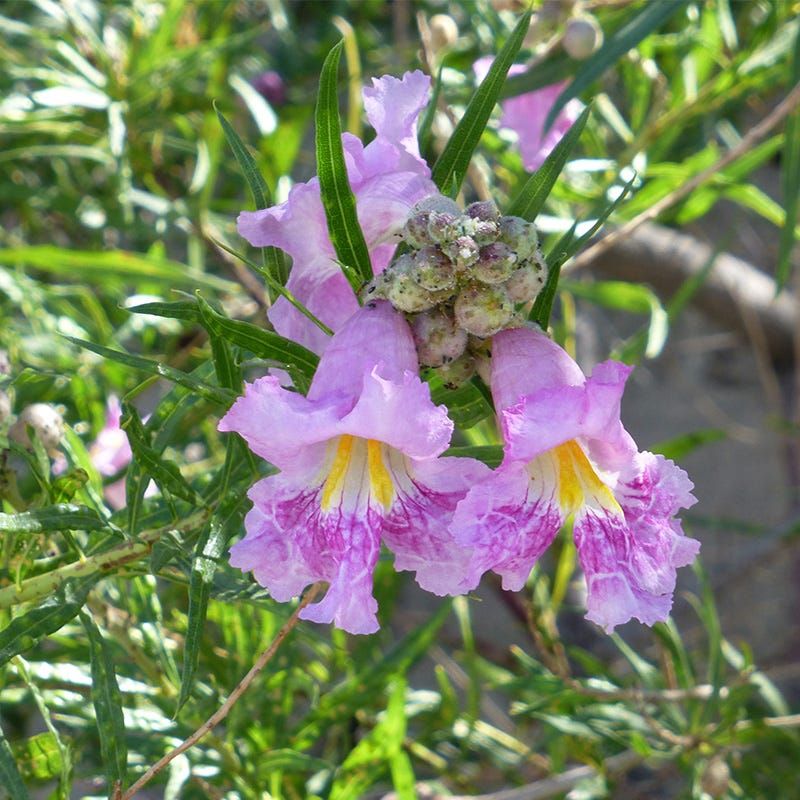
A desert willow wants the kind of exposure that makes many landscape trees look miserable.
Full sun supports stronger flowering and the open, airy form that gives the tree its character. Arizona references place the species naturally in dry washes, desert scrub, grasslands, and foothill settings, where intense light is normal rather than exceptional.
Drainage deserves just as much attention.
Desert willow handles dry soil far better than a root zone that remains saturated for long periods. The University of Arizona Campus Arboretum notes that it can grow in rain-garden zones provided drainage remains adequate.
Test the site after a monsoon storm.
Water should soak through the root zone rather than remain trapped around the trunk. Heavy soil does not automatically disqualify the location, but the planting hole should never become a deep amended bowl surrounded by compacted native ground.
University of Arizona tree-planting guidance recommends a shallow, wide hole and native soil for backfill, without organic amendments mixed into the hole.
Set the top of the prepared root ball level with or slightly above the surrounding grade.
That approach helps roots move outward instead of settling into a soft pocket that behaves differently from the rest of the yard.
Hot walls and pavement can raise heat stress around any new transplant.
The mature desert willow can handle Arizona sun. The fresh nursery root ball still needs a fair introduction.
Water Deeply While Roots Establish
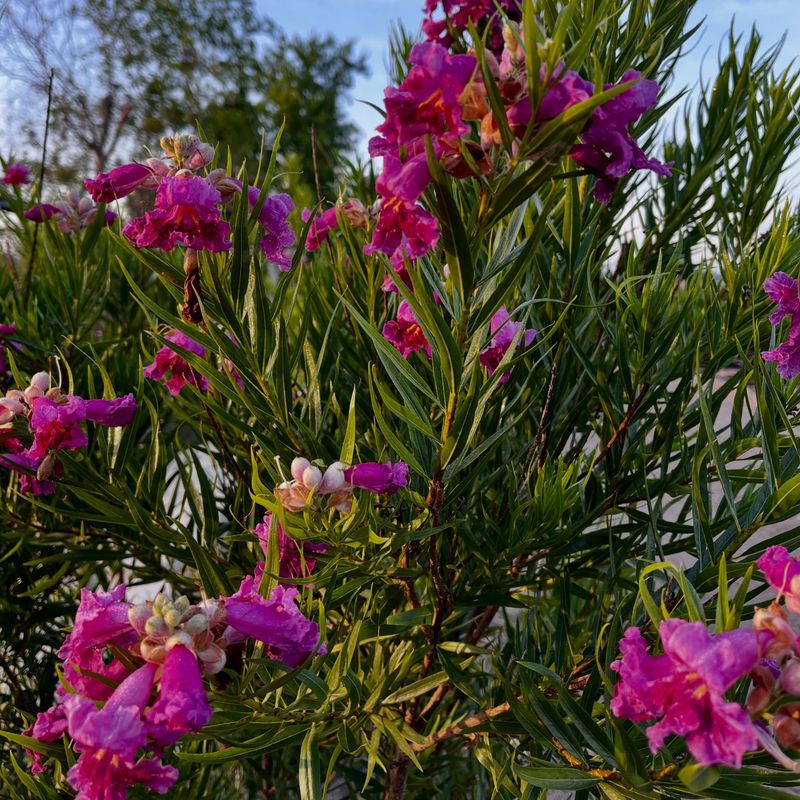
A new desert willow needs a different irrigation routine from an established one.
The first job is keeping the nursery root ball moist enough for new roots to push into surrounding soil.
University of Arizona planting guidance recommends irrigation during and after planting, then frequent watering of the root ball with gradually longer intervals as establishment progresses.
Apply water slowly.
A shallow basin or properly placed drip emitters can keep water over the developing root zone without turning the trunk base into a puddle.
The tree should receive enough water to wet the root zone deeply, followed by enough drying time for air to return to the soil.
Move irrigation outward as the canopy expands.
Tree roots spread horizontally well beyond the trunk, and the fine absorbing roots eventually occupy soil farther from the original root ball.
Keeping every emitter pressed against the trunk for years misses the part of the root system doing more of the drinking.
Monsoon storms can replace an irrigation cycle only when they actually recharge the root zone.
A lightning show with fast runoff may contribute less useful moisture than it appears to. Push a soil probe or long screwdriver into the ground after rain to see how deeply moisture reached.
Deep watering is valuable, but “deep” does not mean drowning the tree.
The rhythm is soak, check, and allow some drying.
That routine gives a young desert willow roots worth bragging about later.
Let Hummingbirds Work The Flowers
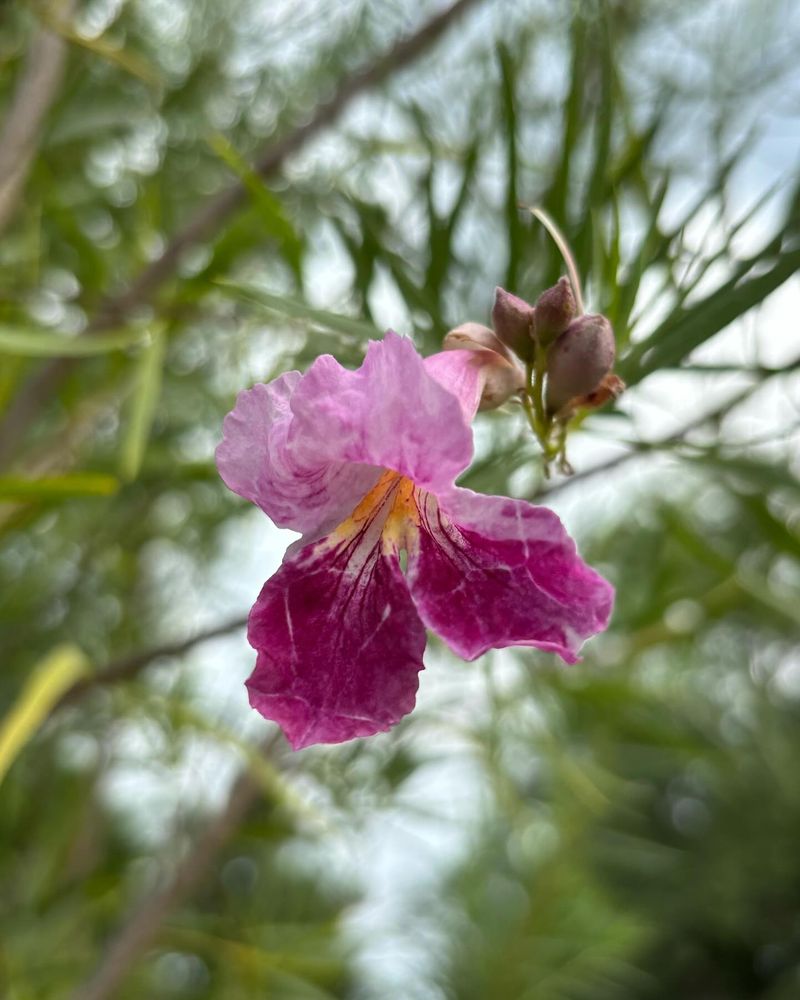
Those trumpet-shaped flowers are not putting on a show for people alone.
University of Arizona records note that hummingbirds and insects feed on desert willow nectar.
The Arizona-Sonora Desert Museum adds an important detail: large bees are major pollinators, while hummingbirds and other insects also visit the flowers.
That makes the tree useful across a long warm-season bloom window.
Arizona sources describe flowering from spring into late summer, with selected cultivars capable of extending the display into fall when moisture is available.
Monsoon rain can support another flush, though bloom intensity depends on the tree, irrigation, and weather.
Plant the tree where the activity is easy to enjoy.
A location visible from a patio or window gives you a front-row seat without placing chairs directly beneath the canopy. The open branching also makes visiting birds easier to spot.
Avoid spraying flowers with broad insecticides.
The tree’s wildlife value depends partly on the insects using it, and hummingbirds themselves also take small arthropods in addition to nectar.
No tree guarantees daily hummingbird traffic.
Nearby habitat, migration, resident bird populations, and competing flowers all matter.
Still, desert willow puts the right ingredients in place: tubular blooms, nectar, insect activity, and a long season.
That is a lot of wildlife value from a tree that also asks comparatively little water once its roots settle in.
Give The Airy Canopy Room To Develop
A five-gallon desert willow can look small enough to tuck beside a wall, but the mature canopy deserves more respect.
University of Arizona sources describe the species as a small tree or large shrub that can approach 20 to 30 feet, depending on the plant and growing conditions.
Many specimens develop several trunks and an open, spreading crown rather than one narrow central leader.
Give that form room.
Keep the tree away from rooflines, tight walkways, and places where mature branches would require constant clipping.
Also check overhead utility lines before planting. A low-water tree stops feeling low-maintenance once every branch needs an annual negotiation with the house.
Pruning should stay light during extreme summer heat.
University of Arizona August guidance recommends resisting heavier tree pruning until later in the year, and drought guidance warns that removing too much canopy during hot weather can expose previously shaded branches to sunscald.
At planting, concentrate on damaged or clearly defective growth rather than shaping the tree aggressively.
Later structural pruning can guide a multi-trunk tree, remove crossing branches, and create needed clearance while preserving the airy canopy.
Plan the mature footprint before the shovel hits the ground.
A tree with enough space can arch naturally, hold more flowering wood, and need fewer corrective cuts.
That is the version worth planting: purple flowers above, light shade below, and no yearly wrestling match beside the roof.