10 Native Arizona Shrubs That Block a Neighbor’s View Without Any Trimming
A neighbor’s window staring into your backyard can make your own patio feel like a stage. The good news is that the Sonoran Desert already grows shrubs that fill in thick, handle 110 degree summers, and sip very little water.
The ten natives below grow into living privacy walls on their own, so you can skip the hedge trimmer. Many of them also feed birds, bees, and butterflies while they block the view.
1. Arizona Rosewood
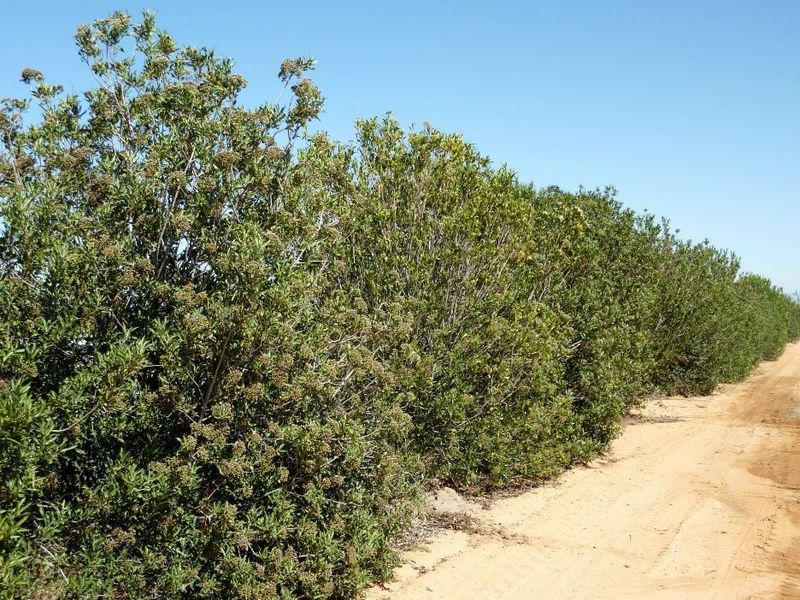
Picture a wall of glossy green that looks like someone spent all weekend shaping it, except nobody touched a pair of shears. Arizona rosewood naturally grows into a tidy upright form, reaching about 10 to 15 feet tall and up to 9 feet wide.
Its leathery, lance-shaped leaves stay on all year, so your privacy screen never takes a winter vacation.
Once established, rosewood handles Phoenix and Tucson heat with only occasional deep watering. It actually does better with a little neglect, since too much water can make it floppy.
Give it full sun or light afternoon shade and well-drained soil, and it settles in for the long haul.
In late spring, clusters of creamy white flowers show up at the branch tips. Bees and other pollinators swarm them, and small birds often tuck into the dense foliage for cover.
The growth rate is slow to moderate, so patience pays off here.
Plant in October or November so roots can grow through the mild months before summer hits. Space plants about 6 to 8 feet apart for a solid screen.
Fun fact: the name comes from the reddish wood, which reminded early settlers of true rosewood.
2. Quailbush
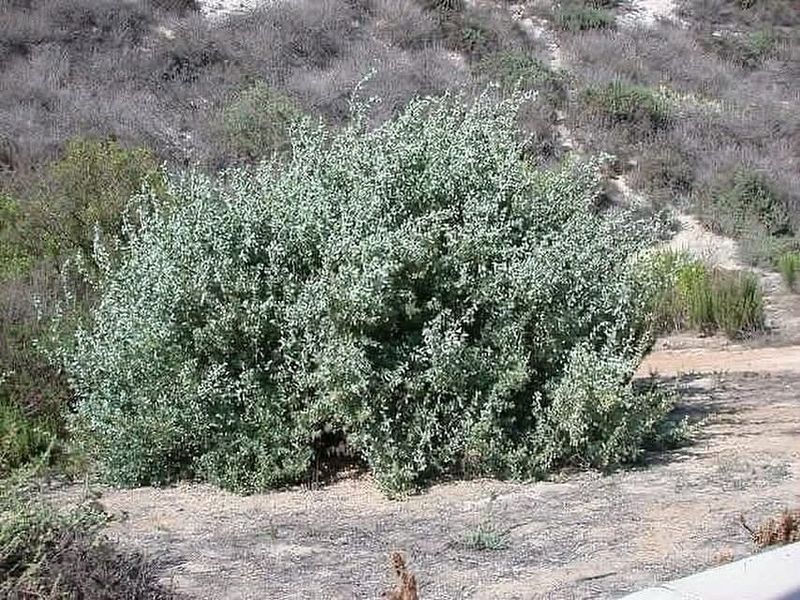
Want a screen that grows fast and asks for almost nothing? Quailbush is the sprinter of this list, often shooting up to 10 feet tall and just as wide in a few seasons.
Its silvery gray-green leaves form a thick, mounded mass that blocks sightlines from the ground up.
Toughness is where this saltbush really shines. It shrugs off poor soil, caliche, and even salty ground that would make most other plants sulk.
After the first year or two, many Arizona yards can stop supplemental water altogether, though a monthly summer soak keeps it looking fuller.
The name tells you who shows up. Gambel’s quail love to shelter and feed under its branches, and the dense cover also draws lizards and songbirds.
Roadrunners may patrol the edges hunting insects, lizards, and the occasional scorpion, which can make your yard a little less inviting to those unwanted guests.
Give quailbush plenty of room, since cramming it into a narrow side yard leads to a fight you will lose. Plant it along a back wall or property line where it can spread out naturally.
Male and female plants are separate, and the females produce small seeds that birds happily pick through.
3. Hopseed Bush
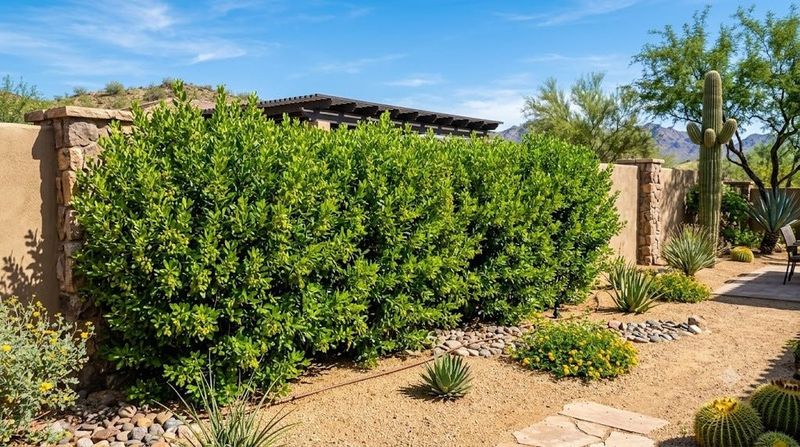
Some plants demand a gardener. Hopseed bush just needs a spot in the sun and a bit of room to stretch.
This evergreen native grows 10 to 15 feet tall with narrow, slightly sticky leaves that stay put all year.
Your Arizona Garden Changes Every Week. Your Plan Should Too.
Gardening in Arizona changes quickly throughout the season. Every Friday you’ll receive a simple weekly plan showing exactly what to plant, prune, fertilize, harvest, and protect so you never miss the right timing.
Left alone, it forms a soft, upright, informal hedge that fills in quickly. Many homeowners use it as a lower-effort swap for thirstier hedging plants like oleander.
It handles reflected heat from block walls and pavement surprisingly well, which makes it handy along driveways and side yards.
Water deeply every week or two during its first summer, then taper off. Established plants usually get by on a deep soak every few weeks in the hottest months.
Overwatering is the most common mistake, so resist the urge to baby it.
The real surprise comes in spring, when papery seed capsules appear in shades of tan, pink, or rosy purple. They look almost like tiny paper lanterns hanging from the branches.
Early brewers reportedly used the seeds as a hops substitute, which is how the plant got its name.
For a full screen, space plants about 5 to 6 feet apart. The green-leaved form tends to be tougher in low-desert heat than the purple-leaf types.
4. Fremont Barberry
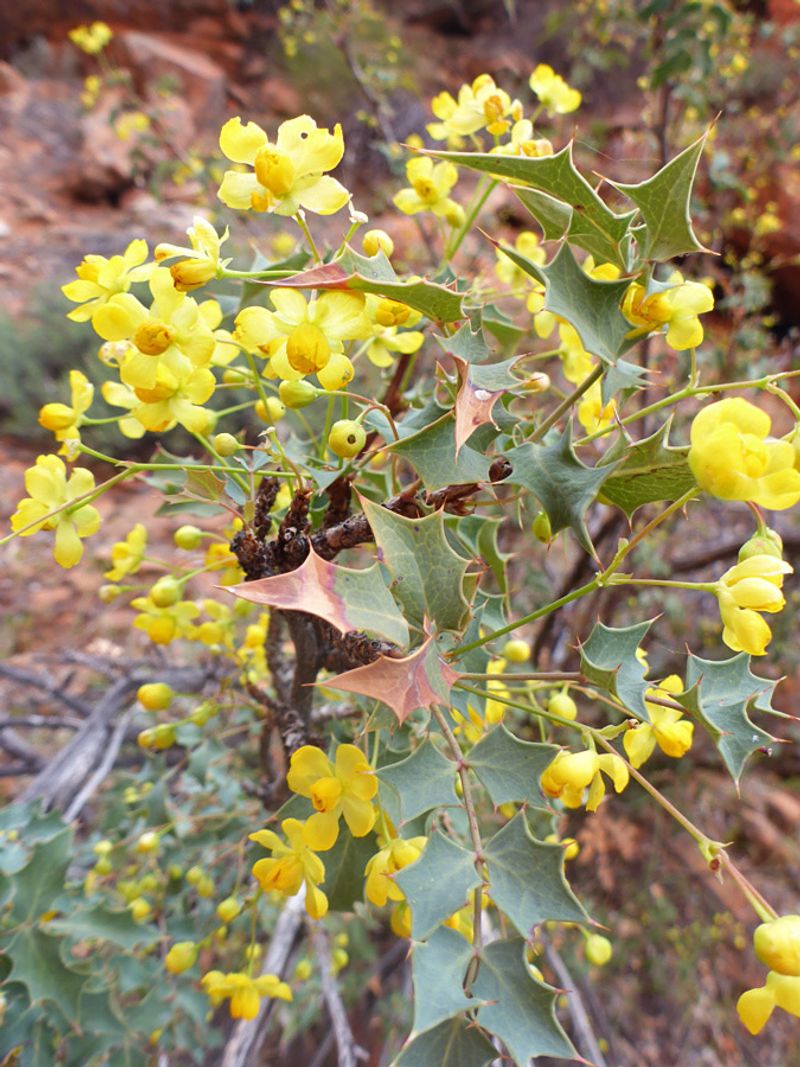
Think of Fremont barberry as the holly of the desert. Its blue-gray leaves are stiff and edged with sharp spines, so the shrub doubles as a living fence that people and pets rarely push through.
Mature plants often reach 6 to 12 feet tall with a dense, upright habit.
Unlike several natives on this list, it stays evergreen, keeping your view blocked right through winter. It grows at a slow to moderate pace and holds its shape without shearing.
In Tucson it usually handles full sun, while Phoenix gardeners may want a spot with some afternoon shade to soften the harshest July heat.
Spring brings bright yellow, sweetly scented flowers that bees adore. Those blooms turn into small bluish-purple berries that mockingbirds, thrashers, and other birds eagerly snack on.
The spiny foliage also gives small birds a safe perch away from hawks and neighborhood cats.
Plant in fall into well-drained soil, and avoid low spots where water pools. Deep watering every two to three weeks in summer is usually enough once it settles in.
Wear sturdy gloves when handling it, since those leaves bite back.
Quick bit of history: Native peoples used the bright yellow inner wood to make dye.
5. Jojoba
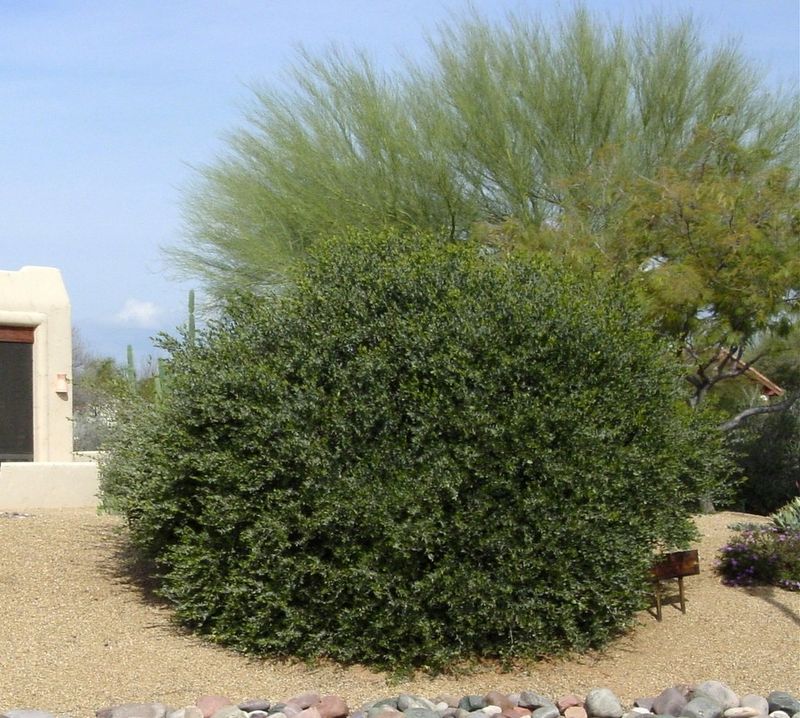
Here is a shrub that laughs at drought. Jojoba evolved across the Sonoran Desert, and once its deep roots settle in, it often needs no extra water at all.
Plants typically reach 6 to 10 feet tall and wide, forming a thick, rounded mound of leathery gray-green leaves.
Those leaves are clever. They point upward, edge-on to the sun, which helps the plant stay cooler during brutal summer afternoons.
Because the foliage holds on year-round, jojoba makes a dependable evergreen screen along a back fence or patio edge.
You may have seen jojoba oil in shampoo or skin lotion. That liquid wax comes from the acorn-like seeds, which grow only on female plants.
Squirrels, rabbits, and quail sometimes nibble the seeds, while the dense branches give small critters shade and shelter.
Growth is slow at first, so start with larger nursery containers if you want quicker coverage. Plant in fall, water deeply every week or two through the first summer, and then back off.
Too much water can actually shorten its life.
One more tip: set plants 5 to 6 feet apart for a continuous hedge. Buy several, since a mix of males and females gives you seeds for wildlife.
6. Sugar Bush
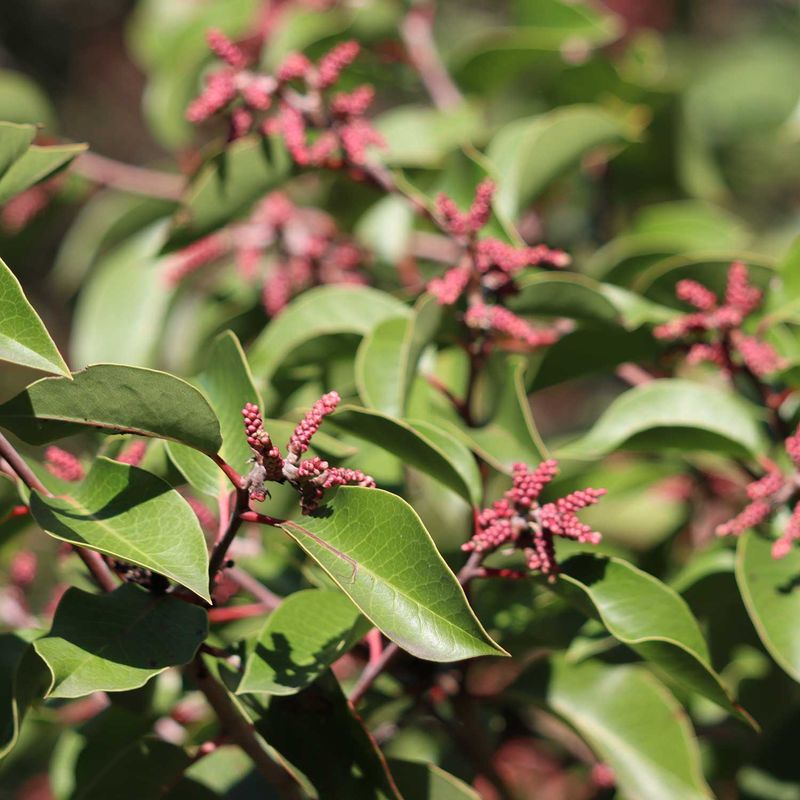
Glossy, almost waxy leaves give sugar bush a polished look that fools people into thinking it needs pampering. In reality, this rugged native from central Arizona’s chaparral country is about as low-fuss as they come.
It grows 8 to 12 feet tall and wide, building a rounded, dense screen that stays green all year.
The leaves fold slightly along the middle, like a taco shell, which helps them save moisture. Clusters of pink buds open into small whitish flowers in late winter and early spring.
Bees are often the first visitors of the season, making this a helpful early food source.
Later, sticky reddish berries form, coated in a sweet, tangy film. Native peoples reportedly soaked them to make a lemonade-like drink, which explains the name.
Birds also pick through the fruit clusters.
Sugar bush prefers good drainage and hates soggy roots, so skip heavy drip schedules. It tends to shine in Tucson and higher suburbs, while Phoenix yards should give it afternoon shade or an east-facing spot.
Once established, a deep drink every few weeks in summer keeps it happy.
Plant in October so roots develop before heat returns. Allow at least 8 feet of width per plant.
7. Desert Hackberry
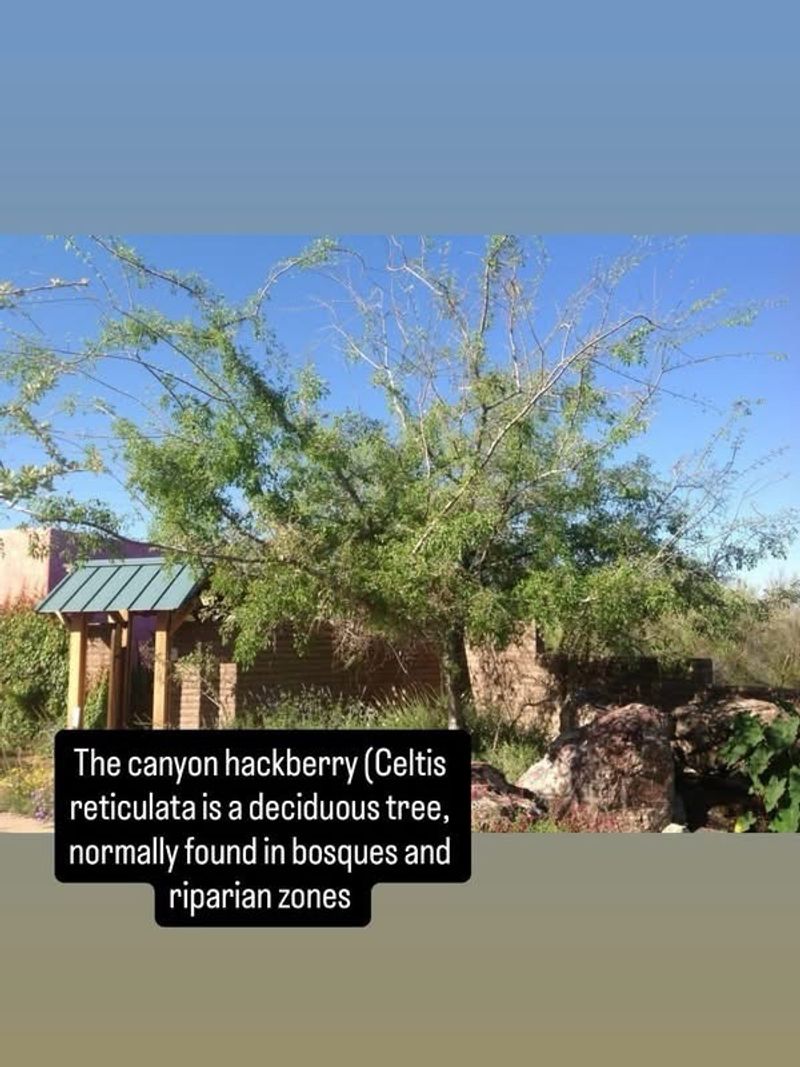
If you want a screen that says keep out without posting a sign, desert hackberry delivers. Its zigzag branches carry short thorns and knit together into a thicket so tight that most people give up trying to walk through.
Plants often reach 6 to 10 feet tall, and sometimes taller, with an equal spread.
Wildlife sees that tangle as a fortress. Quail, cactus wrens, and verdins duck inside to hide from hawks, and some build nests right in the middle.
Small orange berries ripen in late summer and fall, feeding birds, foxes, and other desert creatures.
A bonus for scorpion-weary homeowners: the birds and lizards drawn to hackberry thickets may help keep insect populations in check. It is not a guarantee, but a busy wildlife yard tends to be less inviting to pests.
Hackberry tolerates poor soil, reflected heat, and long dry stretches. It may drop some leaves in a hard freeze or severe drought, so think of it as semi-evergreen.
Deep watering once or twice a month in summer keeps foliage fuller.
Place it along a back property line rather than next to a pool or walkway. Plant during fall or early spring, and give each shrub room to sprawl.
8. Catclaw Acacia
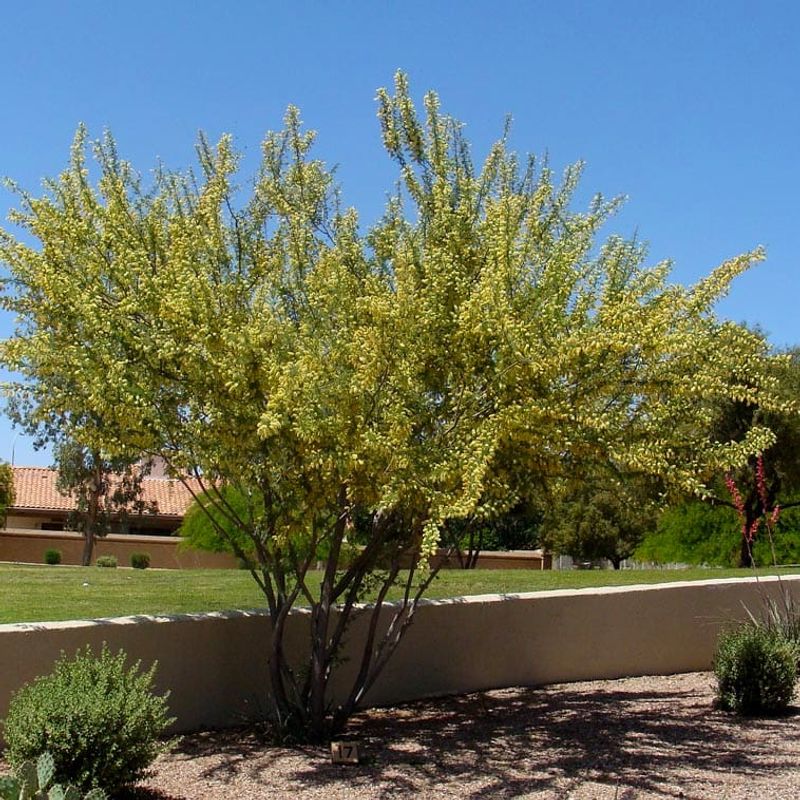
Hikers know this one by feel. Catclaw acacia earned its name from curved thorns that snag clothing like a kitten’s claws, and that same trait makes it one of the toughest security plantings in the desert.
Left unpruned, it grows into a dense, rounded canopy 10 to 20 feet tall.
Because it drops its leaves in winter, catclaw works best for summer privacy or when layered with an evergreen like jojoba. During the growing season, though, its fine, feathery foliage fills in thickly.
It thrives in rocky, poor soil and blasting sun where softer plants struggle.
Wildlife value is huge. Fuzzy, pale yellow flower spikes appear in spring and sometimes again after monsoon rains, drawing native bees in crowds.
Several butterflies, including some blues and hairstreaks, may lay eggs on the leaves, while birds nest safely among the thorny branches.
Water occasionally during the first year or two, then let nature take over. Established catclaw rarely needs anything beyond rainfall in most low-desert yards.
Pick its location carefully, far from paths, play areas, and gates. Once those thorns grow in, you will not want to reach inside to retrieve a stray ball.
Plant in fall and enjoy a hands-off screen for decades.
9. Wolfberry
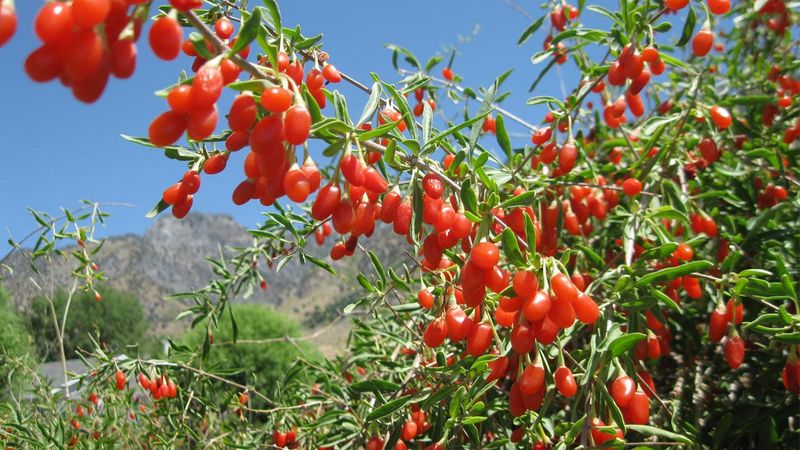
Tiny tubular flowers, bright red berries, and a buzz of wings all season long. Wolfberry might be the most underrated wildlife magnet in Arizona.
Several species grow wild here, including Anderson and Fremont wolfberry, and they form intricately branched shrubs about 6 to 10 feet tall and wide.
Those twiggy, often spiny stems pack together so densely that they block views even without heavy foliage. Nesting birds love the protection, and hummingbirds visit the pale lavender flowers in late winter and spring.
Bees and butterflies join in too.
Then come the berries. Small, glossy, and red, they are a favorite snack of thrashers, finches, and quail.
Some folks call these the desert’s own goji, since goji berries come from a close relative.
Wolfberry is drought deciduous, meaning it may drop leaves during dry spells or cold snaps and leaf out again with rain. For a year-round screen, pair it with an evergreen like hopseed or rosewood.
Occasional deep watering in summer keeps it greener longer.
Heat, alkaline soil, and caliche barely slow it down. Plant in fall along a fence line, then let it grow wild and watch the birds move in.
Many native plant nurseries carry it in 5-gallon pots.
10. Kidneywood
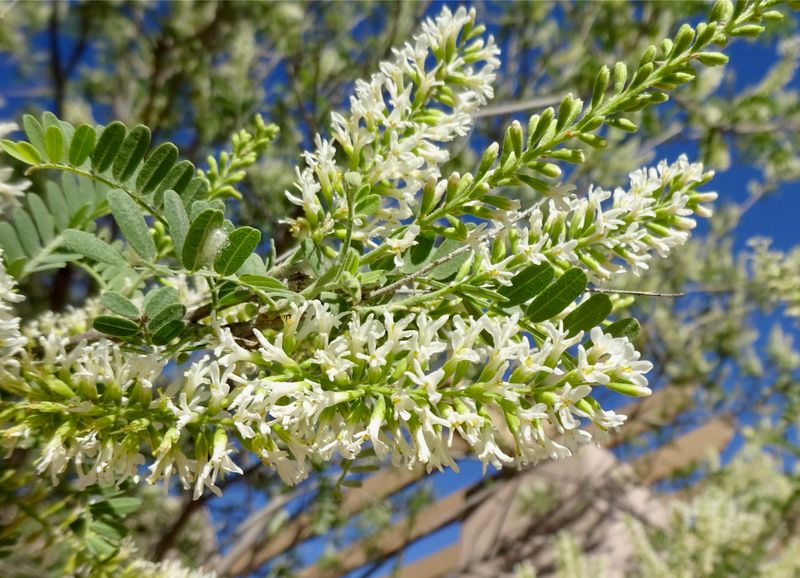
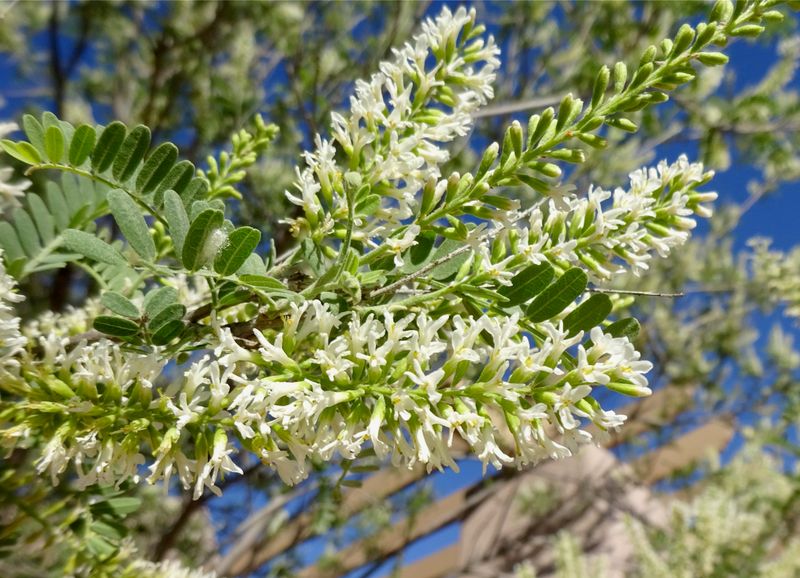
Most privacy shrubs are all business. Kidneywood brings a little romance, with fragrant spikes of tiny white flowers that perfume the yard on summer evenings.
It grows into a large shrub or small multi-trunk tree around 10 to 15 feet tall and 10 feet wide.
Blooms often appear after monsoon rains, right when many other plants look tired. Bees, butterflies, and other pollinators flock to them, and the plant may also host caterpillars of the southern dogface butterfly.
Watching the flowers hum with activity on a July morning feels like a small reward for surviving summer.
Kidneywood has no thorns and drops very little litter, so it plays nicely near patios and pools. The delicate, ferny leaves smell a bit like citrus when crushed.
It may lose leaves in a cold winter, so pair it with evergreen neighbors if you need total coverage.
Water deeply every two to three weeks in summer once established. Full sun suits it best, and it tolerates alkaline soils found across the Valley and Tucson basin.
Fun fact: the name comes from an old belief that the wood could help with kidney ailments. Plant in fall for a strong start next monsoon.