How To Bring Your Pennsylvania Christmas Cactus Back To Life
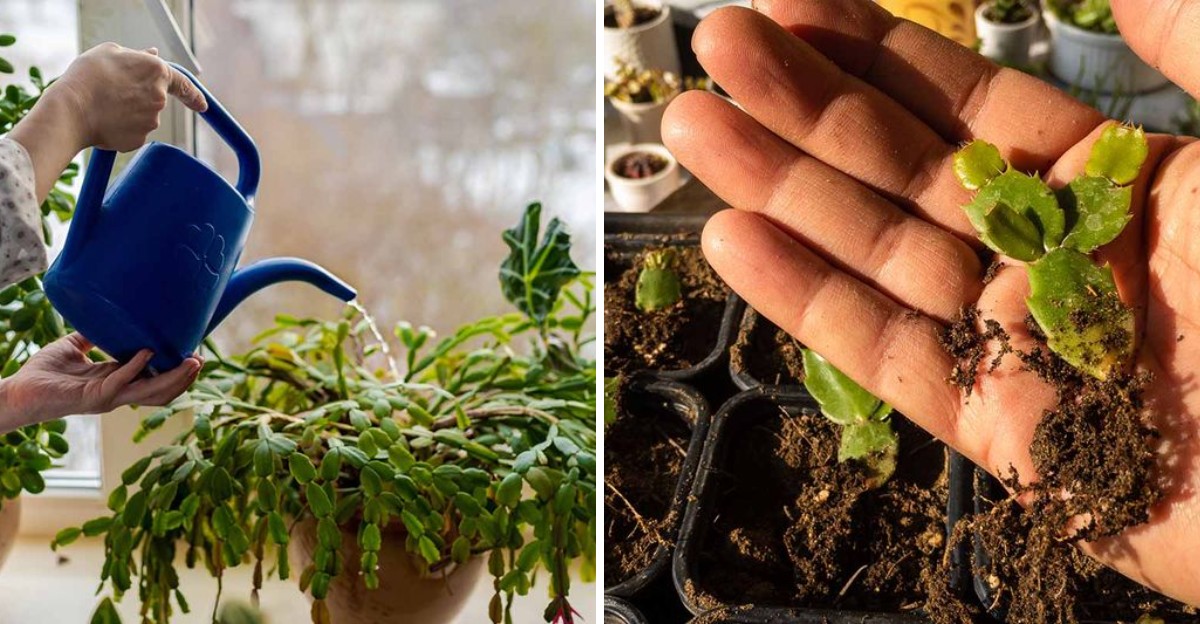
A weak Christmas cactus is one of the more common houseplant disappointments Pennsylvania homeowners deal with every fall.
These plants have a reputation for being easy, which makes it all the more frustrating when yours seems determined to prove otherwise.
Here’s the thing though. A struggling Christmas cactus is almost never beyond saving.
Most of the problems that cause these plants to underperform trace back to a handful of specific care habits that are easy to fix once you understand what this plant is actually asking for.
The right adjustments at the right time of year can turn a flat, unresponsive plant into one that blooms reliably and looks genuinely healthy through the winter months.
1. Check The Roots And Repot If Needed
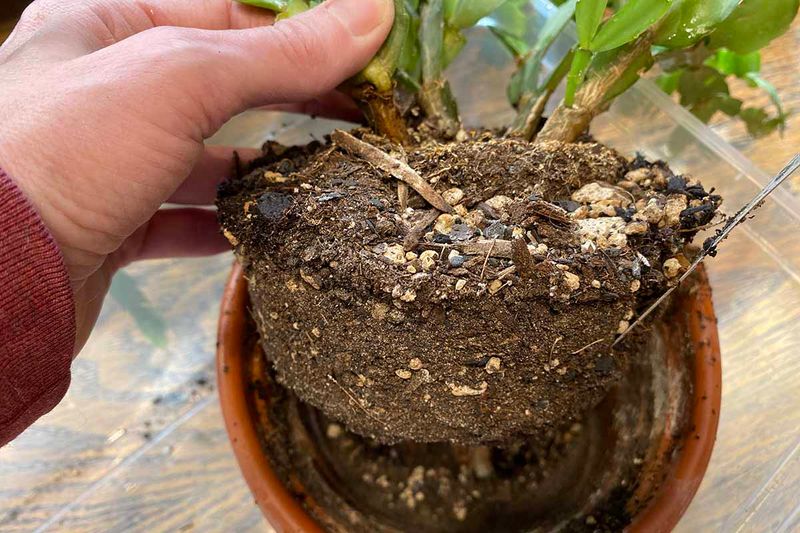
Think of the roots as your plant’s engine room. If something goes wrong down there, the whole plant shows it, even when the soil looks fine on top.
Start by tipping the pot sideways and gently sliding the plant out. Healthy roots are white or light tan and feel firm, a bit like cooked spaghetti that still has some bite. Roots that look brown, feel mushy, or smell sour are a sign of root rot.
Root rot happens when roots sit in soggy soil for too long and cannot get air. Grab a clean pair of scissors and wipe the blades with rubbing alcohol first. Snip off every soft or dark root until only healthy tissue remains.
Next, shake off as much of the old soil as you can. Old mix can hold on to fungus and bacteria, so it is best to start fresh. Toss it in the trash rather than your garden.
For new soil, pick a cactus or succulent blend. Mix in a few handfuls of perlite or orchid bark to make it even lighter and airier.
In the wild, these plants actually grow in tree branches and rocky spots, so they love loose, chunky soil.
Choose a pot with drainage holes, and go only one size bigger than the root ball. A pot that is too large holds extra water, which can bring rot right back. Terra cotta works well because it lets moisture escape through its walls.
After repotting, wait about a week before watering. That short break gives any trimmed roots time to heal and seal over.
2. Fix Your Watering Routine
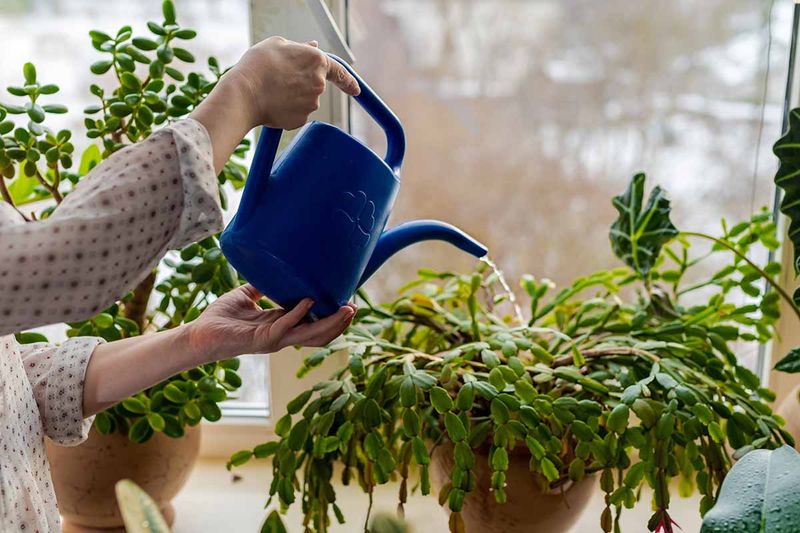
Here is a fun surprise: your Christmas cactus is not really a desert plant at all. It comes from the cool, misty mountain forests of southeastern Brazil, where it grows on tree branches and mossy rocks.
That means it needs more regular moisture than the spiky cacti you see in cowboy movies.
Still, more water is not always better. Soggy soil is the number one reason these plants go downhill. Roots need both water and air, and a waterlogged pot takes away the air.
So how do you know when to water? Simply poke your finger into the soil up to your first knuckle. If the top inch feels dry, it is time to water, and if it still feels damp, wait a few more days.
Your Pennsylvania Garden Changes Every Week. Your Plan Should Too.
Gardening in Pennsylvania changes quickly throughout the season. Every Friday you’ll receive a simple weekly plan showing exactly what to plant, prune, fertilize, harvest, and protect so you never miss the right timing.
When you do water, give the plant a good, deep drink. Pour slowly until water runs out of the drainage holes at the bottom. Then let the pot drain in the sink for ten or fifteen minutes.
Never let the pot sit in a saucer full of water. Dump any extra water after a few minutes. Standing water acts like a swamp around the roots.
Your schedule will change with the seasons. During summer, you might water every week, while in winter, it might be every two or three weeks. Pennsylvania homes vary a lot, so trust the finger test over the calendar.
Watch the leaves for clues, too. Wrinkled, thin segments often mean the plant is thirsty, while limp, yellow, or see-through segments usually point to too much water. Room temperature water is best, since icy tap water can shock the roots.
3. Give It Bright, Indirect Light
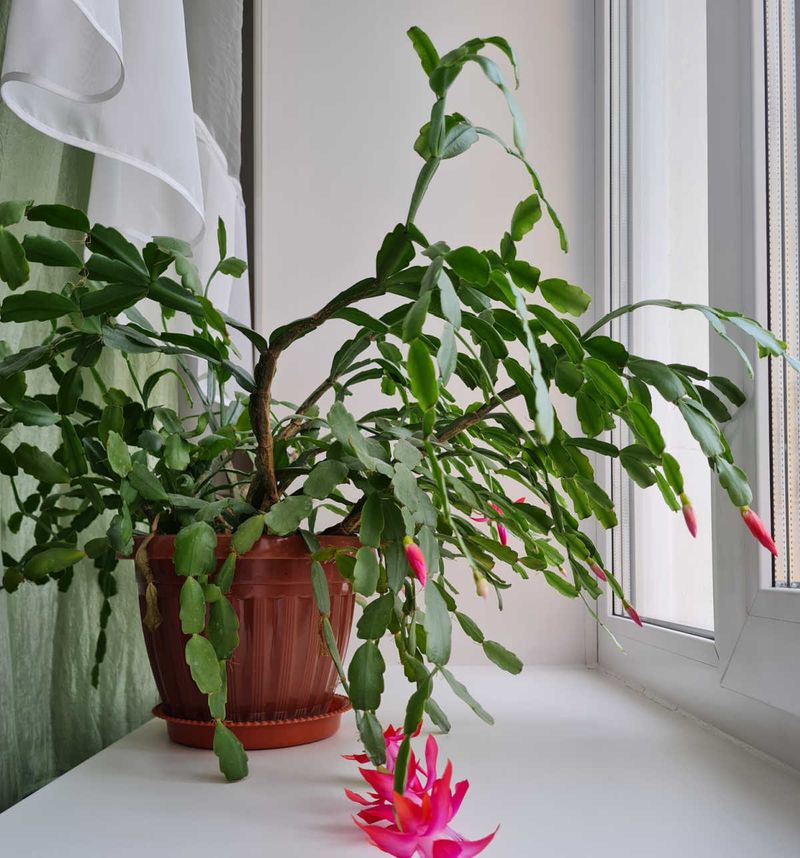
Picture a cozy spot on a forest floor, with sunlight filtering down through a canopy of leaves.
That soft, dappled glow is exactly what your Christmas cactus grew up with in Brazil. Your job is to recreate that feeling inside your home.
Bright, indirect light is the goal. An east-facing window is often perfect because it gets gentle morning sun and then stays bright but mild the rest of the day. A north-facing window can also work, though growth may be a little slower.
South and west windows get much stronger sun, especially in the afternoon. If that is your only option, set the plant a few feet back from the glass. A sheer curtain can also soften the rays nicely.
Wondering if your plant is getting too much sun? Look at the color of the segments. A reddish or purple tint, or pale, bleached patches, usually means the light is too harsh.
Too little light causes a different set of problems. The plant may look stretched out, thin, and floppy, and it might refuse to bloom at all. Dim corners and rooms far from windows are not a good match.
Pennsylvania winters bring short days and plenty of cloudy skies. During those months, moving your plant closer to a window can help it soak up whatever light is available. A small LED grow light on a timer is another easy fix for darker homes.
Give the pot a quarter turn every week or two. That way, every side gets its fair share of light, and the plant grows full and even instead of leaning toward the window.
4. Protect It From Drafts And Dry Indoor Heat
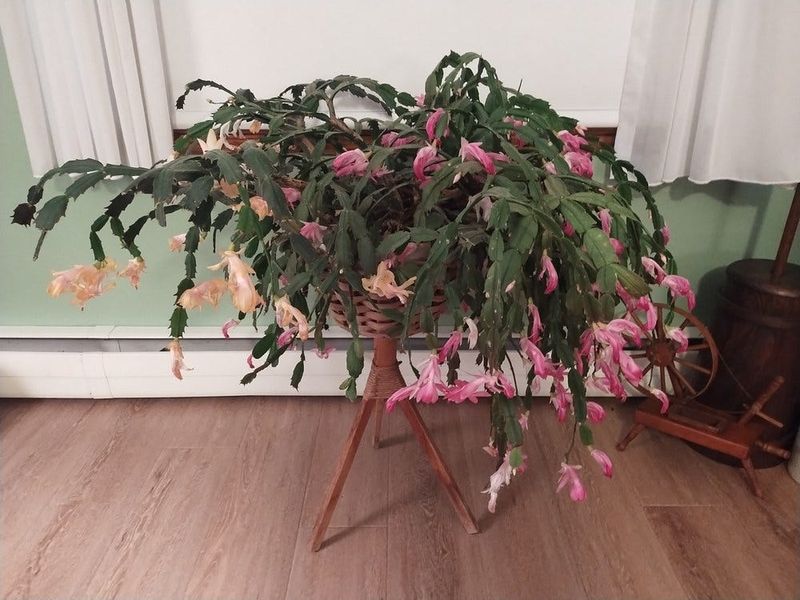
Anyone who has lived through a January in Scranton or Pittsburgh knows how harsh our winters can be. Your Christmas cactus feels it too, even inside.
Cold air sneaks in around windows and doors, while the furnace pumps out hot, dry air that can drop indoor humidity below 30 percent.
For a tropical plant that loves moist forest air, those conditions are a real struggle. Signs of stress include shriveled segments, brown tips, and flower buds that fall off before opening. Luckily, a few quick moves can make a big difference.
First, check where your plant is sitting. Keep it away from heat vents, radiators, space heaters, and fireplaces. Hot, blowing air dries out the leaves and soil very fast.
Next, watch out for chilly drafts. Front doors that open often, leaky old windows, and cold glass panes can all shock the plant.
If the leaves touch a frosty window at night, they can get damaged, so leave a few inches of space.
Now, let’s talk about humidity. A pebble tray is an easy and cheap trick. Fill a shallow tray with small stones, add water just below the top of the pebbles, and set the pot on top.
As the water evaporates, it creates a little bubble of moist air around the plant. Grouping several houseplants together works in a similar way, since plants release moisture through their leaves.
A small room humidifier helps too, and your skin will thank you as well. Bathrooms and kitchens are often more humid than other rooms. If one has a bright window, it might become your plant’s favorite winter home.
5. Feed It During The Growing Season
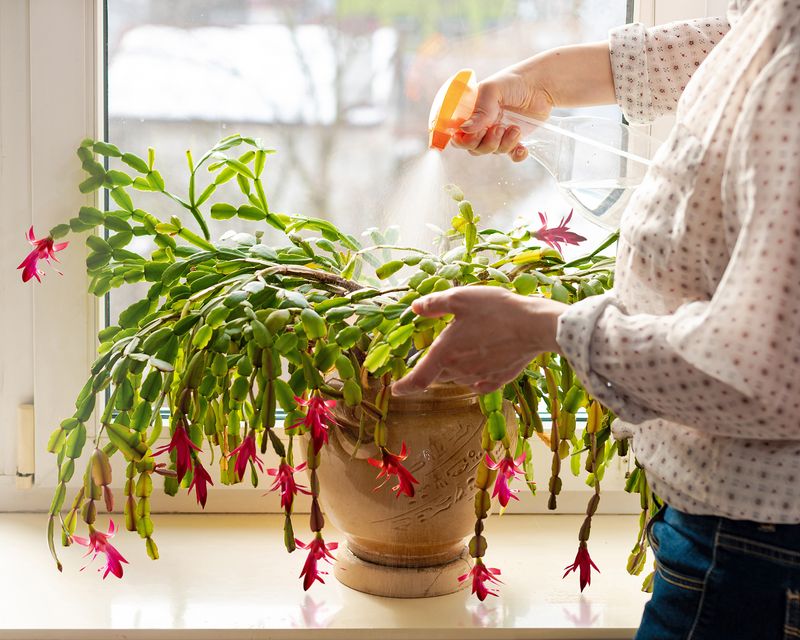
Once your plant starts perking up, it is ready for a snack. Fertilizer gives a recovering Christmas cactus the nutrients it needs to push out fresh, green segments. Think of it like vitamins after getting over a cold.
Timing matters a lot here. The best time to feed is from spring through summer, when the plant is actively growing.
In Pennsylvania, that usually means starting around April, once the days get longer and brighter.
Pick a balanced houseplant fertilizer, such as a 10-10-10 or 20-20-20 formula. Those numbers stand for nitrogen, phosphorus, and potassium, which help with leaves, roots, and flowers. Mix it at half the strength listed on the label.
Why only half? A plant that has been struggling has tender roots that can burn from too much fertilizer. Going light keeps things safe while still giving a helpful boost.
Feed about once a month, and always water the soil first. Adding fertilizer to bone-dry soil can harm the roots. Then pour the diluted mix evenly over the soil, not the leaves.
Some growers also add a pinch of Epsom salt once a month, since Christmas cactus seems to like a little extra magnesium.
Dissolve about one teaspoon in a gallon of water, and use it in place of a regular watering, not on the same day as fertilizer. Skip this step if your water is already hard.
Stop feeding in early fall, around late August or September. At that point, the plant needs to shift its energy away from leaves and toward making flower buds. Resting from fertilizer helps signal that bloom season is coming.
6. Start New Plants From Healthy Segments
Sometimes a plant is simply too far gone to save as a whole. Maybe root rot spread too far, or most of the stems turned limp and yellow.
Don’t lose hope, because a few healthy pieces can give you a brand-new plant with the very same history.
Christmas cactus is one of the easiest plants to propagate, which is a fancy word for growing new plants from old ones.
Many of the heirloom plants passed around Pennsylvania families started exactly this way. A cutting from Grandma’s plant can keep going for generations.
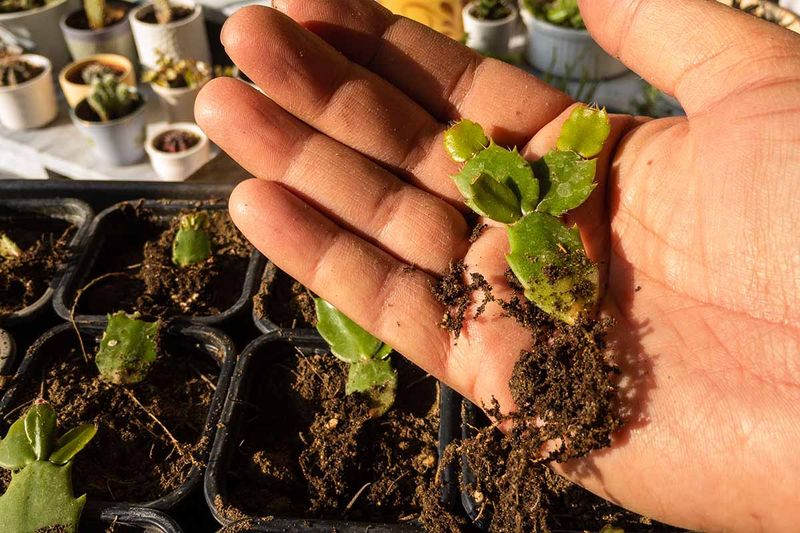
Start by looking for firm, plump, green segments. Gently twist off a piece that has two or three segments linked together. Twisting at the joint works better than cutting through the middle of a segment.
Next, set your cuttings on a paper towel in a dry spot for a day or two. The broken ends will form a callus, which is a dry little seal. That seal helps stop rot once the cutting goes into soil.
Fill a small pot with moist cactus mix or regular potting mix blended with perlite. Push the bottom segment about half an inch to an inch into the soil so the cutting stands upright. Planting several cuttings in one pot makes a fuller plant faster.
Place the pot in bright, indirect light and keep the soil lightly moist but never soggy. Some people cover the pot loosely with a clear plastic bag to hold in humidity. Just open it every few days to let fresh air in.
Within three to eight weeks, roots usually begin to form. A gentle tug that meets resistance means your cuttings have rooted.
Fresh growth at the tips is another happy sign. Extra cuttings make wonderful holiday gifts for friends and neighbors, too.
7. Trigger New Blooms With Cool Nights And Long Darkness
Did you know your Christmas cactus actually checks the calendar? Well, sort of. It senses the longer nights and cooler air of fall, and those two signals tell it to start making flower buds.
To copy nature, start in early fall, around mid to late September. For about six weeks, your plant needs 12 to 14 hours of complete darkness every night. Even a quick flip of a lamp can reset its internal clock and delay blooming.
A spare bedroom that nobody uses at night works well. You can also move the plant into a closet each evening and bring it back out in the morning. Some people simply cover it with a cardboard box from about 6 p.m. to 8 a.m.
Cool temperatures help seal the deal. Aim for nights between 50 and 60°F. A chilly sunroom, an enclosed porch, or a cool basement room near a window can be perfect, and Pennsylvania falls make this step pretty easy.
During this time, water a little less than usual, letting the soil dry out a bit more between drinks. Keep skipping fertilizer as well. You’re basically telling the plant to rest and get ready.
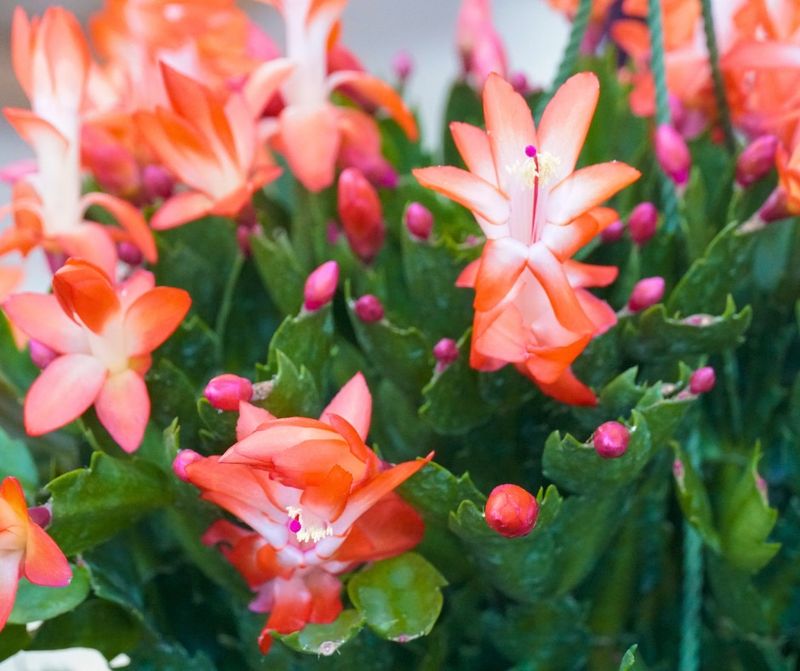
Soon, tiny pink or red bumps will appear at the tips of the segments. Once you spot them, stop moving the plant around. Sudden changes in light, temperature, or location can make buds drop off before they open.
Keep watering gently and steadily, and try not to let the soil get bone dry. In a few weeks, you should be rewarded with a burst of bright, beautiful blooms, just in time for the holidays.