Edible Pennsylvania Shrubs Homeowners Are Planting Instead Of Boxwood
Boxwood has been the default foundation shrub in Pennsylvania for so long that most homeowners plant it without seriously considering whether anything better exists.
It’s tidy, it stays green year round, and it fits neatly into every conventional landscape plan. It’s also ecologically inert, increasingly vulnerable to boxwood blight, and produces nothing that any person or animal can eat or use.
A quiet shift is happening in Pennsylvania yards.
Homeowners who want structure and evergreen presence are discovering native and edible shrubs that deliver all of that.
They’re also producing fruit worth harvesting, supporting local wildlife generously, and contributing something real to the landscape beyond simply occupying space.
1. Highbush Blueberry, The Breakfast Hedge
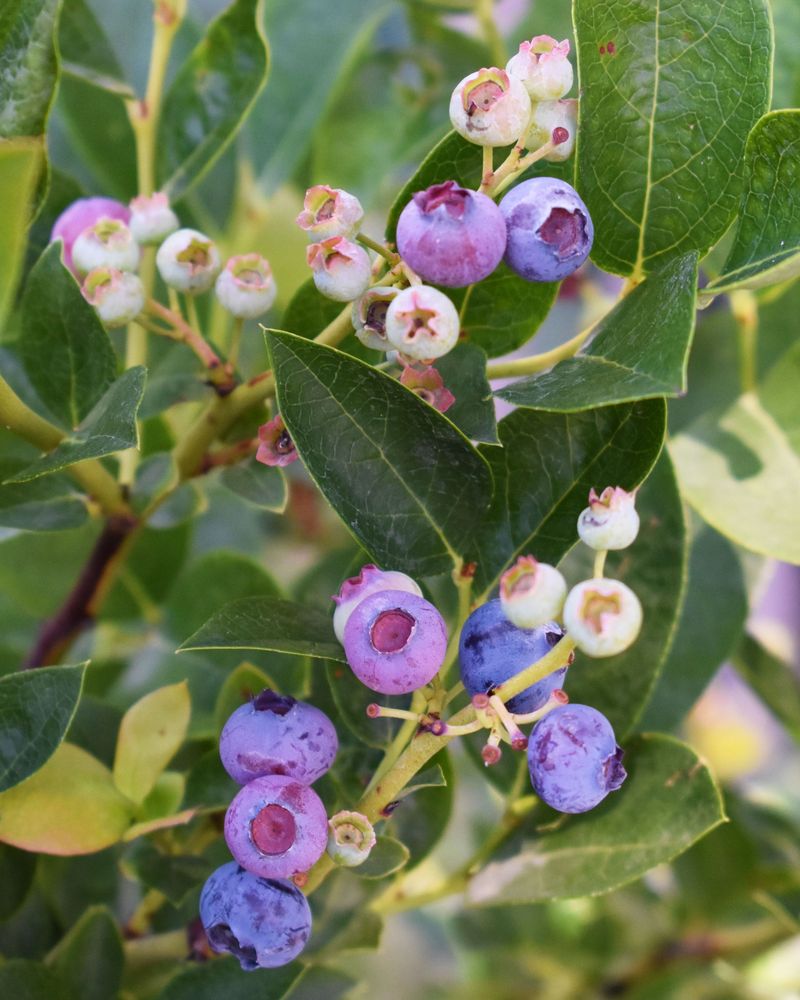
Picture stepping outside with a cereal bowl and filling it from your front hedge. That little morning ritual is why so many Pennsylvania families now choose highbush blueberry over boxwood.
The plant is native to the eastern United States, so it feels right at home in our hills and valleys.
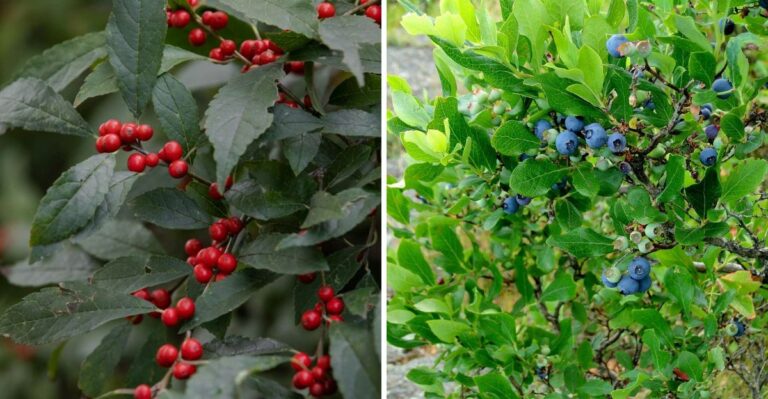
Blueberries grow about five to six feet tall and wide. That size makes them a great fit for foundation beds, property lines, or a loose hedge along a walkway. In spring, they cover themselves in tiny white bells that bees adore.
Soil is the big secret. Blueberries crave acidic ground with a pH between 4.5 and 5.5, which is lower than most Pennsylvania yards.
A simple soil test from Penn State Extension will tell you where you stand, and garden sulfur can lower the number over time.
Plant at least two different varieties close together. Cross-pollination gives you bigger berries and heavier harvests.
Good picks for our state include Bluecrop, Blueray, Duke, and Patriot, which handle cold winters with ease.
Mulch is your best friend here. Spread two to four inches of pine bark or wood chips around the base to hold moisture and keep roots cool. Blueberry roots sit close to the surface, so avoid digging nearby.
Birds will want a share. Draping light netting over the bushes in late June protects your crop without much fuss. Come fall, the leaves turn a fiery red that looks far more exciting than any green boxwood ever could.
Pruning is simple. In late winter, snip out the oldest, grayest canes to make room for fresh growth. A healthy bush can keep producing for 40 years or more.
2. Aronia, The Tart Little Powerhouse
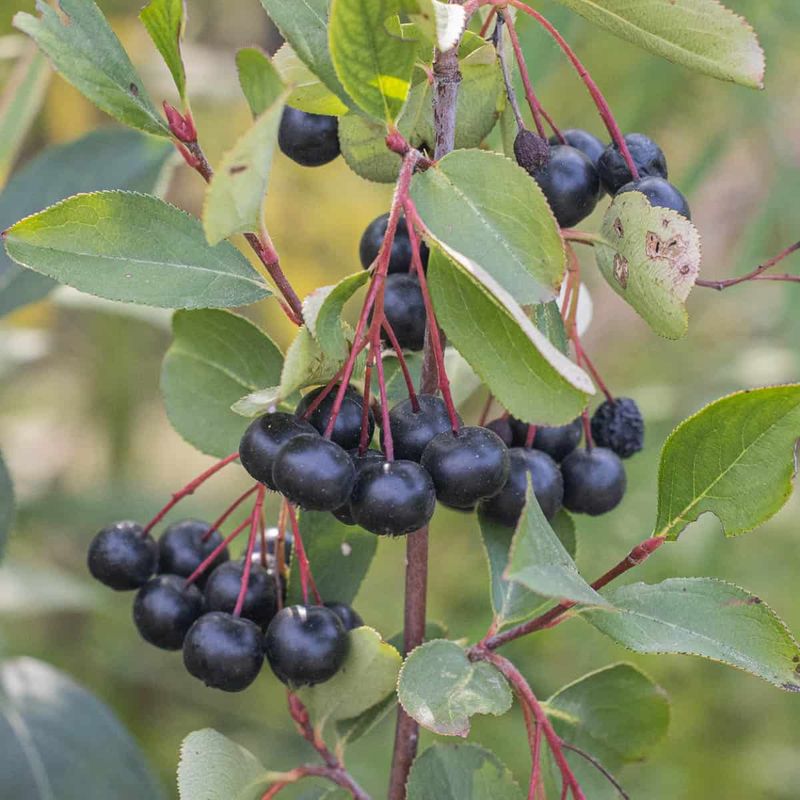
Don’t let the name scare you off. Black chokeberry, often sold as aronia, got its nickname because the raw berries are so tart they make your mouth pucker.
Cook them into jam, juice, or a smoothie, though, and you’ve got one of the most nutrient-packed fruits on the planet.
Aronia is a true Pennsylvania native. You can find it growing wild in wet meadows and along forest edges across the state.
That background means it shrugs off cold winters, clay soil, and soggy spots that would sink a boxwood.
Most plants reach three to six feet tall. Compact types like Low Scape Mound stay under two feet, which makes them a smart swap for low boxwood edging. Taller types like Viking and Nero are bred for bigger berries.
Your Pennsylvania Garden Changes Every Week. Your Plan Should Too.
Gardening in Pennsylvania changes quickly throughout the season. Every Friday you’ll receive a simple weekly plan showing exactly what to plant, prune, fertilize, harvest, and protect so you never miss the right timing.
The show changes with every season. White flower clusters open in May, glossy berries ripen in late summer, and the leaves blaze orange and scarlet in October. Few shrubs pack that much color into one small space.
Care is refreshingly easy. Aronia grows in full sun or part shade and rarely needs spraying. Deer tend to leave it alone more than other fruiting shrubs, although hungry herds may still take a nibble.
Harvest when the berries are deep purple-black and slightly soft. Many growers wait a week or two after they first color up, since the flavor sweetens a bit. Freeze them in bags, and you’ll have smoothie boosters all winter.
Fun fact: aronia berries contain more antioxidants than blueberries or cranberries. Native Americans used them in pemmican, a trail food made with dried meat and fat. Your garden could carry on that tasty tradition right by the front steps.
3. Serviceberry, A Spring Classic With Sweet Rewards
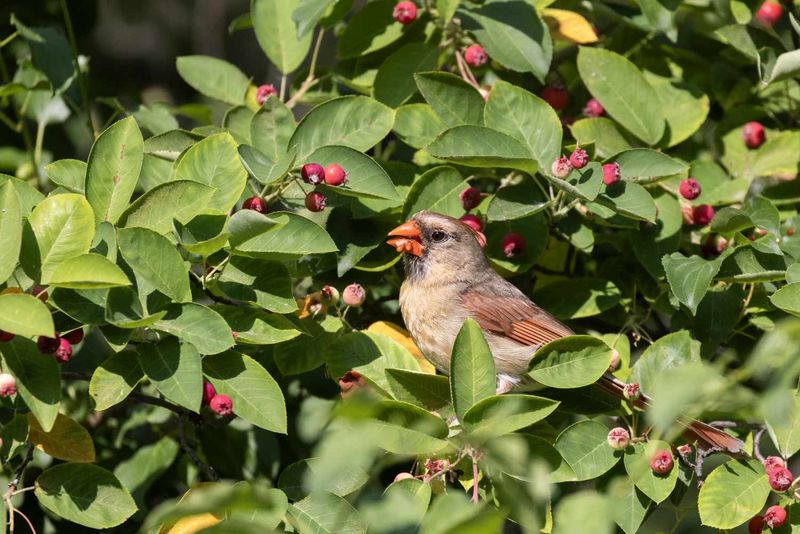
Old-timers in Pennsylvania have a sweet story about serviceberry. Its white blooms appeared in early spring, right when muddy mountain roads dried out enough for traveling preachers to hold church services again.
Whether the tale is true or not, the name stuck, and so did the love for this plant. You may also hear it called juneberry or shadbush.
The berries ripen in June and taste like a blend of blueberry and almond. Kids tend to eat them straight off the branch before they ever reach the kitchen.
Several kinds grow wild in our state. For a hedge or foundation planting, look for shrubby types like Canadian serviceberry or running serviceberry. They stay between six and twelve feet tall, and some spread slowly into a pretty thicket.
Serviceberry is one of the first shrubs to flower each year. Those early blossoms feed hungry native bees waking up from winter. Later, the fruit draws cedar waxwings, robins, and bluebirds, so keep a pair of binoculars handy.
Planting is easy in most yards. Choose a spot with full sun to part shade and soil that drains well. Water deeply once a week during the first summer while roots settle in.
If you want a neat look, prune right after the fruit is picked. Remove crossing branches and any suckers you don’t want. Otherwise, you can let it grow in its natural, airy shape.
Fall brings one more gift. Leaves glow in shades of apricot, gold, and red before dropping. Even in winter, the smooth gray bark adds quiet beauty to a bare landscape, reminding you that summer berries will return.
4. Elderberry, The Fast-Growing Syrup Star
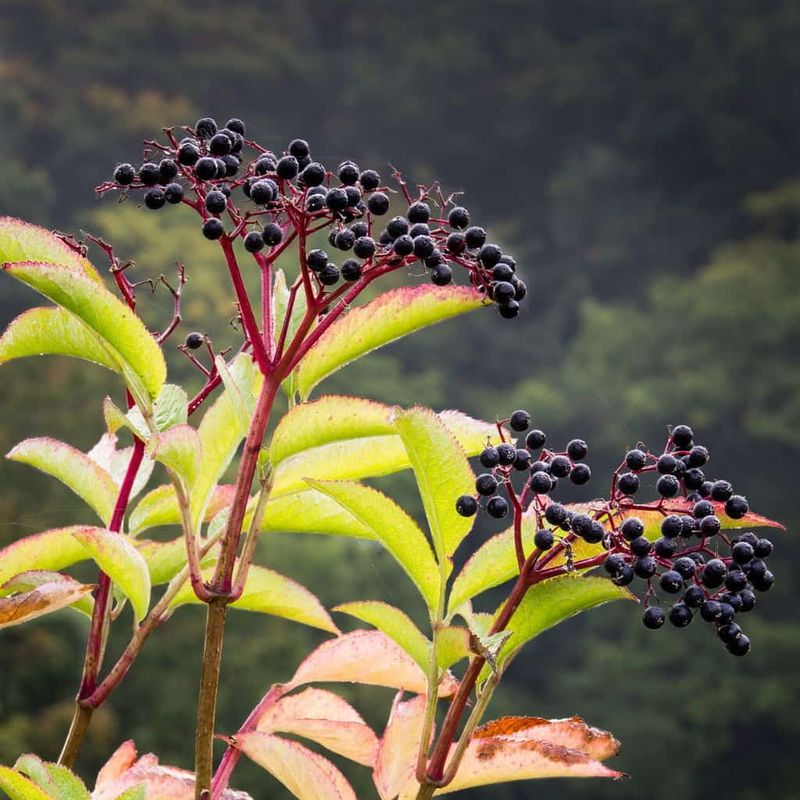
Grandma’s elderberry syrup might be the most famous cold-season remedy in Pennsylvania kitchens.
Now more homeowners are growing the source right in their own backyards. American elderberry is native here and grows fast, often reaching full size in just two or three seasons.
Expect a big, bold shrub. Most plants hit six to ten feet tall, with arching stems and lacy leaves. In June, huge flat clusters of creamy flowers appear, and they can be dipped in batter and fried into fritters.
By late August, those flowers turn into heavy bunches of tiny dark purple berries. Always cook them before eating.
Raw berries, stems, and leaves can upset your stomach, but cooking makes the fruit safe for syrup, jelly, and pie.
Elderberry loves moisture. It thrives in rain gardens, low spots, and along ditches where water collects after storms. Give it full sun for the best harvest, although it will grow in partial shade.
Pair two different varieties for better fruiting. Adams, York, and Bob Gordon are reliable choices for our climate. For a showy option, Black Lace offers dark purple leaves and pink blooms that look amazing near a patio.
Because it grows so quickly, elderberry works well as a screen between neighbors. It will not stay tight and formal like boxwood. Think of it as a relaxed, cottage-style hedge instead.
Pruning keeps it tidy and productive. Each spring, cut out canes older than three years at ground level. Younger stems produce the most fruit, so this simple chore pays off with bigger harvests.
Pollinators and songbirds flock to the plant, too. You’ll be sharing, but there’s usually plenty for everyone.
5. American Hazelnut, A Hedge That Grows Snacks
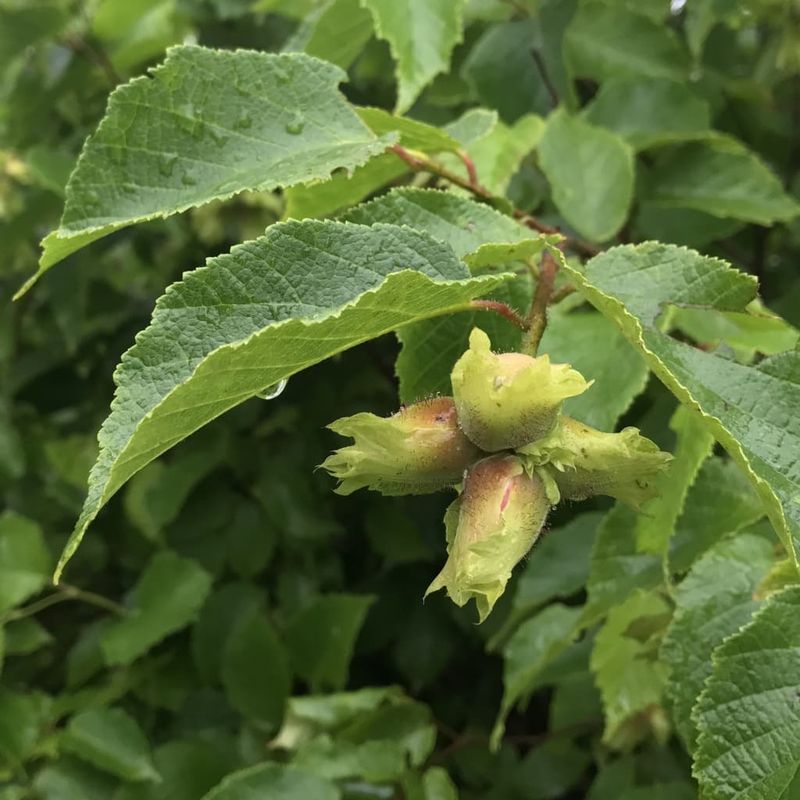
Who says a hedge can’t grow snacks for your holiday cookie tray? American hazelnut, sometimes called filbert, produces small, sweet nuts that taste like a richer version of the store-bought kind. It grows wild in thickets all over Pennsylvania.
The shrub usually reaches eight to twelve feet tall and spreads by underground runners. That habit makes it perfect for a living privacy screen or a windbreak along the back of a property. Plant them about four to six feet apart for a dense hedge.
Winter is when hazelnut surprises people. Long, dangling catkins appear in late winter and sway in the breeze like golden tassels. Those catkins are the male flowers, and they release pollen to tiny red female blooms nearby.
Nuts form inside frilly green husks during summer. Pick them in late August or early September, as soon as the husks start turning brown. Wait too long, and squirrels and blue jays will beat you to every single one.
Dry the nuts in a warm, airy spot for a few weeks. Then crack them open and toast them in the oven. They’re delicious in brownies, salads, or homemade chocolate spread.
Hazelnut is tough and forgiving. It handles clay, sandy soil, and dry spells once established. Full sun gives you the most nuts, but it will grow in light shade under taller trees.
Plant at least two shrubs for good pollination. Some nurseries sell hybrid hazelnuts, crosses between American and European types, that give larger nuts while resisting eastern filbert blight, a fungus common in our region.
Wildlife love it as much as people do. Turkeys, deer, and chipmunks all visit.
6. Spicebush, The Shade Lover With A Secret Flavor
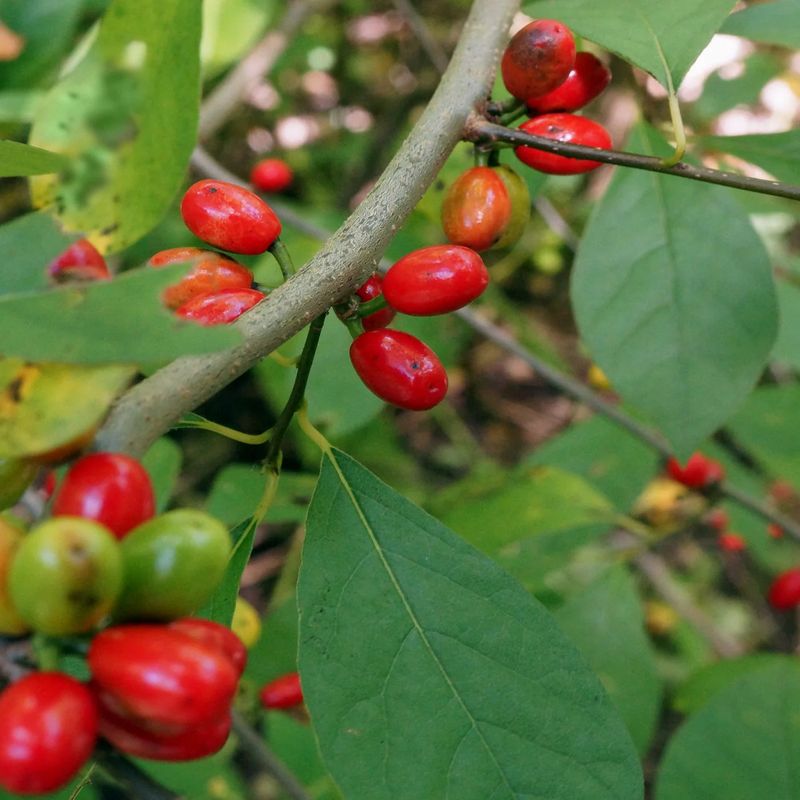
Scratch a twig of spicebush and take a sniff. You’ll catch a sharp, lemony, peppery scent that explains how the plant got its name.
Early settlers in Pennsylvania dried the berries and ground them as a swap for allspice during the Revolutionary War.
Here’s the best news for shady yards. Spicebush actually prefers part shade, which makes it a rare fruiting shrub for spots under tall oaks and maples. That’s exactly the kind of location where many people once tucked boxwoods.
Plants grow six to twelve feet tall with a rounded shape. In March, before most shrubs wake up, clusters of tiny yellow flowers cover the bare stems. It’s like a soft glow of sunshine in the gray days of early spring.
Only female plants make berries, so plant a few together to be sure you get both kinds. By September, the females carry shiny, bright red fruit. Pick them, dry them, and grind them to season pumpkin bread, apple pie, or spice rubs.
The leaves are useful, too. Steep a handful in hot water for a mild, fragrant tea. Some foragers also simmer the young twigs for a cozy winter drink.
Butterfly fans have another reason to plant it. Spicebush is a host plant for the spicebush swallowtail, a big black and blue butterfly.
Its caterpillars look like tiny green snakes with fake eyes, which scare away hungry birds. Care couldn’t be simpler. Give it moist, rich soil and a layer of leaf mulch.
Deer usually skip it thanks to the strong scent, and pests are rare. In fall, the leaves turn a buttery yellow that brightens any woodland corner.
7. Nanking Cherry, Quick Fruit And A Pink Spring Show
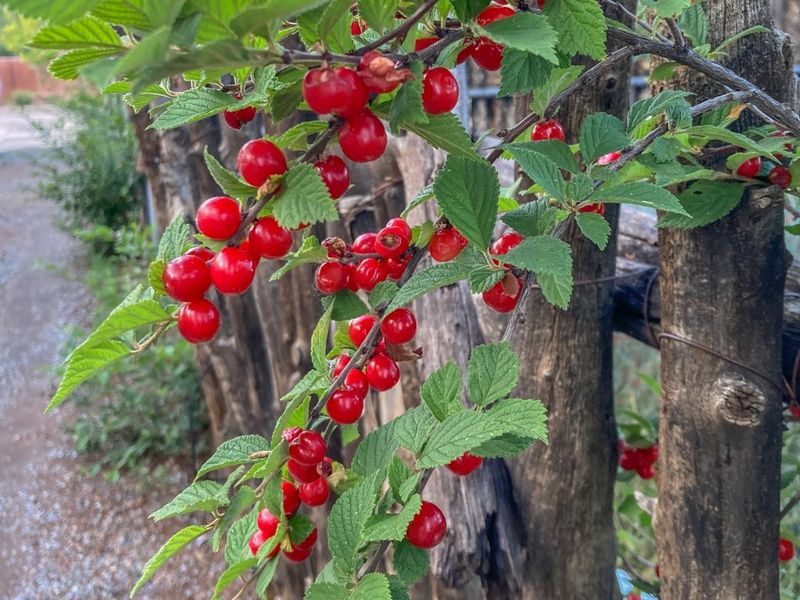
Few shrubs bloom as early or as boldly as Nanking cherry. In April, every branch disappears under a cloud of pale pink and white flowers. Neighbors often stop on the sidewalk just to take a photo.
Originally from China, this bush cherry has been grown in American gardens for over a century.
It stays around six to ten feet tall and wide, with a dense, twiggy shape. Planted in a row, it forms a thick hedge that can be trimmed after fruiting.
Small, bright red cherries ripen in early July. They’re about the size of a marble and taste sweet-tart, a lot like a sour pie cherry. Eat them fresh, or cook them into jam, juice, or a quick cobbler.
One plant can give you several quarts of fruit in a good year. The trick is having two bushes for cross-pollination. Since they’re usually sold as seedlings, any two plants will do the job.
Pennsylvania winters are no problem at all. Nanking cherry handles temperatures well below zero and grows happily across the whole state. It does want full sun and soil that drains well, since soggy roots lead to trouble.
Speed is another bonus. Many shrubs start fruiting in just two or three years, much faster than a full-size cherry tree. That quick payoff makes it a favorite for families with young kids who love picking.
A couple of tips will help you succeed. Toss bird netting over the bushes as the fruit colors up, because robins notice fast. Spit the pits out, too, since cherry pits should never be swallowed or chewed.