These Pennsylvania Perennials Bloom For Five Months Straight And Never Ask To Be Divided
Most perennials ask something of you. They need dividing every few years, they bloom for a few weeks and then go quiet, or they require the kind of regular attention that starts to feel like maintenance rather than gardening.
The perennials on this list are a different story entirely.
They bloom for an extraordinary stretch of the season, covering Pennsylvania gardens with color from late spring well into fall, and they do it year after year without ever needing to be dug up, split apart, or seriously fussed over.
Pennsylvania’s climate actually suits these plants well, giving them the seasonal rhythm they need to build up strong root systems and keep pushing new blooms for months at a time.
If you have been rotating through plants that disappoint or dividing the same perennials on repeat, adding even a few of these to your beds will change the way your garden looks and how much time you spend maintaining it.
1. Catmint
Few plants earn their place in a garden as quietly and confidently as catmint. While other perennials need constant attention, catmint just grows, blooms, and keeps going.
It starts flowering in late spring and, with a quick shearing after the first flush fades, it bounces right back and blooms again through summer and into fall.
Catmint thrives in Pennsylvania because it handles both heat and humidity without complaint. It does not need rich soil or heavy watering.
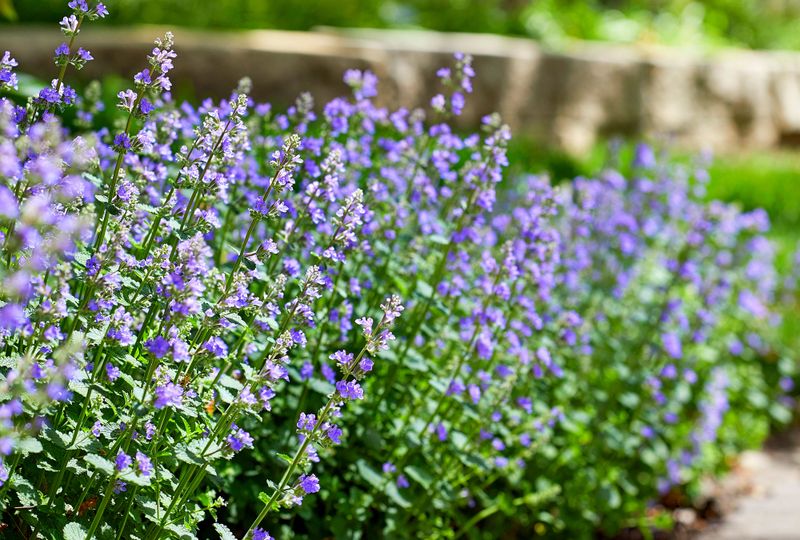
In fact, it seems happiest when the gardener mostly leaves it alone. Plant it along a walkway, at the edge of a border, or anywhere you want a soft, silvery-green mound covered in small lavender-blue flowers.
One of the best things about catmint is that it almost never needs dividing. Unlike many perennials that get crowded and stop blooming after a few years, catmint stays vigorous and full on its own.
Bees and butterflies absolutely love it, so you get a wildlife bonus on top of the long bloom season.
To get the most out of catmint, cut it back by about one-third after the first big bloom wave in June. New growth appears quickly, and fresh flowers follow within a few weeks.
By late summer, the plant looks as good as it did in spring. It is one of the most reliable, low-effort perennials available to Pennsylvania gardeners, and once you grow it, you will want it everywhere.
2. Coreopsis
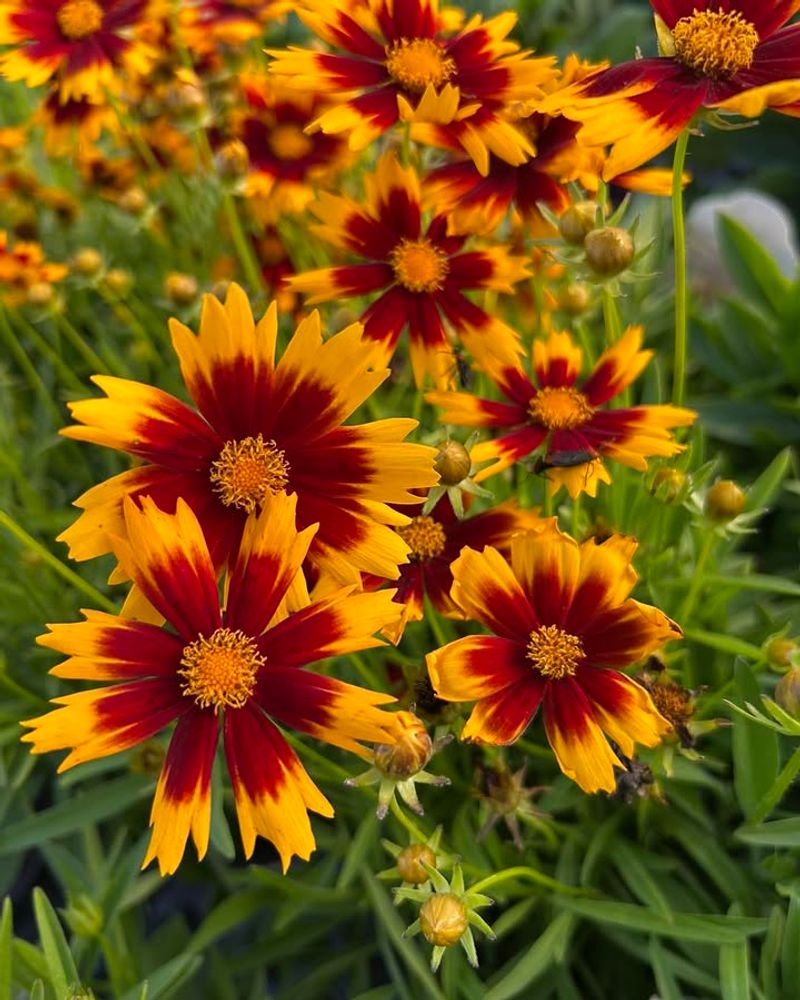
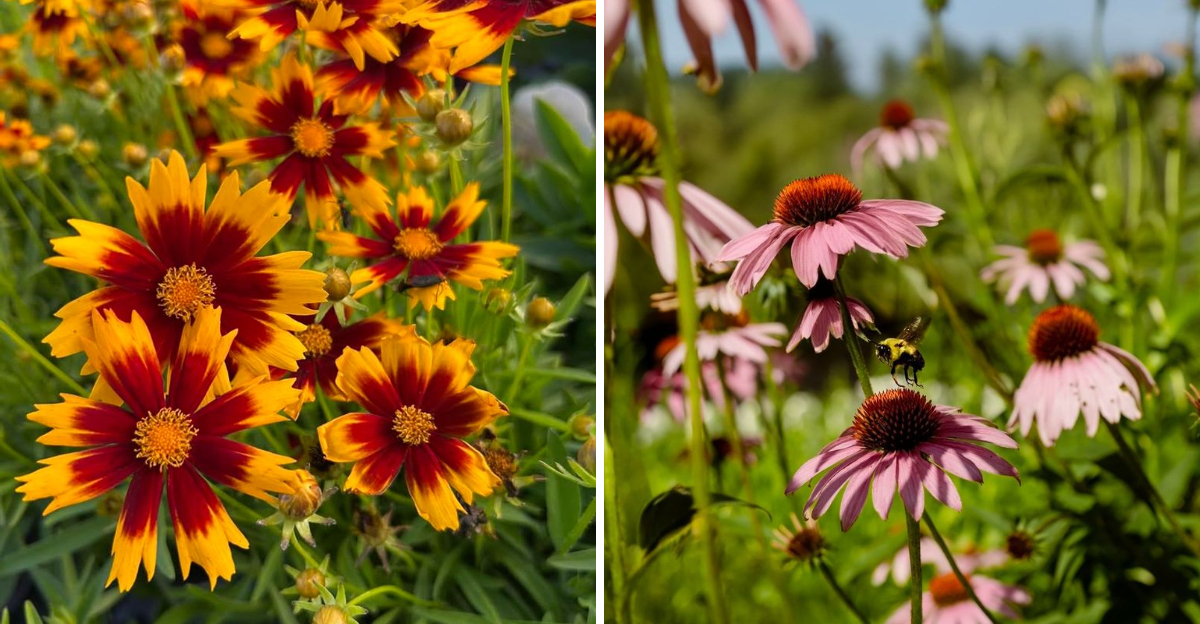
Sunshine in plant form is the easiest way to describe coreopsis. Also called tickseed, this cheerful perennial produces bright yellow, gold, or pink daisy-like flowers from early summer all the way through fall.
It blooms longer than almost anything else in the garden, and it does it without needing much help from you.
Pennsylvania summers can be tough, with stretches of heat and dry spells that stress out less resilient plants. Coreopsis handles all of that with ease.
It prefers well-drained soil and full sun, and once established, it rarely needs watering beyond natural rainfall. Deadheading spent blooms encourages even more flowers, but honestly, even without it, coreopsis keeps producing.
Your Pennsylvania Garden Changes Every Week. Your Plan Should Too.
Gardening in Pennsylvania changes quickly throughout the season. Every Friday you’ll receive a simple weekly plan showing exactly what to plant, prune, fertilize, harvest, and protect so you never miss the right timing.
What makes coreopsis especially appealing for low-maintenance gardens is its reluctance to become overcrowded. Many gardeners grow it for years without ever needing to divide it.
The plant stays tidy and productive season after season. Newer varieties like Moonbeam and Zagreb are particularly well-behaved, forming neat clumps that do not spread aggressively.
Coreopsis pairs beautifully with salvias, catmint, and black-eyed Susans in a sunny border. The contrast of bright yellow against purple or blue flowers is hard to beat.
It also attracts butterflies and goldfinches, which love the seeds left behind at the end of the season.
For a Pennsylvania gardener who wants big color with minimal effort from May through October, coreopsis belongs at the top of every planting list. It is simply one of the hardest-working perennials around.
3. Russian Sage
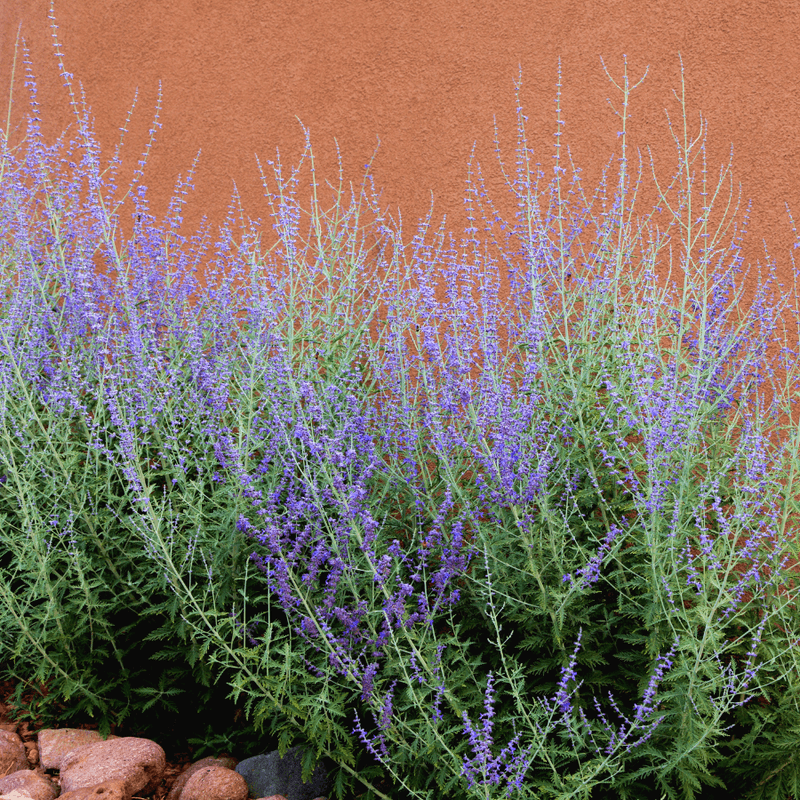
Walk past a patch of Russian sage on a warm July afternoon and you will understand immediately why gardeners love it.
The tall, airy stems are covered in tiny violet-blue flowers, the silvery foliage shimmers in the breeze, and the whole plant gives off a faint, pleasant scent. It is dramatic without being difficult.
Russian sage blooms from midsummer into fall, making it one of the longest-blooming perennials you can grow in Pennsylvania. It thrives in the heat that tends to slow down other plants by August.
Give it full sun and well-drained soil, and it will reward you with months of color. Poor, dry soil is actually fine for Russian sage. Rich, moist soil can cause it to flop over, so lean soil works better here.
One of the standout qualities of Russian sage is how little maintenance it requires. It does not need dividing.
It does not need deadheading to keep blooming. A hard cutback in early spring before new growth emerges is really the only task it asks of you each year. After that, it handles everything on its own.
Pollinators go wild for Russian sage. Bumblebees, honeybees, and butterflies visit the flowers constantly throughout the long bloom season.
The plant also works beautifully as a backdrop in a mixed border, its wispy blue haze softening the bolder colors of coneflowers and coreopsis nearby.
For sheer drama with almost zero effort, Russian sage is hard to match in a Pennsylvania perennial garden.
4. Salvia
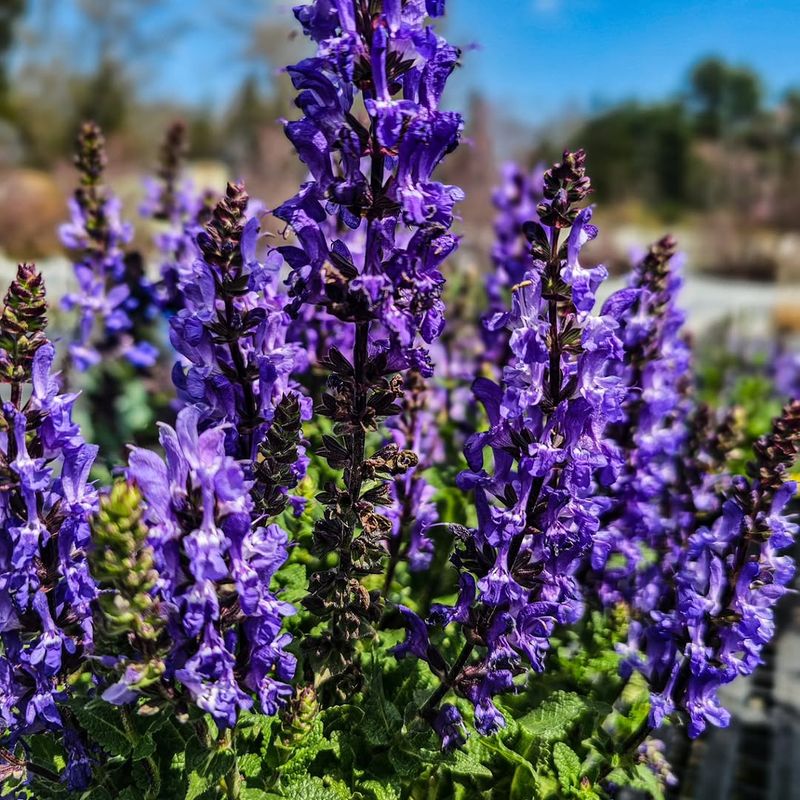
Salvias have a reputation for being tough, and they absolutely earn it. These upright perennials send up bold spikes of blue, purple, or pink flowers that pollinators cannot resist.
They start blooming in late spring and, with a light trim after each flush, they keep going strong well into fall. Few perennials offer that kind of staying power.
Pennsylvania gardeners will find that perennial salvias handle summer heat and humidity far better than many flowering plants. Varieties like May Night, Caradonna, and East Friesland are especially reliable.
They prefer full sun and well-drained soil, but they adapt to a range of conditions without much fuss. Once established, they are surprisingly drought-tolerant too.
The key to keeping salvias blooming for months is simple. After the first major flush of flowers fades, cut the stems back by about half.
New growth appears quickly, and a fresh round of blooms follows within a few weeks. Repeat this through the season and the plant stays tidy and productive from May through October.
Unlike many perennials that need regular division to stay healthy, salvias are content to grow in the same spot for years. They slowly expand into fuller clumps, but they do not become invasive or overcrowded.
Deer tend to avoid them because of the aromatic foliage, which is a big bonus in many Pennsylvania gardens. Pair salvias with yellow coreopsis or orange coneflowers for a bold, pollinator-friendly combination that holds its color from one season into the next.
5. Coneflower
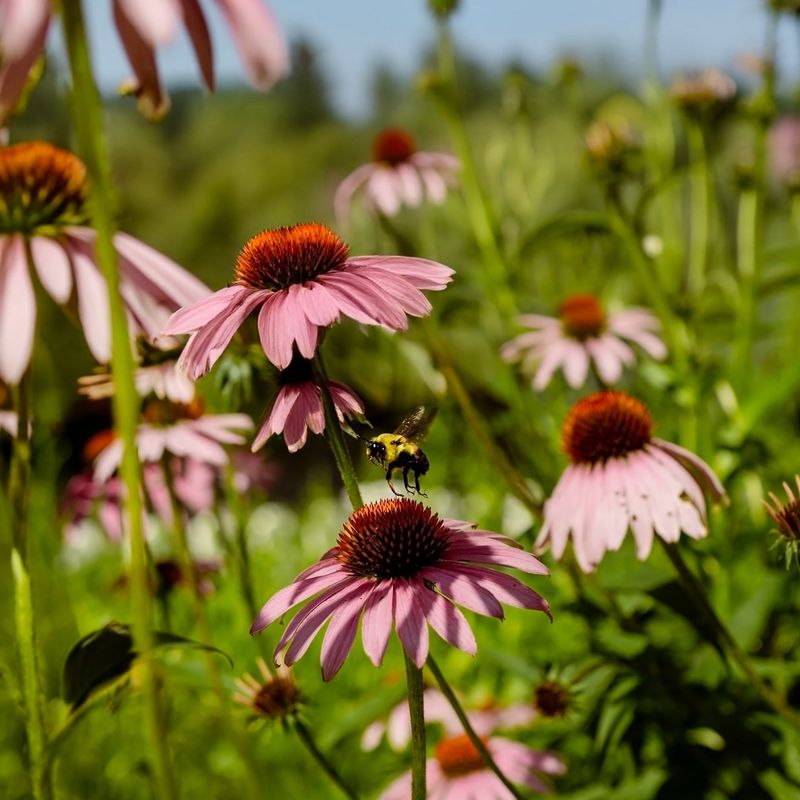
There is something deeply satisfying about a patch of coneflowers in full bloom on a hot Pennsylvania summer day.
The big, daisy-like flowers with their spiky orange-brown centers and swept-back purple petals look bold and cheerful, and they attract an impressive parade of bees, butterflies, and eventually goldfinches once the seed heads form in fall.
Coneflowers, known botanically as Echinacea, start blooming in early summer and keep producing new flowers steadily through August and into September. They are genuinely tough plants.
Pennsylvania heat, humidity, and occasional drought do not slow them down. They grow well in average soil with full sun and need very little supplemental watering once they settle in after the first season.
One of the best things about growing coneflowers is how long they stay in one place without any intervention. Unlike daylilies or hostas that benefit from occasional division, coneflowers are content to grow in the same spot for many years.
They may self-seed and pop up nearby, which is a welcome bonus rather than a problem. Simply move or share the seedlings if they appear somewhere inconvenient.
Leaving the seed heads standing through winter adds beauty to the garden during cold months and provides food for birds. By late winter, cut the old stems back to make way for fresh spring growth.
Coneflowers are available in many colors beyond the classic purple, including white, orange, and yellow, but the original purple variety remains the most vigorous and reliable choice for Pennsylvania gardens.
6. Gaura
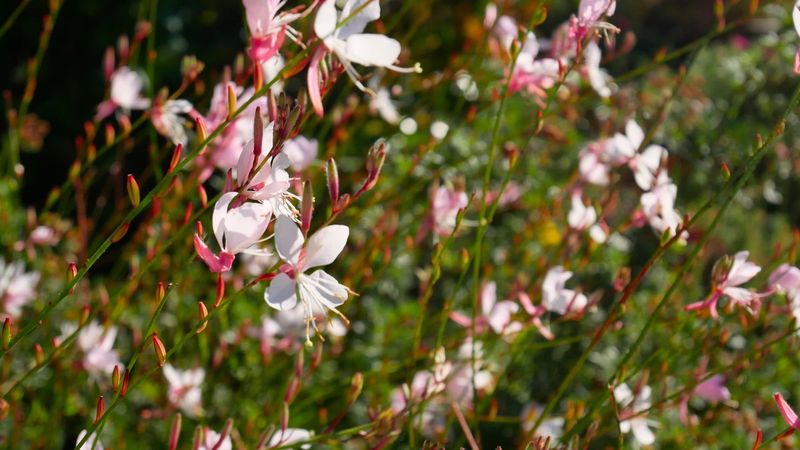
Gaura is one of those plants that makes people stop and stare without quite knowing why. The flowers are small, pale pink or white, and they float at the tips of long, wiry stems that sway in even the lightest breeze.
The overall effect looks like dozens of tiny butterflies hovering above the foliage, which is exactly why gaura earned the common name whirling butterflies.
What makes gaura especially valuable in a Pennsylvania garden is its extraordinarily long bloom season. It starts flowering in late spring and continues without a break until the first hard frost in fall.
That is five to six months of continuous bloom with almost no effort required from the gardener. No deadheading, no fertilizing, no fussing needed.
Gaura loves heat and handles dry spells extremely well. It grows best in full sun with well-drained or even sandy soil.
Wet, heavy clay soil is the one condition it dislikes, so raised beds or slopes work particularly well. Once established, gaura is remarkably self-sufficient and rarely needs dividing to stay productive and healthy.
The airy, open habit of gaura makes it a wonderful companion plant. It weaves naturally between bolder perennials like coneflowers and salvias, softening the overall look of a mixed border.
Hummingbirds and butterflies visit the flowers regularly throughout the season.
For gardeners who want something graceful, unusual, and nearly effortless, gaura brings a lightness and movement to Pennsylvania gardens that very few other perennials can replicate.
7. Yarrow
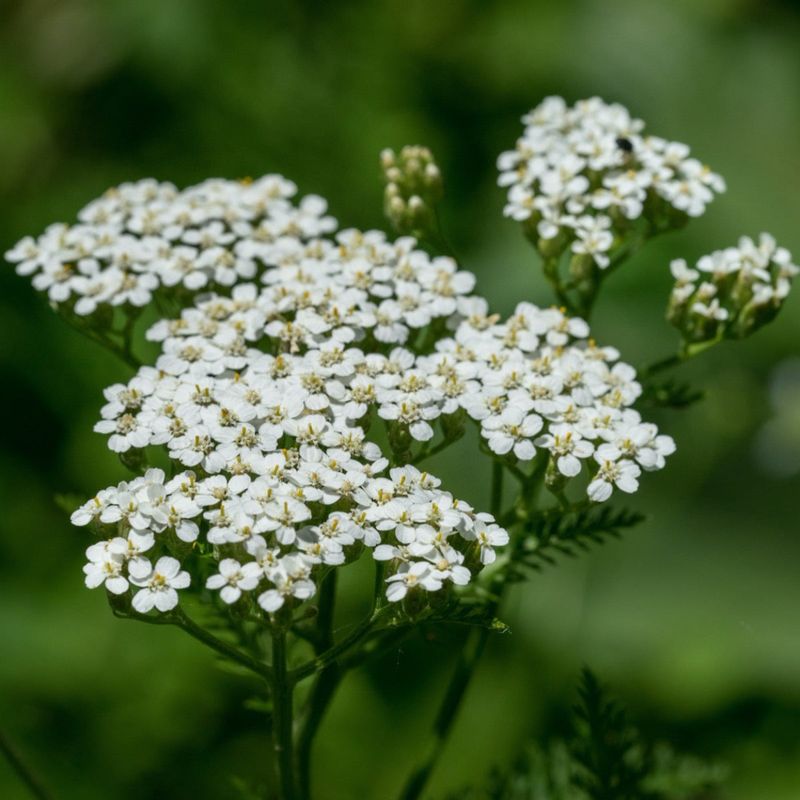
Yarrow has been growing in gardens for centuries, and there is a very good reason it has never gone out of style. It is almost impossible to neglect into failure.
Give it a sunny spot with decent drainage and yarrow will bloom steadily from late spring through summer, sometimes pushing out a second flush of color in early fall if conditions are right.
The flowers come in cheerful flat-topped clusters that work beautifully fresh in a vase or dried for arrangements. Colors range from classic yellow and white to bold shades of red, orange, and pink depending on the variety.
All of them are equally tough and long-blooming in Pennsylvania conditions. The ferny, aromatic foliage stays attractive even when the plant is not in flower.
Yarrow tolerates poor soil, drought, heat, and neglect better than almost any other perennial on this list. It does not need rich soil or regular watering.
It does not need fertilizer. Cutting back the spent flower clusters encourages fresh blooms, but yarrow will keep going even if you skip that step entirely.
Unlike some spreading perennials that quickly outgrow their space, yarrow stays manageable for years without needing to be dug up and divided. It spreads slowly and politely, never turning aggressive.
Pollinators visit yarrow constantly throughout its long bloom season, making it a genuinely productive plant for the broader garden ecosystem. For Pennsylvania gardeners who want reliable color, easy care, and a plant with real staying power, yarrow never disappoints.