Torpedograss Can Turn One Florida Flower Bed Into A Years-Long Battle
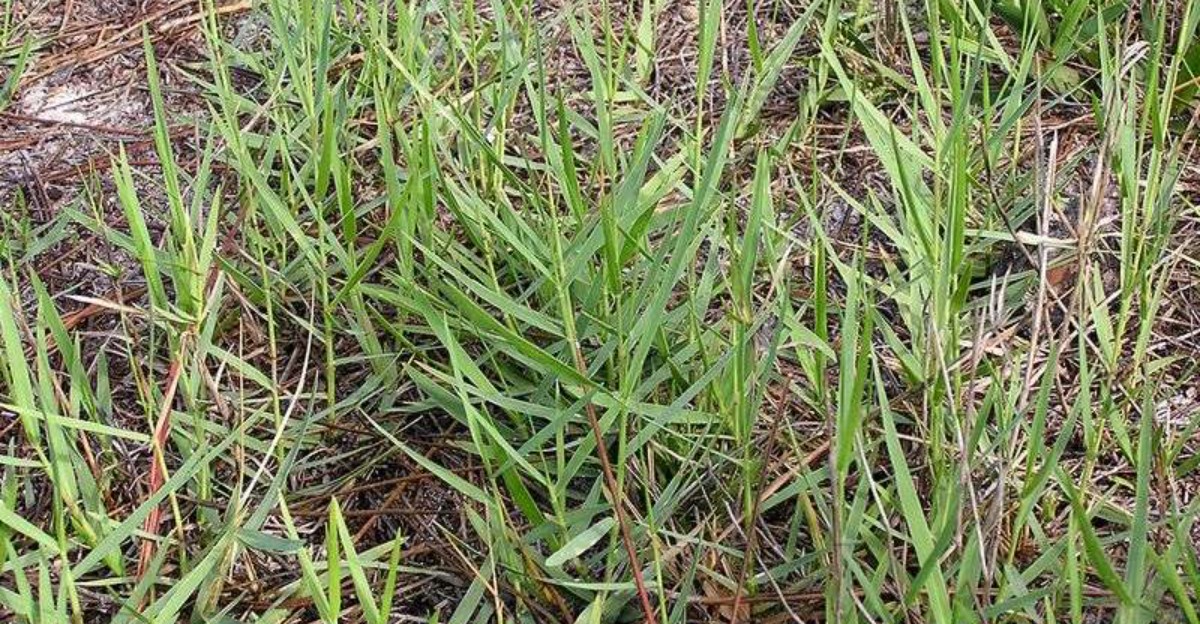
One patch of torpedograss in your flower bed might be the start of a fight that outlasts your patience.
This grass spreads through underground stems that snap off if you pull it the wrong way, and every broken piece left behind has a real shot at growing into a brand new patch.
What looks like a quick weeding job turns into a cycle that repeats itself season after season, no matter how thorough you think you were.
Most Florida gardeners don’t realize how deep the problem runs until they’ve already spent a year or two losing ground to it.
Handle any sign of this grass differently than you would a normal weed. Pull it the wrong way once, and you could be dealing with it for years longer than you planned.
1. Spot Torpedograss Before It Hides Among Ornamentals
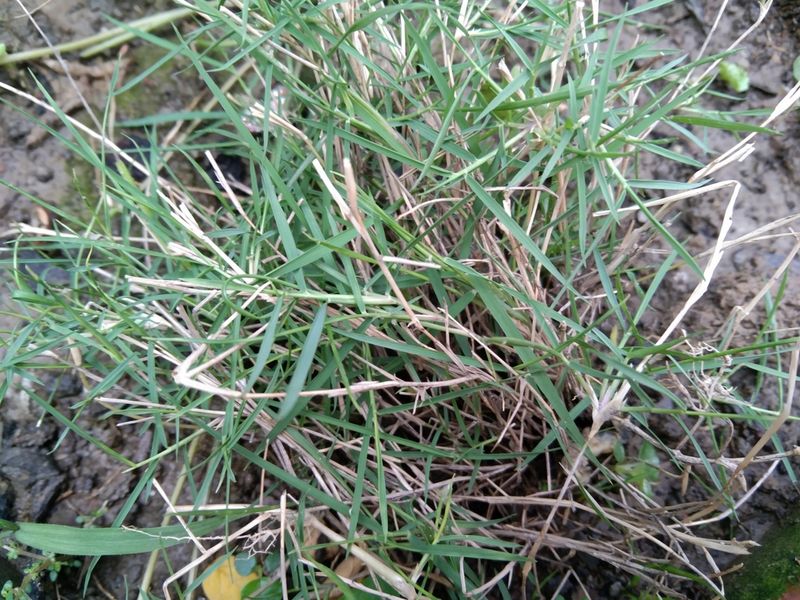
Picture a tidy bed of lantana with a few skinny grass blades poking up between the blooms. Most people shrug and walk past, and that small shrug is how the trouble starts.
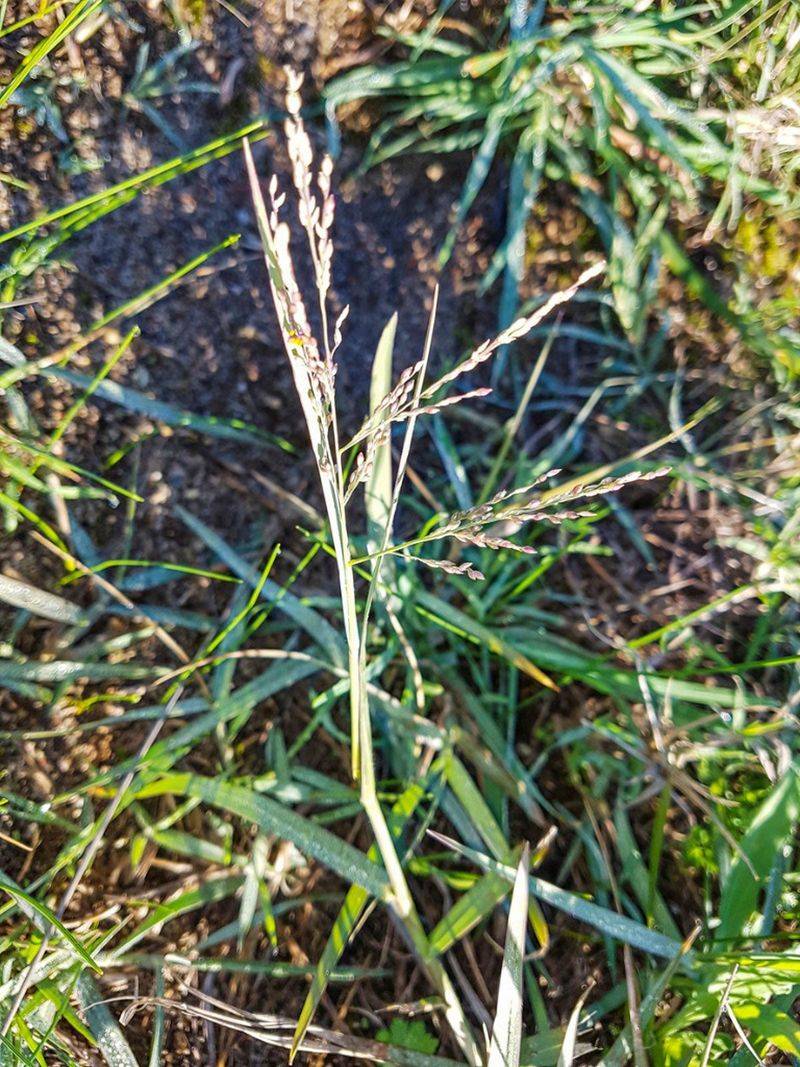
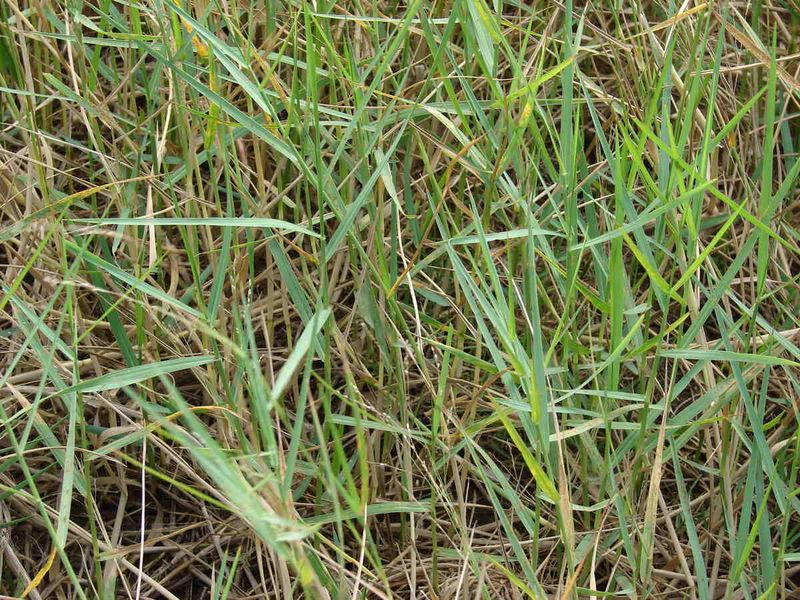
Torpedograss has stiff, narrow leaves with a bluish-green or gray-green tint. The blades often stand upright at sharp angles, a bit like tiny green spears.
Look closely at the base of each stem. You may spot fine hairs where the leaf wraps around the stalk, plus a thin fringe of hairs called a ligule.
Stems feel tough and slightly woody compared to softer lawn grasses. Tug gently, and you will often feel the plant resist as if something underground is holding on.
Something is holding on, of course. Each shoot connects to a buried network that may stretch far beyond the spot you are looking at.
Ornamental grasses, daylilies, and liriope make great hiding places. Their foliage looks similar enough that invaders blend right in for weeks.
Walk your beds once a week and crouch down to plant level. A phone photo of anything suspicious helps you compare growth or ask your local extension office.
Early spotting gives you the upper hand. A handful of shoots is a chore, but a full bed of them is a season-long project.
2. Follow The Runners Before They Reach New Beds
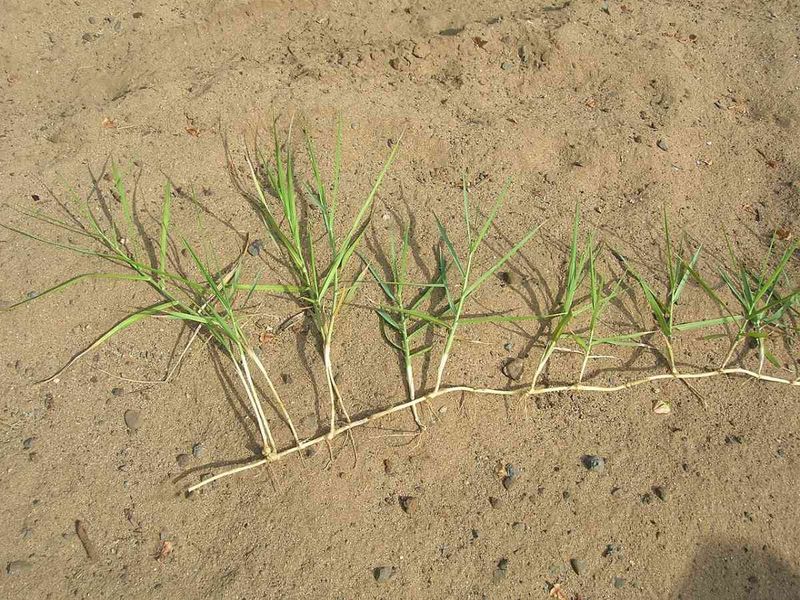
Think of yourself as a garden detective with a trowel instead of a magnifying glass. Your job is to trace where the grass is going, not just where it is.
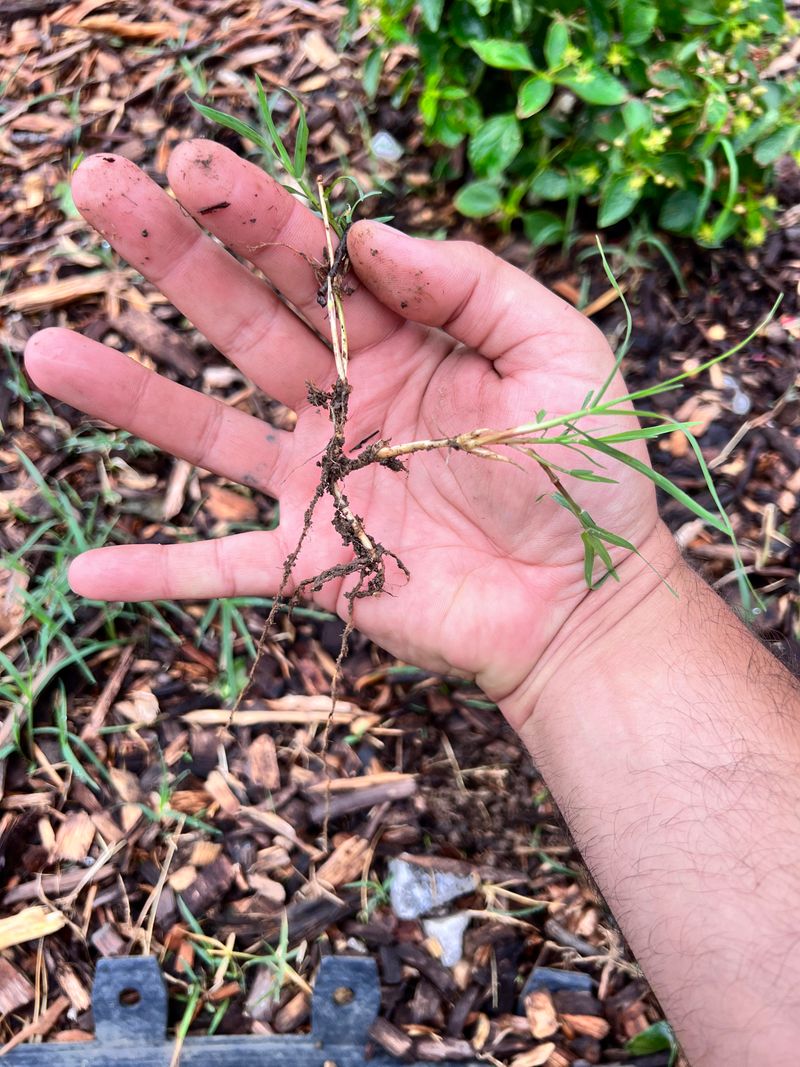
Torpedograss spreads mainly through rhizomes, which are stems that creep sideways underground. Each one ends in a sharp tip shaped like a tiny torpedo.
Those pointy tips can push through landscape fabric, edging, and cracks along sidewalks. Given a warm Florida summer, a single runner can travel several feet.
Start at a patch you already know about and dig a small test hole along the edge. Notice which direction the white, jointed stems are heading.
Push a garden stake into the soil wherever you find a runner. After a few spots, a pattern appears, showing you the route toward nearby beds.
Plastic or metal edging buried six to eight inches deep can slow the advance. It won’t stop every runner, but it buys time and makes escapes easier to spot.
Your Florida Garden Changes Every Week. Your Plan Should Too.
Gardening in Florida changes quickly throughout the season. Every Friday you’ll receive a simple weekly plan showing exactly what to plant, prune, fertilize, harvest, and protect so you never miss the right timing.
Check the edges of walkways and fences too. Rhizomes love to sneak under hard surfaces where you cannot see them, then pop up on the other side.
Tracking takes patience, yet it pays off. Catching a runner a foot from your hibiscus is far better than finding it wrapped around the roots.
3. Never Assume One Pulled Clump Solves The Problem
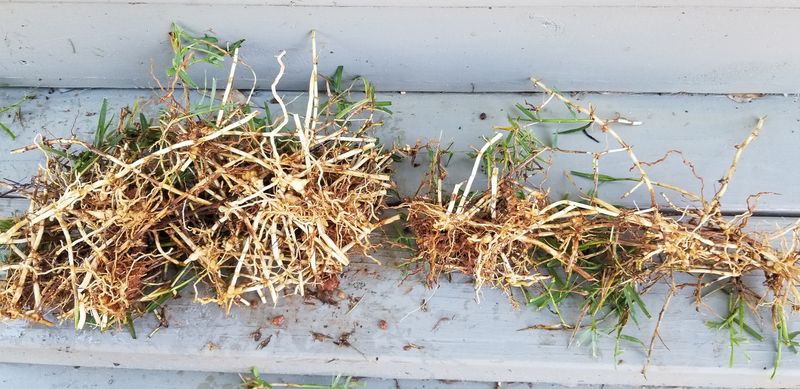
Pulling a big clump of weeds feels amazing, like winning a tiny tug-of-war. Sadly, with torpedograss, that victory lap usually comes a bit early.
When you yank the leaves, the stems often snap right at soil level. The long rhizomes stay put, ready to send up fresh shoots within a couple of weeks.
Every joint, or node, along a rhizome can grow into a new plant. Break one runner into five pieces, and you may end up with five new problems.
Florida extension experts point out that hand-pulling alone rarely clears an established patch. It can help in a tiny area, but only when you dig out the buried stems too.
If you pull, use a garden fork to loosen the soil first. Lift gently so the runners slide out in longer pieces instead of snapping.
Keep a notebook or phone reminder with the date you cleared each spot. Return in two to three weeks and look for new blades poking through.
Expect to repeat this many times during the growing season. Each round weakens the plant by forcing it to spend stored energy on regrowth.
Patience matters more than muscle here. Steady, repeated effort wears the grass down better than one heroic afternoon of pulling.
4. Watch For Rhizomes Left Beneath The Soil
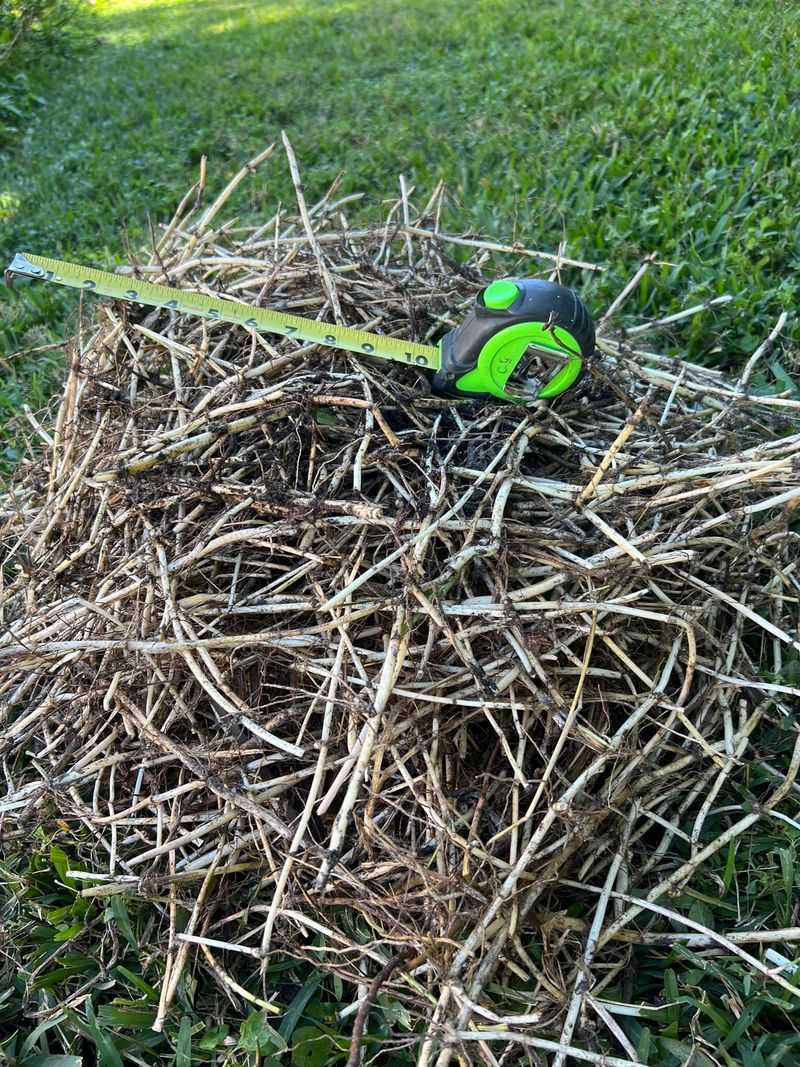
Here is a fun fact to share at your next garden club meeting. Torpedograss rhizomes can burrow well below a foot deep in loose, sandy Florida soil.
Most of the rhizomes sit in the top two feet, though. That overlaps right where your flowers live, which makes the fight so tricky.
Healthy rhizomes look white to tan, with rings or joints every inch or so. Snap one open and it feels crisp, a bit like a thin bean sprout.
The stems store food, much like a potato stores starch. That hidden pantry is why the grass bounces back after you mow, pull, or even spray it once.
Whenever you replant a bed, sift the soil with your hands or a screen. Toss out every white piece you find, even the tiny ones.
A soil knife or narrow spade works well for digging along the edges of flower roots. Go slowly so you can see what comes up.
After a heavy rain, the soil loosens and runners slide out more easily. Plan your digging sessions for a day or two after a good soaking.
Out of sight should not mean out of mind. Treat every buried fragment as a seed for next year’s trouble.
5. Keep Torpedograss Away From Irrigated Flower Beds
Your sprinklers are doing more than helping your petunias. They are also throwing a daily pool party for any torpedograss nearby.
Torpedograss loves moisture and thrives along lakeshores, canals, and ditches across Florida. Irrigated flower beds give it that same damp, cozy setting right in your yard.
Take a close look at where your spray heads reach. Water that drifts onto sidewalks or wild edges can feed weeds you did not plan to grow.
Switching to drip irrigation helps a lot. Drip lines send water straight to plant roots, leaving the soil between plants drier and less inviting.
Adjust your timer based on the season. Florida’s rainy summer often provides plenty of water, so cutting back on extra cycles can slow the grass down.
Keep a clear border of a few feet between beds and wet, weedy zones. A strip of gravel or a well-kept edge makes it easier to spot invaders.
If you live near a retention pond, watch the shoreline closely. Many yards pick up torpedograss from these spots, since it spreads well along wet banks.
Check your system once a month for leaks and broken heads. A single puddle-making sprinkler can turn one corner of your bed into weed heaven.
Smart watering is a quiet but powerful tool. Your flowers stay happy, and the grass loses one of its favorite advantages.
6. Avoid Spreading Fragments During Cleanup
Garden cleanup day can accidentally become torpedograss planting day. It sounds silly, but it happens in Florida yards all the time.
Tiny rhizome pieces cling to shovels, rakes, boots, and wheelbarrow tires. Carry them across the yard, and they may settle in a brand-new spot.
Tillers are the biggest culprits. Their spinning blades chop runners into small chunks and toss them around, which can multiply the problem fast.
Skip the tiller in any bed where you have seen this grass. Hand tools let you work slowly and collect every piece you disturb.
Bag pulled material in sturdy trash bags instead of adding it to your compost pile. Home compost rarely gets hot enough to stop rhizomes from sprouting again.
Rinse tools with a hose before moving to another area. A quick scrub with a stiff brush removes soil clumps that might hide fragments.
Be careful with fill dirt and mulch from unknown sources too. Contaminated soil is a common way this grass sneaks into new neighborhoods.
Before buying potted plants, peek at the soil surface and drainage holes. A few grassy blades there could mean hitchhikers are along for the ride.
Clean habits take a few extra minutes. Those minutes can save you months of weeding later.
7. Know Why Mulch Won’t Stop A Deep Root System
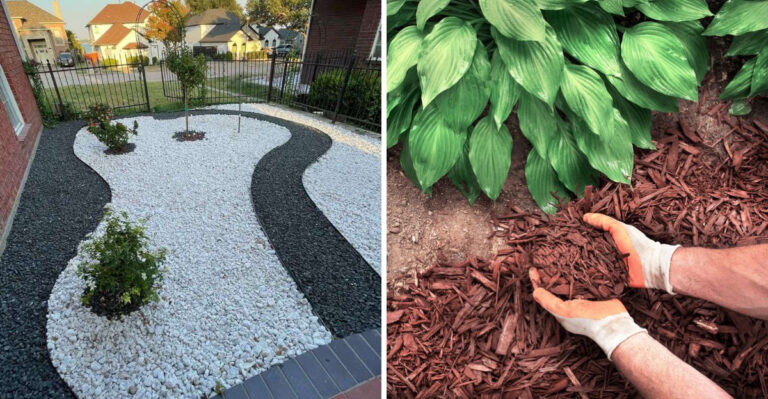
Mulch is a gardener’s best friend for many weeds, so it is tempting to pile it on and call it a day. Torpedograss, sadly, did not read the gardening manual.
Most weeds sprout from seeds near the surface, and thick mulch blocks the light they need. Torpedograss mostly grows from buried rhizomes packed with stored energy.
Those pointed tips can punch straight up through three or four inches of pine bark. Some even slip through the seams of landscape fabric.
Fabric can cause another headache. Runners sometimes grow along the top of the cloth, tangling into it and making removal much harder.
That doesn’t mean mulch is useless. A two to three inch layer keeps soil moist, cools roots, and makes new shoots easier to spot and pull.
Pine straw and shredded bark are good picks because they stay loose. You can brush them aside quickly when checking for fresh growth.
Some gardeners try smothering a bed with cardboard or black plastic for months. It can weaken the grass, though deep rhizomes may survive and return along the edges.
Think of mulch as a helper, not a hero. It supports your plan, but it can’t replace digging, monitoring, or targeted treatment.
Pair mulch with regular checks. That combo gives your flowers the best shot.
8. Check Nearby Turf For New Torpedograss Shoots
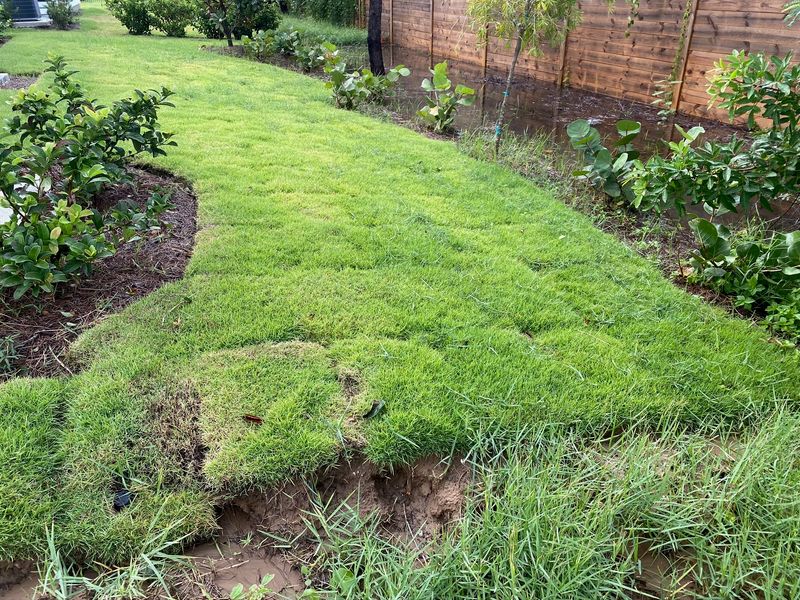
Your lawn might be the secret supply line feeding your flower beds. Torpedograss often moves back and forth between turf and landscaping without anyone noticing.
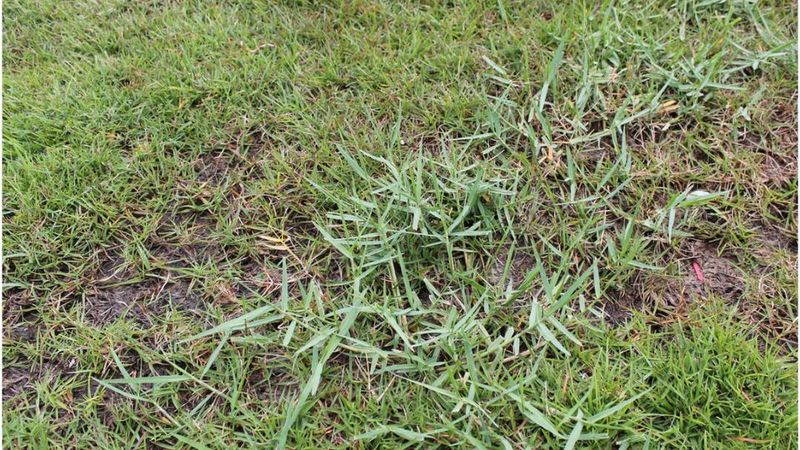
In St. Augustinegrass or bahiagrass, it shows up as patches that look lighter, stiffer, or taller. After mowing, it often grows back faster, sticking up in thin spikes.
Walk the lawn a day or two after mowing for the easiest view. Those quick-growing blades stand out like cowlicks on freshly combed hair.
Pay extra attention to the strip right next to bed edges. That border zone is where runners cross over most often.
Controlling it in turf is tricky, since it is a grass living inside grass. Products that work in one lawn type may harm another, so read labels carefully.
For bermudagrass, some homeowners use quinclorac to suppress it. In centipedegrass, products with sethoxydim can help slow it with repeated treatments.
St. Augustinegrass has fewer choices, so spot treatments and patience matter more. Your county extension office can suggest safe options for your exact lawn.
Keeping turf thick and healthy helps too. Proper mowing height and fertilizing leave fewer open gaps for invaders.
Mark any suspect patches with a small flag. Checking them every couple of weeks shows whether they are growing toward your beds.
9. Start Control Before One Patch Becomes Several
Torpedograss reached the United States in the late 1800s and was later planted as cattle forage. Nobody guessed it would become one of Florida’s toughest landscape pests.
Its story is a good reminder that small starts can grow into big trouble. A patch the size of a dinner plate today can cover a bed in a year or two.
The best time to act is the moment you spot it. Small infestations are easier to dig, easier to treat, and much cheaper to fix.
Many Florida gardeners use careful spot treatments with glyphosate on the grass blades. It can harm any plant it touches, so shield your flowers with cardboard.
One treatment is rarely enough. Plan on repeat applications every few weeks when new shoots appear, especially during warm months.
Some folks remove a whole bed, clear out the grass, and then replant. That sounds extreme, yet it can save years of frustration in a badly overrun area.
Write down a simple plan with dates for checking, digging, and treating. Treat it like a regular chore, similar to watering or trimming shrubs.
Progress may feel slow at first. Stick with it, and each season the patches get smaller while your flowers get more room to shine.