The September Lawn Caterpillar Florida Homeowners Often Notice After The Damage Is Done
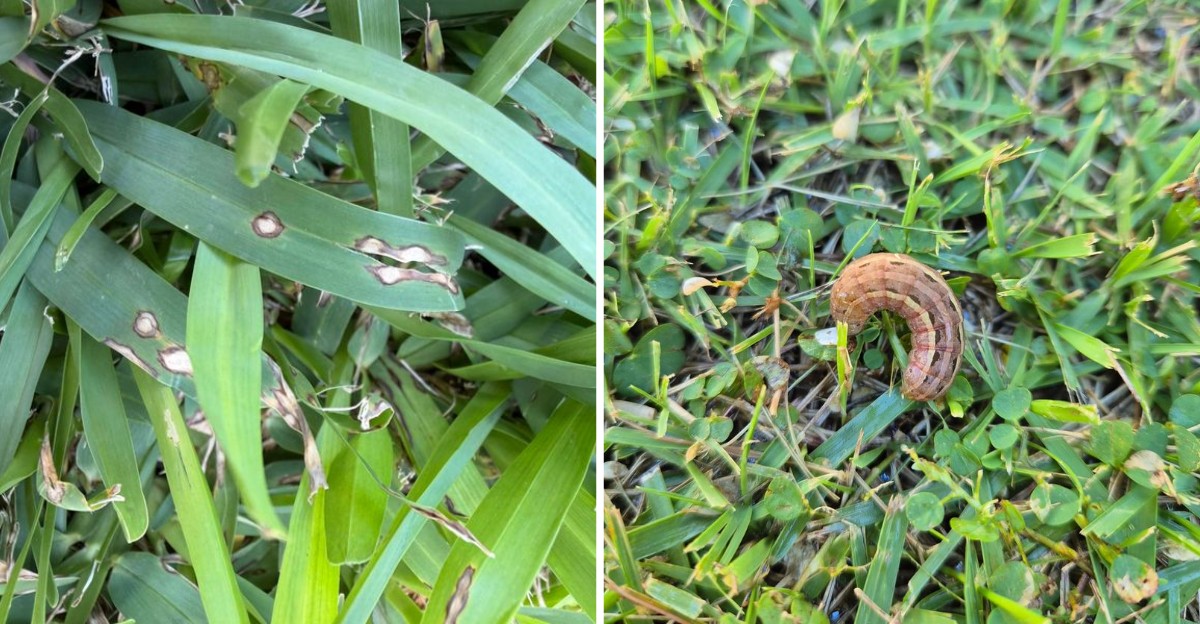
You mow the same lawn every week without a second thought, until one morning it looks like someone toasted it overnight. The grass feels crunchy underfoot, and a strange tan patch keeps spreading across the lawn near the driveway.
You blame the brutal heat, the lazy sprinkler, maybe even the neighbor’s suspiciously innocent dog. Nobody suspects the tiny night crew that has been dining out on your yard all week.
Florida in September is warm, sticky, and crowded with hungry little guests who skipped the invitation list. Every yard on the block seems to be hosting the same uninvited crowd.
They work quietly while you sleep, and they leave almost no clues except a trail of nibbled leaves. By the time most people notice, the party is mostly over and the dishes are still out.
Somewhere under your feet, a very full, very small diner is sleeping off a feast and planning tomorrow’s salad bar. Tonight’s menu looks suspiciously similar to last night’s.
The Tropical Sod Webworm Behind The Brown Patches
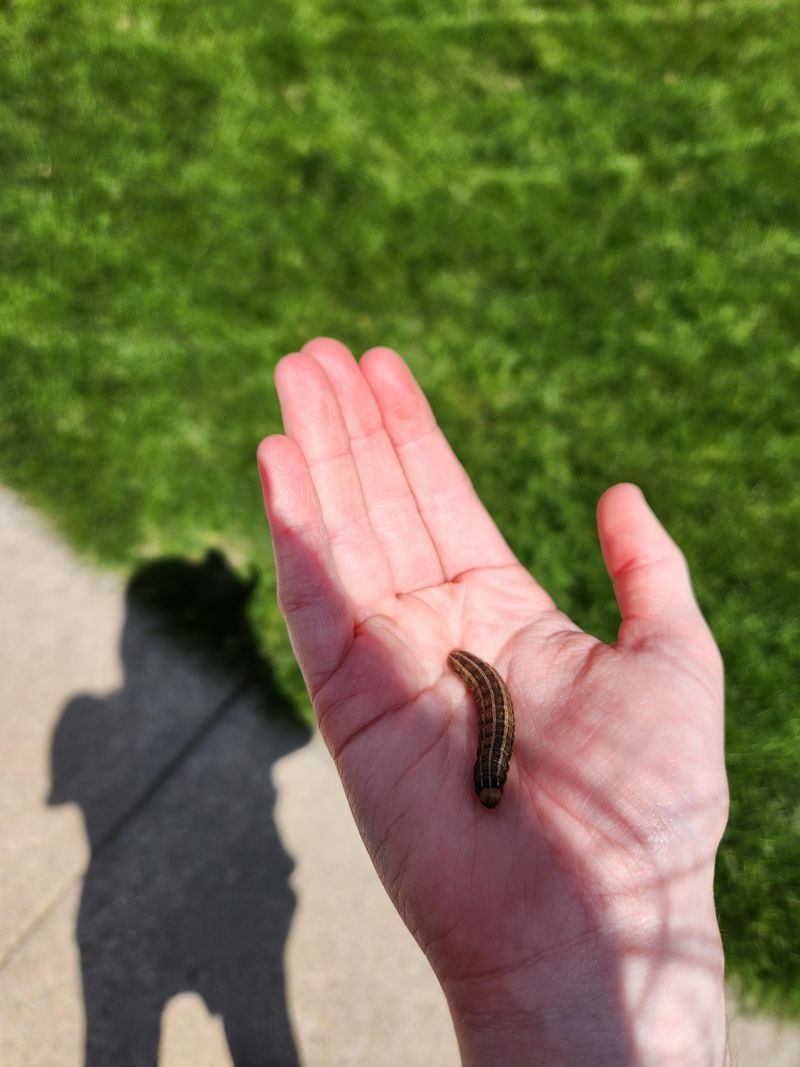
Picture a caterpillar smaller than a paper clip quietly chewing through your St. Augustine grass. That tiny culprit is the tropical sod webworm, and September is its favorite month for a Florida feast.
Full-grown larvae reach about three-quarters of an inch long. They are greenish or tan with rows of dark spots running down their backs.
Many homeowners mistake them for fall armyworms, which are larger and have a pale upside-down Y on the head. Both chew grass, but webworms are the ones hiding in little silk-lined tunnels.
During the day, they tuck themselves down in the thatch near the soil. Once darkness falls, they crawl up and nibble grass blades like popcorn at a movie.
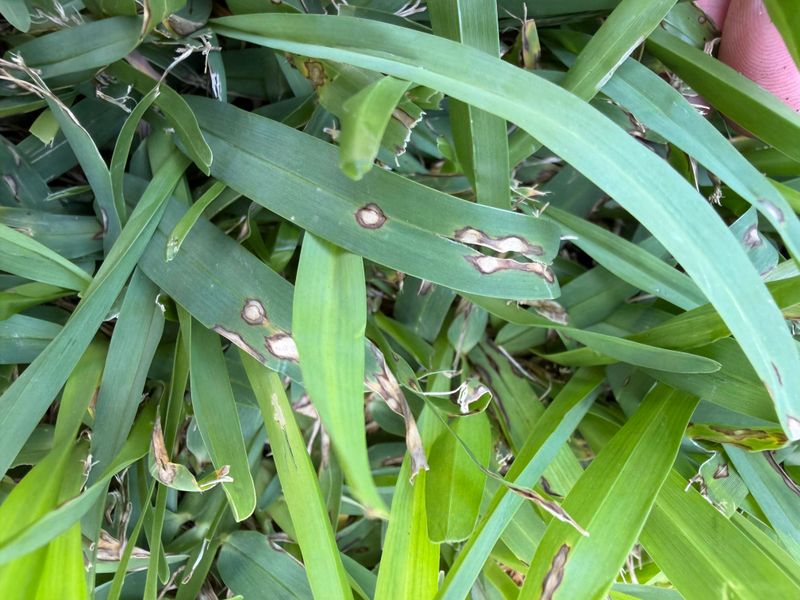
Their chewing leaves notched, ragged edges on the leaves instead of clean cuts. Young larvae only scrape the surface, which gives blades a see-through, windowpane look.
The adults are small, dull brown moths that zigzag low over the lawn when you walk through it. Spotting a cloud of them at dusk is a strong hint that eggs are already down.
St. Augustine is their top pick, though zoysia and bermuda lawns suffer too. Bahia gets hit less but is not fully safe.
Here is a fun fact to share with neighbors. Webworms can finish several generations in one Florida year, so their numbers snowball by late summer and early fall.
Knowing their name is the first step toward winning your lawn back. Suddenly those odd brown patches start to make sense.
A Late Summer Feast After Dark
Think of webworms as the night shift workers of your yard. While you sleep, they clock in and munch happily until the sun comes up.
In Florida, their numbers climb slowly through spring and early summer. By August and September, several overlapping generations are feeding at once.
Warm nights, frequent rain, and lush summer growth create a perfect buffet for them. The grass is soft and green, and the caterpillars have plenty of cover in the thatch.
Your Florida Garden Changes Every Week. Your Plan Should Too.
Gardening in Florida changes quickly throughout the season. Every Friday you’ll receive a simple weekly plan showing exactly what to plant, prune, fertilize, harvest, and protect so you never miss the right timing.
Here is the sneaky part. Damage in the first few weeks looks tiny, just a few chewed blades you would not notice from the porch.
Then the larvae grow bigger, and bigger caterpillars eat a lot more grass each night. A small spot can turn into a large brown patch in just a few days.
South Florida lawns may see activity almost year-round because winters stay mild. North Florida lawns usually get a break once cooler weather arrives in late fall.
Keep an eye out at dusk for small moths fluttering up from the grass. Their appearance means a new wave of eggs is likely hatching within a week or two.
Sunny, open areas tend to show damage first, often near sidewalks or driveways. Shady spots can get hit too, so check the whole yard, not just one corner.
A quick weekly stroll across your lawn in September is worth the effort. Grab your morning coffee, walk slowly, and look closely at blade tips for fresh chewing.
The Drought Mix-Up That Costs Homeowners Weeks
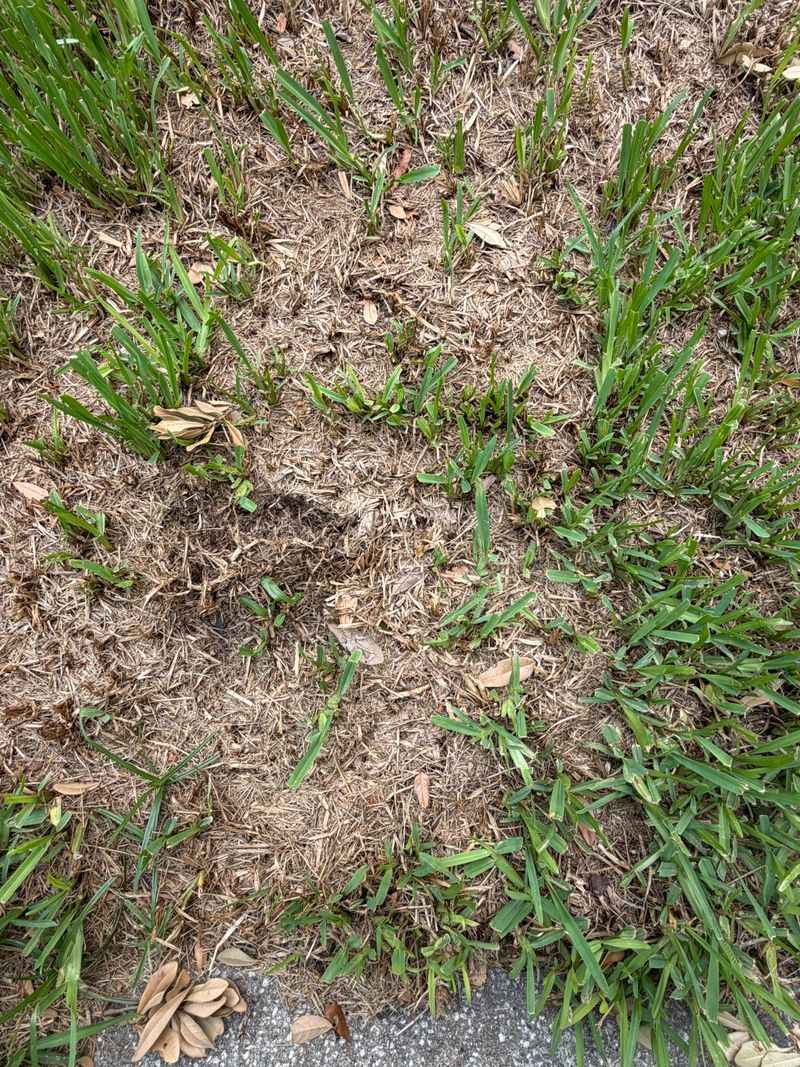
Most folks see a brown, crispy patch in September and reach straight for the sprinkler dial. It feels like the right move, but it often gives the caterpillars more time to feast.
Webworm damage and drought stress look surprisingly alike from a distance. Both create thin, yellowish, or tan areas that seem thirsty and tired.
Extra water does not bother the larvae one bit. In fact, soggy thatch can keep them comfortable while they keep chewing every night.
Some homeowners also pile on fertilizer, hoping to green things up quickly. That fresh, tender growth is exactly the kind of snack webworms love most.
A closer look usually tells the real story. Drought-stressed blades fold or curl lengthwise, while webworm blades have chewed, jagged edges.
Webworm patches also tend to start small and spread outward in uneven spots. Dry patches often match sprinkler gaps, slopes, or sandy areas that drain fast.
Birds can be a helpful clue too. If egrets, blackbirds, or other birds keep pecking at the same area, they may be snacking on caterpillars.
Another mistake is waiting for the damage to spread before checking. By then, the larvae may be nearly grown and ready to turn into moths.
Pull apart a few blades and peek into the thatch before changing your watering routine. Look for green droppings, silky webbing, or curled larvae hiding near the soil.
Those few minutes of detective work can save weeks of frustration. Your water bill will thank you, and so will your grass.
The Soap Flush Test With A Targeted Treatment Plan
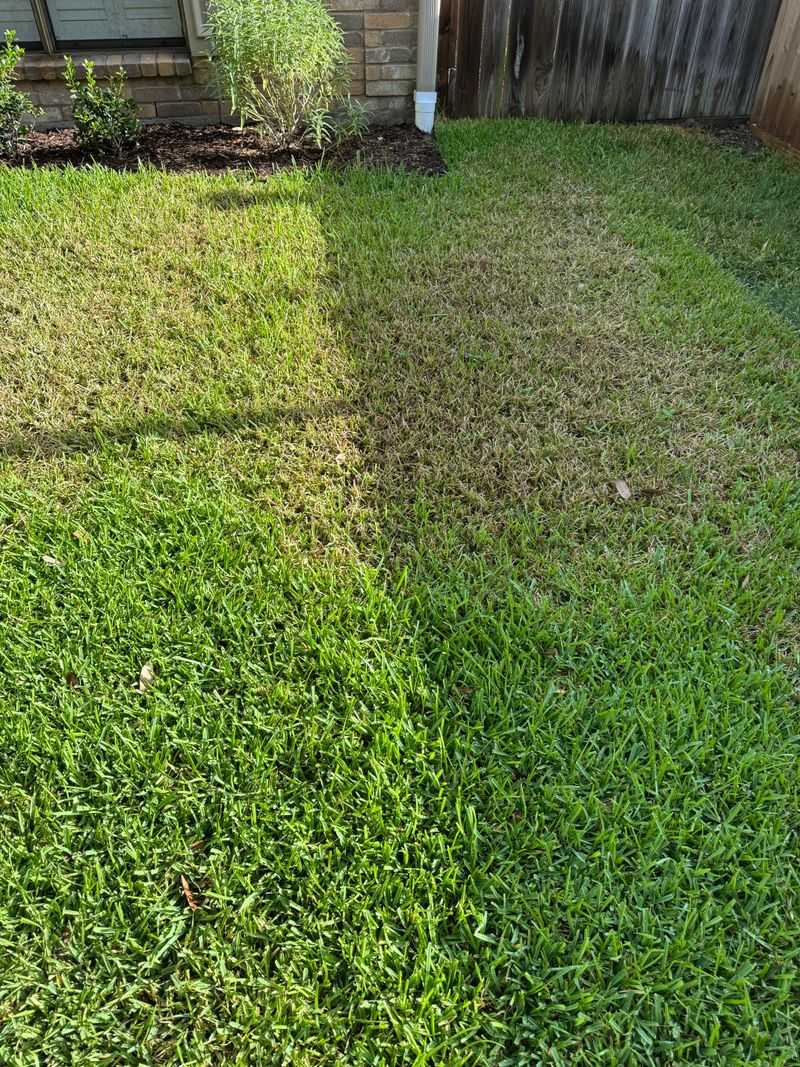
Grab a bucket, a squirt of dish soap, and about ten minutes. That humble kit is all you need to find out what is lurking in your grass.
Mix one to two tablespoons of liquid dish soap into a gallon of water. Pour it slowly over about four square feet, right along the edge of a damaged area.
The soapy water irritates the caterpillars and pushes them to the surface. Within a few minutes, you should see them wriggling up through the blades.
Test several spots, including green grass next to the brown edges. The busiest feeding usually happens at the border where healthy grass meets damaged turf.
University of Florida experts suggest treating when you find roughly five to eight larvae per square foot. A few stragglers can often be left for birds and beneficial insects.
For light problems, products with Bacillus thuringiensis, often called Bt, work well on young caterpillars. Spinosad is another lower-impact option many garden centers carry.
Timing matters a lot for any treatment. Apply in late afternoon or evening, since webworms come up to feed after dark.
Mow a day or two before treating, then skip mowing for a few days afterward. Hold off on watering for about a day so the product stays on the blades.
Read the product label and follow its directions for rates and safety. Keep kids and pets off treated grass until it is safe.
Recheck with another soap flush about a week later. If fresh larvae appear, a second treatment may be needed.
Grass Recovery After The Caterpillars Move On
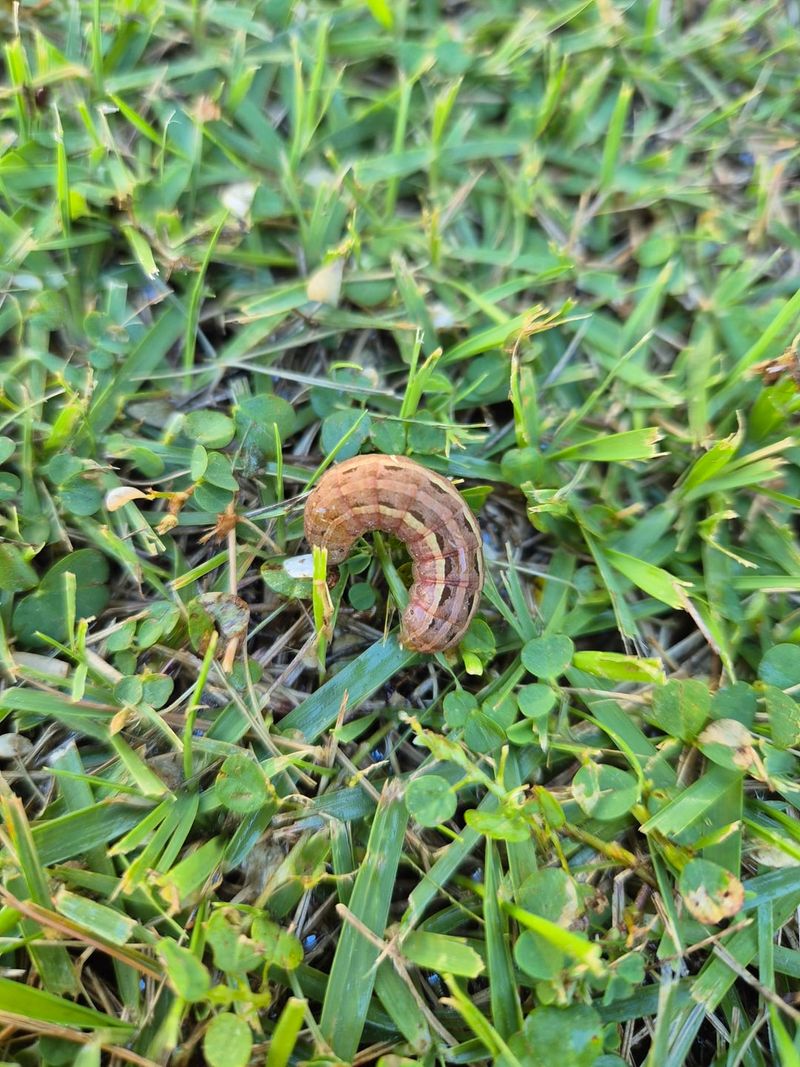
Here is something reassuring for anyone staring at a brown yard right now. Most Florida lawns bounce back from webworm damage better than you might expect.
The caterpillars eat leaf blades, but they usually leave the crowns, runners, and roots alone. Those hidden parts are the engine that pushes out fresh, green growth.
St. Augustine grass spreads by above-ground runners called stolons. Once the feeding stops, those runners can fill in bare spots within a few weeks.
Warm September weather helps a lot, since grass still grows quickly this time of year. Damage that happens in late October or November may take longer to heal.
Give the lawn about an inch of water each week, split into two or three deep soakings. Deep, less frequent watering encourages stronger roots than quick daily sprinkles.
A light feeding with a slow-release fertilizer can help, but go easy on it. Check local rules, since many Florida counties limit fertilizer use during the summer rainy season.
Raise your mower height a notch while the grass recovers. Taller blades make more food for the plant and shade out weeds trying to sneak in.
Sadly, some patches may be too weak to recover, especially if the lawn was already stressed. Those areas can be patched with plugs or fresh sod once you know the caterpillars are gone.
Patience is the secret ingredient here. Watching new green shoots creep across a brown spot feels a bit like a lawn comeback movie.
Fall Lawn Habits For A Greener Next September
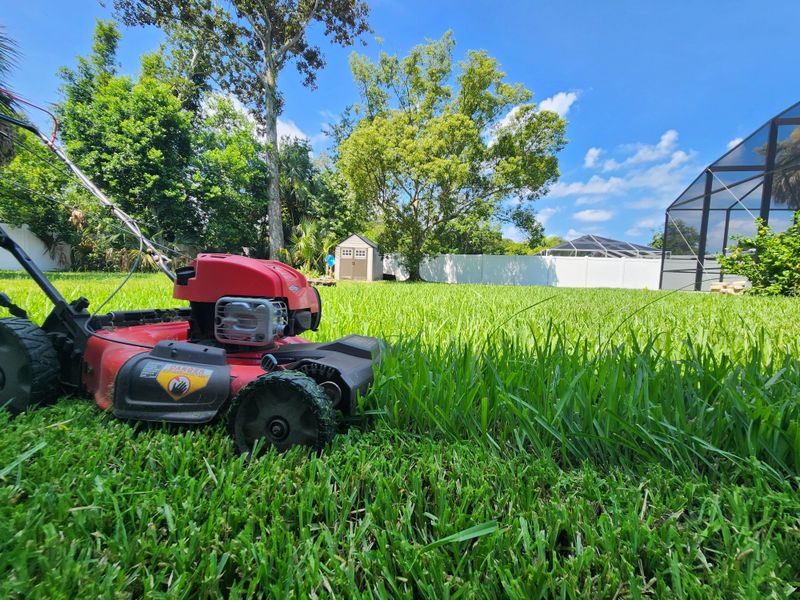
A little routine goes a long way when it comes to keeping webworms from moving in again. The best defense starts with a healthy lawn that can shrug off small attacks.
Too much nitrogen fertilizer creates soft, lush growth that caterpillars find irresistible. Follow University of Florida guidelines for your grass type instead of feeding more than needed.
Thick thatch gives webworms a cozy place to hide during the day. If yours is deeper than about half an inch, consider dethatching during the growing season.
Mow at the right height for your grass and keep mower blades sharp. Clean cuts heal faster and leave the lawn less stressed.
Mark your calendar for regular soap flush checks from July through October. Catching young larvae early means smaller patches and easier treatment.
Friendly helpers can do some of the work for you. Birds, spiders, ground beetles, and tiny parasitic wasps all feast on webworms and their eggs.
Broad-spectrum sprays can wipe out those allies along with the pests. Choosing targeted products like Bt keeps the good bugs on your side.
When replacing sod, ask your local nursery about grass varieties with better pest tolerance. Some newer St. Augustine types handle webworms and other insects better than older ones.
Take a slow evening stroll across the yard now and then during late summer. Watching for fluttering moths gives you an early warning before the caterpillars get hungry.
A healthy lawn is not a perfect lawn, and that is fine. The goal is catching trouble early, so next September looks a lot greener than this one.