What To Do With Peppers And Basil Before Ohio’s First Frost
Ohio’s first frost doesn’t wait for you to finish harvesting, and peppers and basil sit on opposite sides of how much warning they actually give you.
Basil folds almost the moment temperatures dip, going from healthy to blackened overnight with barely any warning at all. Peppers hold on a little longer, but even a light frost damages fruit still on the plant, cutting short a harvest that had more left to give.
Each one needs a different move before that first cold night hits, and treating them the same way costs you more than you’d expect from either crop.
Check your forecast closely this week and act before frost catches you off guard. A little effort now could stretch your harvest well past when Ohio weather usually calls it done.
1. Harvest Ripe Peppers Before Frost Arrives
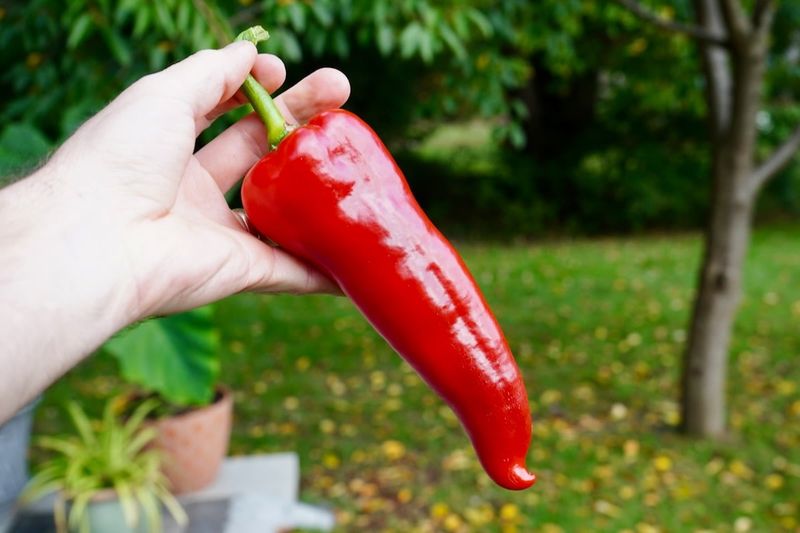
Picture a bright red pepper glowing on the plant like a tiny lantern. That color is a sign of sweetness, and it means your patience has finally paid off.
Here is a fun fact to share at dinner. Peppers that fully ripen on the plant can have nearly twice the vitamin C of green ones, plus a much richer flavor.
Depending on the variety, the change from green to red, yellow, or orange takes about three weeks.
Once the forecast shows nights near freezing, it is time to act. Columbus usually sees its first frost around October 22, while Cincinnati averages about October 20.
Lima and other northern spots can get chilly closer to October 13.
Grab a pair of sharp shears or scissors instead of pulling fruit by hand. Pepper branches snap easily, and a clean cut protects the stems and leaves.
Leave a short piece of stem attached to each pepper, which helps it stay fresh longer.
Frost can cause chilling injury that leaves soft, mushy spots on the fruit. A light freeze between 29 and 32 degrees Fahrenheit is enough to cause trouble.
Picking early is much smarter than hoping for the best.
Store ripe peppers in the fridge crisper drawer for up to two weeks. Extra ones can be sliced and frozen for soups, stir fries, and winter chili.
2. Bring Potted Peppers Into A Protected Space
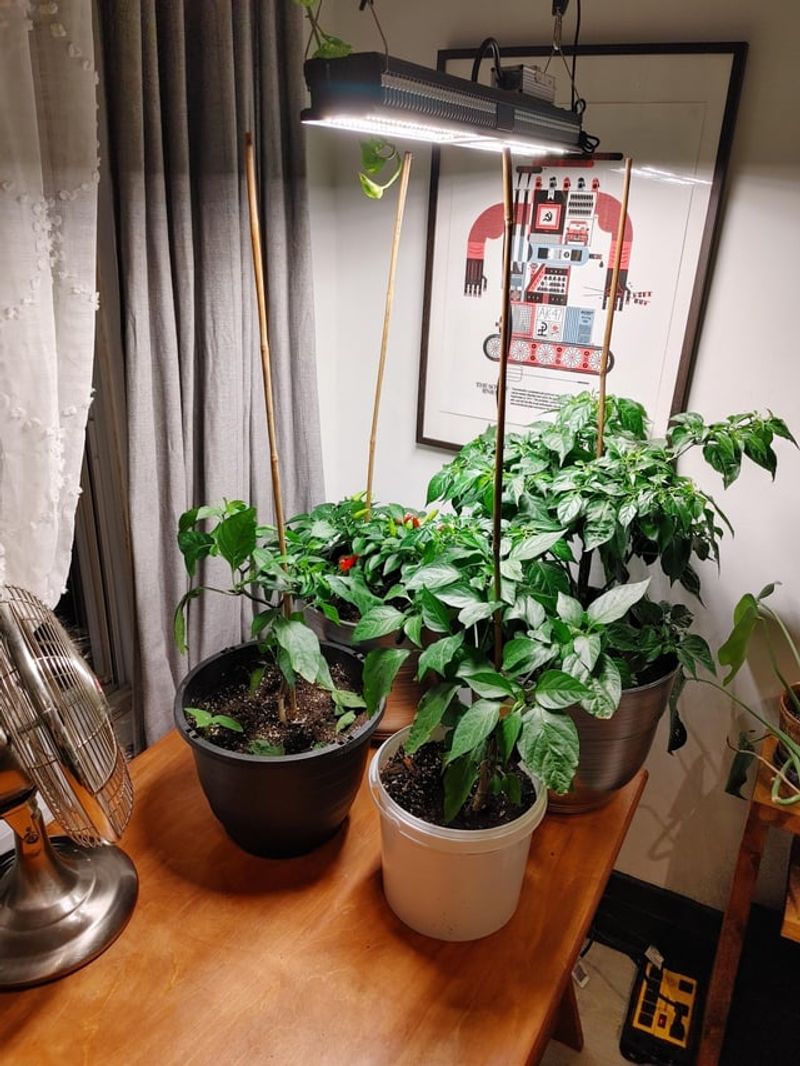
Container gardeners, this is your moment to feel a little smug. While others scramble with blankets, you can simply pick up your plants and carry them somewhere cozy.
Peppers are true warm-weather lovers. In fact, they can start showing cold damage when temperatures dip below 40 degrees, well before any frost forms.
Leaves may darken, droop, or develop spots after one chilly night.
Many Ohio gardeners grow peppers in pots for exactly this reason. That flexibility lets you move plants into a heated room, enclosed porch, garage, or shed whenever cold weather threatens.
It is like giving your plants a winter coat they can walk into.
Before moving them, check the leaves and soil for bugs. Aphids and spider mites love hitching a ride indoors, where they can spread to houseplants.
A quick spray of water on the tops and undersides of leaves helps send them packing.
Your Ohio Garden Changes Every Week. Your Plan Should Too.
Gardening in Ohio changes quickly throughout the season. Every Friday you’ll receive a simple weekly plan showing exactly what to plant, prune, fertilize, harvest, and protect so you never miss the right timing.
If your space is unheated, watch the thermometer closely. A garage may stay warmer than outside air, but it can still get too cold on frigid nights.
Adding a small lamp or moving plants closer to the house wall can help.
On sunny, mild afternoons, you can roll the pots back outside for fresh air and light. Just remember to bring them in again before the sun goes down.
3. Pick Green Peppers Before Cold Damages Them
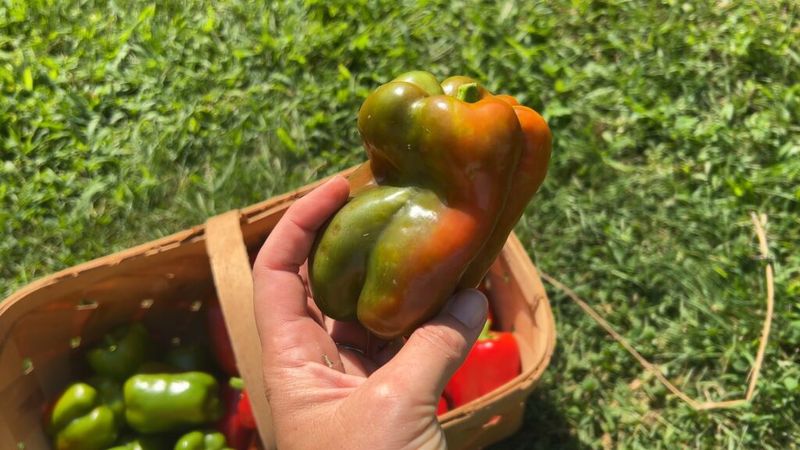
Green peppers sometimes get treated like the understudy in a school play. Yet they deserve a starring role, especially when frost is about to close the show.
Before the first freeze, pick every pepper left on your plants, no matter the size or color. Even small, young peppers are safe to eat.
They may taste a bit more bitter and have thinner walls, but they still add crunch and flavor to meals.
Full-sized green peppers that feel firm are real winners. They often last longer after picking than fully ripe ones do.
Think of them as the sturdy lunchbox snack of the pepper world.
Some peppers that are close to ripening might keep changing color on your kitchen counter. Set them in a single layer out of direct sun and check them every day.
You might wake up to a pleasant orange surprise.
Freezing is another easy option, and here is the best part. Peppers do not need blanching before going into the freezer, which saves time and mess.
Just wash, slice, remove seeds, and pack them into freezer bags.
Frozen peppers turn softer once thawed, so use them in cooked dishes. Fajitas, pasta sauce, omelets, and stuffed shells all welcome a handful of summer color on a gray winter day.
4. Take Basil Cuttings For An Indoor Supply
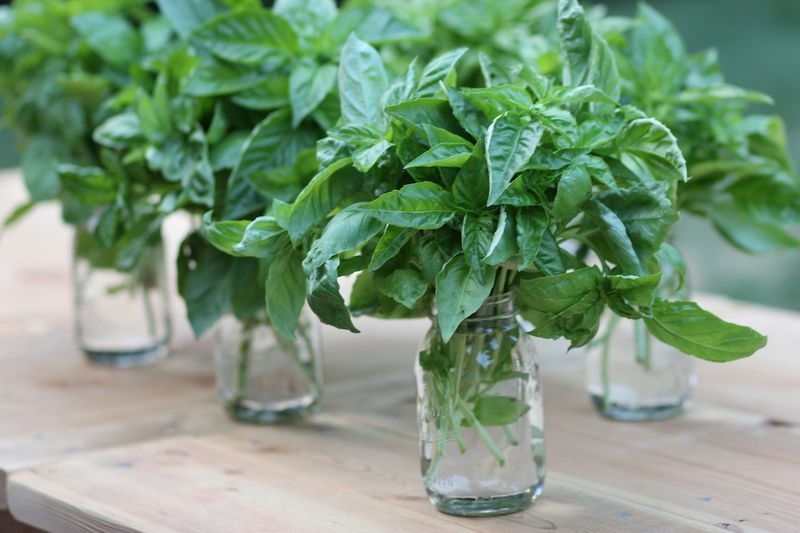
Imagine turning one basil plant into a whole windowsill of fresh herbs for free. It sounds like a magic trick, but it only takes a glass of water and a little patience.
Start by snipping a stem about 4 to 6 inches long. Make your cut just below a leaf node, the little bump where leaves grow from the stem.
Roots love to sprout from that spot.
Next, pull off the lower leaves that would sit underwater. Leaves soaking in water tend to rot and make the jar cloudy and smelly.
Keep a few healthy leaves at the top so the cutting can still make energy.
Place your cuttings in a glass of water somewhere with bright, indirect light. A kitchen window that does not get harsh afternoon sun works nicely.
Change the water every couple of days to keep it fresh and clear.
After about two weeks, tiny white roots should appear. It feels like watching a science project come alive.
Once roots reach an inch or two long, move each cutting into a small pot with well-draining soil.
Taking cuttings before frost is key, since cold nights can blacken basil leaves quickly. Kids especially enjoy this project, and it teaches a fun lesson about how plants grow new parts.
5. Move Healthy Basil Plants Inside Early
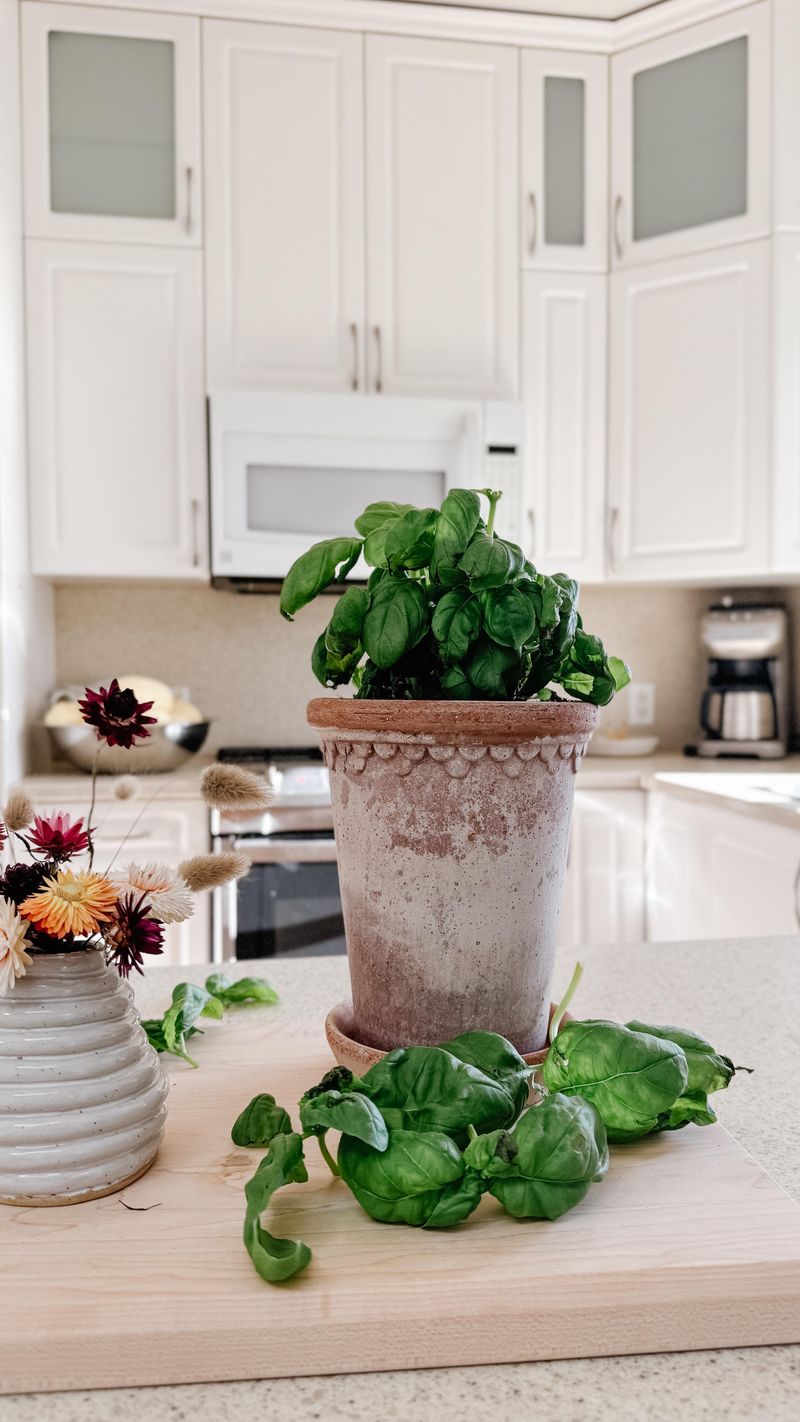
Basil is the drama queen of the herb garden. The moment temperatures drop, it starts sulking, and even a light frost can turn its leaves black and limp overnight.
For that reason, moving your basil indoors before the first fall frost is a smart plan. Honestly, bringing it in once nights start dipping toward 50 degrees beats cutting it close.
Basil can suffer from cold stress when nights dip into the 40s.
Choose only healthy plants with bright green leaves and no signs of pests. A plant that looks tired outdoors will probably struggle inside, too.
Starting strong gives it the best shot at thriving on a windowsill.
When you dig, try to lift as much of the root system as possible. Use a shovel or trowel and circle wide around the stem.
Then settle the plant into a pot big enough for those roots, filled with fresh, quality potting mix.
Water it well and let it adjust for a few days in a shady spot. Some leaves may wilt or drop at first, which is normal after a move.
Think of it as your basil unpacking its bags.
Keep your expectations realistic, since indoor basil often grows more slowly than outdoor basil. Still, a few fresh leaves on winter pizza make the effort worth it.
6. Give Indoor Basil Plenty Of Bright Light
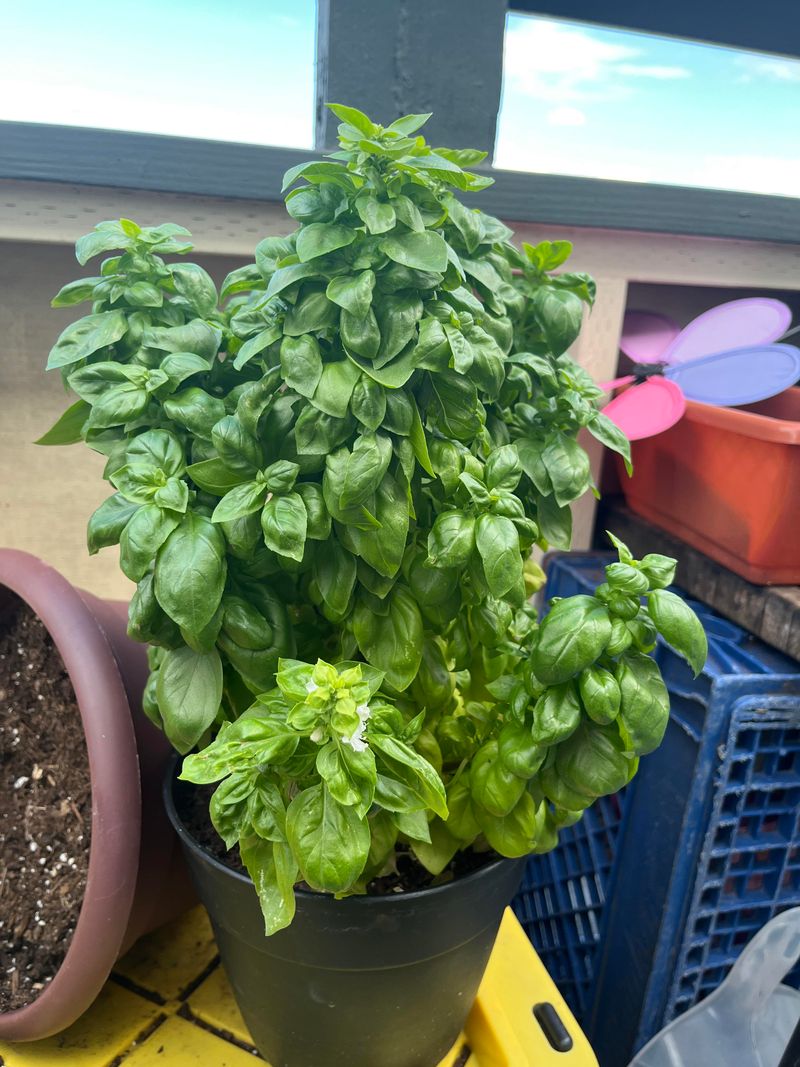
Sunshine is basil’s favorite snack, and it has a big appetite. Indoors, this herb needs about 6 to 8 hours of direct light every day to stay bushy and tasty.
A south-facing window is the best seat in the house. It catches the most sun during short winter days in Ohio.
East or west windows can work, but your plant may grow slower there.
Watch for clues that your basil wants more light. Long, stretchy stems and small, pale leaves mean it is reaching for the sun.
In that case, it is time to bring in some backup.
Full-spectrum grow lights make a huge difference during gloomy months. Place LED or fluorescent lights about 12 to 18 inches above the plants.
Run them for 12 to 16 hours each day, and a simple outlet timer makes that easy to remember.
Warmth matters, too. Basil is happiest between 65 and 70 degrees, so keep it away from cold, drafty glass at night.
A spot near a heater vent can dry it out, so aim for steady, gentle warmth.
Water when the top inch of soil feels dry. Pinch off the tips often to encourage fuller growth.
Every pinch is also an excuse to sprinkle fresh basil on your dinner.
7. Expect Pepper Plants To Slow Down Indoors
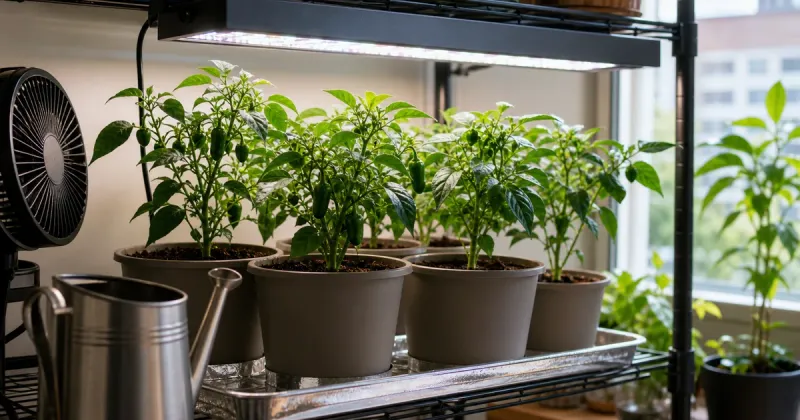
Moving a pepper plant indoors is a bit like sending a beach lover to a snowy cabin. It will survive, but it probably will not be throwing any parties for a while.
Slower growth is normal, especially during months with short days. Most indoor pepper plants reach about 1 to 3 feet tall.
Their fruits often come out smaller than the ones you picked outside in August.
Light is the biggest challenge. Peppers need 6 to 8 hours of bright, direct light each day, and winter windows rarely deliver that.
Most indoor growers add LED grow lights for 12 to 16 hours daily.
Without enough light, plants turn leggy and thin. You may notice fewer flowers and hardly any new peppers.
Dropping a few leaves after the move is also common, so do not panic right away.
Temperature makes a real difference. Peppers like about 80 degrees during the day and around 70 at night.
Moderate humidity and steady watering help, too, but let the soil dry slightly between drinks to avoid soggy roots.
Here is a helpful mindset shift. Think of indoor peppers as resting rather than producing.
Some gardeners simply keep them alive through winter, then enjoy a big head start when spring planting season returns.
8. Keep Frost Covers Ready For One More Harvest
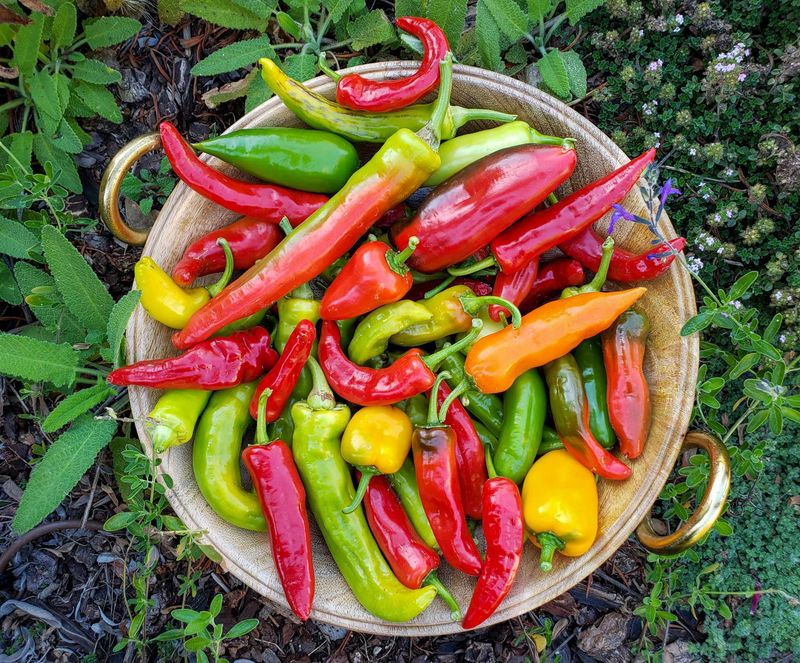
Ohio weather loves to play tricks. One night brings a frosty scare, and then a string of warm, sunny days follows like nothing happened.
That is where frost covers become your secret weapon. A light cover can protect pepper plants through a mild cold snap, buying you extra time for fruit to ripen.
Sometimes that means one more basket of sweet peppers.
You do not need fancy supplies. Frost cloth works great, but old sheets, blankets, or burlap do the job, too.
Drape them loosely over the plants and let the edges reach all the way to the soil.
Timing is everything here. Put covers on before sunset so they trap heat rising from the ground.
Think of it like tucking your garden into bed while the soil is still warm.
Be careful with plastic. If it touches the leaves, trapped moisture can freeze and harm the plant.
Use stakes or tomato cages to hold plastic above the foliage if it is all you have.
Pull the covers off in the morning once temperatures climb, so plants can soak up sunlight. Keep in mind that covers only help for short chilly spells.
When repeated hard freezes show up, harvesting everything is the wiser move.
9. Clear Spent Plants After The Growing Season
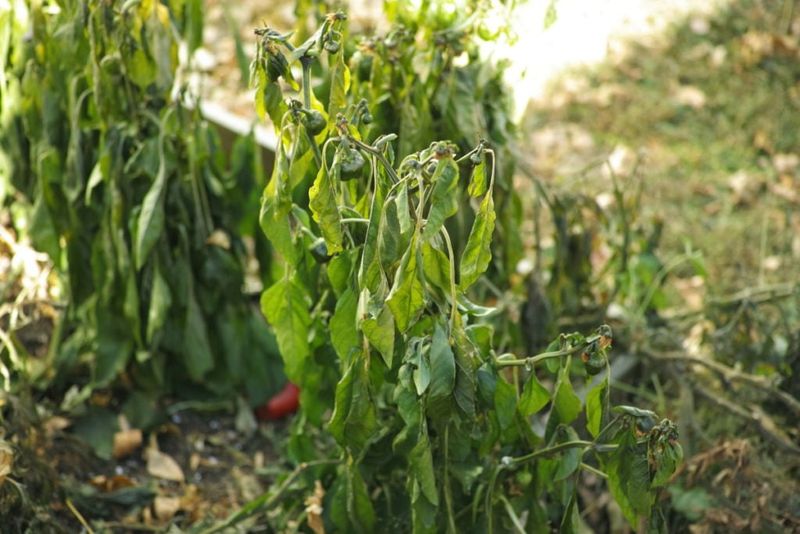
Every good story needs a satisfying ending, and your garden is no different. Once the season wraps up, cleaning out old plants sets the stage for next year.
Gardeners often call this job putting the garden to bed. It sounds cozy, and it truly is a gift to your future self.
Clearing beds now means less work when spring fever hits.
Old pepper and basil plants can hide trouble. Pests and diseases love to spend the winter tucked inside leftover stems and fallen leaves.
Removing that debris takes away their comfy winter hotel.
Healthy plant material can go straight into the compost pile. Chop larger stems into smaller pieces so they break down faster. By spring, you may have rich, crumbly compost to feed new plants.
Plants with spots, mold, or signs of disease need different treatment. Bag them up and toss them in the trash instead of composting.
Home compost piles often do not get hot enough to destroy those germs.
After clearing, consider spreading a layer of shredded leaves or compost over the soil. It protects the ground from winter erosion and feeds helpful worms.
Then brew some hot cocoa, flip through seed catalogs, and start dreaming about next summer’s pepper patch.