What The Final Harvest Means For Michigan Gardeners As Frost Gets Closer
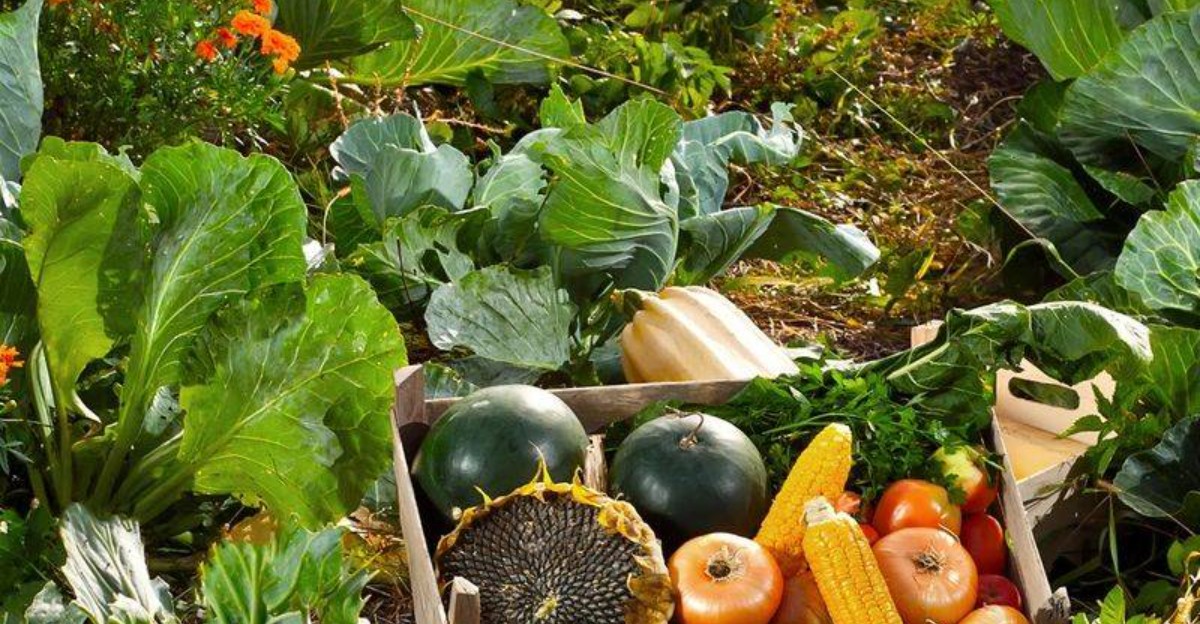
There’s a particular kind of urgency that settles over a Michigan garden once frost becomes less of an if and more of a when.
Tomatoes, peppers, and other tender crops still hanging on the vine are essentially living on borrowed time, and a single hard freeze can end weeks of remaining potential in one overnight cold snap.
This final push often means harvesting fruit slightly before ideal ripeness, since a green tomato saved indoors beats one lost to frost outdoors every time.
Beyond just salvaging what’s left, this last harvest also signals it’s time to start thinking about garden cleanup, soil care, and the transition into the dormant months ahead.
Reading these seasonal cues correctly can mean the difference between a satisfying final haul and watching a season’s work disappear overnight.
1. Frost Dates Show How Much Time Is Left
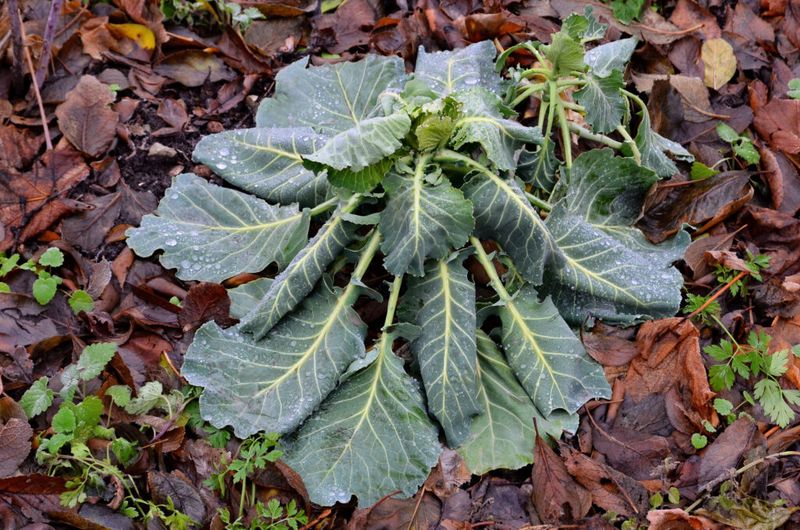
One chilly night can undo a whole summer of hard work in a matter of hours. That is why smart Michigan gardeners treat the first frost date like a countdown clock. It tells you how many days remain to pick tender crops, cover plants, and wrap up fall chores.
Michigan is a big state, so that date changes a lot depending on where you live. Gardens in the Upper Peninsula and the northern Lower Peninsula often see frost by mid to late September. Southern Michigan usually gets its first frost in early to mid October.
Living near Lake Michigan gives you a small bonus. The huge lake soaks up heat all summer and releases it slowly in fall, so shoreline gardens often stay frost free a little longer than inland spots just a few miles away.
Start by looking up the average first frost date for your zip code. Michigan State University Extension and many online frost date tools make this quick and easy. Keep in mind that an average is only a guide, and frost can show up a week or two early.
From September on, check the forecast every day. Pay special attention to clear, calm nights. Without clouds acting like a blanket, heat escapes from the ground fast, and still air lets cold settle right onto your plants.
When the forecast drops into the mid 30s, treat it as your cue to act. Pick ripe peppers, beans, squash, and tomatoes that same afternoon. A little planning turns frost from a surprise into a simple next step.
2. Green Tomatoes Can Still Ripen Indoors
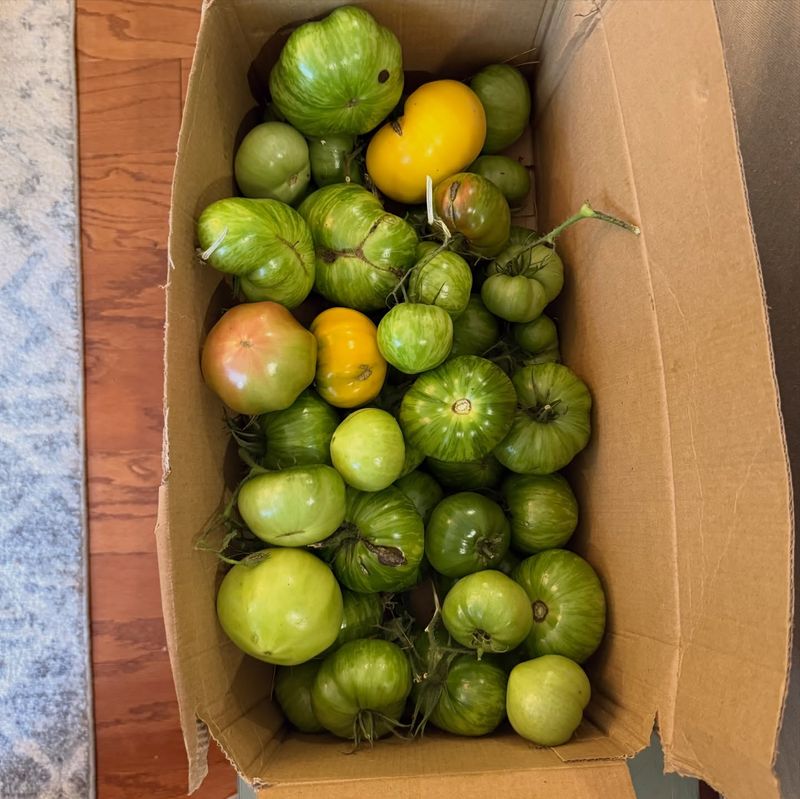
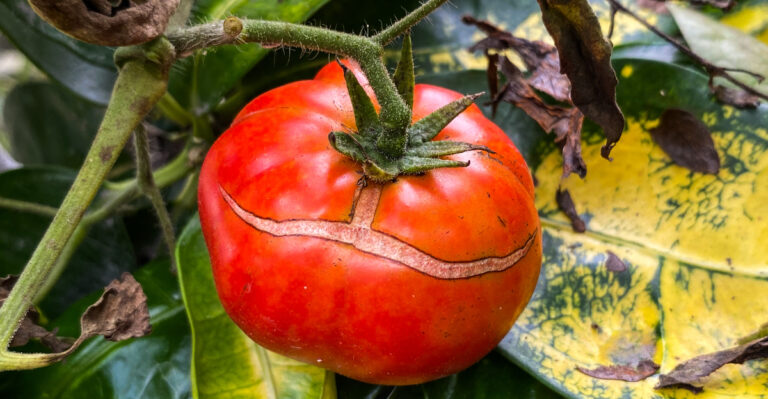
Frost is coming, and your tomato plants are still covered in hard green fruit. Sound familiar? Plenty of Michigan gardeners face that exact scene every fall, because cold weather often shows up before the vines are done.
The good news is that many of those green tomatoes can still turn red on your kitchen counter.
Once a tomato reaches full size, it keeps ripening after you pick it. Look for fruit that is glossy and has shifted from deep green to a lighter, paler shade, sometimes with a hint of white or yellow at the bottom.
Your Michigan Garden Changes Every Week. Your Plan Should Too.
Gardening in Michigan changes quickly throughout the season. Every Friday you’ll receive a simple weekly plan showing exactly what to plant, prune, fertilize, harvest, and protect so you never miss the right timing.
Small, hard, dark green tomatoes are a different story. They are not mature yet and usually won’t ripen well off the vine. Those little ones work great for fried green tomatoes, relish, or salsa verde instead.
Pick your mature green tomatoes before the first frost hits. Wipe each one clean with a soft cloth, then set them in a single layer on a tray or in a shallow box.
Keep them somewhere around 60 to 70°F and out of direct sun, since warmth matters more than light for ripening.
Check your stash every few days. Pull out any that turn soft, leak, or start to spoil so the problem doesn’t spread. Move the ripe ones to the kitchen and enjoy them soon.
Short on time? Pull up the whole plant, shake off the soil, and hang it upside down in a garage or basement. The fruit keeps ripening right on the vine, and you’ll be slicing homegrown tomatoes well into October.
3. Storage Crops Need Curing Before They Go Inside
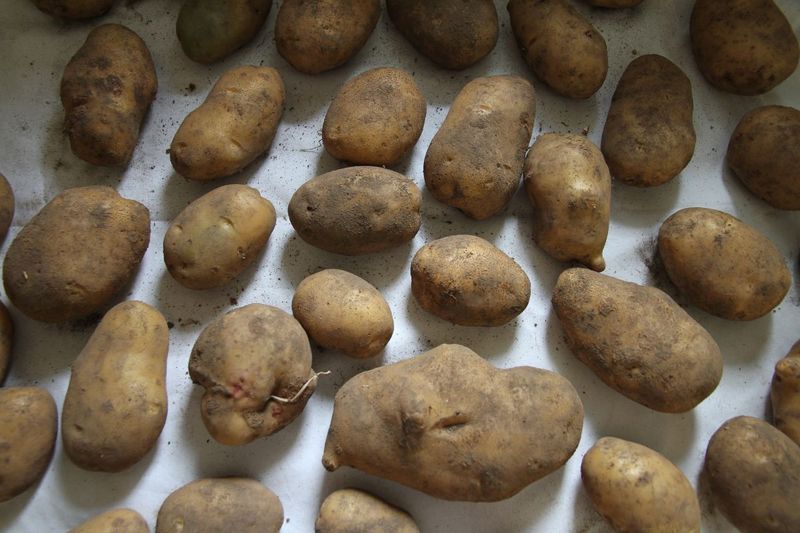
Here’s a secret that separates a good harvest from a great winter pantry: patience. Onions and potatoes fresh from the ground are not quite ready for storage yet. They need a short rest period called curing.
Curing does two big jobs. It dries and toughens the outer skin, and it heals small nicks and scrapes from digging. Tougher skins mean fewer chances for rot to sneak in and less shriveling over the months ahead.
Onions like it warm, dry, and breezy. Spread them out on a wire rack, a slatted shelf, or an old window screen in a covered porch or garage with good airflow. After two to three weeks, the necks should feel dry and papery, with no green left.
Once cured, trim the tops, brush off loose dirt, and move onions to a cool, dry place. Mesh bags or old pantyhose hanging from a hook work surprisingly well.
Potatoes want a different kind of care. Keep them in a dark spot at about 50 to 60°F with high humidity for roughly two weeks. Don’t wash them first, since extra moisture on the skin can invite trouble.
After curing, store potatoes in darkness at around 40°F. Light turns their skins green, and that green part tastes bitter and shouldn’t be eaten. A cardboard box with a few air holes does the trick.
Michigan winters are long, and many gardeners count on basements, garages, and root cellars to hold their harvest. A little curing time now can mean homegrown mashed potatoes and caramelized onions all the way to March.
4. Last Chance To Harvest Tender Herbs
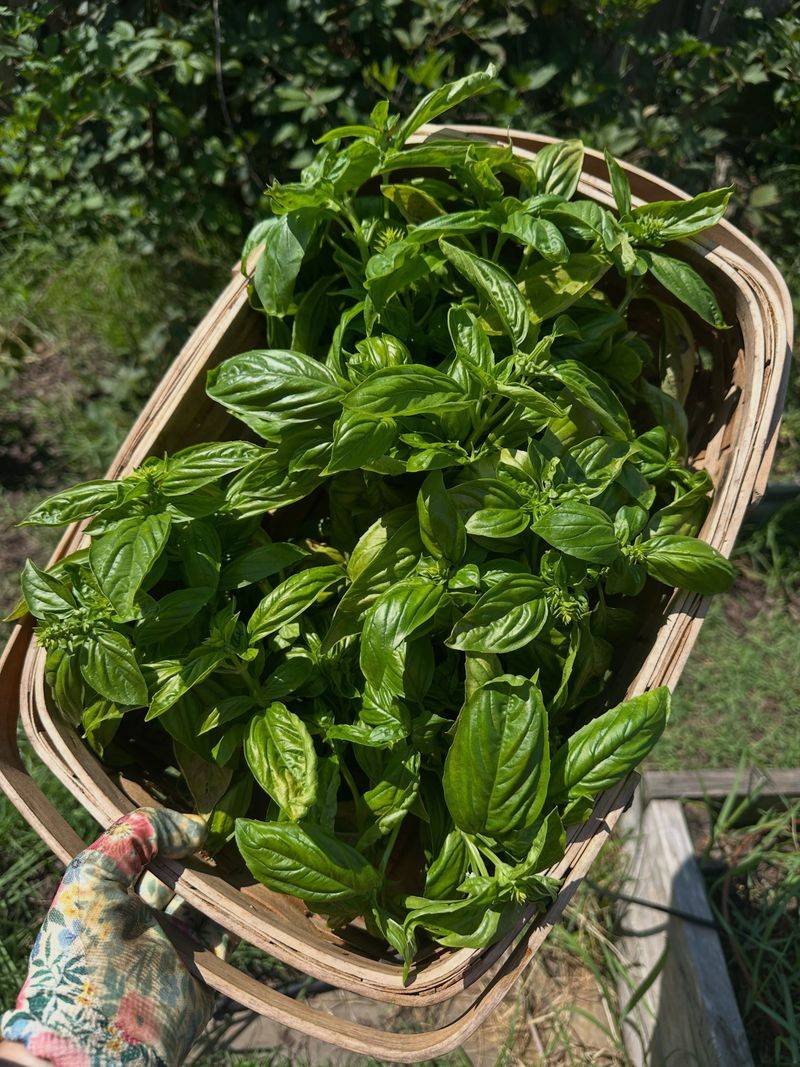
Basil is the drama queen of the herb garden. The moment temperatures slip below about 50°F, its leaves can turn dark, spotted, and limp. Parsley, thyme, sage, oregano, and chives are much tougher and can shrug off a light frost.
That difference changes how you plan your herb harvest. In Michigan, chilly nights often roll in during September, weeks before the first hard frost. Your basil may be in trouble long before your tomatoes even notice the cold.
Watch the nighttime lows closely. When forecasts start dipping into the 40s, cut all your basil, even the smaller stems. Waiting just one more night can cost you the whole crop.
Now comes the fun part, which is saving all that flavor. Chop fresh herbs, pack them into ice cube trays, and cover them with olive oil or water before freezing. Pop out a cube or two whenever a soup, sauce, or stir fry needs a burst of summer.
Drying works well too, especially for oregano, thyme, and sage. Tie small bundles with string and hang them upside down in a warm, dry room away from sunlight. Once the leaves crumble easily, store them in labeled jars.
Hardy herbs can stay in the garden and be snipped as needed through late fall. Sage and thyme often hang on even after snow starts to fly.
Want fresh herbs all winter? Dig up a clump of parsley or chives, tuck it into a pot with good soil, and set it on your sunniest windowsill. Fresh garnish in January feels like a small victory.
5. Row Covers And Cold Frames Buy Extra Weeks
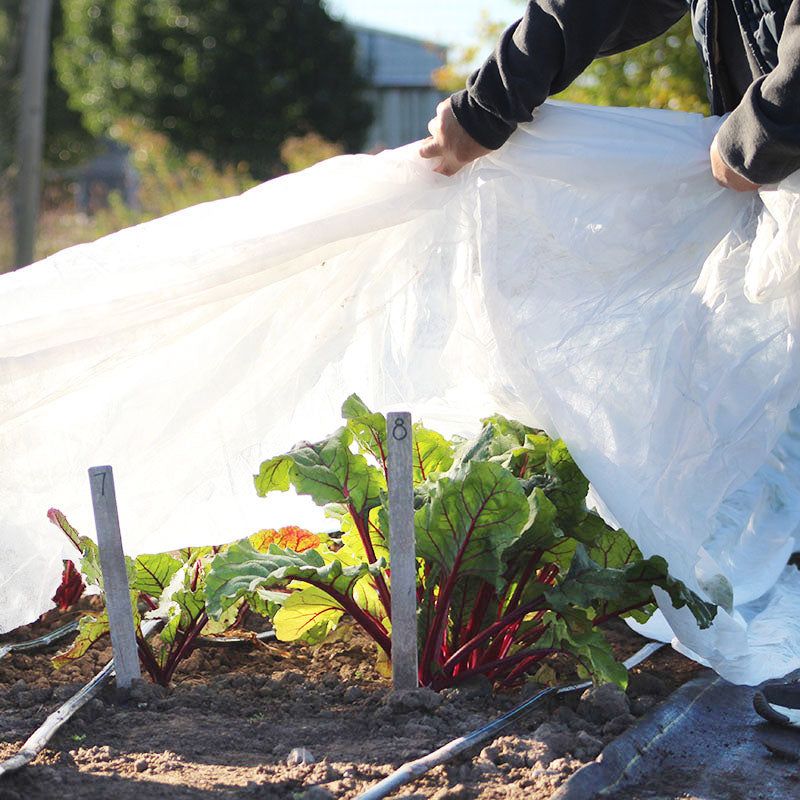
A thin sheet of fabric might be the best garden tool you never knew you needed. Floating row covers look flimsy, but they can keep your plants a few degrees warmer on a cold night. Sometimes a few degrees is all that stands between crisp lettuce and a mushy mess.
The science is simple. During the day, soil soaks up heat from the sun, and at night that heat rises back into the air. A row cover traps some of that warmth close to the plants, like a light blanket on a bed.
Cool season crops love this extra help. Lettuce, spinach, kale, chard, and arugula already handle chilly weather well, and a cover helps them sail through early frosts.
Timing is key. Drape the fabric over your greens in the evening before a frost is expected, and weigh down the edges with rocks, bricks, or garden pins so wind can’t sneak underneath.
On sunny days, pull the cover back or open the ends to vent it, since heat can build up fast. Cold frames take the idea one step further.
A cold frame is basically a bottomless box with a clear lid, often made from an old window. Greens tucked inside can keep producing well into late fall, and spinach and kale sometimes keep going even longer.
Michigan weather loves a plot twist. Early fall often brings a few frosty nights followed by weeks of mild, sunny days.
Protect your plants through those first cold snaps, and you can keep harvesting salads long after your neighbors have cleaned out their beds.
6. Preserve The Surplus While It’s Fresh
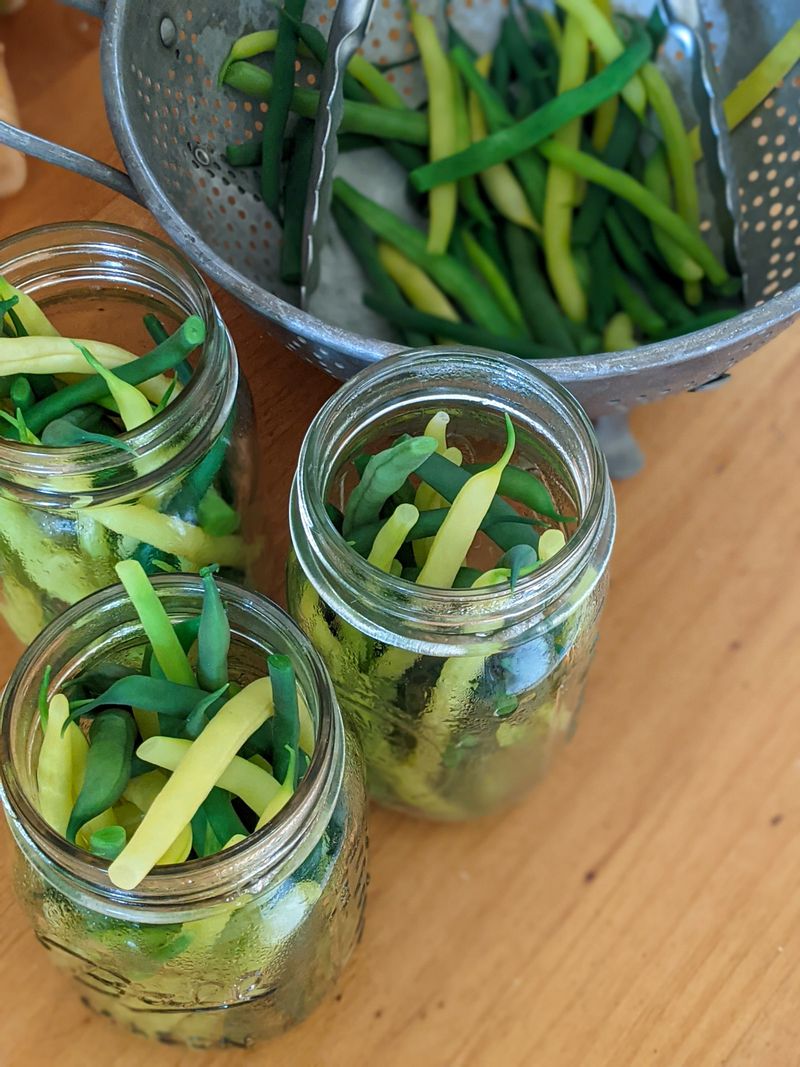
Every gardener knows the feeling of standing in the kitchen surrounded by bowls of beans, peppers, and tomatoes, wondering how to use it all.
The final harvest tends to arrive all at once. Freezing, canning, and drying can turn that pile into meals for months. Speed matters more than most people think.
Vegetables start losing flavor, color, and crunch soon after they leave the plant, as their natural sugars change and moisture escapes. Preserving produce within a day of picking locks in the best quality.
Freezing is the easiest place to start. Green beans, broccoli, and leafy greens should be blanched first, which means a quick dip in boiling water followed by an ice bath. Blanching stops the enzymes that make frozen veggies turn dull and tough.
Dry the blanched vegetables well, pack them into freezer bags, and press out as much air as you can. Label each bag with the name and date. A food dehydrator works wonders for herbs and hot peppers.
Canning tomatoes is a classic fall project, but safety comes first. Always use tested recipes and follow correct processing times, because guessing can lead to unsafe food.
Michigan State University Extension offers free food preservation guides, classes, and answers to canning questions.
Michigan’s growing season is short, and winter can stretch on for months. Opening a jar of your own tomato sauce on a snowy February night brings back a little piece of summer. That reward makes every hour in a steamy kitchen worth it.
7. Save Seeds From Open-Pollinated Plants
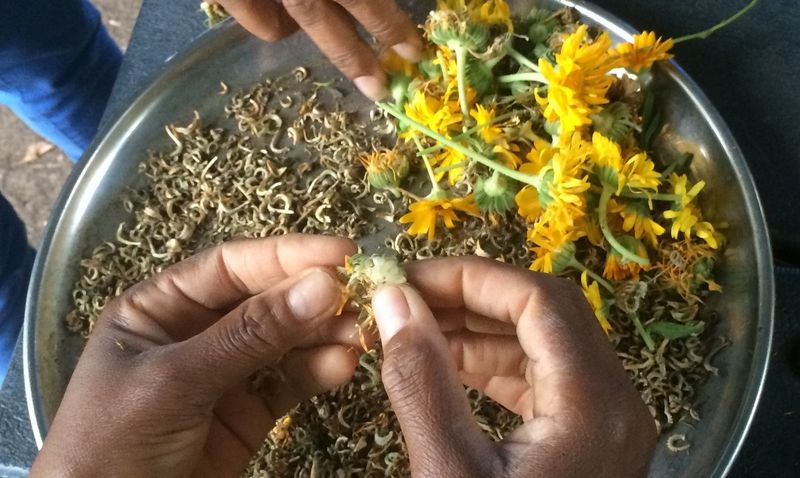
Some of the tastiest beans in Michigan gardens have been passed from hand to hand for generations. Seed saving keeps those treasures going, and fall is the perfect time to start.
Before you collect anything, check what kind of plant you grew. Open-pollinated and heirloom varieties produce seeds that grow true, meaning next year’s plants will look and taste like this year’s.
Hybrid seeds, often labeled F1 on the packet, usually won’t, and their offspring can turn out quite different.
Beans and peas are the easiest crops for beginners. Leave some pods on the plant until they turn dry and brittle and the seeds rattle inside. Shell them, spread the seeds out to finish drying for a week or so, and they’re ready to store.
Tomatoes need a slightly messier method. Scoop the seeds and pulp from a ripe fruit into a jar with a little water and let it sit for a few days. A layer of mold may form on top, which sounds gross but actually helps remove the gel coating around each seed.
After fermenting, rinse the good seeds that sink to the bottom and spread them on a plate to dry. Pepper seeds are simpler, since you just scrape them onto paper and let them dry for a week or two.
Store every batch in a labeled envelope with the variety name and year, then keep them somewhere cool and dry. Plants that thrived in your yard have already proven they can handle Michigan’s short season, so their seeds give you a head start.
8. Take Notes While The Season Is Fresh
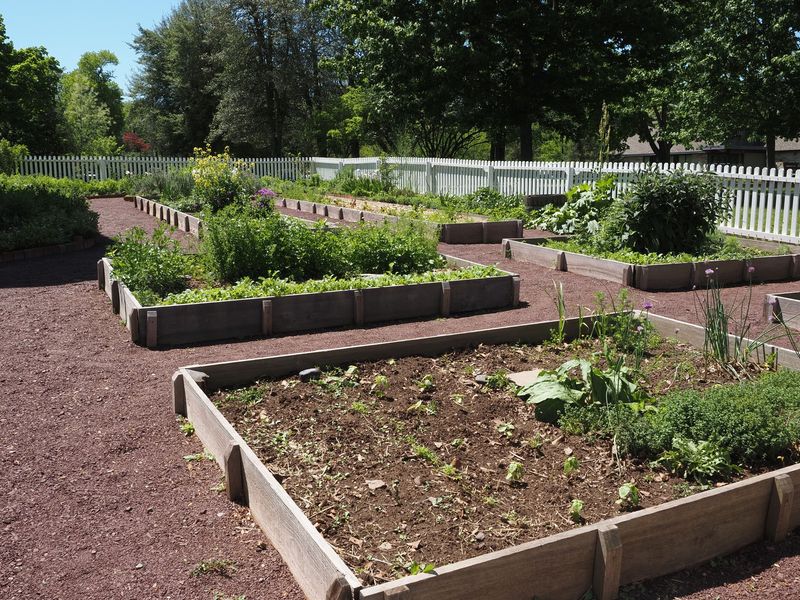
Quick question: which tomato variety tasted best this summer, and which bed did it grow in? If you have to think hard, you’re not alone. By spring, most of these details fade from memory.
That’s why the final harvest is the ideal moment to grab a notebook. Your successes and flops are still fresh, and a few minutes of writing now can save you from repeating mistakes next year.
Start with the winners. Jot down which varieties produced well, how they tasted, and whether you’d grow them again. Note when you planted each crop and when you picked the first and last harvests.
Next, be honest about the struggles. Did cucumber beetles chew through your squash, or did carrots stay tiny in heavy clay soil? Write down what went wrong and your best guess about why.
A simple map of your garden is worth its weight in gold. Sketch each bed and label where every crop family grew.
Tomatoes and potatoes belong to the same family, and brassicas like broccoli, cabbage, and kale make up another, so moving them to new spots each year helps limit soil pests and diseases.
Photos help too. Snap a few pictures of each bed on your phone and save them in a garden folder. Every day counts in Michigan, where the growing season is short and the weather can change fast.
Notes help you pick fast-maturing varieties that beat the frost and plan planting dates with confidence. Your future self will thank you when the seed catalogs arrive in January.