That Michigan Shrub You Keep Cutting Back May Actually Be A Native Tree
Almost every spring, the same routine. Out comes the pruner, down goes that unruly multi-stem plant in the corner, and somehow it still never looks the way you want it to.
It grows back fast, blooms white before anything else in the yard, and no matter how many times you cut it into a tidy shape, it keeps reaching upward like it has somewhere to be.
Here is the thing: it does. That plant is not a badly behaved shrub. It is a native Michigan tree that has been trying to become itself for years while you kept stopping it.
It naturally grows to 15, 20, even 25 feet tall with a graceful, open, layered canopy that is genuinely beautiful when left alone.
Once you understand what it actually is and how it wants to grow, the whole relationship changes. Less pruning. More flowers. More berries. More birds. A plant that finally looks like it belongs exactly where it is standing.
Meet Serviceberry By Its Real Shape
Walk up close to that multi-stem plant and look at the bark. Smooth, gray, slightly striped. Those long arching stems reaching upward are not fighting you.
They are doing exactly what serviceberry has done across Michigan woodlands for thousands of years.
Serviceberry, known scientifically as Amelanchier, is a true native small tree. Several species are native to Michigan, including Amelanchier laevis and Amelanchier arborea, and both can reach 15 to 25 feet at full maturity.
That is not shrub territory. That is small tree territory, and the plant is aware of the difference even if the gardener is not.
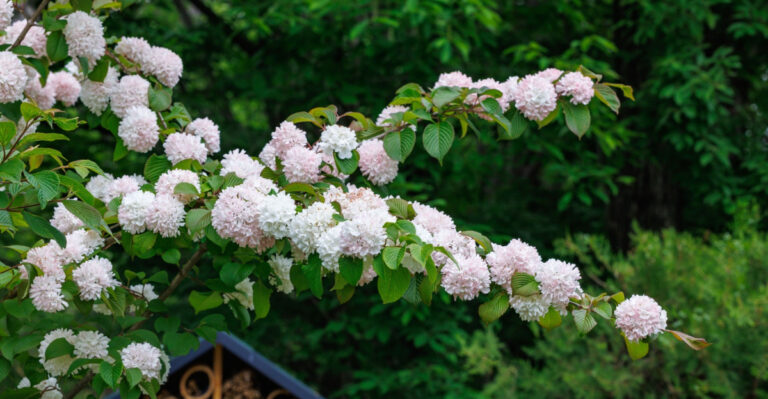
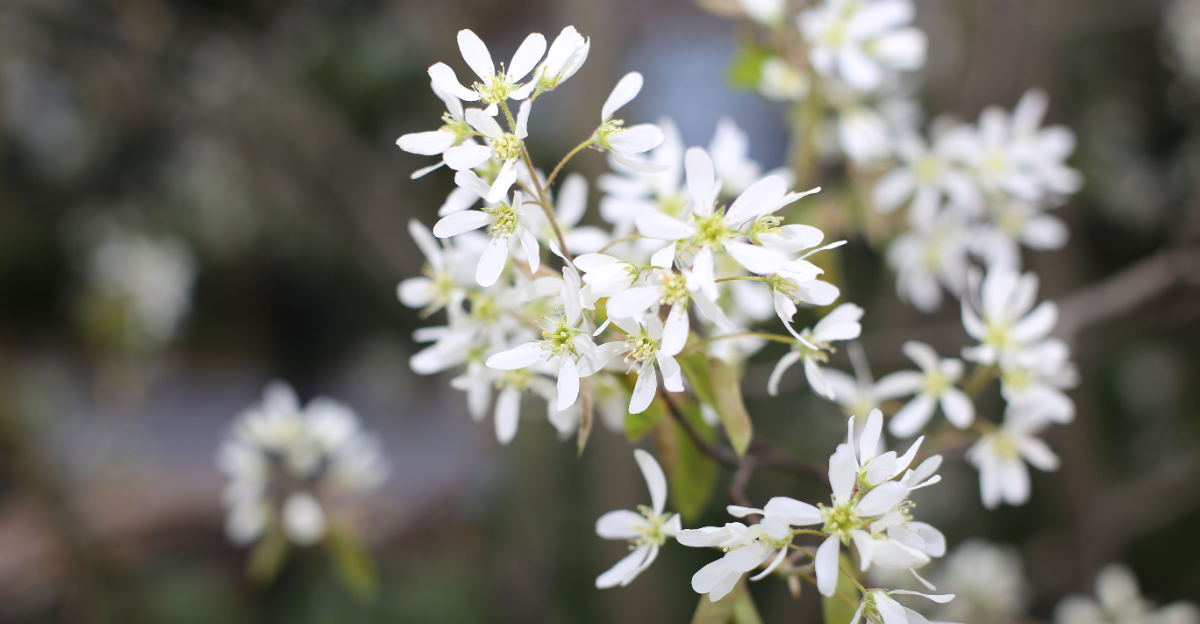
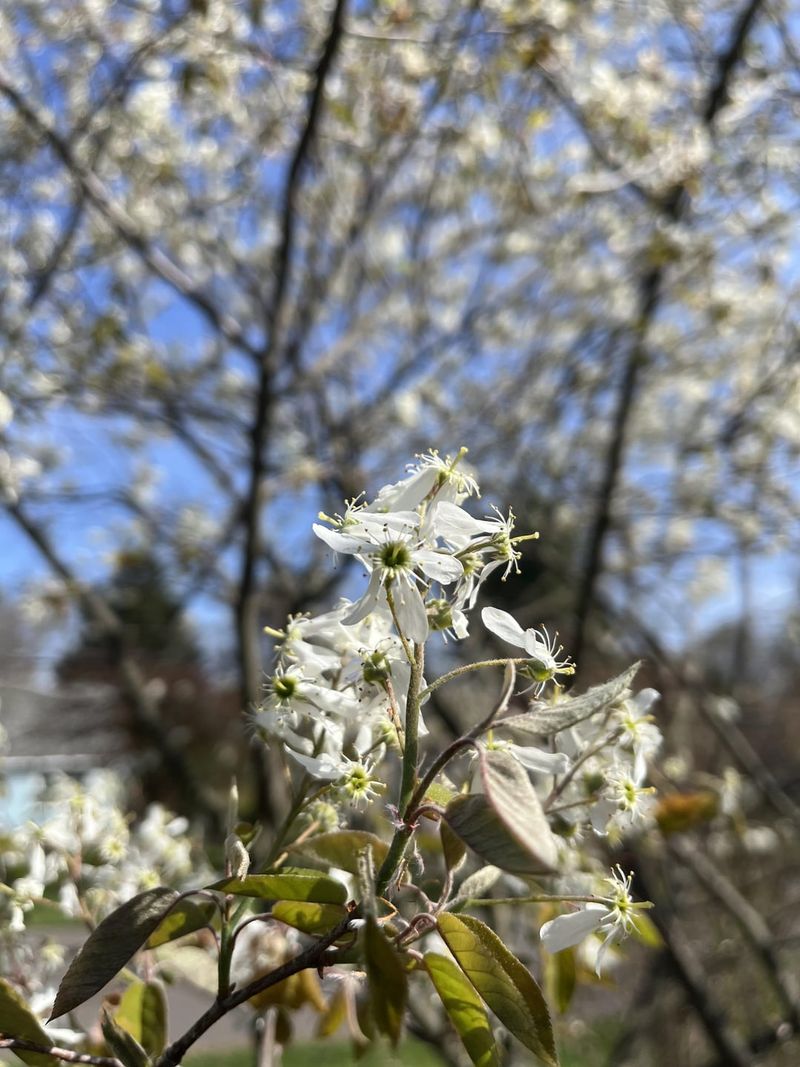
Most homeowners first notice it in early spring when it explodes with soft white flowers before the leaves even open. That early bloom is one of the most striking spring moments a Michigan yard can offer.
Native bees that have just emerged from winter absolutely depend on it. The flowers appear on older woody stems, which becomes important information later when pruning decisions come up.
Serviceberry also goes by juneberry, shadbush, and saskatoon depending on where you are in the country. In Michigan, juneberry is common because the small sweet blueberry-like fruits ripen in June.
Once you understand what this plant actually is, the way you look at that so-called problem shrub in your yard changes completely. You have not been fighting a difficult plant. You have been fighting a tree.
Let It Grow Beyond Shrub Height
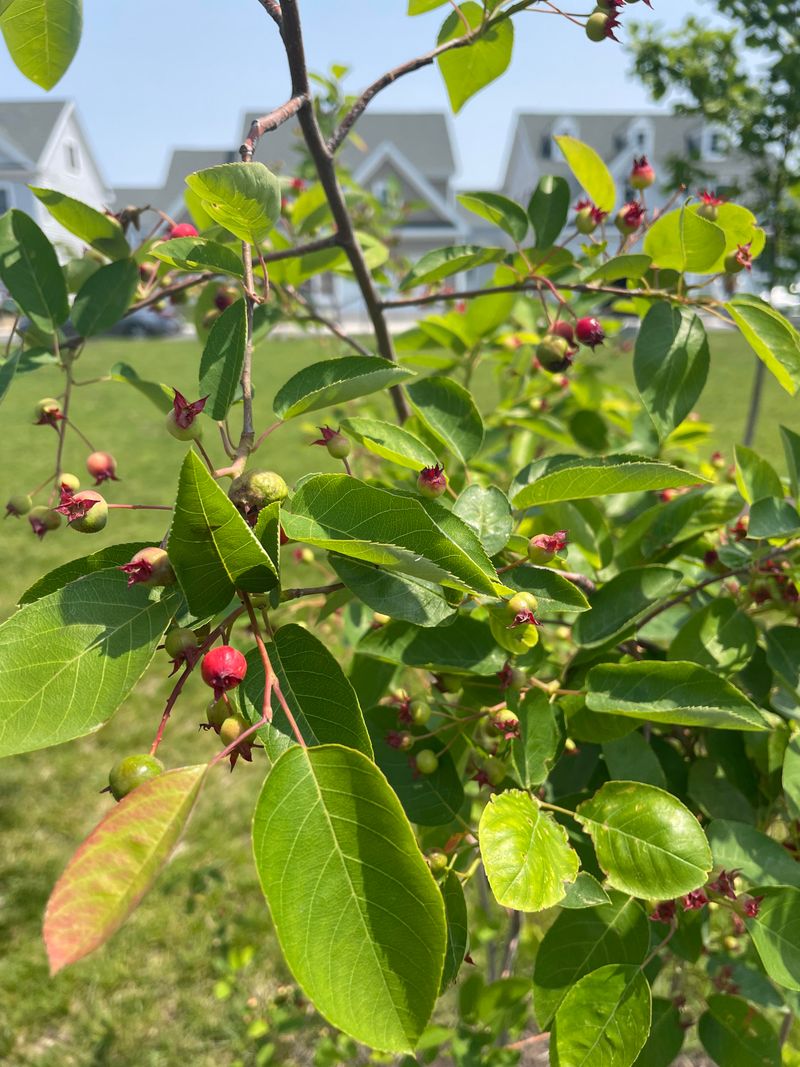
Many gardeners stop serviceberry at four or five feet. Easy to reach, easy to manage, tidy enough to feel under control. That height is nowhere near where this plant wants to be, and the effort to hold it there costs far more than it delivers.
Left alone, serviceberry pushes steadily to 15 feet, sometimes 20 or 25 depending on the species and growing conditions. That is a real canopy tree in a small yard, and a genuinely useful one.
A taller serviceberry actually becomes easier to live with over time. The lower branches naturally lift as the plant matures, creating clearance underneath for shade-tolerant native groundcovers.
Your Michigan Garden Changes Every Week. Your Plan Should Too.
Gardening in Michigan changes quickly throughout the season. Every Friday you’ll receive a simple weekly plan showing exactly what to plant, prune, fertilize, harvest, and protect so you never miss the right timing.
The upper canopy spreads outward in a loose, tiered pattern that filters light beautifully rather than blocking it completely.
Repeated cutting at a fixed height creates a dense, twiggy mass of regrowth that looks messy and produces fewer flowers and berries each season.
The plant pours enormous energy into that regrowth instead of into roots, flowers, and fruit. Every time you cut it back to four feet, you are restarting the clock. The plant spends the next growing season just getting back to where it was, and the cycle never ends.
Allowing serviceberry to reach its natural height means better wildlife habitat, more flowers every spring, and a plant that finally looks like it belongs in the yard instead of one that looks like it is staging a slow escape from captivity.
Sometimes the lowest-maintenance decision is to simply stop intervening.
Stop Forcing It Into A Tight Ball
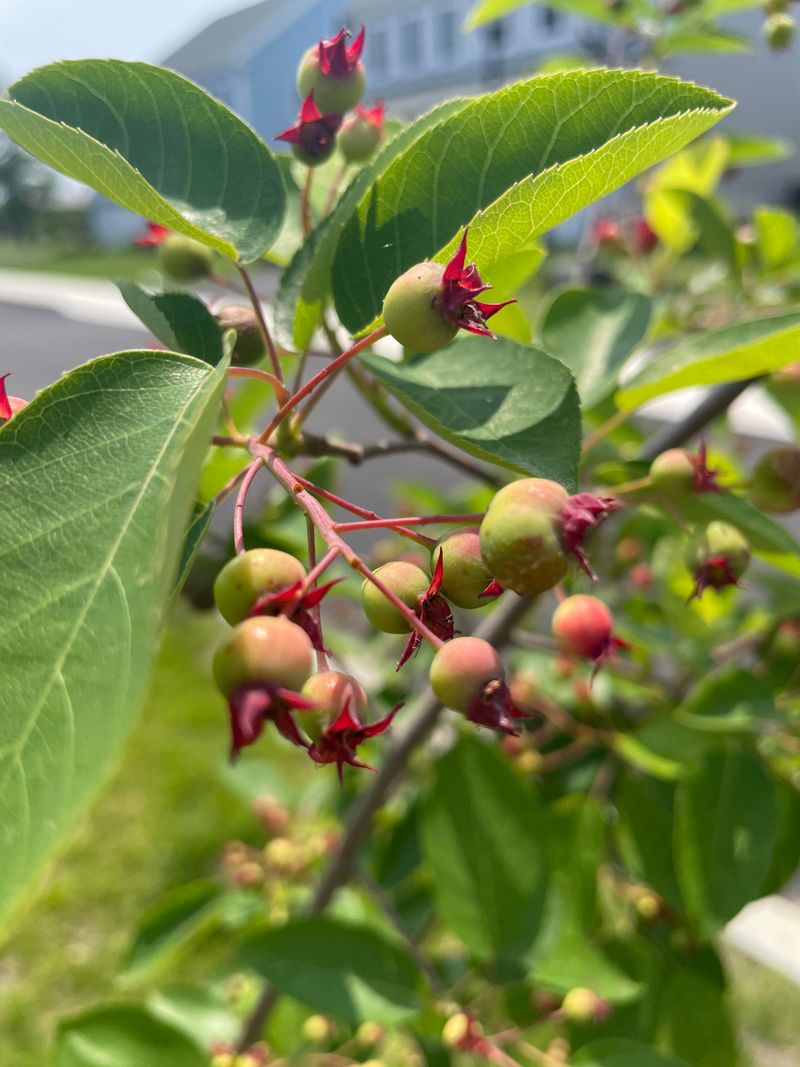
Shearing serviceberry into a round ball is one of the most common mistakes in Michigan gardens, and it is hard to blame anyone for it.
Garden centers often sell serviceberry alongside boxwood and burning bush, plants that actually tolerate heavy shearing. Serviceberry is built completely differently, and treating it the same way produces completely different results.
Serviceberry has a naturally arching, open branching habit. Its stems grow outward and upward in graceful curves.
Forcing those branches into a dense sphere cuts through flowering wood and fruiting spurs, then generates hundreds of tiny weak new shoots at every cut point.
Those shoots crowd together, reduce airflow, and make the plant more vulnerable to fungal issues like powdery mildew. The shearing solves a visual problem by creating several practical ones.
Beyond the practical damage, a balled-up serviceberry just looks wrong. The plant has a loose, woodland elegance that hedge trimmers completely erase.
People who see a well-grown serviceberry in its natural form regularly stop to ask what that beautiful small tree is. Nobody stops to admire a tight green ball.
Serviceberry structure is meant to be open and layered, showing off branch pattern in winter, flowers in spring, berries in early summer, and red-orange fall color as the season closes.
Shearing removes every one of those seasonal highlights and replaces them with a uniform shape that could belong to any plant. Let those branches breathe and the plant reveals what it actually is.
Light Thinning Keeps The Form Natural
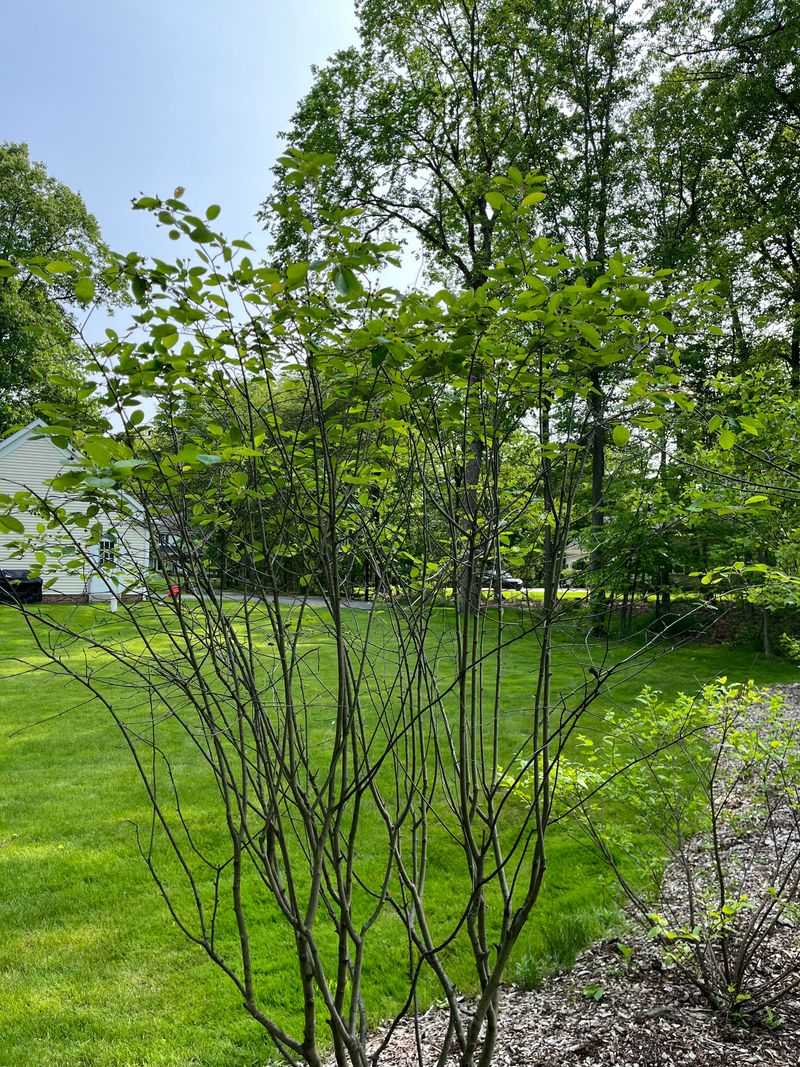
Selective thinning is the right tool for serviceberry, and it is simpler than it sounds. Instead of cutting everything back to the same height, specific stems get removed entirely at the base.
This opens the plant, improves airflow, and preserves the graceful arching shape that makes serviceberry genuinely attractive in a Michigan landscape.
The goal is to remove roughly one-third of the oldest, thickest stems every few years. Older stems tend to be darker, rougher, and less productive for flowers and fruit.
Cutting them out at ground level encourages fresh new stems from the base, which is exactly how serviceberry renews itself in the wild. The plant already knows how to do this. The pruner just needs to assist rather than override.
Heading cuts, which are cuts made partway along a branch, produce dense clusters of weak regrowth and disrupt the natural branching structure.
Thinning cuts, by contrast, leave remaining branches completely intact and looking natural. The plant does not look like it has been pruned. It looks like it has been edited, which is a very different result.
Basic hand pruners and a small pruning saw handle all of this. No hedge trimmers required. Early spring before leaves open or late winter when the branch structure is visible works well for this kind of work.
A light thinning every two or three years is genuinely all it takes to keep serviceberry looking its best, and the sessions are short because the goal is restraint, not transformation.
Spring Flowers Need Older Branches
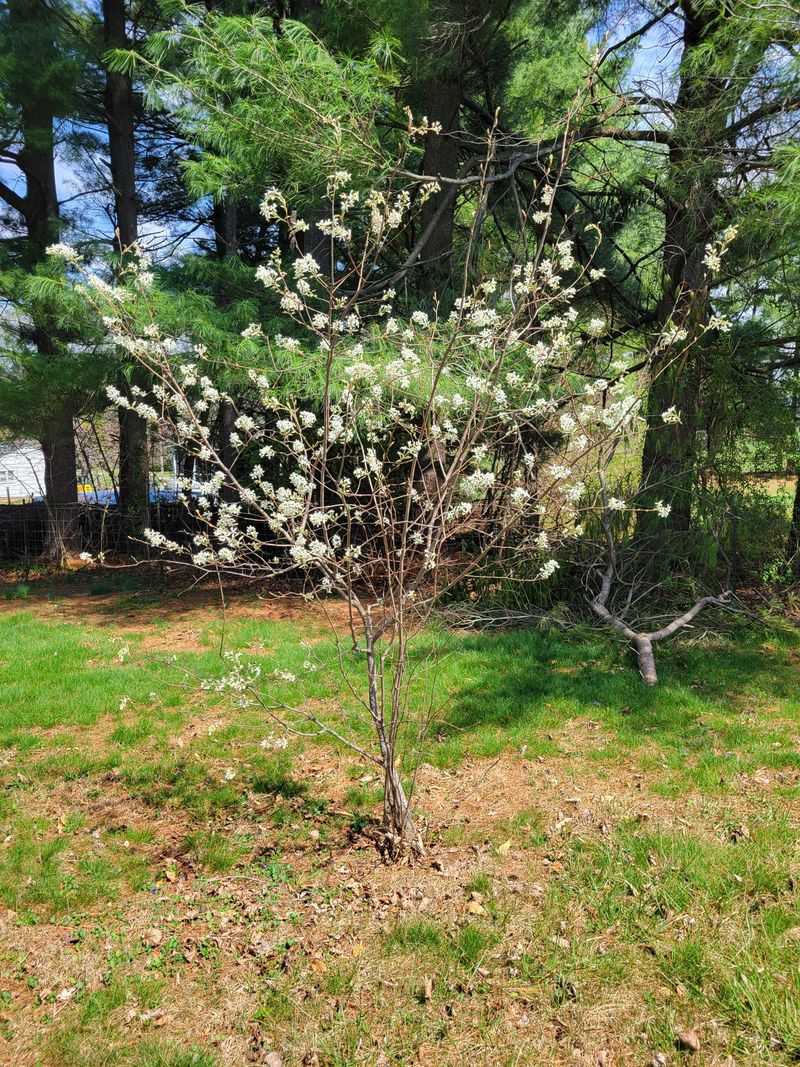
Here is something most gardeners do not learn until they have already made the mistake. Serviceberry flowers on older wood.
The branches that grew last year, or even two years ago, are carrying this spring’s flower buds. Cut those branches off in fall or late winter and the spring show disappears entirely.
Heavy annual pruning leaves serviceberry looking bare and flowerless in spring, and the plant is not failing. The wood that held the buds is simply gone.
Those delicate white flower clusters appearing on bare gray branches in April are one of the most striking early spring sights a Michigan yard can offer.
Native bees, including early-emerging queen bumblebees, depend on those flowers as one of their first food sources of the entire season.
Cutting back serviceberry heavily at the wrong time directly removes that food at the most critical moment in the pollinator calendar.
Protecting the flower show requires leaving the older wood intact. Light thinning of the oldest stems and removal of crossed or damaged branches is fine.
Heavier cleanup belongs right after flowering finishes in late spring. That window preserves the blooms, allows fruit to develop, and still provides time to shape the plant before summer growth takes off.
Every pruning decision on serviceberry is really a decision about what the plant will do in the next season.
Cut at the wrong time and the consequences do not show up until months later, which is exactly why the mistake is so easy to repeat without connecting the cause to the outcome.
Birds Notice The Summer Berries
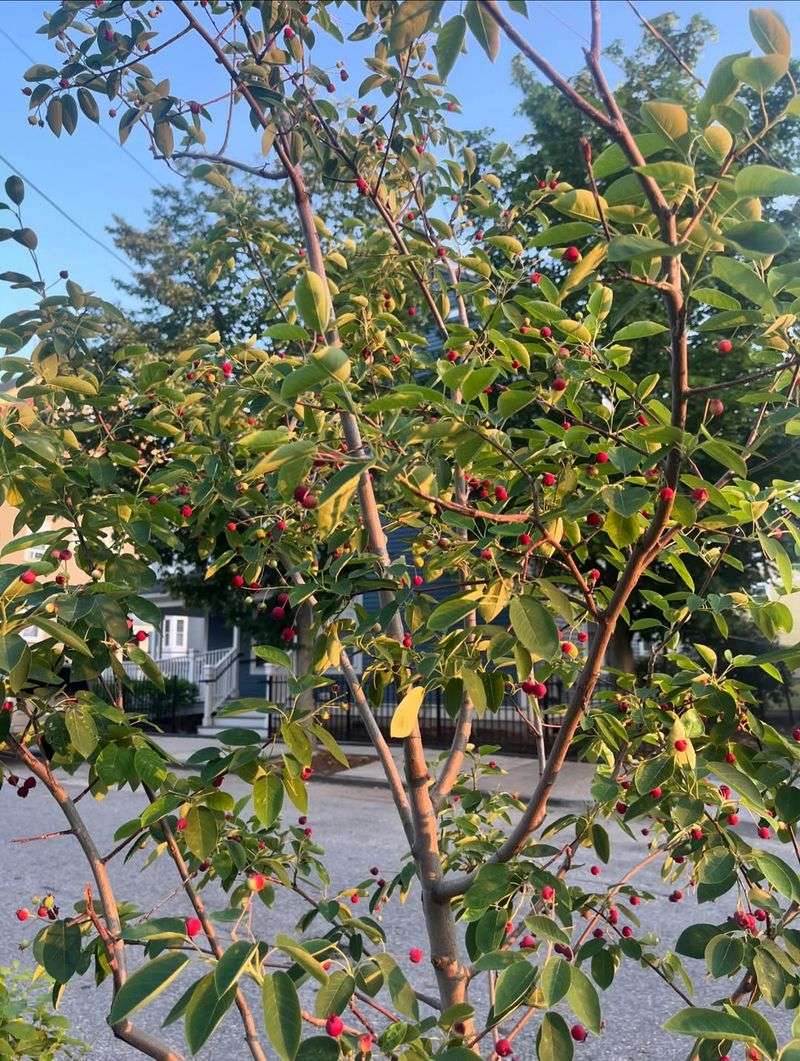
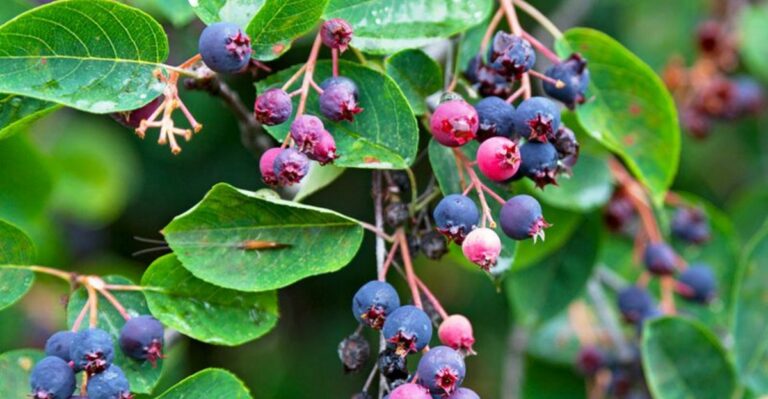
June arrives and serviceberry earns its other name. Juneberries ripen fast, turning from green to red to deep purple in just a few weeks.
The fruit looks almost exactly like a small blueberry and tastes sweet and mild with a hint of almond. Native wildlife across Michigan has been depending on this fruit for a very long time, and they show up reliably when it is ready.
Cedar waxwings are probably the most enthusiastic serviceberry fans in the bird world. They arrive in small flocks and can strip a loaded tree in a single afternoon.
Robins, catbirds, thrushes, and orioles also appear consistently once the berries start turning. For a Michigan yard trying to support native birds, serviceberry is one of the highest-value plants available.
The berries are also completely edible for people, which surprises many gardeners who have been cutting the plant back before it ever had a chance to fruit.
Juneberries have been harvested in Michigan for generations, eaten fresh, dried, or cooked into jams and pies. The flavor is genuinely good, not just technically edible.
Some gardeners net a portion of the plant to save berries for their own use while leaving the rest for wildlife.
Heavy pruning cuts directly into berry production. Fewer mature branches mean fewer spring flowers, and fewer spring flowers mean fewer June berries.
A serviceberry allowed to grow to its natural size produces dramatically more fruit than one held at shrub height. More fruit means more birds, and more birds means a yard that stays genuinely alive all summer long.
Multi Stem Growth Still Needs Space
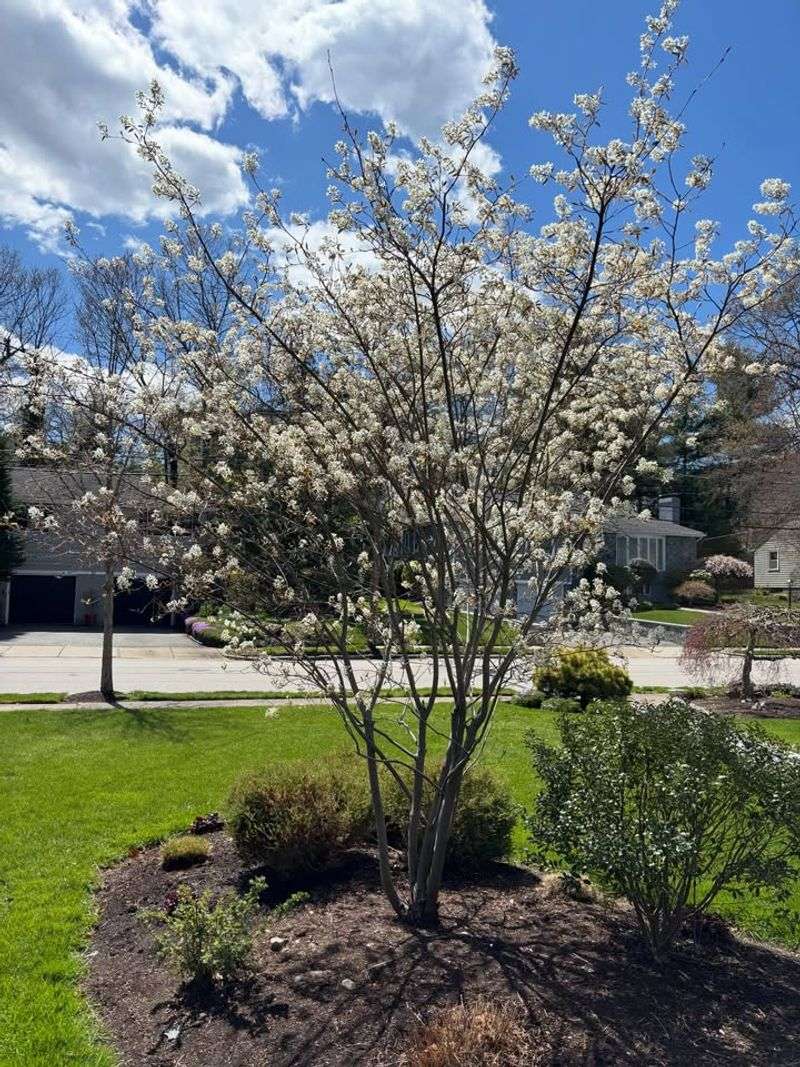
Multiple stems rising from the same base is completely natural for serviceberry. That form is not a sign of a problem, and it does not need to be reduced to a single trunk.
Multi-stem serviceberry has a beautiful vase-shaped silhouette that landscape designers specifically seek out for naturalistic plantings. The only requirement is enough room to actually use it.
A mature multi-stem serviceberry can reach eight to twelve feet wide at the canopy. Planting one in a two-foot-wide foundation bed and then managing the ongoing battle with outward-pushing branches is a setup that never resolves in the gardener’s favor.
Serviceberry in a spot with plenty of horizontal room develops a graceful, airy canopy. Serviceberry crammed into a tight corner always looks cramped and requires constant correction that never quite solves the underlying problem.
Spacing at least eight to ten feet from structures and other plants allows full development without conflict.
In a naturalistic border or woodland edge planting, grouping two or three serviceberry plants with ten to fifteen feet between them creates a native grove that provides layered habitat for birds and insects across multiple seasons.
The planting looks designed and effortless at the same time, which is the ideal outcome for a low-maintenance native tree.
Before planting a new serviceberry or reassessing one already in the yard, look at the available space honestly.
Room to reach natural width without crowding a walkway, driveway, or neighboring plant is the only real requirement. Get that part right from the start and the tree asks very little in return.
A Small Tree Form Looks More Graceful
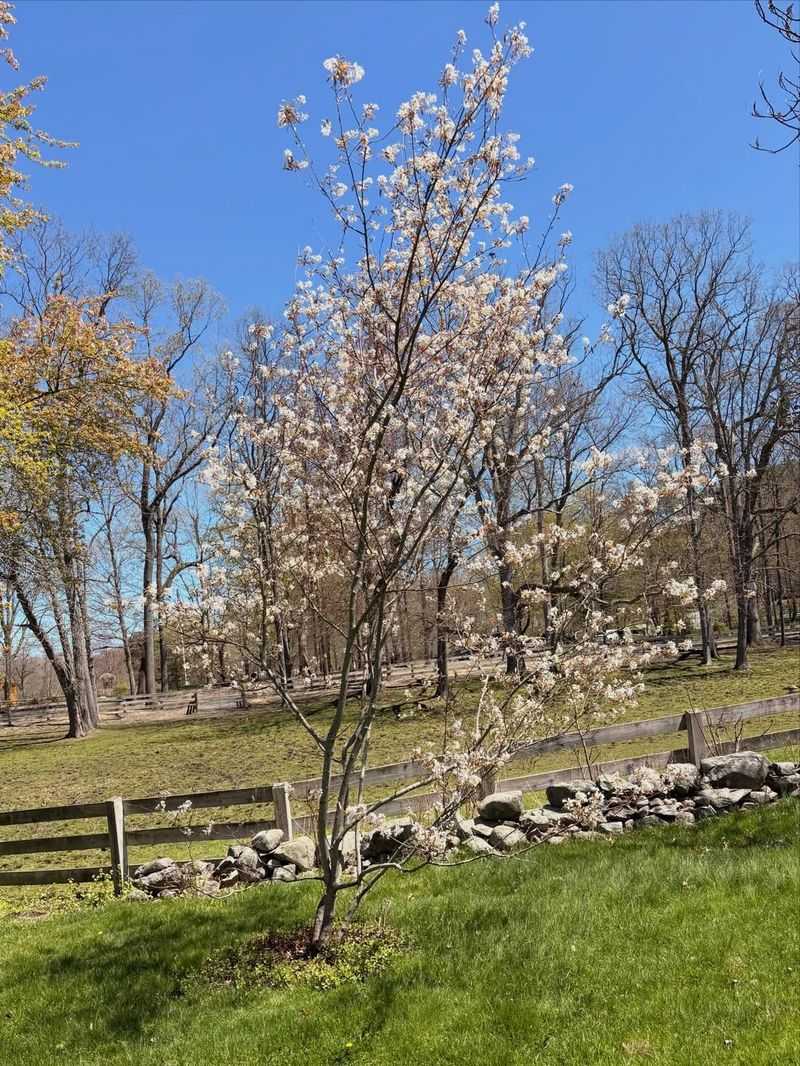
Training serviceberry toward a small tree form is one of the best decisions a Michigan gardener can make, and the process requires no special skills.
Over the first few years after planting, select three to five of the strongest most upright stems and gradually remove the rest at the base over two or three seasons. The plant does the rest on its own.
Once those main stems are established, the work shifts to keeping the interior open and removing any stems that cross or rub against each other.
As the plant matures, the lower portion of each stem naturally clears itself of small side branches, which creates the clean, elegant trunk effect visible on well-grown serviceberry specimens in botanical gardens and naturalistic landscapes.
The tree trains itself once the initial direction is established.
The seasonal payoff runs all year. In winter, smooth gray bark with faint purple streaks catches the eye against snow. In spring, white flower clusters cover the bare branches before any other tree in the yard has even considered waking up.
Summer brings berries and birds. Fall turns the foliage orange, red, and gold in shades that rival much larger ornamental trees.
A serviceberry trained to its natural small tree form earns its space completely. Pruning once every two or three years is plenty once the form is established.
The plant that spent years looking like a stubborn shrub was always a graceful native tree. It just needed someone to stop arguing with it long enough to find out.