How To Start A California Cool Season Garden Without Planting Too Early
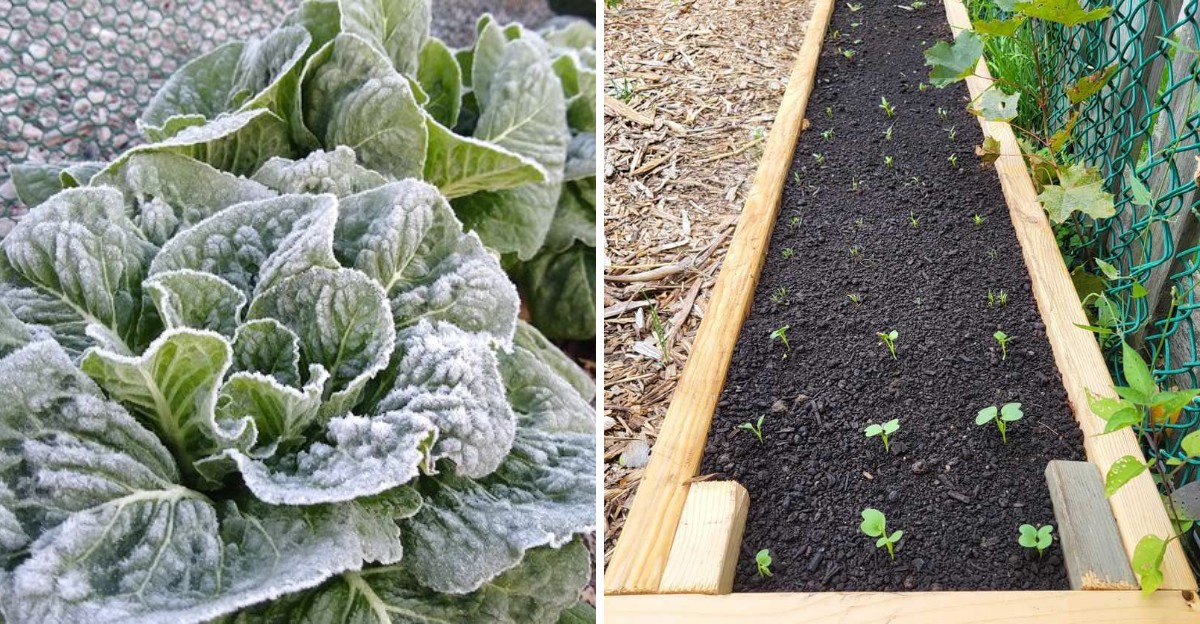
Middle of September, and the tomatoes are fading fast.
You’re itching to plant lettuce and broccoli, even though the thermometer still reads 95 degrees outside, nowhere close to what a seed packet promises for cool-season vegetables.
Something about that gap between the calendar and the actual weather trips up plenty of California gardeners every single fall.
Planting too soon leaves you with seeds that never sprout, or plants that flower before you get a single real harvest out of them.
A few simple checks separate a strong winter garden from a patchy, frustrating one. Curious which signal actually matters more than the date on your calendar?
The answer starts underground, with a seed that simply refuses to wake up.
1. Lingering Heat Can Stall Cool Season Seed
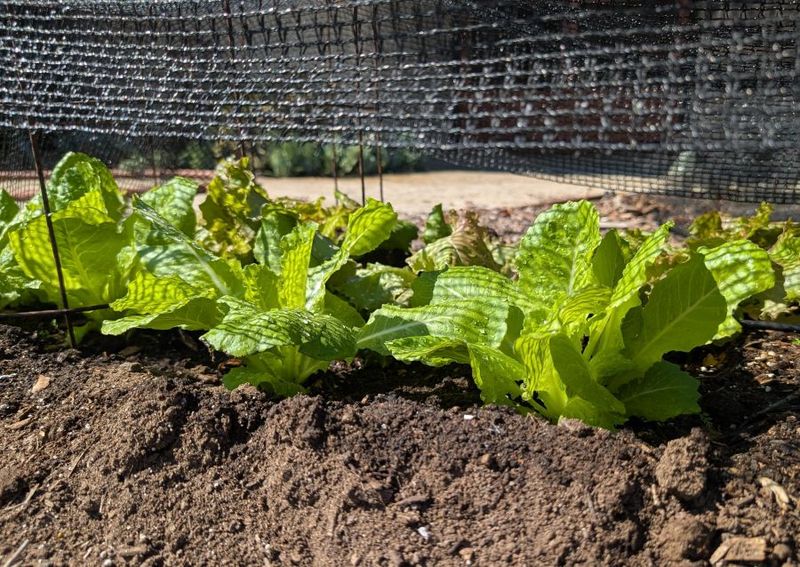
A lettuce seed sitting in September soil that still feels like a warm bath often just sits there and does nothing at all.
Instead of sprouting, it stalls completely. Seed experts call this thermodormancy, and lettuce is famous for it.
Many cool-season seeds, including lettuce, spinach, and cilantro, prefer soil somewhere in the cool to mild range.
Lettuce germination can drop sharply once soil climbs above about 80 degrees Fahrenheit. Spinach is also picky and sprouts poorly in hot soil.
When seeds stall, a few things go wrong at once.
Some rot before they ever wake up, while others come up thin and patchy. Birds, pill bugs, and hot afternoon sun then pick off the weak seedlings that do appear.
The soil also dries out fast during a warm spell.
A seed bed that looked moist at breakfast can be crusty and dry by late afternoon. Tiny seeds planted just a quarter inch deep feel that stress first.
So what can you do while you wait?
Use this time to pull summer crops, add compost, and fix your drip lines. That way, your beds are ready the moment the soil cools down.
Crops in the cabbage family, such as broccoli and kale, handle warm soil a little better than lettuce.
2. Soil Temperature Confirms When To Start
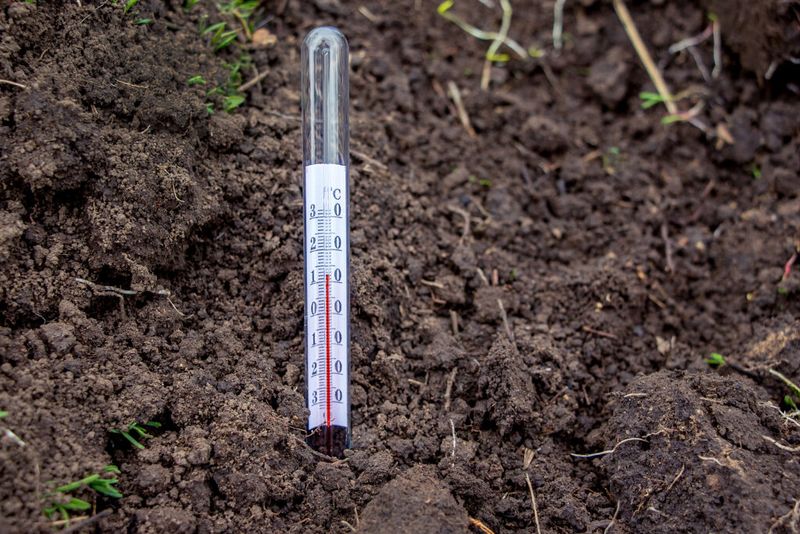
A ten-dollar soil thermometer might be the smartest tool in your shed.
Calendars guess, but a thermometer tells you what’s really happening underground. In California, where October can feel like July, that difference matters a lot.
Here’s how to take a good reading.
Push the probe about two to four inches deep, which is where most seeds and young roots live. Check in the early morning for a few days in a row, then again in the afternoon to see the daily swing.
Most cool-season crops can sprout in a wide range, but they do best in soil roughly between 50 and 75 degrees.
Lettuce and spinach are the fussiest and struggle when soil runs hotter than the high 70s. Broccoli, cabbage, and kale are a bit more forgiving.
Keep a notebook or phone note with your readings.
After a week or two, you’ll spot a pattern as nights cool and the soil follows. Once afternoon readings stay in the comfortable range, it’s time to sow.
Your California Garden Changes Every Week. Your Plan Should Too.
Gardening in California changes quickly throughout the season. Every Friday you’ll receive a simple weekly plan showing exactly what to plant, prune, fertilize, harvest, and protect so you never miss the right timing.
Mulched beds and raised beds warm and cool at different speeds, so test each one.
A bed in full sun may run ten degrees warmer than one near a fence.
3. Count Backward From Your First Frost Date
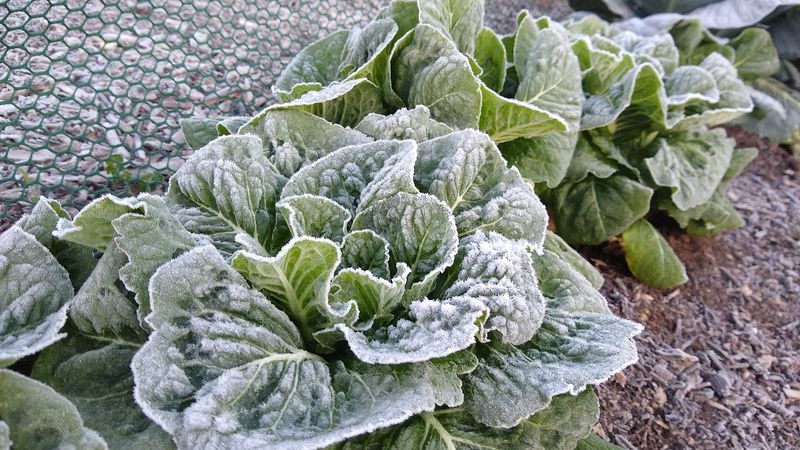
Your garden works a bit like a road trip with a hard arrival time.
Your first frost date is the destination, and each crop needs a certain number of days to get there. Working backward tells you when the car has to leave the driveway.
Start by finding your average first frost date.
Your local extension office often shares this for your area. Some coastal gardens barely frost at all, while mountain and high desert spots can freeze by October.
Next, look at the days to maturity on each seed packet.
Add about two weeks, because plants grow more slowly as fall days get shorter and cooler. Gardeners often call this extra time the fall factor.
Here’s a quick example.
Say your first frost usually arrives around December 1, and your broccoli needs 70 days. Add 14 days for the fall factor, and you get 84 days, so plant around September 8.
That date is a target, not a strict rule.
Broccoli can handle light frost, so a week or two of delay is usually fine if the soil is still too warm. Kale, cabbage, and carrots can even taste sweeter after a chilly night.
4. Shade Cloth Bridges An Awkward Warm Stretch
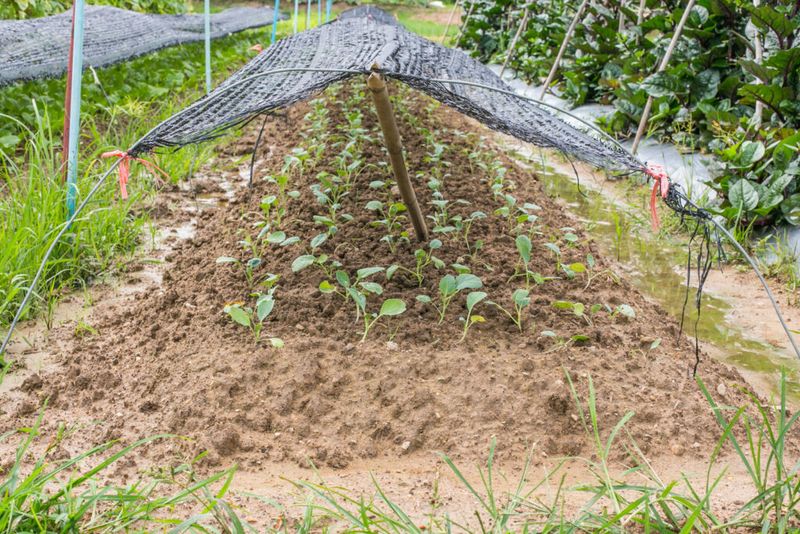
Every California gardener knows the September trick weather plays.
One week feels like fall, and the next brings a heat wave that fries tender sprouts. A piece of shade cloth can be the umbrella your seedlings need.
Shade cloth is a woven or knitted fabric that blocks part of the sunlight.
For most vegetable beds, many gardeners choose around 30 to 50 percent shade. That’s enough to cool leaves and soil without leaving plants too dark to grow.
Setting it up is simple.
Bend PVC pipe or wire hoops over the bed, then clip the cloth on top so air can flow underneath. Leave the sides open on hot days so heat does not get trapped.
Shaded soil stays cooler and holds moisture longer, which helps seeds like lettuce sprout more evenly.
Young transplants also wilt less during the hottest part of the afternoon. You may find you water less often, too.
Still, shade cloth is a bridge, not a magic fix.
If the soil is scorching, it will not turn August into November. Use it for a short warm stretch, not as an excuse to plant weeks too soon.
5. Regional Climate Shifts The Real Timeline
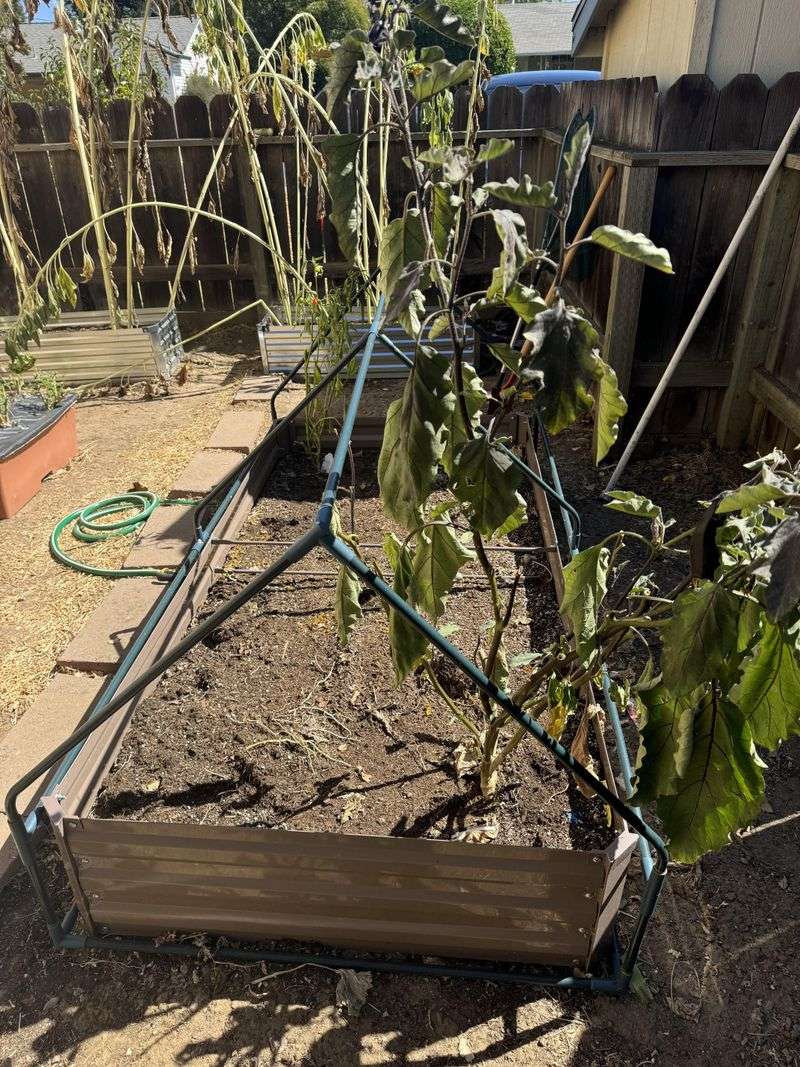
California is really several gardening worlds squeezed into one state.
A gardener in Santa Cruz, another in Fresno, and a third in Palm Desert could all plant broccoli in different months and all be right. Your zip code shapes the calendar more than any national chart.
Coastal gardens enjoy cool, foggy air and mild soil for much of the year.
Many can start fall crops in late summer and keep planting well into winter. Frost is rare in many coastal spots, so the window stays wide open.
Inland valleys, like the Sacramento and San Joaquin, hold their heat much longer.
Soil there can stay hot into September, so many planting schedules suggest sowing leafy greens once things cool, often in September or October.
Low desert areas, such as the Coachella and Imperial Valleys, run on their own clock.
Summer heat lingers so long that many cool-season crops go in during mid to late fall and early winter. Desert gardeners often enjoy lettuce and carrots when the rest of the country is shoveling snow.
High desert and mountain towns face the opposite problem, with early frost cutting the season short.
6. Early Planting Often Means Bolting Later
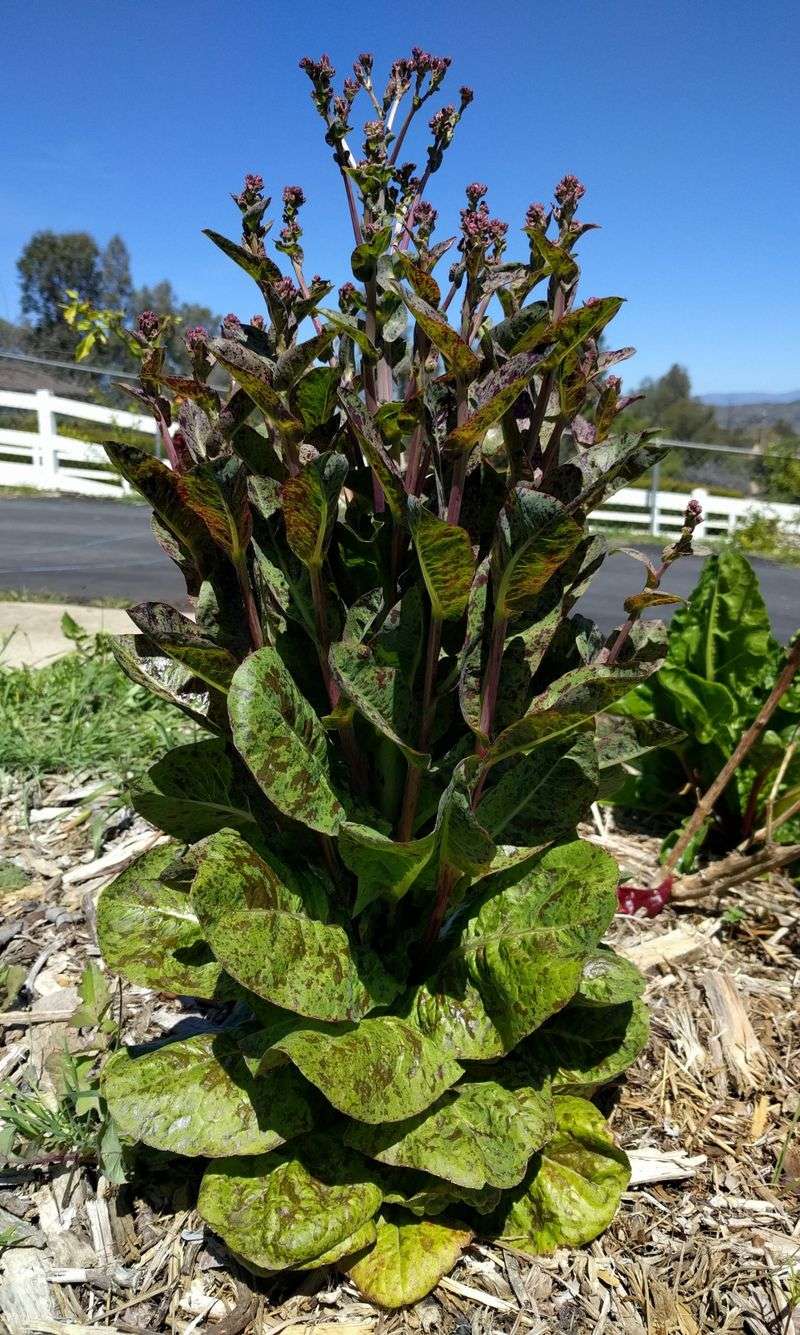
Planting spinach on Labor Day weekend, proud to be first on the block, often ends the same disappointing way.
Within weeks, the plants shoot up tall stalks, the leaves turn bitter, and the whole row is done. That sad sprint to flower has a name: bolting.
Bolting happens when a plant switches from growing leaves to making flowers and seeds.
For cool-season crops, heat and long days are major triggers. Lettuce, spinach, cilantro, and bok choy are especially quick to bolt when they meet warm weather.
Planting too early stacks the odds against you.
Seeds that do sprout in hot soil face stress right away, and late summer days are still fairly long. Stressed young plants often rush to flower before they grow a full head or a big rosette of leaves.
Broccoli has its own version of the problem.
Heat during head formation can cause small, loose heads that open into yellow flowers fast. You get a handful of florets instead of a hearty crown.
Once a plant bolts, there’s no undo button.
Lettuce and spinach usually turn bitter, and the harvest window slams shut. The best defense is simply planting when the soil and air have cooled.
7. Patience Beats Rushing The Calendar
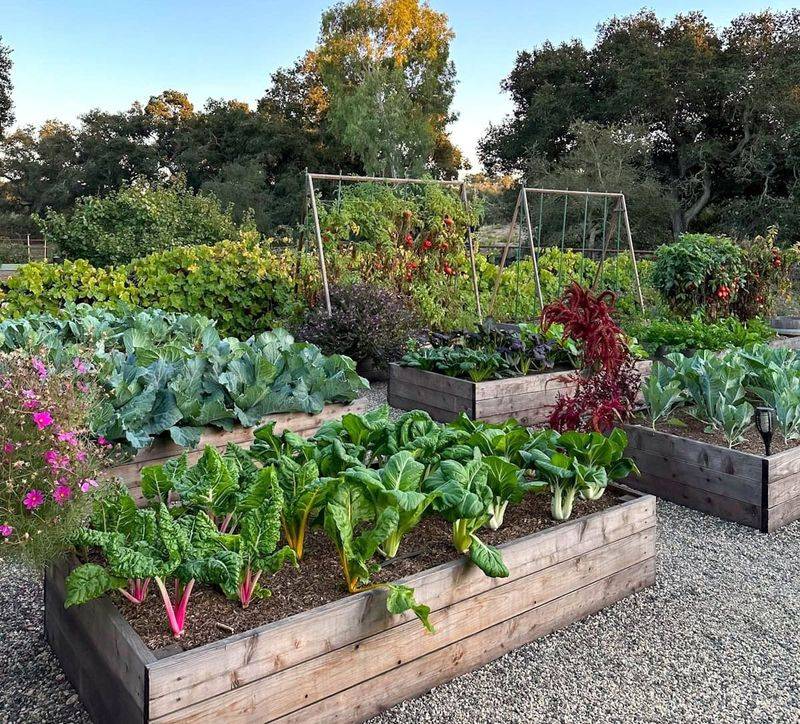
Many experienced gardeners live by a simple idea: plant by the soil, not by the calendar.
That advice fits California better than almost anywhere else. Our fall heat simply does not follow a schedule.
Waiting can feel hard when garden centers fill up with cool-season seedlings as early as August.
Those six-packs of lettuce look tempting, but buying them does not mean the weather is ready. It’s fine to leave them on the shelf a few more weeks.
Instead, build a simple checklist before you plant anything.
Is your soil reading in the comfortable range for the crop? Have nights started to cool, and does your frost-date math still leave enough growing time?
When the answers line up, plant with confidence.
Seeds sprout faster in the right conditions, often catching up with or passing early plantings that struggled in the heat.
Try staggering your plantings, too.
Sowing a small batch of lettuce or radishes every two to three weeks gives you a steady harvest and spreads out your risk.
8. Transplants Can Buy You A Head Start, Carefully
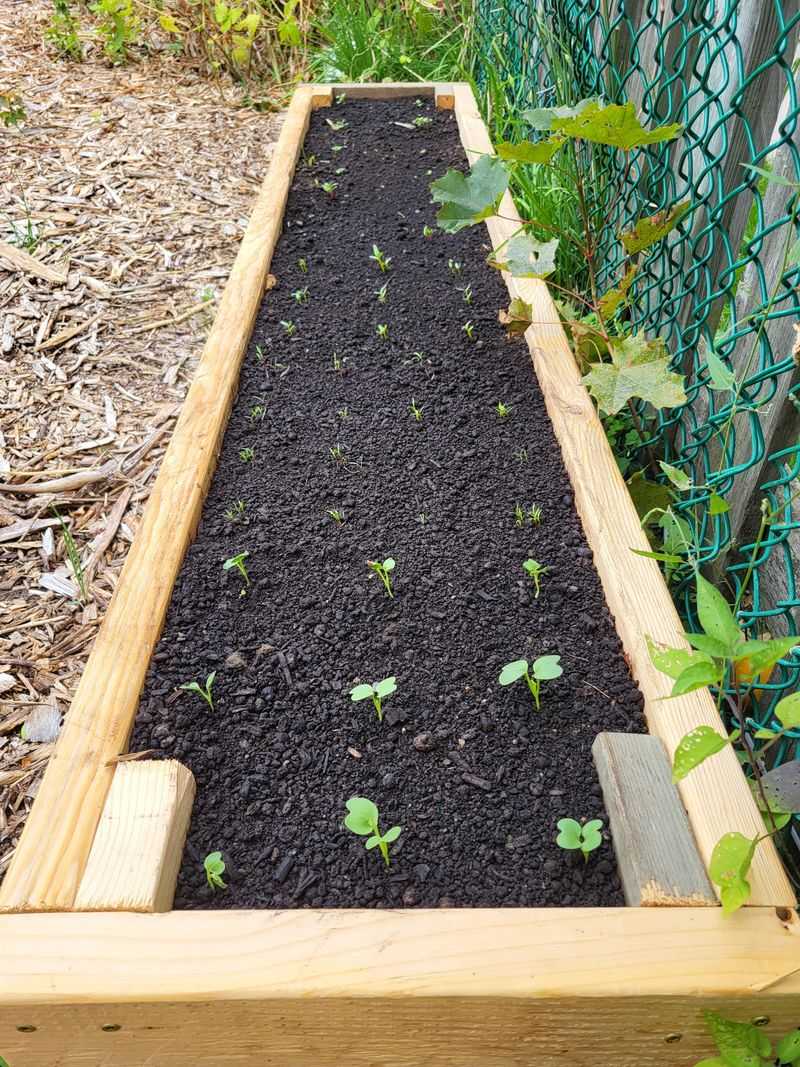
Waiting for soil to cool feels frustrating when the calendar says it’s already fall, and transplants offer a tempting shortcut around that wait.
Starting seeds indoors, or buying nursery transplants, lets a plant skip the riskiest stage of its life, the tender seedling weeks, while conditions outside are still working against it.
A broccoli or cabbage seedling started indoors under mild, controlled conditions arrives at the garden already past the point where hot soil or scorching afternoon sun would have stalled or defeated a direct-sown seed.
This trick works better for some crops than others. Broccoli, cabbage, and kale transplant well and tolerate the shock of moving into the ground. Carrots, on the other hand, resent having their roots disturbed and almost always do better sown directly where they’ll grow.
Lettuce sits somewhere in between. Transplants can work, but the payoff is smaller than with broccoli, since lettuce grows fast enough that the head start matters less in the long run.
Hardening off matters more than people expect.
A seedling raised indoors or in a shaded nursery bench needs a few days of gradual outdoor exposure before it goes into open ground, or the sudden shift in sun and wind can shock it just as badly as planting too early would have.
Timing the transplant date still follows the same soil and frost-date math covered earlier. A transplant skips the germination stage, but its roots still need soil in the right temperature range to grow well once they’re in the ground.
Buying nursery transplants in late summer, when garden centers stock up early, does not mean the moment has arrived to plant them.
Many gardeners buy early and simply hold pots in a shaded spot, watering regularly, until soil conditions actually catch up to the calendar.
9. Watch Established Plants As A Natural Signal
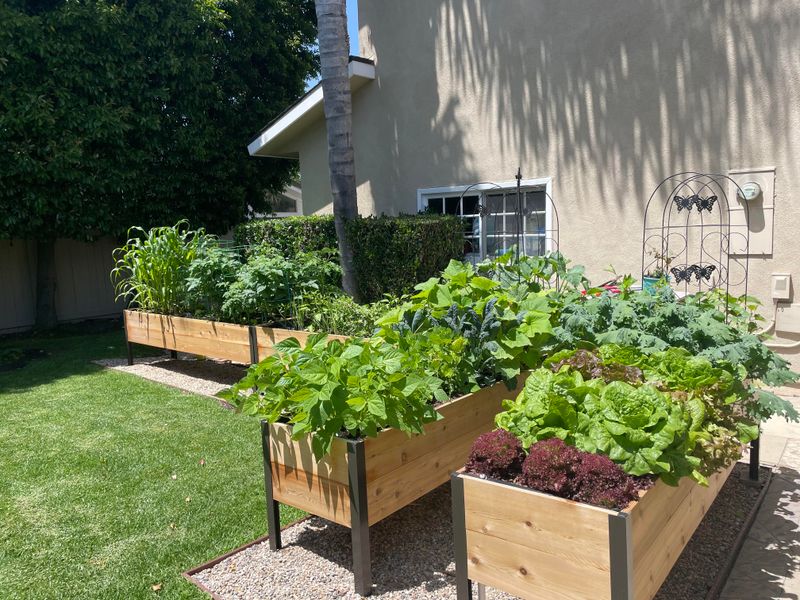
Beyond soil thermometers and frost-date calculations, the plants already growing in a yard often signal the shift in season before any tool does.
Established perennials and shrubs respond to the same combination of cooling soil and shortening days that cool-season vegetables wait for, which makes them a useful, free indicator worth checking daily.
Certain natives, like California fuchsia or coyote brush, tend to kick into their fall bloom right around the same stretch when soil temperatures drop into a range comfortable for lettuce and spinach seed.
Deciduous fruit trees offer another clue. The first hint of leaf color change, even a few yellowing leaves on a fig or apple tree, often lines up with the same cooling trend that makes cool-season seed germination reliable.
Weeds tell a story too, in their own blunt way. A flush of new weed seedlings appearing after weeks of bare, dry soil usually means recent moisture and cooler temperatures have created favorable germination conditions, the same conditions your vegetable seeds are waiting for.
None of these signals replace an actual soil thermometer reading, and treating them as anything more than a rough supporting clue risks the same problem as guessing by the calendar alone.
Combined with soil temperature checks, though, watching what’s already happening in the yard adds a layer of confidence. If the thermometer says conditions are ready and the garden itself seems to agree, that alignment is a good sign to move forward.
Keeping a simple log that notes both soil readings and what nearby plants are doing each fall builds a personal reference over the years, one that often ends up more useful for a specific yard than any generalized planting chart could be.