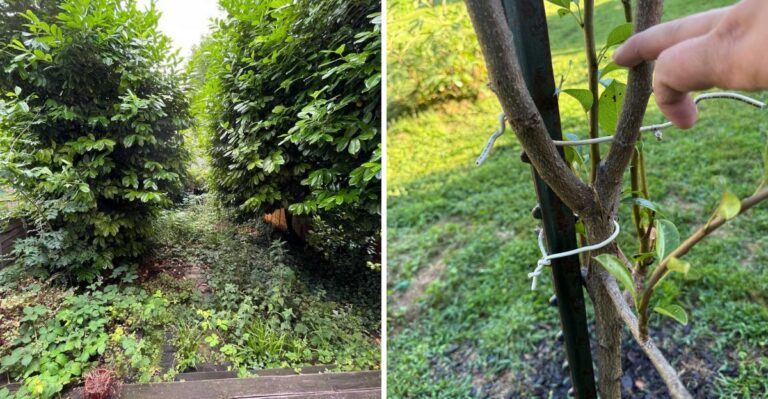
Why Some California Groundcovers Actually Make Fire Risk Worse, Not Better
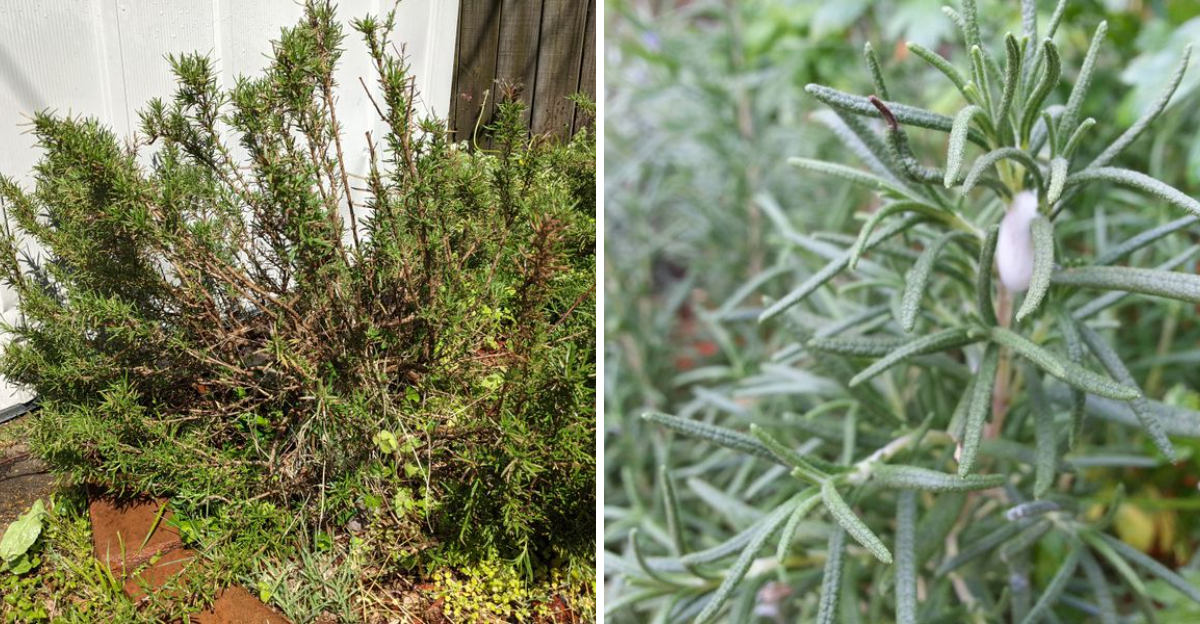
A California groundcover can look like the safest part of a fire-conscious yard.
It hugs the soil, stays below the windows, and often appears far less threatening than a tall hedge or dry ornamental grass.
Yet height alone says very little about what happens when summer heat, dried material, windblown debris, and nearby structures enter the picture.
A planting that looked green in spring can behave very differently by the end of fire season. That is where the easy assumptions begin to fail.
The important clues are not always visible from the sidewalk. Some sit beneath the foliage. Others appear where one planting touches the next, where stems become woody, or where a low mat reaches a fence, deck, or shrub.
So when does a groundcover stop helping and start adding risk? The answer comes from moisture, maintenance, spacing, fuel continuity, and distance from the home.
Read those together, and a low planting becomes much easier to judge before California’s driest weather puts the entire landscape under pressure each year.
1. Let Dry Growth Turn Into Fine Fuel
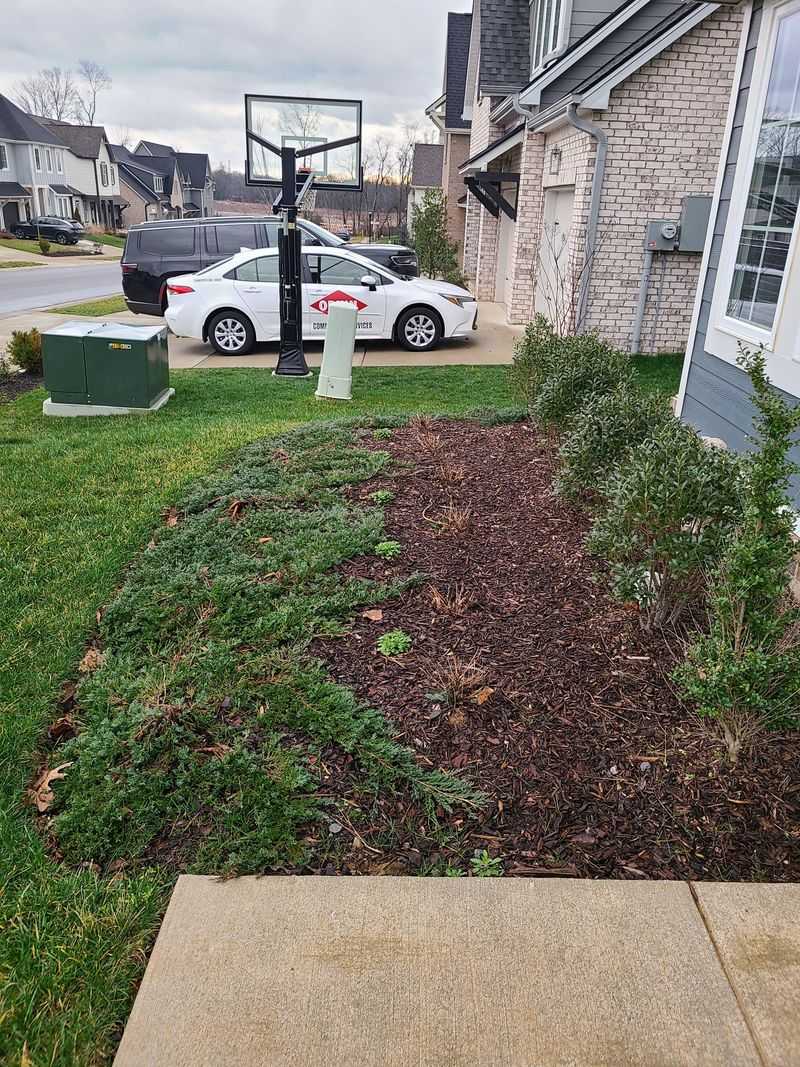
A groundcover can stay only a few inches tall and still create fast-burning fuel once much of its foliage dries.
Fine fuels include small leaves, stems, grasses, and other lightweight combustible material that can ignite readily and help flames move across a landscape.
Even green vegetation can burn under sufficient heat, so the useful question is not simply how low the plant stays. It is how much dry material the planting carries when fire weather arrives.
Check the patch in late summer rather than judging it from its spring appearance.
Seasonally dry stems, accumulated thatch, browned leaves, and spent flowering growth can turn a once-lush mat into a much more continuous fuel bed.
Cut out dry material where the species tolerates that maintenance, remove the debris from the site, and replace plants that repeatedly become mostly dry during the highest-risk part of the year.
Keep healthy plants appropriately irrigated for the species and local water rules.
Adequate moisture can reduce flammability, but watering does not make any plant fireproof. A neglected groundcover with a green outer shell and a dry interior can still carry more fuel than its appearance suggests.
The mistake is treating green color as a safety rating.
Fire does not read nursery tags. It reads moisture, dried material, density, and what the flame can reach next.
2. Stop Dense Mats From Connecting Vegetation
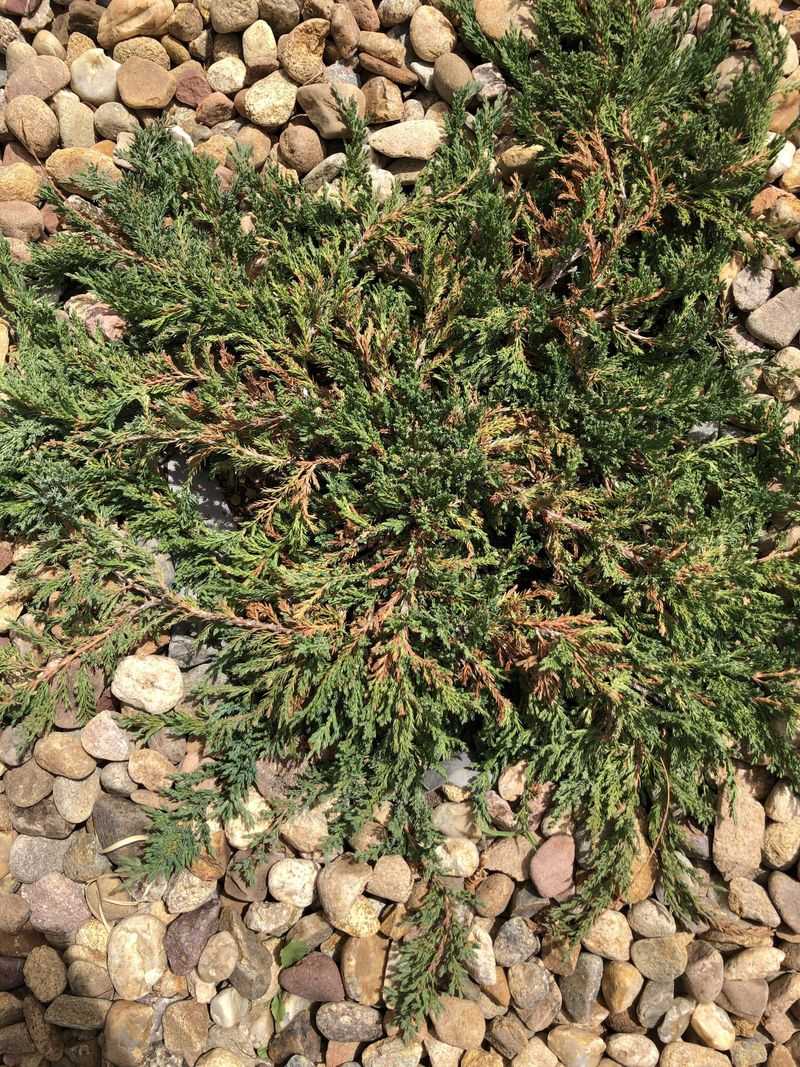
A beautiful uninterrupted carpet can become a problem when it connects separate fuel sources across the yard.
Horizontal continuity gives fire a pathway from one combustible area to another. A low planting that reaches from a slope to a shrub mass, wooden fence, deck, or other vulnerable feature can help carry flame across space that otherwise might have slowed the spread.
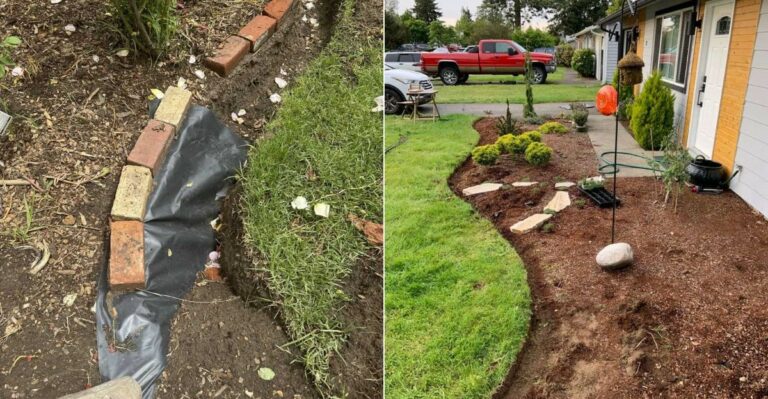
Break the planting into deliberate islands.
Paths, pavers, gravel bands, patios, driveways, and other noncombustible surfaces can separate groups of vegetation and interrupt that continuous route.
Plant spacing should also increase where slope and fire exposure make flame spread more concerning.
Your California Garden Changes Every Week. Your Plan Should Too.
Gardening in California changes quickly throughout the season. Every Friday you’ll receive a simple weekly plan showing exactly what to plant, prune, fertilize, harvest, and protect so you never miss the right timing.
Do not rely on one universal gap measurement.
The appropriate spacing depends on plant size, slope, site conditions, nearby structures, and local requirements.
A steep property generally needs more separation than level ground. Local fire rules can also exceed statewide minimums.
Look at the yard from above in your mind.
A solid ribbon of vegetation running from one end to the house behaves differently from several planted areas separated by hardscape. The second design can still look lush without giving every flame an uninterrupted commute.
Groundcover is useful when it covers soil. It becomes less useful when it starts connecting every combustible object on the property like an extension cord nobody asked for.
3. Clear Leaf Litter Trapped Under Groundcover
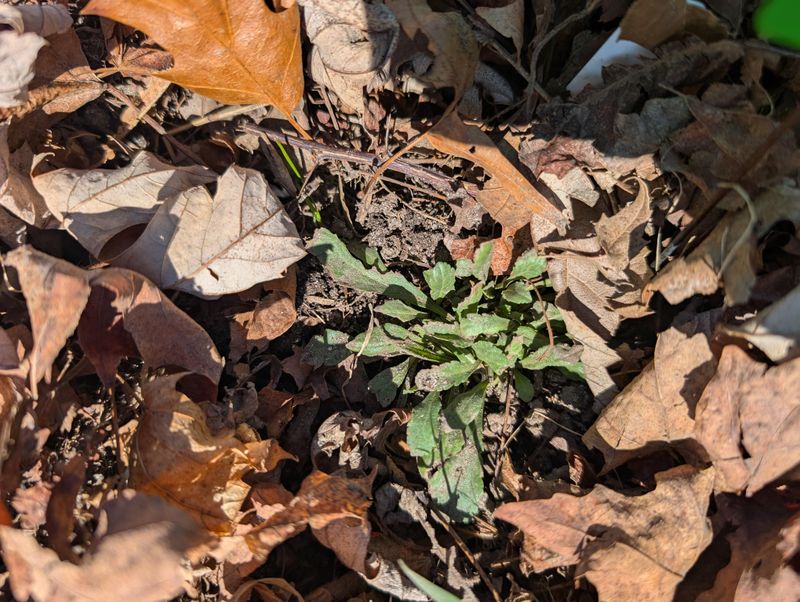
The most combustible part of a groundcover may be hiding underneath the leaves you can see.
Windblown leaves, needles, twigs, bark, spent flowers, and old stems can settle beneath a dense mat and remain trapped there.
A healthy-looking surface does not cancel the dry material accumulating below it, and fire-smart maintenance specifically focuses on removing dried vegetation and fallen debris from defensible-space areas.
Lift the foliage and inspect the interior before the driest part of the season.
Pay extra attention beneath spreading plants near oaks, pines, eucalyptus, or any tree that regularly drops combustible litter.
Dense groundcovers can make ordinary raking ineffective, so hand removal or selective thinning may be necessary around the edges and underneath accessible sections.
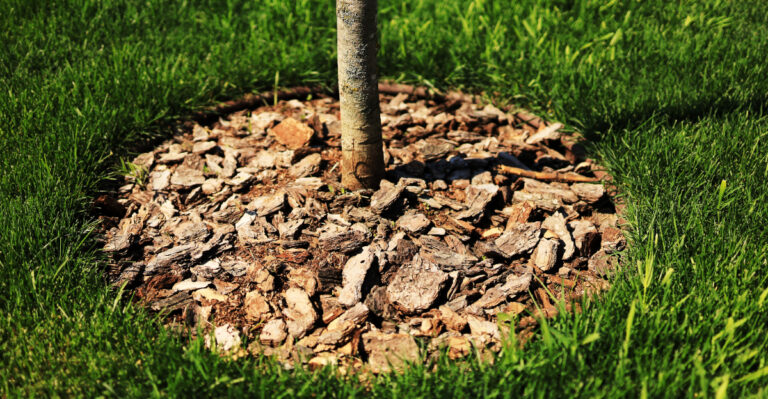
Organic mulch can add another combustible layer.
Wood mulches vary in fire behavior, and thick accumulations can smolder after ember exposure.
Close to structures, noncombustible materials deserve stronger consideration, while farther out the mulch choice should fit current local fire guidance and erosion needs.
Do not strip a slope to mineral soil just to make it look clean.
Bare disturbed soil can create erosion problems and invite weeds, so fuel reduction should preserve soil stability wherever possible.
State law itself directs fuel management to consider erosion, disturbance, and the spread of flammable invasive grasses.
The safest-looking leaf layer is only half the inspection.
Sometimes the real fire load is underneath, quietly saving every dry leaf the wind has delivered since last autumn.
4. Cut Back Woody Stems Before They Build Up
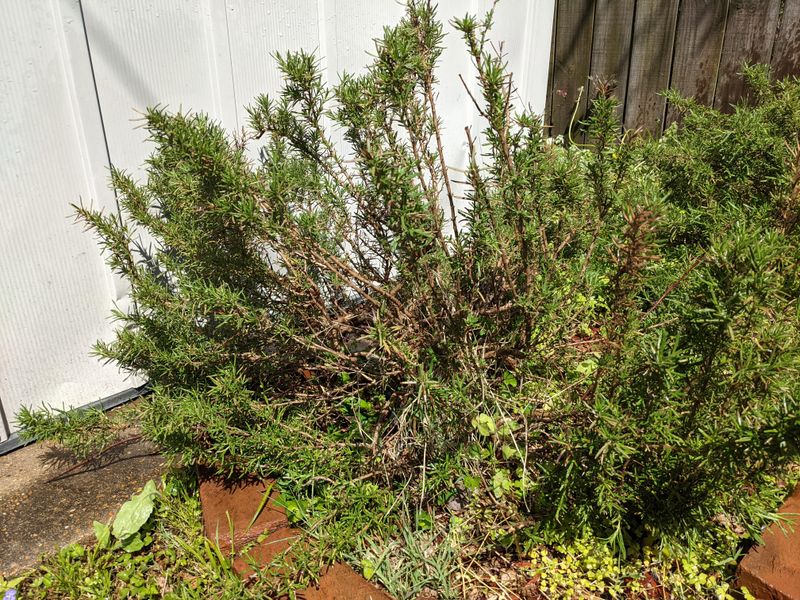
Age changes the fire behavior of many groundcovers because soft stems can become woody, twiggy, and crowded over time.
Lavender, rosemary, low shrubs, and other spreading plants may keep fresh foliage on the outside while older stems and dry twigs build inside.
Fire-smart maintenance guidance specifically calls for cutting back woody, overgrown plants and removing accumulated dried stems and leaves from low-growing groundcovers.
Prune according to the plant rather than one blanket schedule.
Some species tolerate strong renewal cuts. Others respond poorly when old wood is cut too hard. Selective thinning often works better for mature plants because it removes dry interior material while preserving enough healthy foliage for recovery.
Take the debris away after pruning.
A pile of clipped twigs beside the planting simply moves the fuel from one location to another. Dispose of green waste according to local rules rather than leaving it beneath a deck, along a fence, or at the edge of the same planting.
Watch the center of the plant as closely as the outline.
A tidy outer surface can hide years of dry material where light and air rarely reach. Inspection makes it possible to renew the planting gradually instead of facing a large woody mass all at once.
This is why age belongs in the fire-safety conversation.
A groundcover that behaved beautifully at two years old may need very different maintenance at eight. Plants mature. Unfortunately, the old twigs do not retire to Arizona. They stay right where the flames can find them.
5. Avoid Oily Foliage Close To Structures
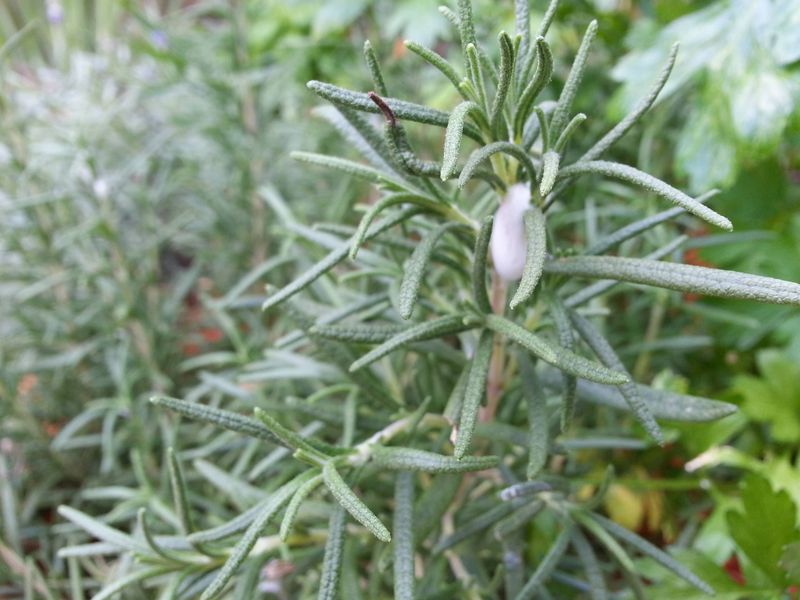
Fragrant foliage deserves thoughtful placement because volatile oils, resins, and sap can contribute to flammability.
Aromatic herbs and shrubs are not automatically forbidden in a fire-conscious landscape. Plant moisture, dry-material buildup, size, maintenance, spacing, and distance from structures all affect how a planting behaves.
Current fire-smart guidance specifically treats volatile oils as one characteristic to consider rather than a stand-alone banned-plant rule.
Use those plants where one ignition does not immediately threaten the house.
Aromatic groundcovers touching wooden siding, fences, stairs, or decks create a different exposure than the same plants in a separated island farther into the landscape.
The closer combustible vegetation sits to a structure, the more important spacing and maintenance become.
Keep the plants healthy without pretending irrigation erases risk.
Proper watering can maintain higher tissue moisture, and removing old, dry growth reduces the fuel available around the plant. Neither step turns rosemary, sage, or another aromatic plant into a noncombustible surface.
Placement is the practical tool.
Use hardscape or another suitable break between aromatic vegetation and vulnerable structures, and keep dried foliage from building inside the planting.
The fragrance can stay in the garden. It simply does not need front-row seating beside the siding.
A pleasant smell is a reason to enjoy a plant, not a reason to ignore everything else about how it burns.
6. Break Groundcover Before It Reaches Shrubs
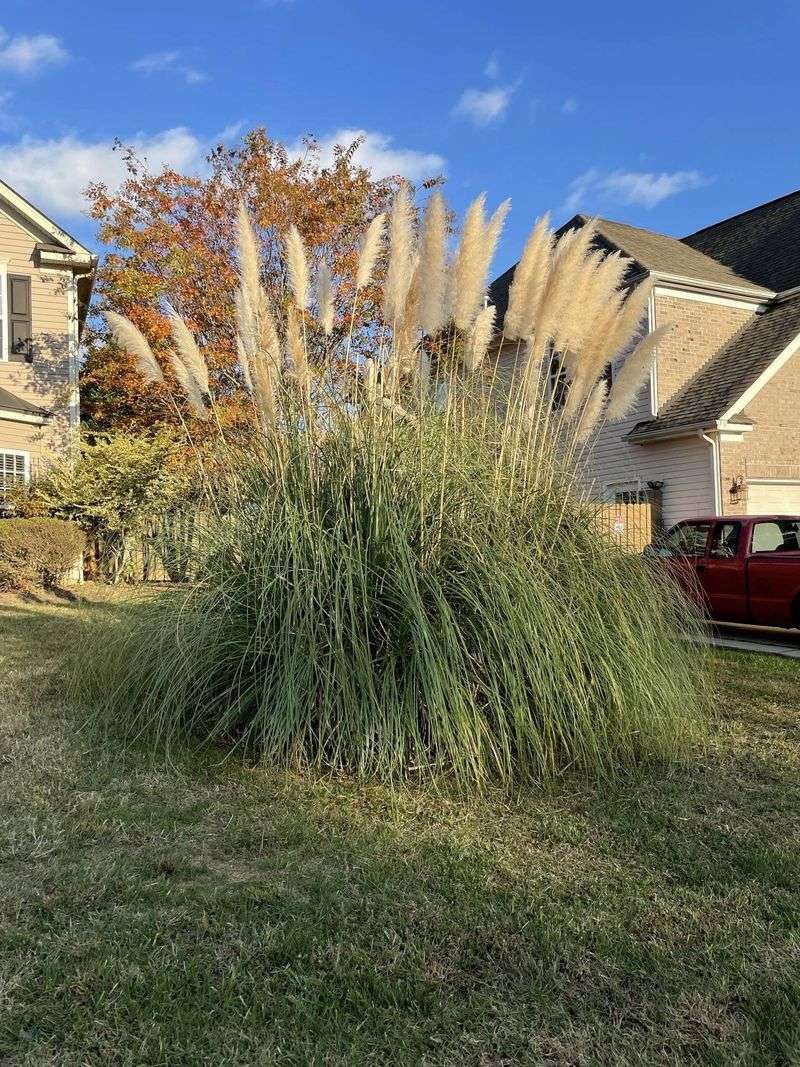
Groundcover becomes more concerning when it touches the lower branches of shrubs and creates the first rung of a fuel ladder.
Fire can move horizontally through low vegetation, then climb into taller plants when foliage and branches overlap.
Once that connection continues from groundcover to shrub to tree canopy, the landscape offers a vertical pathway that can increase fire intensity and spread.
Create separation before the plants merge.
Keep low vegetation from growing directly into shrub bases, and use hardscape or open spacing where the design allows.
Tree branches above shrubs also need enough vertical clearance to keep the layers from functioning as one connected column of fuel.
Slope changes the amount of room that may be appropriate.
Fire generally moves more aggressively uphill, so steeper landscapes call for greater horizontal separation between groups of vegetation.
Local guidance should control the final layout because site rules can be more restrictive than broad statewide recommendations.
Walk the boundary twice a year.
Runners creep. Shrubs widen. Tree branches droop. A safe gap drawn on the original landscape plan can disappear after several seasons of normal growth.
The goal is not to isolate every plant like it has been grounded.
The goal is to prevent one layer from becoming a convenient staircase into the next. Groundcovers work best when they stop before the shrub begins, leaving fire one less easy route upward.
7. Keep The First Five Feet Noncombustible
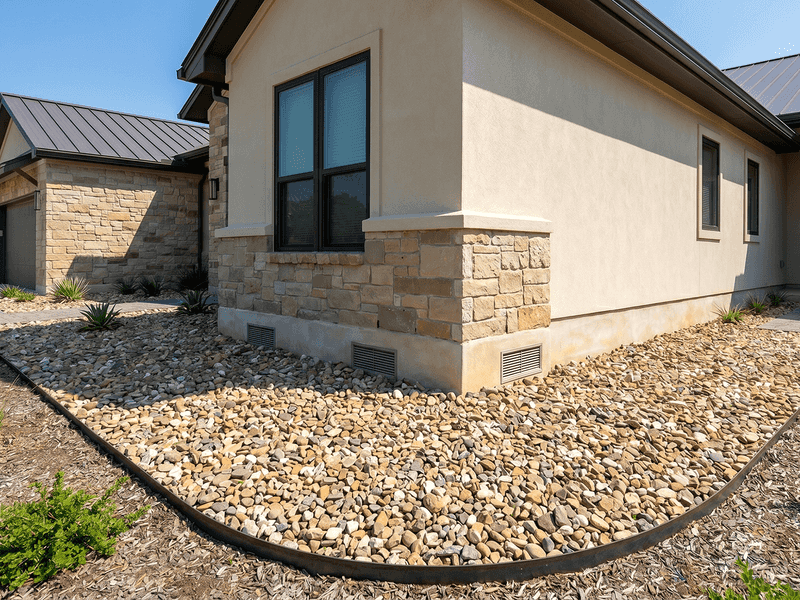
The first five feet around a California structure deserves the most conservative treatment because embers can collect beside walls, decks, and other vulnerable building components.
Current state law directs creation of an ember-resistant zone within five feet of covered structures, but the statewide Zone 0 regulations are not yet in force.
Under the statute, the new requirement does not take effect for new structures until the regulations and updated guidance are completed, and existing structures receive a later staged effective date.
That does not make vegetation beside the house a good fire-safety bet today.
Current state guidance identifies the first five feet as the most important ember-resistant area, and fire-smart recommendations commonly prioritize removing vegetation and other combustibles from that immediate zone.
Use noncombustible surfaces around the foundation where practical.
Stone, pavers, concrete, or suitable gravel can reduce the amount of material available for embers to ignite next to the building. Keep doormats, planters, furniture, leaf litter, and other combustible items in mind too.
Check local rules before redesigning.
State Responsibility Areas, Very High Fire Hazard Severity Zones in local jurisdictions, local ordinances, and insurance requirements can create different obligations.
The safest groundcover beside the wall may turn out to be no groundcover at all.