Why Dill Is Worth Growing In A North Carolina Fall Garden
September in North Carolina feels like the sky finally took a long, slow breath. The air drops its sticky summer hug, and gardeners start wandering back outside with coffee mugs.
Maybe you tried growing a certain feathery herb back in July. It sulked in the heat, shot up tall, and flowered before you could even say pickle.
But that grumpy summer plant has a secret up its sleeve. It quietly waits out the heat, holding onto its patience until the exact cool weather you are enjoying on your porch right now finally arrives.
Picture soft green fronds swaying in a crisp breeze under a golden fall sun. Now imagine a scent so fresh and zesty that your whole kitchen smells like a fancy deli.
Your neighbors might start to suspect you secretly hired a private chef. Let them wonder, since the only chef around is a striped caterpillar with very expensive taste.
Cooler Temperatures Unlock Its Best Growth
Think of dill as the friend who gets cranky in a hot car. Summer heat in North Carolina makes it bolt, which means it rushes to flower and quits making leaves.
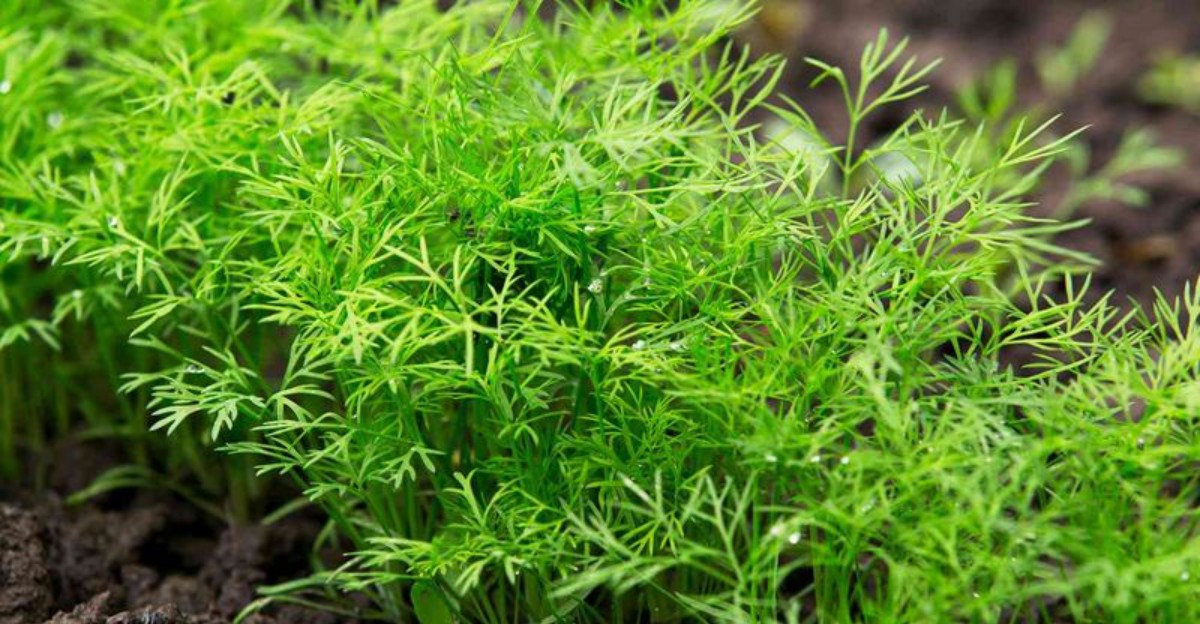
Fall changes the whole story for this herb. Once daytime highs settle into the 60s and 70s, dill relaxes and pours its energy into soft, leafy growth.
Cool nights help too. After sunset, temperatures in the 40s and 50s help the plant hold onto its tasty natural oils.
Shorter fall days also slow down flowering. Dill reacts to long summer daylight by making seeds, so September and October days keep it focused on foliage.
Dill can also handle a light frost better than many gardeners expect. Young plants often shrug off temperatures in the upper 20s, so a surprise chilly morning is not a disaster.
Across the Piedmont and coastal plain, fall weather tends to stay mild well into November. That long stretch gives your plants weeks of steady, happy growth without the summer stress.
Mountain gardeners have a shorter window, but they can still enjoy a quick crop. Planting a little earlier and covering beds on frosty nights keeps things moving along nicely.
Here is a fun bonus for curious gardeners. Fall dill grows slower and bushier, so you get more fluffy leaves before any flower heads show up.
In other words, you are not fighting the plant anymore. You are simply letting North Carolina’s gentle autumn weather do most of the heavy lifting for you.
The Right Planting Window Makes All The Difference
Timing is the secret handshake of fall gardening. Plant dill too early, and a late heat wave fries it. Plant too late, and frost catches it young.
For most of North Carolina, the sweet spot runs from late August through late September. Mid-September is a great target for Piedmont gardeners around Raleigh, Greensboro, and Charlotte.
Coastal gardeners get a little extra breathing room. Near Wilmington or the Outer Banks, you can often sow seeds into early October and still enjoy a solid harvest.
Your North Carolina Garden Changes Every Week. Your Plan Should Too.
Gardening in North Carolina changes quickly throughout the season. Every Friday you’ll receive a simple weekly plan showing exactly what to plant, prune, fertilize, harvest, and protect so you never miss the right timing.
Up in the mountains, the clock ticks faster. Aim for mid-August to early September in places like Boone or Asheville, since frost arrives there weeks sooner.
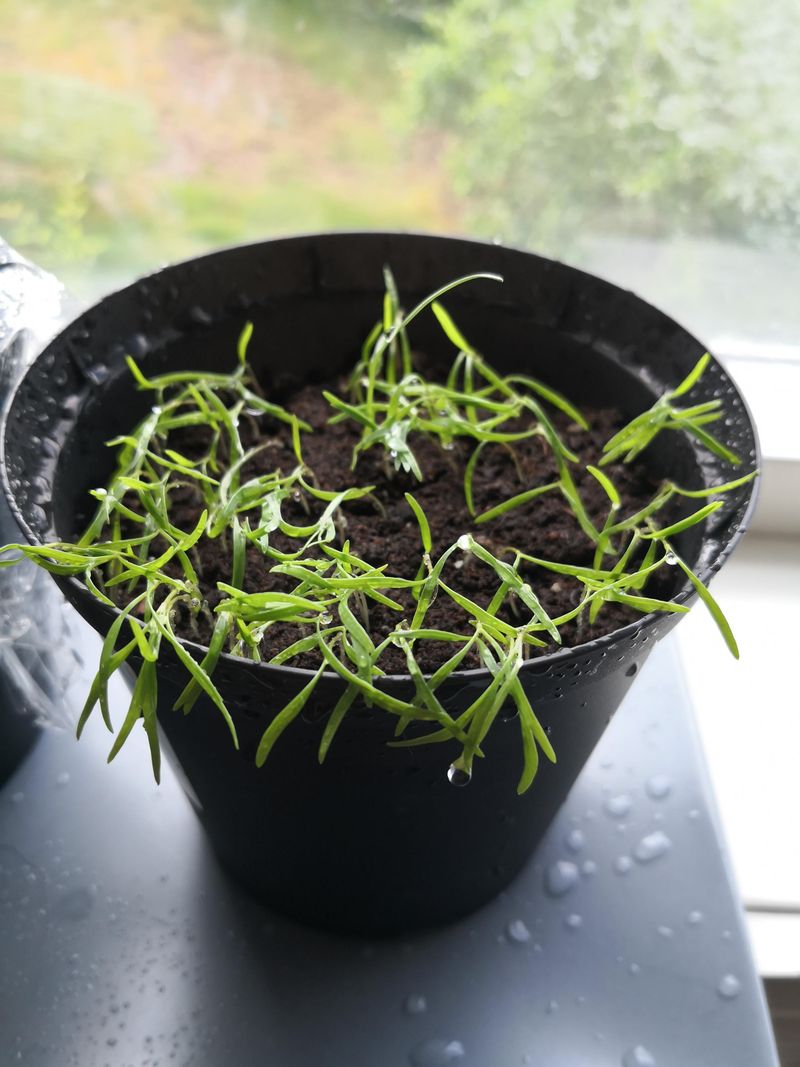
Direct sowing works best because dill has a long taproot that hates being moved. Scatter seeds about a quarter inch deep and press them gently into moist soil.
Seeds usually sprout in 10 to 14 days when the soil stays damp. Keep a watering can handy, because a dry crust on top can stop tiny sprouts from breaking through.
Want a steady supply instead of one big rush? Sow a short row every two to three weeks until your local cutoff date arrives.
Gardeners call this trick succession planting, and it pays off nicely with dill. You end up snipping fresh fronds for weeks instead of drowning in a single batch.
A quick tip helps with planning. Check your county’s average first frost date online, then count back about eight weeks to find your ideal sowing day.
Soil Prep Sets The Stage For Strong Roots
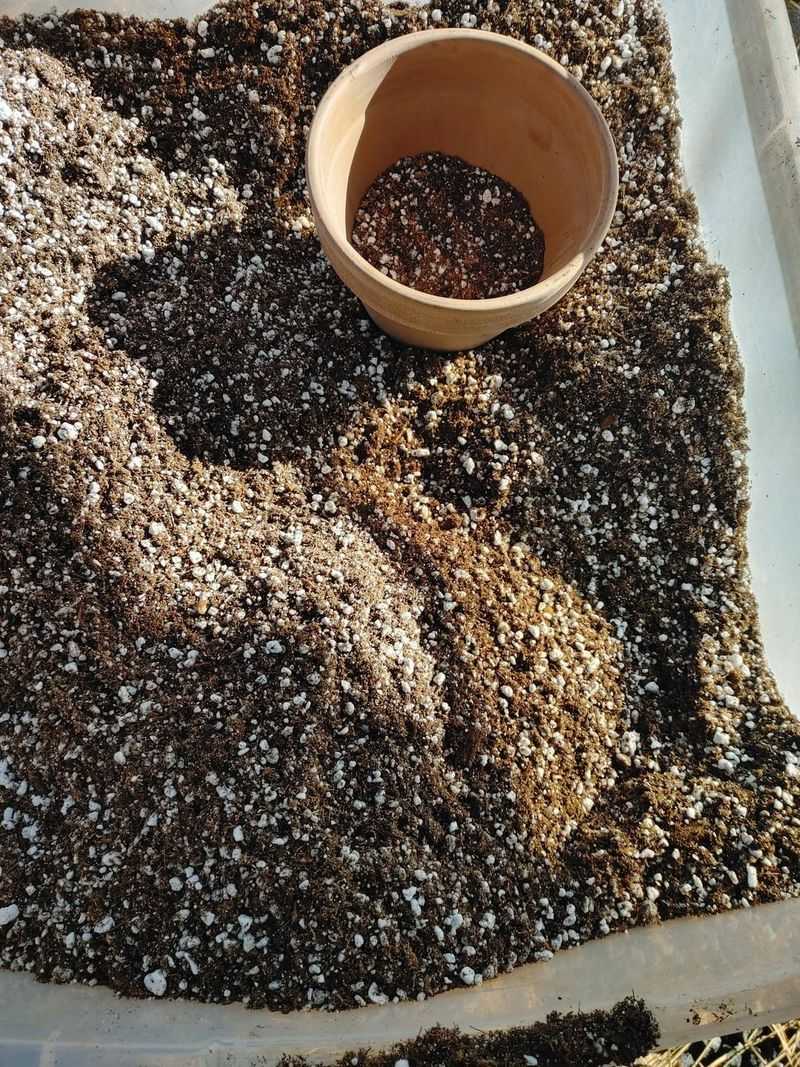
Dill sends down a single taproot that can stretch more than a foot into the ground. That root needs loose, crumbly soil, not the hard red clay many North Carolina yards are famous for.
Start by loosening the bed about 12 inches deep with a garden fork. Break up big clods as you go, and pull out rocks, roots, and old summer plants.
Next, mix in two to three inches of compost across the top. Compost acts like a sponge in sandy coastal soil and like a crowbar in stubborn Piedmont clay.
Drainage matters just as much as richness. Dill sulks in soggy ground, so raised beds or mounded rows are smart choices if puddles linger after rain.
Soil pH is another piece of the puzzle. Dill likes a range between 5.8 and 6.5, which is slightly acidic and pretty common across the state.
Here is a fun perk for North Carolina residents. The NC Department of Agriculture offers soil testing, and it is free during most of the year.
Grab a sample box from your county Extension office and mail in a scoop of dirt. The report tells you if lime is needed and how much, so there is no guessing.
Go easy on fertilizer, though. Too much nitrogen gives you floppy plants with weaker flavor, so a light sprinkle of balanced organic fertilizer is plenty.
Finish by raking the surface smooth and watering it well a day before sowing. Seeds settle best into soil that feels moist but not muddy.
Companion Plants Boost Pest Resistance
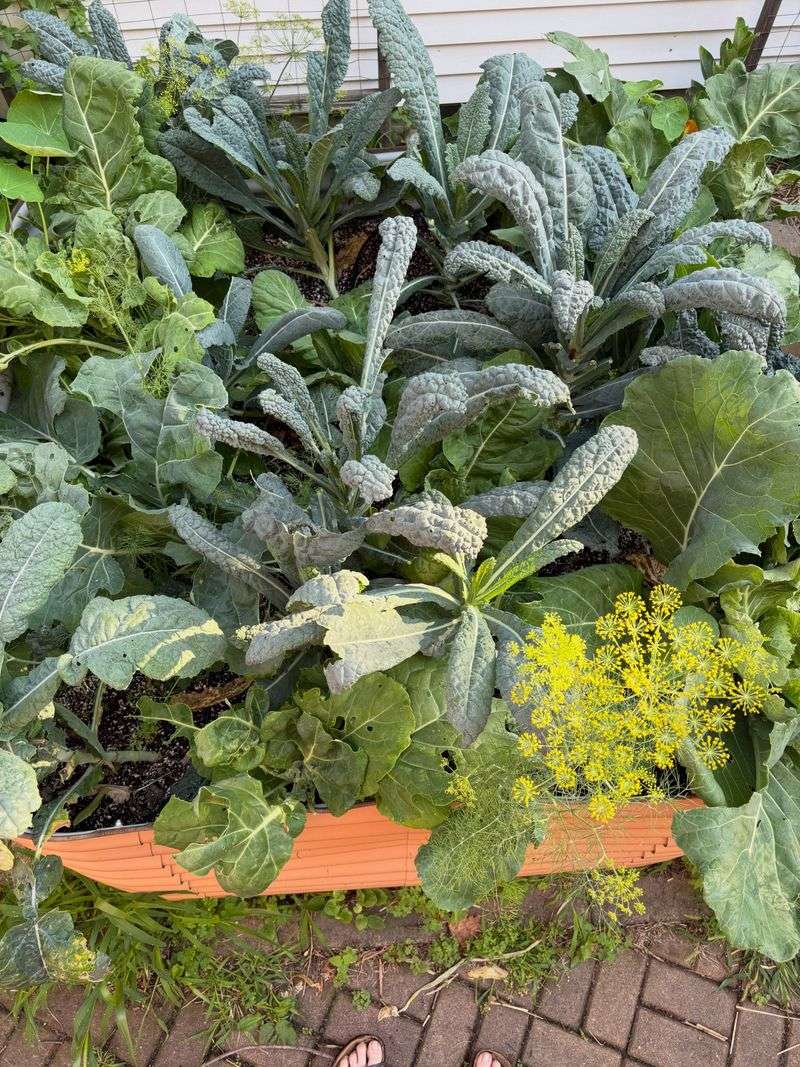
Picture your garden as a busy little neighborhood with dill as the friendly block captain. Its umbrella-shaped flowers attract helpful bugs that patrol nearby plants for troublemakers.
Ladybugs, lacewings, and tiny parasitic wasps love dill blossoms. Those good guys munch on aphids, cabbage worms, and other pests that chew through fall greens.
Keep in mind that dill needs to flower to draw in the helpful bugs. Let one or two plants bloom while you harvest leaves from the rest.
Cabbage family crops make wonderful neighbors for dill. Broccoli, cabbage, kale, and collards all benefit from having those hungry helpers close by.
Collards are a Southern classic, so this pairing feels right at home in North Carolina. Lettuce, onions, and spinach also grow happily alongside dill in a fall bed.
Some plants are not great roommates, though. Keep dill away from carrots, since the two are close cousins and can cross-pollinate or share the same pests.
Tomatoes also struggle when mature dill grows right beside them. Luckily, most North Carolina tomato plants are winding down by September anyway.
Now for a quirky twist you might not expect. Black swallowtail caterpillars adore dill, and they may strip a plant bare in just a few days.
Many gardeners plant a few extra dill plants just for them. Those chubby green, black, and yellow caterpillars turn into gorgeous butterflies that help pollinate your garden.
Think of it as paying rent to the prettiest tenants on your block. Sharing a little dill is a small price for a lively, balanced garden.
Harvesting Tips For Maximum Flavor
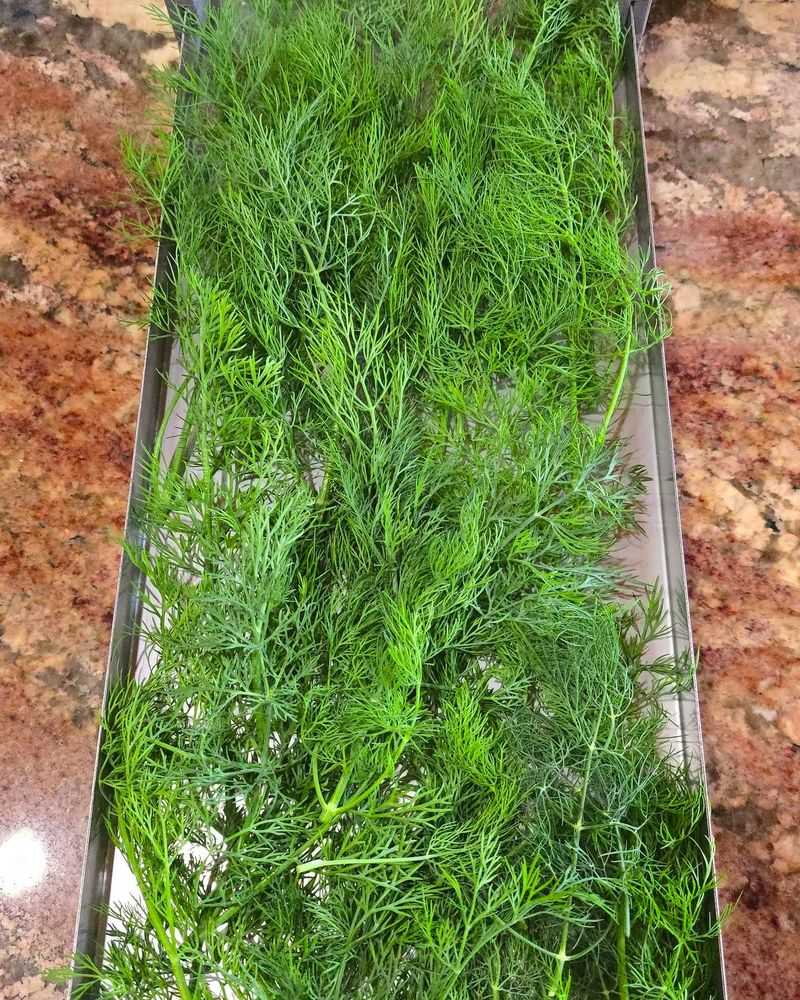
Grandma’s pickle jars probably owed their magic to dill picked at just the right moment. Fresh fronds carry the most flavor when the plant is young, green, and growing strong.
Start snipping once plants reach about eight to twelve inches tall. That usually happens roughly six weeks after sowing, so September seeds mean late October treats.
Morning is the best time to harvest. The oils that give dill its taste are strongest after a cool night and before the sun warms the leaves.
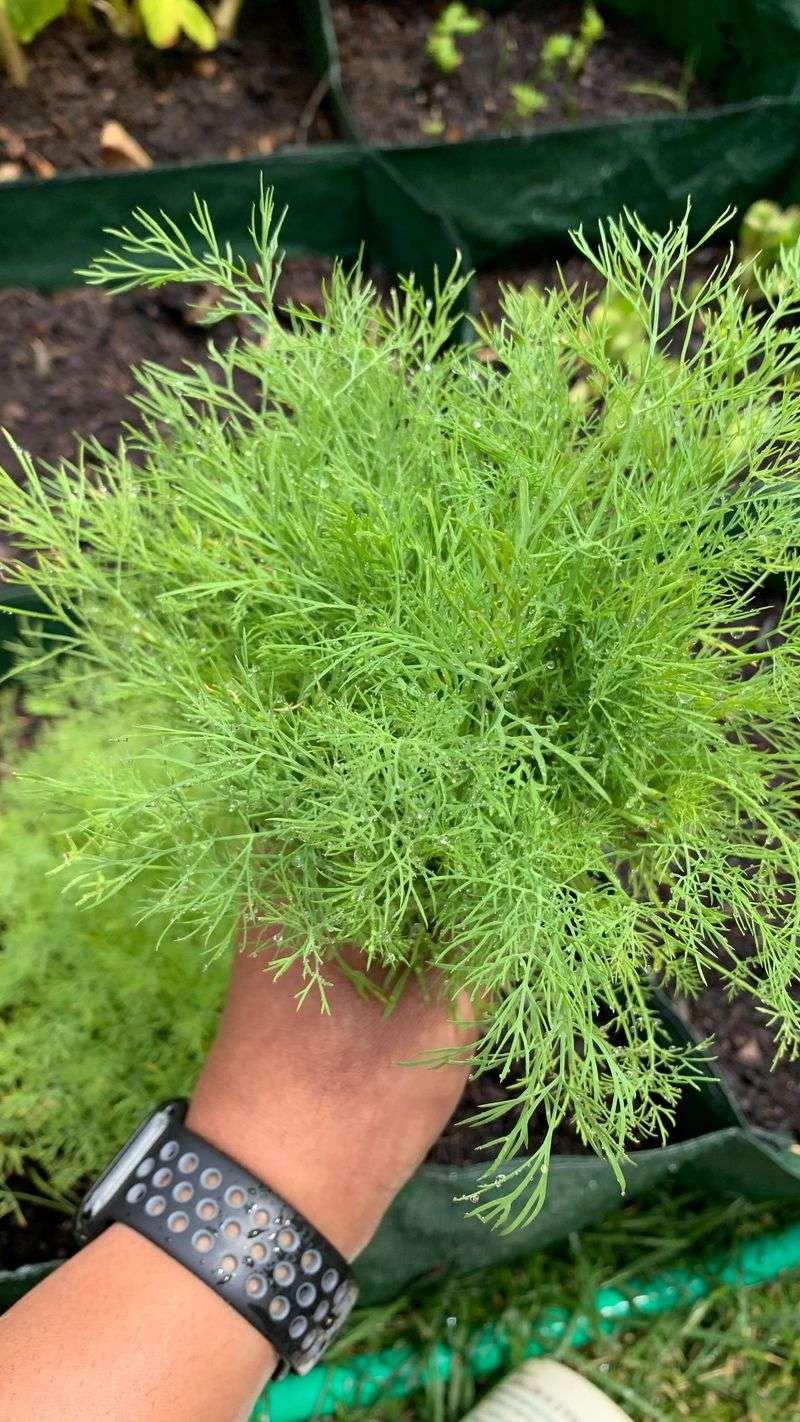
Use clean scissors and cut the outer leaves close to the main stem. Leave the center alone so the plant keeps pushing out fresh growth from the middle.
A good rule is to take no more than one third of the plant at once. Giving it a week or so to recover keeps the harvest coming all season.
Dill loses its punch quickly after cutting, so plan to use it soon. Wrap stems in a damp paper towel and store them in the fridge for about a week.
Freezing works even better than drying for keeping that fresh taste. Chop the leaves, pack them into ice cube trays with water or olive oil, and freeze.
Those little green cubes are perfect for winter soups, potatoes, and salmon. Drop one into a pot, and suddenly January tastes a bit like autumn.
If a few plants do flower, you still win. Those yellow flower heads turn into seeds that are great for pickling brine, breads, and homemade spice blends.
Common Mistakes That Stunt Fall Dill
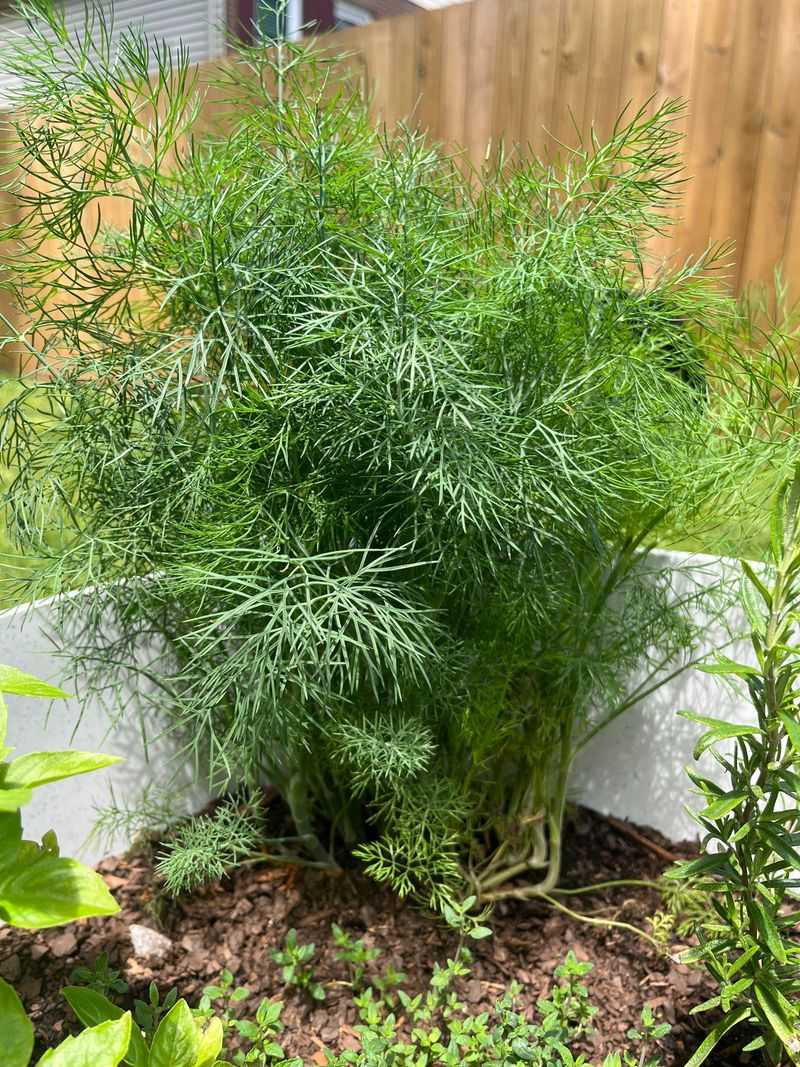
Every gardener has a story about a dill patch that flopped. Most fall problems actually come from a handful of easy-to-fix habits.
Transplanting is the first big trap. Dill’s delicate taproot resents any disturbance, so store-bought seedlings often bolt or stall right after you move them.
Crowding is another sneaky mistake. Thin seedlings to about 12 inches apart, even though pulling baby plants feels a little heartbreaking.
Packed-in plants fight over water and light, and they grow thin and weak. Good airflow between them also helps prevent powdery mildew during damp fall weeks.
Watering too much or too little causes trouble as well. Aim for about an inch per week, and let the top inch of soil dry slightly between drinks.
Shade is a quieter problem that many people miss. Dill needs six to eight hours of sun, and fall shadows stretch longer as the season goes on.
A spot that felt sunny in June might sit in shade by October. Walk your yard at different times of day before picking a bed.
Ignoring the weather forecast can hurt, too. When a hard freeze in the low 20s is coming, toss a frost cloth or bedsheet over your plants overnight.
Finally, skipping harvests is a surprisingly common slip. Regular snipping keeps dill bushy and busy, while neglected plants rush toward flowers and fade out early.
Fix these small slips, and your fall dill will reward you generously. Your kitchen, your pickles, and a few lucky butterflies will thank you.