What It Means When Striped Ground Squirrels In Iowa Yards Disappear Underground For Six Months Or More
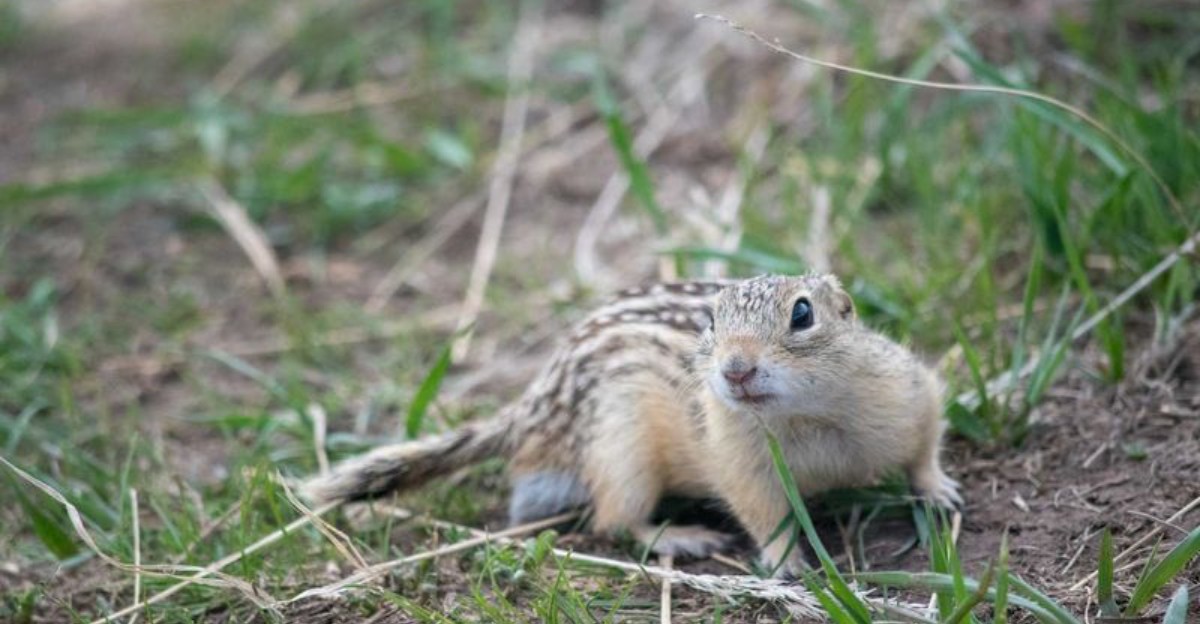
Your ground squirrel left on purpose, and planning started weeks before you noticed. All summer, the little sprinter gorged on grasshoppers, seeds, and beetles, building fat.
Beneath you, a tunnel system stretches farther than you would guess. It winds deep underground toward a snug, grass-lined chamber built for sleeping.
Notice the missing dirt pile by that sidewalk hole? Ground squirrels scatter loose soil so predators struggle to find the entrance.
Right now, that striped sprinter’s heartbeat has slowed to a faint flutter. Its body temperature dips close to the chill of a refrigerator.
Yet this sleeper rouses at intervals, then sinks into its fat-fueled slumber. Iowa winters challenge that clever strategy, and the squirrel keeps thriving.
You share Iowa soil with a planner sharper than you imagined. Wait until you see what that tiny sleeper does when spring finally arrives.
A Long Hibernation Nap Beneath The Lawn
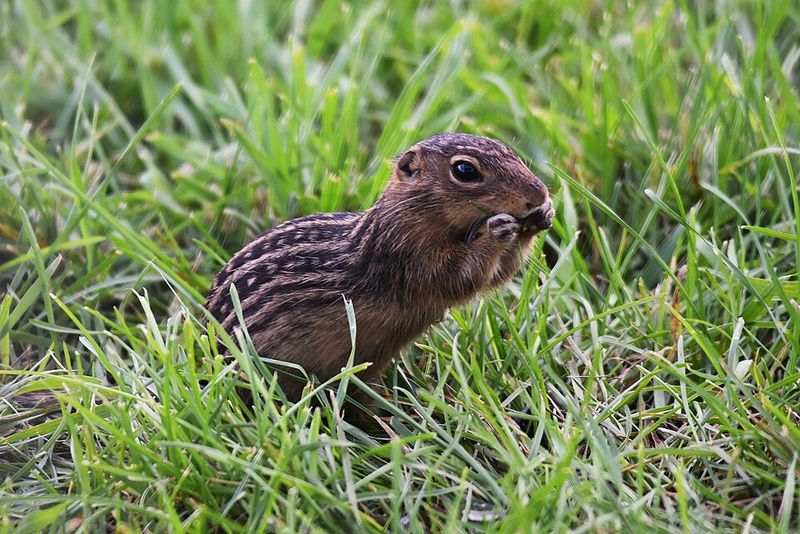
Your striped visitor is most likely fine, just very, very sleepy. Thirteen-lined ground squirrels are true hibernators, spending six months or more tucked deep inside underground burrows.
Hibernation is far more extreme than the nap you take after a big Thanksgiving dinner. The squirrel’s body slows down so much that it looks like a small, chilly stone.
During summer, its heart races at around 200 beats per minute or more. In deep hibernation, that number can drop to about five beats per minute.
Body temperature falls too, sliding from nearly 100 degrees down to just a few degrees above freezing. Breathing slows to only a handful of breaths each minute, sometimes with long pauses between them.
A curled-up hibernator tucks its nose toward its belly and wraps its tail over itself. Picture a striped cinnamon roll, cozy and motionless, in a grass-lined chamber.
So why go through all that trouble? Winter in Iowa means frozen ground, snow cover, and almost no seeds or insects to eat.
Slowing everything down lets the squirrel survive on stored body fat instead of hunting for food. It is basically a clever energy-saving plan built right into its tiny body.
Every week or two, the sleeper briefly warms up for about half a day. Scientists still debate the reason, but these short wake-ups seem important for staying healthy.
So when that burrow goes quiet, this is normal seasonal behavior. Your neighbor has simply hit the pause button until spring sunshine warms the soil again.
September Timing And The Early Exit From Your Yard
Here is a surprise that catches plenty of Iowa homeowners off guard every single year. Some adult thirteen-lined ground squirrels start hibernating as early as late July or August.
By September, the yard often feels emptier because the grown-ups have already gone below. Young squirrels born that spring usually hang around a few weeks longer.
Those youngsters need extra time to eat and build up fat. They are still growing, so they have more catching up to do before winter.
Late summer is basically an all-you-can-eat buffet for these striped snackers. They munch on seeds, grasshoppers, caterpillars, beetles, and even the occasional fallen berry.
Your Iowa Garden Changes Every Week. Your Plan Should Too.
Gardening in Iowa changes quickly throughout the season. Every Friday you’ll receive a simple weekly plan showing exactly what to plant, prune, fertilize, harvest, and protect so you never miss the right timing.
A well-fed squirrel can pack on a surprising amount of weight before bedtime. Some nearly double their summer weight, turning sleek sprinters into round little dumplings.
By October, nearly every ground squirrel in your neighborhood has settled in for the season. Cooler soil and shorter days act like a natural alarm clock telling them to rest.
Want to spot the last few stragglers of the season? Watch sunny, calm afternoons in early fall, when youngsters dash out to grab a final meal.
They rarely come out on cloudy or chilly days, since they depend on warmth. Warm, sunny afternoons often bring a quick, curious peek from the burrow.
So if your yard went silent this month, the calendar is doing its job. Your striped neighbors are most likely right on schedule, not lost or sick.
The Common Mistake Of Flooding Or Filling Burrows
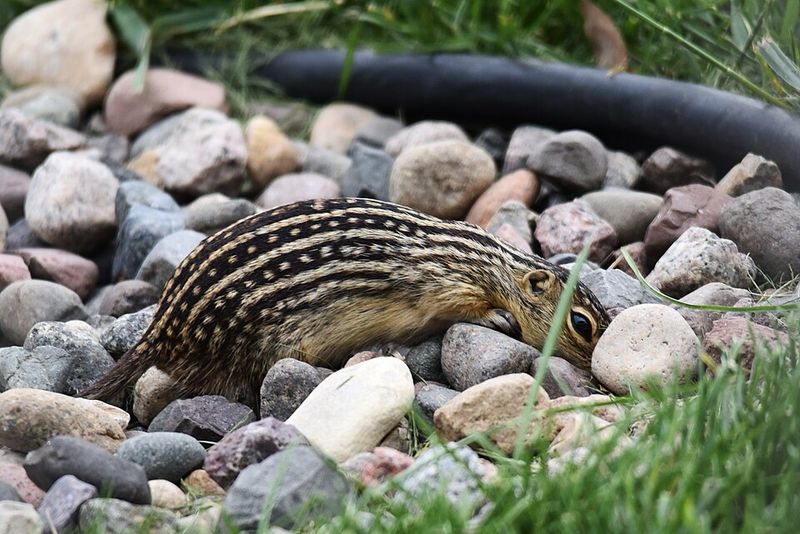
Picture this: you notice a neat, round hole in the lawn and grab the garden hose. Plenty of Iowa homeowners have done exactly that, and it usually backfires.
Ground squirrel burrows are long, twisting tunnels that can stretch 15 to 20 feet. Water just spreads out, soaks into the soil, and leaves the sleeper mostly undisturbed and dry.
The hibernation chamber also sits deep, sometimes below the frost line. The squirrel plugs the tunnel with dirt, so your hose water may barely reach it.
Filling holes with dirt or rocks in September causes a different headache. A plugged entrance does nothing, because the squirrel already sealed itself in from below.
Come spring, it will simply dig a fresh exit somewhere nearby. You might end up with two holes instead of one, which feels like losing a game.
Pouring chemicals, gasoline, or smoke bombs into holes is an even bigger mistake. These can poison soil, harm pets, pollute groundwater, and create a real fire danger.
Poison baits also put hawks, foxes, owls, and neighborhood cats at risk. Those animals may eat a weakened squirrel and end up sick themselves.
Another common slip is assuming the squirrel moved away for good. Many homeowners relax all winter, then feel shocked when the digging returns in April.
The takeaway is simple, and honestly, it is a little freeing. Fall is not the season to wage war on burrows, so save your energy and your garden hose.
A Smarter Fix For Holes In The Grass
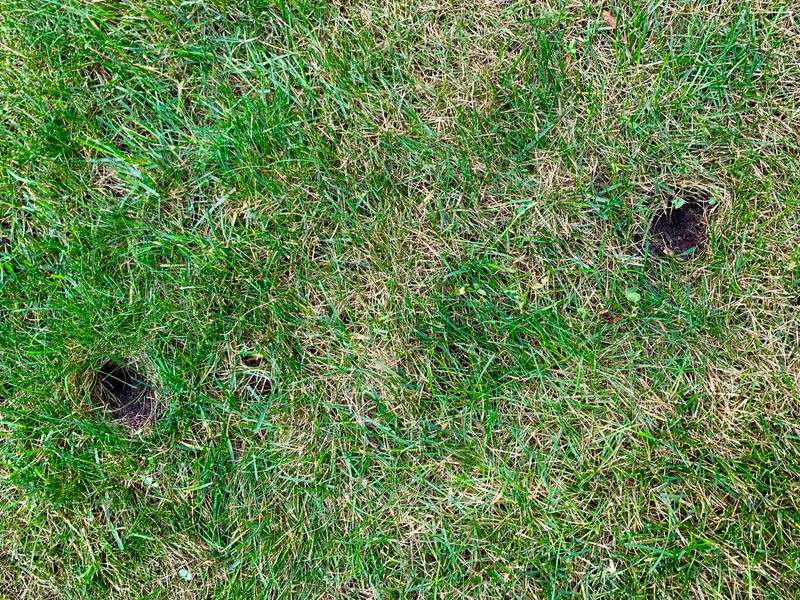
Patience might be the most underrated lawn tool you own. With the squirrels snoozing, fall gives you a quiet window to plan instead of panic.
Start by walking the yard and marking each open hole with a small flag. Burrow openings are about two inches wide and usually have no dirt pile around them.
That missing dirt pile is a neat trick, by the way. The squirrels scatter the loose soil so predators have a harder time finding their front door.
Mapping holes now helps you see where the animals like to hang out. Most choose open, sunny spots with short grass, like lawns, golf courses, and cemeteries.
For small holes, a handful of topsoil and a pinch of grass seed works nicely. Early to mid-September is a good time to overseed Iowa lawns anyway.
Patching holes will not stop the squirrels, but it keeps ankles safe and the lawn looking tidy. Just expect a few new openings to pop up next spring.
If the burrows sit right in the vegetable garden, consider a live trap in spring. Check Iowa rules and local city codes before trapping or moving any wild animal.
Honestly, a few small holes are often a pretty fair trade. These squirrels gobble up grasshoppers, cutworms, and beetle grubs that damage lawns and gardens.
Think of them as tiny, striped pest control workers who happen to dig a little. Their tunnels even help air and water move deeper into packed soil.
The Hungry Spring Return In March And April
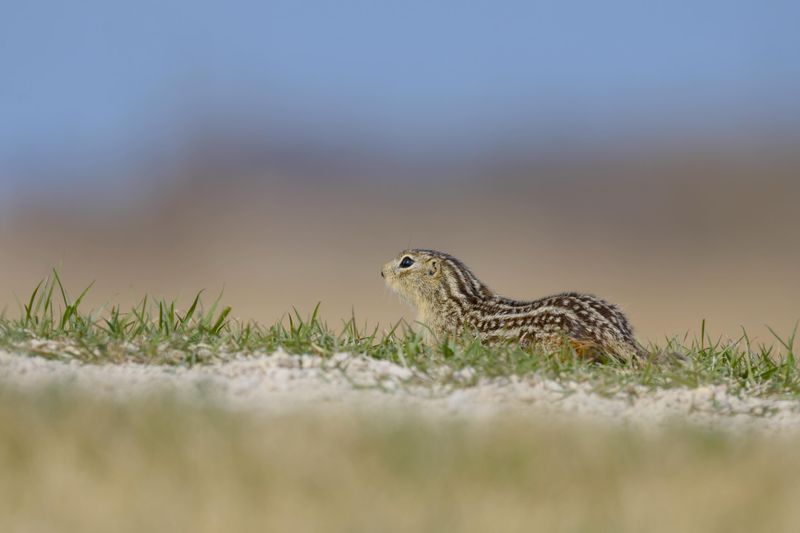
Somewhere around late March or April, the lawn gets a wake-up call. Warm soil signals the sleepers, and they pop out like popcorn kernels on a hot stove.
Males usually show up first, sometimes a week or two ahead of the females. They are thinner, hungrier, and ready to claim their favorite patch of yard. After half a year or more underground, a squirrel may lose a third or more of its weight.
Food becomes the top priority right away. Early spring meals include tender grass shoots, seeds, roots, and any sleepy insects crawling through the thatch.
Gardeners should keep an eye on freshly planted seeds and seedlings. A hungry ground squirrel can dig up a row of sweet corn or peas surprisingly fast.
Romance follows quickly, since the breeding season begins soon after they wake. About four weeks later, a mother gives birth to a litter of roughly eight to ten babies.
The pups are born blind and hairless, but they grow fast. By early summer, they are scampering around the yard and digging practice tunnels of their own.
Fun fact: the stripes and rows of spots help them blend into grass and shadows. From above, a hawk sees mostly sunlight and stems, not a snack.
So the quiet you notice this fall is only halftime. The second half kicks off in spring, often with a bigger team of striped players than before.
Smart Prevention Before Next Spring’s Wake-Up
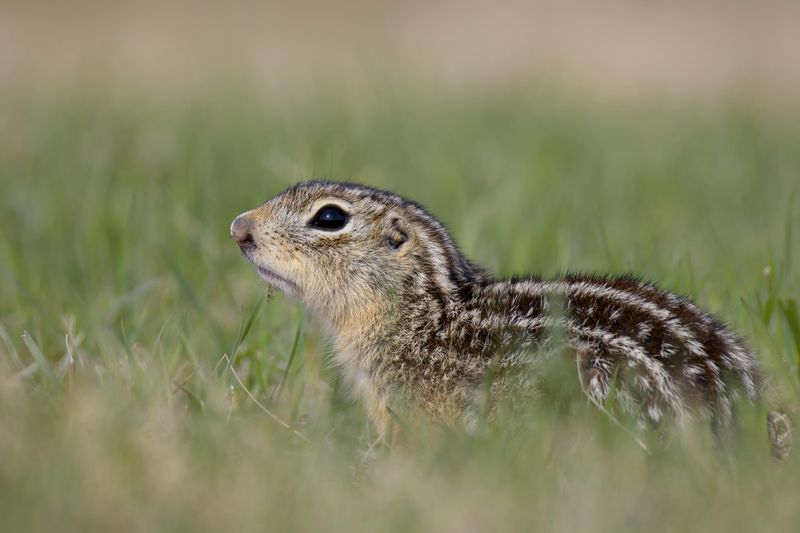
Fall is the perfect season for sneaky, low-stress planning while your furry neighbors doze. A few simple changes now can make your yard less inviting by April.
Thirteen-lined ground squirrels love short grass because it lets them spot danger from far away. Letting your lawn grow a bit taller, around three to four inches, makes them nervous.
Taller grass blocks their view, so they feel less safe standing up to look around. Many will simply move to a neighbor’s closely trimmed lawn instead.
Bird feeders are another big attraction, since spilled seed makes an easy meal. Try a tray under the feeder or switch to no-mess seed blends next spring.
For vegetable beds, sturdy hardware cloth works wonders. Bury the wire mesh about a foot deep around the edges so diggers cannot tunnel underneath.
Row covers and cages over new seedlings also help during those hungry weeks in April and May. Once plants grow bigger, they are usually less tempting.
Nature offers some free help as well, especially if your yard borders open fields. Hawks, foxes, badgers, and bullsnakes all hunt these squirrels across Iowa’s grasslands and yards.
A tall perch post near the lawn can invite hunting hawks to stop by. It is a quiet, chemical-free way to keep numbers in balance.
Most of all, remember that sharing space with a few striped diggers is part of Iowa life. A little planning now means a calmer, happier yard when spring rolls around.