Iowa Hackberry Trees Host Large Clusters Of Brown Butterflies That Aren’t Actually Moths
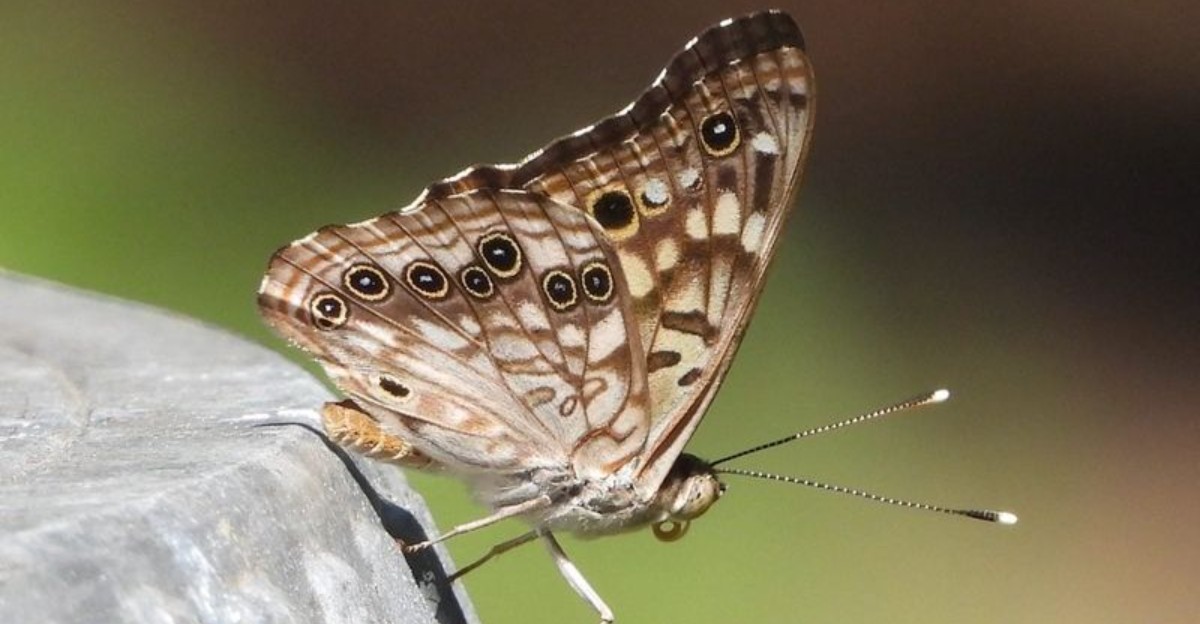
Bark peels off a tree trunk and blinks at you. You freeze, unsure if wood just grew wings. Chocolate patches flutter, flash white spots, and lift again.
Rows of dark eyespots stare back like tiny masks. Many circle the branches, wings dark and warm. Your neighbor calls it a moth invasion.
He’s wrong, and Iowa knows better. Wings this bold rarely belong to moths at all. These fliers crave salt, not chaos. Sweaty skin draws them like tiny magnets.
Arms become landing strips for curious wings. Salt on skin reads like a dinner bell. Gravel roads across Iowa host the same spectacle. Cities join in, oblivious to the drama above.
Porches and sidewalks turn into stages. Elbows taste wonderful to a creature this bold. Attention like this asks you for stillness only. What lands on you next might explain more.
The Brushfoot Known As The Hackberry Emperor
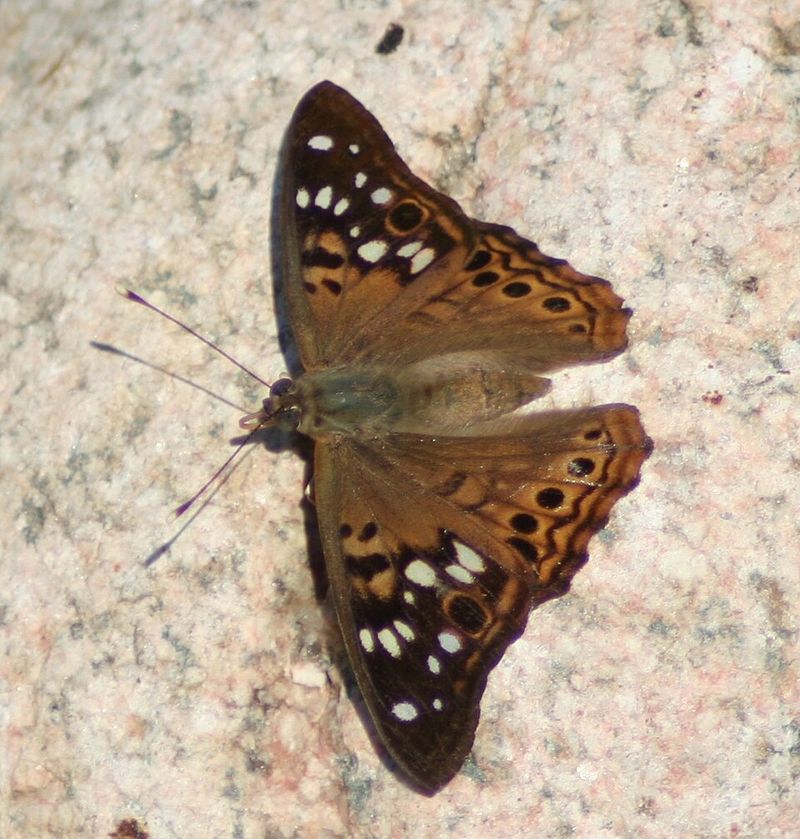
That brown flier tapping your cap is a Hackberry Emperor, known to scientists as Asterocampa celtis. It belongs to the brushfoot family, the same group that includes monarchs and painted ladies.
Adults span about two inches, with warm brown wings, scattered white dashes, and dark eyespots. Males often look darker and smaller, while females run larger, paler, and rounder.
Antennae settle the moth argument fast, since these have thin shafts tipped with small clubs. Moth antennae look feathery or thread-like, with no knob at the end.
Behavior gives another clue, because these fliers work the bright hours instead of porch lights. They perch head-down on trunks, dart out at anything passing, then return to the same spot.
Salt explains the landings on arms, necks, and camera straps during humid Iowa afternoons. Sweat offers minerals that flowers don’t provide, which is why people attract their attention.
Nectar rarely interests them, which surprises gardeners with flower beds full of blooms. Tree sap, rotting fruit, animal droppings, and damp gravel rank much higher on the menu.
A close cousin, the Tawny Emperor, shares the same trees and confuses plenty of observers. Tawny wings show fewer white marks and a richer orange-brown tone.
Neither species bites, stings, or chews holes in your siding, despite the dramatic swarming. Their main effect is briefly startling you while you carry groceries.
These are among the more commonly observed woodland butterflies in parts of the state, particularly near rivers.
The Host Tree Connection Behind Iowa’s Butterfly Population Rise
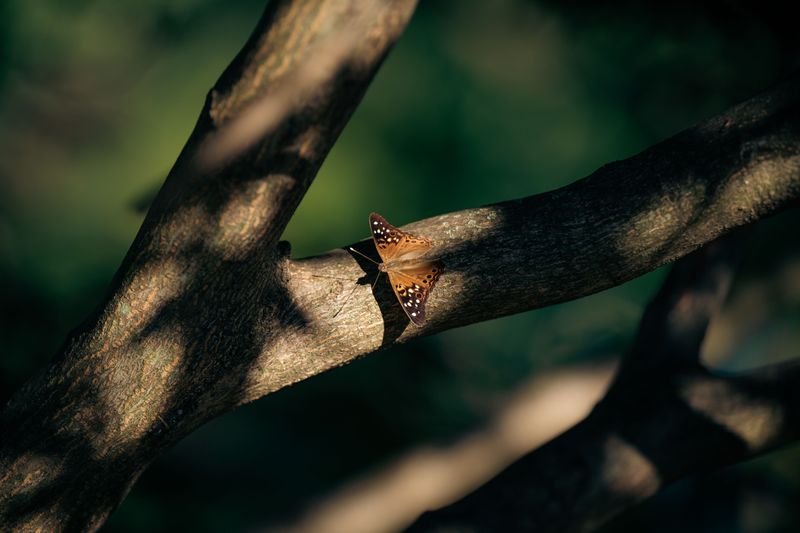
One tree explains the entire spectacle, and it is the common hackberry, Celtis occidentalis. Caterpillars of this species eat hackberry leaves and almost nothing else.
Female butterflies find those leaves by scent and touch, then glue eggs in small clusters. A single tree can host several generations of the same family line.
Iowa happens to be loaded with hackberries, especially along riverbanks, fencerows, and old pasture edges. Many communities also planted hackberries as street trees for their drought tolerance.
More host trees mean more caterpillars, and more caterpillars mean larger numbers of adults by late summer. The math is simple, even when the sight feels overwhelming.
Your Iowa Garden Changes Every Week. Your Plan Should Too.
Gardening in Iowa changes quickly throughout the season. Every Friday you’ll receive a simple weekly plan showing exactly what to plant, prune, fertilize, harvest, and protect so you never miss the right timing.
Warm springs and mild winters push populations higher, since more young caterpillars survive the cold. Strong years show up as trunks speckled with resting wings in August and September.
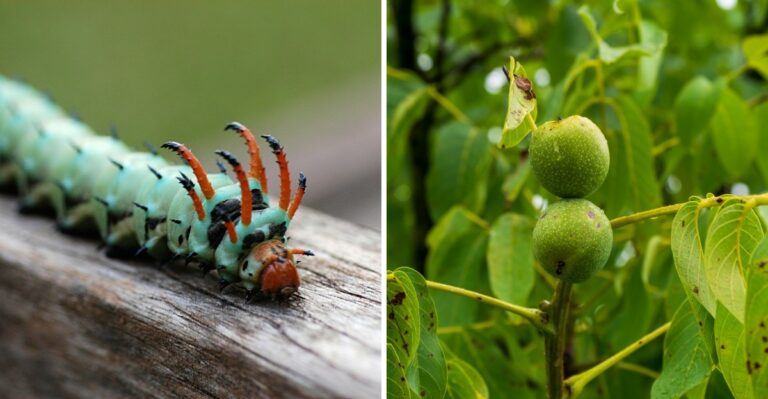
Caterpillars feed in loose groups, sometimes lining up side by side along a leaf edge. Damage usually stays light, with scattered chewed leaves rather than bare branches.
Adults tend to stay near their birth tree, since most of what they need is right there. Sap, fermenting fruit, warm bark, and mates are all available nearby.
Hackberries also carry their own oddities, like nipple galls and woolly aphids that drip honeydew. Sticky bark draws even more insects, which makes the tree look busier than usual.
Removing the hackberry ends the display, and it also removes an important food source for birds. Many people who host these trees find the butterflies worth the extra activity.
Late Summer Broods And The September Flight Window
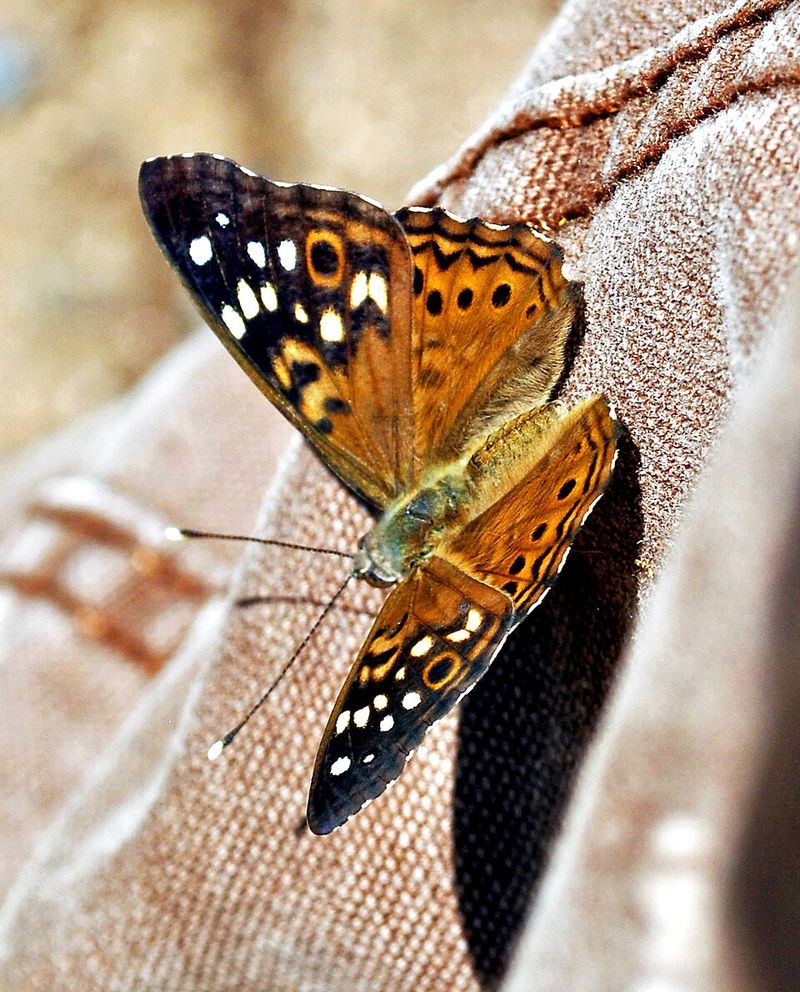
Two broods per year keep Iowa yards stocked with emperors from June into early fall. The second wave is the one filling September air.
Spring adults emerge from caterpillars that spent winter tucked inside curled, fallen leaves. Those first fliers mate in June and start the cycle again.
Their offspring grow through July and August, then take wing in a big second flush. Late August and September often deliver the heaviest numbers of the season.
Cooler nights nudge adults toward sun-warmed trunks, where dozens may bask within arm’s reach. Midday warmth sparks chases, spirals, and sudden landings on anyone standing nearby.
September fruit adds fuel, since hackberry berries ripen into sugary purple beads. Fallen apples, pears, and crabapples pull the crowd toward backyard orchards too.
Egg laying continues into early autumn, producing caterpillars that stop feeding when days shorten. Half-grown larvae change color to brown and settle into leaf litter for winter.
Frost typically ends adult flights by mid-October in much of the state, though southern Iowa can see activity a bit later.
Weather steers everything, so a hot dry August can shift peak activity earlier. A soggy summer sometimes delays the rush until the middle of September.
Early risers often see the most activity, since fresh adults typically emerge in the morning. By late afternoon the trunks quiet down and the crowd scatters.
Mark your calendar, because the same tree tends to repeat the performance yearly. Neighbors start expecting it like a small seasonal festival.
Moth Mix-Ups And Needless Spray Decisions
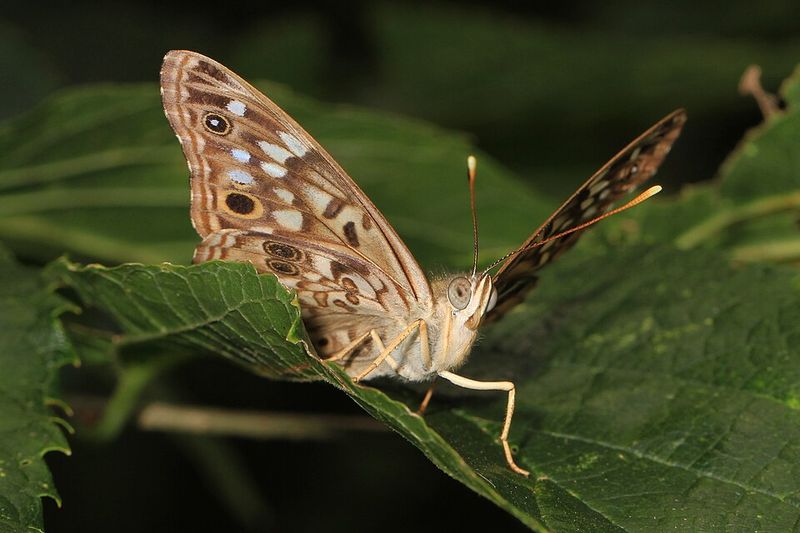
Reaching for insecticide is a common misstep, and it rarely solves the underlying issue. Adult butterflies are not harming the tree, and sprays cannot reach hidden caterpillars anyway.
Broad sprays also hit bees, lacewings, and ladybugs that keep real pests in check. Yards often end up with more trouble than they started with.
Another mix-up involves bumpy leaves covered in tiny nipple galls, blamed on the butterflies. Those lumps come from hackberry psyllids, unrelated insects with their own schedule.
Homeowners sometimes strip and burn fallen leaves, hoping to clear out the pest. That cleanup removes the very shelter overwintering caterpillars rely on.
Swatting feels tempting when wings brush your ear during yard work. Gentle waving moves them along without crushing a harmless neighbor.
Calling a tree service for emergency treatment rarely pays off in September cases like this. A quick photo sent to an extension office usually settles the question for free.
Confusing chewed edges with disease leads people to prune healthy limbs in a panic. Light leaf loss in September costs the tree almost nothing before dormancy.
Assuming moths means assuming clothes damage, pantry raids, or holes in wool sweaters. None of that applies to a day-flying butterfly that drinks tree sap.
One more slip involves sticky sidewalks blamed on butterflies under the branches. Aphid honeydew causes that mess, and a garden hose clears it quickly.
Patience tends to beat panic here, since a week of watching often replaces worry with curiosity. Kids especially seem to love a trunk that appears to breathe.
Calm Yard Responses For Butterfly-Covered Trunks
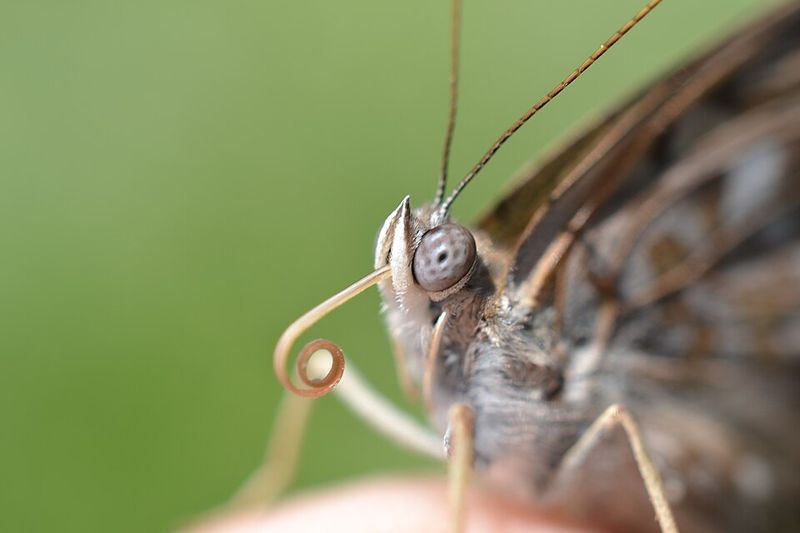
Doing less often works well here, even though it can feel counterintuitive. Your main job is keeping the tree comfortable while the season plays out.
Deep watering helps most during dry Septembers, especially for young or newly planted trees. Soak the root zone slowly once a week instead of sprinkling daily.
Mulch spread three inches deep, pulled back from the trunk, steadies soil moisture nicely. Skip the volcano mound that traps water against the bark.
For picnics near the tree, cover sweet drinks and keep fruit plates lidded. Emperors are strongly drawn to fermenting juice and will readily land near it.
Wear a hat if the landings bother you, since heads attract plenty of attention. Light-colored clothing seems to draw fewer curious visitors than dark shirts.
Photographers get lucky here, because these butterflies sit still and let cameras come close. A phone held steady at eye level often captures the eyespots perfectly.
If a butterfly lands on your arm, hold still and let it finish sipping. Blowing gently sends it off without damaging those delicate scales.
Rain barrels, shallow mud puddles, and damp gravel give them drinking spots away from you. A small wet patch in the garden can redirect the whole crowd.
Check the trunk for real problems while you are out there, like cracks or fungus shelves. Butterflies gathering on bark do not cause wounds, though they may highlight sap leaks.
Neighbors with questions appreciate a quick explanation more than a lecture about entomology. Tell them the brown fliers belong there and move on to the weather.
Leaf Litter, Loyal Broods, And Next Year’s Show
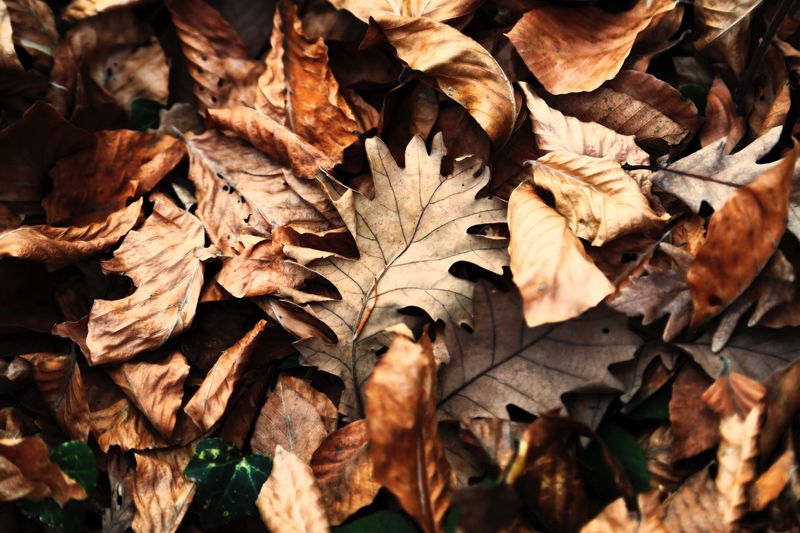
Leave the leaf litter under your hackberry this fall and you protect next spring’s butterflies. Those curled brown leaves shelter young caterpillars through Iowa’s frozen months.
Rake paths and driveways if you must, but let a ring of leaves stay near the trunk. Shredded mulch works as a substitute when tidy yards matter to you.
Healthy trees generally tolerate caterpillar chewing well, so steady care beats chemicals in most seasons. Water during drought, avoid trunk damage from mowers, and prune only when needed.
Winter pruning stays fine, since the caterpillars rest in the leaves below, not the twigs. Save heavy cuts for dormant months, which benefits both the tree and the caterpillars.
Birds benefit too, since hackberry fruit feeds robins, cedar waxwings, and woodpeckers all winter. One tree can support a surprising range of local wildlife.
Expect the display to return, because these butterflies stay close to good host trees. Some yards host them for many years without any real damage.
Population sizes can vary year to year, likely influenced by weather, natural predators, and parasitic wasps. Nature handles the balancing act without help from a spray tank.
Planting additional natives nearby spreads the wildlife load and keeps one tree from carrying everything. Oaks, plums, and willows each support their own crowd of caterpillars.
Record what you see each September, noting dates, numbers, and weather in a notebook. Community science platforms like iNaturalist welcome those observations from backyard watchers.
Years from now, the tree that fluttered may be more memorable than a perfectly tidy lawn. That trade seems fair for a few chewed leaves.