The Spotted Lanternfly Has Reached Iowa, And Homeowners Should Pay Attention
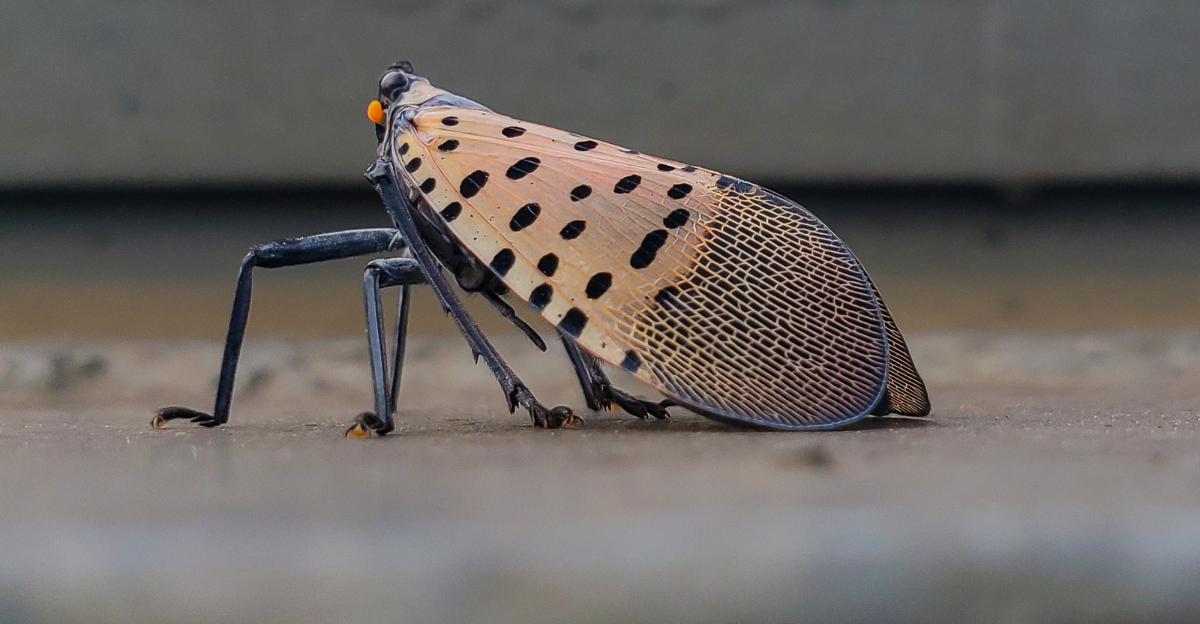
A stranger has now entered your yard, and it isn’t leaving quietly. Spotted wings and a quiet presence mark its arrival near you in Iowa.
Farmers once watched it affect vineyards before you ever noticed the pattern. Homeowners like you now stand as the quiet barrier against its spread.
Iowa gardens and crops sit closer than you realize. Officials confirmed sightings that deserve your full attention right now.
Nobody predicted this traveler would reach your state so soon. Cars, firewood, and outdoor furniture carry it straight toward you. Vineyards on the coast already reveal what awaits your quiet town.
Crops thinned near you, and profits faded without warning. You hold more influence here than you might expect. Your eyes and your yard matter more than you assume.
Nothing about this visitor waits patiently for your attention. Every passing day brings it closer, quieter, and nearer to you. Ignoring it can be costly.
Spotted Lanternfly Sightings Confirmed In Iowa
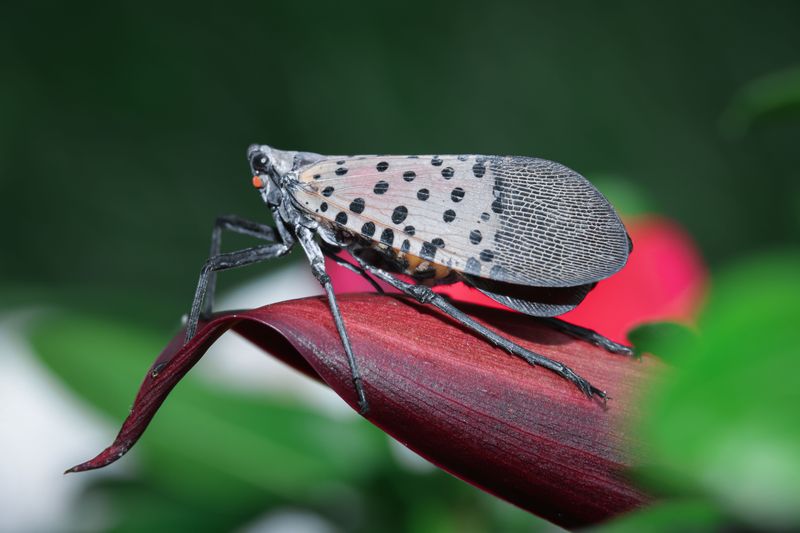
The news was low-key, but the implications are significant. Spotted lanternflies have been confirmed at isolated sites in Iowa, prompting increased monitoring statewide.
State agriculture officials first documented the pest after residents submitted photos and samples. Those reports triggered an official response from the Iowa Department of Agriculture and Land Stewardship.
The pest had already spread through numerous eastern states before crossing into the Midwest. Each new state confirmation represents a major jump in geographic range.
Experts believe the insect arrived via shipping containers, vehicles, or infested plant material. Supply chain movement makes it nearly impossible to stop without public awareness.
Homeowners in counties near major highways and freight corridors may face elevated risk, since infested material typically travels along these routes.
State officials are urging residents to check their properties regularly and report any sightings immediately. Early detection is the single most powerful tool available right now.
The spotted lanternfly does not travel far on its own wings. It relies almost entirely on human movement to reach new territories.
Every confirmed sighting helps scientists map the spread more accurately. Your backyard observation could genuinely shape the state response to this growing concern.
How To Identify A Spotted Lanternfly At Every Life Stage
Spotting this pest sounds easy, but it looks completely different depending on its age. Knowing each life stage is critical because early instars are often mistaken for harmless beetles.
Young nymphs emerge in spring and look like tiny black bugs covered in white polka dots. They are no bigger than a pencil eraser and easy to overlook on dark bark.
As they mature into later nymphs, they shift to a vivid red color with bold white spots. That red stage usually appears between July and August in most regions.
Adult spotted lanternflies emerge by late summer and are roughly an inch long. Their forewings are gray with black spots, and their hindwings flash bright red when open.
That red underwing is the most recognizable feature of the adult insect. If you see a large, flashy moth-like bug clinging to your grape vines or apple trees, take a closer look.
Your Iowa Garden Changes Every Week. Your Plan Should Too.
Gardening in Iowa changes quickly throughout the season. Every Friday you’ll receive a simple weekly plan showing exactly what to plant, prune, fertilize, harvest, and protect so you never miss the right timing.
Egg masses look like dried mud smeared across a flat surface. They are laid in neat rows and covered with a waxy gray coating that blends into bark, stone, and metal.
Check outdoor furniture, tree trunks, fences, and vehicles for those mud-like patches. A single egg mass can contain 30 to 50 eggs, so finding one early matters enormously.
Why This Invasive Pest Spreads So Easily Through Everyday Objects
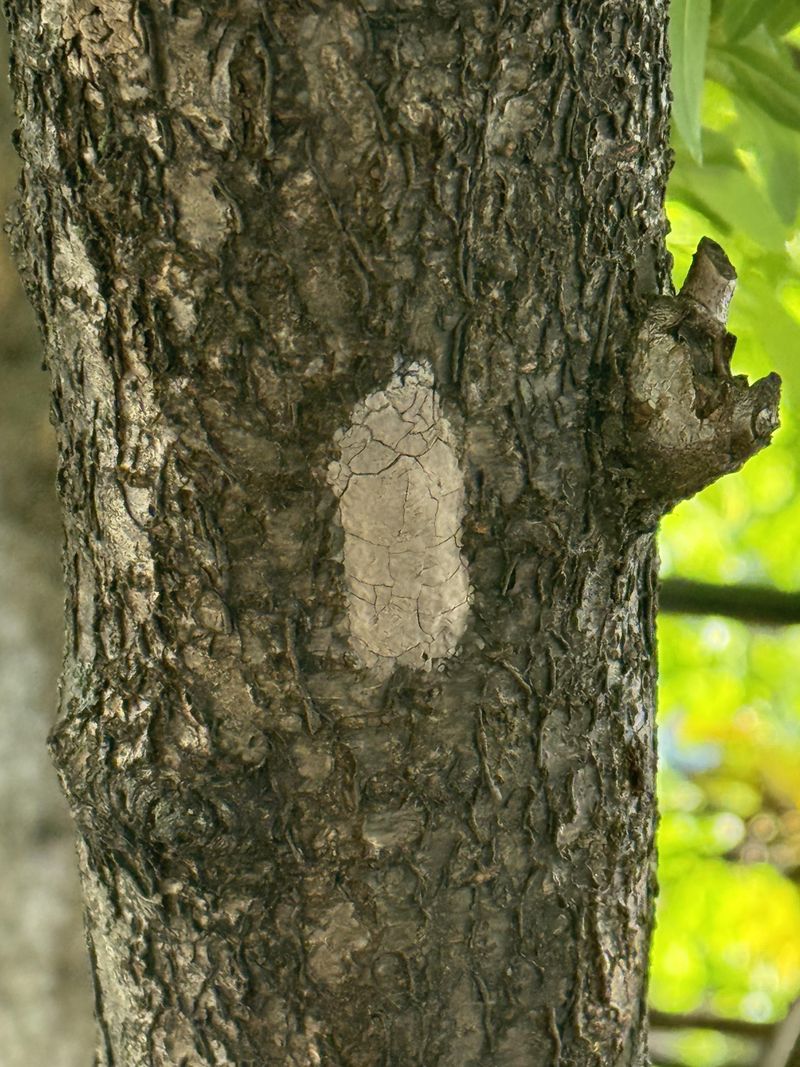
You could carry one home without ever knowing it. That is how easily the spotted lanternfly can move across the country.
Egg masses are laid on almost any flat surface imaginable. Cars, trucks, trailers, outdoor chairs, and even children’s toys have all been found with egg masses attached.
The waxy gray coating on egg masses makes them look exactly like dried mud or chipped paint. Most people drive hundreds of miles without ever noticing what is stuck to their bumper.
Firewood is another major pathway for spread. People camping or traveling with wood from infested areas can unknowingly transport dozens of eggs to a brand-new location.
Nursery plants and landscaping materials also pose a serious risk. Egg masses can hide on the undersides of pots, in soil, or on the stems of shipped trees.
Online plant shopping has added a new layer of complexity to containment efforts. A single mail-order plant from an infested region can seed an entirely new population.
Outdoor equipment stored near infested trees is another overlooked vector. Ladders, grills, and garden tools can all become accidental taxis for this hitchhiking pest.
Awareness during travel season is the most effective prevention strategy available to ordinary people. Before driving home from a camping trip, inspect your vehicle carefully and thoroughly.
What Damage Spotted Lanternflies Can Cause To Trees And Crops
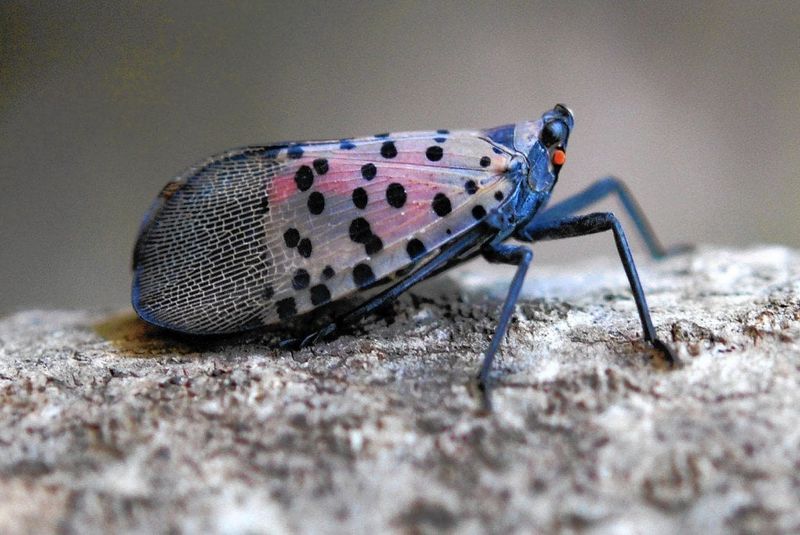
These insects do not chew leaves or bore into wood like other common pests. Instead, they pierce plant stems and suck out the sap, which weakens plants from the inside out.
As they feed, they excrete a sticky substance called honeydew. That sweet residue coats leaves, branches, and the ground beneath infested trees.
Honeydew encourages a black fungus called sooty mold to grow on plant surfaces. Sooty mold blocks sunlight and restricts plant tissue, causing further stress to already weakened trees.
Grapes are among the most vulnerable crops to spotted lanternfly feeding. Pennsylvania vineyards reported significant losses in the years following the initial infestation there.
Apples, hops, peaches, and cherries are also highly susceptible. Fruit farmers in the Midwest have real reason to be concerned as this pest continues its westward march.
Hardwood trees like oak, walnut, and maple can also suffer serious damage. Repeated feeding over multiple seasons can leave mature trees unable to store enough energy for winter.
Young trees face the greatest danger because they have fewer reserves to draw from. One heavy infestation can significantly weaken a tree within a single season.
For backyard gardeners, the risk to ornamental plants and fruit trees is personal and immediate. Protecting your landscape starts with understanding exactly what this pest is capable of doing.
Why Tree Of Heaven Makes Iowa Yards A Target

There is a weed tree hiding in plain sight across Iowa, and it is basically a welcome mat for spotted lanternflies. Tree of Heaven, or Ailanthus altissima, is the pest’s favorite host plant.
Originally brought from China as an ornamental tree in the 1700s, it has since spread aggressively across North America. You can find it growing along roadsides, fence lines, and in abandoned lots.
Spotted lanternflies can feed on dozens of plant species, but Tree of Heaven is their clear preference. Where this weedy tree grows, the invasive insect is almost certain to follow closely behind.
Many Iowa homeowners have Tree of Heaven growing in their yards without realizing it. The tree has long compound leaves, a smooth gray bark, and produces clusters of papery winged seeds.
Crushing a leaf from this tree releases a strong, unpleasant odor, which is one easy way to identify it. Some people describe the smell as peanut butter mixed with something rotten.
Removing Tree of Heaven from your property reduces its appeal as a landing zone for new infestations. However, this tree regrows persistently from its roots, so removal requires patience.
Consulting your local extension office about safe removal methods is a smart first step. Removing this host plant is one of the most proactive things a homeowner can do right now.
What To Do If You Spot One In Your Yard
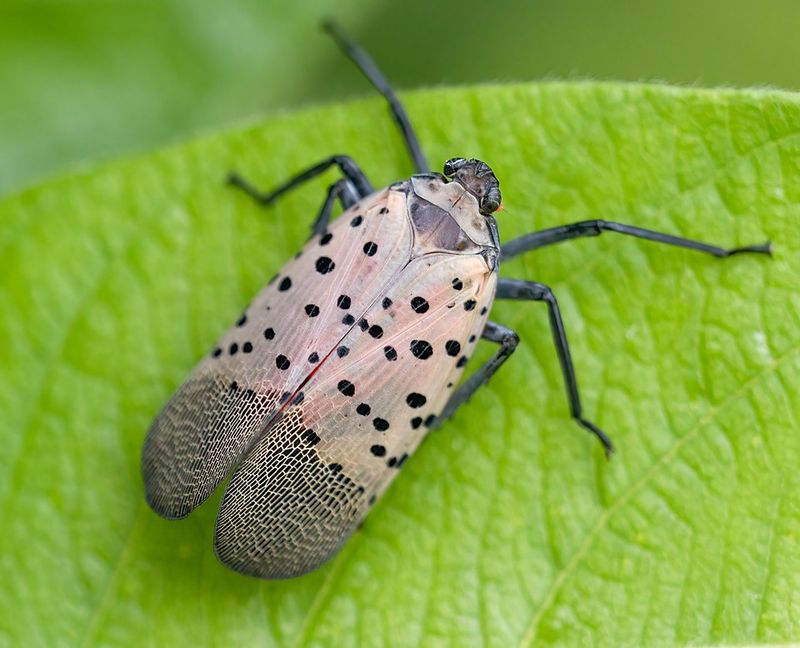
Finding one in your yard can feel concerning, but panic is not the answer. A clear, calm response is far more useful than a frantic reaction.
First, grab your phone and take a clear photo of the insect. A good image showing the wing pattern or body markings helps experts confirm the identification quickly.
Report your sighting to the Iowa Department of Agriculture and Land Stewardship through their online reporting tool. The more precise your location data, the more helpful your report becomes for tracking purposes.
If possible, capture the insect in a container and preserve it in rubbing alcohol. A physical specimen gives scientists the best confirmation of a new population in your area.
Do not move the sample to another county or city for drop-off. Transport could inadvertently spread the very pest you are trying to report.
Check nearby trees, fences, and garden furniture for egg masses after spotting an adult. Where there is one, there are often many more hiding nearby.
Scrape any egg masses you find into a sealed bag filled with hand sanitizer or rubbing alcohol. This neutralizes the eggs without spreading them to new surfaces.
Your quick action genuinely matters in this effort. Every reported sighting helps officials respond faster and smarter to the growing spotted lanternfly concern across the state.
How Homeowners Can Help Prevent Further Spread
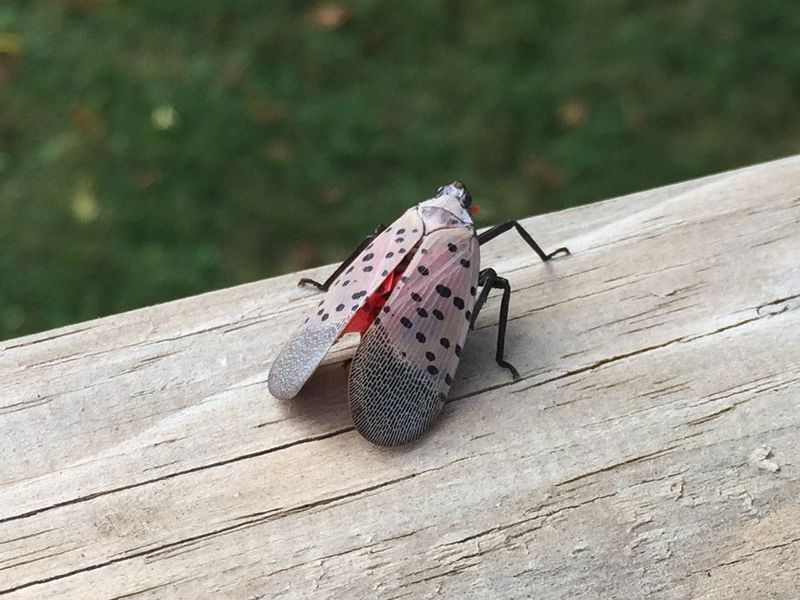
You have more power than you think when it comes to stopping this pest. Everyday habits, done consistently, can genuinely slow the spread of the spotted lanternfly across the Midwest.
Before leaving any outdoor area during travel season, inspect your vehicle thoroughly. Check the wheel wells, bumpers, roof rack, and any gear strapped to the outside of your car.
Never move firewood from one region to another, even if it looks perfectly clean. Egg masses hide in bark crevices and are nearly invisible to the untrained eye.
Buy firewood locally wherever you camp or travel. That one habit alone has been shown to significantly reduce the spread of multiple invasive species across state lines.
If you order plants online, inspect every shipment carefully before placing anything in your garden. Check stems, soil surfaces, and the undersides of pot rims before introducing new plants outdoors.
Encourage your neighbors to learn about this pest too. A single untreated yard can easily become a launching pad for a new local population.
Stay connected with your county extension office for the latest updates and management guidance. They provide free, research-backed resources tailored specifically to your local conditions.
Stopping the spotted lanternfly from establishing deep roots in Iowa is still possible. Homeowners who stay informed and stay alert are the most important part of that effort.