Popcorn-Sized Blobs Of Sap On New Jersey Pine Trunks Can Point To A Beetle Smaller Than Rice
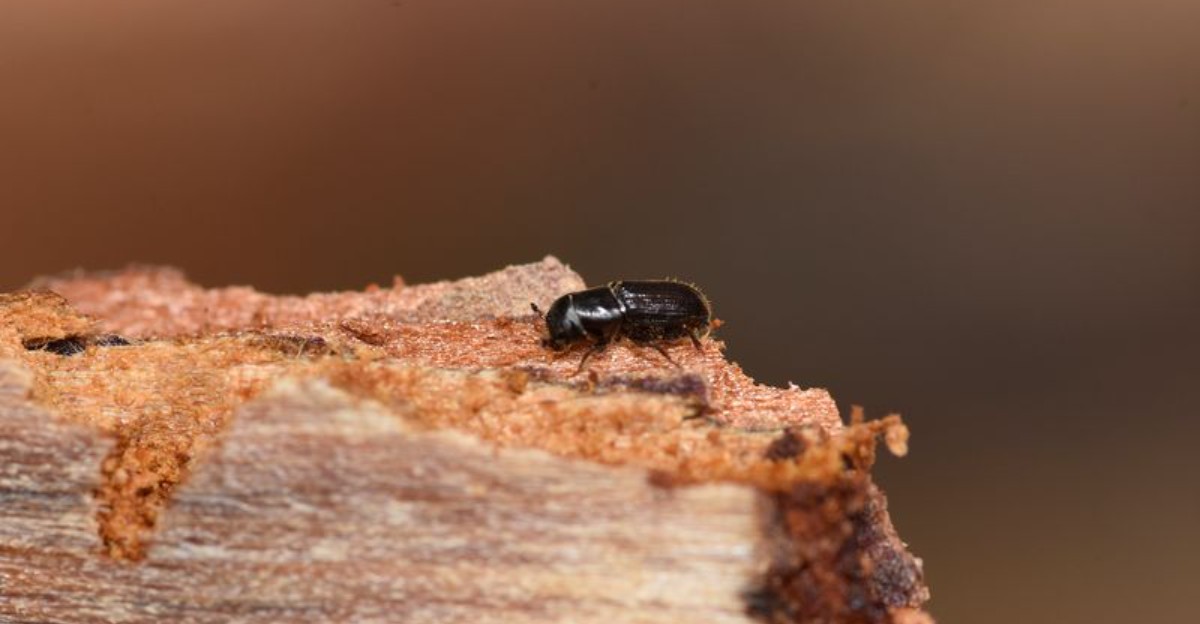
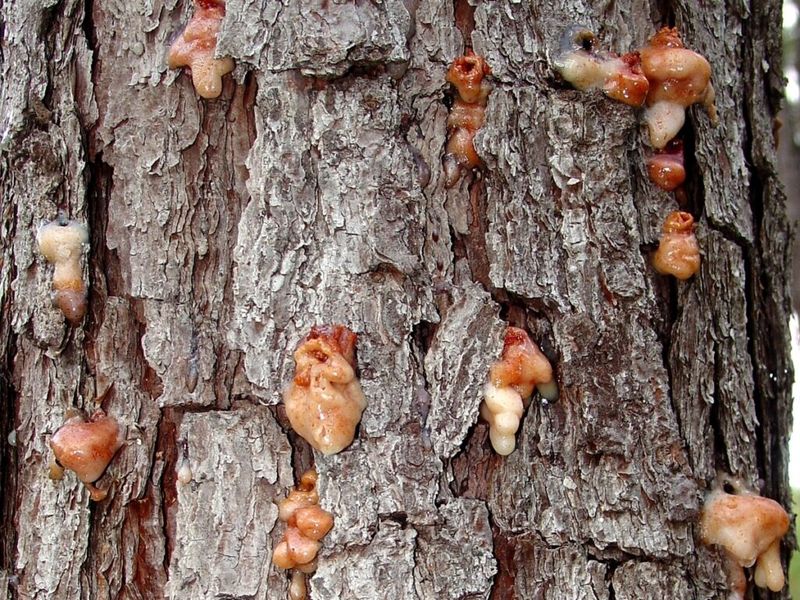
Those sticky globs on your pine signal beetle activity, not a scrape. Inside each blob, you might find a beetle smaller than a grain of rice. Your tree fires resin outward to trap and expel intruders.
Arborists call them pitch tubes, and you can read them like a scoreboard. Firm, white tubes mean your tree is pushing back hard. Dry, reddish sawdust at your trunk’s base means the beetles got in.
Meanwhile, a female releases a scent summoning more beetles toward your tree. Across southern New Jersey, you can spot rust-red stands where beetles succeeded.
Beetles also smuggle a blue-stain fungus into your tree’s water lines. New Jersey’s hot, dry summers thin your pines’ resin supply.
You get a narrow window before the damage turns irreversible. Now decode exactly what your pitch tubes reveal, before the beetles decide for you.
Southern Pine Beetle Behind The Popcorn Pitch
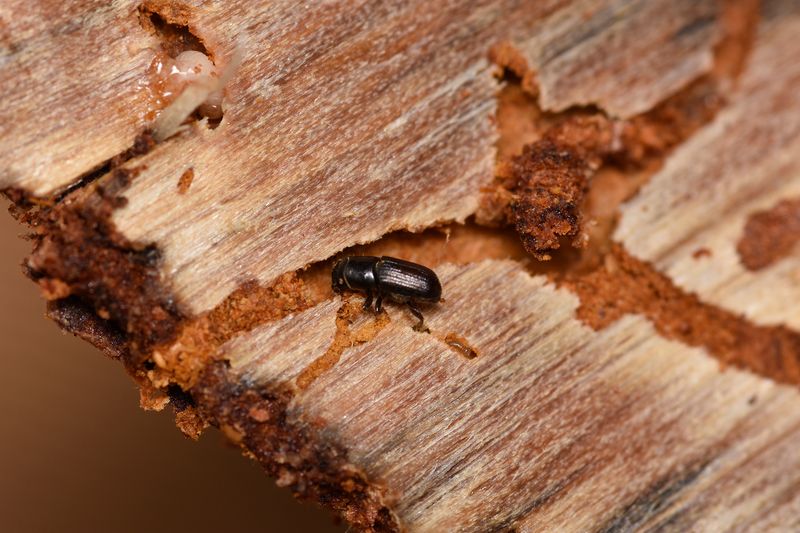
Forest rangers in the Pine Barrens call those crusty sap globs pitch tubes. Each one marks a spot where a southern pine beetle tried to bore into the bark.
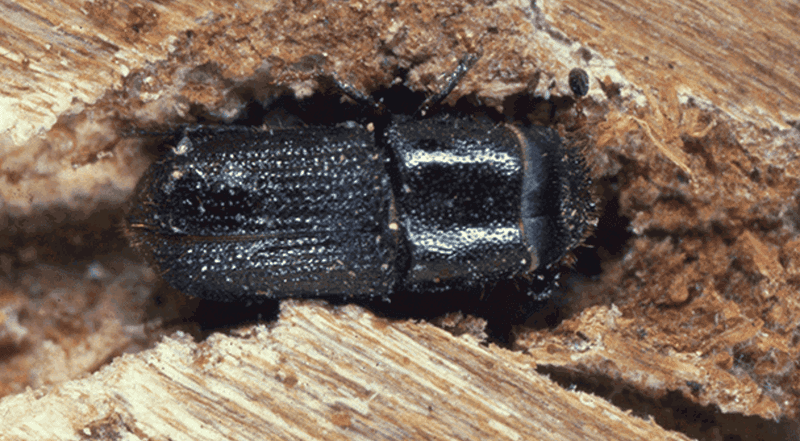
The beetle itself is only about one eighth of an inch long, smaller than a grain of rice. It is reddish brown to black, shaped like a tiny cylinder, and easy to miss.
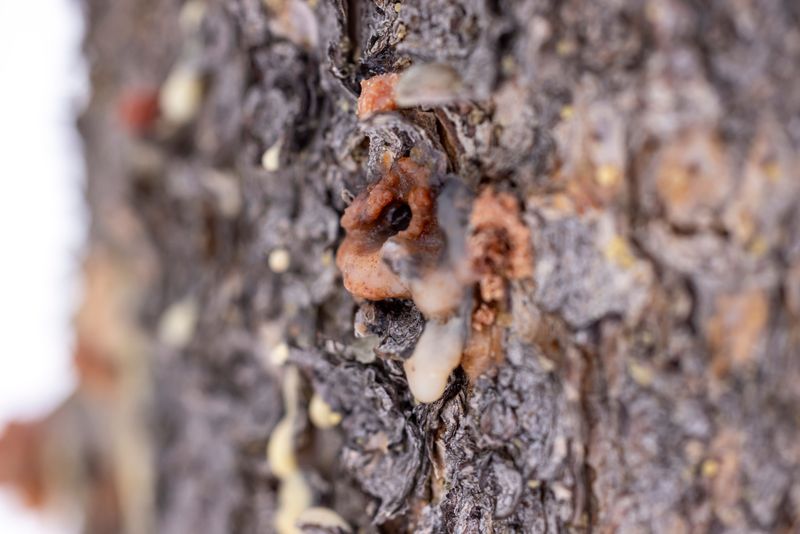
When a beetle chews in, the tree pushes out sticky resin to flood the hole. That resin hardens into a lump about the size of a popped kernel of popcorn.
Scientists call the insect Dendroctonus frontalis, a name built from Greek and Latin words for tree destroyer and forehead. Its name sounds dramatic, but its reputation in southern forests has earned every letter.
One beetle alone rarely causes serious trouble for a healthy, well-watered tree. The problem starts when it releases a chemical scent that calls thousands of friends to the same trunk.
A swarm of beetles overwhelms the sap defense like a crowd rushing through a single door. Beetles then carve winding S-shaped tunnels under the bark, cutting off the tree’s food flow.
They also carry a blue-stain fungus that clogs the water pipes inside the wood. Between the tunnels and the fungus, an infested pine can fade from green to rusty red within weeks.
Pitch pine, shortleaf pine, and Virginia pine are favorite targets, especially in southern New Jersey. If you spot many popcorn globs on one of these trees, take a closer look.
September Timing And The Late Summer Brood
September in New Jersey feels calm, with cooler nights and the first crunchy leaves underfoot. Under pine bark, though, the season is anything but quiet.
In the Deep South, southern pine beetles can produce several generations a year, but New Jersey populations usually produce about two. A full life cycle, from egg to adult, can take as little as one month in summer heat.
By late summer, broods that started in July are chewing their way out as new adults. Those fresh beetles fly off looking for the next tree, often right next door.
Your New Jersey Garden Changes Every Week. Your Plan Should Too.
Gardening in New Jersey changes quickly throughout the season. Every Friday you’ll receive a simple weekly plan showing exactly what to plant, prune, fertilize, harvest, and protect so you never miss the right timing.
That makes early fall a smart time to walk your property and scan trunks at eye level. Fresh pitch tubes look creamy white or pinkish and feel soft when pressed.
Older tubes turn hard, crumbly, and yellowish over time. Reddish sawdust caught in bark cracks or piled at the base is another clue that beetles are busy.
A quick September walk-through takes maybe twenty minutes for a typical yard. Bring binoculars, since many pitch tubes form high on the trunk where eyes alone struggle.
Late summer droughts make the timing even trickier for pines. Thirsty trees produce less resin, so their sticky shield is weaker right when beetle numbers peak.
Cold snaps once kept this insect mostly south of New Jersey. Milder winters have let more beetles survive, helping them reach the Pine Barrens around 2001.
Activity slows as temperatures drop through October and November, but it does not stop cold. In New Jersey, most beetles spend the winter under the bark as pupae, then emerge again in spring.
A Costly Mix-Up With Harmless Sap Leaks
Plenty of homeowners see oozing sap and think the tree just bumped into something. Honestly, that guess is sometimes right, which is exactly why it causes trouble.
Pines bleed resin from mower nicks, broken branches, and storm scrapes all the time. Those leaks usually run in drips or streaks rather than forming neat, round lumps.
Beetle pitch tubes look different once you know the trick. Each one is a tidy blob with a pinhole center, often scattered by the dozen up the trunk.
Another look-alike comes from the black turpentine beetle, a much bigger cousin. Its pitch tubes are larger, like a walnut, and usually cluster within a few feet of the ground.
Southern pine beetle tubes often appear from mid-trunk upward, though they can show up anywhere from near the ground to the crown. Location matters as much as size when you play sap detective.
Another common mistake is assuming that lots of resin means the tree is holding its own. A few firm white tubes can mean the pine pushed the invaders out.
Dozens of soft, reddish tubes mixed with boring dust usually mean the beetles got past the goo.
Peeling back a small patch of loose bark can also help. Winding S-shaped grooves packed with dust point straight to southern pine beetle rather than a simple wound.
Waiting a month to see what happens gives a new brood time to fly. When in doubt, snap clear photos and send them to your county Rutgers Cooperative Extension office for an expert opinion.
Quick Action After Spotting An Infestation
An infested pine usually cannot recover. Once beetles get past the sap defense, no spray or fertilizer can bring that tree back.
The real goal shifts to protecting the healthy pines standing nearby. Speed matters, because each infested trunk can launch thousands of new beetles in a few weeks.
Start by calling a certified arborist or the New Jersey Forest Service for a professional check. They can confirm the insect and map which trees are active spots.
Removing infested trees quickly is the main fix foresters recommend. Many crews also cut a buffer strip of green trees around the spot to halt beetle spread.
Cut logs should be hauled away, chipped, or debarked so the brood inside cannot finish growing. Leaving infested wood stacked beside the garage lets the brood finish developing and spread to nearby pines.
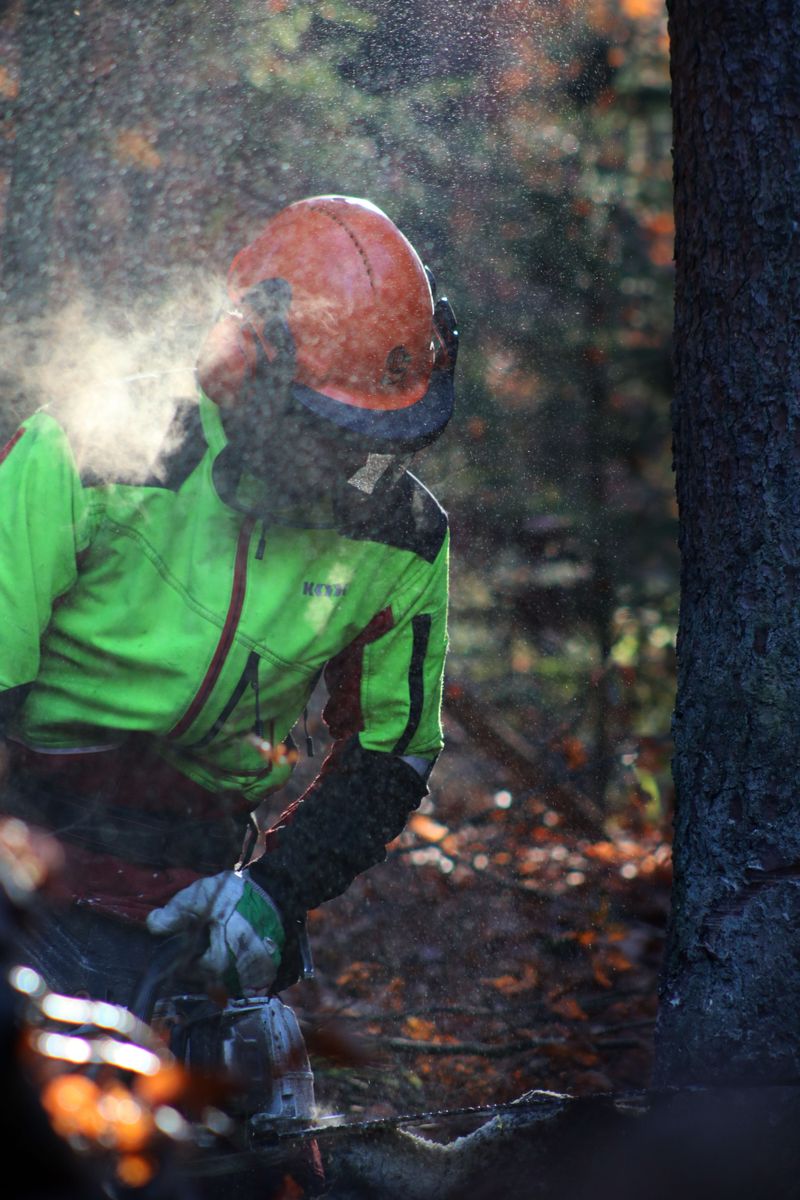
In remote forest spots, crews sometimes fell the trees and leave them facing the center of the patch. Felling trees this way disrupts the scent signals beetles use to gather, and sun-heated bark can harm some of the brood.
For a prized yard pine that beetles have not reached yet, some arborists apply protective bark sprays. These treatments work only as prevention, so check product labels and local rules, and consider hiring a licensed applicator.
Fall and winter are handy seasons for removal, since cooler weather slows beetle flights. Still, a tree full of fresh September pitch tubes should not wait until spring.
Keep a simple notebook or phone album of which trees you checked and when. Good records help experts spot patterns and act before the next wave hits.
Outcomes For Infested Pines And Neighboring Stands
Back in 2010, New Jersey foresters counted more than 14,000 acres of pinelands hit by beetles. That figure surprised many who expected the insect to stay farther south.
Once an infestation takes hold, the needles on a pine usually turn yellow, then reddish, then brown. The whole crown can change color in as little as two weeks during warm weather.
By the time the top looks red, most beetles have already moved to fresh trees. That delay is the reason experts urge people to watch trunks instead of treetops.
Left alone, one infested spot can grow outward like ripples in a pond. Some beetle spots in the South have spread across hundreds of acres in a single season.
Affected pines leave more than empty space behind. Brittle trunks can snap in storms, creating a safety hazard near homes, trails, and power lines.
Gray, bare trunks also pile fuel onto the forest floor as they topple. In the fire-prone Pine Barrens, that extra fuel worries wildfire crews quite a bit.
Wildlife feels the change too, since birds and small mammals lose shelter and pine seeds. On the bright side, woodpeckers often feast on beetle larvae hiding under loose bark.
Nature does bounce back, and oaks or young pines often fill the open gaps. Recovery simply goes faster when people remove infested trees early and thin crowded stands.
Affected acreage dropped in the years after that peak. Foresters point to prompt removal work by landowners and state crews as one reason, though weather likely played a part too.
Long-Term Defense For Backyard And Forest Pines
Ever heard the saying that an ounce of prevention beats a pound of cure? With southern pine beetles, that old advice fits like a glove.
Crowded pines compete for water, sunlight, and nutrients, which leaves them weak and low on resin. Thinning a dense stand gives each remaining tree more room to grow strong.
Extra space also breaks up the scent trails beetles use to gather a crowd. Research across the South shows well-thinned forests experience far fewer outbreaks than packed ones.
Homeowners with just a few pines can still help them stay tough. During long dry spells, a slow, deep soak around the roots every week or two makes a difference.
Be gentle with lawn mowers and string trimmers near the trunk. Bark wounds add stress and release scents that can draw bark beetles to the tree.
Construction work is another hidden threat, since heavy trucks pack soil and crush feeder roots. Try to fence off the root zone before any digging or building starts.
When planting new trees, mix in oaks, hollies, or cedars instead of only pines. A varied landscape gives beetles fewer easy stepping stones.
New Jersey landowners can also ask the state forest service about cost-share programs for thinning. Some years, grants help cover part of the bill for forest health work.
Finally, make a trunk check part of your fall routine, right alongside raking leaves. Those popcorn globs are easy to spot once you know they are worth a second glance.