How To Cure And Store Michigan Winter Squash And Pumpkins So They Last Through The Cold Months
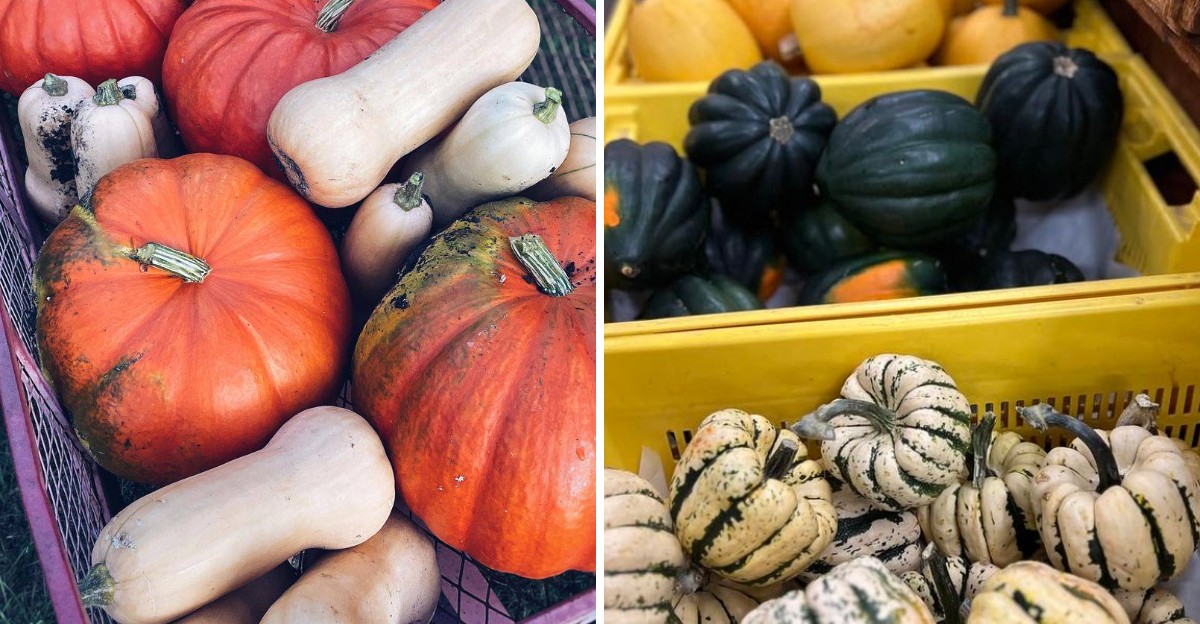
Freshly harvested winter squash and pumpkins might look ready to eat straight away, but skipping the curing process is one of the most common reasons these crops rot in storage far sooner than expected.
Curing involves holding the harvested squash in a warm, dry spot for a week or two, allowing the skin to toughen and any minor cuts or bruises to seal over before long-term storage begins.
This hardened outer layer acts as a protective barrier against moisture loss and the fungal decay that would otherwise creep in during months of storage.
Once properly cured, squash and pumpkins can last for months in a cool, dry space, provided temperature and humidity stay within a fairly specific range.
Getting this early step right is what actually determines whether a Michigan harvest makes it to midwinter or spoils well before the holidays even arrive.
1. Harvest At Full Maturity
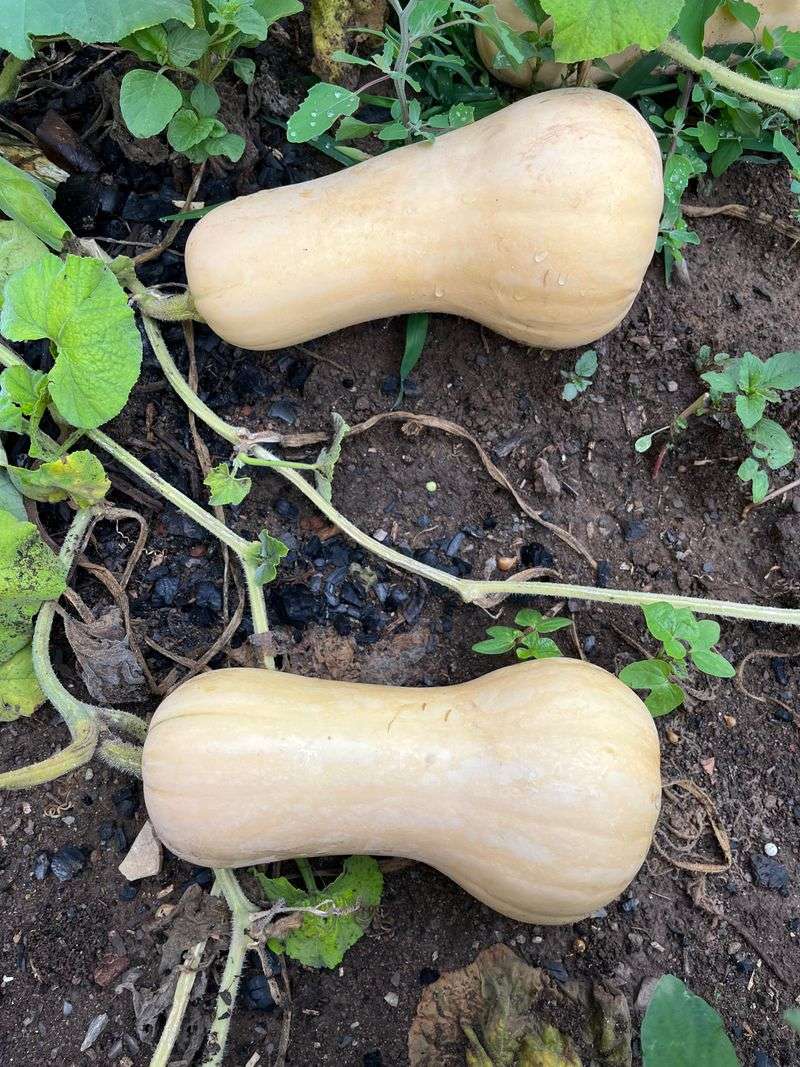
Patience in the patch pays off all winter long. A squash picked too soon might look fine on the counter, but it will not hold up for long in storage. Only a fully mature fruit has the tough armor it needs to last.
Here is why that matters so much. Immature squash and pumpkins have a thin, soft rind that lets moisture escape and invites rot to move in quickly.
A ripe fruit grows a hard shell that shields the flesh inside for months, almost like a natural storage container. So how can you tell when one is ready? Try pressing the rind with your fingernail. If it resists denting, you are on the right track.
Next, check the color, which should look deep and even for the variety you planted, whether that means tan butternut or dark green acorn.
Roll the fruit over and look at the spot where it rested on the ground. On a ripe squash, that patch turns cream to orange instead of staying white or green. The stem gives another clue, since it should be starting to dry out, crack a bit, and feel hard and corky.
Michigan gardeners face a special temptation here. When September nights turn chilly and frost warnings start popping up, it feels safer to grab everything off the vine right away. Try to resist that urge if the fruit still shows signs of being young.
A few more days of sunshine can mean the difference between squash that lasts until spring and squash that softens before Thanksgiving.
2. Bring Them In Before Frost
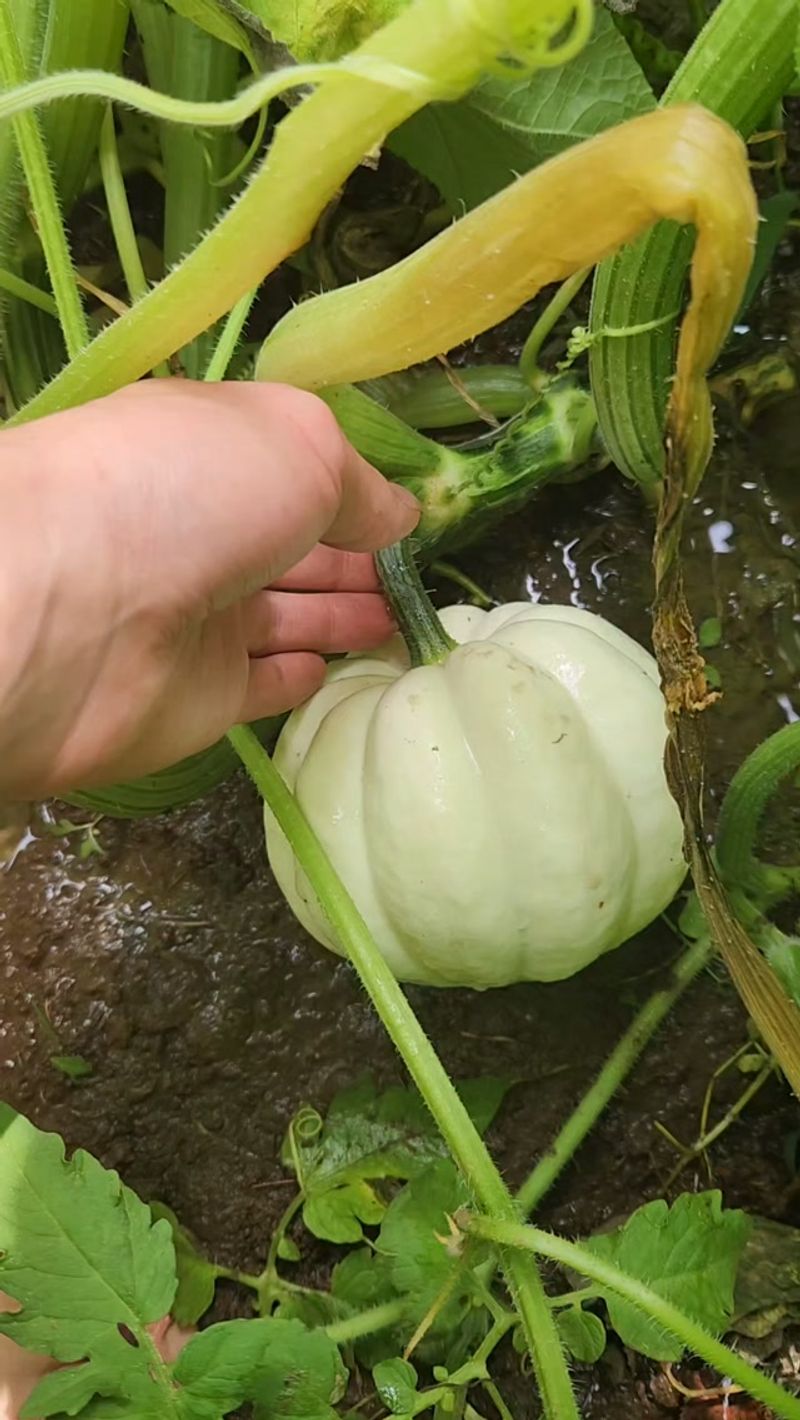
Frost is sneaky. One clear, calm night can coat your garden in sparkling ice, and by morning your pumpkins may already be hurt in ways you cannot see yet.
Cold air damages the rind and the tender tissue just under it. Even a light frost can leave weak areas that later turn into soft spots and rot once the fruit sits in storage.
A squash that looked perfect in October might start sagging by December because of one chilly night. Staying ahead of the weather is your best defense.
Your Michigan Garden Changes Every Week. Your Plan Should Too.
Gardening in Michigan changes quickly throughout the season. Every Friday you’ll receive a simple weekly plan showing exactly what to plant, prune, fertilize, harvest, and protect so you never miss the right timing.
Start watching the forecast closely from September on, and plan to harvest all mature fruit before the first frost arrives. Keep old blankets, sheets, or garden row covers handy for fruit that still needs time to ripen.
Toss them over the vines on cold evenings, then pull them off in the morning so the plants can soak up the sun again.
Timing looks very different depending on where you live in the state. Gardeners in the Upper Peninsula and the northern Lower Peninsula often see frost by mid to late September. Southern Michigan usually gets its first frost in early to mid October.
Areas close to the Lake Michigan shoreline often enjoy a bonus stretch of mild weather. The big lake holds summer warmth and releases it slowly, which can push the first frost later than in towns farther inland.
Knowing your own local pattern helps you pick at just the right moment, without rushing and without waiting too long.
3. Handle Gently And Keep The Stem On
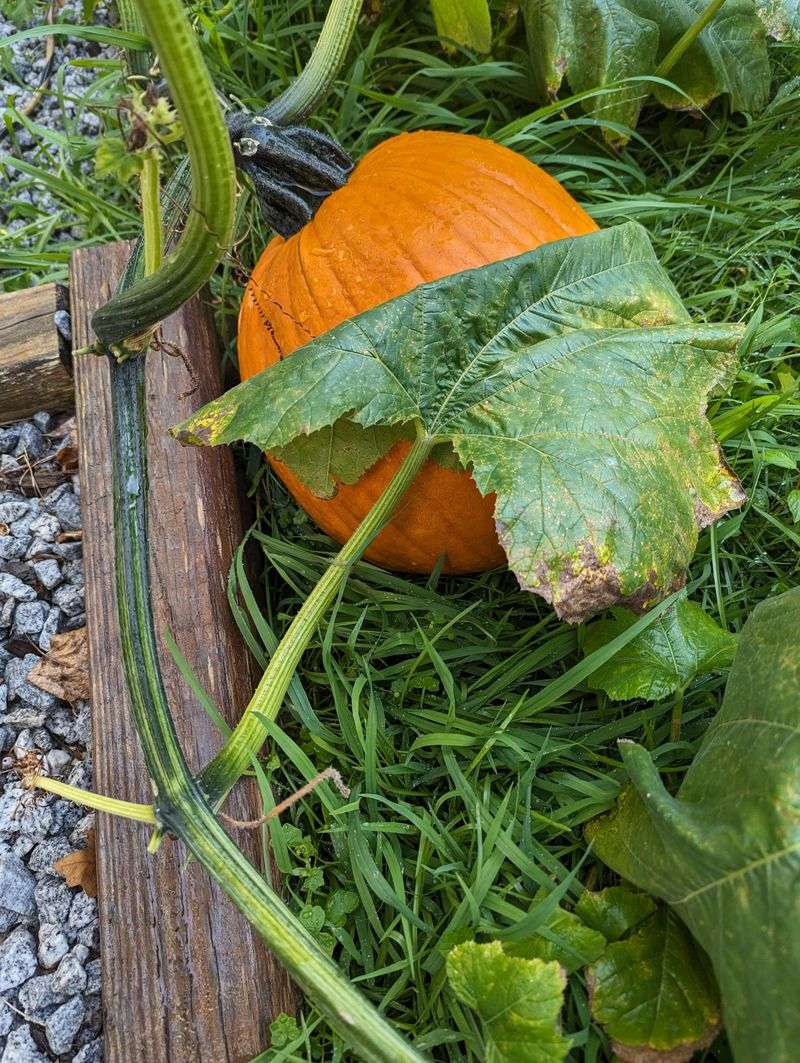
Treat your squash like a carton of eggs, and it will thank you later. Rough handling during harvest might seem harmless, but tiny injuries can shorten storage life by weeks.
Every cut, bruise, or broken stem opens a door for rot organisms to sneak inside. A fruit that loses its stem is especially at risk, because that open wound on top spoils much faster than the rest of the rind.
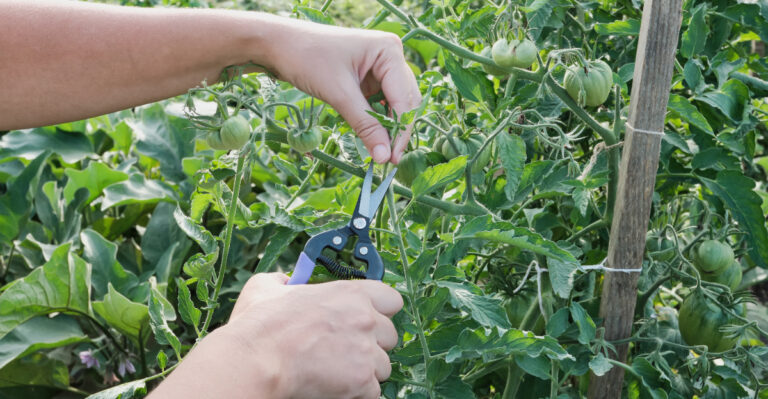
Keeping the stem attached is one of the easiest ways to protect your harvest. Grab a pair of sharp pruning shears instead of twisting or yanking fruit off the vine.
Leave about 2 to 4 inches of stem on pumpkins and about an inch or more on smaller squash. As tempting as it is, never carry a pumpkin by its stem like a handle, since it can snap right off.
Set each fruit down softly rather than dropping it into a wheelbarrow or bin. Wipe away clinging dirt with a dry cloth.
For extra protection, some gardeners wipe the surface with a dilute bleach solution of about 1 part bleach to 10 parts water, which helps reduce mold on the skin. Let the fruit dry fully afterward.
Michigan autumns tend to be wet, and squash often comes out of cool, damp soil. That moist ground can carry rot organisms that cling to the rind. A little extra care at harvest time keeps those troublemakers from getting a head start in your storage room.
4. Cure Thick-Skinned Types In Warm Conditions
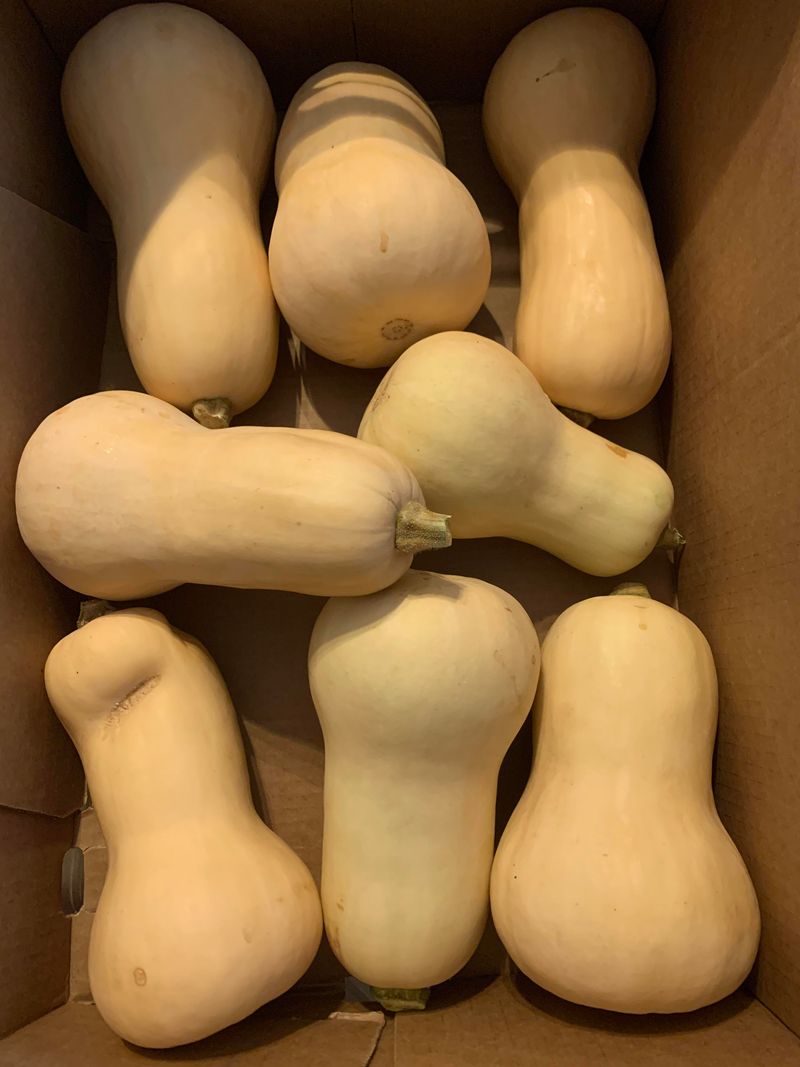
Think of curing as a spa day for your squash. A short stay somewhere warm transforms the rind, turning it tougher and better at guarding the flesh inside.
Butternut squash, hubbard squash, and pumpkins all benefit from this step. Curing hardens the skin, heals small scratches from harvest, and helps the fruit hold on to its moisture. The result is a squash that keeps much longer than one tossed straight onto a shelf.
Warmth is the secret ingredient. Curing works best at about 80 to 85°F with fairly high humidity for roughly 10 to 14 days. During that time, the skin toughens and any little nicks seal over.
Finding a warm spot takes a bit of creativity. A room near the furnace works well, and so does a sunny area inside your house. If you have a greenhouse, it can make a great curing station on bright fall days.
Keep the fruit off cold concrete or tile floors, which can pull heat away and slow the process. Use a table, shelf, or a few wooden pallets instead. Leave space between each squash so air can flow freely around every side.
Here in Michigan, outdoor fall temperatures usually drop far too low for proper curing. Leaving squash on the porch in October will not give the rind the warmth it needs. Bringing the job indoors gives your harvest the best shot at lasting deep into winter.
5. Skip Curing For Acorn Squash
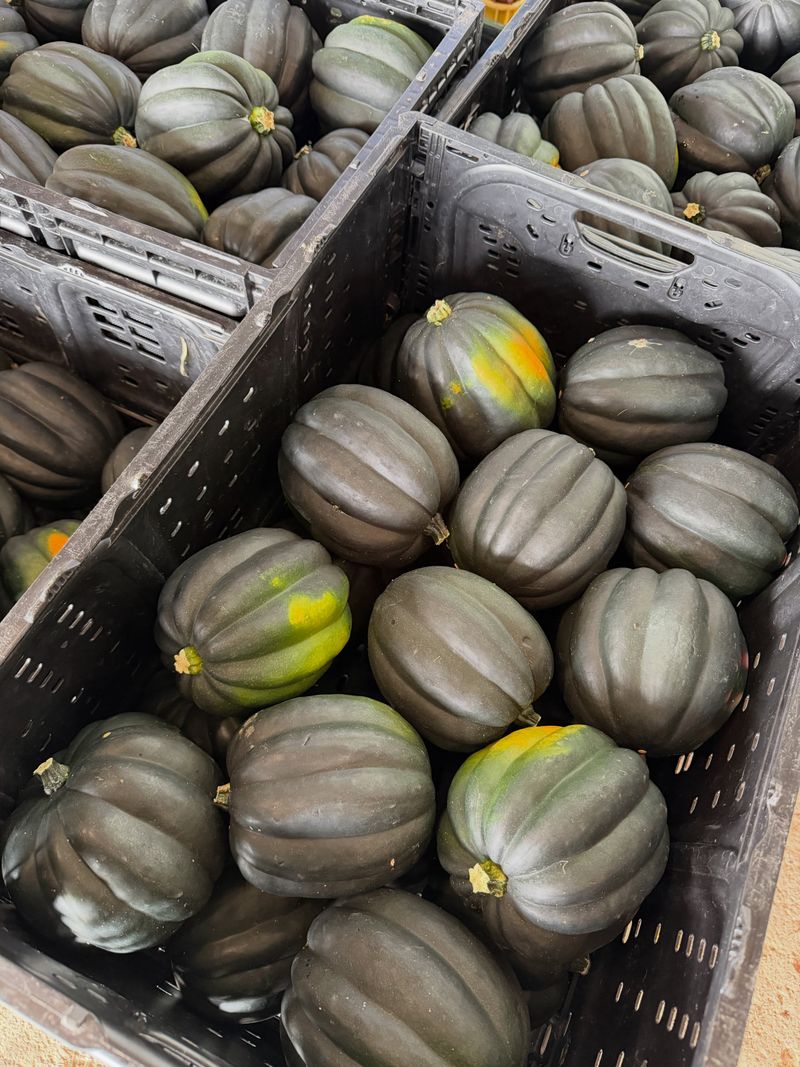
Not every squash wants the warm treatment. Acorn squash, a favorite in many Michigan gardens, actually does better when you skip the curing step altogether.
Warm curing temperatures work against this variety. Holding acorn squash at 80°F or so can make the flesh stringy and cut its storage life short. Delicata and spaghetti squash also need little or no curing, so there is no reason to fuss over them.
The plan for these types is simple. After harvest, move acorn squash straight into cool storage instead of a warm room. Brush off any dirt, check for damage, and set them in your storage area right away.
Timing your meals matters here too. Delicata and acorn squash do not keep as long as their thicker-skinned cousins, so try to enjoy them within the first couple of months.
Roast them in October and November, stuff them for holiday dinners, and save the hardier butternut and hubbard for the snowy weeks ahead.
Michigan growers have a good reason to love acorn squash. It matures quickly, which makes it a smart pick for shorter northern growing seasons, especially up north and in the Upper Peninsula.
Many gardeners plant it because they know it will ripen before frost. That quick-growing nature comes with a tradeoff, since it is not built for long storage. Treat it as your early-season treat, and you will get the best flavor and texture from every one you grow.
6. Store Cool, Dry, And Never Cold
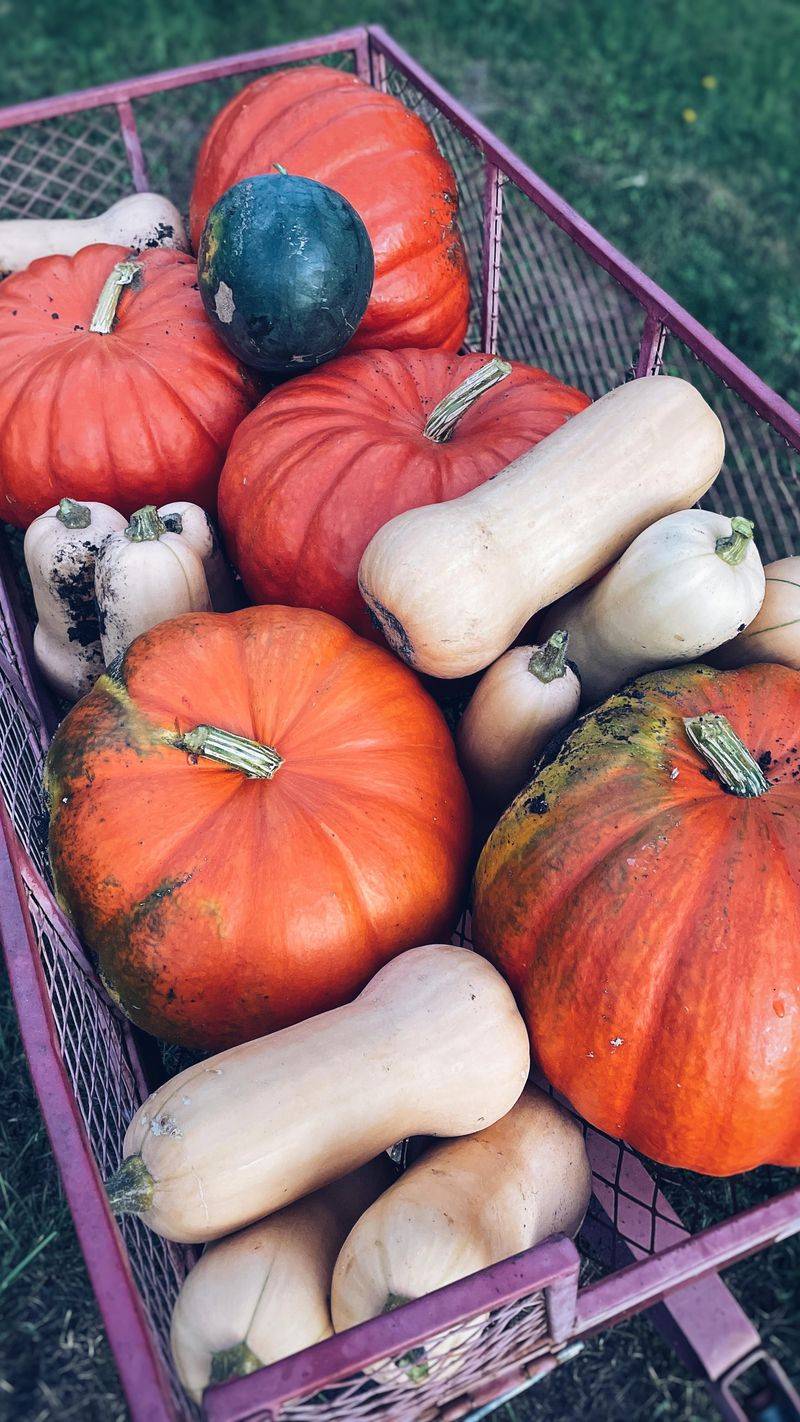
Goldilocks would make a great squash keeper. Your harvest needs a spot that feels not too warm, not too cold, but just right.
Winter squash and pumpkins store best at about 50 to 55°F with moderate humidity and steady airflow. Drop below about 50°F, and the fruit can suffer chilling injury, which often leads to decay later on.
Very warm spots cause trouble too, because heat speeds up drying and aging. Setting up your storage area is easy once you know the rules.
Arrange fruit in a single layer on shelves, racks, or even flattened cardboard. Make sure they do not touch each other, since contact points can trap moisture and spread rot.
Keep squash out of the refrigerator. It is far too cold and damp for long-term storage, and the fruit will break down faster than you expect. A cut piece can go in the fridge, but whole ones belong elsewhere.
Watch what else shares the room, too. Ripening apples, pears, and other fruits release ethylene gas, which can speed up aging in your squash. Give them their own space whenever possible.
Michigan winters bring one big challenge. Unheated garages and porches often freeze solid by December, and frozen squash turns to mush once it thaws.
A cool basement or an unheated room that stays above freezing usually makes the best home for your harvest, keeping it safe and steady until you are ready to cook.
7. Know How Long Each Type Keeps
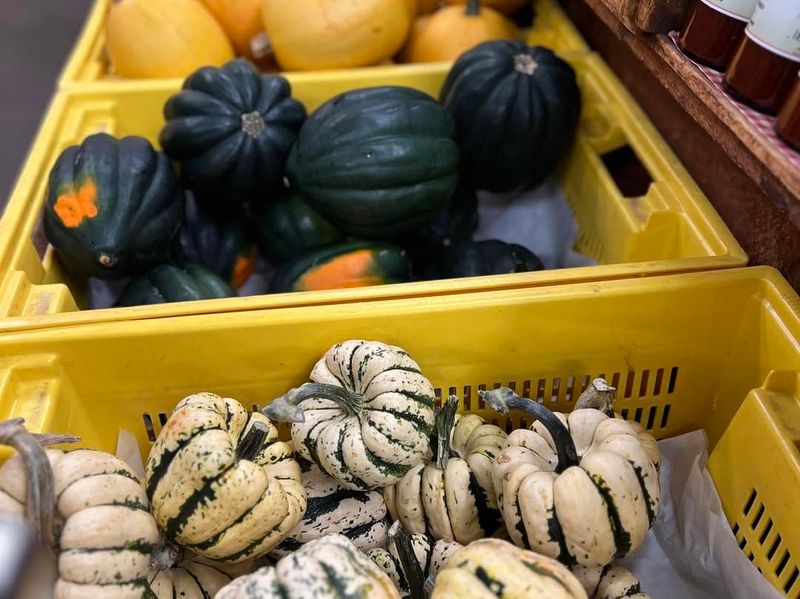
Some squash are sprinters, and others are marathon runners. Knowing which is which helps you plan meals from fall right through late winter.
The difference comes down to rind thickness and flesh density. Thick rinds and dense flesh hold moisture better and fight off rot longer. That is why a few types last only a few weeks, while others sit happily on the shelf for months.
Under good storage conditions, acorn squash keeps for about 5 to 8 weeks. Pumpkins and butternut squash last about 2 to 3 months, and sometimes even longer. Hubbard squash is the champion of the group, often keeping for up to about 5 to 6 months.
Butternut has a tasty surprise hidden inside. After a few weeks in storage, some of its starches turn into sugars, so the flesh often tastes sweeter than it did right after harvest.
Many cooks wait until November or December to enjoy their butternuts for exactly that reason.
A simple plan makes all of this work. Use acorn and delicata first, move on to pumpkins and butternut through the holidays, and save hubbard for the heart of winter. Jotting down harvest dates on a calendar or labeling shelves can help you stay on track.
Michigan winters stretch long, often from November into March or beyond. Planning the order you eat your squash lets your homegrown harvest keep showing up at dinner long after the garden sleeps under snow.
8. Check Stored Fruit Often And Use Damaged Ones First
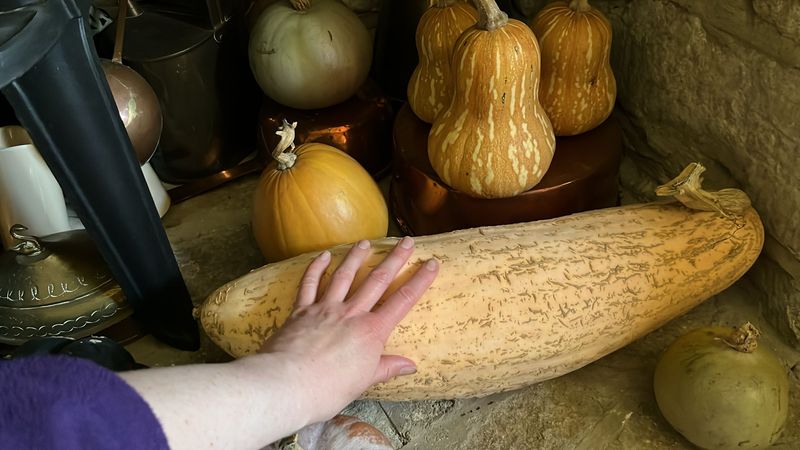
One bad apple really can spoil the bunch, and the same goes for squash. A quick peek at your stash every so often can save the rest of your harvest.
A single soft or moldy fruit can pass rot to any neighbor it touches. Small blemishes that show up in storage rarely stay small, either. They tend to grow bigger and softer as the weeks go by.
Make a habit of checking your fruit every week or two. Pick each one up, turn it over, and look closely at the bottom and around the stem. Gently press the rind to feel for any give.
Sort as you go. Fruit with small soft spots, scratches, or missing stems should move to the front of the line and land in your next meal. Anything that feels mushy or leaks liquid needs to be removed and tossed right away, so it cannot spread trouble.
Squash that starts slipping does not have to go to waste. Roast or steam it, scoop out the flesh, and freeze it in bags or containers. Frozen squash works beautifully in soups, pies, muffins, and even pasta sauce.
In Michigan, squash may sit in storage for months while snow piles up outside. Those regular checkups become part of the winter routine, much like shoveling the driveway.
A few minutes of attention keeps your pantry full of good food until the first spring seeds go in the ground.