15 Poisonous Plants New Jersey Homeowners Might Not Know They Have
That climbing vine by your fence? It might be doing more than adding curb appeal. New Jersey yards are full of plants that look completely harmless until someone touches them, chews on a leaf, or lets a curious dog sniff too close.
Suburban gardens from Bergen County to the Jersey Shore quietly host species that can cause burning rashes, upset stomachs, or worse, and most homeowners walk right past them without a second thought.
It’s easy to assume that if a plant is sold at a local nursery, it must be safe. That assumption is exactly what gets people into trouble.
A patch of ivy, a cluster of berries, or a flowering shrub near the mailbox can carry risks that only show up after contact.
What follows breaks down which New Jersey yard plants deserve a closer look, why they’re riskier than they appear, and how to keep your family and pets safe without giving up your garden’s charm.
1. Poison Ivy
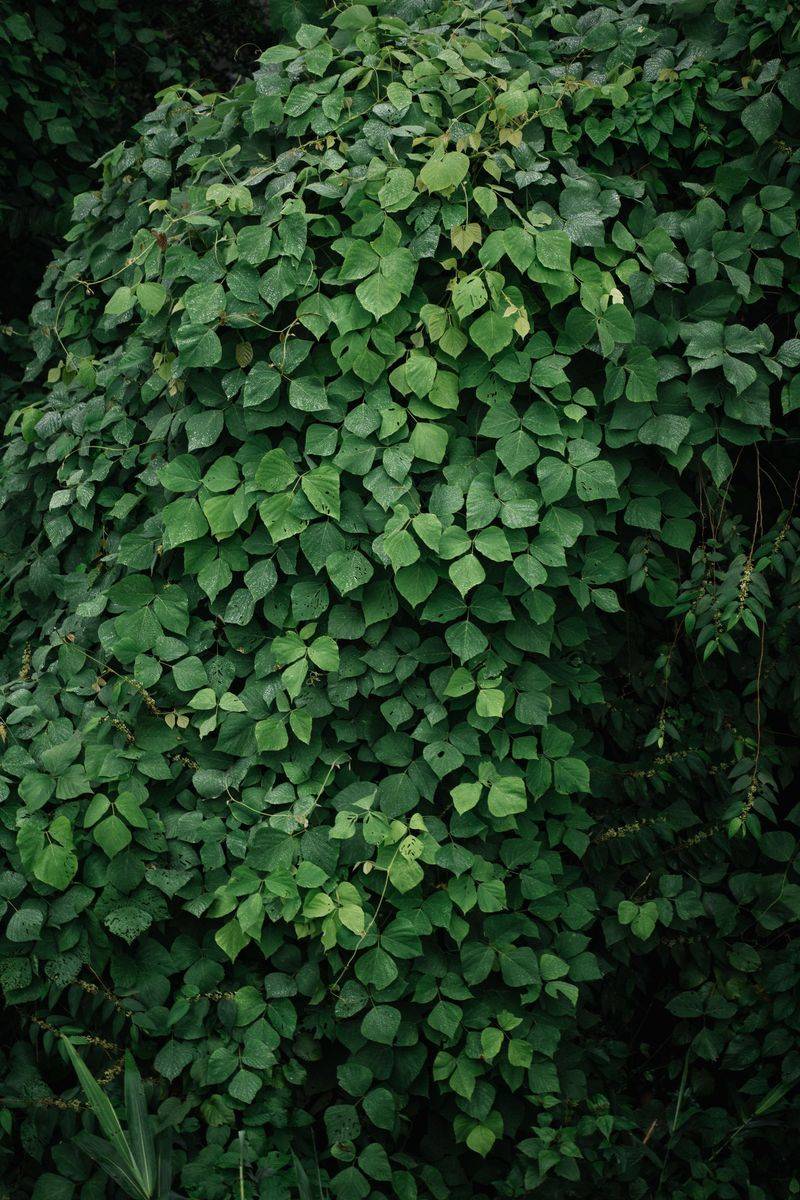
You have probably heard the saying: leaves of three, let it be. Poison ivy is one of the most widespread toxic plants across the eastern United States, and it loves New Jersey yards.
It grows as a vine, a shrub, or even a ground-covering plant. That flexibility makes it easy to overlook, especially when it blends in with other garden greenery.
Touching any part of the plant releases urushiol, an oily resin that causes a red, blistering rash. Even indirect contact, like touching a pet or tool that brushed against the leaves, can trigger a reaction.
In fall, the leaves turn a striking red or orange, which makes them look almost decorative. Wear gloves and long sleeves when clearing brush, and bag clippings carefully to avoid skin exposure.
2. Pokeweed
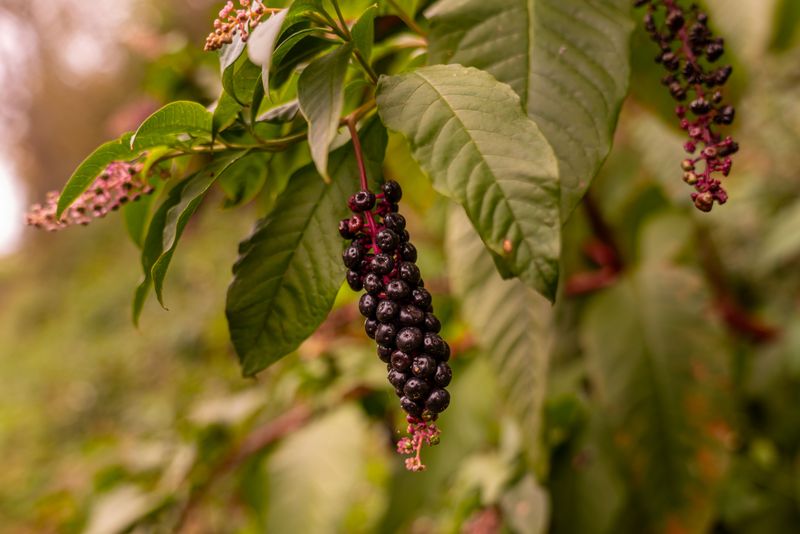
Pokeweed looks like it belongs in a fairy tale. Its tall magenta stalks and clusters of dark purple berries are notably showy, and that beauty is exactly what makes it so dangerous.
Birds eat the berries without any problem, which helps spread the plant across yards and fence lines fast. Humans, however, can have serious reactions from eating even a small number of those same berries.
Every part of pokeweed is toxic, including the roots, stems, and leaves. Children are especially at risk because the berries look like blueberries or wild grapes to curious young eyes.
The root is considered the most potent part of the plant. If you spot pokeweed growing near a play area or garden bed, remove it carefully while wearing gloves and wash your hands thoroughly afterward.
3. Foxglove
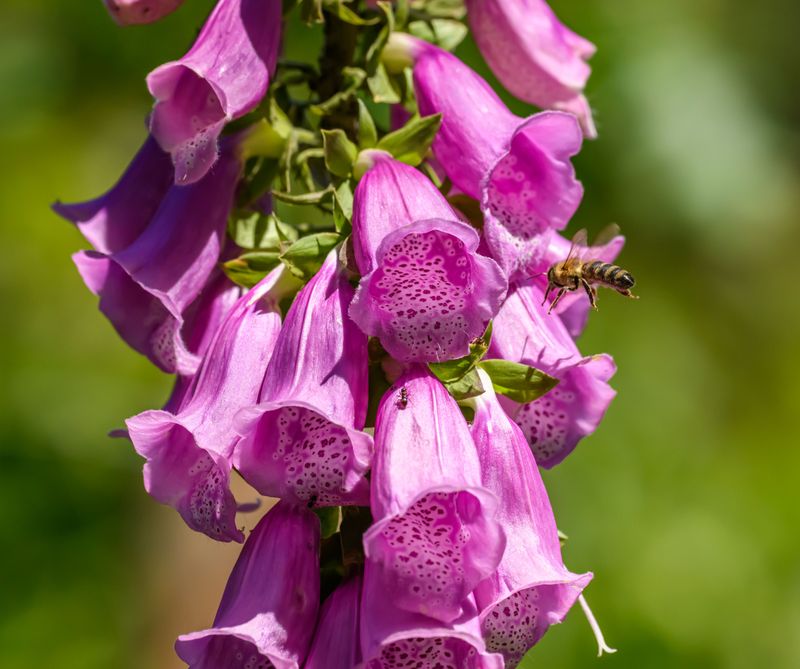
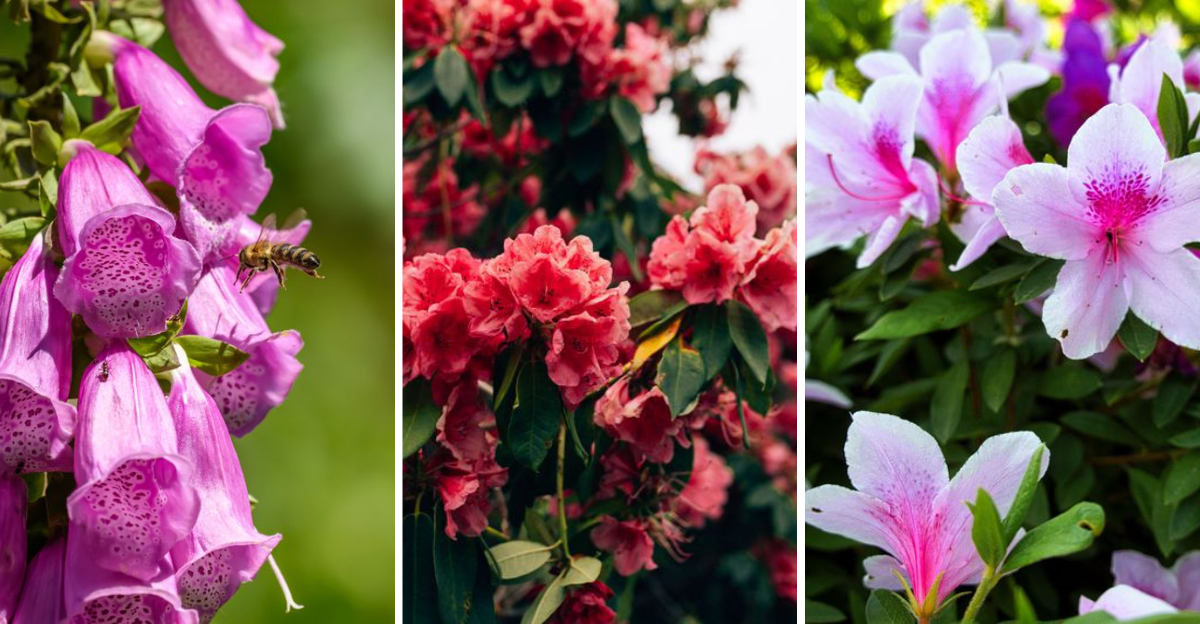
Foxglove draws attention in any garden with its tall spires of tubular flowers in shades of purple, pink, and white, the kind of blooms you’d expect on a cottage garden postcard.
What most homeowners do not know is that foxglove contains digitalis, a compound that directly affects the heart. Ingesting any part of the plant can cause nausea, irregular heartbeat, and serious cardiac symptoms.
Your New Jersey Garden Changes Every Week. Your Plan Should Too.
Gardening in New Jersey changes quickly throughout the season. Every Friday you’ll receive a simple weekly plan showing exactly what to plant, prune, fertilize, harvest, and protect so you never miss the right timing.
It is commonly sold at garden centers without much warning about its toxicity. Many people plant it without realizing it poses a real risk to children, pets, and even adults who handle it without washing their hands.
Foxglove is a biennial, meaning it grows leaves the first year and flowers the second. If you choose to keep it, place it in a fenced area away from kids and curious animals.
4. Oleander
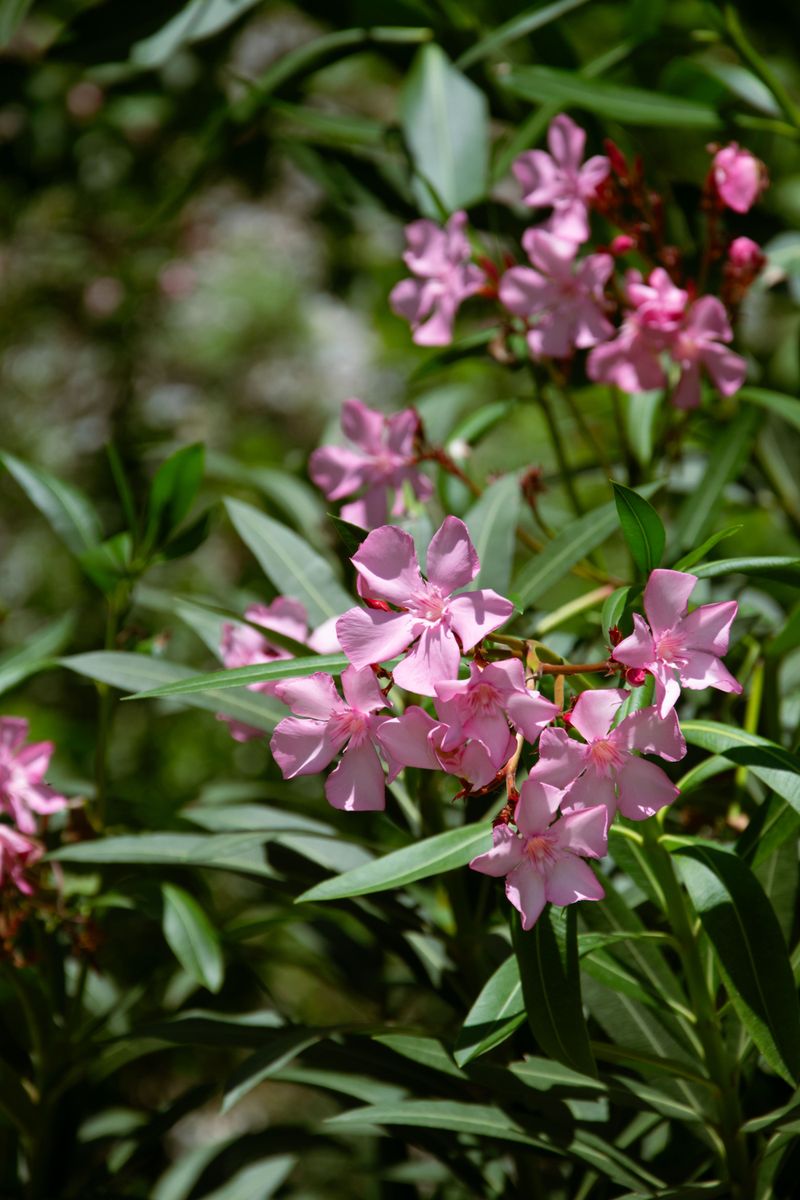
Oleander is a showstopper shrub that produces clusters of cheerful pink, red, or white flowers. It isn’t reliably winter-hardy in New Jersey, so most homeowners grow it in containers and bring it indoors for winter.
Still, it’s widely sold at local nurseries and carries the same risks either way. But oleander is one of the more toxic flowering plants commonly sold for home landscaping.
Every single part of it, from the flowers to the roots to the sap, contains compounds that can cause severe reactions.
Symptoms from exposure include vomiting, dizziness, and heart irregularities. Even burning oleander clippings is dangerous because the smoke carries toxic particles that can irritate the lungs.
Despite the risks, many homeowners plant oleander without any knowledge of its hazards. If you have children or pets who spend time in the yard, consider replacing it with a safer flowering shrub like knockout roses or butterfly bush.
5. Rhododendron
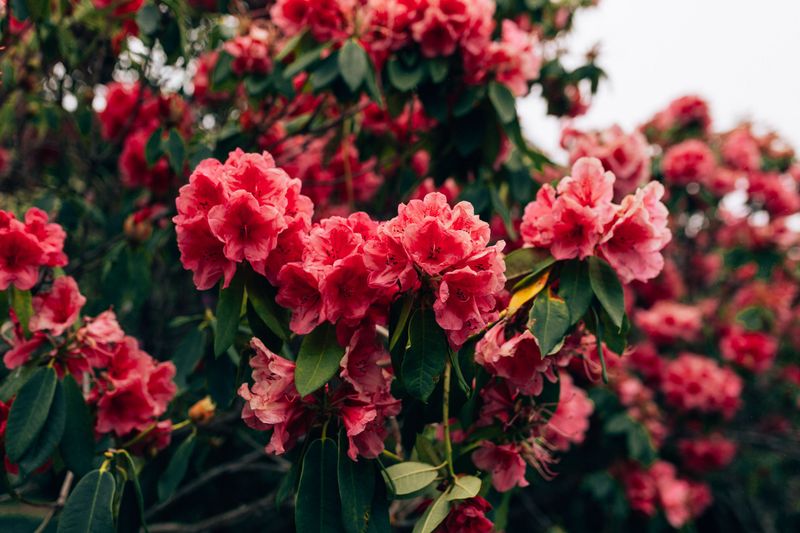
Walk through almost any New Jersey neighborhood in spring, and you will see rhododendrons in full, spectacular bloom.
Those massive clusters of pink, purple, and red flowers are practically a Garden State tradition. What surprises most homeowners is that rhododendrons are toxic to both people and animals.
The leaves, flowers, and nectar all contain grayanotoxins, compounds that interfere with nerve and muscle function. Pets that chew on the leaves can experience drooling, weakness, and coordination problems.
In some parts of the world, honey made from certain rhododendron species has caused illness in people and earned the nickname mad honey. This isn’t a realistic risk from home garden rhododendrons or store-bought honey, though.
You do not need to tear out your rhododendrons to stay safe. Simply keep an eye on pets and small children around these shrubs, and avoid letting anyone snack on the flowers during outdoor gatherings.
6. Azalea
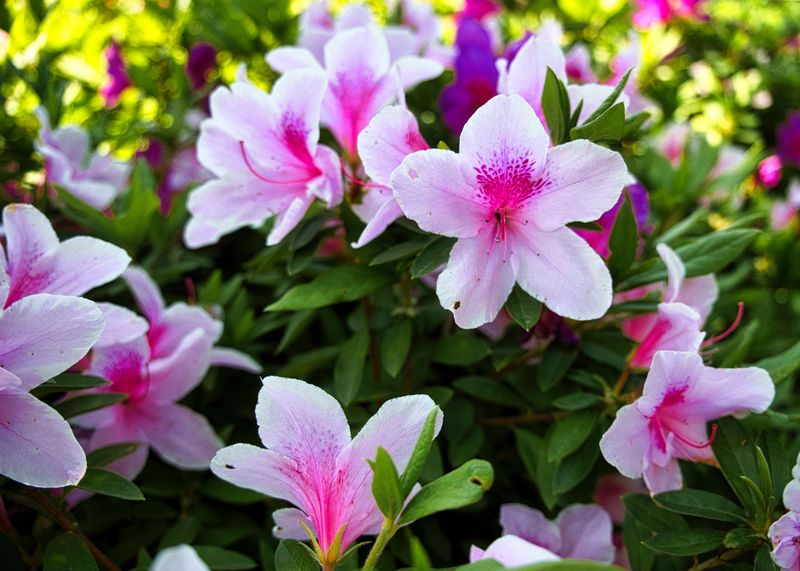
Azaleas and rhododendrons are close cousins, and they share more than just their good looks. Both belong to the same plant family, and both carry the same toxic compounds that can cause real harm.
Azaleas are one of the most planted ornamental shrubs in New Jersey. Their burst of spring color makes them irresistible at garden centers, and most shoppers never ask about toxicity.
The danger is highest for pets, particularly dogs and cats who might nibble on fallen flowers or leaves. Even a small amount can cause vomiting, low blood pressure, and sluggishness in animals.
Children who put flowers in their mouths are also at risk. If you have azaleas lining your walkway or front porch, make sure young kids understand that these are look-but-do-not-touch plants from the very start.
7. Lily Of The Valley
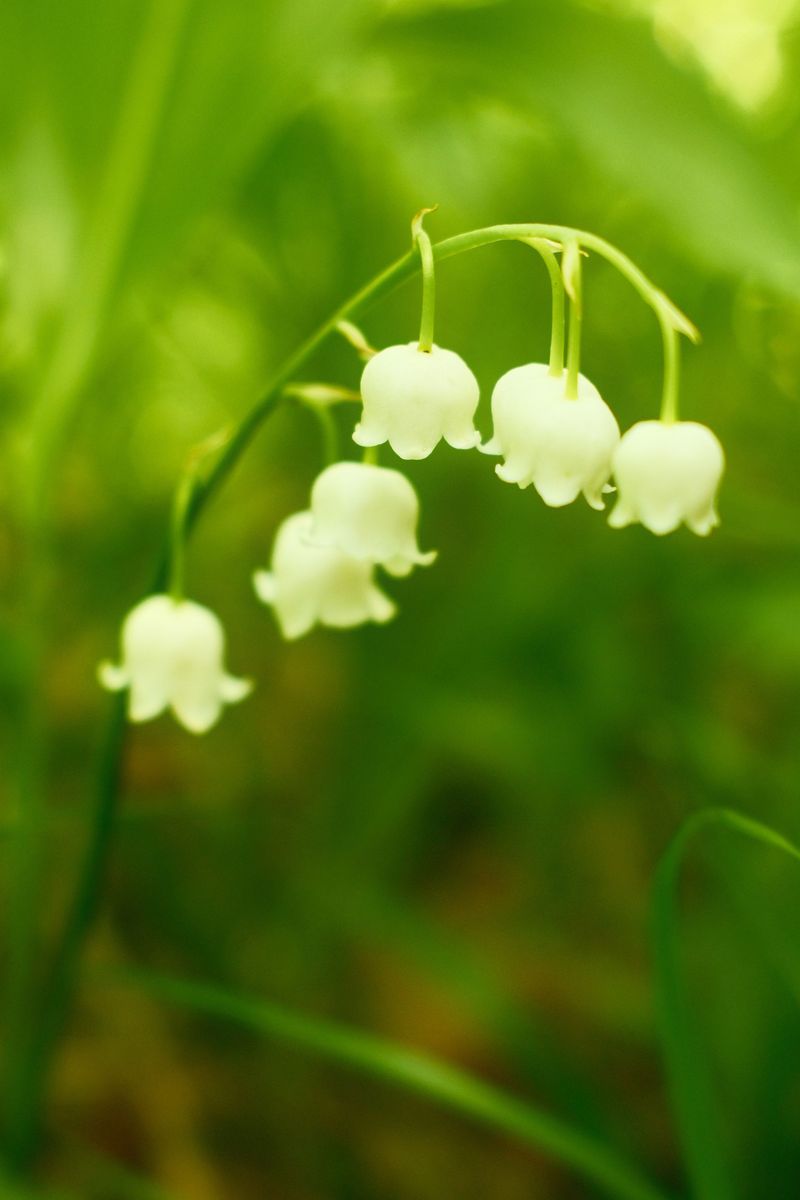
Few plants feel as innocent as lily of the valley. Its tiny white bell-shaped flowers are dainty, its fragrance is sweet, and it spreads easily into a lush ground cover under trees.
That sweet reputation hides a serious secret. Lily of the valley contains over 30 cardiac glycosides, compounds that can cause heart rhythm problems when ingested.
The berries that appear in late summer are especially tempting to children because they are small and bright red. Eating just a handful can trigger symptoms that require immediate medical attention.
Even the water in a vase holding cut lily of the valley flowers becomes toxic over time. Keep this plant out of reach of young children and pets, and consider wearing gloves when handling it during garden maintenance.
8. Daffodil Bulbs
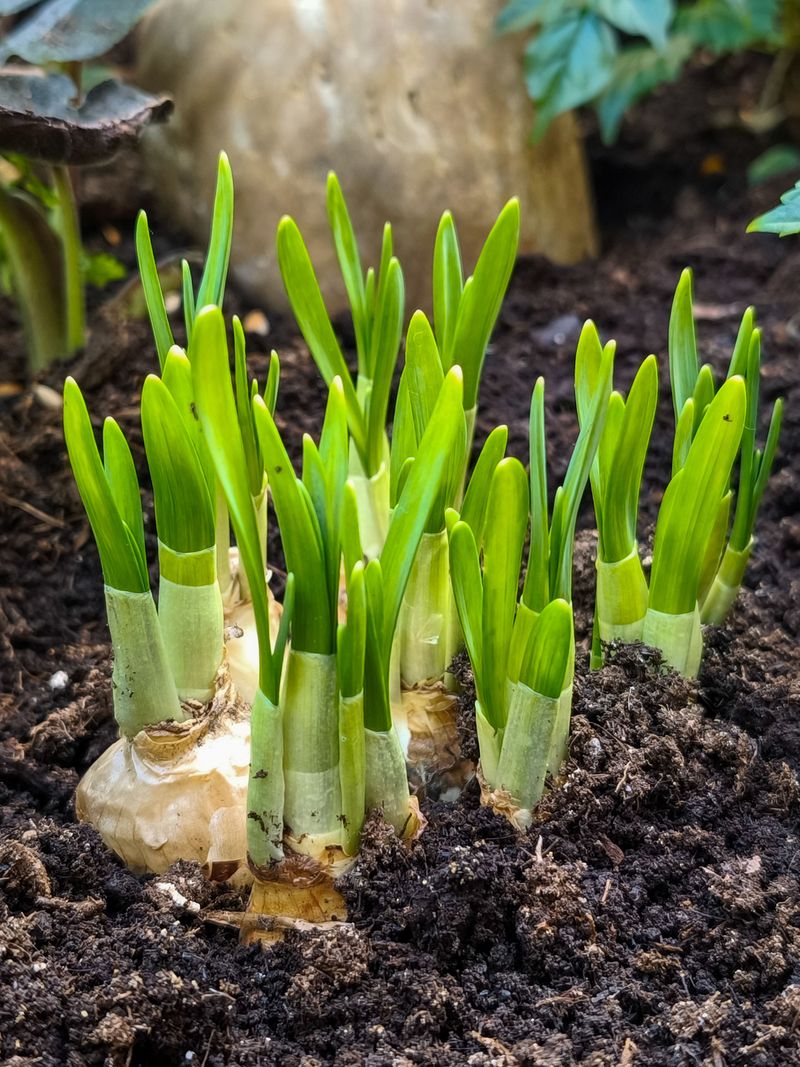
Daffodils are one of the most beloved signs of spring in New Jersey yards. Those cheerful yellow and white blooms feel like a reward after a long winter, and planting bulbs in fall is a backyard tradition for many families.
What most gardeners do not realize is that the bulbs are the most toxic part of the plant. They contain lycorine and other alkaloids that cause intense nausea, vomiting, and abdominal pain.
The problem often arises when bulbs are mistaken for onions. This mix-up happens more than you might expect, especially with children or elderly family members who garden by feel rather than sight.
Pets that dig up bulbs are also at risk, and dogs in particular seem drawn to freshly turned soil. Store bulbs in labeled containers and mark planted areas clearly so no one accidentally digs them up for any other purpose.
9. Hydrangea
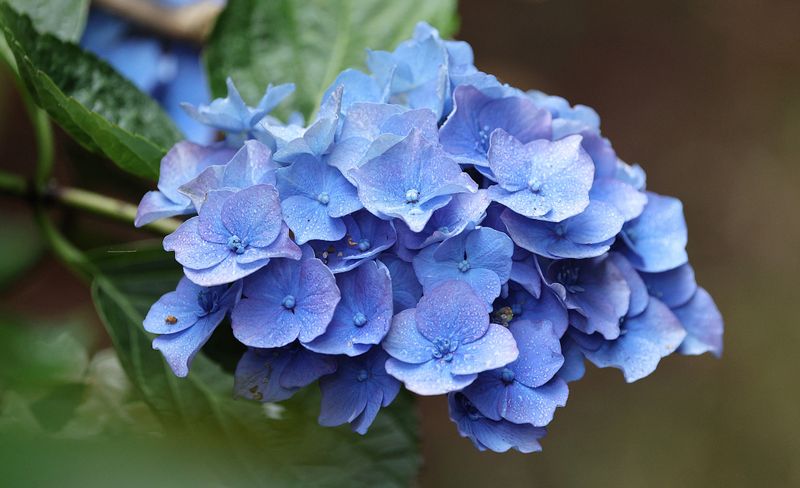
Hydrangeas are practically synonymous with summer in the suburbs. Their giant pom-pom blooms in shades of blue, pink, and white make them one of the most photographed plants in any backyard.
Surprisingly, hydrangeas contain compounds called cyanogenic glycosides in their leaves, flowers, and buds. When ingested, these compounds can release small amounts of cyanide in the body.
Symptoms of hydrangea exposure include stomach upset, dizziness, and in larger amounts, more serious reactions. Pets and children who chew on the flower heads or leaves are most commonly affected.
The good news is that serious poisoning from hydrangeas is relatively rare compared to other plants on this list. Still, it is worth knowing the risk, especially if you have a pet that likes to graze on garden plants during outdoor playtime.
10. Yew
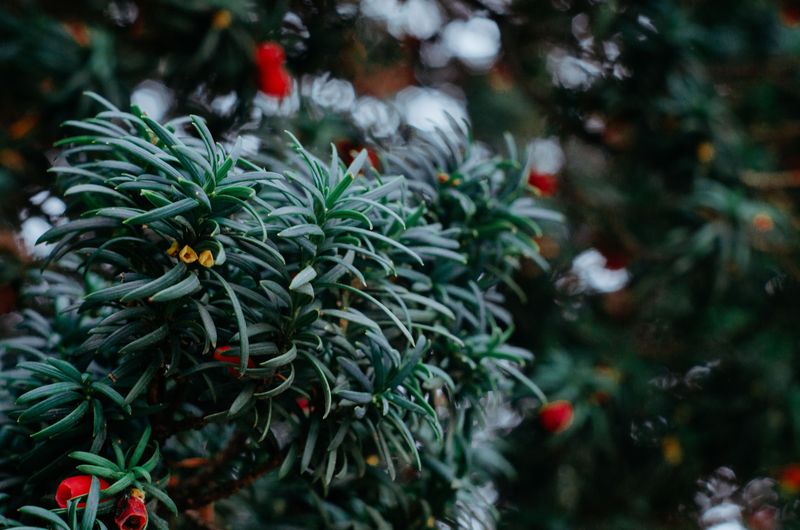
Yew shrubs are one of the most popular foundation plantings in New Jersey landscaping. They are evergreen, easy to shape, and hold their deep green color year-round, making them a go-to choice for curb appeal.
What most homeowners do not know is that yews are extraordinarily toxic. Almost every part of the plant contains taxine, a compound that can cause rapid heart failure in both humans and animals.
The bright red berries are the most dangerous part because they look edible and appealing. Children are naturally drawn to them, and even a small number of seeds can be fatal for pets.
Yews are so common in front yards and around entryways that the risk often goes completely unnoticed. If you have yew shrubs near areas where children or pets spend time, consider replacing them with a safer evergreen alternative.
11. Holly Berries
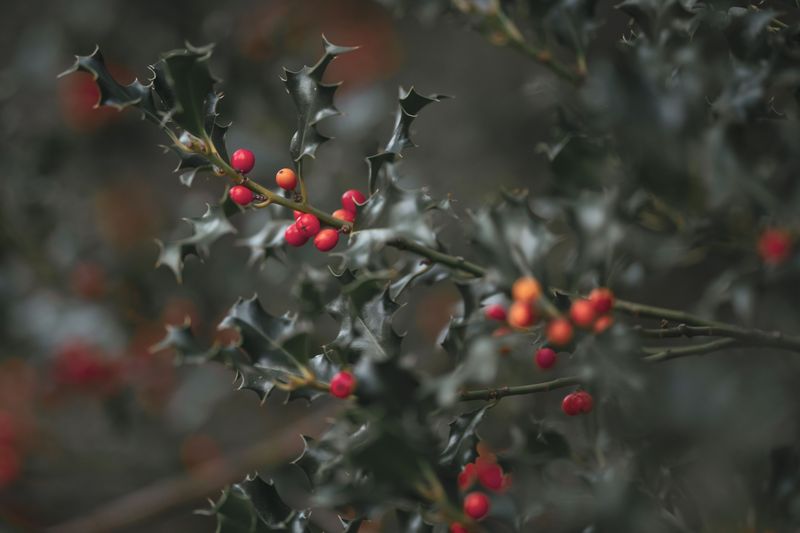
Holly is basically the poster plant of the holiday season. Its glossy green leaves and clusters of red berries show up on wreaths, greeting cards, and front porches from November through January across the country.
Those cheerful red berries are toxic, especially to children and pets. Eating just a few can cause vomiting, diarrhea, and stomach cramping, with larger amounts leading to more serious symptoms.
Holly bushes grow widely across New Jersey and are often planted along property lines or used as natural privacy hedges. That means the berries can fall and collect on the ground, putting curious kids and roaming pets at easy risk.
During the holidays, cut holly branches brought indoors for decoration drop berries onto floors where toddlers and pets can reach them. Keep decorative holly out of low-lying areas and sweep up fallen berries regularly throughout the season.
12. Nightshade
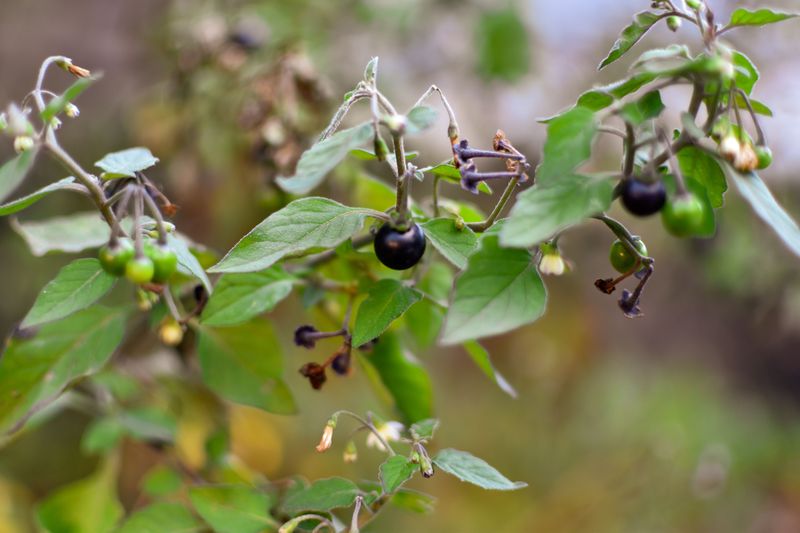
Nightshade sounds like something from a ghost story, and its reputation is not entirely undeserved. This weedy plant creeps into yards, fence lines, and garden borders across New Jersey without anyone planting it on purpose.
It produces small purple flowers followed by clusters of berries that shift from green to shiny black as they ripen. The berries are the most dangerous part, containing solanine, a toxic compound that causes gastrointestinal and neurological symptoms.
Children are the most common victims because the berries resemble tiny wild blueberries or grapes. A handful is enough to cause significant illness in a small child, making quick identification essential for any parent or caregiver.
Nightshade spreads quickly and tends to pop up near compost piles, shaded fences, and neglected garden corners. Walk your yard regularly and pull any nightshade plants you spot before the berries have a chance to ripen.
13. Castor Bean
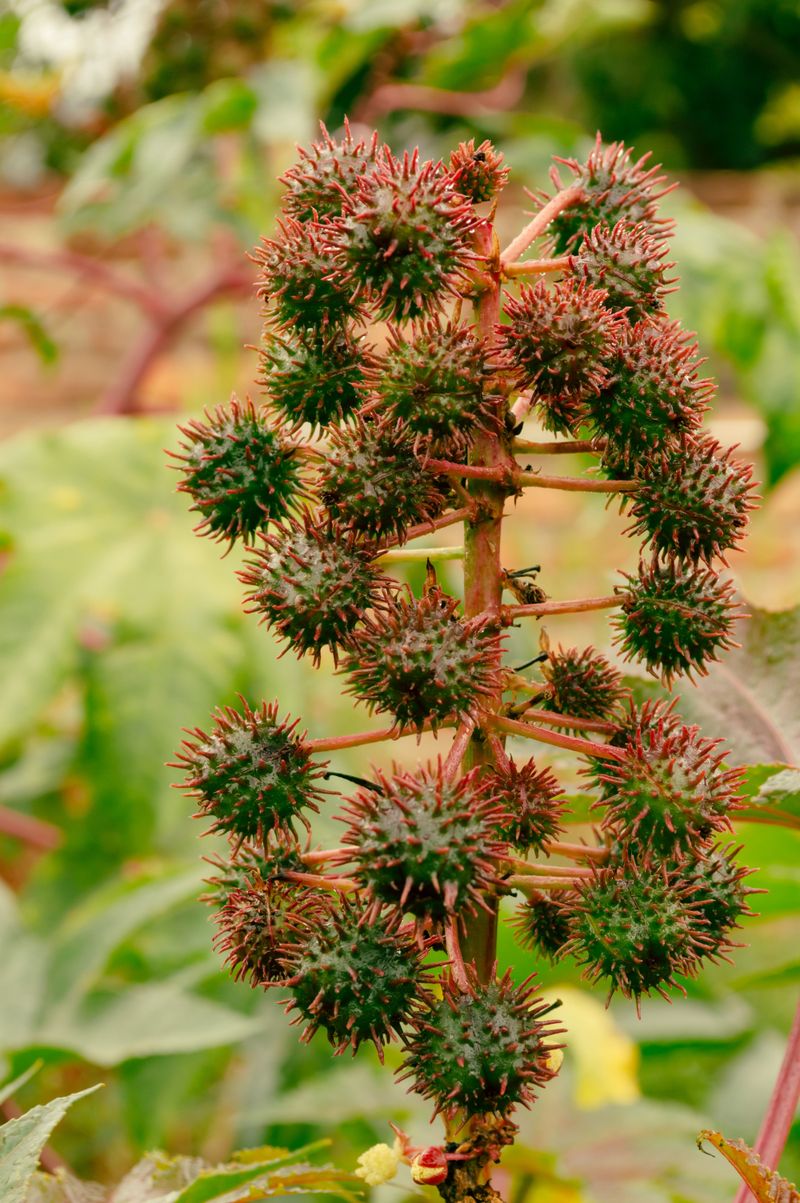
Castor bean plants look like something transplanted from a tropical jungle. Their enormous, star-shaped leaves and dramatic height make them a popular ornamental choice.
In New Jersey’s climate, though, they only last as annuals, replanted from seed each year. What most people do not know is that castor beans contain ricin, one of the most toxic naturally occurring substances on Earth.
The seeds are the most dangerous part, and even a small number can cause life-threatening illness. Ricin interferes with protein production in cells, leading to organ failure if enough is consumed.
Castor bean plants are sometimes sold at garden centers without adequate warning labels, leaving buyers completely unaware of what they are bringing home.
If you spot this plant in your yard or a neighbor’s garden, take it seriously. Remove it carefully while wearing gloves and a mask, and dispose of it in sealed bags rather than a compost pile.
14. Autumn Crocus
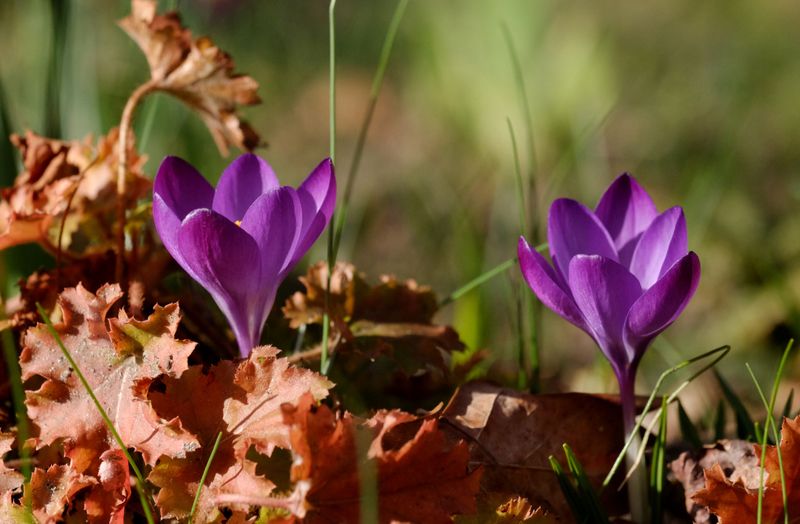
Autumn crocus has a trick up its sleeve that catches most homeowners completely off guard. Unlike spring crocuses, this plant sends up its flowers in September and October without any leaves, making it look almost ghostly in the garden.
The bare-stemmed blooms are beautiful in a haunting way, but the entire plant is highly toxic. It contains colchicine, a compound that can cause severe multi-organ damage when ingested in significant amounts.
The bulbs are often confused with wild garlic or onions, which creates a genuine risk for anyone foraging in their yard.
Symptoms of exposure can be delayed by hours, which makes the situation even more dangerous because people may not connect the illness to the plant right away.
Autumn crocus is particularly hazardous for pets that dig in garden beds during fall. Label your bulb areas clearly and keep pets away from garden beds where these plants are established.
15. Jimsonweed
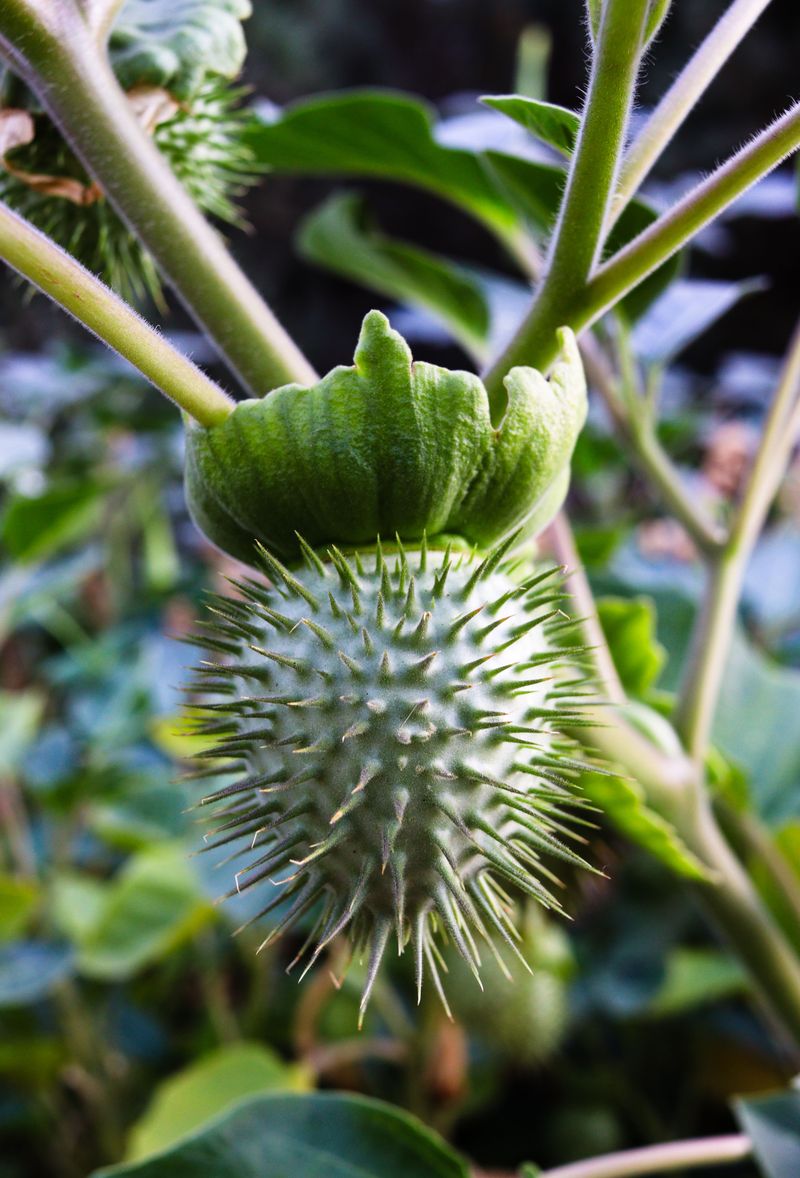
Jimsonweed is wild, weedy, and unpredictably potent once you understand its effects. This fast-growing plant pops up in disturbed soil, along roadsides, and near barns or neglected garden edges across New Jersey each summer.
Its large white or pale purple trumpet-shaped flowers are distinctive, which sometimes tempts gardeners to let it grow. Every part of jimsonweed is toxic, containing tropane alkaloids that cause hallucinations, rapid heartbeat, and extreme disorientation.
Teenagers have been known to intentionally consume jimsonweed, unaware of how unpredictable and dangerous the effects can be. The margin between a dose that causes symptoms and one that causes serious harm is dangerously narrow.
If you find jimsonweed growing on your property, remove it immediately while wearing gloves and long sleeves. These poisonous plants in New Jersey yards deserve fast action, not a second glance of admiration.